










Have you ever walked into a gym and felt overwhelmed by all the different types of workouts available?
I know I have! From treadmills to weight racks to yoga mats, it can be hard to figure out where to start. Here’s the good news: understanding the main types of workouts is simpler than you think.
I’ll walk you through the four essential types of workouts plus some popular variations. You’ll learn what each workout type does for your body, see examples you can try, and discover how to mix them for the best results.
Even if you’re just starting out or looking to improve your current routine, this guide will help you create a fitness plan that actually works.
What are the Main Types of Workouts?
Understanding the different types of workouts is key to building a balanced fitness routine that targets strength, endurance, flexibility, and stability.
The four core types of workouts include Aerobic Workouts (Cardio Training), which boost heart health and stamina for everyday movement. Strength Training Workouts build muscle, support bones, and improve overall physical power.
Flexibility Workouts increase range of motion, reduce stiffness, and enhance safe movement. Balance Workouts improve stability, coordination, and body control to prevent falls and support functional fitness.
Beyond these, other popular types of workouts like HIIT, Pilates, yoga, etc add variety, challenge different muscles, and help avoid plateaus while keeping fitness engaging.
The 4 Core Types of Workouts Everyone Should Know
Understanding the main types of workouts helps you build a balanced fitness routine, targeting strength, endurance, flexibility, and stability for overall health and improved daily performance.
1. Aerobic Workouts (Cardio Training)

Aerobic workouts are one of the most effective types of workouts, designed to improve heart health, increase stamina, and support overall endurance for daily activities and fitness goals.
- Benefits: Improves stamina, circulation, and oxygen flow, making daily activities like walking, climbing stairs, or standing longer easier.
- Examples: Brisk walking, running, cycling, swimming, dancing, or any continuous movement that keeps the body active for several minutes.
- Who It’s For: Beginners, older adults, or anyone aiming to improve endurance, manage weight, or stay physically active without heavy resistance.
Including aerobic workouts regularly as part of your workout routine boosts cardiovascular health, energy, and complements strength, flexibility, and balance training for complete fitness development.
2. Strength Training Workouts
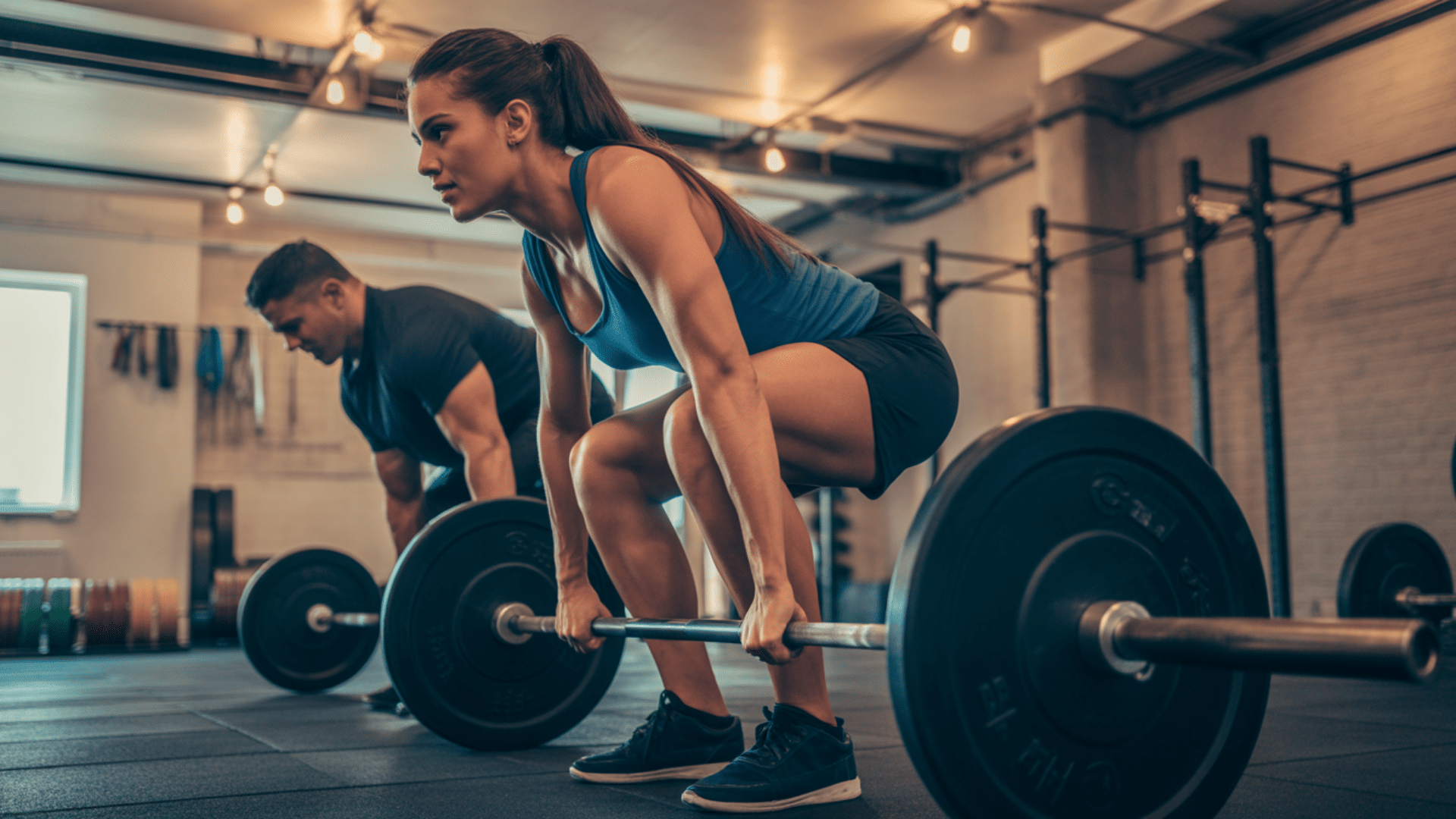
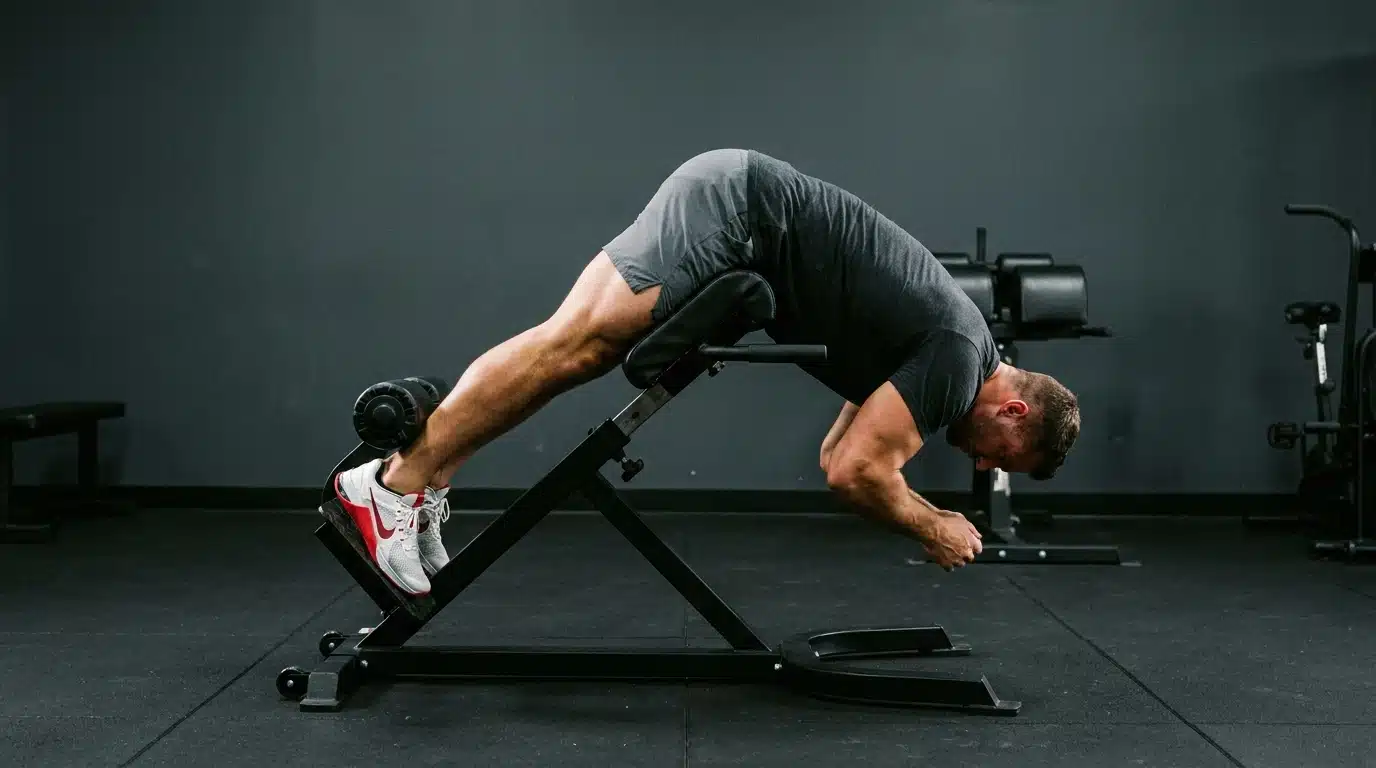
Strength training is one of the most important workouts that focuses on building muscle, increasing bone strength, and improving overall physical power and daily functional ability.
- Muscle and Bone Benefits: Helps muscles grow stronger, supports bones, improves posture, and makes daily tasks like lifting and carrying easier.
- Bodyweight vs Weights: Strength training can use bodyweight exercises, like push-ups and squats, or added resistance from weights, bands, or machines to challenge muscles effectively.
- Examples: Common exercises include squats, lunges, push-ups, planks, and resistance band routines, which can target different muscle groups for balanced strength.
Including strength training in your workout routine helps promote muscle growth, supports bone health, improves posture, and complements aerobic, flexibility, and balance exercises for a comprehensive fitness approach.
3. Flexibility Workouts
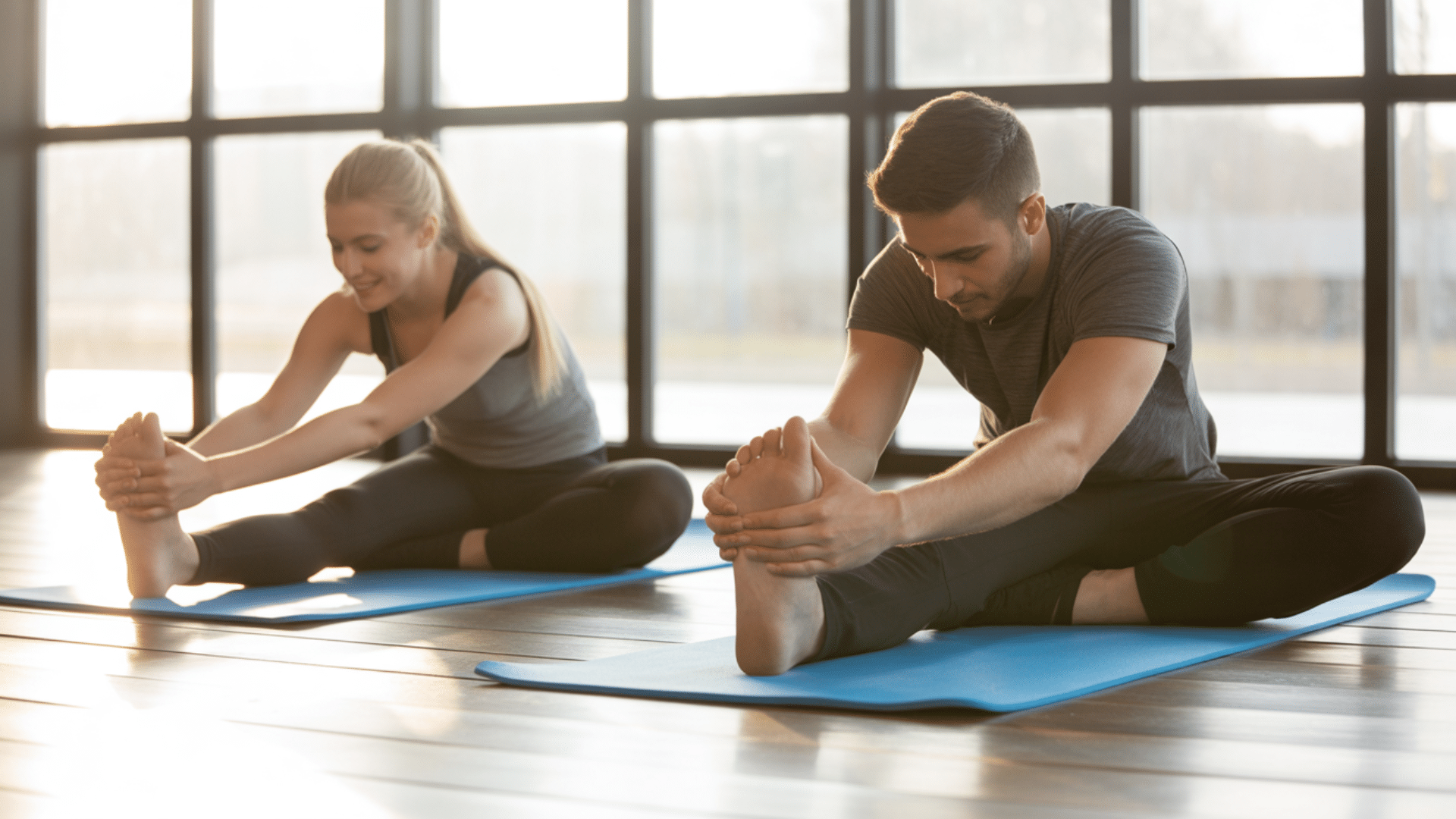
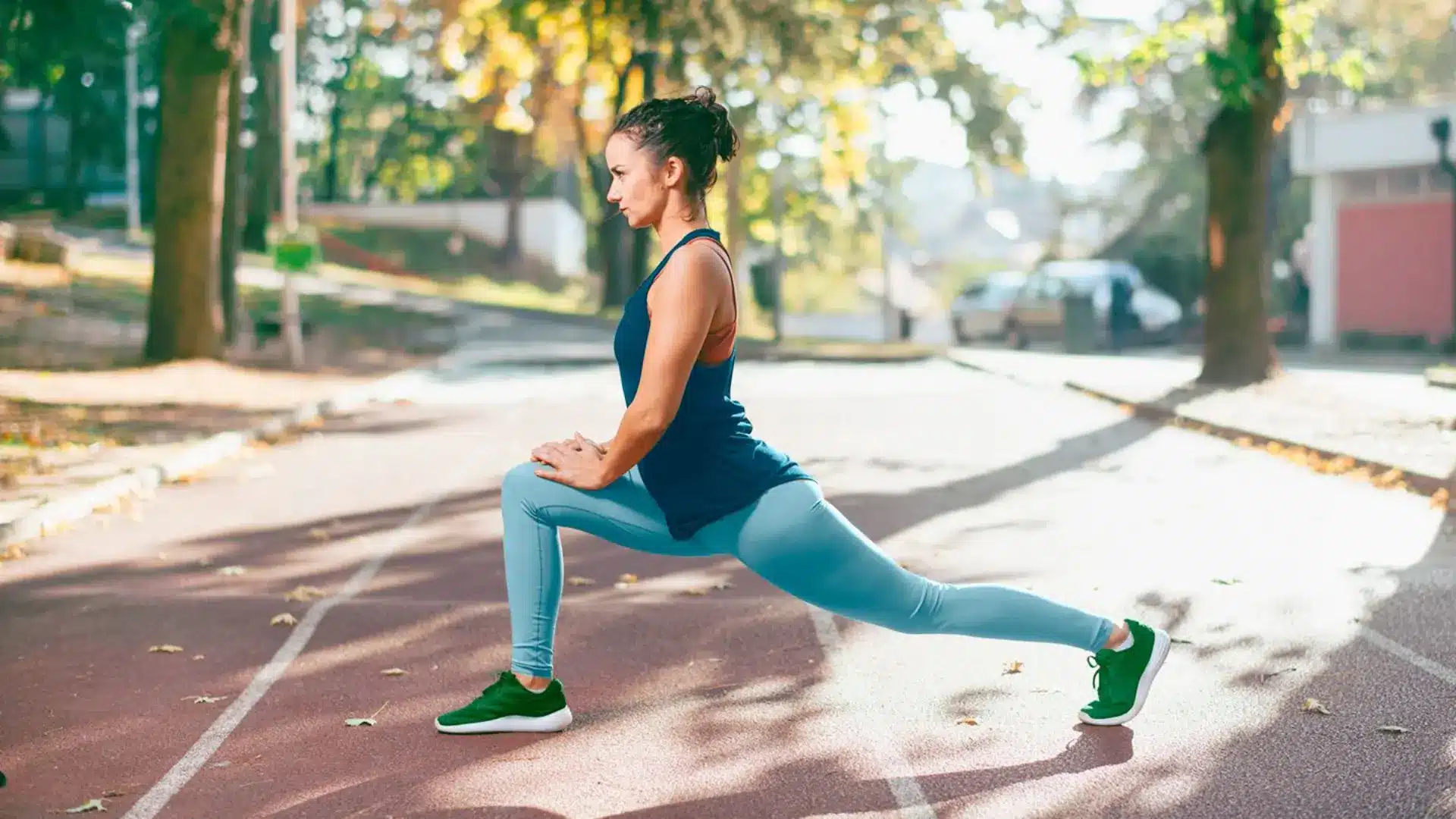
Flexibility is a key component in helping muscles and joints move freely, reduce stiffness, and support overall mobility for safer, more effective daily movement.
- Why It Matters: As the body ages, muscles and tendons shorten, making bending, reaching, and twisting harder, increasing the risk of injury and limiting daily movement.
- Static vs Dynamic Stretching: Flexibility workouts include static stretches, where a position is held for several seconds, and dynamic stretches, involving controlled, repetitive movement to warm up muscles.
- Examples: Yoga, Pilates, hamstring stretches, shoulder openers, and full-body mobility routines are common flexibility workouts that improve posture and smooth movement.
Including flexibility workouts in your day improves posture, prevents injuries, increases range of motion, and complements strength, balance, and aerobic exercises for complete fitness benefits.
4. Balance Workouts
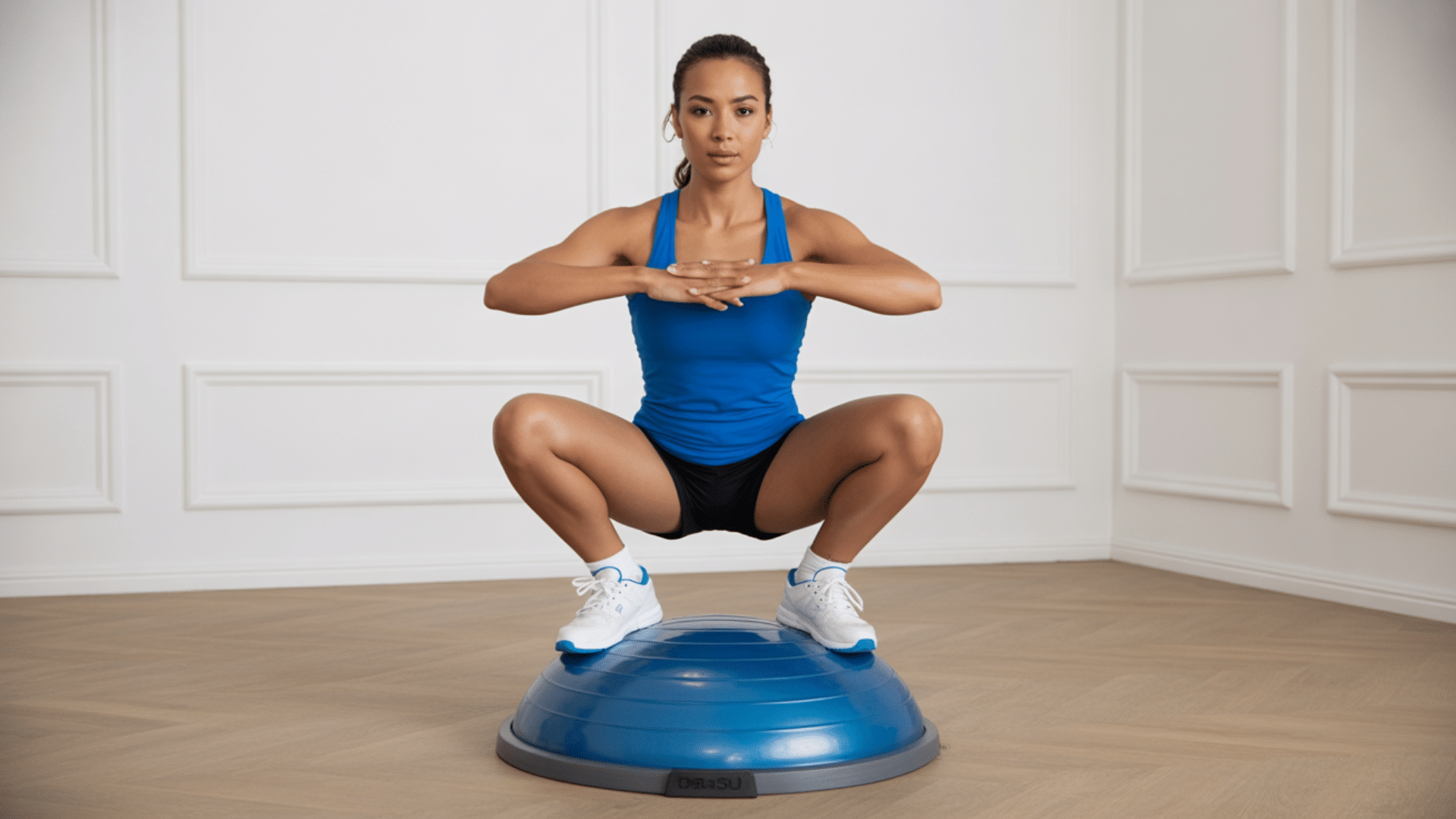
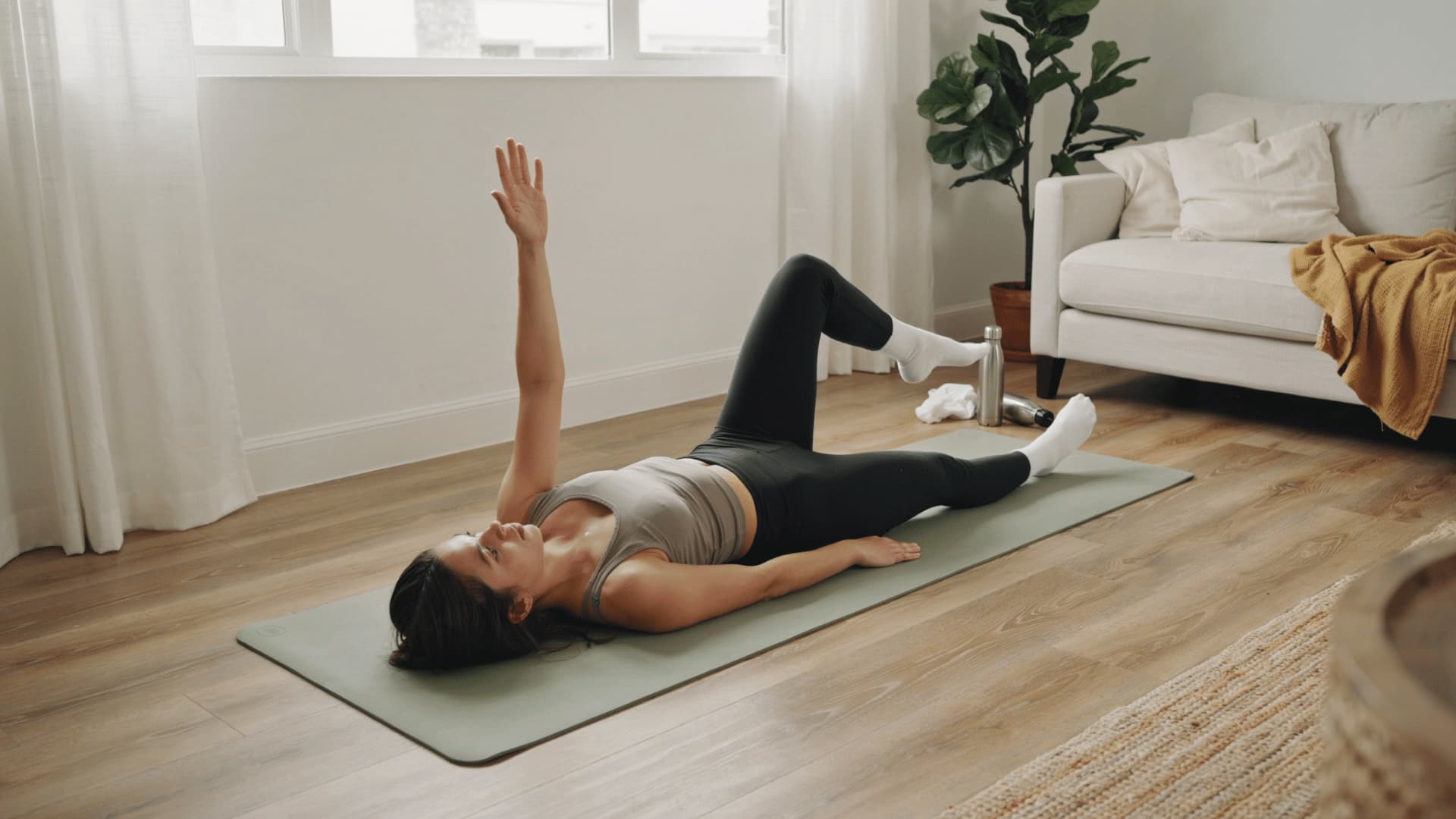
Balance workouts are an essential part of a workout routine, focusing on stability, coordination, and control to improve movement safety and support overall functional fitness.
- Why It Matters: Many people skip balance workouts, but training stability lowers fall risk, supports joint health, and improves body control in everyday movements.
- Who Needs It: Balance workouts are especially beneficial for older adults, beginners, or anyone recovering from injury who wants to prevent falls and strengthen stability.
- Examples: Common exercises include standing leg lifts, heel-to-toe walking, tai chi, yoga poses, and slow controlled movements that challenge stability and coordination.
Including balance workouts in your workout routine strengthens stability, reduces fall risk, improves joint health, and complements strength, flexibility, and aerobic exercises for well-rounded fitness.
Other Popular Types of Workouts
Alternating with other popular types of workouts helps diversify your routine, combining strength, cardio, flexibility, and balance to improve overall fitness and keep your body challenged efficiently.
5. HIIT (High-Intensity Interval Training)
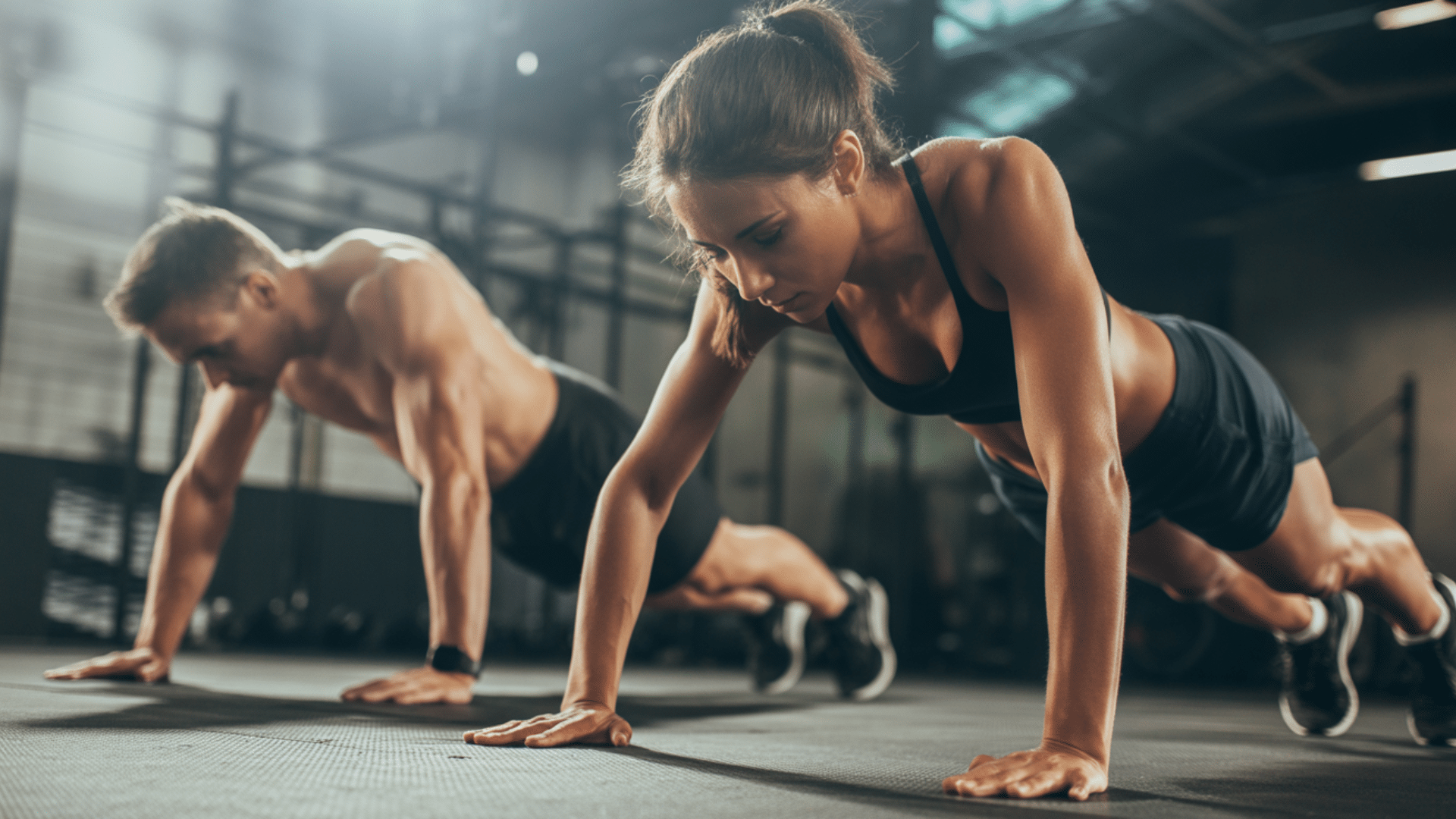
HIIT is a modern type of workout that alternates short bursts of intense exercise with brief rest periods. It challenges the cardiovascular system, boosts metabolism, and burns calories efficiently in a shorter time than steady-state exercise.
HIIT sessions can include sprint intervals, circuit exercises, or bodyweight movements like burpees or jump squats. Beginners should start slowly, focus on proper form, and gradually increase intensity to prevent injuries while still gaining endurance and fat-loss benefits.
6. Circuit Training
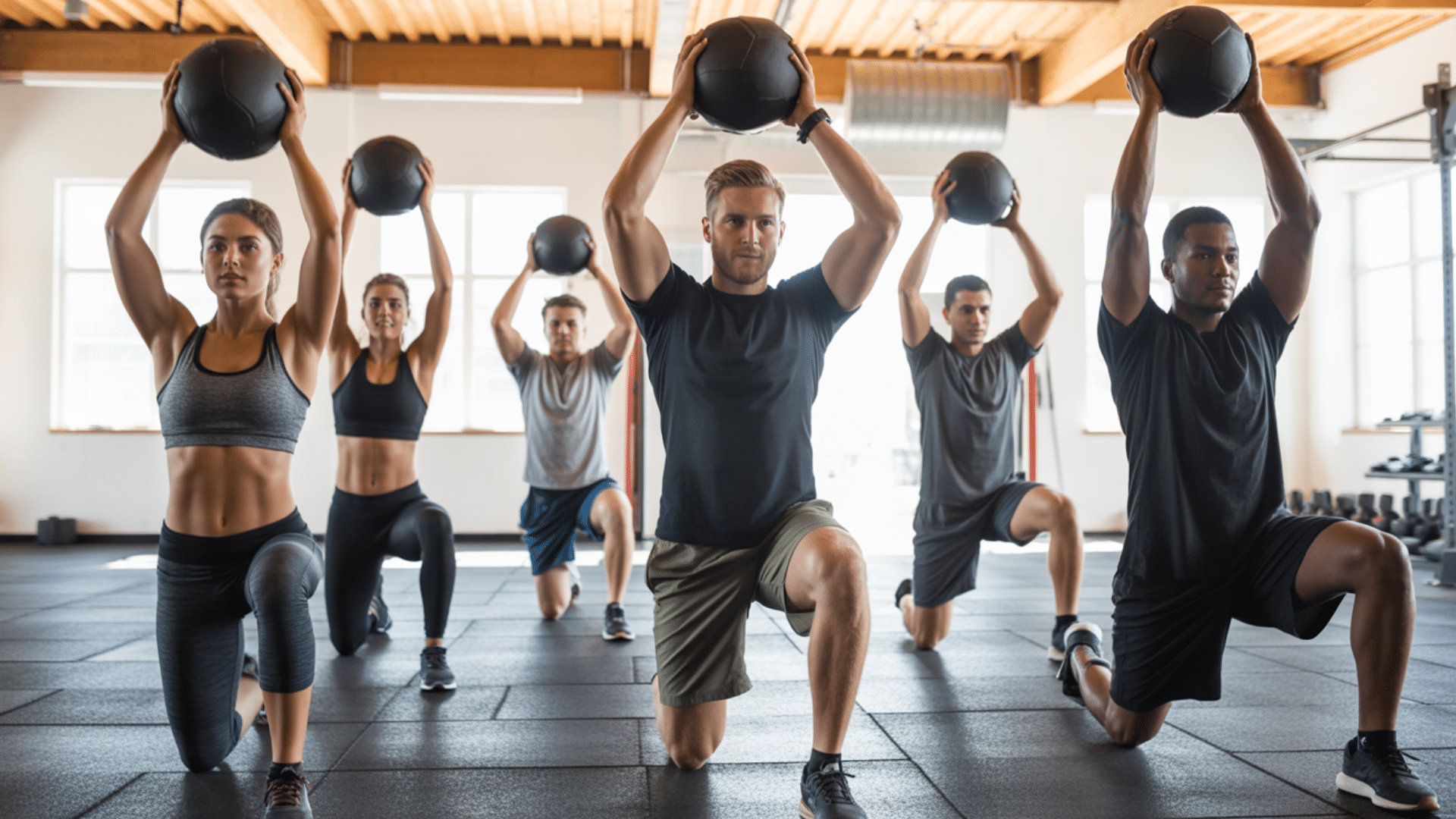
Circuit training combines strength and cardio exercises performed back-to-back with minimal rest. It targets multiple muscle groups, keeps the heart rate elevated, and improves overall endurance.
Circuits can include squats, push-ups, lunges, and cardio moves in a structured sequence. This type of workout is highly adaptable, suitable for home or gym settings, and allows flexible intensity levels.
Regular circuit training boosts stamina, tones muscles, and provides a time-efficient approach to full-body fitness.
7. Functional Training
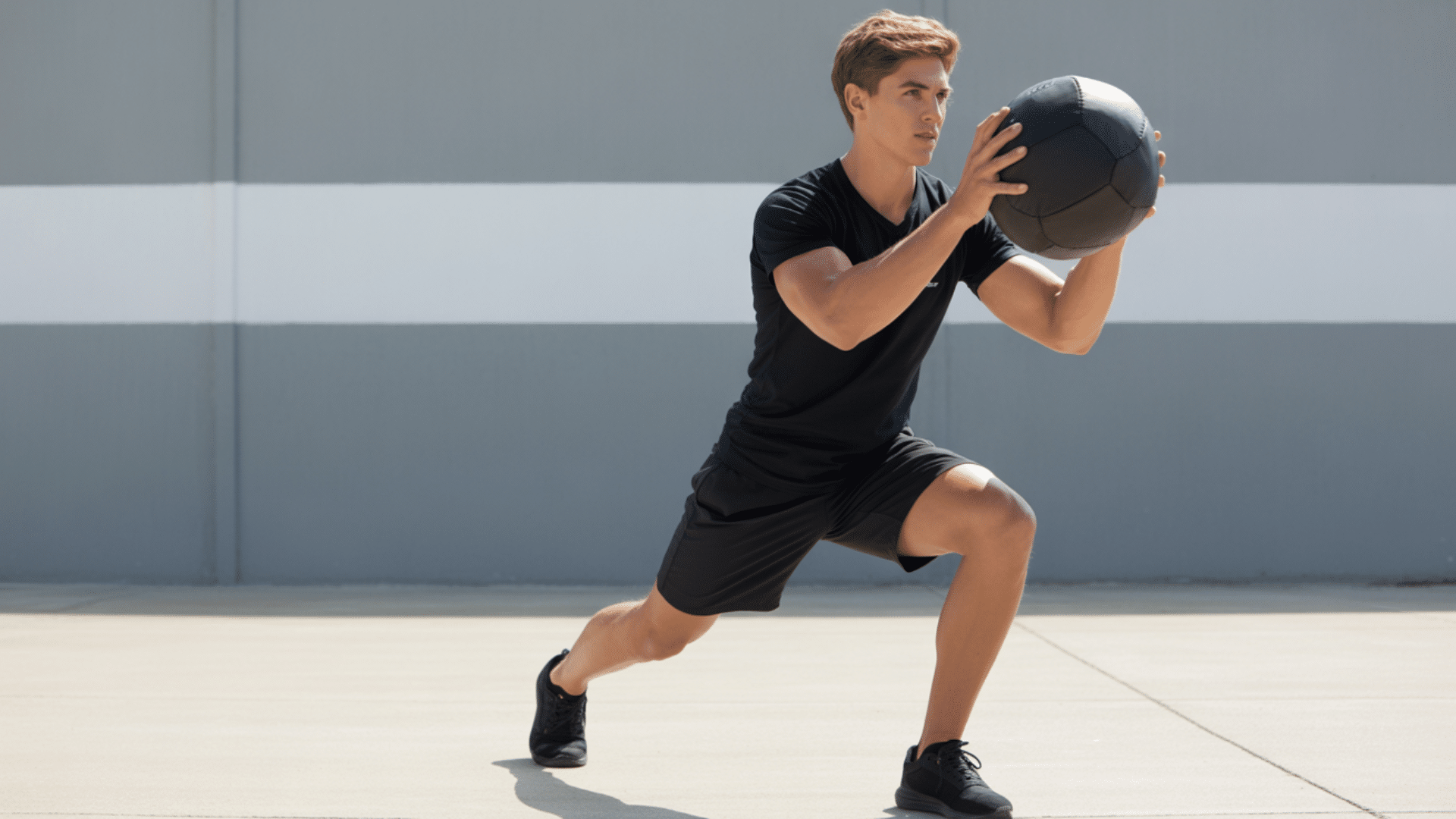
Functional training focuses on movements used in daily life, like lifting, bending, pushing, and pulling. It engages multiple muscles and joints simultaneously, improving coordination, balance, and overall strength.
Exercises often use bodyweight, kettlebells, medicine balls, or resistance bands to mimic real-life actions. Functional workouts reduce injury risk, improve mobility, and make everyday tasks easier.
Including this type of training helps the body move efficiently in multiple directions while enhancing stability and core control.
8. Calisthenics
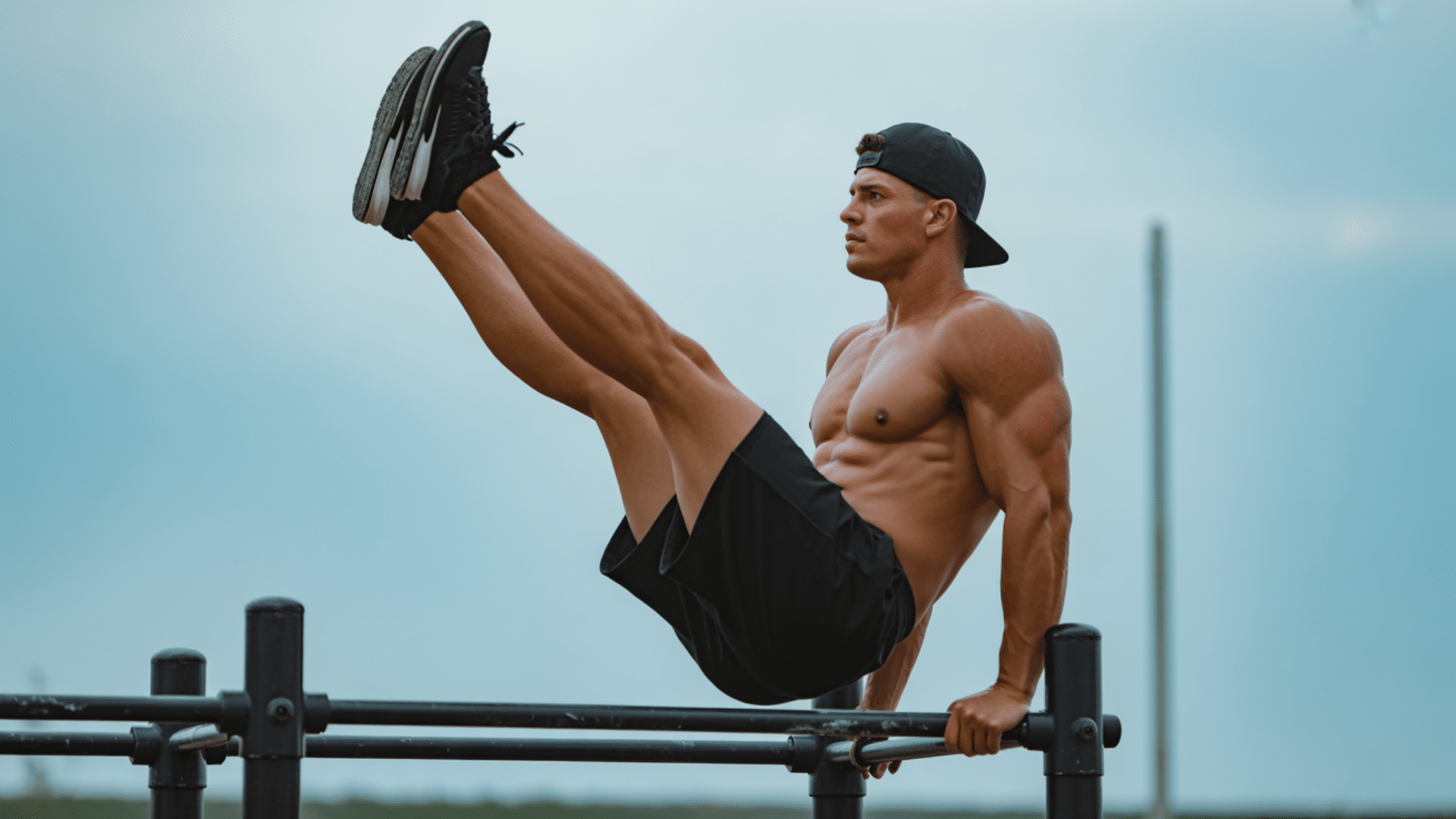
Calisthenics uses bodyweight exercises to develop strength, endurance, and flexibility without heavy equipment. Common movements include push-ups, pull-ups, squats, dips, and planks, which target multiple muscle groups at once.
This type of workout also improves core stability, balance, and posture. Calisthenics is highly adaptable, allowing beginners to modify exercises while providing advanced variations for experienced users.
Regular practice boosts functional strength and body control while promoting sustainable progress over time.
9. Yoga
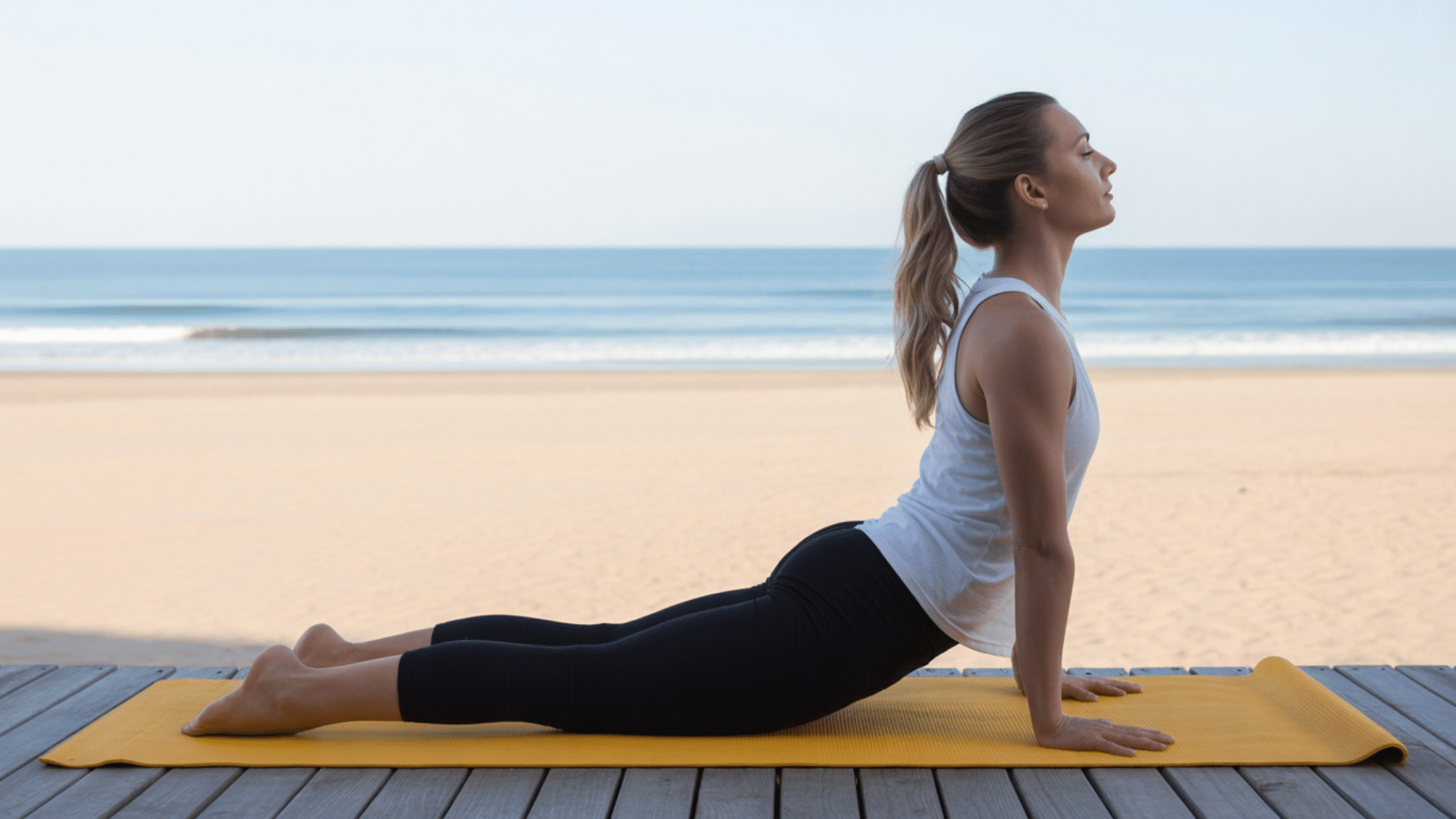
Yoga is a workout that combines flexibility, balance, and mind-body connection. It involves poses, breathing techniques, and controlled movements to improve posture, mobility, and overall body awareness.
Practicing yoga reduces stress, eases tension, and promotes mental clarity. It can be adapted for all fitness levels, from gentle stretching routines to challenging power yoga flows.
Regular yoga practice increases flexibility, strengthens stabilizing muscles, and supports balance while improving mental focus and body alignment.
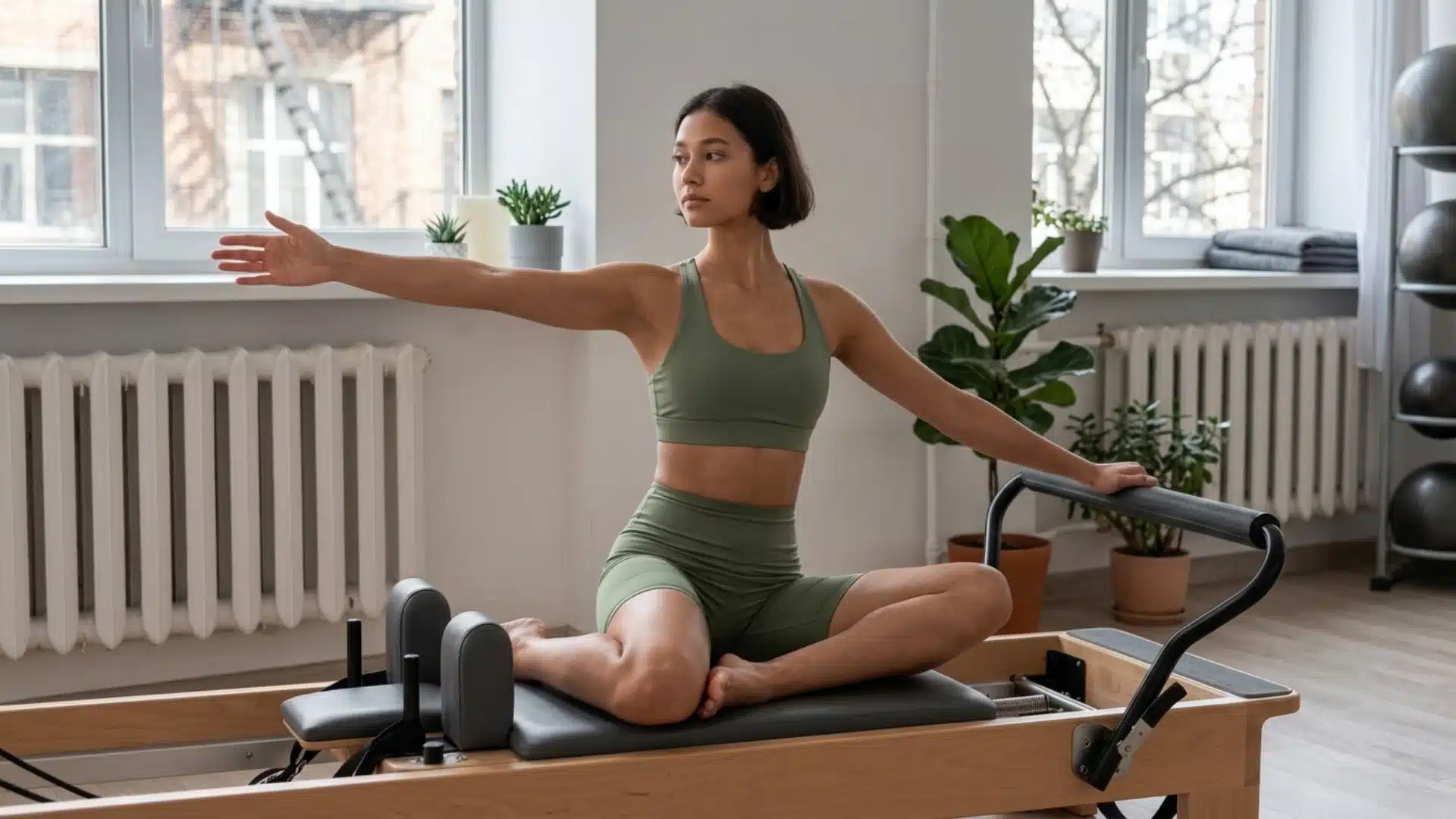
10. Pilates
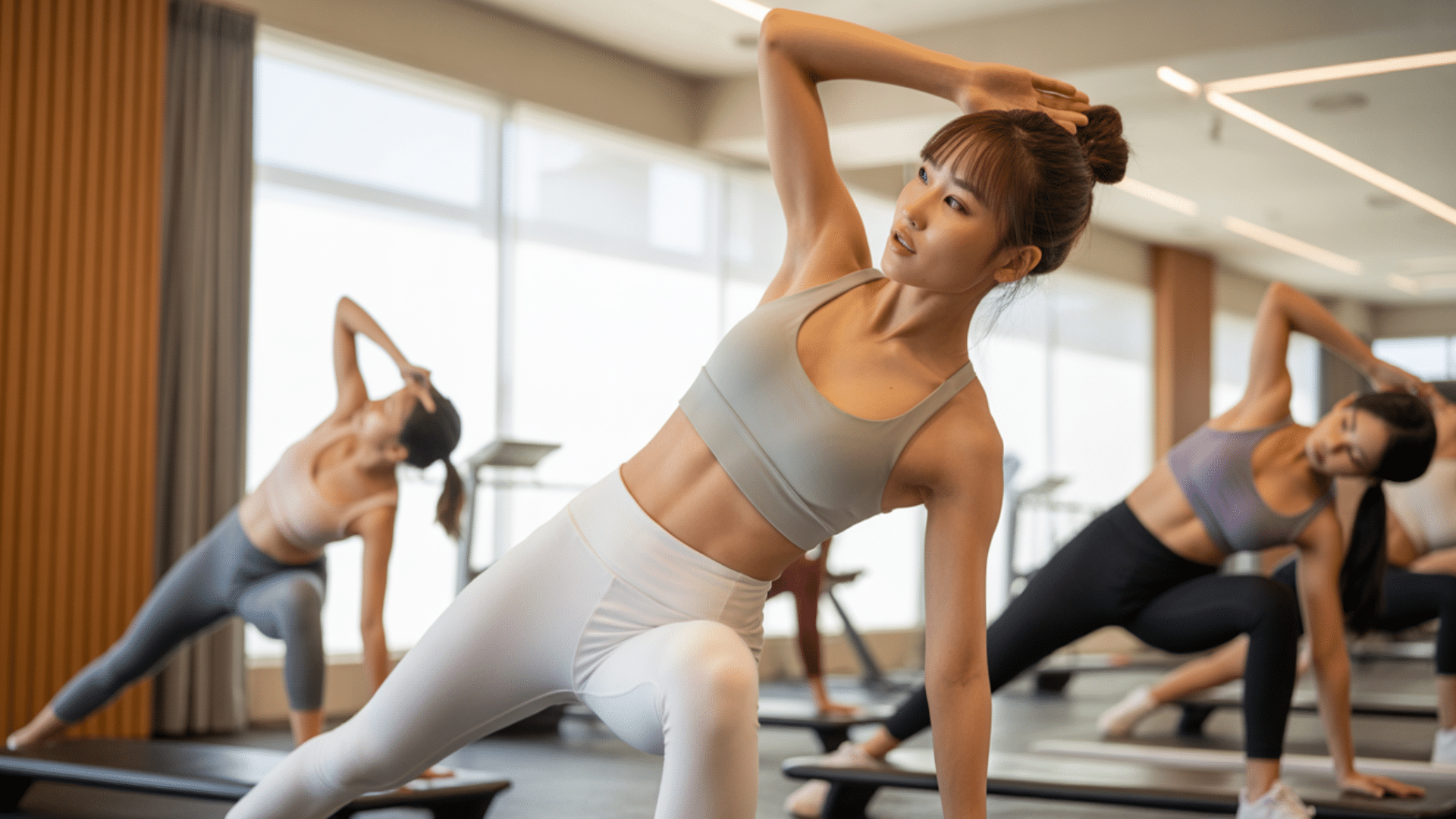
Pilates is a workout focusing on core strength, stability, and controlled movements. It emphasizes precise form and slow, intentional motions to build muscle tone, improve posture, and flexibility.
Pilates can involve mat exercises or equipment like reformers and resistance bands. This low-impact workout also helps prevent injuries, supports joint health, and strengthens deep stabilizing muscles.
Consistent Pilates practice improves overall body control, balance, and endurance while providing a safer alternative to high-impact strength or cardio exercises.
11. Kickboxing

Kickboxing is a high-energy workout combining cardio, strength, and coordination. It incorporates punches, kicks, and footwork to engage the entire body, boosting calorie burn and endurance.
Kickboxing also improves reflexes, agility, and muscular strength in the arms, legs, and core. It can be performed using bodyweight or light equipment like gloves and pads.
Suitable for various fitness levels, kickboxing challenges both the cardiovascular system and muscular endurance while providing a dynamic, motivating, and full-body workout.
12. Rowing
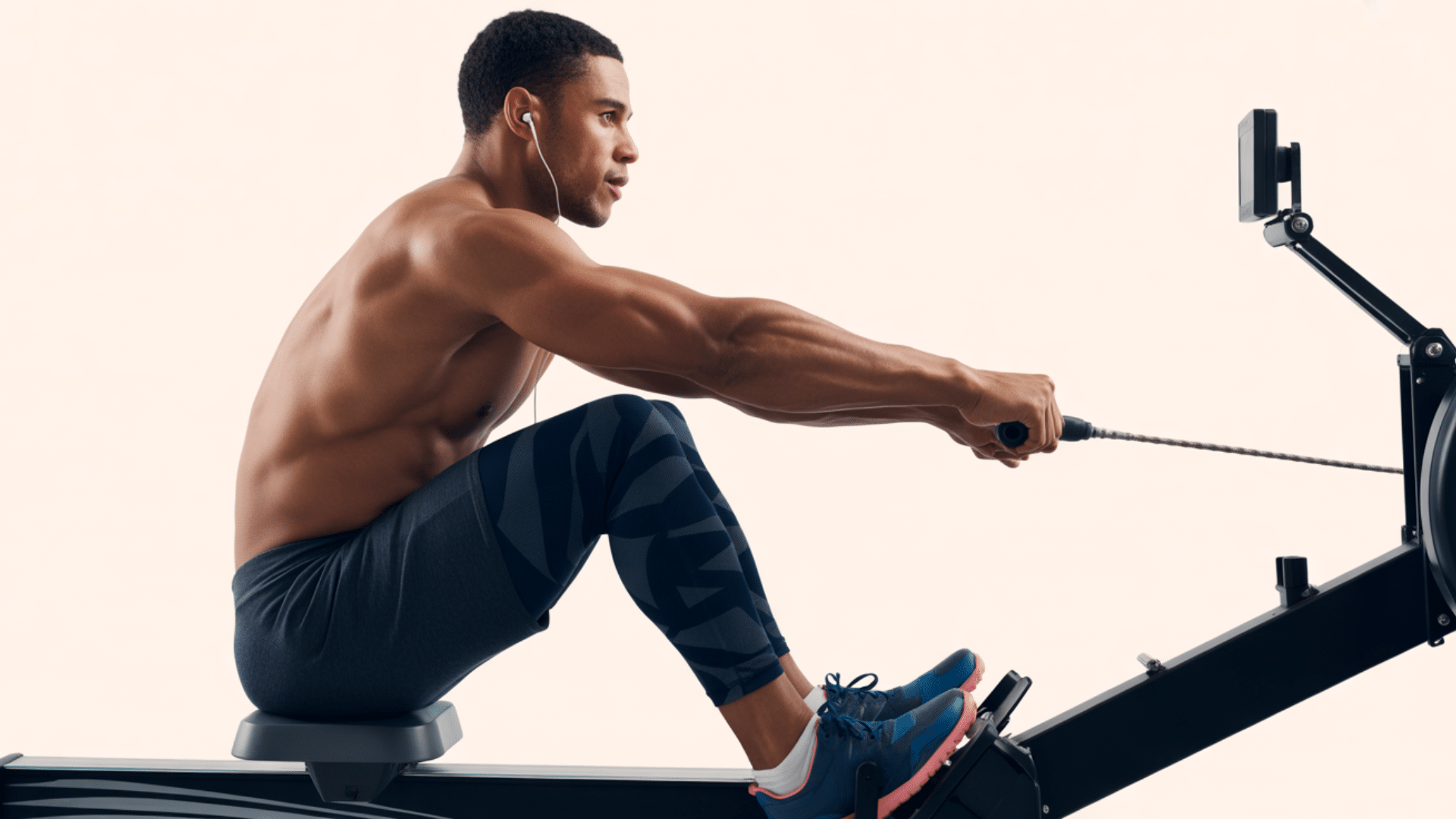
Rowing is a full-body workout that combines cardiovascular exercise with strength training. It engages the legs, core, and arms in a fluid, low-impact motion.
Rowing improves cardiovascular fitness, builds muscular endurance, and strengthens major muscle groups without stressing the joints. It can be performed on water or rowing machines, making it accessible for gyms or home setups.
Regular rowing increases stamina, coordination, and overall body strength while offering an efficient, low-impact workout for sustainable fitness progress.
How to Build a Well-Rounded Workout Routine
Building a well-rounded routine starts by understanding different types of workouts and combining them strategically to improve strength, endurance, flexibility, balance, and overall physical fitness effectively.
Step 1: Mix Different Types of Workouts
Combine various workouts instead of repeating the same exercise every day for balanced fitness.
Step 2: Plan Your Weekly Routine
Include cardio twice a week and strength training two to three times weekly for endurance and muscle development.
Step 3: Include Flexibility and Balance
Add stretching after every session and practice balance exercises once or twice per week for stability and mobility.
Step 4: Warm Up Properly
Start each session with five minutes of light movement to prepare muscles and prevent injuries.
Step 5: Cool Down and Stretch
End workouts with gentle stretches while your body is warm to maintain flexibility and aid recovery.
Step 6: Listen to Your Body
Adjust your routine based on how your body feels between workouts to avoid overtraining and improve results.
Following these steps helps your workouts work together for full-body development, safe progression, and long-term results, helping you stay consistent, energized, and injury-free.
Common Mistakes to Avoid
Avoiding common mistakes with types of workouts helps you stay safe, prevent injuries, and maximize results while ensuring balanced strength, endurance, flexibility, and overall fitness progress.
- Sticking to only one type of workout: Doing the same exercise repeatedly can create imbalances and slow overall progress in your fitness journey.
- Lacking variety in types of workouts: Incorporating different workout types develops strength, endurance, flexibility, and stability across all muscle groups evenly.
- Skipping warm-ups: Jumping straight into intense activity increases injury risk, as muscles and joints aren’t properly prepared.
- Not warming up properly: Spend at least five minutes on light movement like walking, arm circles, or dynamic stretches before starting.
- Ignoring rest days: Muscles build strength and recover during rest, so skipping recovery days can hinder growth and increase fatigue.
By addressing these mistakes in your types of workouts, you can train smarter, recover effectively, and build a consistent, well-rounded fitness routine that supports long-term results.
Final Thoughts
Now you know the main types of workouts and how each one benefits your body differently!
I hope this blog helped you understand that the best fitness routine isn’t about picking just one type of exercise; it’s about combining aerobic work, strength training, flexibility, and balance exercises throughout your week.
Remember, you don’t have to do everything at once. Start with what feels comfortable, maybe cardio and some basic strength work, then gradually add in stretching and balance as you build confidence.
The most important thing is to find activities you actually enjoy, because that’s what will keep you coming back. Your body will thank you for giving it variety, and you’ll feel stronger, more energetic, and healthier overall.
Ready to get started? Pick one new workout type from this list and try it this week. Your fitness journey begins with that first step!