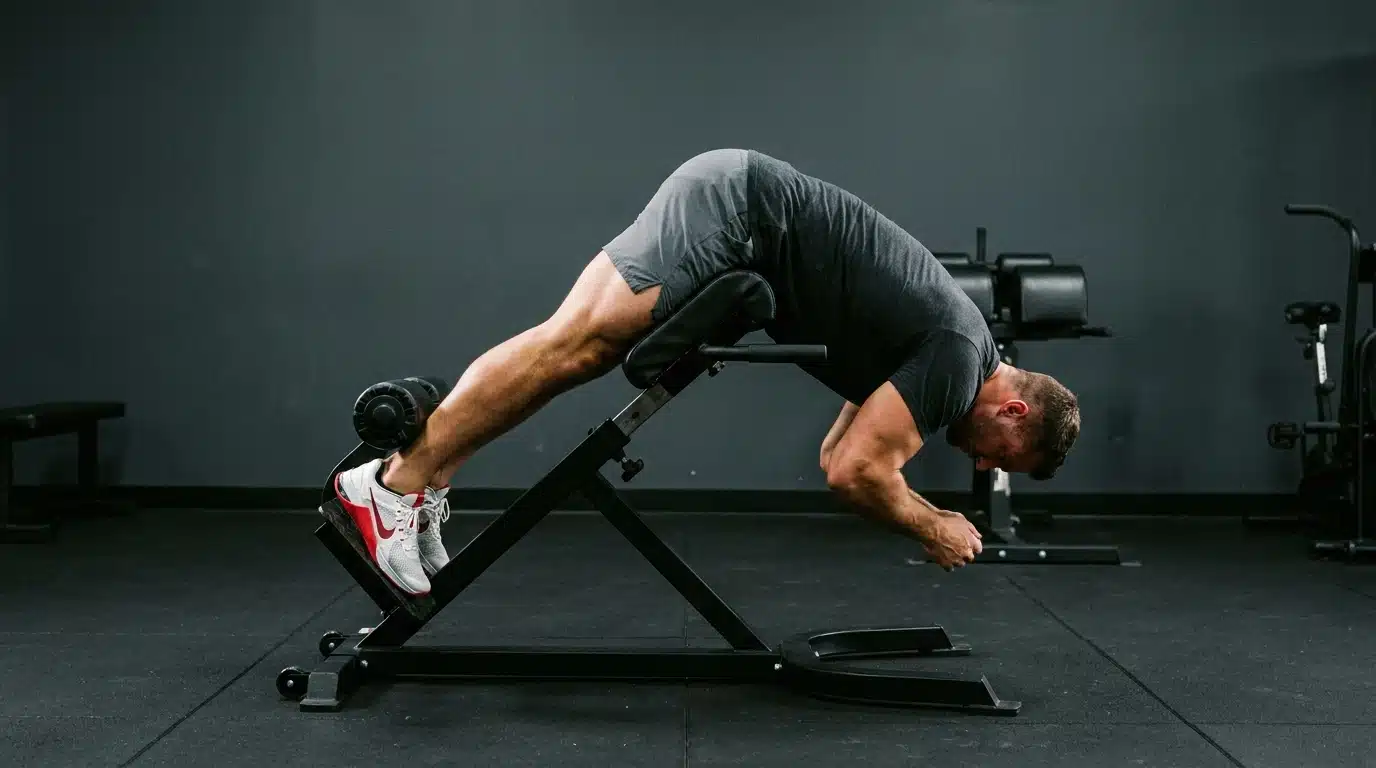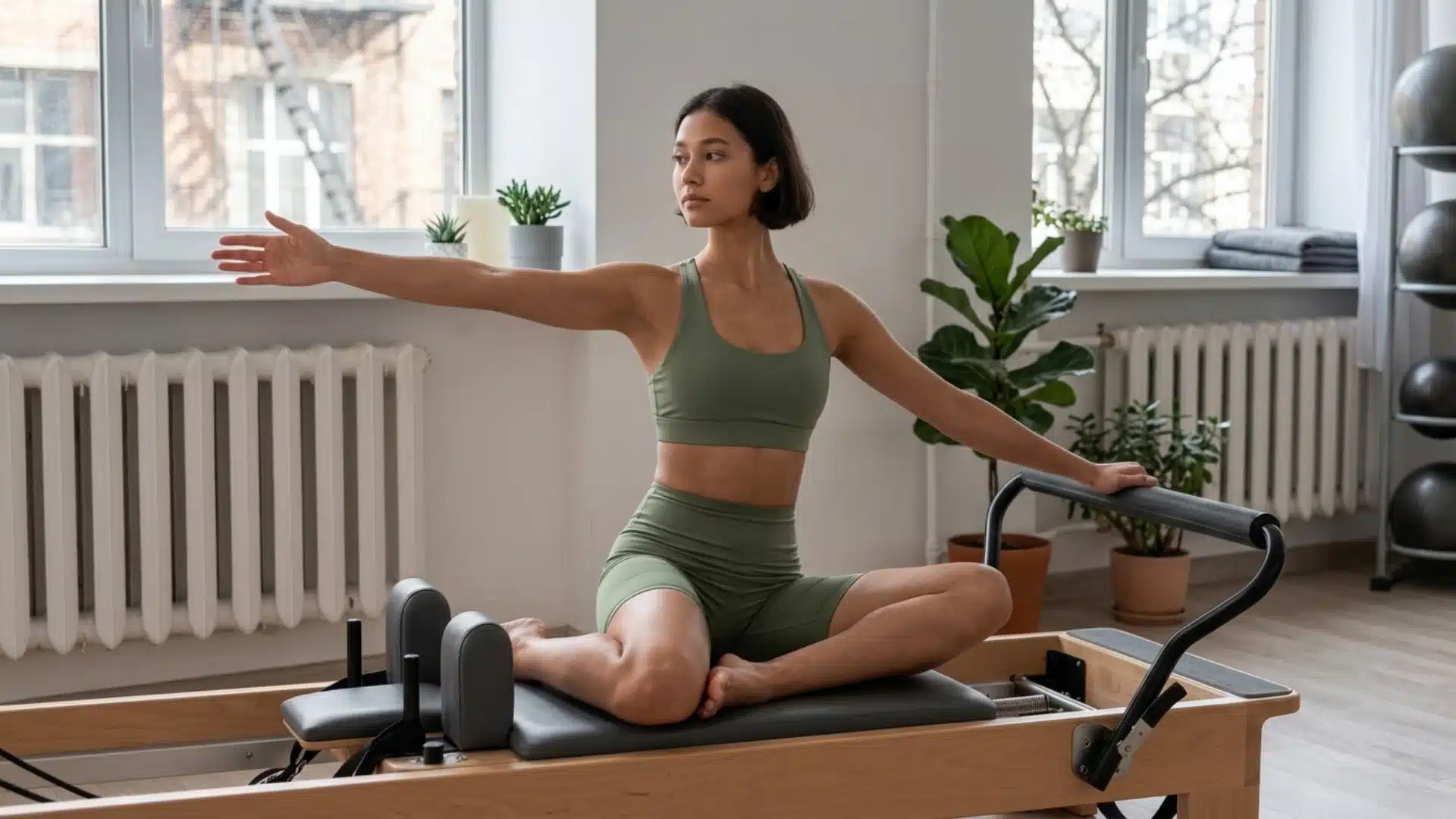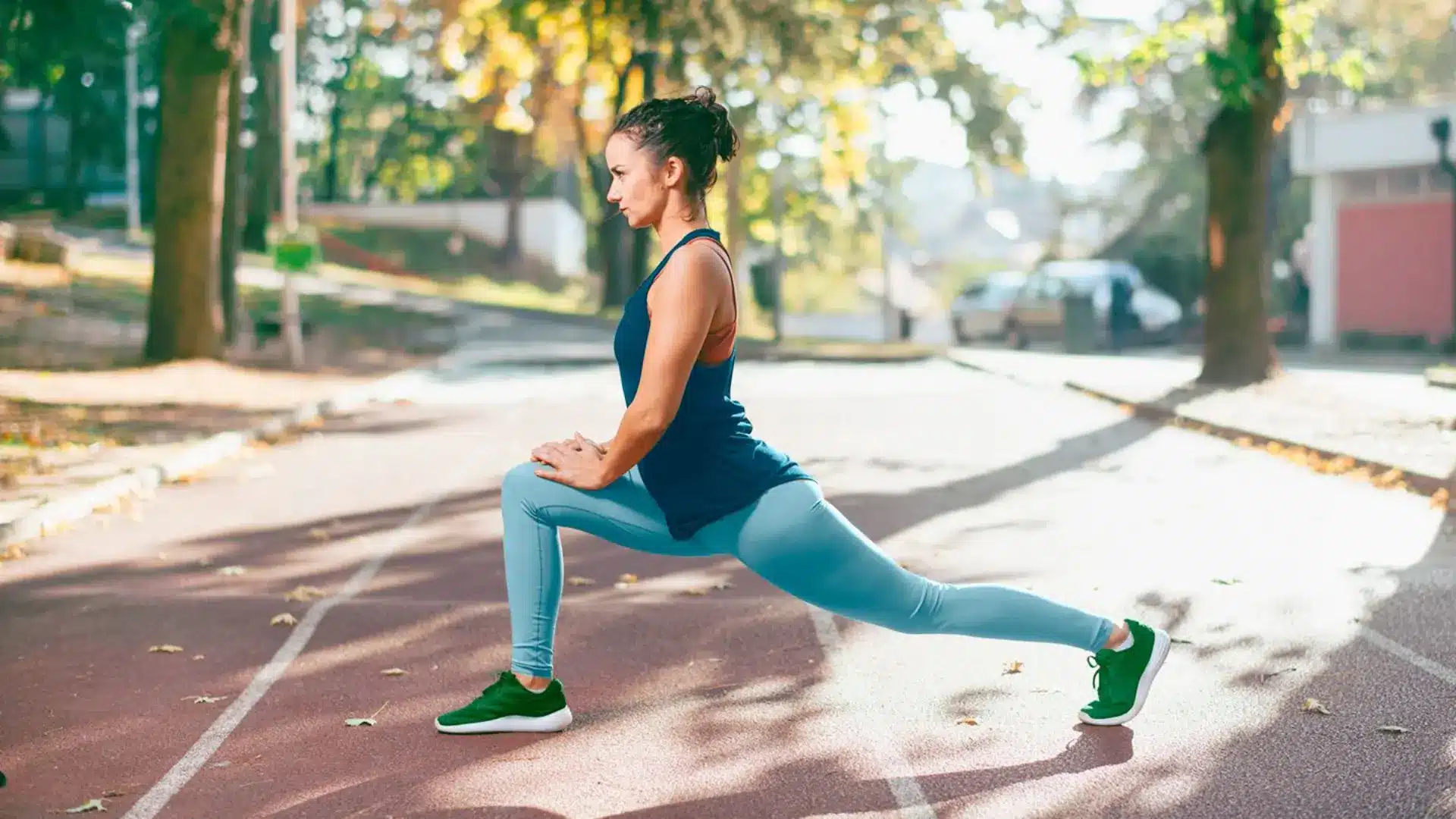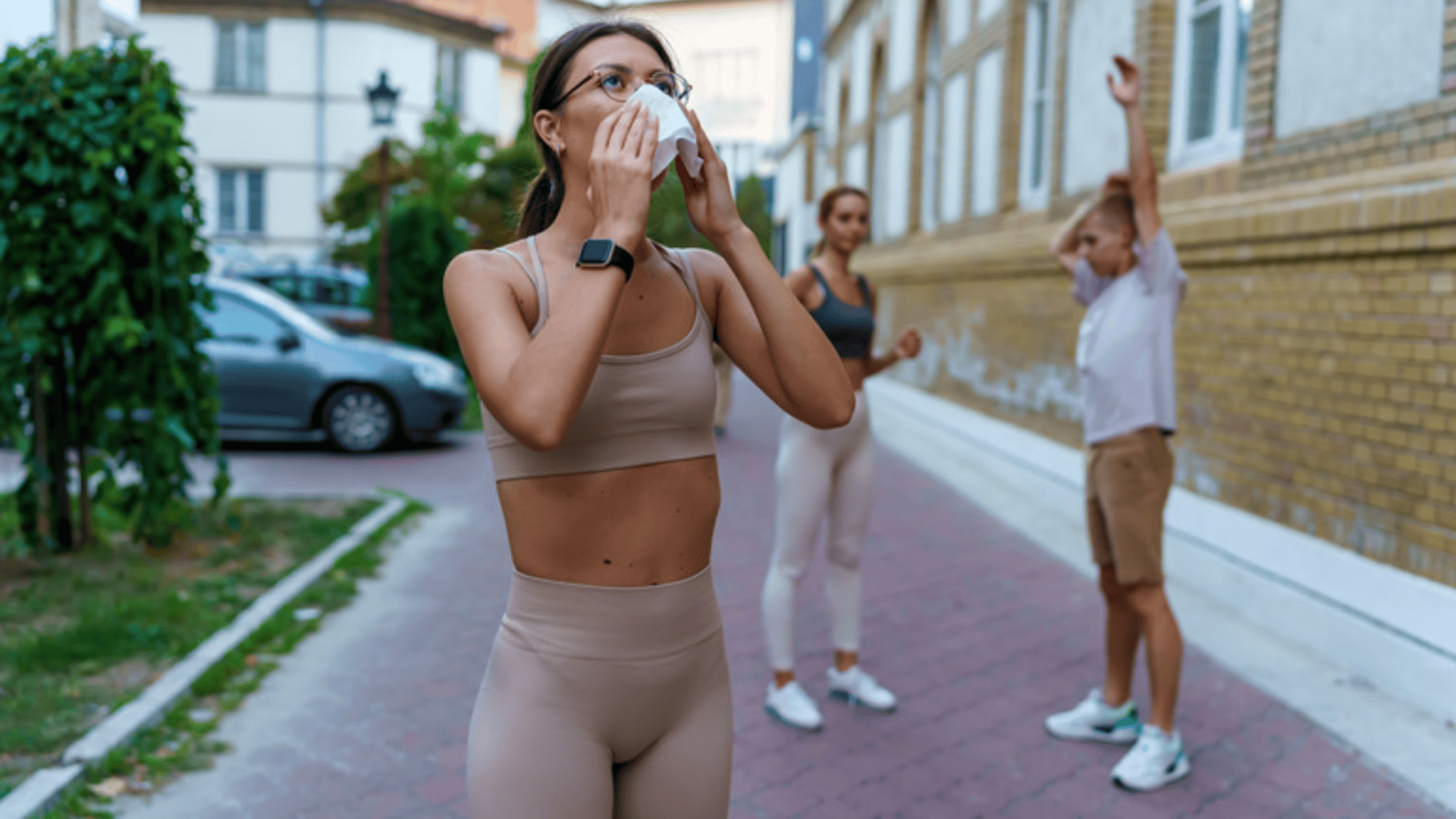



Is being sore a good sign of muscle growth? Have you ever wondered if that post-workout soreness means your muscles are actually growing?
I used to think that if I wasn’t sore, I didn’t work hard enough. But here’s the truth: muscle soreness isn’t always the badge of honor we think it is.
While that achy feeling (called DOMS) can signal muscle growth, it’s not the whole story. You can absolutely build muscle without feeling like you got hit by a truck!
I’ll break down what muscle soreness really means, when it’s a good sign, and when it’s not.
We’ll also cover how to manage soreness, types of muscle pain, and what actually matters for muscle growth.
Why Muscles Get Sore After a Workout
The debate over soreness as a good sign of muscle growth is important, as soreness comes from tiny tears in muscle fibers caused by stress.
These micro-tears trigger your body’s repair process, sending nutrients and proteins to rebuild the muscles stronger and more resilient for future workouts.
New exercises or higher intensity sessions create more stress, which usually leads to noticeable soreness, while familiar movements might cause little to no discomfort.
Soreness is a natural response, but it only shows your muscles were challenged, not that growth will always happen.
It’s one indicator, not the full picture of progress in strength and size.
When Muscle Soreness Can Be a Good Sign (and When It Isn’t)
Understanding whether being sore is a good sign of muscle growth depends on recognizing the difference between healthy adaptation and potential injury. Paying attention to these signals allows for efficient recovery and consistent progress.
The Benefits of Mild Soreness
If you are trying to determine if being sore is a good sign of muscle growth, mild discomfort often indicates that your muscles were challenged and are adapting to new demands.
- Muscle Adaptation: Mild soreness shows that muscles are responding to unfamiliar stress, such as starting a new routine.
- Progress Tracking: Increasing weights, repetitions, or intensity produces mild soreness, which is a sign of repair and strengthening.
- Safe Growth: Moderate soreness helps you track your progress, whereas extreme pain is often a signal of overtraining or poor form.
- Injury Prevention: By recognizing helpful soreness, you can ensure you recover properly and continue building muscle effectively over time.
When Soreness is Not a Good Sign
A critical part of understanding the relationship between soreness and muscle growth is knowing that not all pain is beneficial. Some types of soreness can actually hinder your recovery or lead to setbacks.
- Overtraining: Very intense or long-lasting soreness can indicate that you are overtraining, straining your muscles, or failing to recover properly.
- Poor Form: Incorrect exercise technique can cause soreness in joints or tendons rather than the muscle belly, significantly increasing your risk of injury.
- Limited Mobility: Soreness that lasts for several days or limits your basic range of motion is a clear sign that your muscles need rest, not more heavy workouts.
- Training Smarter: Distinguishing helpful soreness from harmful pain helps you prevent injuries, avoid setbacks, and maintain a consistent path toward stronger, healthier muscles.
Knowing when is being sore a good sign of muscle growth versus harmful pain helps you recover efficiently, prevent injuries, and maintain consistent progress toward stronger, healthier muscles.
Can You Build Muscle Without Feeling Sore?

When wondering if soreness is a good sign of muscle growth, it’s important to know that muscle growth can happen without noticeable soreness after every workout.
Progressive overload, or gradually increasing weight, reps, or intensity, stresses muscles enough to stimulate growth even if soreness is minimal or absent.
Strength gains and improved performance are more reliable signs of muscle growth than soreness, especially for advanced lifters who adapt quickly to familiar exercises.
Over time, muscles become more efficient and recover faster, meaning workouts can remain effective without leaving you sore, and growth continues steadily.
Focusing on consistent training, proper nutrition, and rest is more important than chasing the feeling of soreness to build stronger muscles.
Types ofMuscle Soreness
To accurately answer is being sore a good sign of muscle growth, you must understanding the different types of soreness helps you recognize how your muscles respond and recover after workouts.
1. Acute Muscle Soreness
- When it happens: During or immediately after your workout.
- Cause: Temporary fatigue and changes in blood flow to working muscles.
- What it indicates: Your muscles were actively engaged but not necessarily growing.
- Why it matters: Shows short-term stress and signals that your workout challenged your muscles.
2. Delayed-Onset Muscle Soreness (DOMS)
- When it happens: 12–48 hours after exercising.
- Cause: Small micro-tears in muscle fibers from resistance or intense activity.
- What it indicates: Mild soreness suggests your muscles are adapting and repairing.
- Why it matters: Helps you manage recovery, avoid overtraining, and plan your next session effectively.
Knowing the difference between acute soreness and DOMS shows that is being sore a good sign of muscle growth depends on timing, intensity, and how your muscles adapt.
Better Signs of Muscle Growth Than Soreness
When wondering whether soreness is a good sign of muscle growth, it’s important to remember that soreness alone doesn’t accurately reflect real progress or muscle adaptation.
Key Signs of Muscle Growth:
- Strength Gains: Steadily lifting heavier weights or completing more reps with proper form shows muscles are growing, even without extreme soreness afterward.
- Improved Performance: Completing exercises with better control, endurance, or speed indicates your muscles are adapting and becoming stronger over time.
- Visible Muscle Changes: Noticeable increases in muscle size or firmness provide a reliable sign of growth, independent of post-workout soreness.
- Faster Recovery: Recovering more quickly between workouts means muscles are adapting efficiently, allowing consistent training and steady strength progression.
- Tracking strength, performance, appearance, and recovery gives a clearer picture of actual progress.
What To Do If You’re Sore After a Workout
Many people wonder is being sore a good sign of muscle growth, but knowing how to respond to soreness is key for effective recovery.
Step 1: Move Lightly
Engage in walking, gentle stretching, or low-impact exercises to boost blood flow, ease stiffness, and help muscles recover safely.
Step 2: Rest Adequately
Allow sore muscles 24–48 hours to repair, adapt, and grow while avoiding overuse or injury.
Step 3: Prioritize Nutrition and Hydration
Eating protein-rich meals, staying hydrated, and sleeping well provide your muscles the fuel needed to rebuild and reduce inflammation.
Step 4: Know When to Skip a Workout
Avoid exercising through extreme soreness or pain, as pushing too hard can slow growth and risk injury.
Final Thoughts
So, is being sore a good sign of muscle growth? The answer is: sometimes, but it’s not required. I’ve learned that soreness simply means your muscles are adapting to something new or challenging.
What really matters for muscle growth is progressive overload, consistently challenging your muscles by adding more weight, reps, or intensity over time. Don’t chase soreness as your only goal.
Instead, focus on getting stronger, tracking your performance, and listening to your body. Mild soreness? That’s fine. Extreme pain? That’s a warning sign.
Remember, you can build incredible muscle without feeling destroyed after every workout.
The key is consistency, proper nutrition, and smart training. Start applying these tips today and track your progress to see real muscle growth over time.