



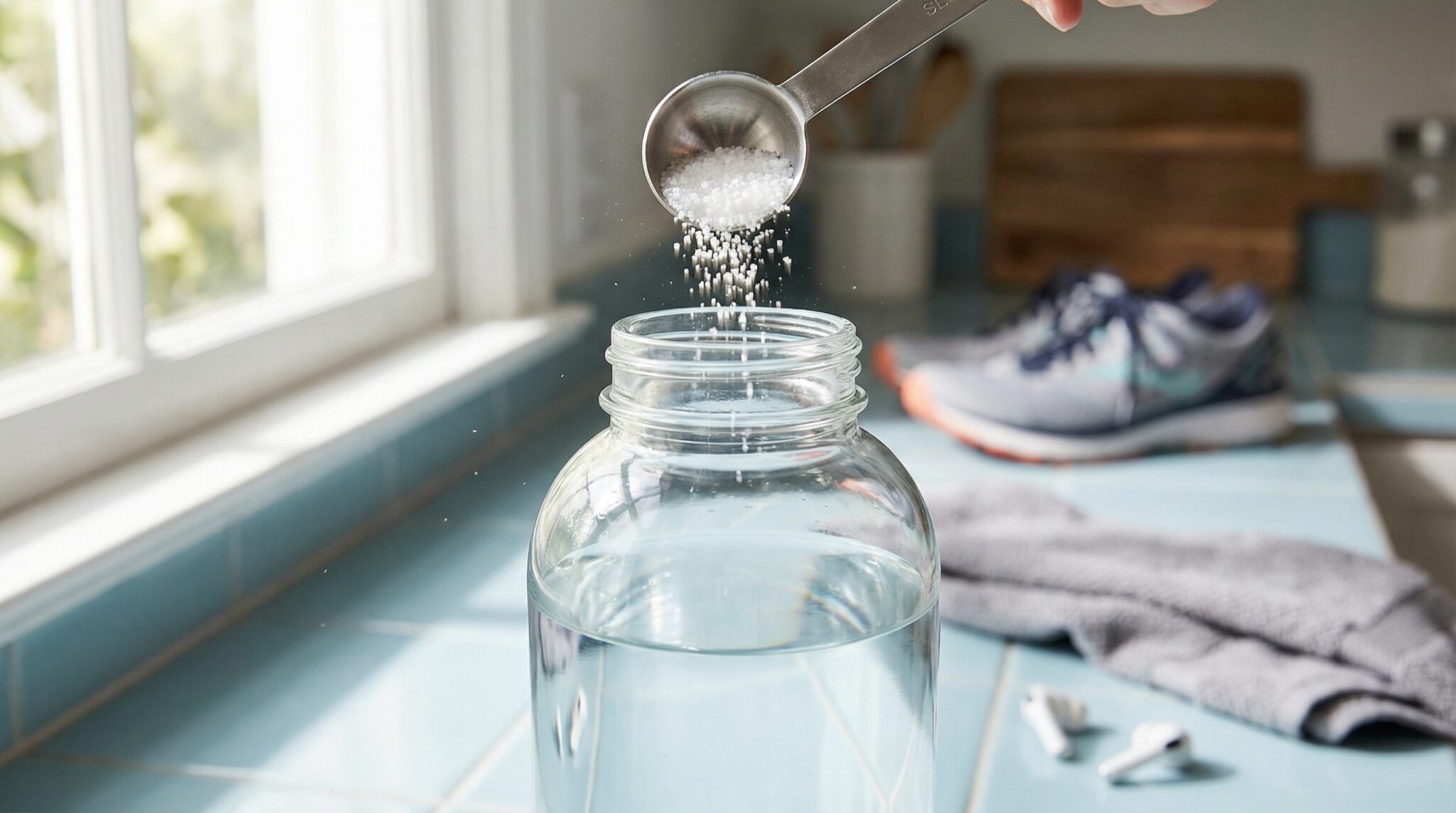

Is Salt Water the Hydration Hack You Actually Need?
If you’ve ever stood in your kitchen holding a glass of water and a salt shaker like you’re about to perform a wellness ritual you saw on TikTok… hi. Same.
Here’s the deal: most of us do not need to start salting our water “for hydration.” The average American diet already comes with plenty of sodium baked in (sometimes literally hello, bread). But there are a few very specific moments when salt water goes from “internet trend” to “actually useful.”
Let’s talk about what it does, when it helps, and how not to turn your water bottle into the ocean.
What salt water actually gives you (and what it very much does not)
Salt water is not some magical electrolyte buffet. It’s basically a two item menu:
- Sodium
- Chloride
That’s it. No potassium, no magnesium, no “trace minerals that will realign your aura.”
Why that matters: if you’re chasing relief from cramps and salt water isn’t doing anything, the problem might not be sodium. Potassium and magnesium are common culprits. Personally, if cramps are your main complaint, I’d try:
- Coconut water (it’s loaded with potassium about 1,420 mg per liter)
- A banana
- Or an electrolyte mix that includes multiple minerals
Also: for long workouts (think 90+ minutes), sodium alone starts to feel a little… underqualified. Your body’s losing more than one electrolyte, and you’re burning through carbs too. That’s when a more complete drink (or a DIY mix with some sugar) makes sense.
Why you probably don’t need extra sodium on a normal day
This is the part the “hydration hack” posts tend to conveniently whisper about: most adults already exceed sodium recommendations.
- Average intake is around 3,400 mg/day
- The FDA recommends staying under 2,300 mg/day
- The American Heart Association suggests 1,500 mg/day for optimal heart health
So if you eat like a normal person sandwiches, restaurant meals, snacky snacks, anything involving a drive thru window you’re likely getting plenty of sodium without sprinkling more into your Stanley cup.
(And no, this isn’t me telling you to fear salt. It’s me telling you most of us are already in a committed relationship with it.)
When salt water actually makes sense (aka: the times your body is leaking)
Salt water is helpful when you’re losing fluids and sodium faster than food and normal drinking can replace it. The big ones:
1) You’re sweating hard for over an hour
If your workout is under 60 minutes, plain water is usually fine.
But if you’re doing longer training sessions and you’re actually sweating, sodium losses add up especially if you’re a “salty sweater” (you ever peel off a shirt and it has white salt marks? Congrats, you’re sparkly).
2) You’re working in heat or humidity for hours
Landscaping in July. A warehouse shift with no AC. Moving boxes all afternoon. Painting a room with the windows open but somehow still sweating like a rotisserie chicken. You get it.
3) You’re sick (vomiting/diarrhea)
This is the time for electrolytes to stop being cute and start being practical. If you’re losing fluids fast, a proper oral rehydration solution (ORS) like Pedialyte is honestly better than most DIY options but DIY can help in a pinch (more on that below).
4) You eat low sodium and you exercise regularly
If you’ve reduced sodium for health reasons but you also train and sweat a lot, you might need a little extra this is very “know your body, know your doctor” territory.
Skip the salty water if you’re mostly sedentary, it’s not hot, your workouts are short, and you eat a typical diet. That’s not “being tough.” That’s just… not making your kidneys do extra homework.
Pink salt vs. table salt (my opinion: save your money)
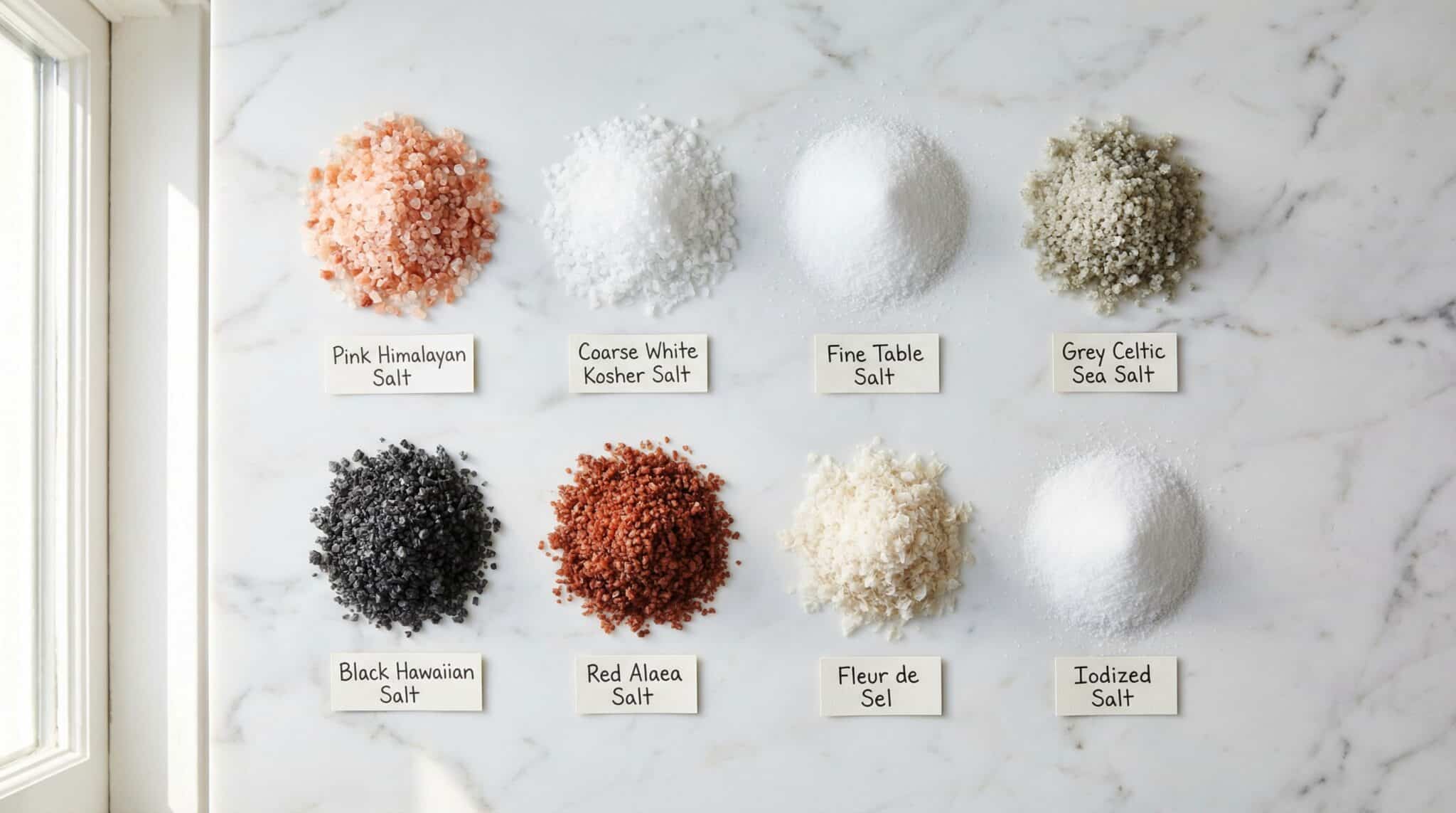
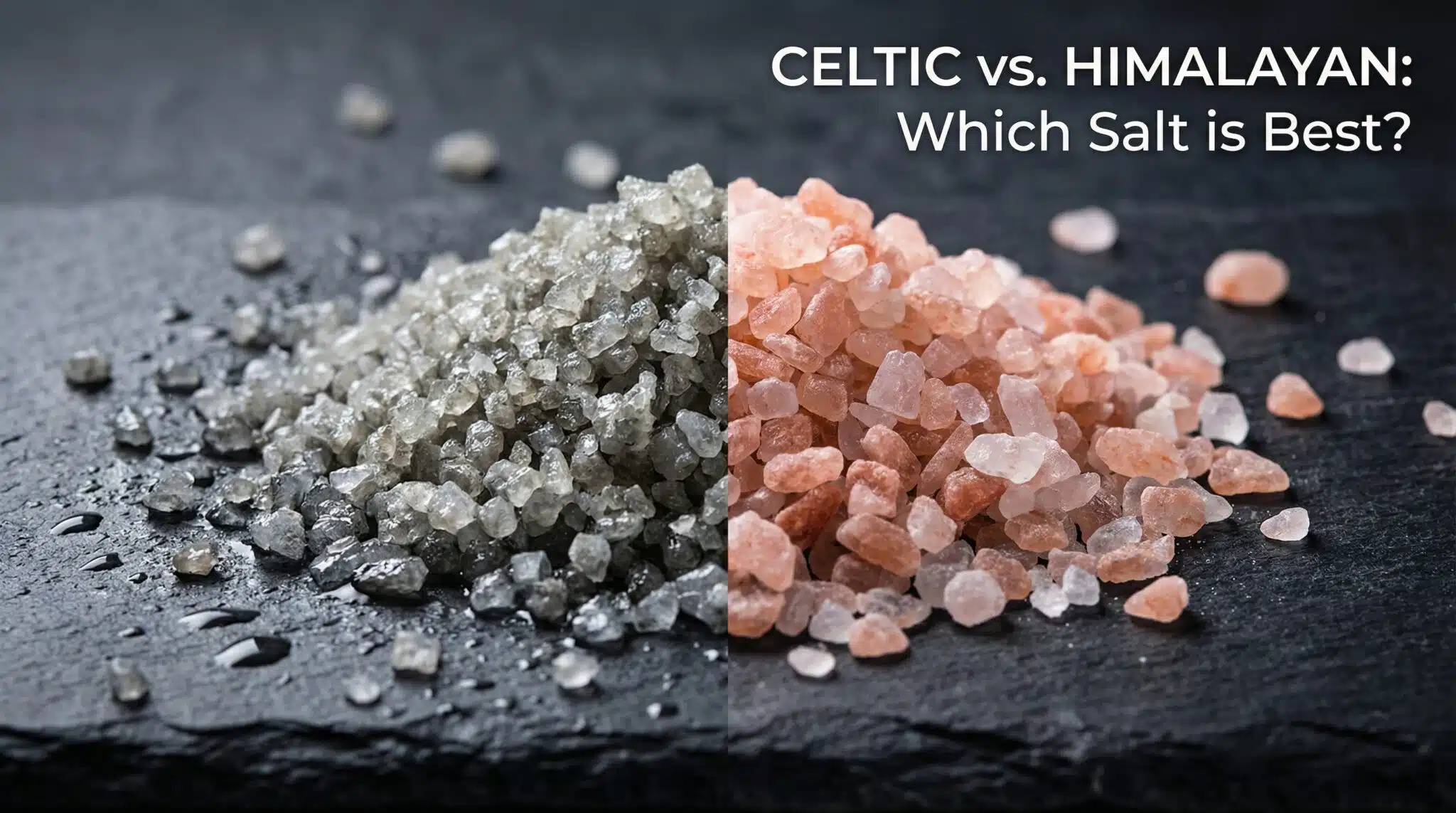
For hydration purposes, the type of salt and salt mineral profiles are wildly overhyped.
- Table salt: works great, consistent, usually includes iodine (nice bonus)
- Sea salt / pink salt: basically the same sodium wise at small doses. “Trace minerals” are negligible in the amounts you’ll actually use
- Kosher salt: less dense so 1/4 tsp gives less sodium than table salt
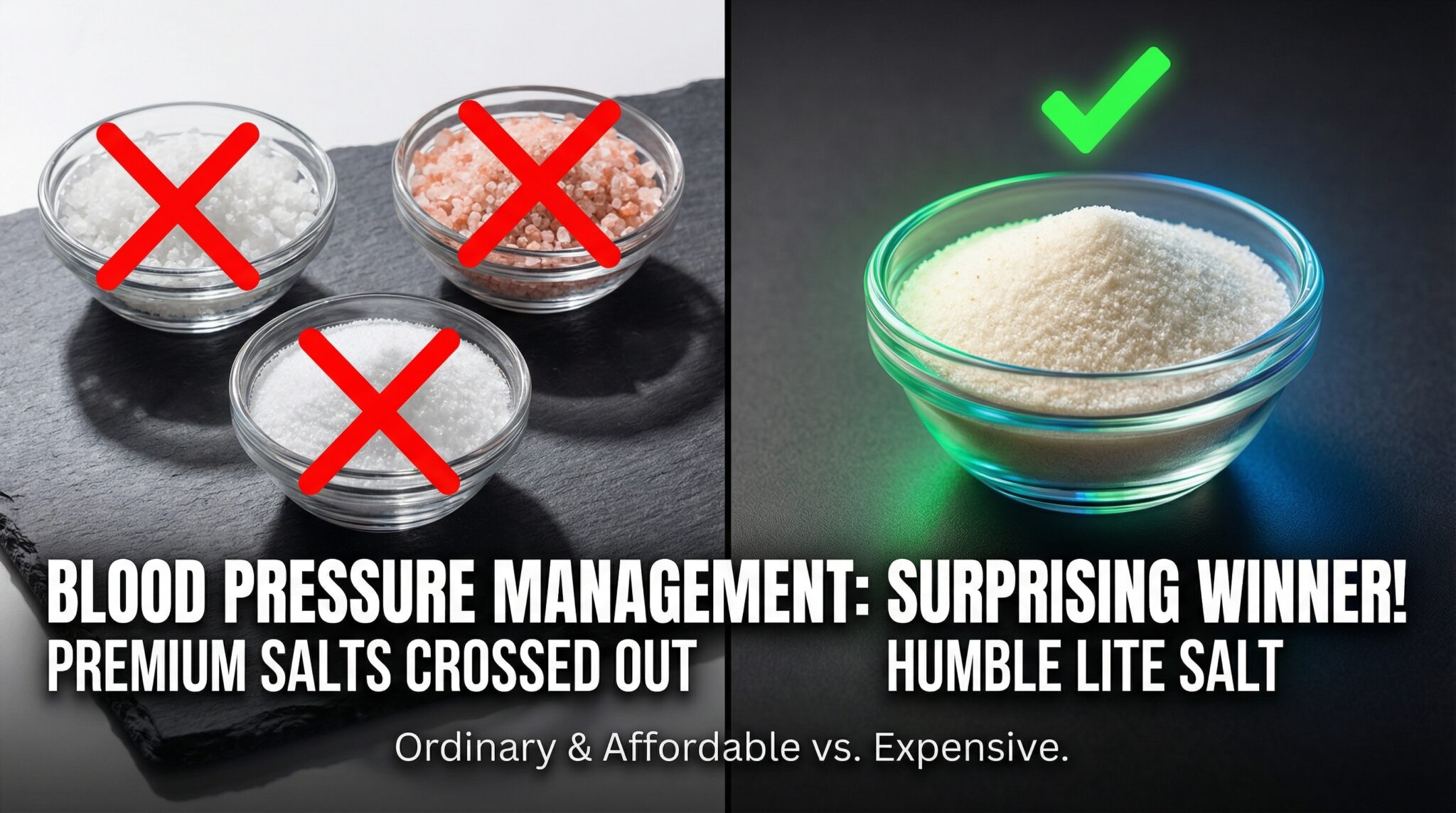
- Lite salt: has some potassium (helpful for some people), but avoid if you have kidney issues or take potassium sparing meds unless your clinician okays it
If you want the simplest, most predictable option: regular table salt wins. Boring, dependable, unbothered.
The only DIY salt water ratio I actually trust
Start here:
Basic salt water for sweating (per 1 liter / 34 oz water)
- 1/4 teaspoon table salt (about 530 mg sodium)
It should taste lightly salty like “huh, that’s different” not “I’m drinking soup.”
If it tastes like seawater or makes you thirstier, you overdid it. Dump it, dilute it, try again. No heroics.
A gentler starting point if you’re sensitive: 1/8 teaspoon per liter.
Please don’t exceed 1 teaspoon per liter unless a clinician specifically told you to. That’s not “more effective,” that’s “how to give yourself a bad time.”
If you want it to taste like something you’d willingly drink:
My go to lazy recipe:
DIY electrolyte-ish lemonade (per liter)
- 1 liter water
- 1/4 tsp table salt
- Juice of 1 lemon
- Optional: 1-2 tbsp honey (helpful for longer workouts carbs aren’t the enemy here)
Pro tip: dissolve the salt in a little warm water first, then top up with cold. Otherwise you’ll be swirling your bottle like a bartender with trust issues.
When to drink it (so it actually helps)
If you’re using salt water for a legit reason:
- Before: 16-24 oz about 30-60 minutes before a long/hot effort
- During (90+ minutes): 6-8 oz every 15-20 minutes
- After: drink some within 30-60 minutes post workout, especially if you finished wrung out
And if you’re sick? Sip, don’t chug. Your stomach is already in a mood.
Who should not casually start adding salt to water
If any of these apply, talk to a clinician before making salty water a habit:
- High blood pressure
- Heart disease / heart failure / stroke history
- Chronic kidney disease
- Medications that affect sodium/fluid balance (diuretics, ACE inhibitors, lithium, some NSAIDs lithium especially can be sensitive to sodium changes)
Also use extra caution if you’re over 65, pregnant, or have a strong family history of hypertension.
And remember what I said about potassium salt substitutes: potassium can be a problem for kidney issues or potassium sparing meds.
Quick “uh-oh” signs your sodium balance is off
Not to get scary, but I want you safe.
Too much sodium / too concentrated drink (hypernatremia-ish vibes)
- Intense thirst that doesn’t improve
- Irritability/confusion/restlessness
- Muscle twitching
- Severe cases: seizures/altered consciousness → get emergency care
If you think you overdid the salt: switch to plain water gradually (don’t chug gallons like you’re trying to put out a fire).
Too little sodium (hyponatremia risk)
This is most common in endurance situations people drinking a ton of plain water for hours.
- Nausea, headache, disorientation
- Cramping even though you’re “hydrating”
- Feeling worse when you drink more water
If your DIY drink causes nausea or GI upset, that’s often just “too strong” or “too fast.” Dilute it and sip slower.
My bottom line: salt water is a tool, not a personality
If you’re sweating hard, working in heat, doing long endurance sessions, or recovering from GI illness, salt water can be genuinely helpful cheap, simple, effective.
But if you’re sitting at your desk in normal temps eating normal food? Plain water is usually enough, and adding salt is more likely to push you past sodium limits than unlock some secret hydration level.
So yes: keep salt water in your back pocket. Just don’t make it your whole outfit.