













That dull ache deep in your ear might not actually be an ear problem at all. For millions of people, the real culprit is the jaw, and TMJ disorder is far more common than most realize.
If you have been living with that uncomfortable pressure, you already know how draining it gets. I have put together this guide to walk you through TMJ ear pain relief exercises that target the root cause, along with massage techniques for quicker relief.
You will also find tips on performing each exercise safely, when to seek professional help, and alternative remedies worth considering for long-term jaw health.
What Causes TMJ Ear Pain?
TMJ ear pain starts at the temporomandibular joint, which connects your jawbone to your skull right in front of each ear.
When this joint becomes inflamed or misaligned, it can send discomfort radiating straight to your ears, even when your ears themselves are completely healthy.
In my experience, most cases trace back to a handful of triggers: teeth grinding, jaw clenching, chronic stress, arthritis, jaw injury, poor posture, or bite misalignment.
Often, it’s a combination of these working together rather than a single cause.
Symptoms typically include a dull ache, ear fullness, clicking when you chew, or occasional ringing. Pinning down your specific trigger is the first step toward finding relief that actually lasts
Core TMJ Exercises for Ear Pain Relief
These exercises gently strengthen and relax your jaw muscles while improving joint mobility. I’ve seen that consistency matters more than intensity. Start slowly and listen to your body’s response as you work through each movement.
1. Controlled Jaw Opening
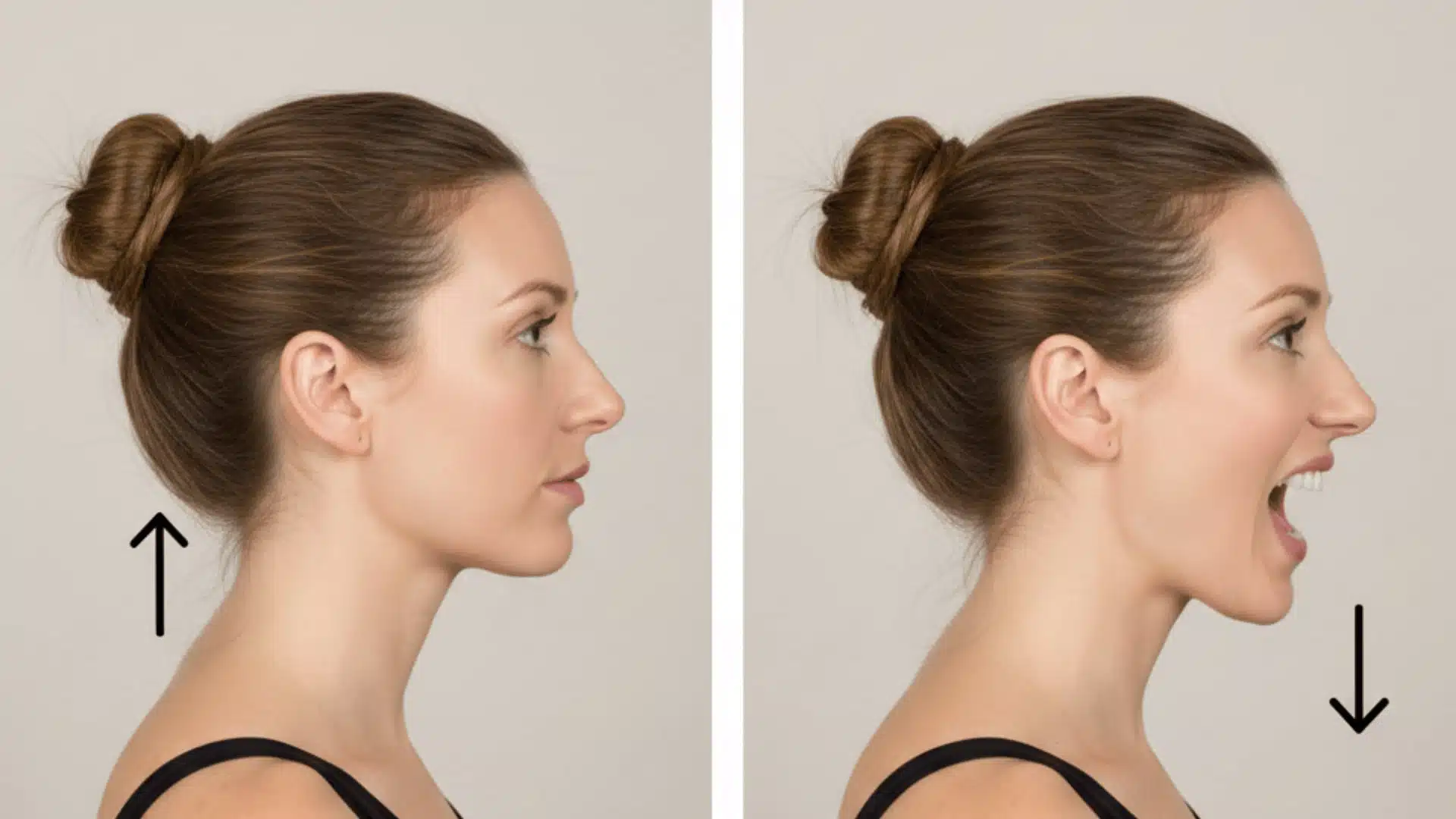
Place your tongue on the roof of your mouth and slowly open your jaw while keeping your tongue in position. This helps guide and control the movement throughout the exercise.
Open only as wide as comfortable, avoiding any strain or discomfort, then close gently. This simple yet effective exercise promotes proper jaw alignment and prevents overextension.
- Hold/Duration: Hold each opening for 3-5 seconds before slowly closing.
- Sets and Reps: Repeat 5-10 times, twice daily.
2. Tongue-to-Roof Relaxation
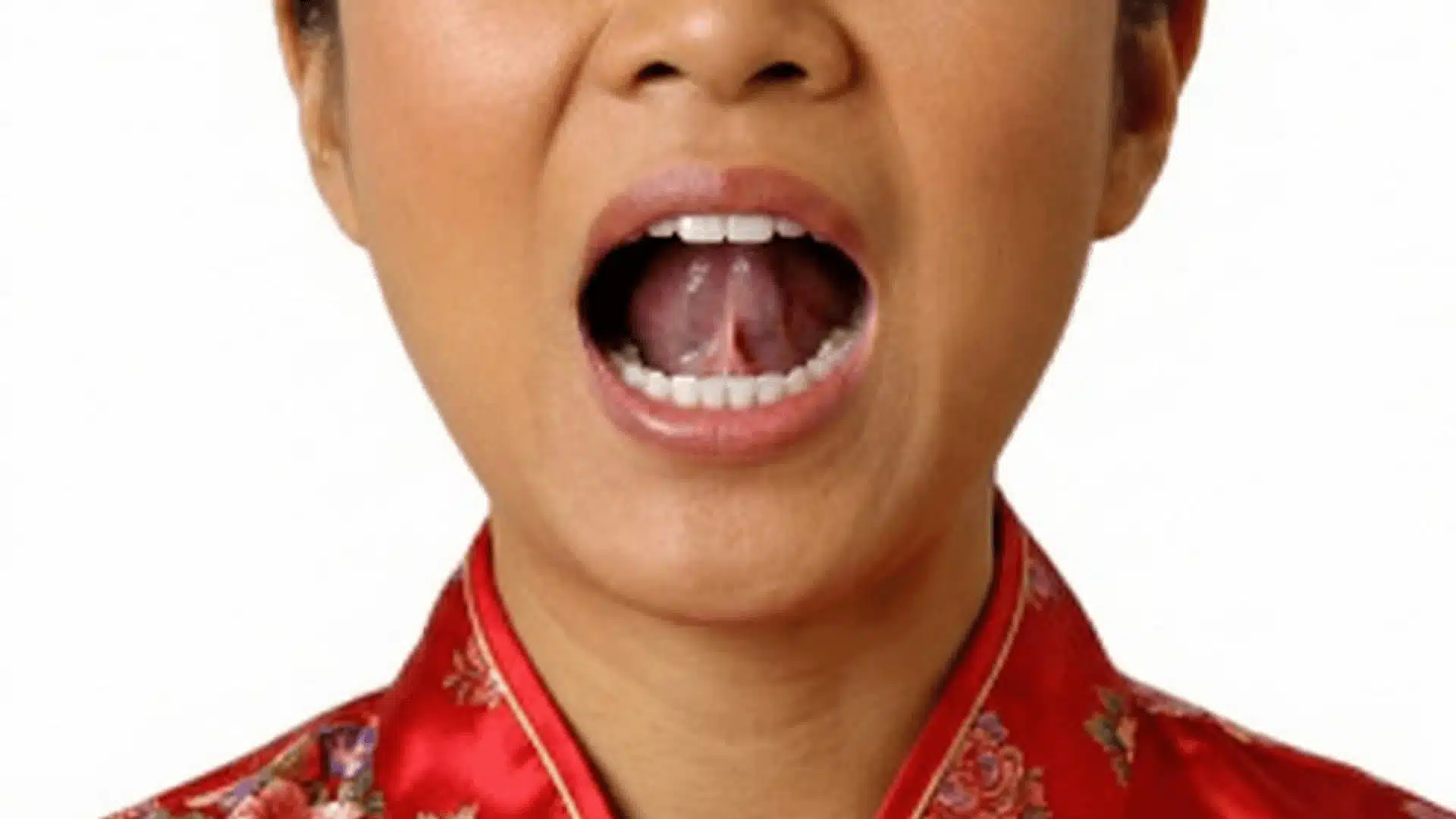
Rest your tongue gently against the roof of your mouth, just behind your front teeth. Keep your teeth slightly apart and jaw muscles relaxed. Breathe slowly and focus on releasing tension in your jaw area.
This simple technique helps reset your jaw’s resting position and can reduce clenching habits throughout the day, especially during stressful moments.
- Hold/Duration: Hold the position for 5-10 seconds per round.
- Sets and Reps: Repeat 3-5 times, several times throughout the day.
3. Goldfish Exercise (Partial Opening)

Place one finger on your TMJ and another on your chin. Drop your lower jaw halfway down while maintaining light finger pressure. Hold briefly, then close. The partial opening prevents strain while building strength.
Avoid opening too wide or moving too quickly. Focus on smooth, controlled movements rather than speed.
- Hold/Duration: Hold each partial opening for 3 seconds before closing.
- Sets and Reps: Repeat 6 times, twice daily.
4. Resisted Jaw Movements

Place your thumb under your chin. Gently open your mouth while providing light resistance with your thumb. This strengthens jaw muscles without overworking them.
Keep your spine straight and shoulders relaxed throughout the movement. You can also resist closing movements by placing fingers on your chin and gently pushing as you close your mouth.
- Hold/Duration: Hold each resisted position for 3-5 seconds.
- Sets and Reps: Repeat 5-8 times, once or twice daily.
5. Lateral Jaw Movements
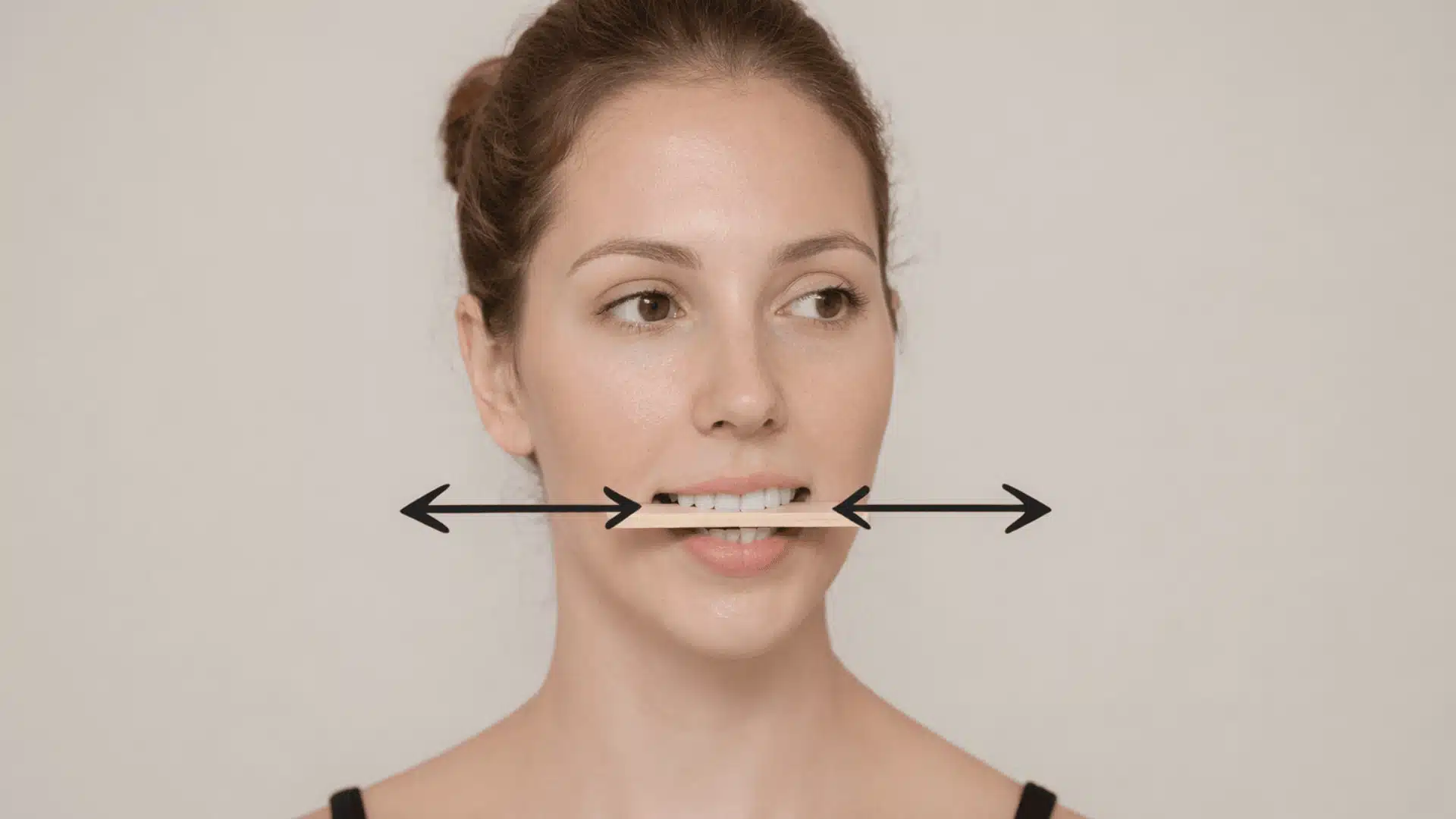
Place a thin object like a popsicle stick between your front teeth. Slowly move your jaw from side to side while keeping the stick in place. This controlled lateral movement helps improve joint flexibility and range of motion.
As the exercise becomes easier, you can gradually use slightly thicker objects to increase the challenge.
- Hold/Duration: Hold each side position for 2-3 seconds.
- Sets and Reps: Perform 10 side-to-side movements once daily.
6. Relaxed Jaw Exercise

Let your mouth fall open naturally without forcing it. Keep your tongue relaxed at the bottom of your mouth. Breathe normally through your nose throughout.
This helps you recognize what a truly relaxed jaw feels like, which is especially useful if you tend to clench unconsciously.
- Hold/Duration: Hold the open position for 5-10 seconds.
- Sets and Reps: Practice several times throughout the day, particularly when you notice tension building.
7. Chin Tuck with Jaw Release

Pull your chin straight back to create a “double chin” while keeping your eyes level. In this position, slowly open and close your mouth. Return to neutral and repeat.
This exercise addresses neck alignment issues that often contribute to TMJ problems. The combination of chin tucking and jaw movement helps relieve pressure on the joint from multiple angles.
- Hold/Duration: Complete 5 slow open-and-close cycles per round.
- Sets and Reps: Repeat 3 rounds, twice daily.
8. Forward Jaw Movement
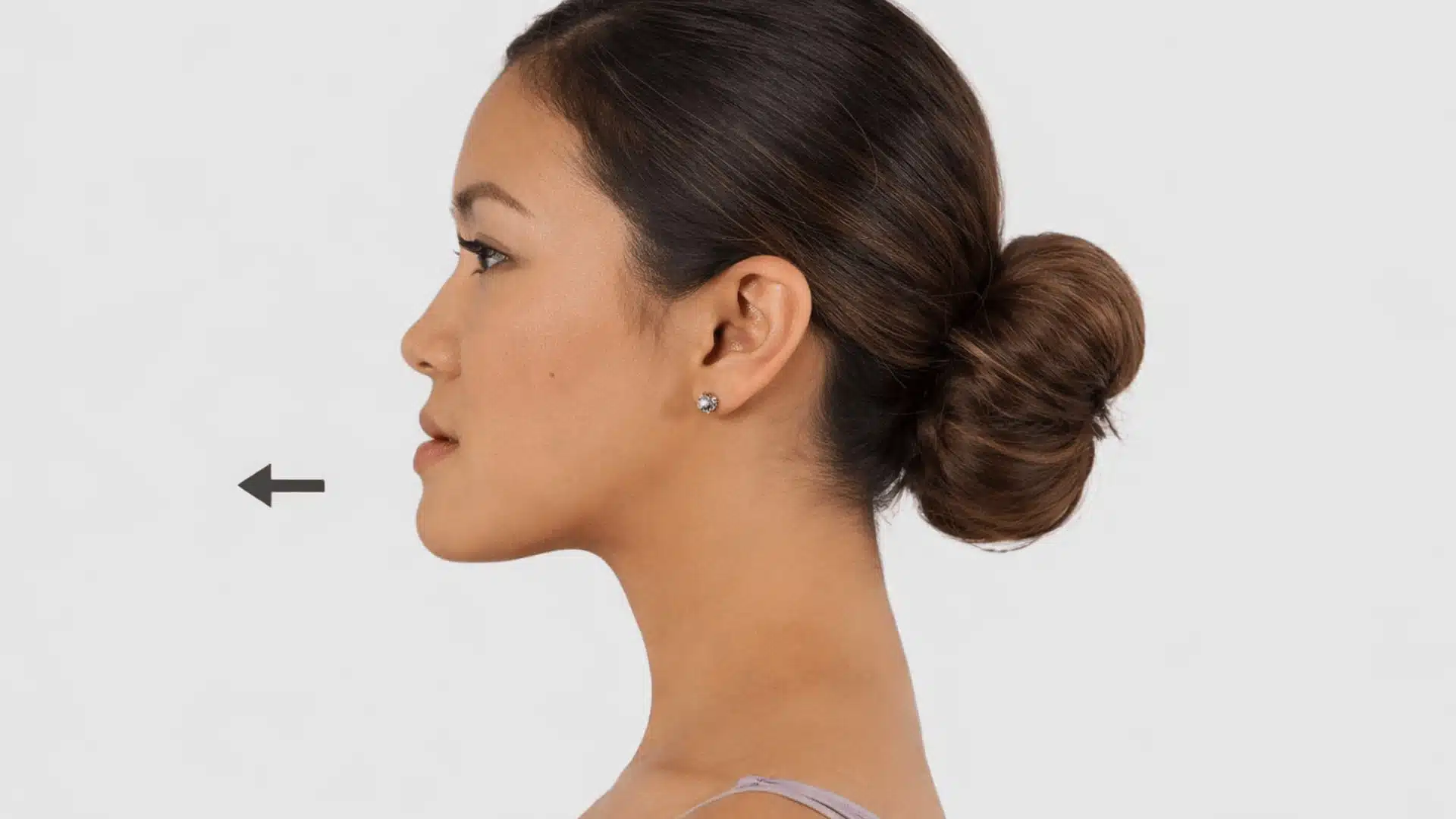
Gently push your lower jaw forward so your bottom teeth extend slightly past your upper teeth. Return to the normal position and rest briefly between repetitions. Be careful not to overextend at any point.
This strengthens the muscles that control forward jaw movement and can improve overall jaw mobility over time.
- Hold/Duration: Hold the forward position for 5 seconds before returning.
- Sets and Reps: Repeat 5-8 times, once or twice daily.
9. Isometric Mouth Closing

Open your mouth slightly and place your fist under your chin. Try to close your mouth while gently resisting with your fist, without actually closing it. This builds strength in your jaw muscles without stressing the joint itself.
The static hold is gentler than dynamic movements, making it a good option for those dealing with acute pain.
- Hold/Duration: Hold the resistance for 5 seconds per rep.
- Sets and Reps: Repeat 5-8 times, once daily.
10. Side-to-Side Head Tilts with Jaw Awareness
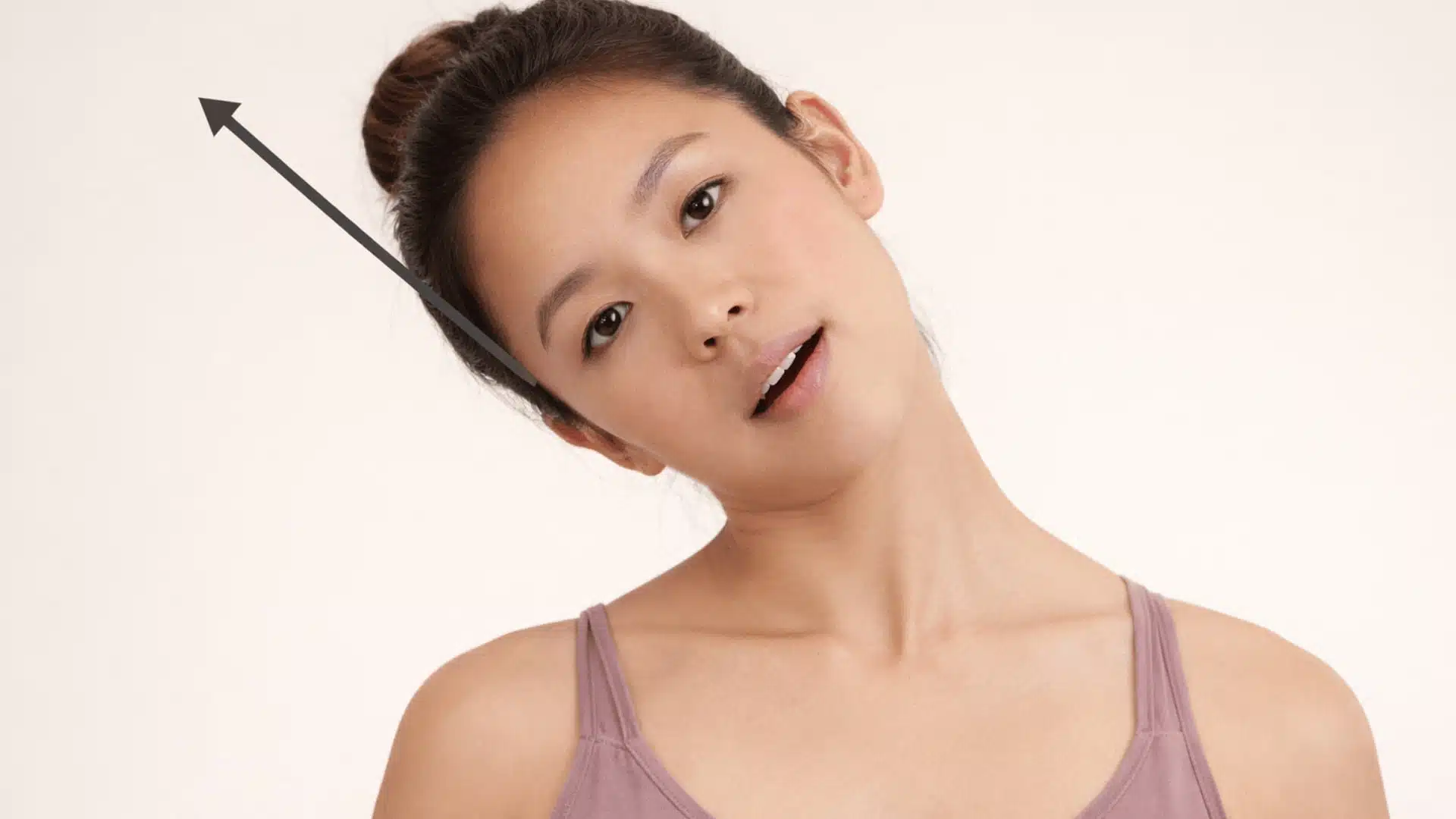
Tilt your head to the right while keeping your jaw relaxed and slightly open. Hold, then switch sides. Pay attention to any jaw tension that develops during the stretch.
Tight neck muscles can pull on jaw structures, so releasing this tension often provides unexpected relief from TMJ ear pain.
- Hold/Duration: Hold each side for 10 seconds.
- Sets and Reps: Repeat 3-5 times per side, once or twice daily.
11. Mouth Opening with Resistance Bands
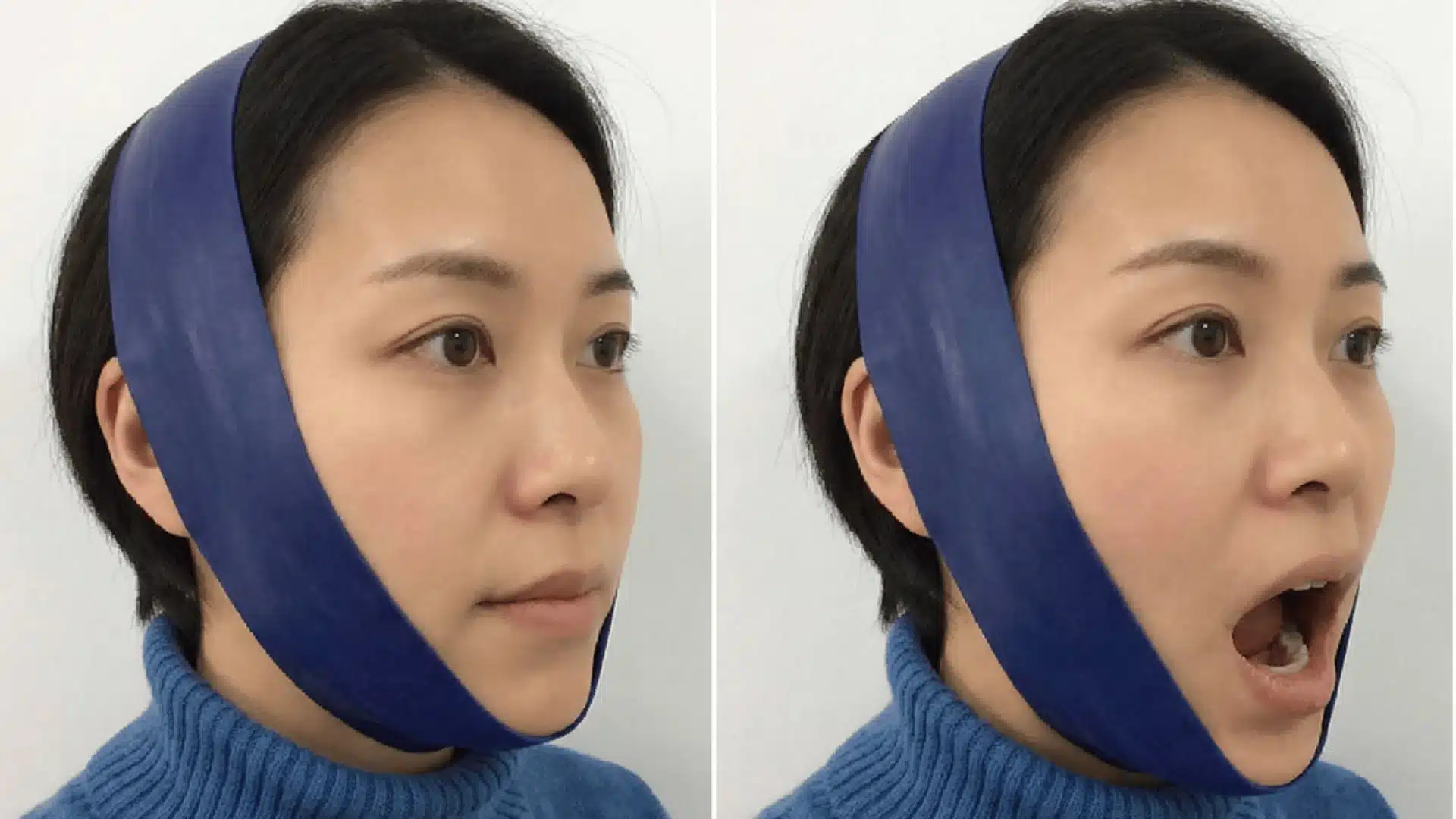
Place a resistance band or folded cloth around your head at chin level. Slowly open your mouth against the gentle resistance of the band, controlling the movement as you open and close.
Start with very light resistance and gradually increase as your jaw becomes stronger. Only attempt this after mastering the basic movements and after any sharp pain has subsided.
- Hold/Duration: Hold the open position for 3-5 seconds.
- Sets and Reps: Repeat 5-8 times, once daily.
Additional Relief Methods
Beyond exercises, targeted massage techniques can provide immediate relief when TMJ ear pain flares. These gentle self-massage methods help release muscle tension and improve circulation around the affected areas.
Jaw Joint Massage
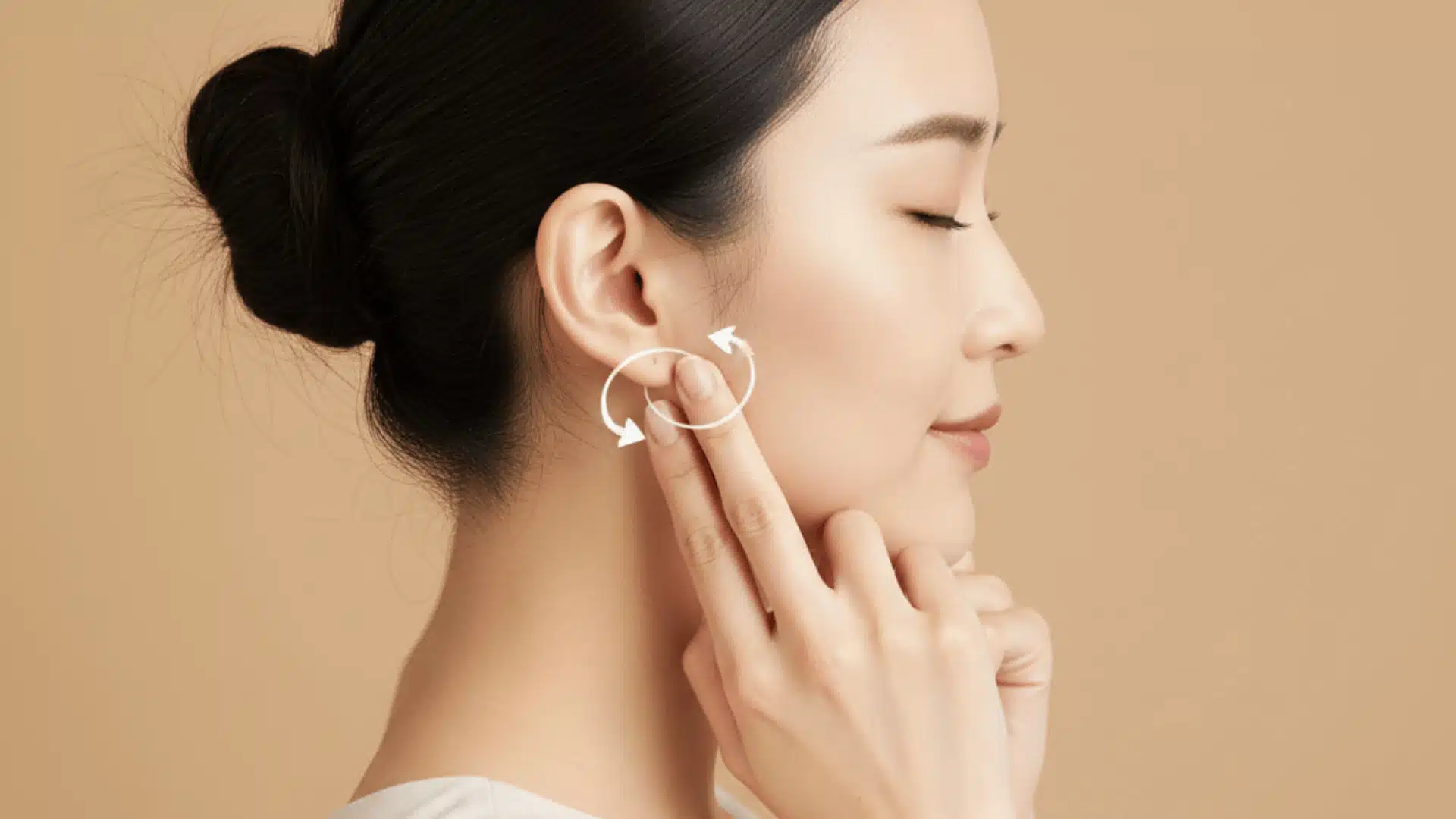
Locate your TMJ by placing your fingers just in front of your ears. Using gentle circular motions, massage the area for 30-60 seconds on each side. Apply light to moderate pressure, enough to feel the muscle release without pain.
This can help reduce inflammation and ease tightness that contributes to ear pain, especially after eating or talking.
Temporal Massage
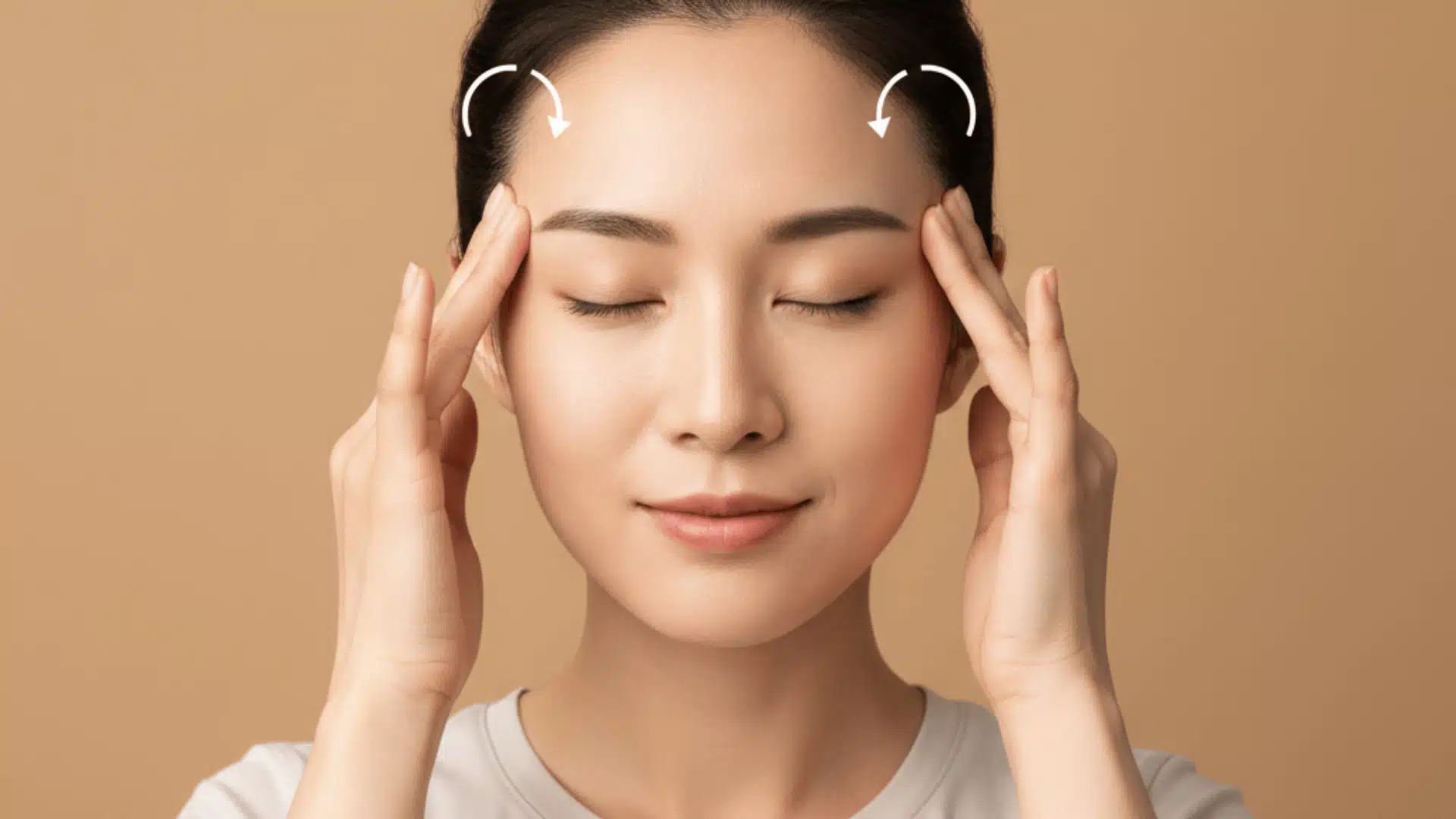
Place your fingertips on your temples, the flat areas on either side of your forehead. Use small, slow circular motions with gentle pressure for about a minute.
You can also try pressing and holding for several seconds, then releasing. This massage relieves tension headaches often associated with TMJ disorders and helps relax the muscles involved in jaw movement.
Common Mistakes to Avoid
Even the right exercises can slow your progress if performed incorrectly. Watch out for these pitfalls before you get started.
- Forcing the movement: Pushing past your comfortable range strains the joint rather than helping it heal.
- Moving too fast: Rushing through reps removes control, which is the whole point of these exercises.
- Skipping the warm-up: Starting cold increases the risk of irritating an already sensitive joint.
- Exercising through sharp pain: Mild tension is normal, but sharp or shooting pain is a signal to stop immediately.
- Inconsistent practice: Doing the exercises once or twice won’t cut it. Consistency is what drives real improvement.
Small adjustments in how you practice can make a big difference in how quickly you start feeling relief.
Alternative Remedies for TMJ Ear Pain
Beyond exercises and massage, several remedies can provide meaningful relief during flare-ups. Here’s a quick overview of options worth trying.
| Remedy | How It Helps | How to Use |
|---|---|---|
| Heat Therapy | Relaxes tight jaw muscles | Apply a warm compress for 10-15 minutes |
| Cold Therapy | Reduces inflammation and swelling | Apply an ice pack for 10-15 minutes |
| Anti-Inflammatory Foods | Supports joint health from within | Add omega-3s, turmeric, and green tea to your diet |
Lifestyle Changes That Support TMJ Relief
Small daily habits can either aggravate your TMJ or help it heal. These adjustments go a long way when practiced consistently.
- Eat softer foods: Stick to yogurt, cooked vegetables, and other easy-to-chew options to reduce jaw strain during recovery.
- Manage stress actively: Practice deep breathing or meditation daily to prevent unconscious jaw clenching during tense moments.
- Adjust your sleep position: Sleep on your back with neck support to avoid putting pressure on your jaw overnight.
- Drop jaw-straining habits: Gum chewing, nail-biting, and cradling your phone between your ear and shoulder all add unnecessary tension.
Pairing these changes with your exercise routine gives your jaw the best environment to heal and stay pain-free.
When to Seek Professional Help
Home exercises can provide relief, but some symptoms genuinely require a professional’s attention and care. Consult a dentist or TMJ-specialist physical therapist if pain persists beyond three weeks without improvement.
Seek help if symptoms worsen despite treatment or limit your ability to eat and speak. Immediate care is necessary for jaw locking, severe swelling, or pain accompanied by fever.
A specialist can provide custom mouthguards and targeted therapy for better results. They can also identify deeper underlying issues that home treatment simply cannot address or resolve.
Wrapping It Up
Managing TMJ-related ear discomfort really does require a multi-faceted approach, and I say that from experience working with people who have tried quick fixes that simply do not last.
The TMJ ear pain relief exercises outlined here, from controlled jaw opening to resisted movements, work best when practiced consistently and paired with habits like stress management and dietary adjustments.
I always recommend massage techniques for flare-ups while you work on the root causes through lifestyle changes.
If your symptoms are not improving or worsening, please do not wait; seek specialized care. Have questions or your own experience with TMJ relief? I would love to hear from you in the comments.