














Not sure how to start being active again after your heart scare? We get it, it can feel confusing and even a little scary.
This guide walks you through simple cardiac rehab exercises commonly used in Phase II and Phase III programs, adapted for home use after medical clearance.
The movements are gentle, low-impact, and easy to follow. And, the goal is to help you move safely, feel stronger, and support your recovery step by step.
This article is intended for educational purposes only and does not replace medical advice, diagnosis, or treatment. Cardiac rehabilitation exercises should only be performed with approval from a licensed healthcare provider. Exercise recommendations may vary depending on diagnosis, medications, surgical history, and individual risk factors. Always follow your cardiologist or cardiac rehabilitation team’s guidance.
What is Cardiac Rehab and Why Exercise Helps Your Heart
Cardiac rehab is a medical program made for people who have had heart problems. It helps you recover and stay healthier through a mix of safe exercise, healthy eating, stress control, and support.
The goal is to make your heart stronger and lower the chances of more heart trouble later. Exercise plays a big role in this. It helps your heart pump better, gives you more energy, lowers your blood pressure, and can even lift your mood.
People who’ve had a heart attack, heart surgery, heart failure, chest pain (angina), or a heart transplant are often the ones who need cardiac rehab.
It’s a smart way to feel better, live longer, and keep your heart in better shape.
The Three Phases of Cardiac Rehab
Cardiac rehab typically happens in three phases:
Phase I starts in the hospital right after your heart event. You’ll do very light activities with close monitoring, as noted by the American Heart Association.
Phase II usually lasts 12 weeks in an outpatient setting. This is where most structured exercise happens under supervision. Studies show this phase reduces mortality by 25% (European Heart Journal, 2020).
Phase III is the maintenance phase. You continue exercising at home or in a gym, using what you learned in Phase II. The exercises in this guide are designed for Phase II (with medical clearance) and Phase III participants, according to research from Circulation, 2020.
The exercises in this guide are intended for individuals cleared for Phase II (with medical approval) and Phase III cardiac rehabilitation, based on recommendations from Circulation (2020).
Things to Know Before You Begin
Before starting your workout, always warm up for 5 to 10 minutes. This helps your body get ready and lowers the risk of injury. After exercising, take another 5 to 10 minutes to cool down.
This helps your heart rate return to normal slowly. Make sure to talk to your doctor before trying any new exercise, especially if you have heart problems.
If you feel chest pain, dizzy, or more tired than usual, stop right away and rest.
Don’t hold your breath while moving; breathe in and out like normal. Also, keep a bottle of water close to stay hydrated while you exercise.
Got it! Here’s the corrected version with the citations embedded directly in the anchor texts:
Exercise Modifications by Condition
Your specific heart condition affects how you should exercise. Here’s what to keep in mind:
- After Stent Placement (PCI): Wait at least 2-3 days before light activity. Avoid heavy lifting over 10 pounds for the first week. Your cardiologist will likely clear you for Phase II rehab within 1-2 weeks (learn more from the American Heart Association).
- After Bypass Surgery (CABG): Chest bone healing takes 6-8 weeks. Avoid pushing, pulling, or lifting over 5-10 pounds during this time. Start with walking and leg exercises first. Upper body exercises should wait until your surgeon approves (Mayo Clinic guidance).
- Heart Failure Patients: Focus on shorter, more frequent sessions (10-15 minutes, 2-3 times daily). Watch for weight gain, increased swelling, or more shortness of breath than usual. These signs mean you should contact your doctor before continuing (more details from the American Heart Association).
- After Heart Attack: Most people can start light activity within days, but always follow your doctor’s specific timeline. Monitor for any return of chest pain, especially during exercise. Keep nitroglycerin nearby if prescribed (read more from the National Heart, Lung, and Blood Institute).
Easy Cardiac Rehab Exercises for a Stronger Heart
If you’re recovering from a heart problem, moving your body safely can make a big difference.
These easy cardiac rehab exercises can help you get stronger, feel better, and support your heart without overdoing it:
1. Walking (Indoor or Outdoor)

Walking is one of the simplest and most effective ways to support heart recovery. Start with 5 to 10 minutes and slowly increase your time as you build strength.
If you’re walking inside your home or outside, it helps improve your heart function and builds endurance.
Walking is gentle on your joints and easy to adjust depending on how you’re feeling that day. You can walk at your own pace and take breaks if needed, making it a safe, low-impact choice for most people.
2. Seated Marching

Seated marching is a good choice if you’re just starting out or have trouble standing for long. Sit up straight in a sturdy chair and lift your knees one at a time, as if you’re marching in place.
This movement improves blood flow, strengthens your legs, and keeps your muscles active without putting pressure on your heart.
It’s especially helpful for people with limited mobility or those recovering at home. Start slowly and keep a steady pace that feels comfortable to you.
3. Wall Push-Ups
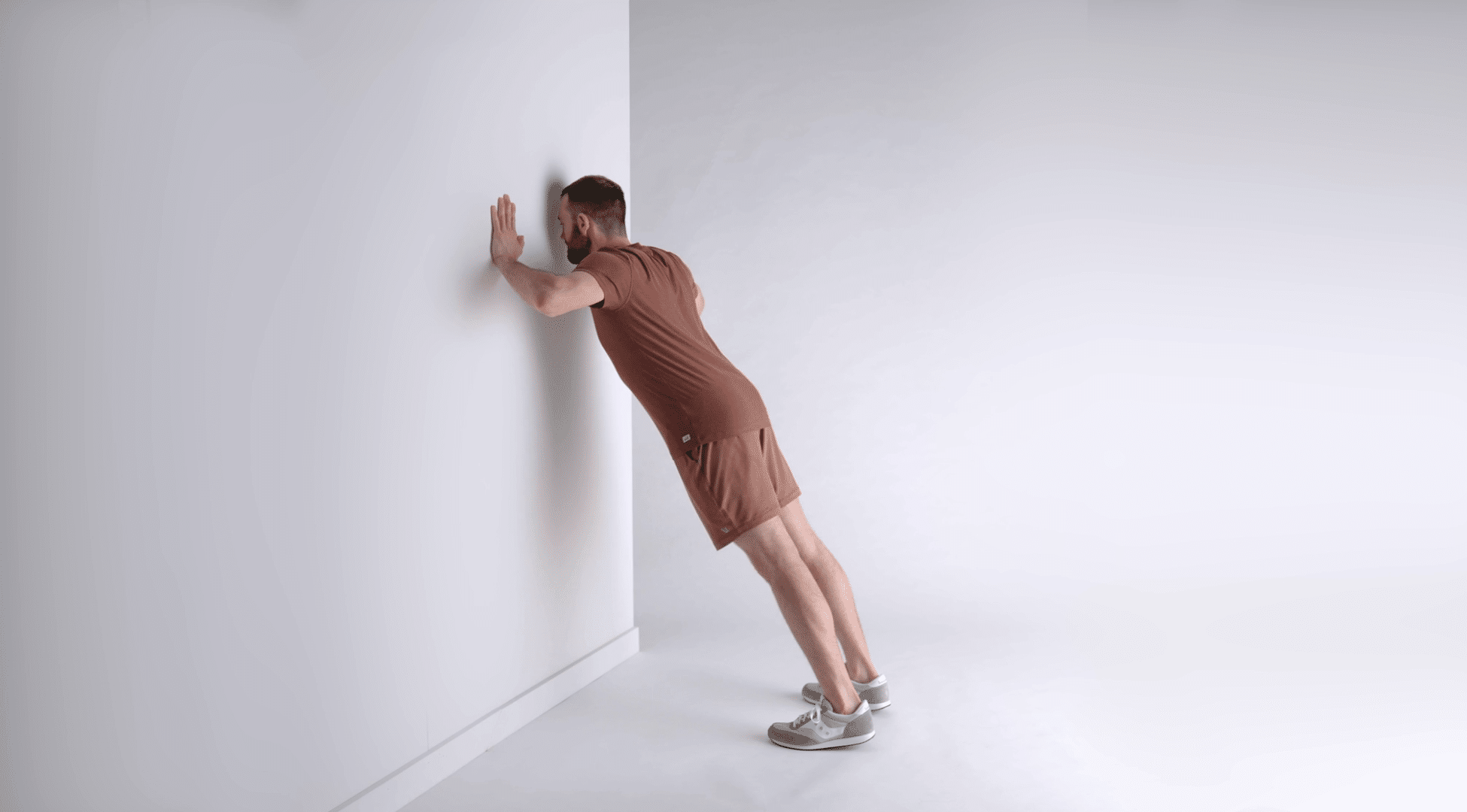
Wall push-ups are an easy way to build upper-body strength without overworking your heart.
Stand a few feet away from a wall, place your hands on it at shoulder height, and slowly lower your body toward the wall, then push back. This works your chest, shoulders, and arms in a safe way. Aim for 10 to 15 slow repetitions.
Wall push-ups help improve muscle tone and circulation, and since there’s no need to get down on the floor, they’re perfect for all fitness levels.
4. Leg Raises (Seated or Standing)
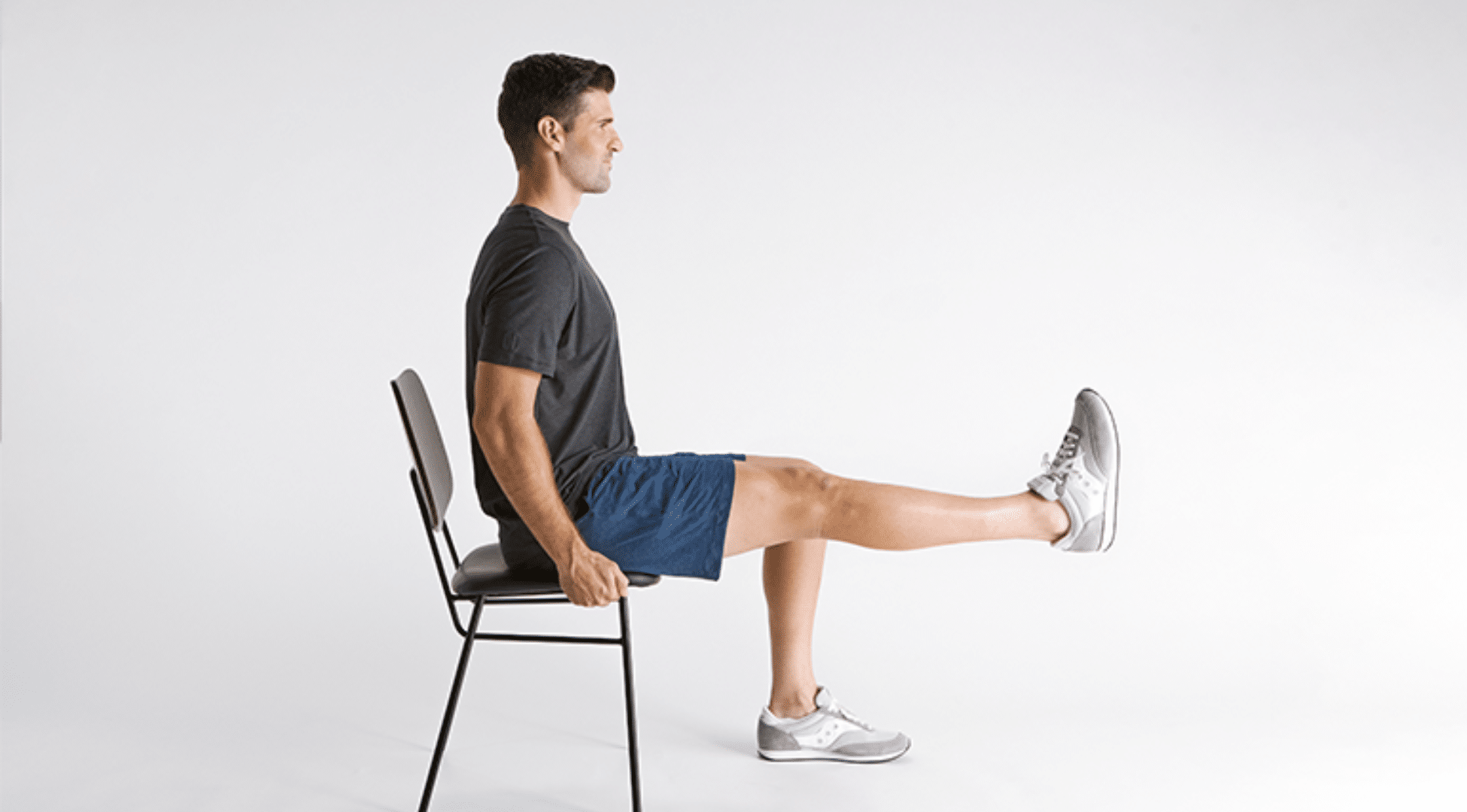
Leg raises help strengthen the lower body and improve balance. You can do them seated or standing, whichever feels safer.
While seated, lift one leg straight out and hold it for two seconds before lowering it. If standing, use a chair for balance and do the same motion.
This simple movement supports muscle strength in the thighs and hips, which can make daily tasks easier. Aim for several reps on each leg, and don’t forget to breathe steadily throughout the exercise.
5. Side Leg Raises
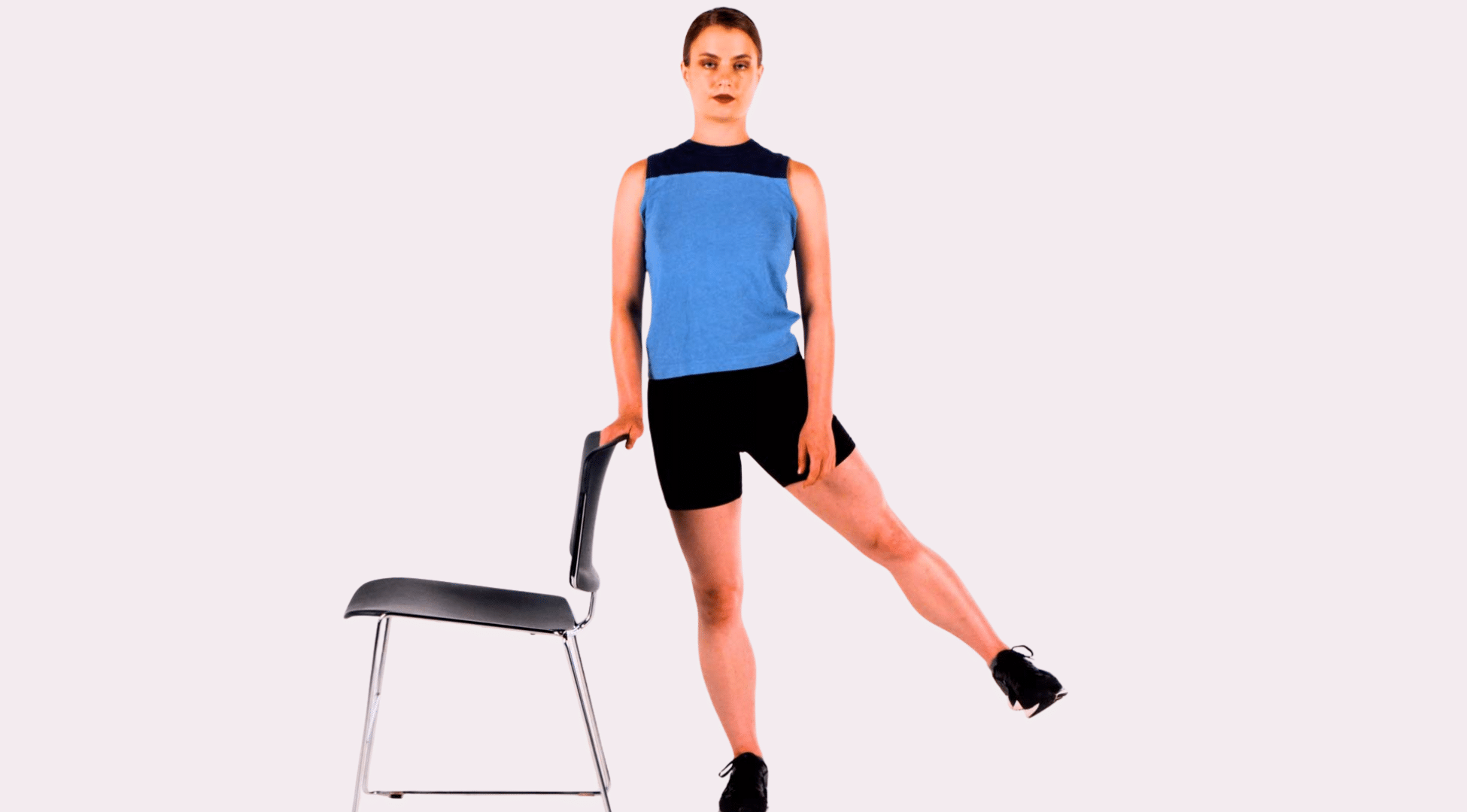
Side leg raises help with balance and hip strength, which are important for walking and standing safely.
Stand behind a sturdy chair and hold the backrest for support. Slowly lift one leg out to the side without leaning your body, then bring it back down. Try doing 10 to 12 reps on each leg.
This gentle movement works your outer thighs and improves joint stability. Take your time and stay steady to avoid any wobbles or strain while doing the exercise.
6. Arm Curls with Light Weights or Water Bottles
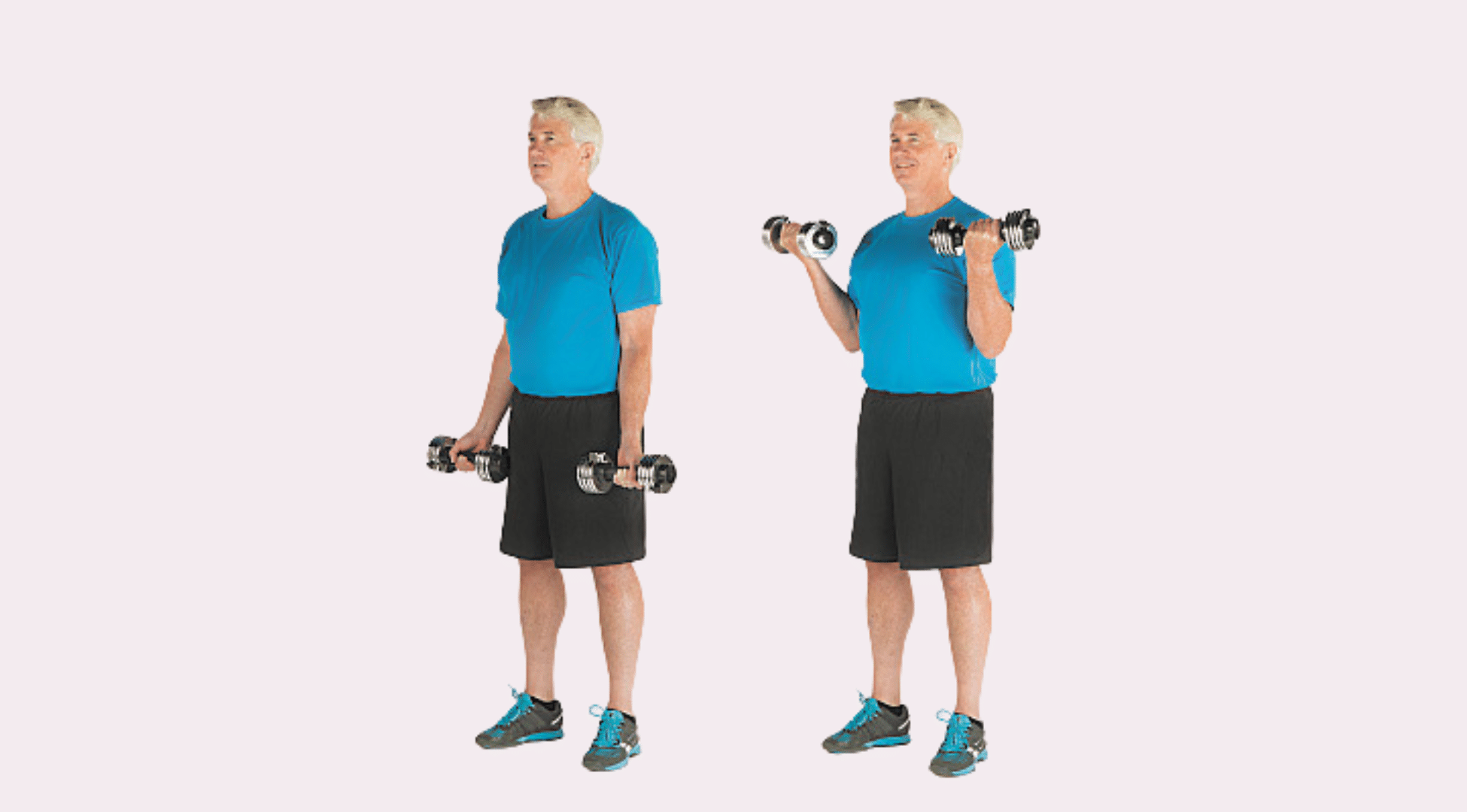
Arm curls are great for building arm strength and improving circulation. You can do them while sitting or standing.
Use light dumbbells or water bottles; anything that adds gentle weight. Hold them at your sides with your elbows tucked in, then curl your hands up toward your shoulders and lower them slowly.
Aim for slow, steady movements. This helps strengthen your biceps and makes everyday tasks like lifting things easier. Keep your breathing normal and don’t rush through the motion.
7. Heel-to-Toe Walk
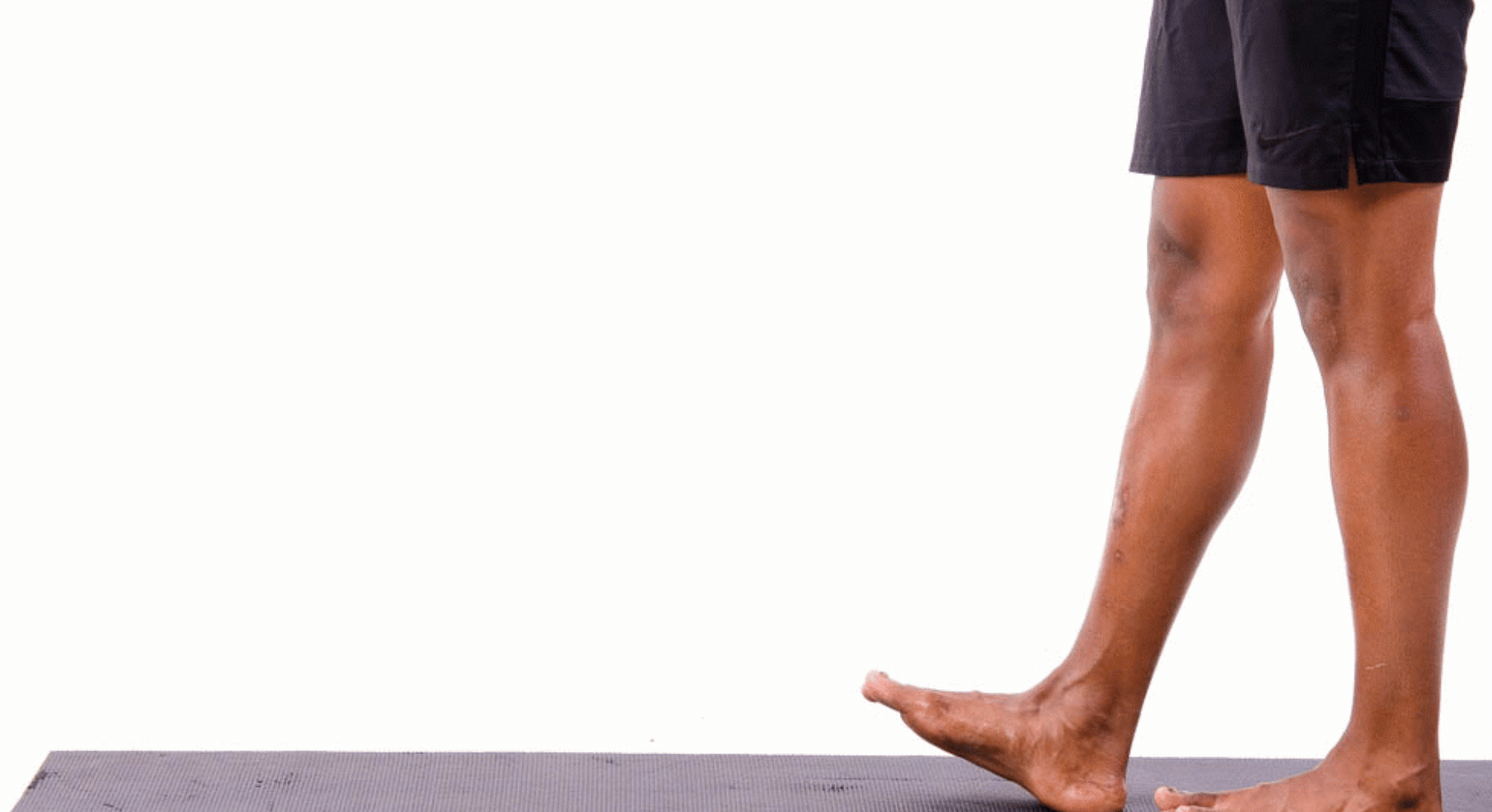
The heel-to-toe walk is a balance exercise that also works your leg muscles.
Walk in a straight line by placing the heel of one foot directly in front of the toe of your other foot. Go slow and focus on keeping your balance. Try 10 steps at a time, then rest and repeat.
This move helps improve coordination and makes it easier to walk without falling. You can hold onto a wall or table for extra support if needed while you practice.
8. Seated Toe Taps
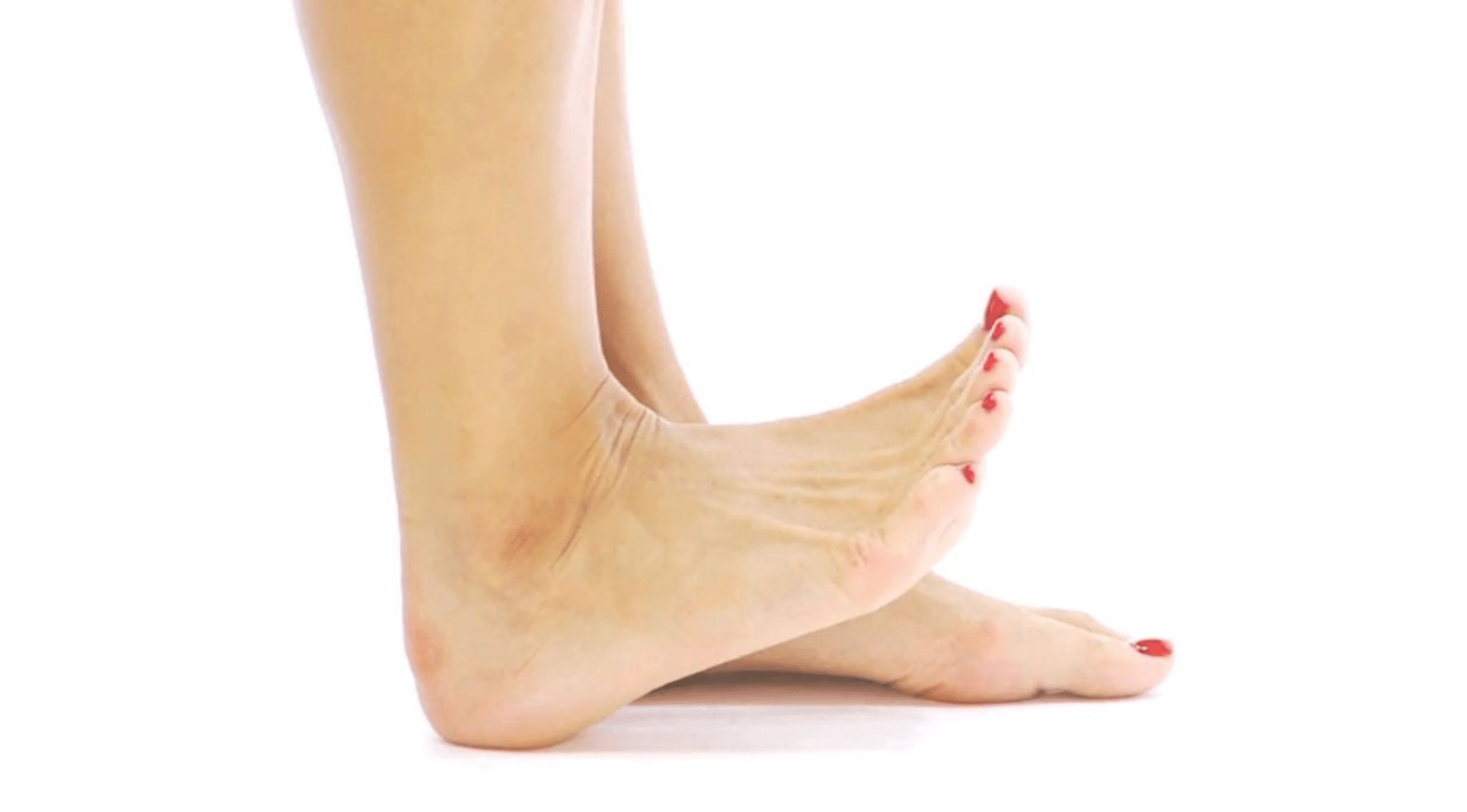
Seated toe taps are a small movement that can have a big effect. Sit up tall in a sturdy chair with your feet flat on the ground. Tap your toes up and down in a slow, steady rhythm.
This exercise helps improve ankle movement and increases blood flow in the lower legs, which is helpful if you’re sitting often.
It’s also a gentle warm-up or cooldown activity. Start with about 30 seconds and add more time as it becomes easier.
9. Chair Squats
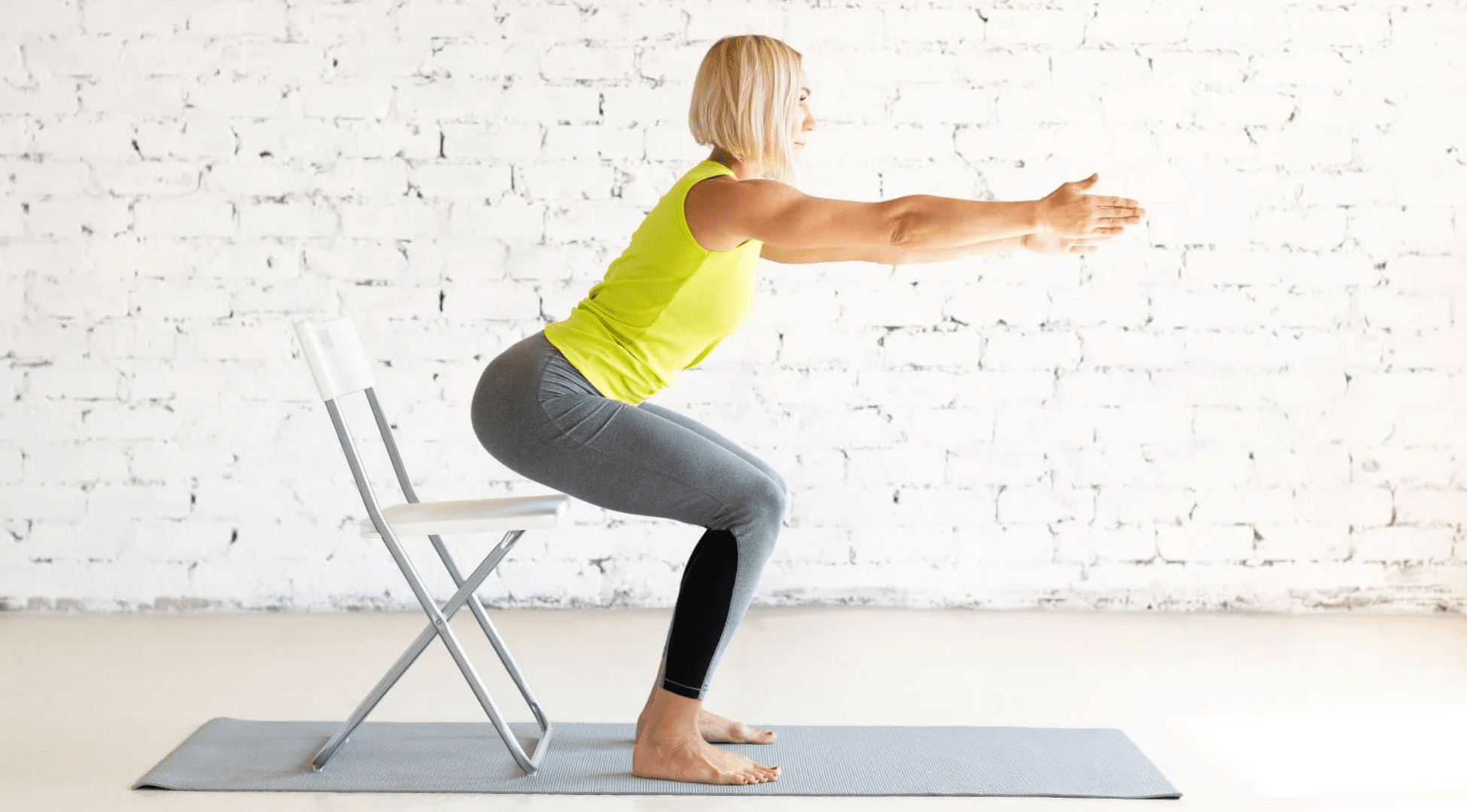
Chair squats are a safe way to build strength in your legs and core.
Stand in front of a sturdy chair, then sit down and stand back up slowly, using your leg muscles to control the motion. Keep your feet flat on the floor and your back straight.
Aim for 8 to 10 reps at your own pace. Chair squats can make standing, walking, and climbing stairs easier over time. They’re also good for building balance and reducing the risk of falls.
10. Deep Breathing with Arm Raises

This calming exercise supports relaxation and better breathing.
While sitting or standing, raise your arms slowly above your head as you breathe in deeply. Then lower your arms as you breathe out.
This movement helps bring more oxygen into your body and can lower stress. It’s a great way to end your workout or take a break when you feel tense.
Try this for a few minutes, focusing on steady breaths and slow movements to help your body feel more at ease.
How to Know You’re Doing It Right
It’s important to know if your cardiac rehab exercises are helping and safe for you. During the workout, you might feel slightly warm or breathe a little faster, but you should still be able to talk.
That means you’re working at a safe pace. If you feel chest pain, dizzy, too tired, or short of breath, stop right away. After exercising, you should feel okay, not drained.
A simple way to track progress is by keeping a small notebook. Write what exercises you did, how long, and how you felt.
If you start feeling stronger and more comfortable over time, that’s a good sign. These small changes show you’re on the right path and can safely keep going.
How to Build Your Routine
Creating a heart-friendly workout plan doesn’t have to be hard. Start slow and keep it simple.
Pick a few exercises that feel right for you, and stay consistent. Here’s how you can build a safe and steady cardiac rehab routine:
- Start with 3–5 exercises per session: Pick a mix of movements that work your upper body, lower body, and balance.
- Do each for 1–2 sets of 10–15 reps or 30–60 seconds: Go at your own pace. Rest if you need to, and keep your breathing steady.
- Alternate days or mix cardio and strength: Give your body time to recover by switching focus each day or skipping a day between sessions.
- Track your progress in a simple log: Write down what you do, how long you did it, and how you felt. This helps you see your progress over time.
Stick with your plan, and your body will thank you. Little by little, you’ll feel stronger and more confident in your movement.
Video Demonstrations and Exercise Tracker
Seeing how an exercise is done can make a big difference in doing it safely and correctly.
For visual guidance, the American Heart Association offers free exercise demonstration videos.
Always cross-reference new exercises with these trusted medical sources.
Keeping track of your workouts helps you see progress and spot any patterns your doctor should know about. Track your progress with these key metrics:
- Date and time of exercise
- Exercises performed and repetitions
- Duration of session
- Resting heart rate before starting
- Peak heart rate during exercise
- How you felt (RPE scale 1-10)
- Any symptoms (chest pain, dizziness, unusual fatigue)
Keep this log and bring it to your cardiology appointments. It helps your doctor adjust your program safely.
Download a free printable tracker from the AHA.
Frequently Asked Questions
How Soon Can I Start These Exercises After My Heart Event?
It depends on your specific condition. Most people can start light walking within days after a heart attack or stent, but always wait for your doctor’s clearance. After bypass surgery, you’ll typically wait 6-8 weeks before upper body exercises.
What if I Feel Chest Pain During Exercise?
Stop immediately, sit down, and rest. If pain doesn’t go away in 5 minutes or gets worse, call 911. If you have nitroglycerin prescribed, use it as directed. Always report exercise-related chest pain to your cardiologist.
Should I Exercise if I’m Taking Beta-Blockers?
Yes, but beta-blockers lower your maximum heart rate. Your target heart rate zones will be different. Use the RPE scale instead of heart rate alone, and stay in the 3-5 range. Your cardiac rehab team will adjust your targets.
How Long until I See Results?
Most people notice improved energy and less shortness of breath within 2-4 weeks. Measurable improvements in exercise capacity typically show up after 8-12 weeks of consistent activity (Circulation. 2018;137:e547-e548).
Can I Do These Exercises if I Have an Implanted Defibrillator (icd)?
Yes, most cardiac rehab exercises are safe with an ICD. Avoid contact sports and heavy lifting over your head on the side of your device. If your ICD fires during exercise, stop immediately and contact your doctor.
How Do I Know if I’m Overdoing It?
Warning signs include chest pain, severe shortness of breath, dizziness, nausea, or extreme fatigue lasting more than 24 hours. If you can’t talk during exercise or your symptoms get worse over several sessions, scale back and consult your doctor.
Final Thoughts
You’ve just learned some simple cardiac rehab exercises that can help you feel stronger and support your recovery.
Think about which moves feel doable for you, and try adding a few into your day. You don’t need to rush – just go at your own pace and be kind to yourself.
Every small effort counts, and this guide is to make things easier for you. Keep checking in with how you feel and keep moving forward, little by little.
If this helped, we’ve got more guides like this. Take a look at other blogs for simple tips to help you stay active and feel good!