









Ever wonder what makes someone truly “fit”? It’s not just about six-pack abs or running a mile in record time.
Real fitness is about balancing strength, endurance, flexibility, and other key parts of your health so your body works at its best.
I’ve spent years reading expert advice from sports trainers, physiologists, and reputable health organizations and putting it into practice myself.
Like many people, I’ve also had moments of frustration when I thought I was “doing enough” but still felt out of shape. That’s why I want to break it down in a way that actually makes sense.
I’ll share the 5 components of fitness, what they are, why they matter for your long-term health, and how to improve each one without overcomplicating your routine.
I’ll also share a sample workout plan, simple ways to measure your progress, and reliable resources so you know you’re getting accurate information.
What Makes Up Total Physical Fitness?
Being physically fit isn’t just about lifting weights or running fast. It’s about keeping your whole body healthy, strong, and ready for everyday life.
Total fitness is made up of five key parts that work together to help you move better, feel better, and stay active at any age.
Each part plays an important role. Some help your heart and lungs. Others improve your strength, flexibility, or body balance. When you train all five, your body works the way it’s meant to: strong, steady, and pain-free.
In the following sections, you’ll learn what these five components are, why they matter, and how to improve each one in simple, practical ways.
What are the Components of Physical Fitness?
These five parts of fitness help your body stay strong, flexible, and healthy. When you work on all of them, you move better, feel better, and live better.
1. Cardiovascular Endurance
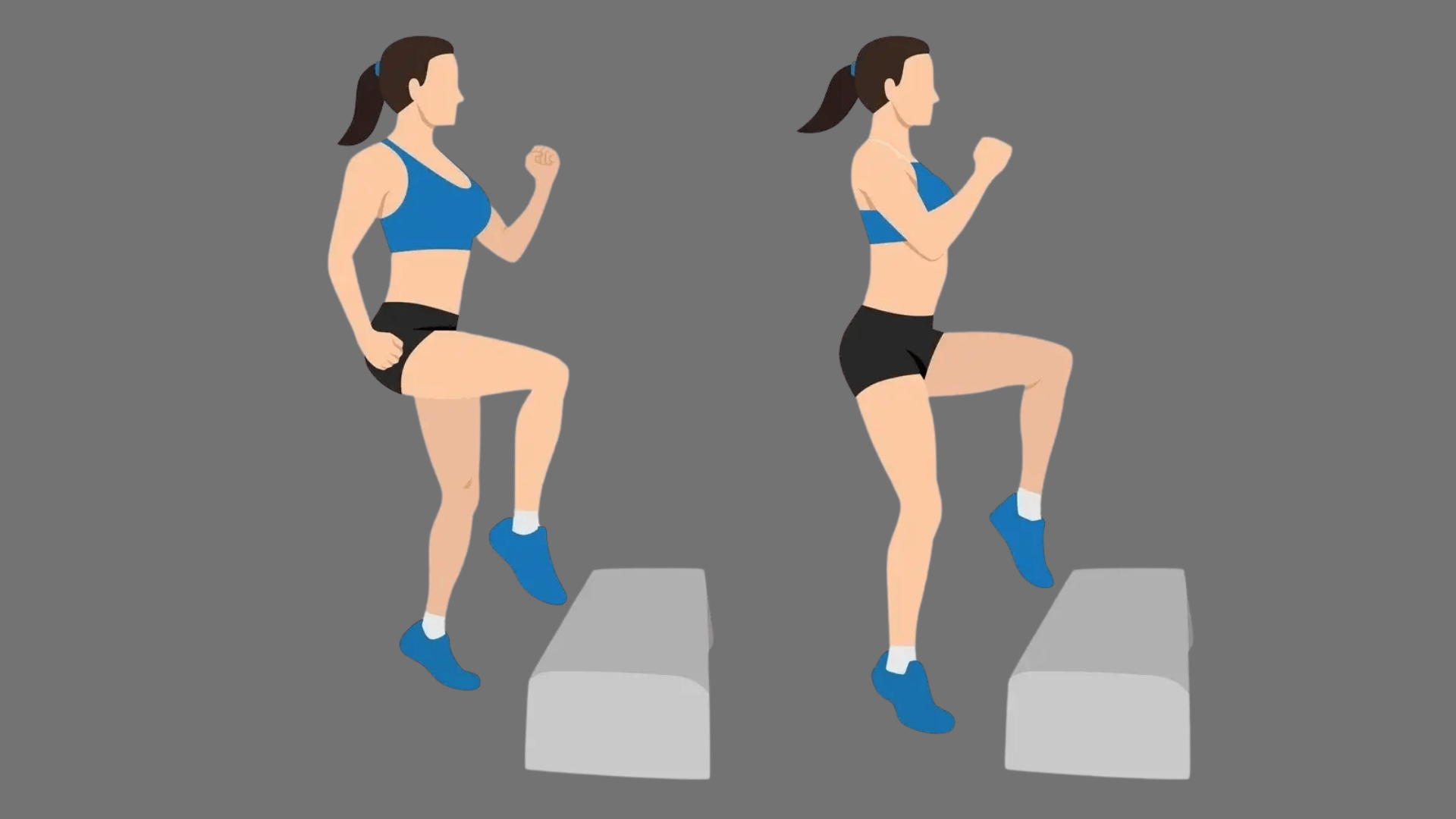
This is how well your heart and lungs can keep up when you’re active for a long time. It helps your body get oxygen to your muscles so you don’t get tired too quickly.
Example activities: Jogging, swimming, cycling.
Cardiovascular endurance matters because it keeps your heart and lungs strong. When this improves, your body uses oxygen more efficiently, so you have more energy and feel less tired.
It also aids in weight control and makes daily tasks, such as walking up stairs or carrying groceries, much easier.
2. Muscular Strength
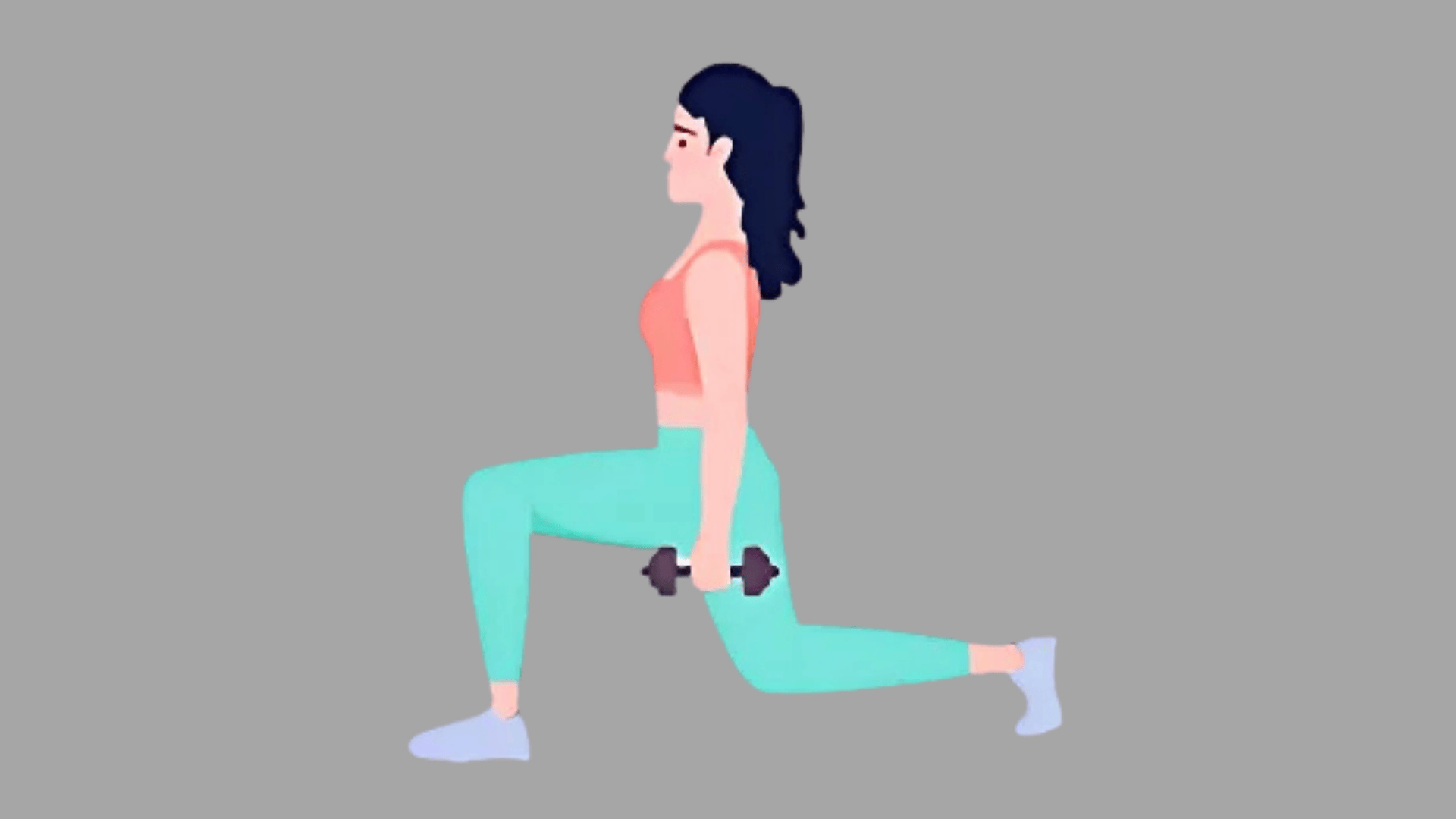
This is the power your muscles use to lift, push, or pull something heavy. It’s about how much force you can use at once.
Example activities: Lifting weights, carrying groceries, doing push-ups.
Muscular strength is important because it builds stronger muscles and bones, which protect your body as you move.
It lowers your risk of injuries and makes heavy tasks, like lifting or pushing, feel easier. It also helps you stay balanced and maintain good posture throughout the day.
3. Muscular Endurance
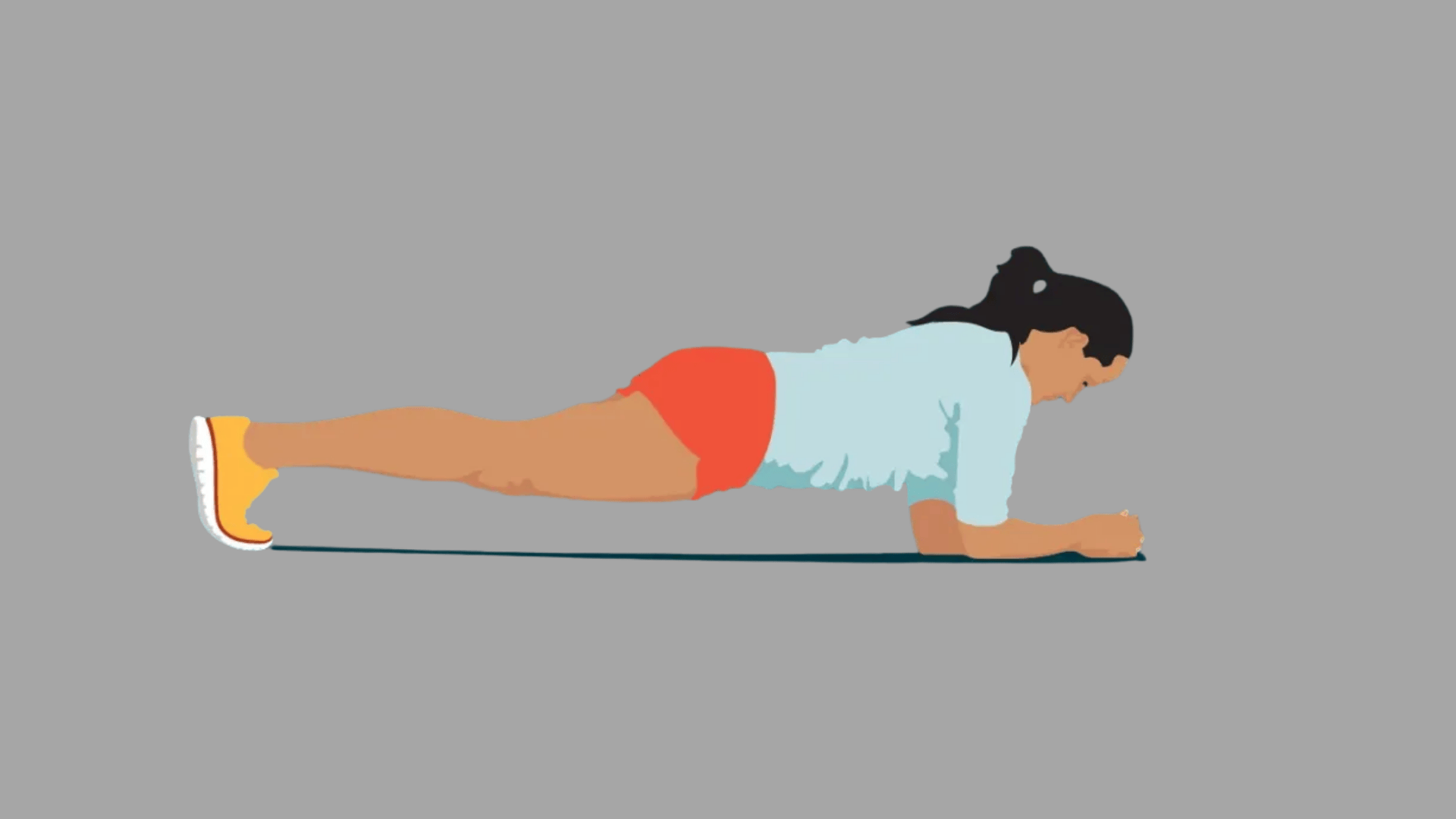
This is how long your muscles can keep working without getting tired. Instead of using lots of force at once, this is about lasting longer.
Example activities: Planking, bodyweight squats, rowing.
Muscular endurance helps your body stay active without wearing out quickly. It boosts your performance during workouts or sports, allowing you to move more without getting tired.
It also supports better posture during daily tasks and helps reduce overall fatigue.
4. Flexibility
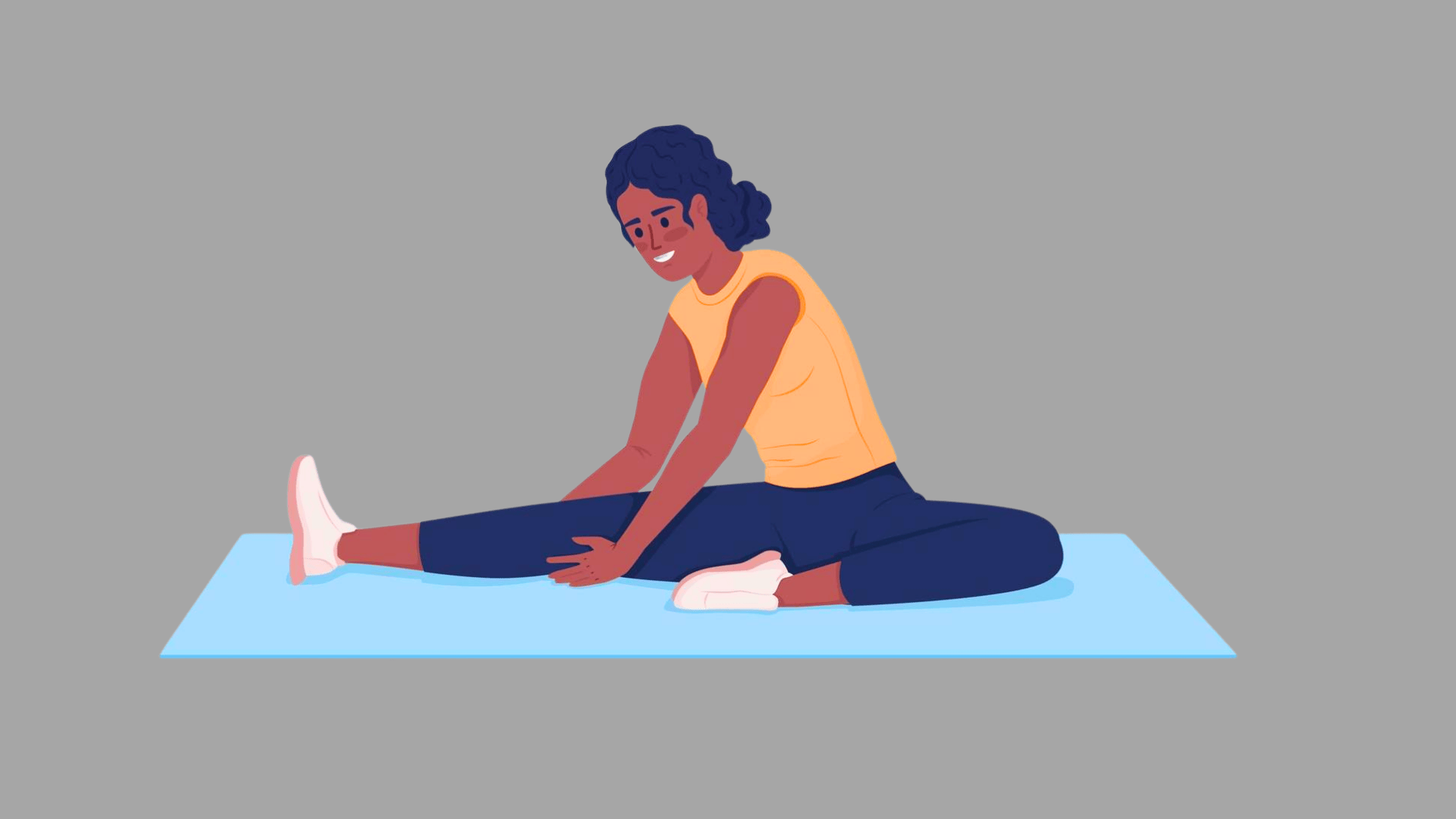
This is how far your muscles and joints can move without pain. Good flexibility lets your body bend and stretch without injury.
Example activities: Stretching, yoga, leg swings.
Flexibility matters because it reduces muscle tightness and helps your body move more freely.
It lowers the risk of injuries, supports better balance and posture, and makes everyday movements, like bending, turning, or reaching, easier and smoother.
5. Body Composition
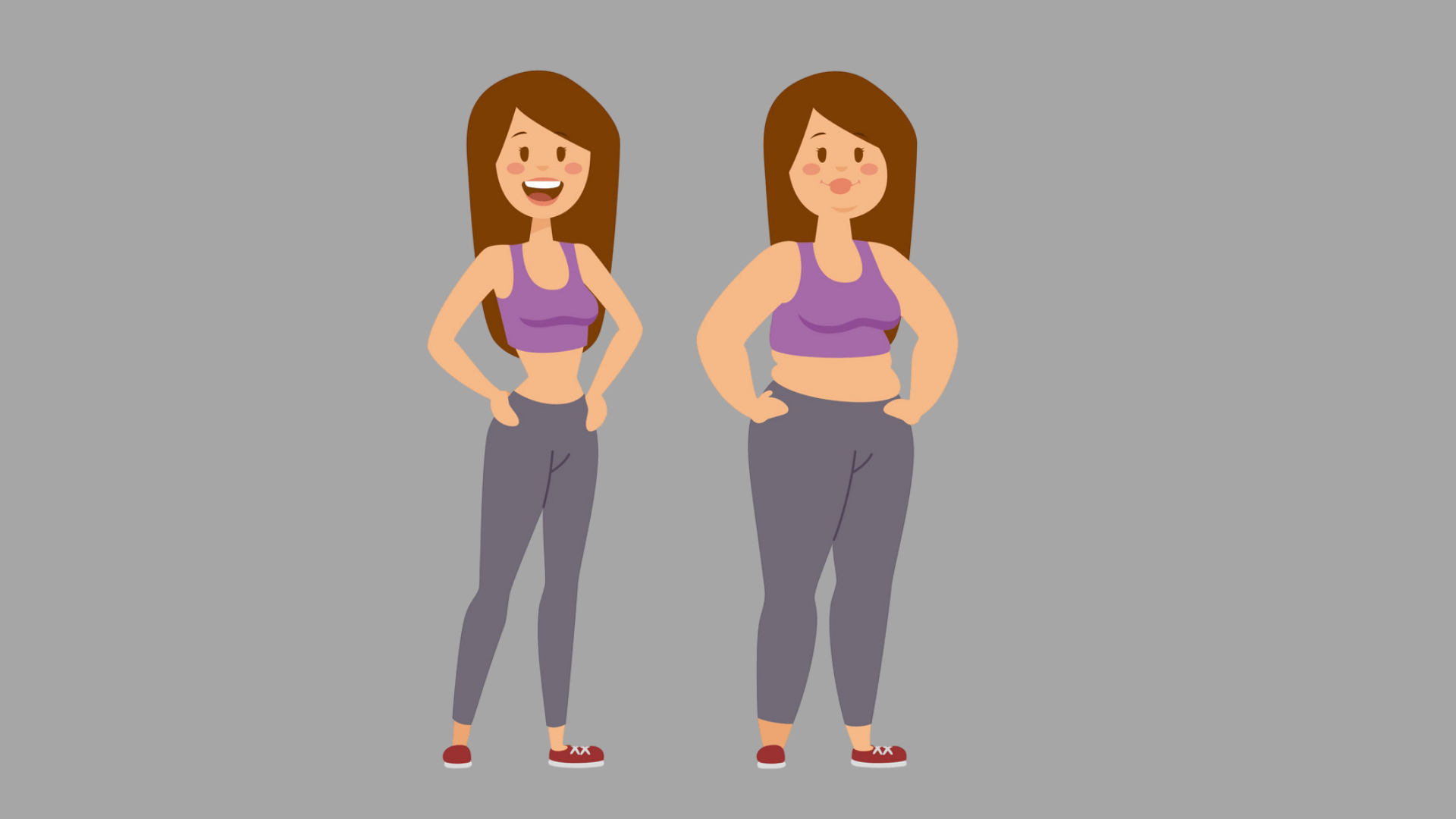
This is the mix of fat, muscle, bone, and water in your body. A healthy balance helps your body function well. It’s not just about weight; what’s inside matters more.
Example measures: Body fat percentage, BMI, muscle mass.
Body composition matters because it supports a healthy metabolism, giving you more energy and better mobility.
A good balance of fat and muscle lowers the risk of heart disease and diabetes. It also improves how you feel, move, and perform both physically and mentally.
Sample Weekly Workout Plan That Covers All 5 Components
A balanced routine helps you work on every part of your fitness. Below are two simple workout plans, one for beginners and one for those ready to step it up.
Both use little to no equipment and can be done at home or outside.
Beginner-Friendly Weekly Plan
This plan focuses on building consistency with low-impact movements and rest between sessions.
Monday: Brisk 20-minute walk (Cardio)
Tuesday: Bodyweight strength circuit: squats, wall push-ups, and seated rows (Strength)
Wednesday: Gentle yoga or stretching session (Flexibility)
Thursday: Rest or light walk
Friday: 2 rounds of sit-ups, modified planks, and glute bridges (Endurance)
Saturday: 30-minute walk + light stretching (Cardio + Flexibility)
Sunday: Rest
This plan helps build a strong base without overdoing it. Over time, you can add more reps, time, or difficulty.
Intermediate Weekly Plan
This version includes longer sessions and mixed training for people with a bit more experience.
Monday: 25-minute jog or brisk walk (Cardio)
Tuesday: Strength training: lunges, push-ups, and dumbbell rows (Strength)
Wednesday: Core workout: planks, side bridges, leg raises (Endurance)
Thursday: 30-minute walk + dynamic stretching (Cardio + Flexibility)
Friday: Full-body strength circuit with resistance bands or weights (Strength + Endurance)
Saturday: Yoga or mobility flow (Flexibility)
Sunday: Active rest: walk, stretch, or light cycling
This plan covers all key areas while keeping your week flexible. You can swap the rest days or combine workouts based on your schedule.
You can turn these plans into a printable or digital planner to track your progress. Check off each day as you go, and adjust based on how your body feels.
Conclusion
Now you know the 5 components of fitness and why they matter for your health. Each one plays a role in helping you move better, feel stronger, and stay active as you age.
Take a moment to think about which areas you already work on and which ones could use more attention. Even small steps, like daily walks or simple stretches, can make a big difference.
Remember, proper fitness is about balance, not perfection. Keep building healthy habits one day at a time.
If you found this guide helpful, be sure to read my other blogs for more tips on staying active, healthy, and motivated.