




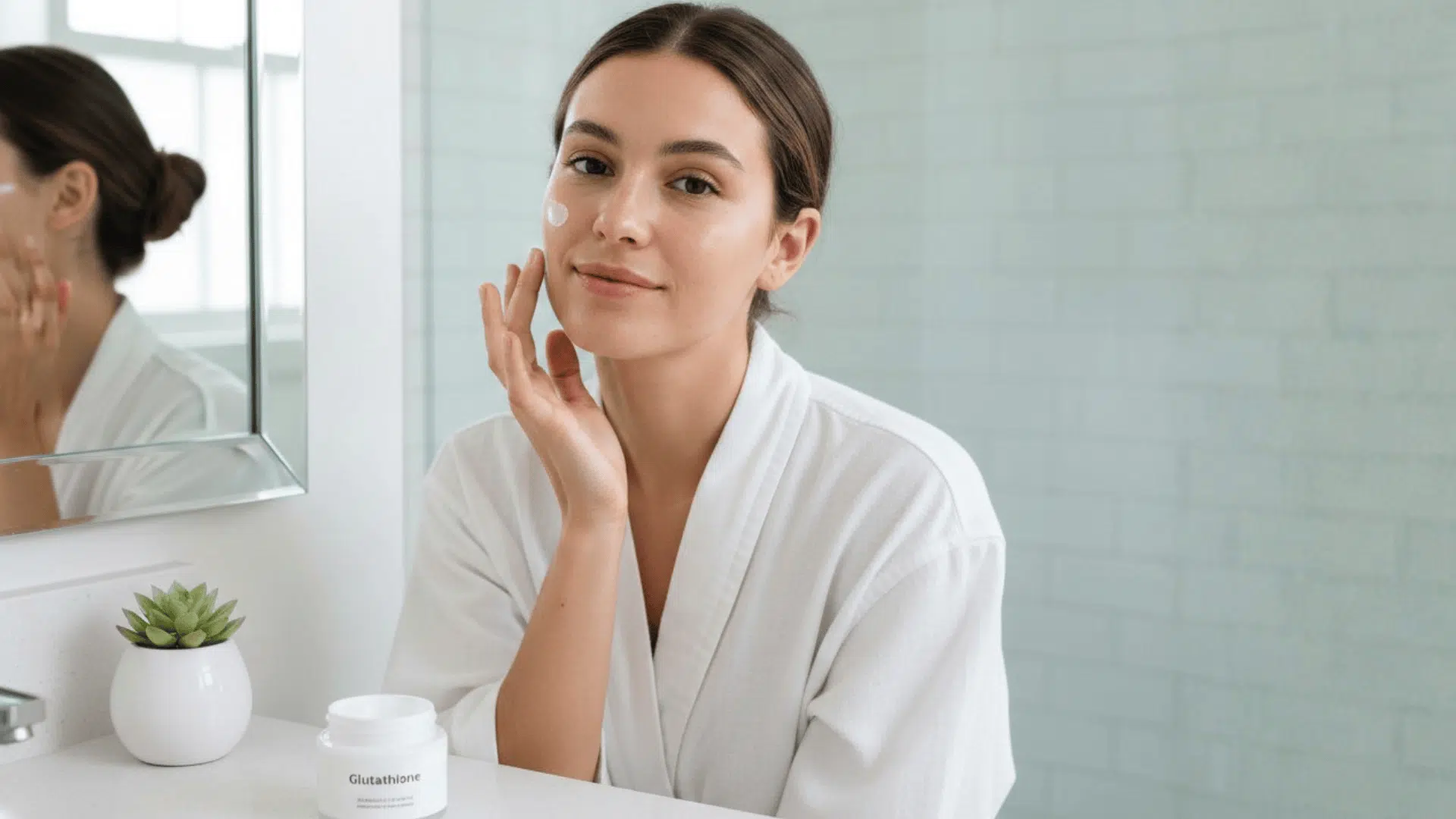








When I first heard about glutathione for skin, I thought it was just another trending ingredient. But once I looked more closely, I realized it has real scientific backing.
Glutathione is something our skin already makes, and it plays a significant role in keeping skin bright, even, and healthy.
That’s why so many people are talking about the benefits of glutathione for the skin, especially for dullness, uneven tone, and dark spots.
Here, I’ll walk you through what glutathione is, how it works on your skin, and whether it’s safe to use. I’ll also share how long it takes to see results, how it helps with dark spots, and the best way to add it to your skincare routine.
The Science of the Glow: How Glutathione Works
Glutathione is your body’s master antioxidant, a natural peptide shield made of three amino acids that protects every skin cell.
Unlike surface-level treatments, it works on a cellular level by inhibiting Tyrosinase, the key enzyme responsible for producing excess melanin.
By neutralizing oxidative stress from UV rays and pollution before damage becomes visible, it supports your skin’s natural repair cycle from the inside out.
Understanding these biological mechanics explains why this “master antioxidant” is so vital for maintaining a healthy, youthful skin barrier.
Key Benefits of Glutathione for Skin
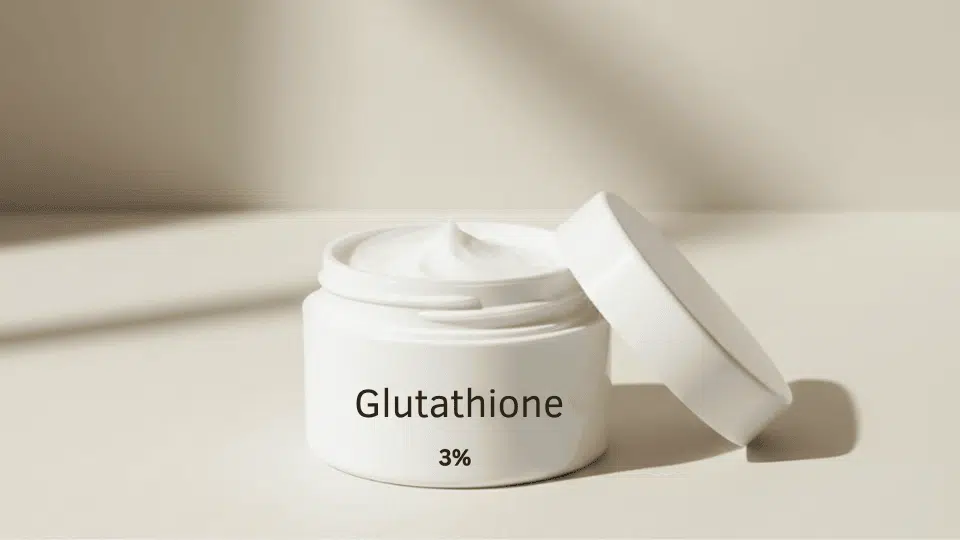
Glutathione is like a quiet overachiever in skincare. It doesn’t just “brighten”, it supports your skin in a few smart, helpful ways. That’s why glutathione benefits skin so well when you use it consistently.
1. Brightens Dull Skin
If your skin looks flat or tired, glutathione can restore a healthy glow. Dullness often results from stress, lack of sleep, and sun exposure, which make skin look less fresh over time. Glutathione acts as an antioxidant.
It helps reduce the visible impact of that daily damage. When you use it regularly, your skin can look clearer and more awake. The key is patience. Brightening is gradual. Pair it with sunscreen and a gentle routine for better results.
• Helps reduce tired-looking skin
• Supports a clearer, fresher appearance
• Works well with daily sunscreen use
• Best results with steady application
2. Helps Fade Dark Spots
Dark spots can form after acne, sun exposure, or skin irritation. They take time to fade. Glutathione may help by slowing down excess pigment production in the skin.
That means dark areas may start to look softer and less sharp over time. I advise against expecting quick fixes; consistency is key. Incorporate it into your daily routine and refrain from picking at spots. Regular care can lead to a more balanced skin tone.
• May reduce excess pigment production
• Helps soften the look of dark marks
• Supports gradual fading with time
• Works best with sun protection
3. Supports Even Skin Tone
Uneven skin tone can show up as patchiness or mixed shades across your face. This often happens due to sun exposure or past breakouts.
Glutathione supports a more balanced look by helping manage pigment activity in the skin. Over several weeks, you may notice a smoother tone across different areas.
I have seen that results improve when you keep your routine simple and consistent. Avoid harsh products while using it. Calm skin responds better.
• Helps balance patchy-looking areas
• Supports smoother tone over time
• Works best on calm, healthy skin
• Needs regular use for visible change
4. Protects Against Oxidative Stress
Your skin faces pollution, UV rays, and stress, causing oxidative damage that ages skin.
Glutathione, a powerful antioxidant, neutralizes some damage and supports skin defenses. For best protection, use with sunscreen and a healthy lifestyle, layering defenses effectively.
• Fights daily environmental stress
• Supports skin’s natural defense system
• Helps reduce visible wear over time
• Pairs well with antioxidant-rich routines
5. Supports Skin Barrier Health
Your skin barrier retains moisture and blocks irritants. When weak, skin may feel dry, sensitive, or reactive.
Glutathione supports recovery by reducing cellular stress, leading to a stronger barrier, smoother texture, and fewer flare-ups. Avoid over-exfoliating and keep your routine gentle while using glutathione.
• Helps calm stressed-looking skin
• Supports smoother, softer texture
• May reduce visible sensitivity
• Works best in simple routines
The Secret Power Couple: Glutathione and Vitamin C
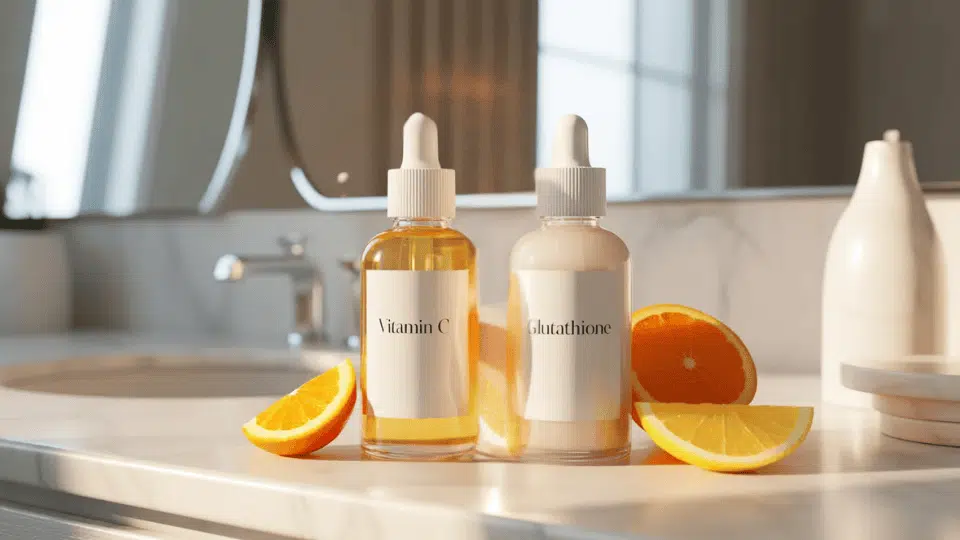
You’ll often see these two ingredients together, and for good reason. Think of Vitamin C as a battery that eventually runs out of juice while fighting free radicals.
Glutathione actually “recharges” or recycles Vitamin C, bringing it back to life so it can keep protecting your skin for longer.
When you use them together, you’re not just doubling the brightening power; you’re making your entire routine more efficient.
Safety First: Topical vs. Oral vs. IV Methods
Glutathione can be used in different ways, and each method works a little differently. Here’s a simple comparison to help you choose what fits your goals.
| Method | Best For | Safety Level | How It Works | Time to See Results | Primary Risk |
|---|---|---|---|---|---|
| Topical | Dark spots, dull skin, uneven tone | Very High | Applied directly to the skin to target pigment and surface damage | 4–8 weeks with consistent use | Rare mild irritation |
| Oral | Overall antioxidant support, long-term skin health | High | Absorbed through digestion to raise internal antioxidant levels | 6–12 weeks | Mild digestive upset (rare) |
| IV Drip | Rapid systemic antioxidant boost | Use With Caution | Delivered directly into the bloodstream for fast circulation | Immediate to a few sessions | Severe allergic reaction |
For most skin goals, topical use is enough. Stay consistent, use sunscreen daily, and choose stronger options only if medically advised and truly necessary.
How Long Does Glutathione Take to Brighten Skin?
Because glutathione works on your skin’s natural processes rather than just “bleaching” the surface, patience is key. Here is what your journey usually looks like:
- Week 1–2: Your skin barrier begins to feel more hydrated and resilient. You might notice a slight “freshness” in your complexion, but dark spots will likely remain the same.
- Week 4–6: This is the “Glow Phase.” As your skin cells turn over, you’ll likely see a more vibrant, less dull skin tone. Minor redness or sallow tones begin to even out.
- Week 10–12: The “Correction Phase.” This is where the science really shows. According to studies, this is the window where stubborn dark spots and hyperpigmentation visibly start to fade.
Pro Tip: Take a “before” photo in natural lighting on Day 1. The changes are gradual, so you might not notice how much progress you’ve made until you compare pictures!
How to Add Glutathione to Your Skincare Routine
Glutathione is easy to slot into your routine, and a few small steps can help you get the best results.
- Use a serum if you have oily or combination skin
- Use a cream if you have dry skin
- Apply after cleansing and before moisturizer
- Safe for morning and/or night use
It layers well with vitamin C, niacinamide, and azelaic acid. Start 3–4 times a week, then increase to daily use if your skin stays calm.
Final Thoughts
After learning how glutathione works, it’s easy to see why it’s getting so much attention in skincare.
It doesn’t promise instant results, but with regular use, glutathione benefits skin by supporting brighter tone, more even color, and a healthier-looking glow.
I like that it works well with other skincare ingredients and is gentle enough for daily use. The key is patience, consistency, and protecting your skin with sunscreen.
If you’re dealing with dullness or uneven tone, glutathione benefits the skin by building gradually over time.
If you’re ready to improve your skincare results, start by choosing a quality glutathione product and give your skin the time it needs to respond.