









Are you feeling inactive or out of balance? A Panchakarma cleanse could be the solution you need. This ancient Ayurvedic detox method purifies your body, mind, and spirit, helping you regain energy and vitality.
In this post, I’ll guide you through the steps of performing a Panchakarma cleanse at home, along with dosha-specific tips to improve your results.
If you want to improve digestion, reduce stress, or rejuvenate your body, this cleanse can help. Ready to restore balance and feel your best? Let’s get started.
Understanding Panchakarma and Ayurvedic Detox
Panchakarma is an ayurvedic detox method that balances the body, mind, and spirit through purification, rejuvenation, and healing.
Ayurvedic Foundations
In Ayurveda, everything is made of five elements: Ether, Air, Fire, Water, and Earth. These elements combine into three doshas: Vata, Pitta, and Kapha, which govern physical and mental functions. When doshas become imbalanced, disease occurs.
Panchakarma, an Ayurvedic detoxification method, restores balance by cleansing the body and mind, detoxifying impurities, and re-establishing harmony between the elements and doshas, thereby promoting overall wellness.
The Three Phases of Panchakarma Cleanse
Panchakarma consists of three key phases:
- Purvakarma (Pre-Purification) prepares the body with oil massage (Snehan) and steam therapy (Svedana) to loosen toxins.
- Pradhan Karma (Main Purification) involves the five actions: Vamana, Virechana, Basti, Nasya, and Rakta Moksha, which cleanse the body’s systems.
- Paschat Karma (Post-Therapy) allows the body to return to balance with proper diet and lifestyle adjustments, ensuring sustained health.
Stepwise Guide to Performing Panchakarma Cleanse
Ready to experience a full ayurvedic detox? Follow this simple step-by-step guide to perform your Panchakarma cleanse.
Preparation for Your Ayurvedic Cleanse
Before starting your ayurvedic cleanse, focus on rest, gentle yoga, and nature walks. Simplify your routine to reduce stress and promote detoxification.
Spend time in a quiet space to prepare your body and mind for the cleanse. Also, determine your dosha type (Vata, Pitta, Kapha) to tailor your diet and practices accordingly, ensuring optimal results.
Days 1-3: Detoxification Phase
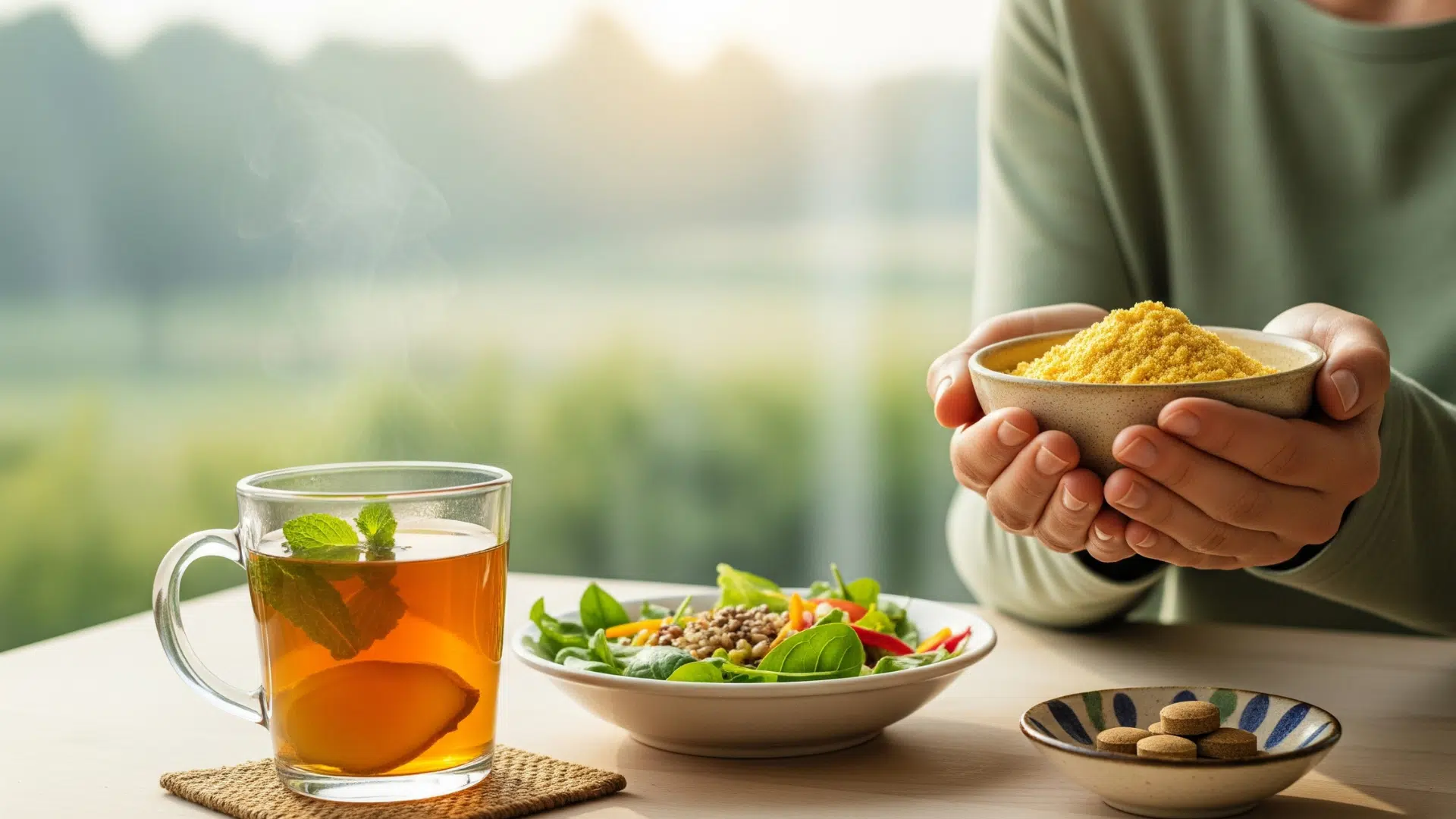
Start your cleanse with 2 oz. of warm ghee in the morning, or use flaxseed if you have cholesterol or blood sugar issues.
In the evening, take triphala to support digestion and gently detoxify your system. Focus on light, easy-to-digest foods like soups, salads, and teas that align with your dosha for optimal cleansing.
Days 4-5: Deeper Cleansing
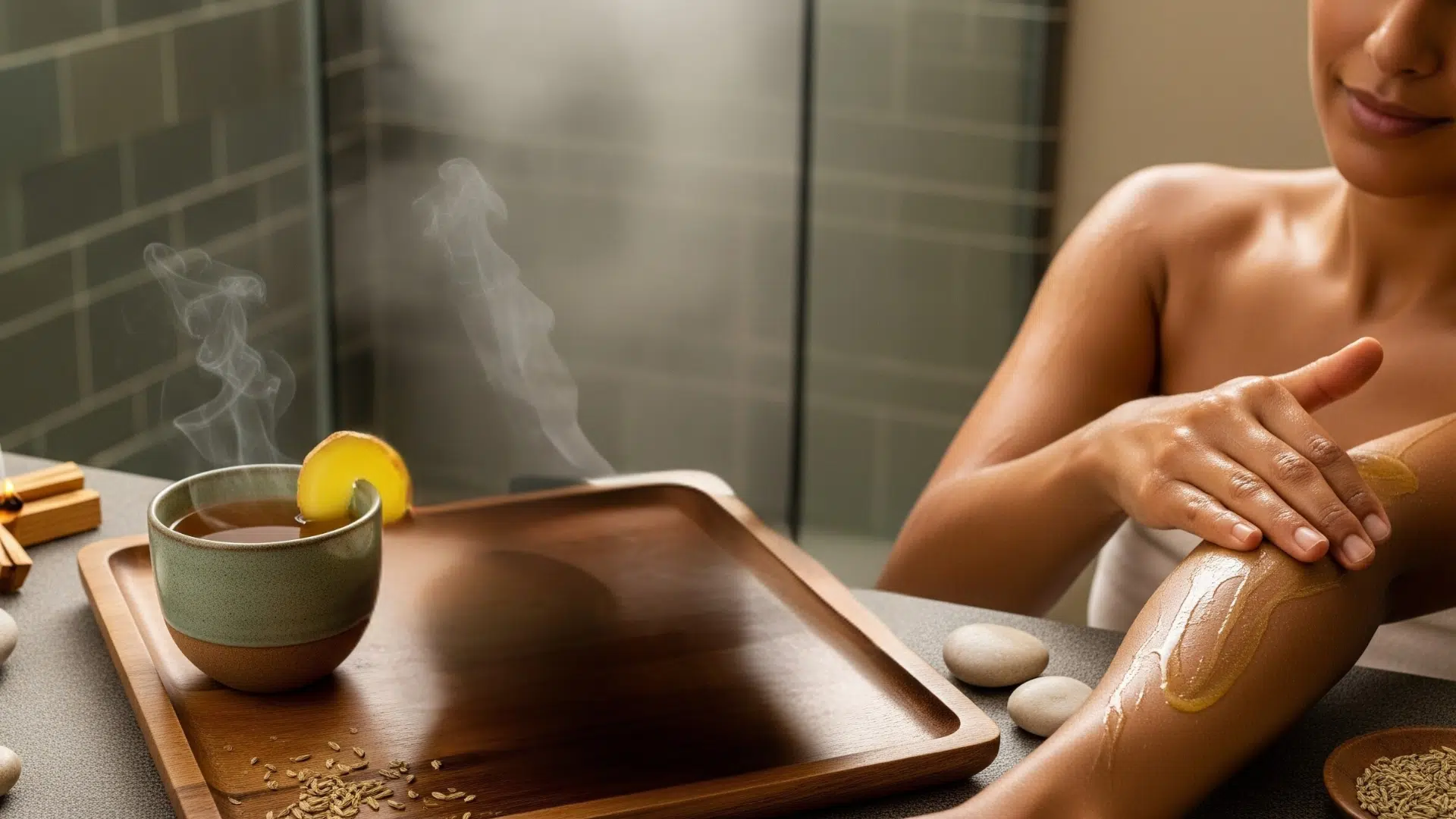
During this phase, follow a diet (rice and mung dal) to aid digestion and detoxification. Drink dosha-specific herbal teas like ginger, cumin, or fennel to support the process.
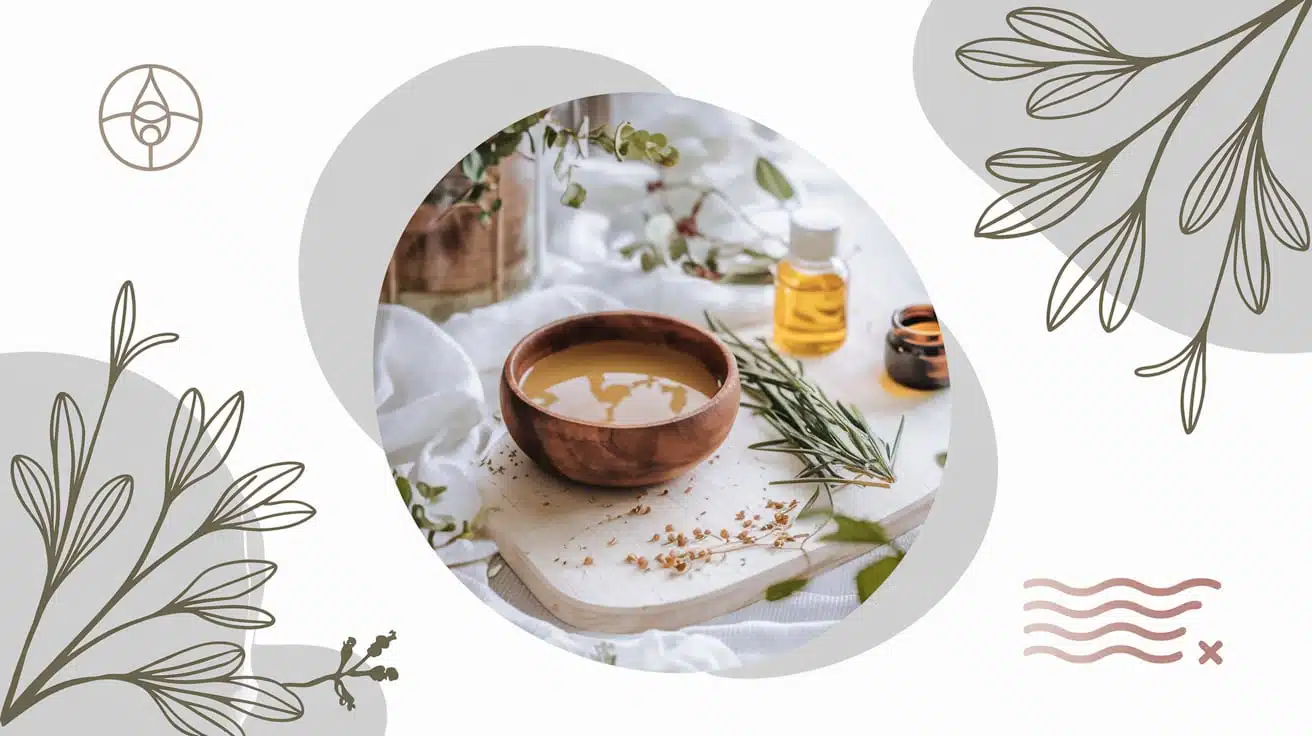
Daily oil massage with dosha-appropriate oils (sesame for Vata, sunflower for Pitta, corn for Kapha) followed by a hot shower will help remove toxins from the skin.
Days 6-8: Final Cleansing and Rejuvenation
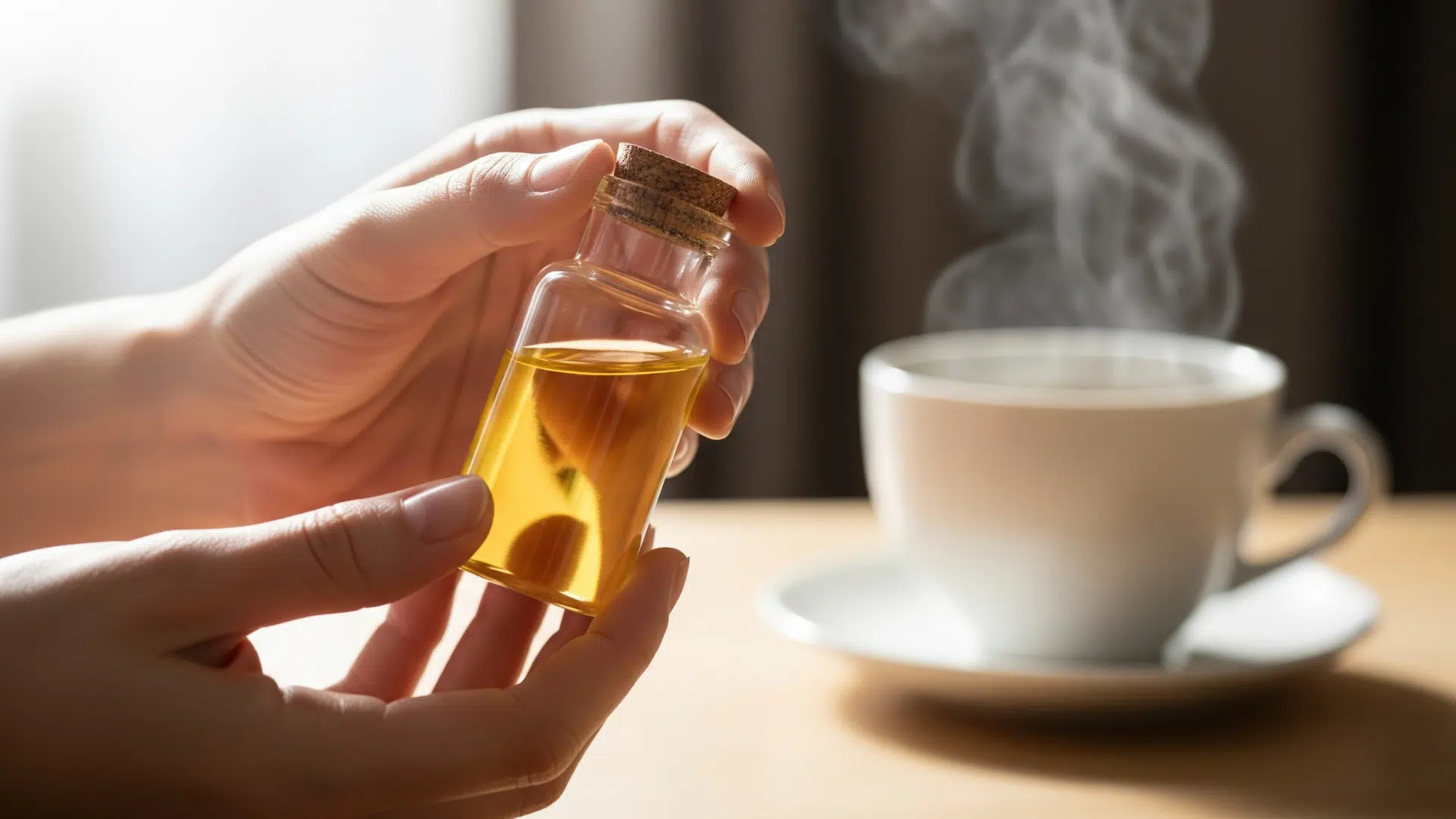
Continue your diet with herbal teas and ensure daily oil massages to help eliminate remaining toxins.
Use Dashamoola herbal compound as an enema (Basti therapy) to deeply cleanse your digestive system, allowing your body to expel accumulated impurities. This phase rejuvenates the body and helps restore balance.
Days 9-12: Transition to Normal Eating
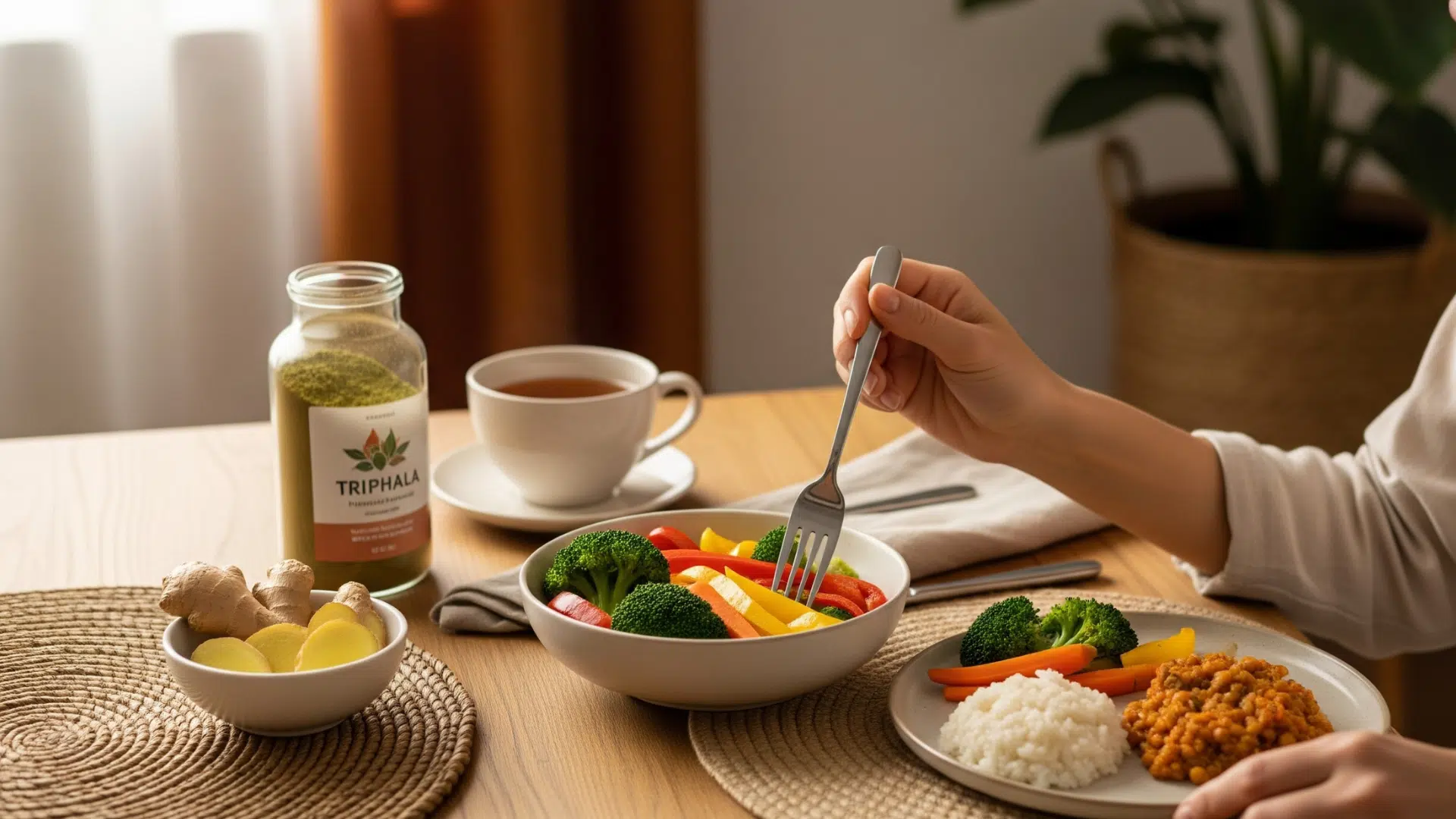
Gradually introduce steamed vegetables into your diet and start adding a more balanced, dosha-specific diet. Continue taking triphala for 2–3 months to maintain detoxification and restore your digestive health.
Transition slowly to ensure your body can re-adjust to regular eating while maintaining the benefits of your ayurvedic cleanse.
Personalizing Your Ayurvedic Detox
Tailor your ayurvedic detox based on your dosha type (Vata, Pitta, Kapha) to achieve optimal results and balance.
Vata-Dominant Detox
For Vata, emphasize warming, grounding foods like soups, stews, and root vegetables. These nourish and stabilize your system.
Incorporate gentle yoga and relaxation techniques to calm the nervous system and support digestion.
Oil-based therapies, such as sesame oil for massage, are ideal for hydration. Drink ginger-cumin-coriander tea to soothe the digestive tract and balance Vata.
Pitta-Dominant Detox
For Pitta, focus on cooling foods like cucumber, dairy-free kitchari, and leafy greens. These help reduce excess heat and inflammation in the body. Practice calming, cooling yoga to maintain emotional balance.
Use sunflower oil for massage to hydrate and soothe your skin. Drink fennel-coriander tea to cool the digestive fire and calm Pitta imbalances.
Kapha-Dominant Detox
For Kapha, choose light, spicy foods to stimulate digestion, such as steamed vegetables, lemon water, and spicy herbal teas.
Kapha-dominant individuals benefit from energizing exercises and movement practices that promote metabolism.
Use corn oil for massage to invigorate the body and improve circulation. Drink ginger-cinnamon tea to support digestion and help balance Kapha-related congestion.
Common Issues During Your Ayurvedic Cleanse
Experiencing difficulties during your ayurvedic cleanse? Here are solutions to help you address common issues such as fatigue, emotional discomfort, and slow progress.
- Fatigue or Lethargy: Rest more, stay hydrated, and avoid strenuous activities. Incorporate gentle exercises like walking in nature to boost energy. Follow your dosha-specific diet to avoid digestive overload.
- Emotional Discomfort: Emotional release is natural during the cleanse. Embrace it with mindfulness practices, deep breathing, or journaling. Meditation can help restore emotional balance.
- Not Seeing Immediate Results: Detoxification takes time. Be patient and stick to your routine. If progress is slow, refine your diet based on your dosha to enhance the process.
Ayurvedic Detox or Cleanse Diet During Panchakarma
Follow a dosha-specific ayurvedic detox diet to complement your Panchakarma cleanse and restore balance to your body and mind.
Dosha-Specific Meal Plans
Vata: Enjoy warm, grounding foods like soups, stews, and root vegetables, and include oats, sweet potatoes, and ghee. Avoid raw, cold foods. Pair with Vata Tea (ginger, cumin, coriander) to soothe and warm the body.
Pitta: Choose cooling foods like salads, cucumbers, and coconut-based meals. Include leafy greens, coconut oil, and dairy-free options. Pair with Pitta Tea (fennel, coriander, mint) to calm the digestive system.
Kapha: Opt for light, spicy foods like steamed veggies, ginger, and citrus fruits, with warming spices like black pepper, mustard, and turmeric. Avoid excessive dairy. Pair with Kapha Tea (ginger, cinnamon, black pepper) to stimulate digestion
Recipes and Substitutions
These recipes provide nourishing, detoxifying meals that align with your dosha and support your ayurvedic detox during Panchakarma. Tailor them to your needs for optimal results.
1. Simple Mung Bean Soup
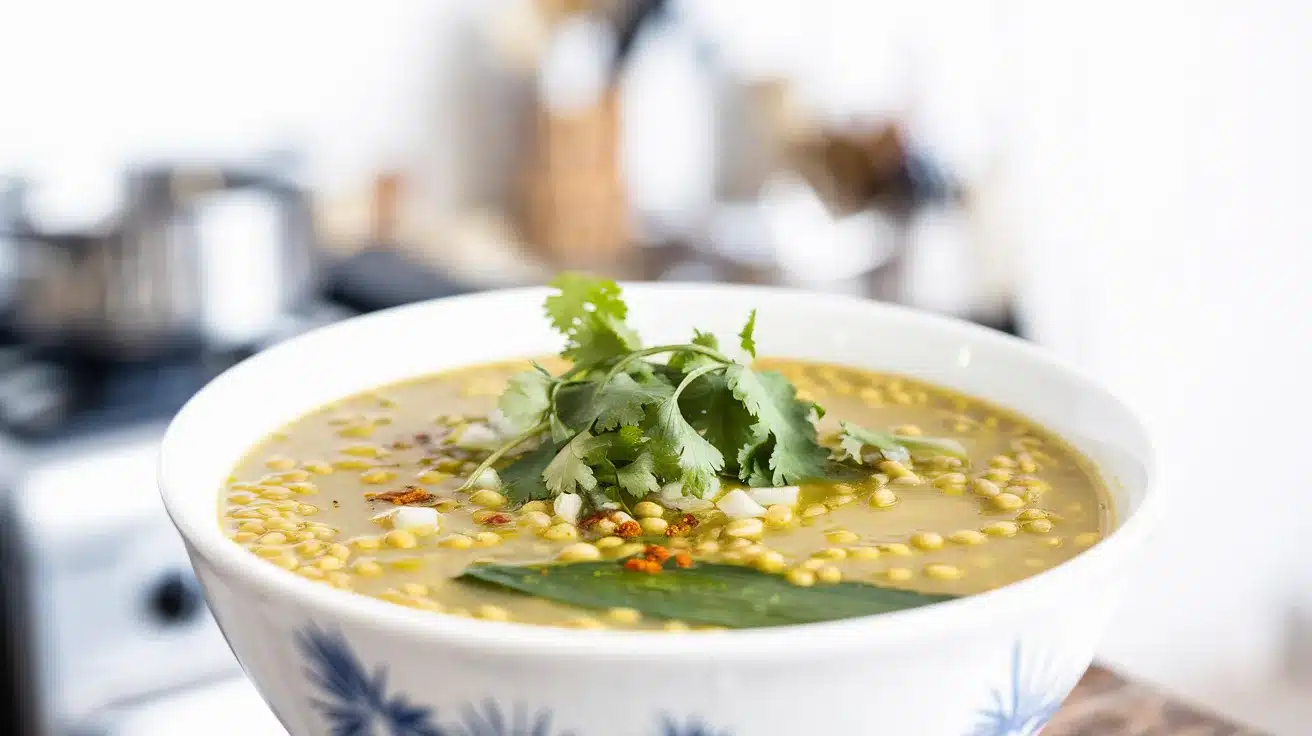
This simple mung bean soup is a light, detoxifying meal perfect for any dosha. Mung beans are known for their gentle cleansing properties, aiding digestion and supporting detoxification.
Ingredients:
- Mung beans: gentle cleansing, supports digestion, and detox
- Turmeric: stimulates digestion, anti-inflammatory
- Cumin: aids digestion, adds warmth
- Coriander: cooling, supports detox
- Ghee: nourishing, grounding
- Steamed vegetables: balance and variety
2. Quinoa Salad
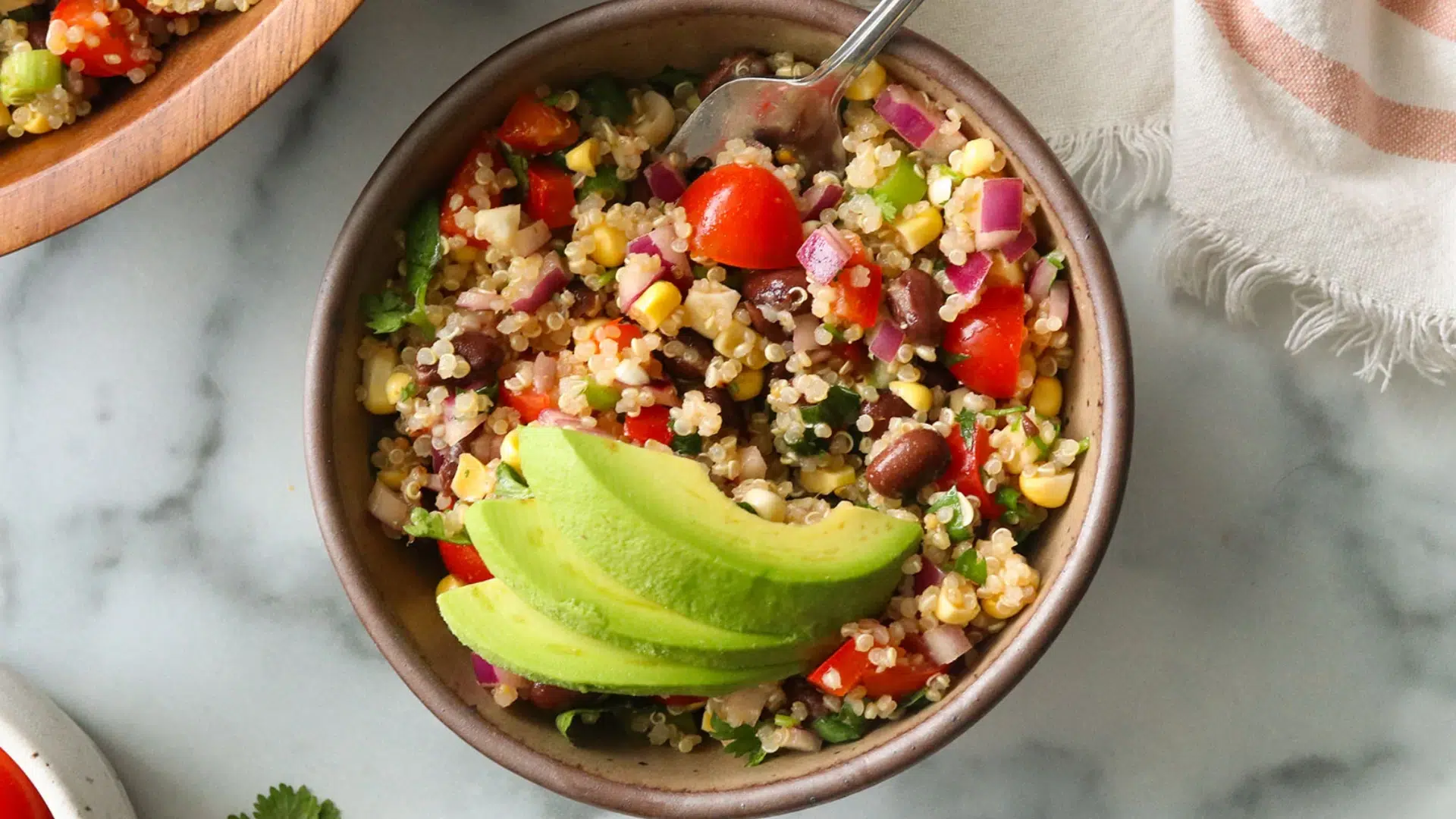
This quinoa salad is a cooling, refreshing meal perfect for Pitta during the cleanse. Quinoa is a protein-rich, light grain that complements cooling ingredients like cucumber and spinach.
Ingredients:
- Quinoa: light, protein-rich, easy to digest
- Cucumber: cooling, hydrating
- Spinach: nutrient-rich, light
- Olive oil: supports digestion
- Lemon juice: cleanses, alkalizes
- Cilantro: cooling herb, aids detox
- Parsley: supports digestion
3. Spicy Sweet Potato Stew
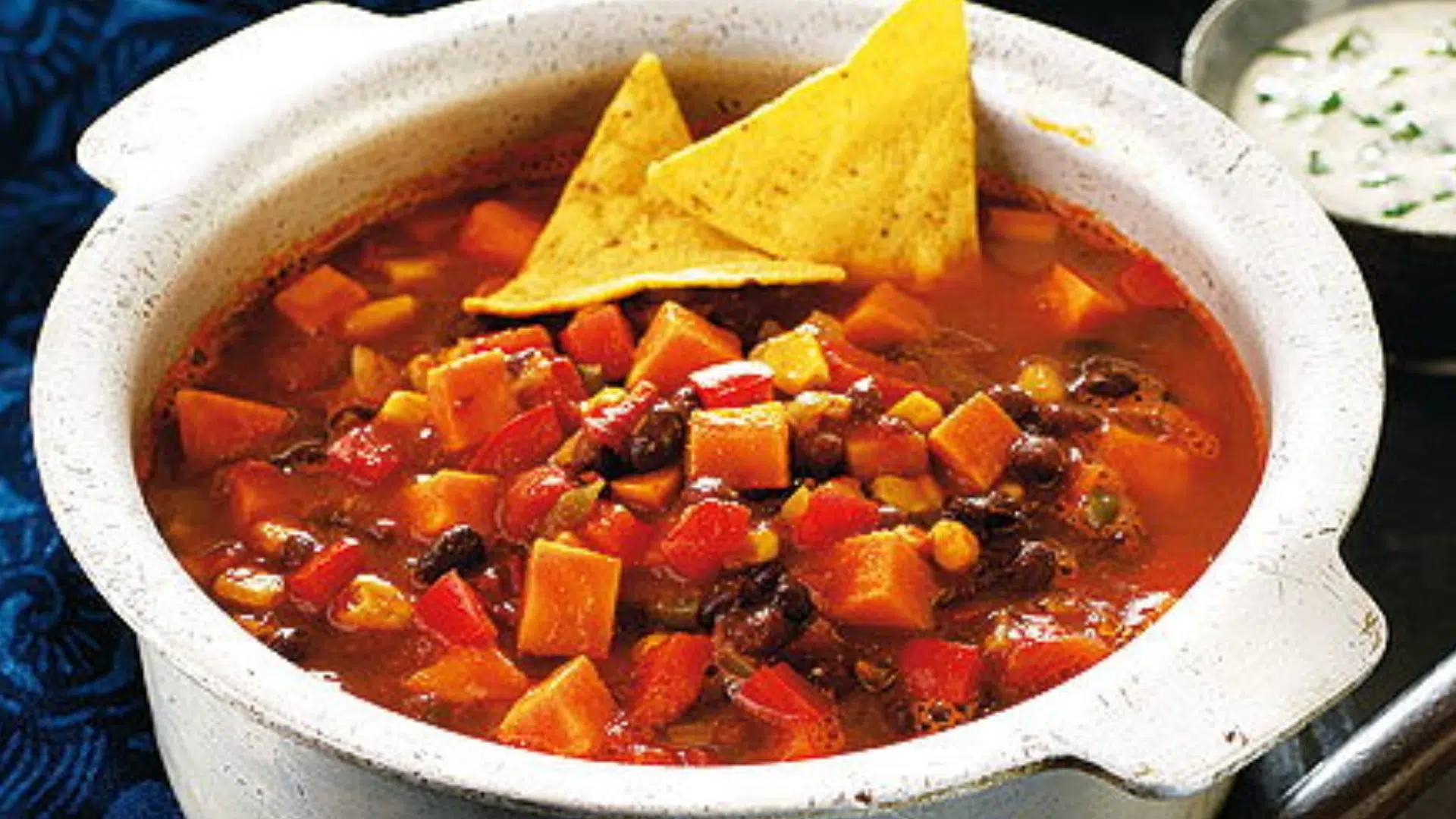
Sweet potatoes provide grounding and nourishment, making them great for Vata during Panchakarma. This spicy sweet potato stew combines warming spices to stimulate digestion and support detox.
Ingredients:
- Sweet potatoes: grounding, nourishing
- Cumin: aids digestion, warming
- Turmeric: supports detox, anti-inflammatory
- Cinnamon: warming, supports circulation
- Vegetable broth: hydrating
- Ghee: grounding, nourishing
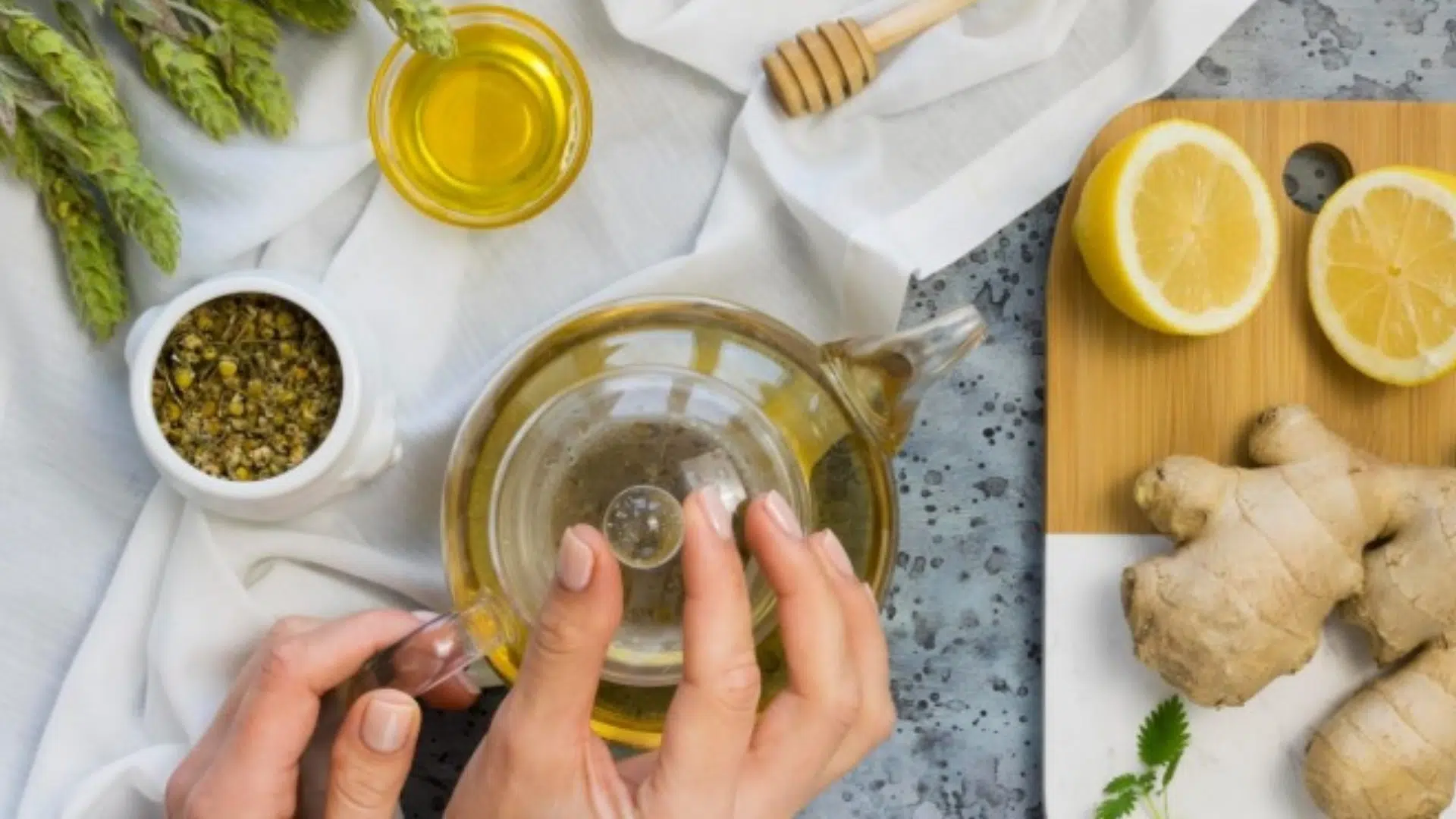
4. Lemon Gnger Tea
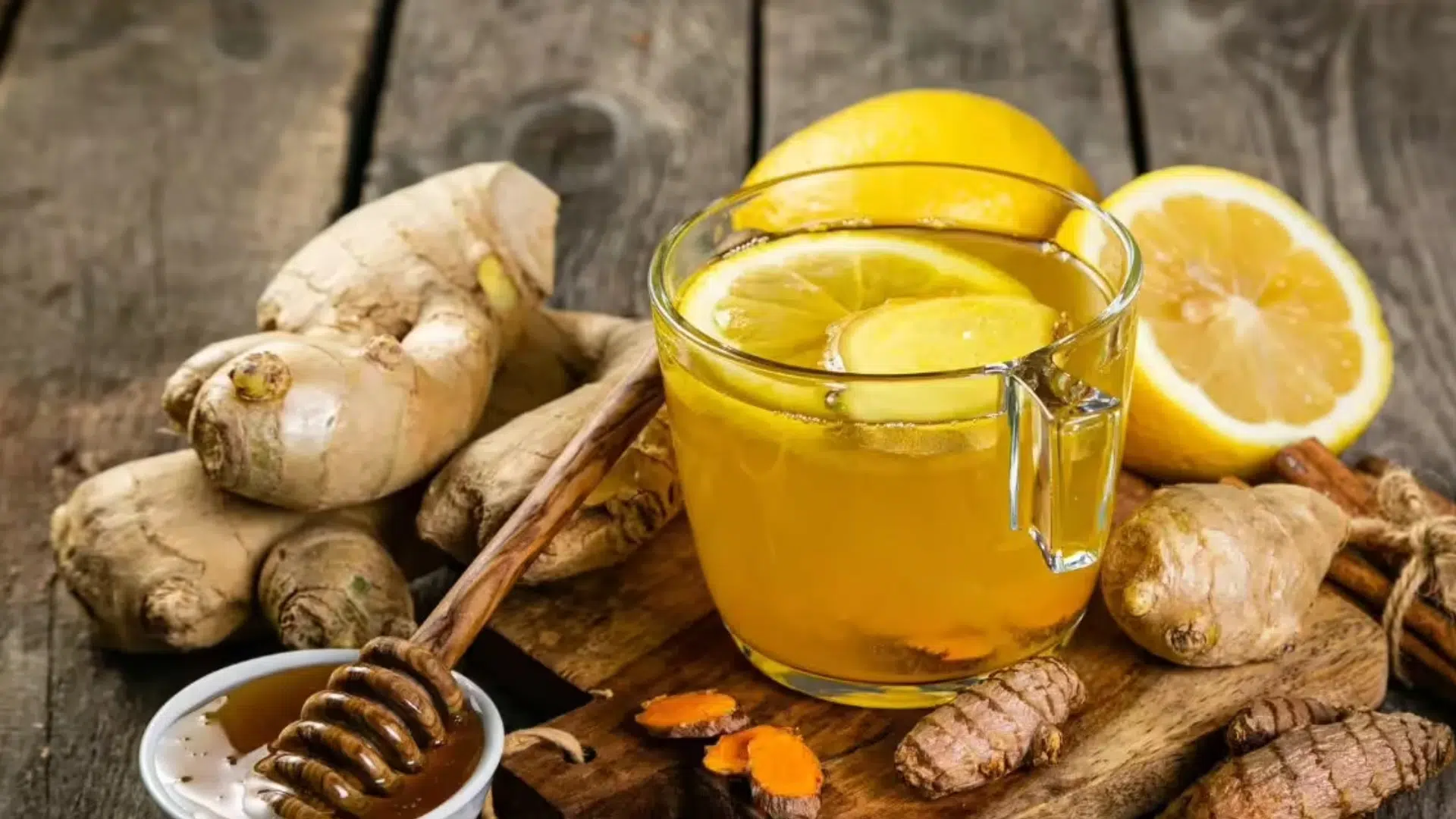
Lemon ginger tea is an excellent detoxifier, helping to stimulate digestion and reduce inflammation. It’s soothing, cleansing, and a great daily drink during a cleanse.
Ingredients:
- Lemon: cleansing, alkalizing
- Ginger: warming, aids digestion
- Water: hydrating
Can You Do Panchakarma Safely at Home?
While Panchakarma can be performed at home, it’s essential to follow proper guidance and precautions to ensure safety and effectiveness. Here are key points to consider:
- Consult with an Ayurvedic Practitioner: It’s highly recommended to consult with a trained Ayurvedic practitioner before starting the cleanse. This ensures that the methods used are suited to your dosha and health needs.
- Monitor for Side Effects: During the cleanse, keep track of any side effects such as fatigue, headaches, or emotional release. If symptoms worsen, consult a professional.
- Proper Preparation: Ensure your body is prepared with a balanced diet, adequate rest, and healthy lifestyle changes to support the detox process.
- Adjustments Based on Health: If you have underlying health conditions, it’s important to consult with a healthcare provider to ensure Panchakarma is safe for you.
- Use Quality Ayurvedic Products: Only use high-quality, natural products that professionals recommend to avoid any adverse effects.
- Monitor Your Progress: Keep track of your progress throughout the cleanse to determine if adjustments are needed to enhance its effectiveness
Conclusion
Now that you know how to perform a Panchakarma cleanse at home, it’s time to take action.
By following these steps and tailoring the cleanse to your dosha, you can experience deep detoxification and rejuvenation.
Remember, the process takes time, so be patient and kind to yourself. This cleanse is a powerful way to reset your body and mind.
I encourage you to start your cleanse today and continue finding other wellness tips to support your way. Ready to change your health? Keep reading more related blogs on the website.