











Strong legs help you walk, stand, and move safely as you grow older. When your legs stay strong, everyday activities like climbing stairs, getting up from a chair, and maintaining balance become much easier.
I’ve seen how simple movement habits can make daily tasks feel more stable and comfortable.
From working with older adults on strength and balance exercises, I’ve noticed that consistent, simple movements often make the biggest difference in maintaining mobility.
If you’re searching for leg exercises for seniors, you’re likely looking for safe ways to strengthen your muscles and stay active. I’ll walk you through easy, step-by-step exercises designed to improve leg strength, balance, and daily movement while keeping safety in mind.
Why Leg Strength is Important for Seniors
Leg strength plays a key role in helping you stay active, stable, and independent as you age. Strong leg muscles support everyday movements such as walking, standing up from a chair, climbing stairs, and maintaining balance while moving.
When the muscles in your legs are strong, they help stabilize the joints and reduce pressure on the knees and hips. This support can lower the risk of falls and injuries, which are common concerns for many older adults.
Improving leg strength can also make daily tasks feel easier and safer. Over time, regular leg exercises help maintain mobility, improve balance, and support long-term independence in everyday life.
Best Leg Exercises for Seniors
These leg exercises for seniors focus on improving strength, balance, and mobility while supporting safe movement and reducing the risk of falls. In my experience guiding people through lower-body exercises, these movements are often the safest and easiest for beginners to start with
1. Sit-to-Stand Chair Squat
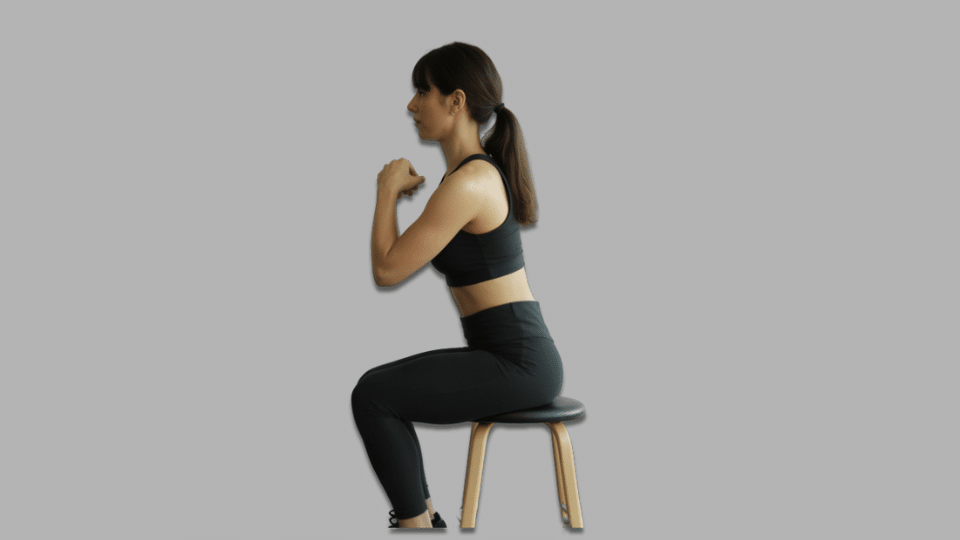
This exercise helps build leg strength needed for daily tasks like getting up from a chair. It trains the muscles used when standing and sitting.
Step 1: Sit on a chair with your feet hip-width apart and flat on the floor.
Step 2: Lean slightly forward with your chest lifted.
Step 3: Push through your heels and stand up without using your hands if possible.
Step 4: Pause briefly at the top while keeping your balance.
Step 5: Slowly lower yourself back down to the chair with control.
Reps: 5–8 reps for beginners. Progress to 10–12 reps for 2–3 sets.
Tip: Place a cushion on the chair to raise the seat height until your leg strength improves.
2. Seated Knee Extensions
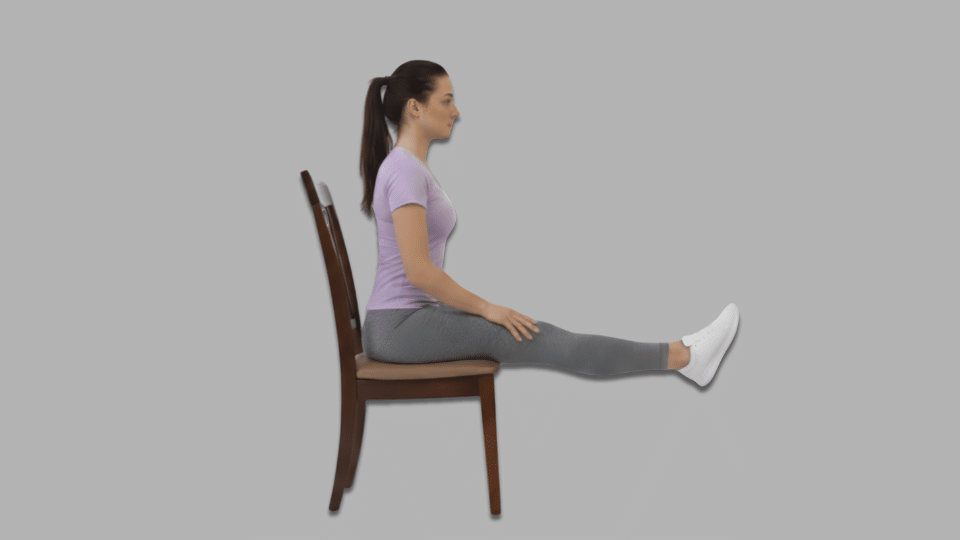
This exercise helps strengthen the muscles at the front of your thighs. It is commonly used to build leg strength safely while sitting.
Step 1: Sit on a chair with your back supported and feet flat on the floor.
Step 2: Slowly lift one foot and straighten your leg in front of you.
Step 3: Hold the leg straight for about two seconds.
Step 4: Lower the leg slowly back to the floor.
Step 5: Repeat with the other leg.
Reps: 8–10 reps per leg for beginners. Progress to 12–15 reps for 2 sets.
Tip: Tighten the thigh muscle when your leg is fully extended to help build strength.
3. Standing Calf Raises (Hold a Chair)
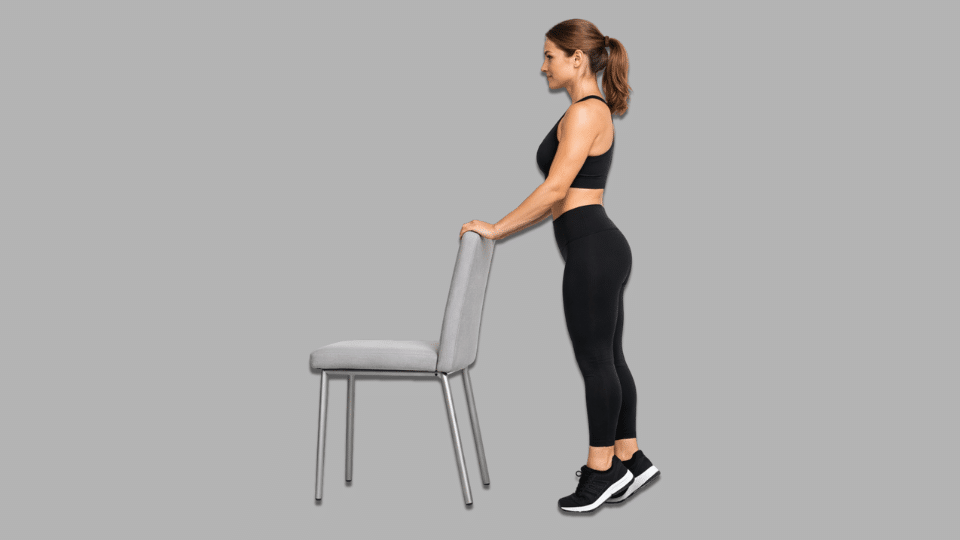
This exercise helps strengthen the calf muscles that support walking and balance. Strong calves also help improve push-off strength when taking steps.
Step 1: Stand behind a chair and hold the back for balance.
Step 2: Place your feet hip-width apart with weight evenly distributed.
Step 3: Slowly rise onto the balls of your feet.
Step 4: Hold the raised position briefly.
Step 5: Lower your heels back to the floor with control.
Reps: 10–12 reps for beginners. Progress to 15–20 reps for 2–3 sets.
Tip: Pause at the top for about three seconds to help build calf strength and balance.
4. Seated Heel Raises
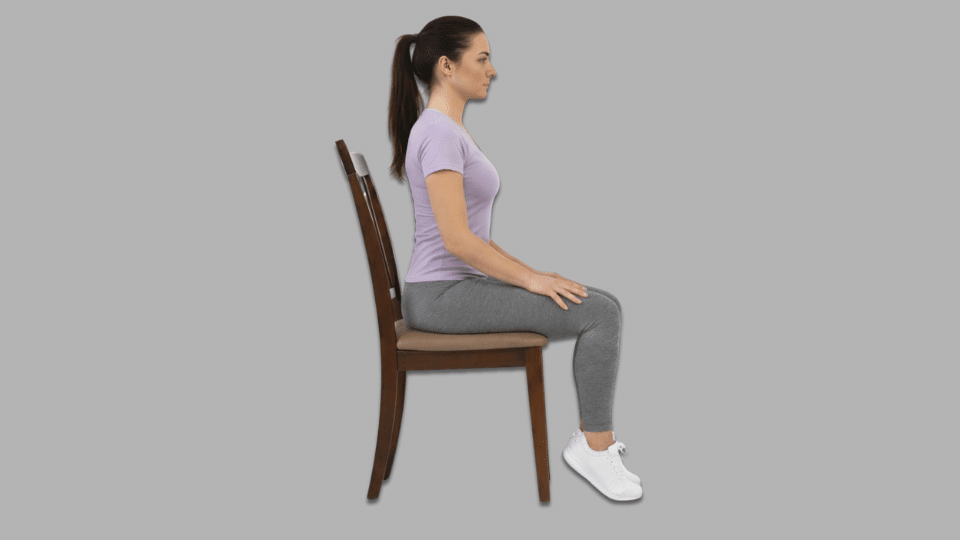
This gentle exercise strengthens the calf muscles while keeping you safely seated. It is helpful for people who want to train their legs without standing.
Step 1: Sit in a chair with both feet flat on the floor.
Step 2: Keep your toes on the ground.
Step 3: Lift your heels as high as possible.
Step 4: Hold the position for one second.
Step 5: Slowly lower your heels back down.
Reps: 15–20 reps for beginners. Progress to 20–25 reps for 2 sets.
Tip: You can perform this exercise while watching television or reading to make it part of your routine.
5. Toe Raises (Tibialis Raises)
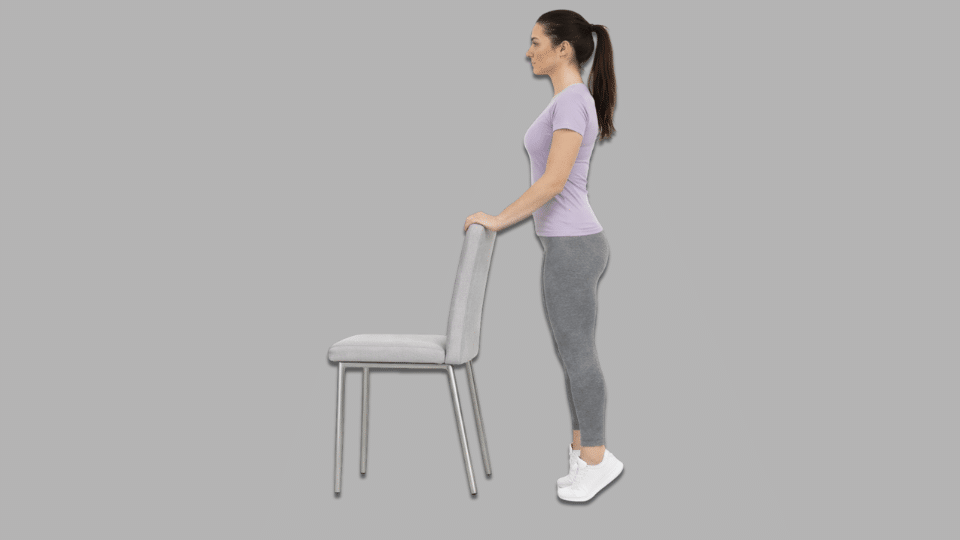
This exercise strengthens the muscles along the front of the lower leg. Strong shin muscles help reduce the risk of tripping while walking.
Step 1: Sit or stand with your heels firmly on the ground.
Step 2: Keep your legs steady and lift your toes upward.
Step 3: Raise the front of your feet as high as comfortable.
Step 4: Hold the position briefly.
Step 5: Slowly lower your toes back to the floor.
Reps: 10–12 reps for beginners. Progress to 15–20 reps for 2 sets.
Tip: Practice this exercise while brushing your teeth to help build a daily habit.
6. Standing Hamstring Curls (Hold a Chair)
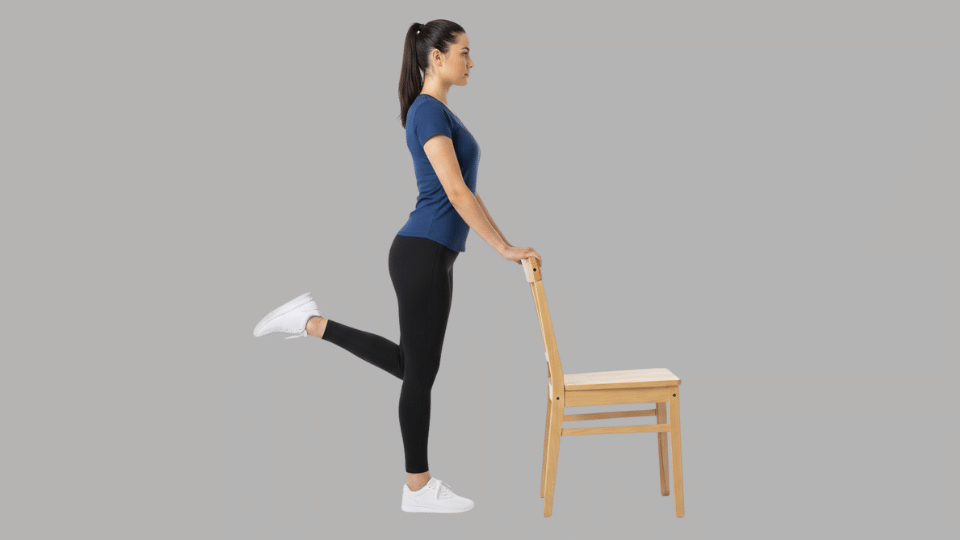
This exercise strengthens the muscles at the back of your thighs. These muscles help bend the knee and support walking balance.
Step 1: Stand behind a chair and hold the back for support.
Step 2: Shift your weight onto one leg.
Step 3: Slowly bend the other knee and lift your heel toward your hips.
Step 4: Hold the position briefly.
Step 5: Lower your foot back down and repeat with the other leg.
Reps: 8–10 reps per leg for beginners. Progress to 12–15 reps per leg for 2 sets.
Tip: Keep your thigh straight and avoid swinging your leg forward during the movement.
7. Side Leg Raises (Hip Abduction)
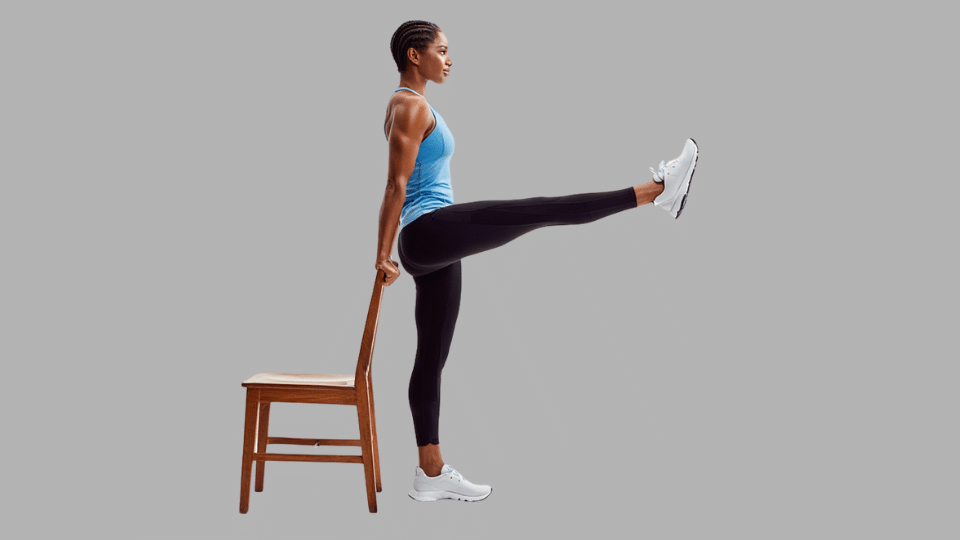
This exercise helps strengthen the muscles on the outer hips. Strong hip muscles help improve balance and stability when standing or walking.
Step 1: Stand beside a chair and hold it for balance.
Step 2: Keep your body upright and your toes facing forward.
Step 3: Slowly lift the outside leg to the side.
Step 4: Raise the leg as high as comfortable without leaning your body.
Step 5: Lower the leg slowly and repeat with the other side.
Reps: 8–10 reps per leg for beginners. Progress to 12–15 reps per leg for 2 sets.
Tip: Focus on lifting the leg from the hip rather than the foot to help engage the correct muscles.
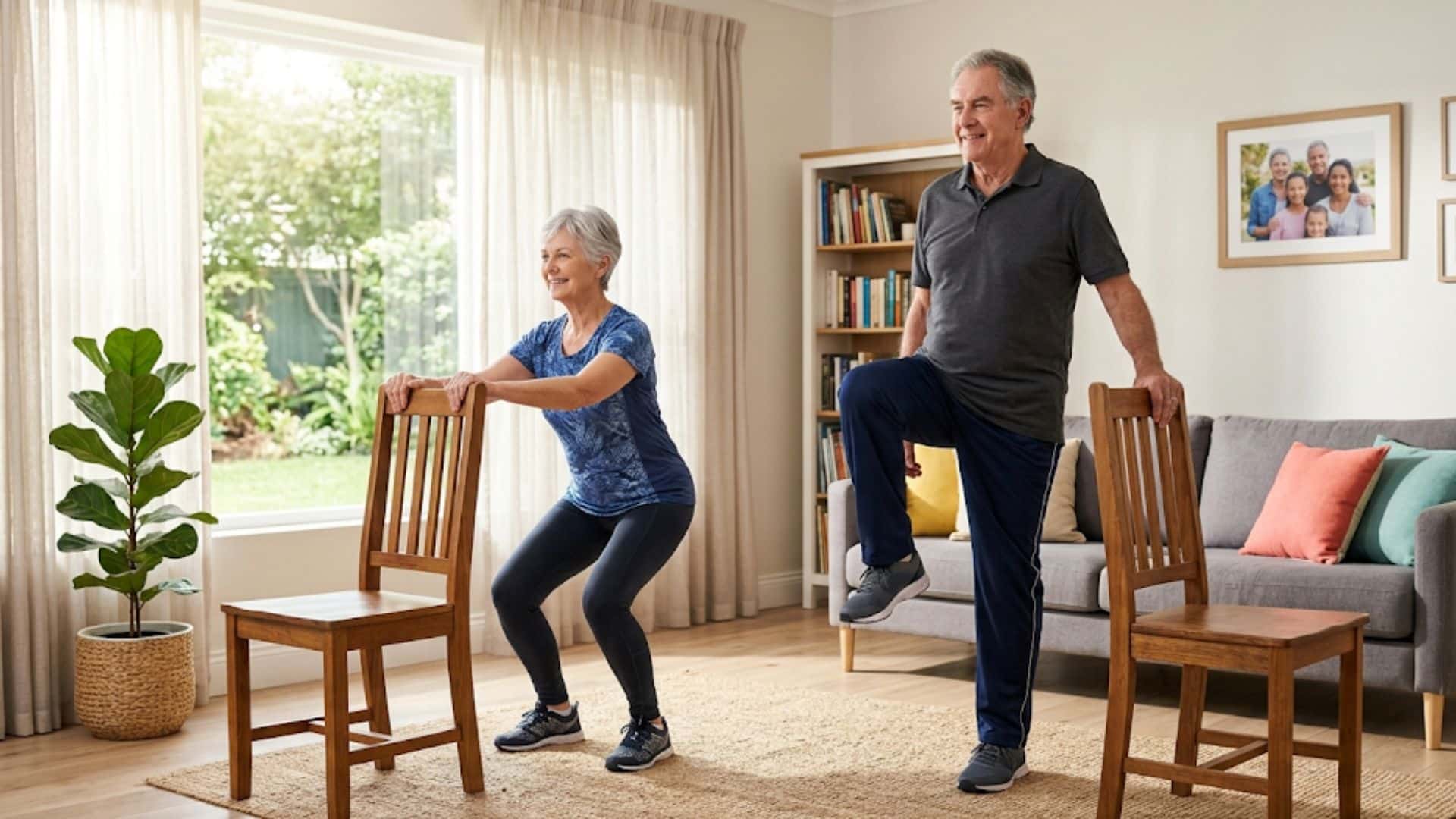
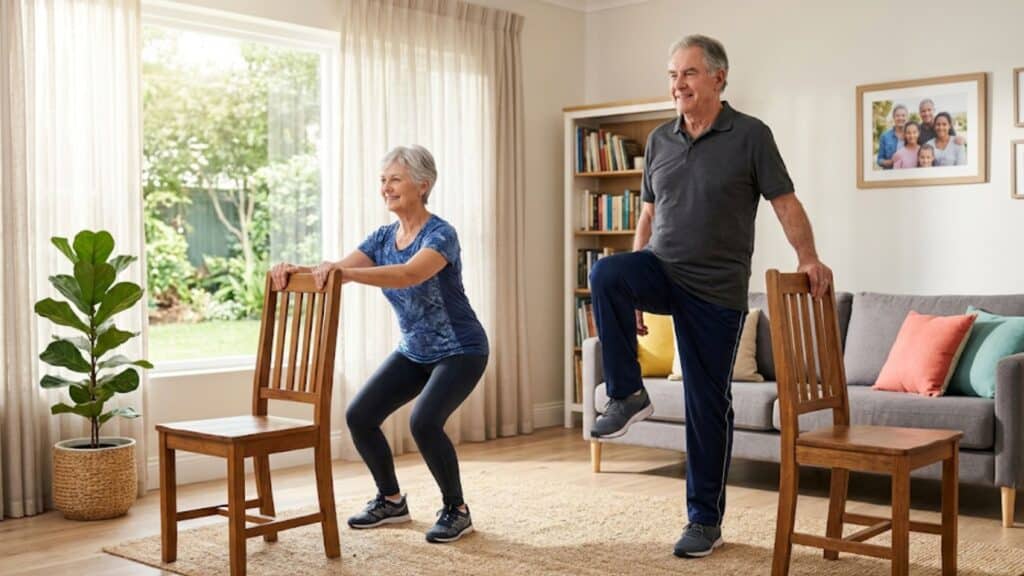
8. Supported Mini Squat (Counter or Chair Support)
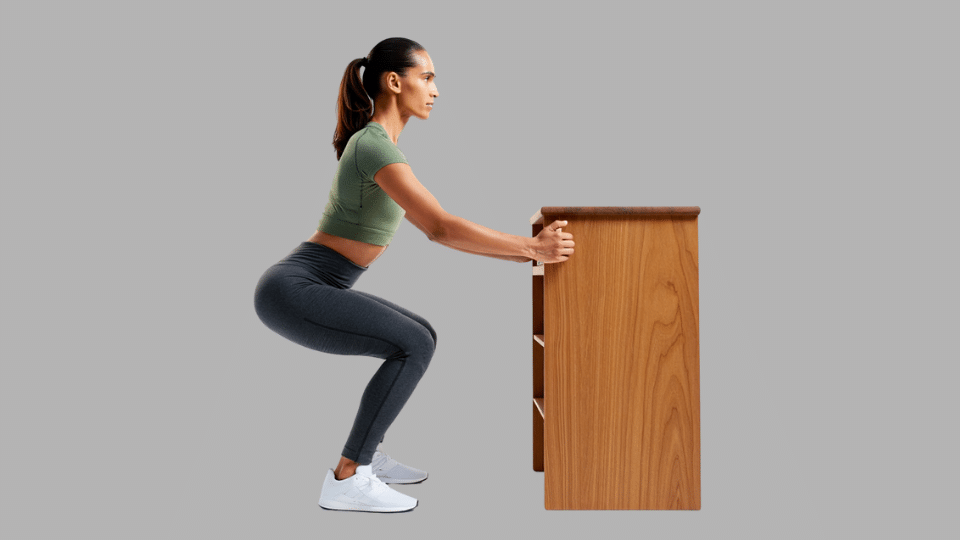
This exercise strengthens the legs while using support for safety. It helps build strength needed for standing, sitting, and everyday movement.
Step 1: Stand facing a counter or chair and place your hands on it for support.
Step 2: Position your feet shoulder-width apart.
Step 3: Slowly bend your knees and hips, lowering your body slightly.
Step 4: Keep your chest upright while lowering about a few inches.
Step 5: Push through your heels and return to the standing position.
Reps: 6–8 reps for beginners. Progress to 10–12 reps for 2–3 sets.
Tip: Place a chair behind you and squat until you lightly touch the seat for extra safety.
9. Step-Ups (Low Step)
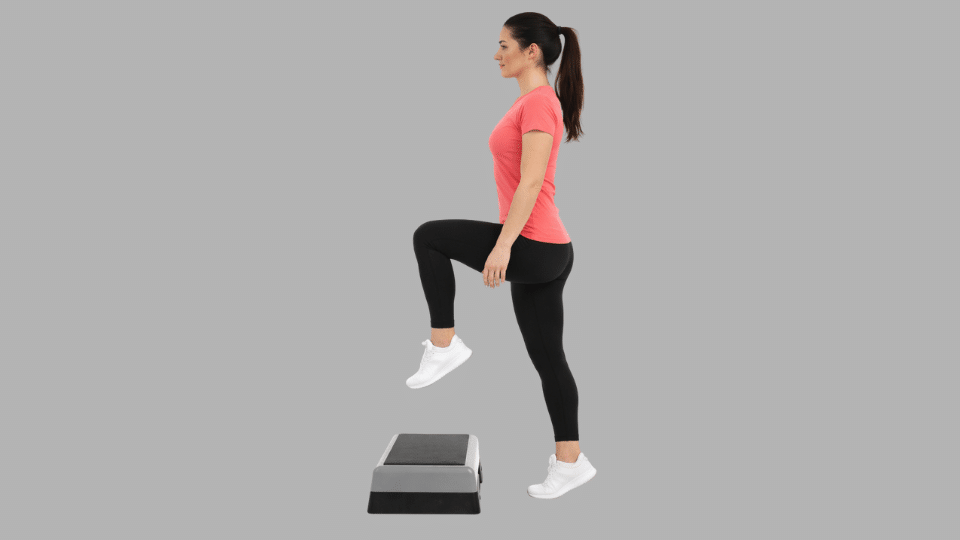
Step-ups help strengthen the muscles used when climbing stairs. This exercise also improves balance and leg coordination.
Step 1: Stand in front of a low, stable step near a counter or wall.
Step 2: Place one foot firmly on the step.
Step 3: Push through that foot and step up onto the platform.
Step 4: Bring the other foot up to meet it.
Step 5: Step back down slowly and repeat with the other leg.
Reps: 5–6 reps per leg for beginners. Progress to 8–10 reps per leg for 2 sets.
Tip: Pause briefly at the top of the step to help improve balance and control.
10. Glute Bridge (On the Floor/Bed)
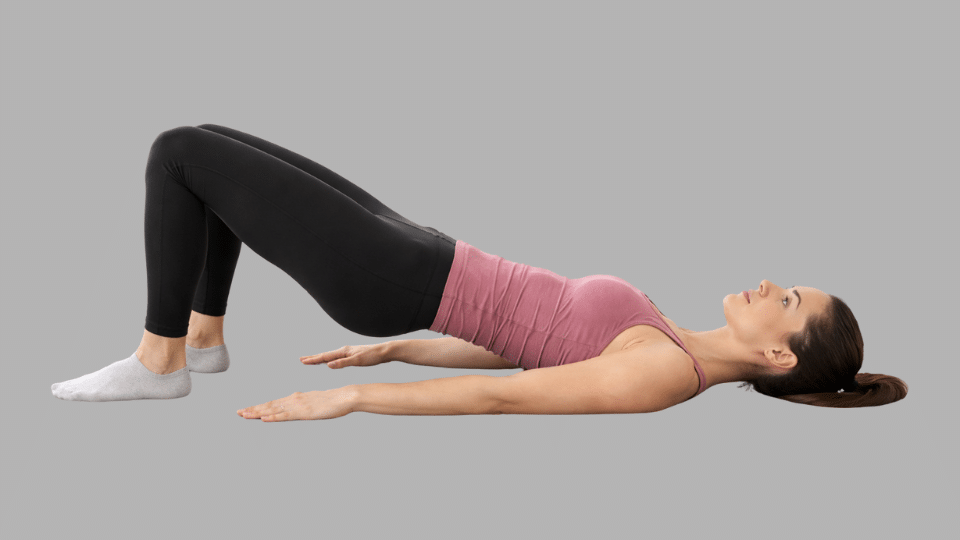
This exercise strengthens the muscles in the hips and lower body. These muscles help with standing up, walking, and supporting the lower back.
Step 1: Lie on your back on the floor or bed with your knees bent.
Step 2: Place your feet flat on the surface about hip-width apart.
Step 3: Tighten your hips and lift your hips toward the ceiling.
Step 4: Raise your hips until your shoulders, hips, and knees form a straight line.
Step 5: Hold briefly, then slowly lower your hips back down.
Reps: 8–10 reps for beginners. Progress to 12–15 reps for 2–3 sets.
Tip: Press through your heels rather than your toes to help activate the hip muscles.
11. Seated or Standing Marches
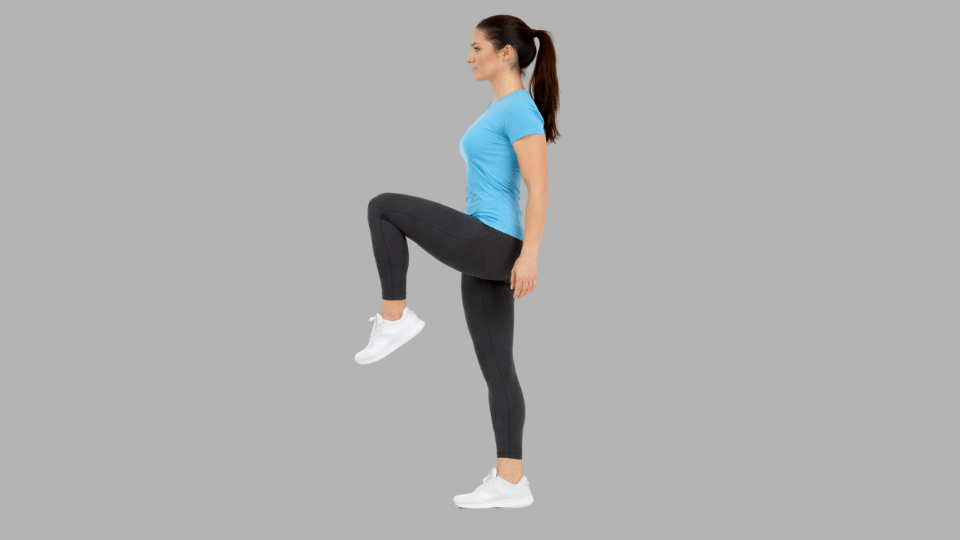
Marching movements help strengthen hip flexors and improve coordination between the legs. This exercise helps your body practice lifting the knees properly during walking.
Step 1: Sit or stand with your back straight. Hold a chair or wall if needed.
Step 2: Lift one knee toward your chest as far as comfortable.
Step 3: Lower the leg slowly.
Step 4: Lift the opposite knee in the same way.
Step 5: Continue alternating legs in a steady rhythm.
Reps: 10 marches per leg for beginners. Progress to 15–20 per leg.
Tip: Count each march aloud to maintain rhythm and steady breathing.
Simple Leg Strengthening Routine for Seniors
A simple and consistent routine helps seniors strengthen leg muscles safely while improving balance, mobility, and daily movement.
| Exercise | Repetitions | Weekly Frequency | Progression Tip |
|---|---|---|---|
| Chair Squats | 10 reps | 2–3 times per week | Increase reps gradually as strength improves |
| Heel Raises | 10 reps | 2–3 times per week | Hold the position for a few seconds |
| Seated Leg Extensions | 10 reps each leg | 2–3 times per week | Add ankle weights if comfortable |
| Side Leg Raises | 10 reps each leg | 2–3 times per week | Perform slowly to improve balance |
| Rest & Recovery | Rest between workout days | 1–2 rest days weekly | Allows muscles to recover and strengthen |
Following this routine regularly helps seniors build leg strength safely and maintain better stability for everyday activities like walking or climbing stairs.
Common Mistakes Seniors Should Avoid
Avoiding a few common exercise mistakes can help seniors stay safe, prevent injury, and get better results from leg strengthening routines.
- Exercising too quickly: Moving too fast reduces muscle control and increases injury risk. Slow, steady movements help muscles work properly.
- Poor posture: Incorrect posture during exercises can strain joints and muscles. Keeping the back straight and movements controlled improves safety.
- Skipping warm-ups: Starting exercise without warming up can make muscles stiff. Light stretching or walking prepares the body for activity.
- Doing too many repetitions too soon: Increasing repetitions too quickly can strain muscles. Gradual progression helps build strength safely over time.
When Seniors Should Speak With a Doctor Before Exercising
Before starting any new exercise routine, some seniors may benefit from speaking with a doctor. This is especially important if there are existing health concerns that could affect safe movement or physical activity.
For example, severe joint pain may indicate underlying conditions like arthritis or joint damage that require proper guidance. Seniors who have had recent surgery should also get medical clearance to ensure the body has healed enough for exercise.
Those experiencing balance problems may need supervised exercises to reduce fall risk. Similarly, individuals with heart conditions should consult a healthcare professional before beginning strength or cardio exercises.
A doctor can recommend safe activity levels, suggest appropriate exercises, and help create a routine that supports both fitness and overall health.
The Bottom Line
Stronger legs can make everyday movement safer and more comfortable. In this blog, I’ve shared simple exercises that help improve balance, build muscle strength, and support better mobility.
You’ve learned step-by-step movements like chair squats, seated leg extensions, calf raises, and step-ups, along with a simple routine you can practice during the week. I also covered common mistakes to avoid and situations where speaking with a doctor may be helpful before starting exercise.
The key is consistency. When you practice these movements regularly and progress slowly, your legs become stronger and daily activities feel easier. Start today by choosing a few exercises and completing one set.
If this guide helped you, share your experience or pass it along to someone who may benefit.