





Some people wake up full of energy. Others need more rest, more warmth, or more routine just to feel okay. That difference isn’t random.
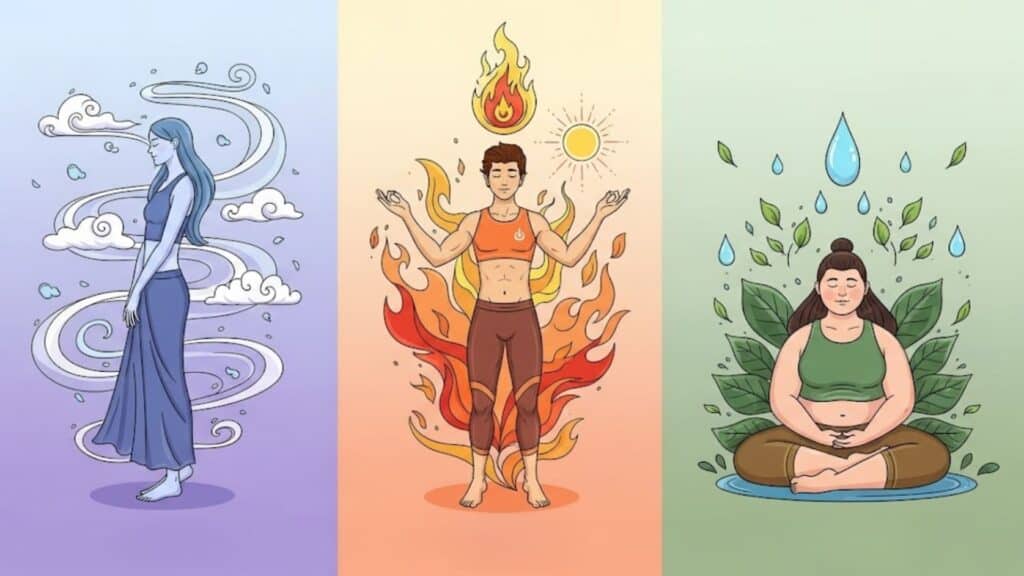
Ayurveda explains this through doshas, natural body patterns that shape your energy, digestion, mood, and daily needs. A dosha test helps you see which pattern shows up most strongly in you.
Once you know that, a lot starts to make sense. Why certain foods help. Why others leave you tired or irritated. Why your body reacts differently than the people around you.
This guide explains what a dosha is, how the three types work, and how taking a dosha test can help you understand your body in a simple, practical way.
What is a Dosha?
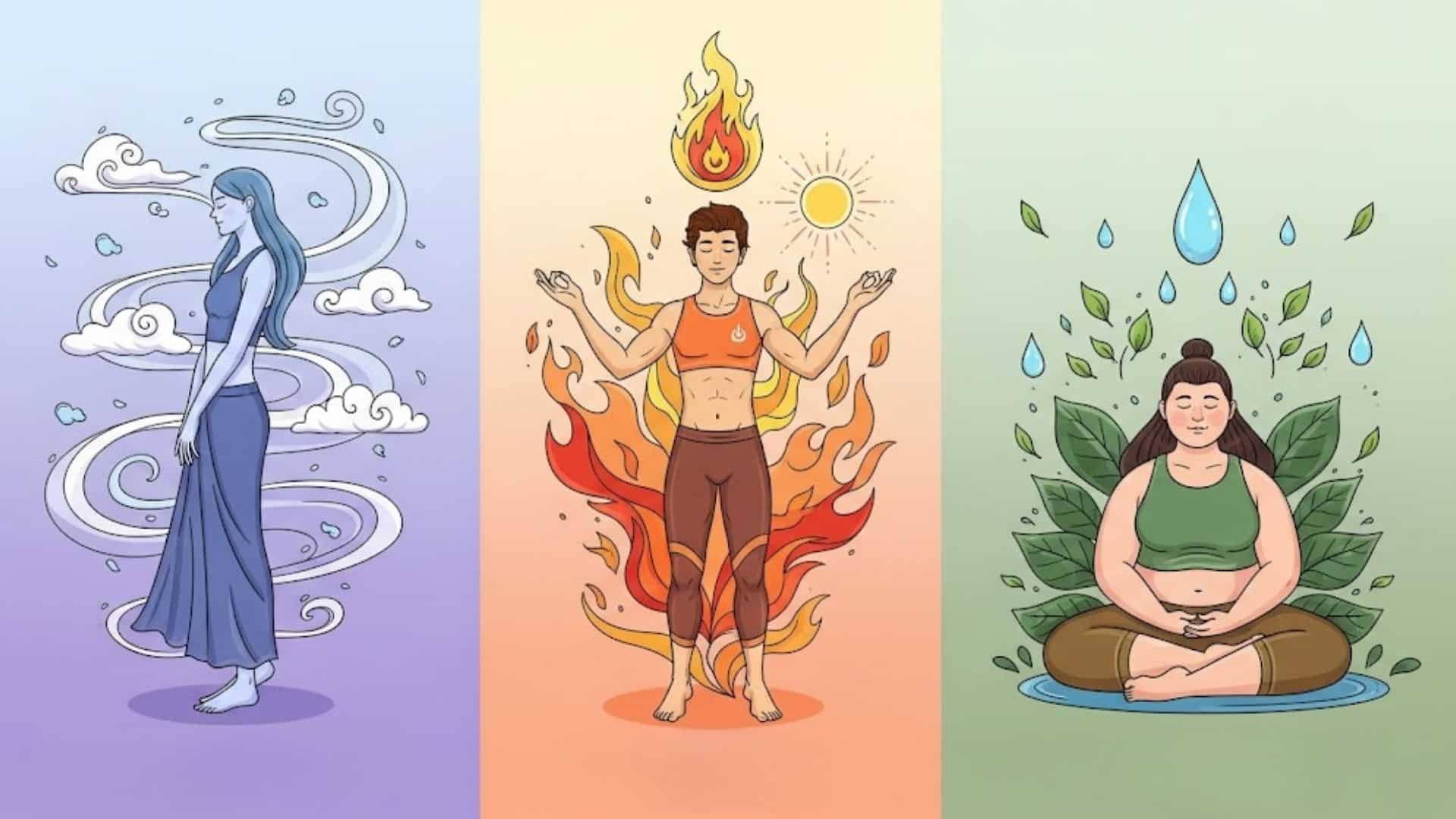
A Dosha is a fundamental concept in Ayurveda, an ancient system of health from India. There are three main doshas: Vata, Pitta, and Kapha. Each person is born with a mix of these doshas, and this mix affects how their body and mind work.
- Vata is linked to movement, like breathing and blood flow.
- Pitta controls digestion and body heat.
- Kapha gives strength and helps keep things steady.
When the doshas are balanced, you feel healthy. But if one gets too strong or too weak, it can cause problems. Ayurveda helps keep doshas balanced with food, sleep, and habits. Knowing your dosha can help you take better care of your body and mind in daily life.
Ayurveda looks at doshas as natural body patterns, not problems. Practitioners explain that imbalance usually happens when daily habits don’t match a person’s dominant dosha.
Food choices, sleep timing, and routine play a bigger role than most people realize. Small, steady changes are often enough to bring the body back into balance over time.
Take the Dosha Test to Learn Your Body Type
Ready to find your unique body type with a simple online dosha quiz for free that takes just a few minutes? I’ve gathered the best dosha tests available so you can find your perfect match easily.
- One World Ayurveda Dosha Quiz
- Dr. Vaidya’s Dosha Test Questions
- The Art of Living Retreat Centre Online Dosha Quiz
- Shara Rose Dosha Quiz
- Clean Program Dosha Quiz
- Herb and Kettles Ayurveda Dosha Quiz
- The Ayurveda Experience Dosha Quiz
- Pukka Herbs Dosha Quiz
These trusted websites offer free tests that help you understand your natural tendencies and preferences. Pick any one that feels right to you and start your journey to better health today.
Understanding Your Results
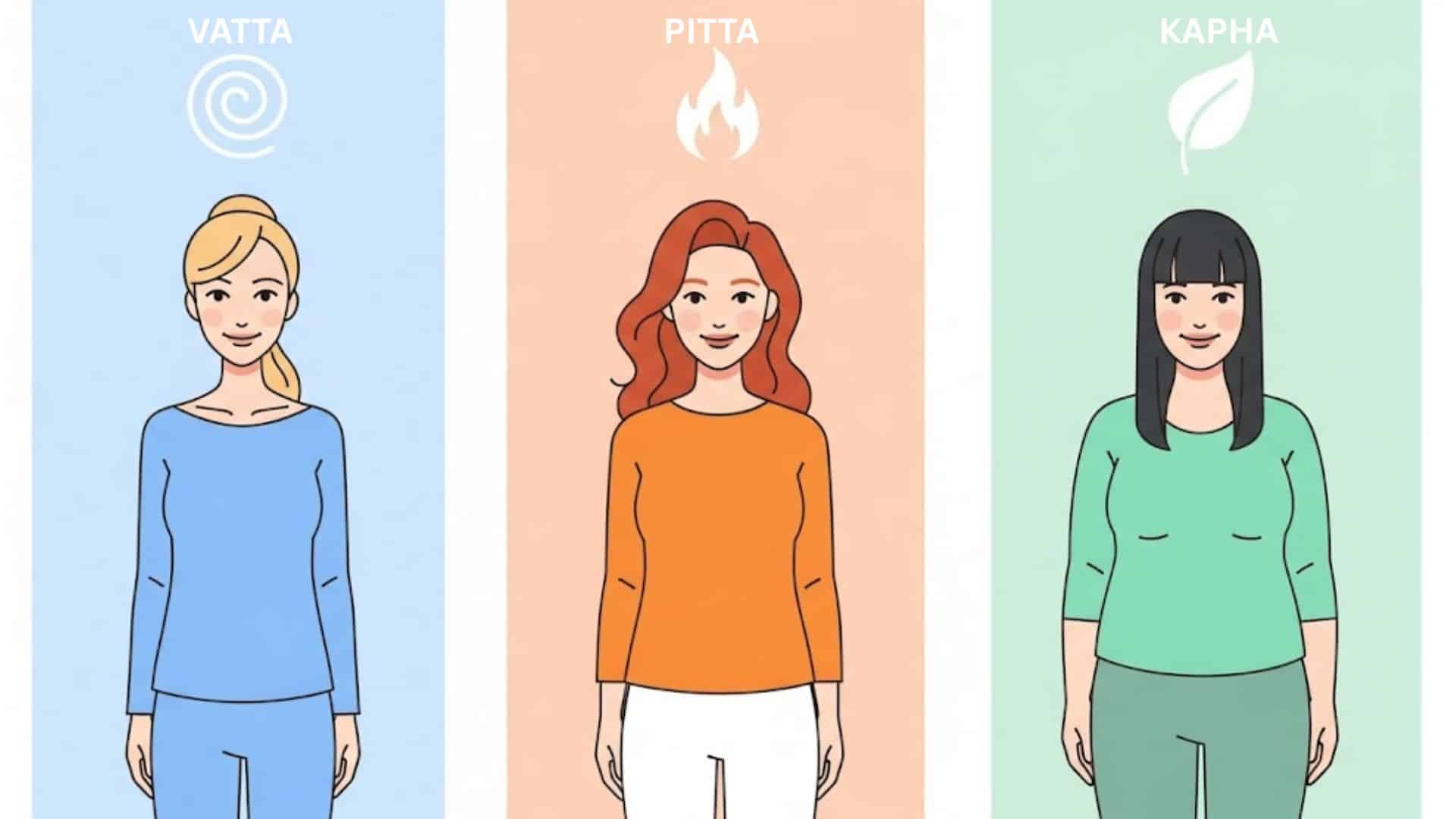
Once you know your dosha quiz results, you can start making sense of your unique body type. You’ll learn about the main traits of each dosha and learn if you’re a single type or combination.
Traits of Each Dosha
Each dosha has its own special qualities that show up in your body and personality. This table helps you understand what makes each type unique and how they affect your daily life:
| Dosha | Physical Traits | Mental Traits | Common Challenges |
|---|---|---|---|
| Vata | Thin build, dry skin, cold hands | Creative, quick thinking, energetic | Anxiety, irregular sleep, and digestive issues |
| Pitta | Medium build, warm body, strong appetite | Focused, competitive, goal-oriented | Anger, heartburn, and skin irritation |
| Kapha | Solid build, smooth skin, steady energy | Calm, loyal, patient | Weight gain, congestion, sluggishness |
These traits help you recognize your natural tendencies and understand why your body reacts in certain ways. Knowing your dosha pattern makes it easier to choose foods and habits that keep you balanced.
Can You Be a Mix of Two or All Three?
Most people aren’t just one pure dosha type but instead have a combination of two or all three. Your primary dosha is usually the strongest and shows up most clearly in your body and personality traits.
Your secondary dosha has a lesser influence on you, yet it still impacts your daily feelings and behavior in specific situations. Some people have all three doshas in fairly equal amounts, which makes them more adaptable but harder to categorize.
Your dosha balance can also shift throughout your life due to age, stress, seasons, and major life changes. Understanding your dominant dosha helps you make the best choices, while recognizing your secondary traits explains why you sometimes feel different.
Vata vs. Pitta vs. Kapha: Key Differences
Each dosha influences the body and mind in its own way. This comparison makes it easier to spot patterns in your energy, habits, and reactions so you can recognize which dosha shows up most strongly for you.
| Dosha | Physical Traits | Mental Traits | Common Challenges |
|---|---|---|---|
| Vata | Thin build, dry skin, cold hands | Creative, quick thinking, energetic | Anxiety, irregular sleep, digestive issues |
| Pitta | Medium build, warm body, strong appetite | Focused, driven, goal-oriented | Irritability, heartburn, skin issues |
| Kapha | Solid build, smooth skin, steady energy | Calm, loyal, patient | Weight gain, congestion, low motivation |
No one fits perfectly into just one category. Most people show traits from more than one dosha, with one usually standing out more than the others over time.
How to Understand and Use a Dosha Test
A dosha test is meant to show patterns, not give you a permanent label. Most results point to one dominant dosha, along with a secondary dosha that shows up during stress, seasonal changes, or different stages of life.
Your result helps explain tendencies. How your energy rises and falls. How your digestion reacts to food and routine. How stress usually shows up first in your body. This is why two people with the same dosha can still feel very different day to day.
Ayurvedic practitioners treat dosha results as a starting point. They look at digestion, sleep, energy, and emotional patterns over time before suggesting changes. The goal is balance, not perfection or strict rules.
Before moving into lifestyle guidance, use this quick self-check to ground your results.
Quick Dosha Self-Check
Answer based on how you feel most days, not on rare good or bad days.
- I often feel cold, light, or restless, and my energy comes and goes.
- I get hungry quickly and feel uncomfortable if meals are delayed.
- I gain weight easily and feel sluggish without regular movement.
- Stress shows up as worry, irritability, or low motivation.
- Routine either feels calming or feels hard to stick to.
The statements you relate to most often usually point toward your dominant dosha. Many people notice overlap between two doshas, which is normal.
Once you recognize your main pattern, the next step is applying that awareness in practical ways. Small, realistic adjustments tend to work better than big changes all at once.
What to Do After You Know Your Dosha
| Dosha Type | Lifestyle Focus | Dietary Approach | Exercise Style |
|---|---|---|---|
| Vata | Warming, grounding activities | Foods that are warm, moist, and grounding to balance lightness and dryness | Gentle, steady activities (yoga, walking) to build stability |
| Pitta | Cooling, calming practices | Cooling, hydrating foods to reduce heat and intensity | Moderate, non-competitive exercises (swimming, casual cycling) |
| Kapha | Energizing, stimulating routines | Light, spicy, and invigorating foods to boost energy | Dynamic, heart-pumping activities (running, dance, HIIT) to increase circulation |
Final Words
Knowing your dosha gives you a better way to understand how your body works day to day. It explains patterns you may have noticed for years, like why certain foods feel good, why stress shows up in specific ways, or why your energy rises and drops when it does.
A dosha test isn’t about labeling yourself or doing everything perfectly. It’s a starting point. Use what you learn to make small, realistic changes that support how you actually live. Over time, those small shifts can make a real difference in how you feel.
If this helped, there are more guides on the site that break down Ayurveda in a clear, easy-to-use way. Take a look when you’re ready.