











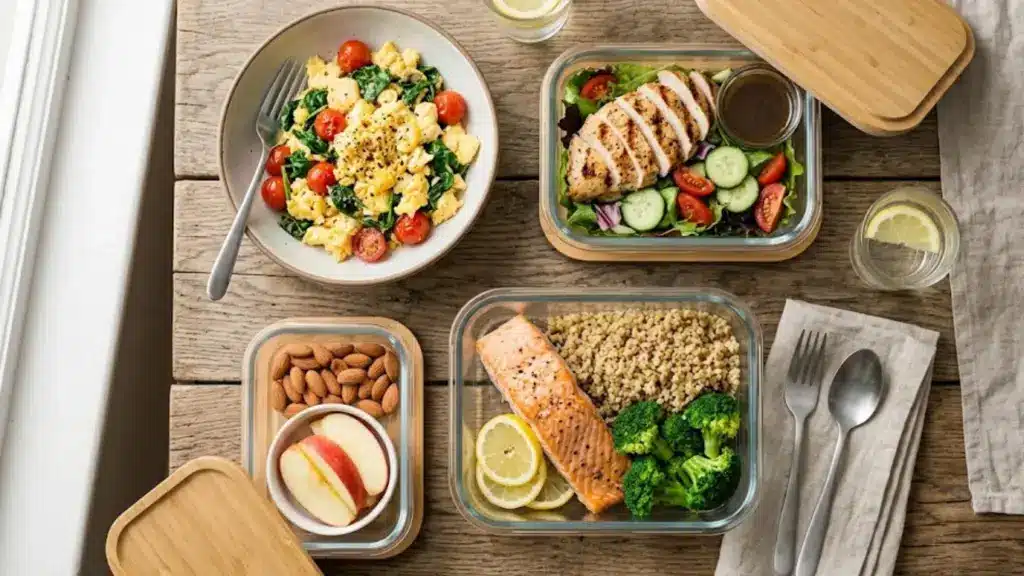

When I first looked into a 1000 calorie meal plan, I had the same question you might have right now: can you actually eat this little and still feel okay during the day? Cutting calories that much sounds tough, and you probably want a clear idea of what it really looks like before trying it yourself.
In this guide, I’ll walk you through how a 1000 calorie meal plan works, who it may be suitable for, and how meals can be structured so you still get important nutrients.
You’ll also see a realistic daily example with breakfast, lunch, dinner, and snacks, along with practical tips that help you stay satisfied. By the time you finish reading, you’ll have a clearer idea of how this approach works.
Understanding a 1000 Calorie Meal Plan
A 1000-calorie meal plan is a structured eating approach where your total daily food intake adds up to about 1000 calories.
People often follow this type of plan to reduce calorie intake for weight loss or to follow a strict diet. The goal is to choose foods that provide essential nutrients while keeping portions controlled.
Because the calorie limit is low, meals usually focus on lean proteins, vegetables, fruits, and small portions of healthy fats. Planning becomes important so that each meal supports energy levels and helps you stay satisfied throughout the day.
Many people divide their calories between breakfast, lunch, dinner, and one small snack to maintain balance and avoid feeling overly hungry.
Who Should Follow a 1000 Calorie Meal Plan
A 1000-calorie meal plan is very low in calories, so it is not suitable for everyone and should be approached carefully.
- People following doctor-supervised weight loss plans: This type of diet is sometimes recommended by healthcare professionals for short-term weight loss under medical guidance and monitoring.
- People needing strict calorie control for a short period: Some individuals use short-term calorie restriction to help reset eating habits and build better portion awareness.
- Individuals who carefully track daily calorie intake: People comfortable with planning meals and monitoring calories may find it easier to maintain structure with a low-calorie diet.
- People with lower daily calorie needs: Some individuals with smaller body size or lower activity levels naturally require fewer calories to maintain balance.
This makes structured meal plans easier to follow while still helping you manage calorie intake and maintain consistent daily eating habits.
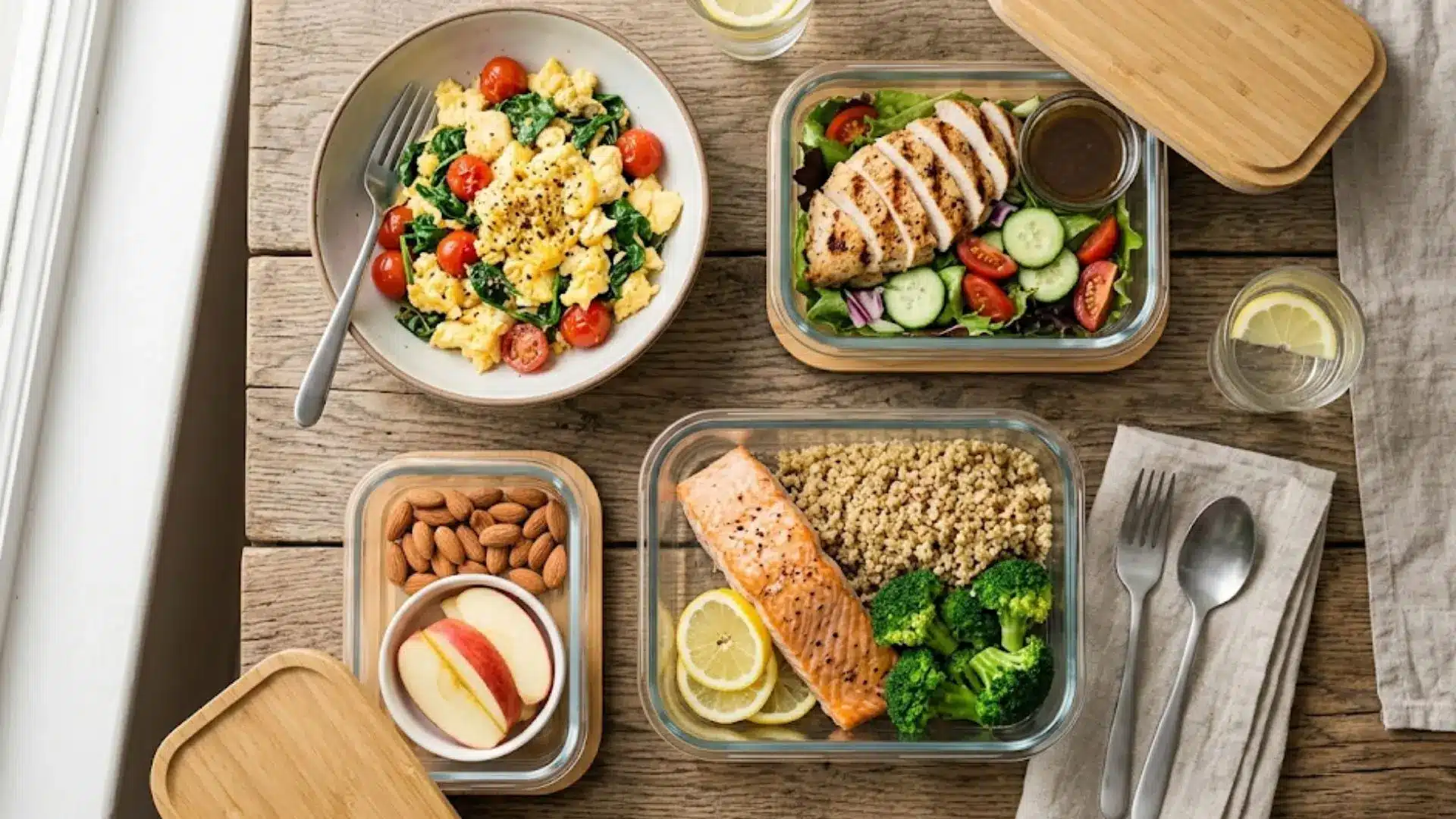
1000 Calorie Meal Plan Example (1 Day)
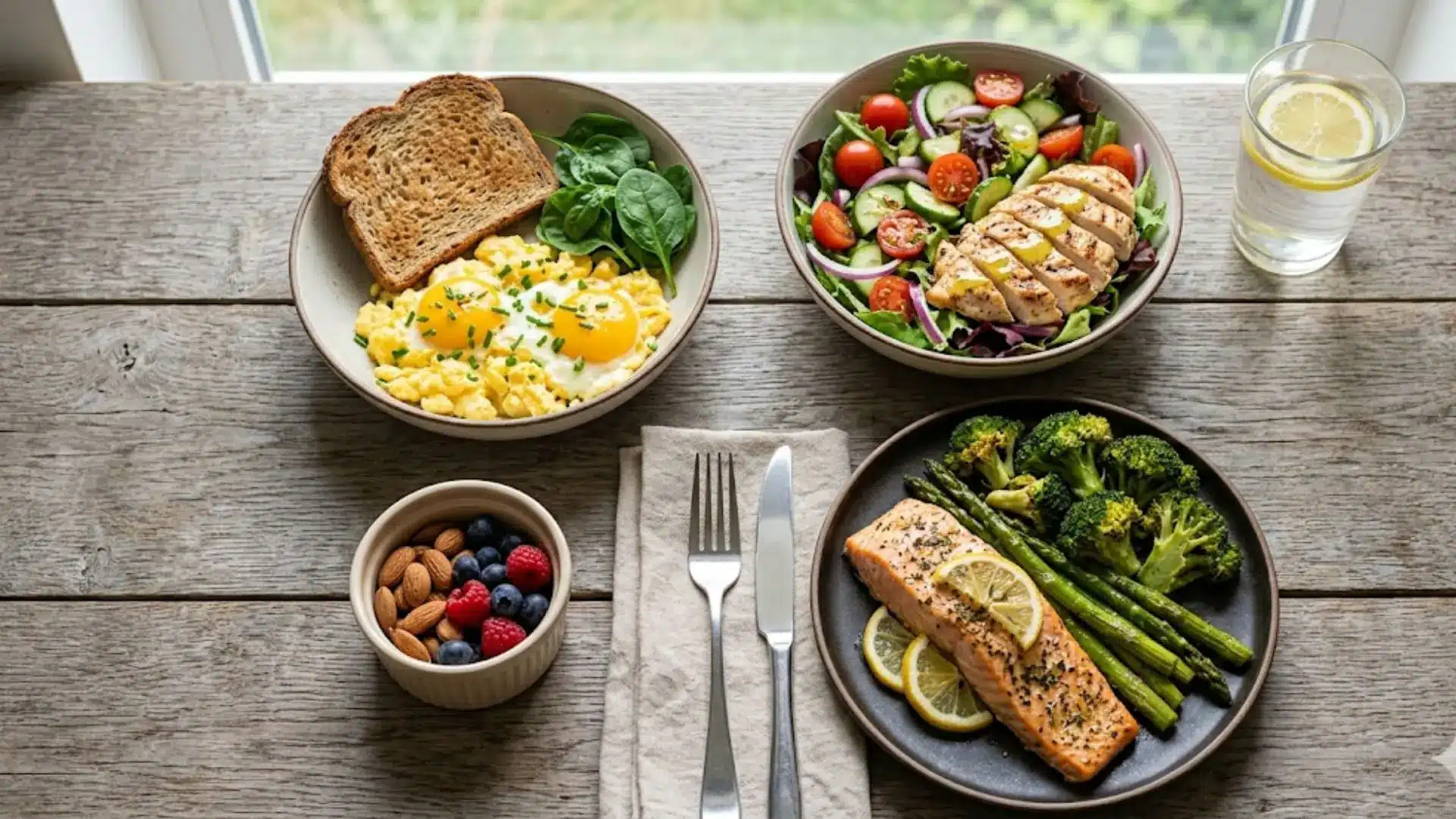
When I follow a 1000-calorie meal plan, a clear meal structure helps me manage portions easily. It also helps you stay close to your daily calorie target.
Breakfast (200–250 Calories)
A balanced breakfast with protein and fiber helps you start the day with steady energy and better hunger control.
| Food | Portion | Calories (Approx.) |
|---|---|---|
| Scrambled eggs | 2 eggs | 140 |
| Sautéed spinach | 1 cup | 30 |
| Whole-grain toast | 1 slice | 80 |
This combination keeps breakfast filling while staying within the calorie range and providing protein, fiber, and essential nutrients.
Lunch (300–350 Calories)
Lunch should include lean protein and vegetables so you stay satisfied without exceeding your daily calorie goal.
| Food | Portion | Calories (Approx.) |
|---|---|---|
| Grilled chicken breast | 3 oz | 140 |
| Mixed greens salad | 2 cups | 30 |
| Tomatoes & cucumber | ½ cup | 20 |
| Olive oil dressing | 1 tbsp | 120 |
This meal offers protein and healthy fats while keeping calories controlled and helping maintain steady energy through the afternoon.
Dinner (300–350 Calories)
Dinner should remain balanced and filling while helping you stay within your total daily calorie target.
| Food | Portion | Calories (Approx.) |
|---|---|---|
| Baked salmon | 3 oz | 180 |
| Steamed broccoli | 1 cup | 50 |
| Quinoa | ¼ cup cooked | 80 |
This dinner provides protein, fiber, and nutrients that help you feel satisfied without adding excessive calories.
Snack (50–100 Calories)
A small snack can help prevent hunger between meals while still keeping your daily calorie intake under control.
| Food | Portion | Calories (Approx.) |
|---|---|---|
| Almonds | 10 pieces | 70 |
| Boiled egg | 1 small | 70 |
| Apple slices | ½ cup | 50 |
Choosing light snacks like these helps maintain energy levels without pushing your daily calories above your goal.
Click [here] to download the complete 7- day 1000 calorie meal plan in free printable PDF form.
Three Simple 1000 Calorie Meal Plan Templates
Following the same meals every day can get repetitive, so using different meal styles helps keep your routine easier to maintain.
These simple 1000-calorie meal plan templates show how you can structure meals while keeping calories controlled. Each example focuses on balanced portions and nutrient-dense foods so you can stay satisfied throughout the day.
1. Balanced Meal Plan
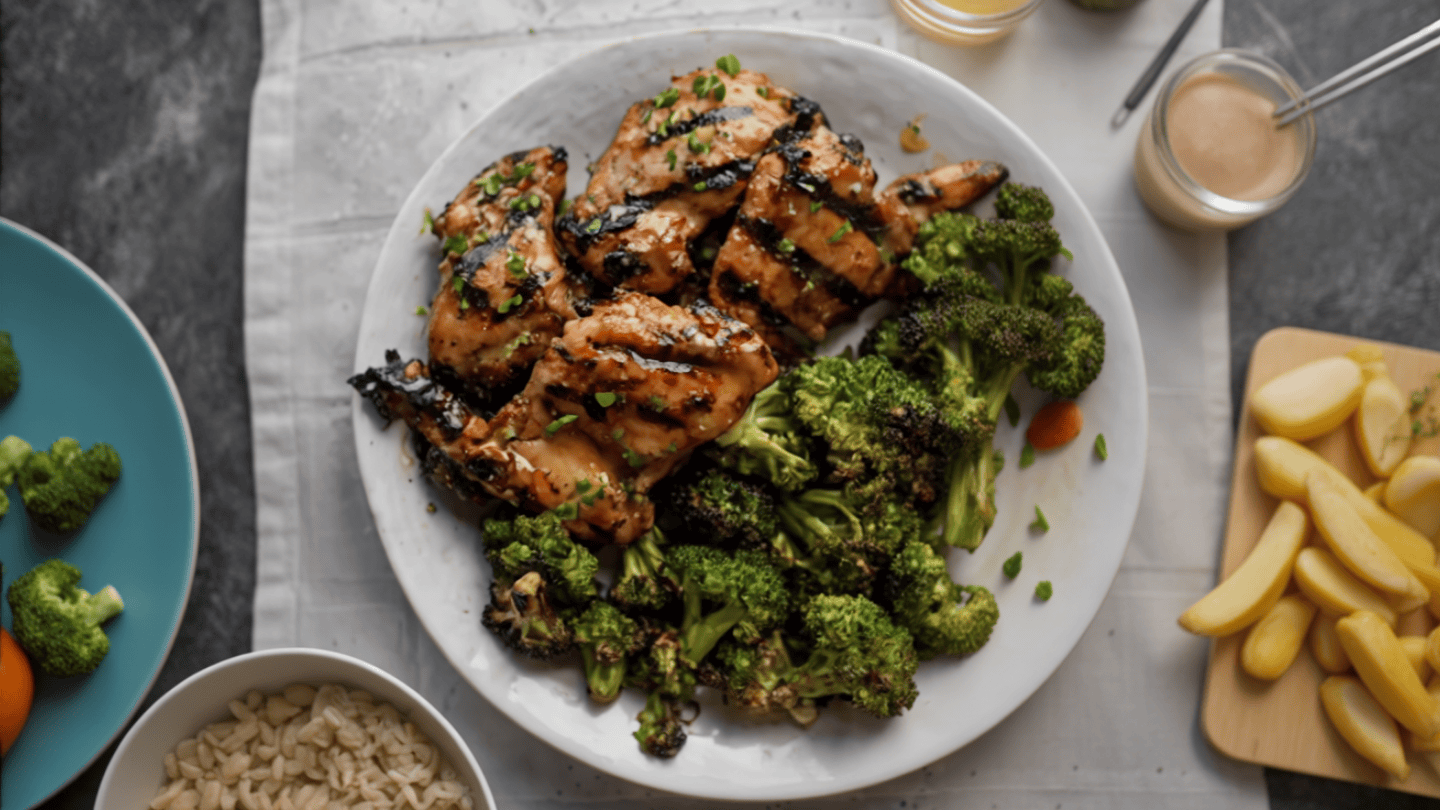
A balanced plan includes lean protein, healthy fats, whole grains, and vegetables. This approach helps provide steady energy and a wider range of nutrients.
- Breakfast: Oatmeal with berries and a small spoon of peanut butter
- Lunch: Grilled chicken salad with mixed greens, olive oil, and tomatoes
- Dinner: Baked salmon with steamed broccoli and a small portion of brown rice
- Snack: Greek yogurt or a boiled egg
This style works well if you want a simple, well-rounded diet without cutting out entire food groups.
2. Low-Carb Meal Plan
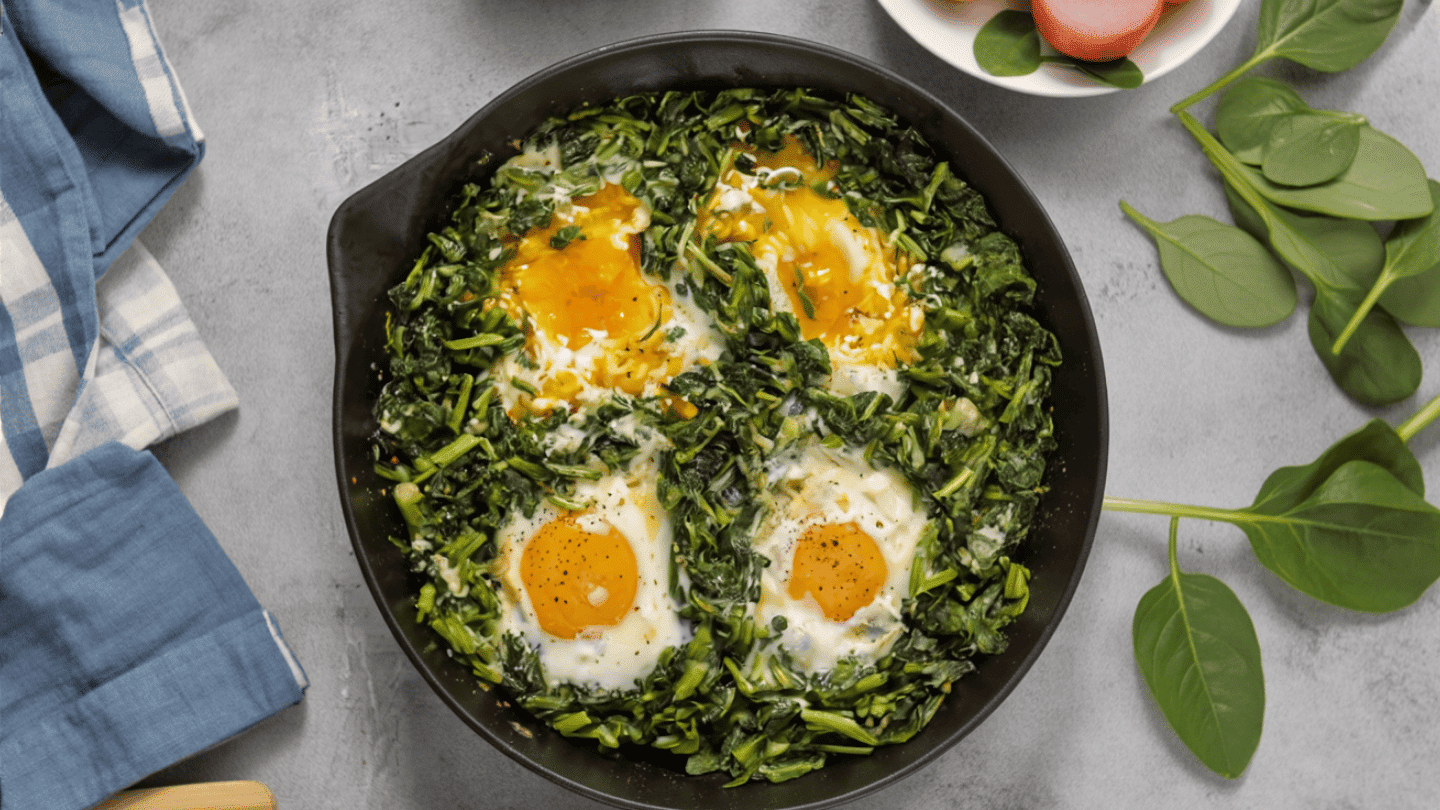
A low-carb version focuses more on protein, healthy fats, and vegetables while reducing grains and sugary foods. Many people use this style when following keto or low-carb diets.
- Breakfast: Scrambled eggs with spinach and avocado slices
- Lunch: Tuna salad with lettuce, cucumber, and olive oil
- Dinner: Grilled chicken breast with roasted zucchini and cauliflower
- Snack: Small handful of almonds
This plan helps keep carbohydrate intake lower while still providing protein and healthy fats.
3. Vegetarian Meal Plan

A vegetarian template removes meat and focuses on plant-based proteins such as legumes, dairy, nuts, and seeds. It can still fit easily into a 1000-calorie structure.
- Breakfast: Greek yogurt with chia seeds and sliced strawberries
- Lunch: Lentil and vegetable salad with olive oil dressing
- Dinner: Tofu stir-fry with broccoli, peppers, and mushrooms
- Snack: Small portion of almonds or cottage cheese
This option works well if you follow a plant-based diet while still maintaining controlled calorie intake.
Tips to Follow a 1000 Calorie Meal Plan
Following a 1000-calorie meal plan requires planning so you can stay within calorie limits while still getting important nutrients.
- Plan your meals in advance: Preparing meals ahead helps you manage portions, avoid impulsive choices, and stay closer to your daily calorie target.
- Focus on nutrient-dense foods: Choose foods rich in protein, fiber, vitamins, and minerals so your body receives better nutrition even with limited calories.
- Track your calorie intake daily: Keeping a food log or using a tracking app helps you stay consistent and understand how your meals affect your intake.
- Drink enough water throughout the day: Staying hydrated can support digestion, help control hunger, and keep your energy levels more stable during calorie restriction.
- Listen to your body’s signals: If you notice fatigue, dizziness, or constant hunger, it may be a sign that your body needs adjustments or a more balanced diet.
Paying attention to these signals helps you adjust portions, maintain energy levels, and avoid pushing your body beyond healthy limits.
Key Takeaway
Now you have a clearer understanding of how a 1000 calorie meal plan works and what it actually looks like in daily life.
I walked you through the basics of this low-calorie approach, who it may be suitable for, and how to structure meals so you still get essential nutrients.
You also saw a full daily example along with simple templates and tips that help you stay consistent. If you decide to try it, I suggest paying attention to how your body responds and adjusting your meals if something feels off.
Your goal should always be balanced nutrition, not just lower calories. If you found these ideas helpful, share your thoughts or experiences in the comments so others can learn from you, too.