













People often ask, is lamb healthy, and if it’s really as nutritious as claimed, or if there are reasons to be cautious about eating it.
I’ve been asked this question countless times, and I totally get the confusion. With so much conflicting information out there about red meat, it’s hard to know what’s actually good for you.
Here’s the truth: lamb is packed with high-quality protein, iron, zinc, and B vitamins that your body needs. But like any red meat, it comes with some things to watch out for.
I’ll break down whether lamb is healthy by comparing it to beef, chicken, and pork, highlighting its top health benefits, potential risks, healthiest cuts, and practical tips for enjoying it safely.
Nutritional Profile of Lamb
To determine if lamb is healthy, one key factor is its high-quality protein, providing all essential amino acids needed for muscle growth, repair, and overall body function.
Lamb is rich in B vitamins, including B12, B6, and niacin, which support energy production, metabolism, and proper functioning of nerves and cells.
It also contains important minerals such as iron, zinc, selenium, and phosphorus, which help maintain immune function, oxygen transport, bone health, and overall body performance.
The fat content includes heart-protective monounsaturated fats, conjugated linoleic acid (CLA), and omega-3 fatty acids, which may aid metabolism and support cardiovascular health when consumed in moderation.
This nutrient combination makes lamb a balanced choice for those seeking both protein and essential vitamins and minerals.
How Lamb Compares to Other Meats
To better understand if lamb is healthy, it helps to compare it with other meats like beef, chicken, and pork to see nutrient differences clearly.
| Nutrient / Feature | Lamb (Lean Cuts) | Beef (Lean Cuts) | Chicken (Skinless) | Pork (Lean Cuts) |
|---|---|---|---|---|
| Protein (per 3 oz) | 15 g | 22 g | 21 g | 22 g |
| Iron | High (heme iron, easily absorbed) | Moderate | Low | Moderate |
| Zinc | High | High | Moderate | Moderate |
| B Vitamins | B12, B6, Niacin – Very High | B12, B6, Niacin – High | B6, Niacin – Moderate | B12, B6, Niacin – Moderate |
| Fat Content | Moderate, healthy fats included | Moderate, more saturated fat | Low | Moderate |
| CLA (Conjugated Linoleic Acid) | Present in good amounts | Small amounts | Very low | Very low |
| Best For | Iron & nutrient-rich diets | Protein & iron | Low-fat, easy digestion | Balanced diet with variety |
This comparison shows why lamb is healthy when included in moderation, providing minerals, protein, and healthy fats compared to other common meats.
Health Benefits of Lamb Meat
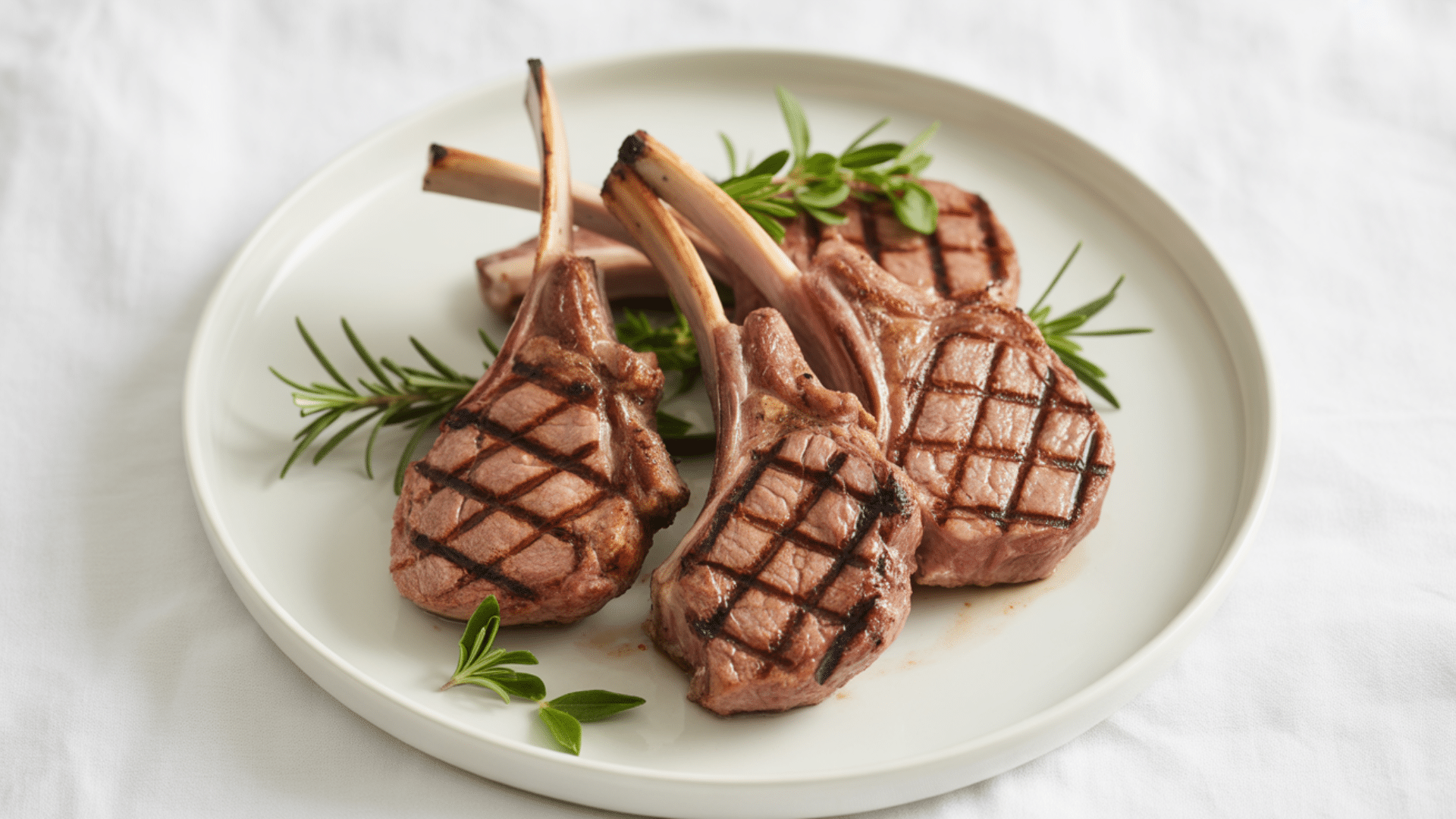
When exploring the question, is lamb healthy, it’s helpful to understand its main benefits, including protein, vitamins, minerals, and healthy fats that support muscle, energy, and overall well-being.
- Builds Muscle & Supports Repair: When asking if lamb is healthy, its high-quality protein helps build muscle, repair tissues, and maintain overall body strength effectively.
- Boosts Immune Function: Lamb is rich in zinc and selenium, essential minerals that protect the body from infections and support proper immune system function.
- Prevents Anemia: Heme iron in lamb is absorbed efficiently, helping prevent iron deficiency and maintain steady energy levels throughout the day.
- Supports Energy & Metabolism: B vitamins, including B12, B6, and niacin, in lamb support metabolism, energy production, and healthy nerve and cell function.
- Heart-Healthy Fats: Lamb contains monounsaturated fats and CLA, which can support cardiovascular health when consumed in moderation.
- Keto-Friendly Protein Source: Its combination of protein and healthy fats makes lamb a suitable option for low-carb or ketogenic diets.
These key benefits show why lamb is healthy when included in moderation, offering nutrients for immunity, energy, and heart health while fitting well into balanced or keto-friendly diets.
Who Should Eat Lamb?
For those wondering if lamb is healthy, athletes and active individuals can benefit from its high-quality protein, which supports muscle growth, repair, and sustained energy during workouts.
People with iron deficiency may find lamb especially helpful because its heme iron is efficiently absorbed, helping prevent anemia and maintain healthy energy levels throughout the day.
Those following high-protein diets can use lamb as a nutrient-rich source of protein, providing essential amino acids and supporting overall body strength and metabolic functions.
Keto dieters also benefit from lamb because it combines protein with heart-healthy fats like monounsaturated fats and CLA, making it suitable for low-carb, high-fat meal plans.
Including lamb in moderation can provide nutrients that are harder to obtain from other protein sources.
Potential Health Risks of Eating Lamb
While looking at the benefits, those asking if lamb is healthy should also consider potential risks, including saturated fat, links to chronic illness, and safe cooking and handling practices.
- Saturated Fat Concerns: Some cuts are high in saturated fat, which can negatively affect heart health if eaten too often.
- Red Meat & Chronic Illness Links: Excessive lamb consumption, like other red meats, may increase the risk of chronic illnesses, so moderation is important.
- Proper Cooking Temperatures: Cooking lamb to 160°F for ground meat ensures harmful bacteria are eliminated, making the meat safe to eat.
- Safe Handling Practices: Washing hands, utensils, and surfaces properly prevents contamination and lowers the risk of foodborne illness from lamb.
Knowing these risks helps you enjoy lamb wisely, in moderation, through safe cooking and proper handling, which allows you to benefit from its nutrition without harming your health.
People with heart disease, high cholesterol, or higher cancer risk should limit lamb and other red meats, as excess fat and intake may impact long-term health.
Healthiest Ways to Eat Lamb
To ensure that is lamb healthy remains the focus of your meal, selecting lean cuts like loin or leg instead of fattier cuts such as shoulder reduces saturated fat intake effectively.
Trimming visible fat before cooking further lowers unhealthy fat content while keeping the meat flavorful and nutritious for regular meals.
Healthy cooking methods such as grilling, roasting, or stewing help retain nutrients while minimizing added fats or harmful compounds from excessive charring.
Experts recommend enjoying lamb in moderation, around two to three times per week, to balance nutrient intake and reduce potential health risks.
Pairing lamb with vegetables adds fiber, vitamins, and minerals, creating a well-rounded meal that supports digestion, immunity, and overall nutrient balance.
Final Thoughts
So, is lamb healthy? Absolutely, when you eat it the right way.
Lamb offers incredible nutritional benefits, including complete protein, easily absorbed iron, immune-boosting zinc, and even healthy fats.
I think it definitely deserves a place in your meal rotation. Just remember the golden rule: moderation and smart choices. Stick with lean cuts like leg or loin, trim the visible fat, and grill or roast instead of frying.
Balance is everything. Pair your lamb with plenty of colorful vegetables and rotate it with chicken, fish, and plant-based proteins throughout the week.
You don’t need to eat it every day, but including it 2-3 times a week can give you those nutritional benefits without overdoing it.
Your body will thank you for the variety and nutrients! Start planning your next lamb meal today and enjoy the health benefits it brings.