










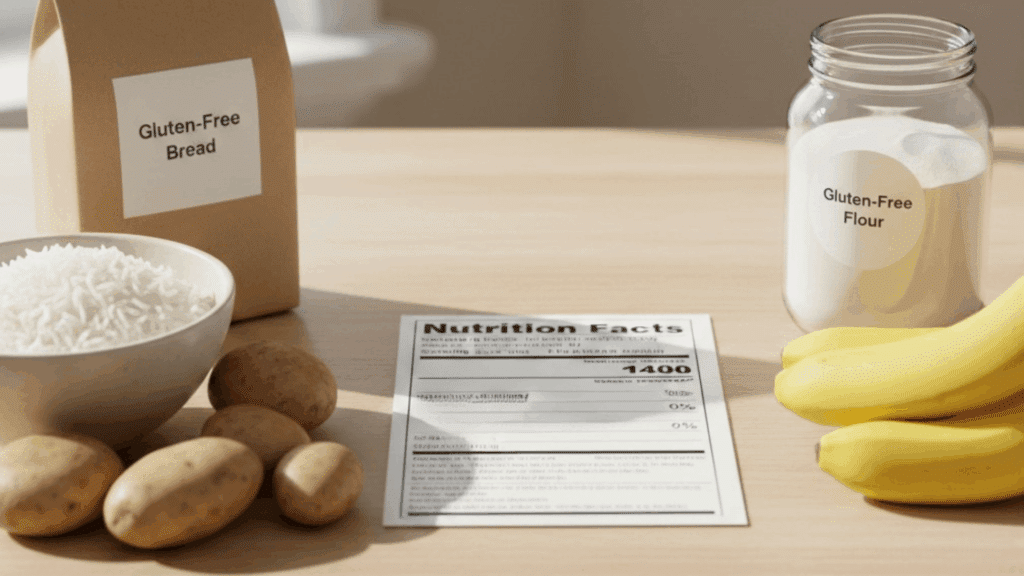

I used to wonder: Does ‘gluten-free’ mean no carbs, as many people think? It sounded simple at first, but the more I looked at food labels, the more confusing it became.
Gluten-free foods were everywhere, and many of them still felt heavy or filling. That made me stop and question what gluten-free really means, especially when it came to gluten-free carbs.
Here, I’ll break it down in a clear and easy way. I’ll explain the difference between gluten and carbs, why gluten-free foods can still have carbs, and how gluten-free compares to low-carb diets.
I’ll also share food examples, label tips, and simple swaps so you can make better choices without stress.
Does Gluten Free Mean No Carbs?
No, gluten-free does not mean no carbs. Not at all.
- Gluten is a protein found in wheat, barley, and rye.
- Carbs are a nutrient found in many foods, including rice, potatoes, fruit, beans, and even gluten-free flours.
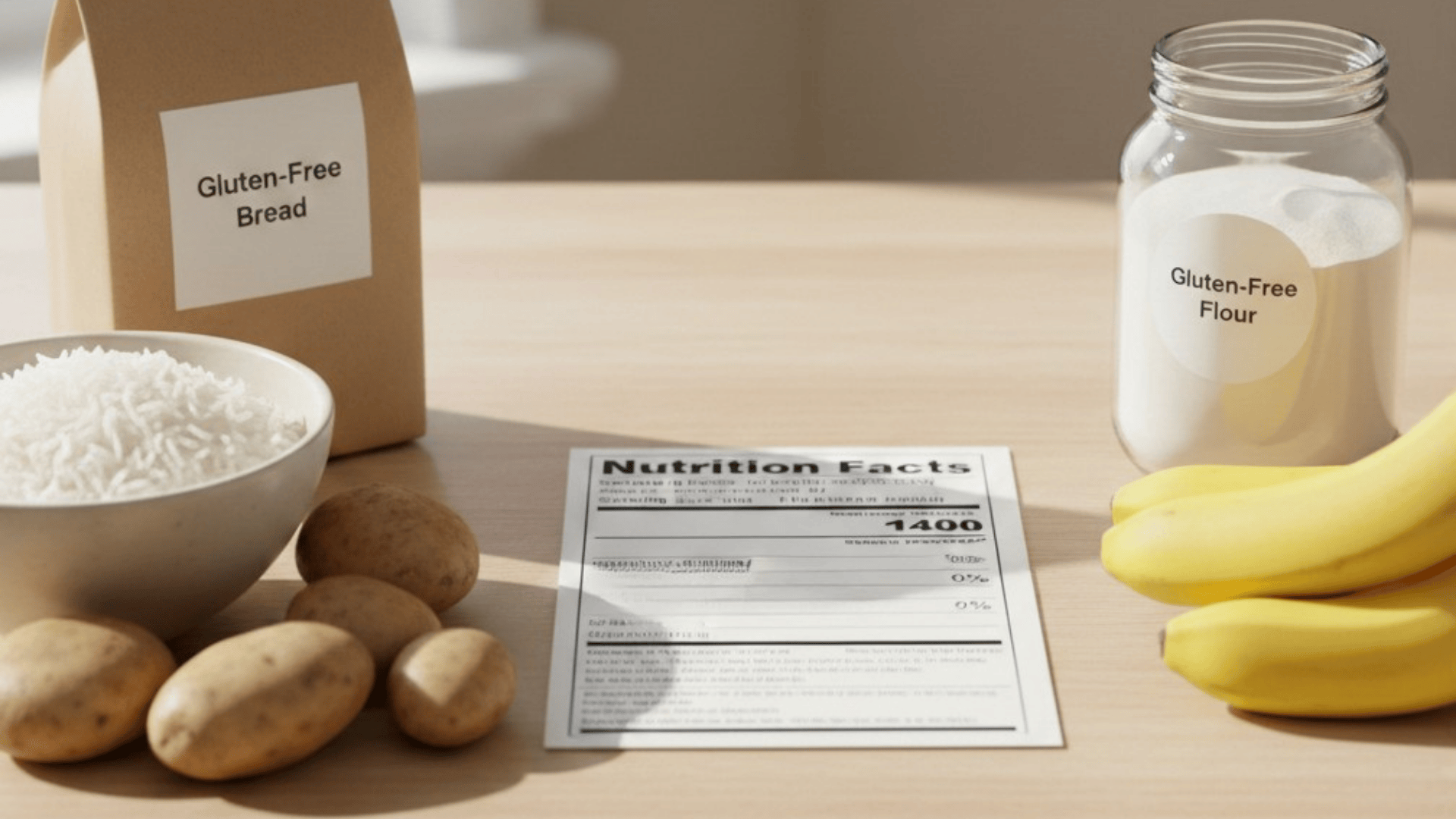
That means a food can be gluten-free and still have plenty of carbohydrates. For example, gluten-free bread, pasta, or cookies are often made with rice flour, corn starch, or potato starch.
These ingredients don’t contain gluten, but they can be high in carbs. So gluten-free carbs are very real, especially in packaged gluten-free snacks.
If lowering carbs is the goal, checking the nutrition label matters more than the gluten-free claim.
Gluten-Free vs Low-Carb: What’s the Real Difference?
Gluten-free and low-carb aren’t the same thing. Gluten-free removes a protein found in wheat, barley, and rye. Low-carb limits foods that raise total carbohydrates, like bread, rice, and sugar.
| Topic | Gluten-Free | Low-Carb |
|---|---|---|
| Main focus | Removes gluten (a protein) | Limits carbs (sugar + starch) |
| Avoids | Wheat, barley, rye | Bread, rice, pasta, sweets (often) |
| Best for | Celiac disease, gluten sensitivity | Weight loss, blood sugar control (often) |
| Carbs allowed? | Yes (often still high) | Low (depends on plan) |
| Key point | Gluten-free ≠ no carbs | Low-carb can still include gluten |
Labels and diet trends make them sound similar, and social media adds to the mix. But gluten-free products can still be packed with carbs.
What Foods Have Gluten-Free Carbs?
Gluten-free doesn’t mean carb-free. Many foods are naturally gluten-free and still contain plenty of carbohydrates, and packaged gluten-free items can be even higher in carbs.
- Rice: Rice is gluten-free, but it’s mostly a carbohydrate. It can raise carb intake quickly, especially in larger portions.
- Corn and potatoes: Both are gluten-free and high in starch. They’re common in meals and can add a lot of carbs without people noticing.
- Beans and fruit: Beans and fruit are gluten-free but still contain carbs (plus fiber). They’re often healthier carb choices, but carbs still count.
- Processed gluten-free foods (bread, pasta, snacks): Gluten-free packaged foods often use rice flour, corn starch, or potato starch. These ingredients can make carbs add up fast, even when the label says “gluten-free.”
Why do these still raise carb intake? Gluten-free swaps often rely on starch-heavy flours and fillers. That means carbs can be equal to or higher than regular versions.
How this helps with realistic food choices: Gluten-free doesn’t automatically match low-carb goals. Knowing which foods are carb-heavy helps with smarter portions and better label reading.
Best Low-Carb Substitutes that are Also Gluten-Free
Eating gluten-free doesn’t automatically reduce carbs, but the right swaps can make a big difference. These options keep meals familiar, while cutting back on starchy ingredients.
Below are simple substitutes that work well and taste good, too.
1. Almond Flour
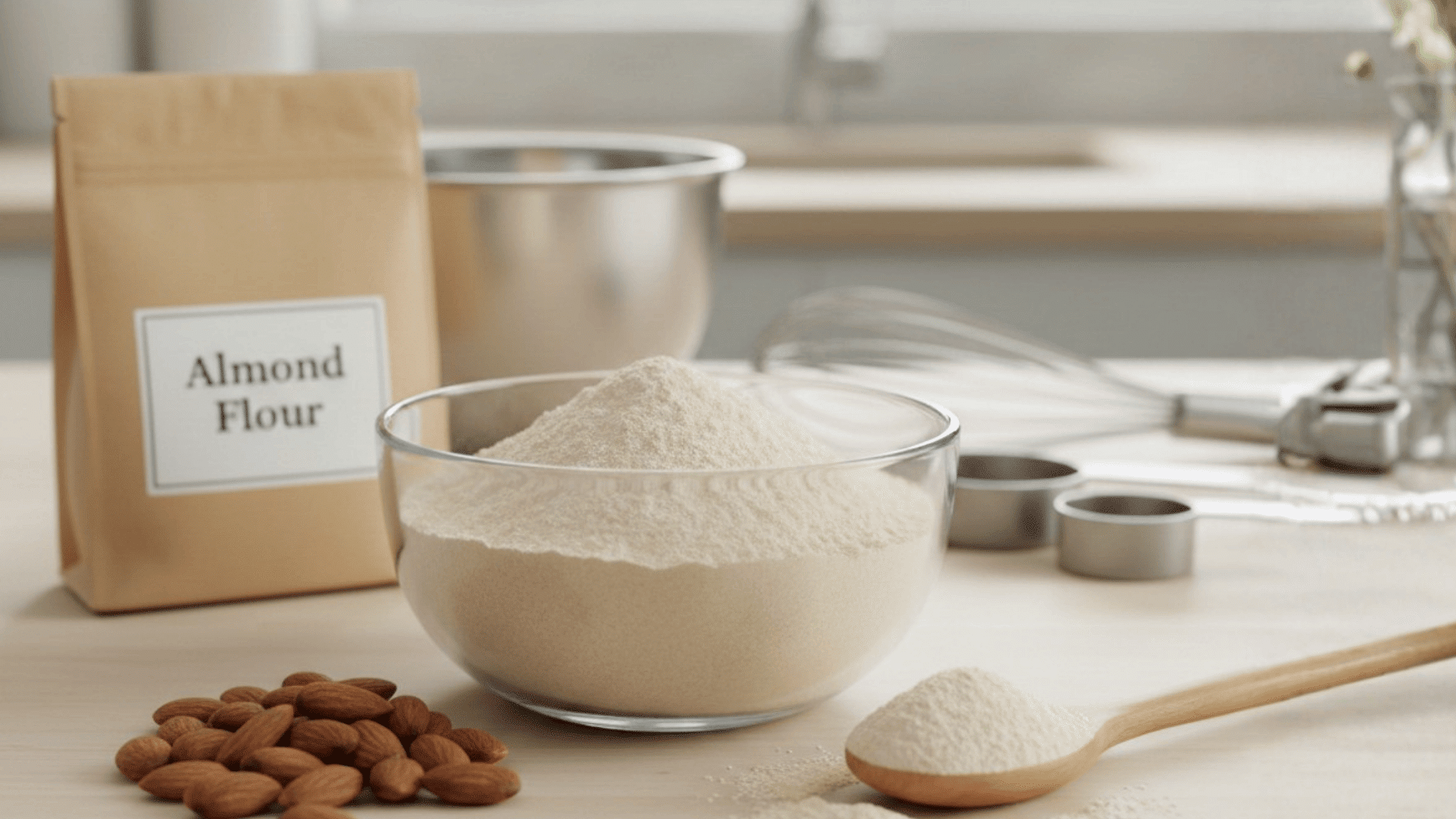
Almond flour is made from ground almonds, so it’s naturally gluten-free and much lower in carbs than wheat flour.
It works great for pancakes, muffins, and quick breads. It also adds a mild, nutty taste and a soft texture. Because it’s rich, smaller amounts often feel filling.
2. Coconut Flour
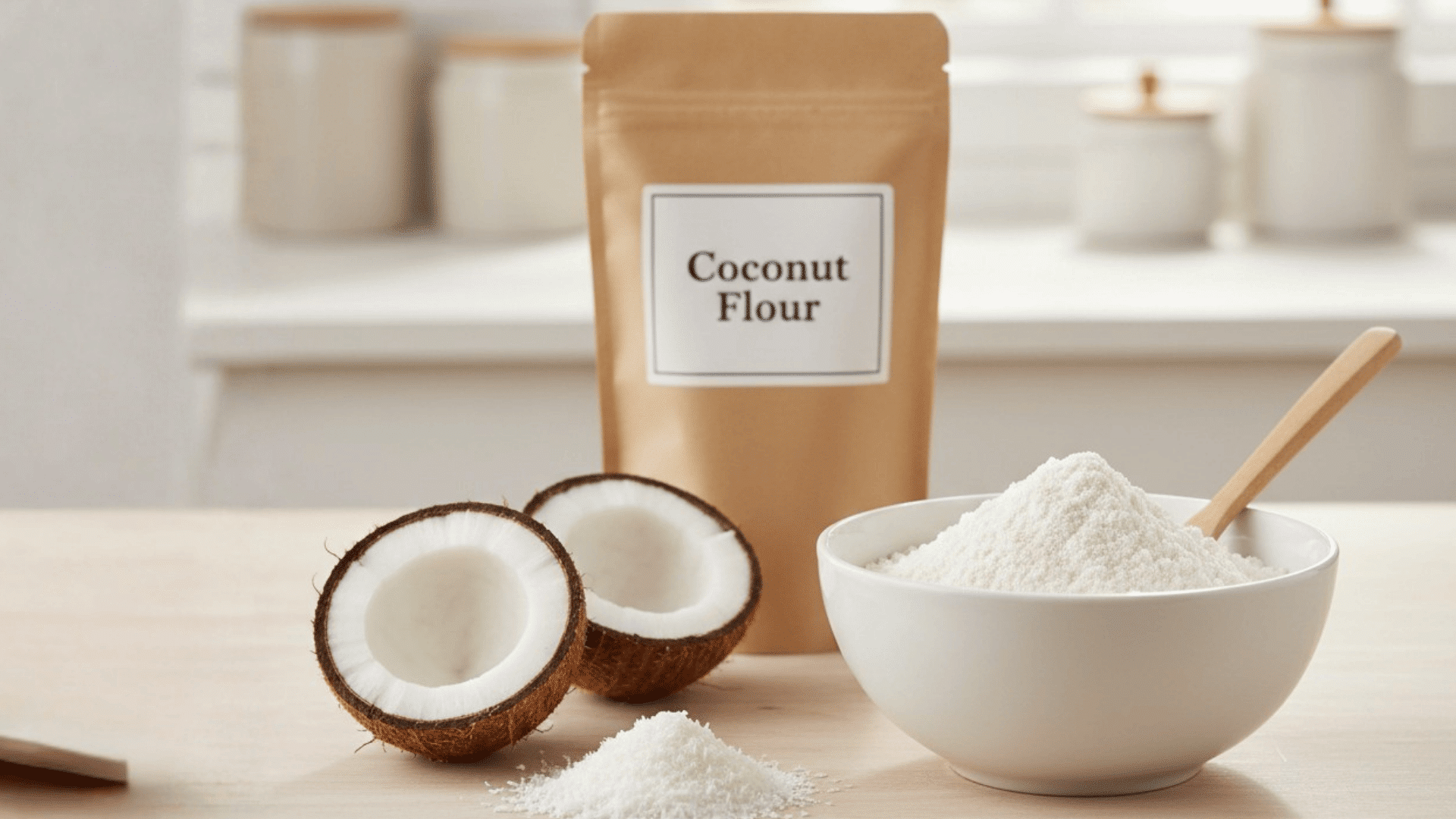
Coconut flour is gluten-free and very low in carbs, and it’s packed with fiber. It’s great for muffins, cakes, and coatings.
One thing to know: it soaks up a lot of liquid, so recipes usually need more eggs or moisture. The flavor is slightly sweet, which many people enjoy.
3. Flax Meal
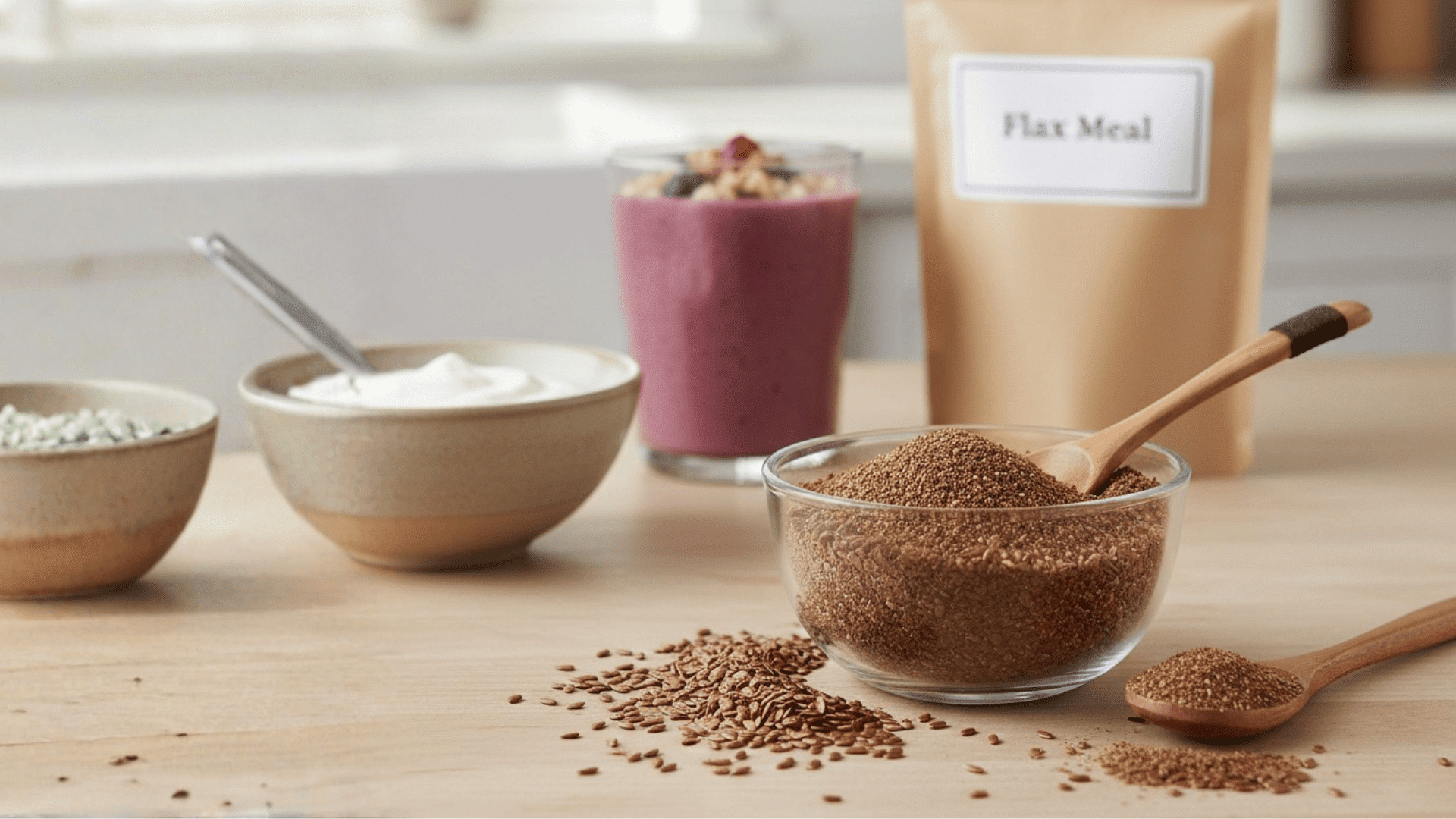
Flax meal is made from ground flaxseed and is naturally gluten-free with very few carbs. It’s great for adding fiber to smoothies, yogurt, or baking.
It can also replace eggs in some recipes by mixing with water until it gels. The taste is mild and slightly nutty, not overpowering.
4. Spiralized Vegetables
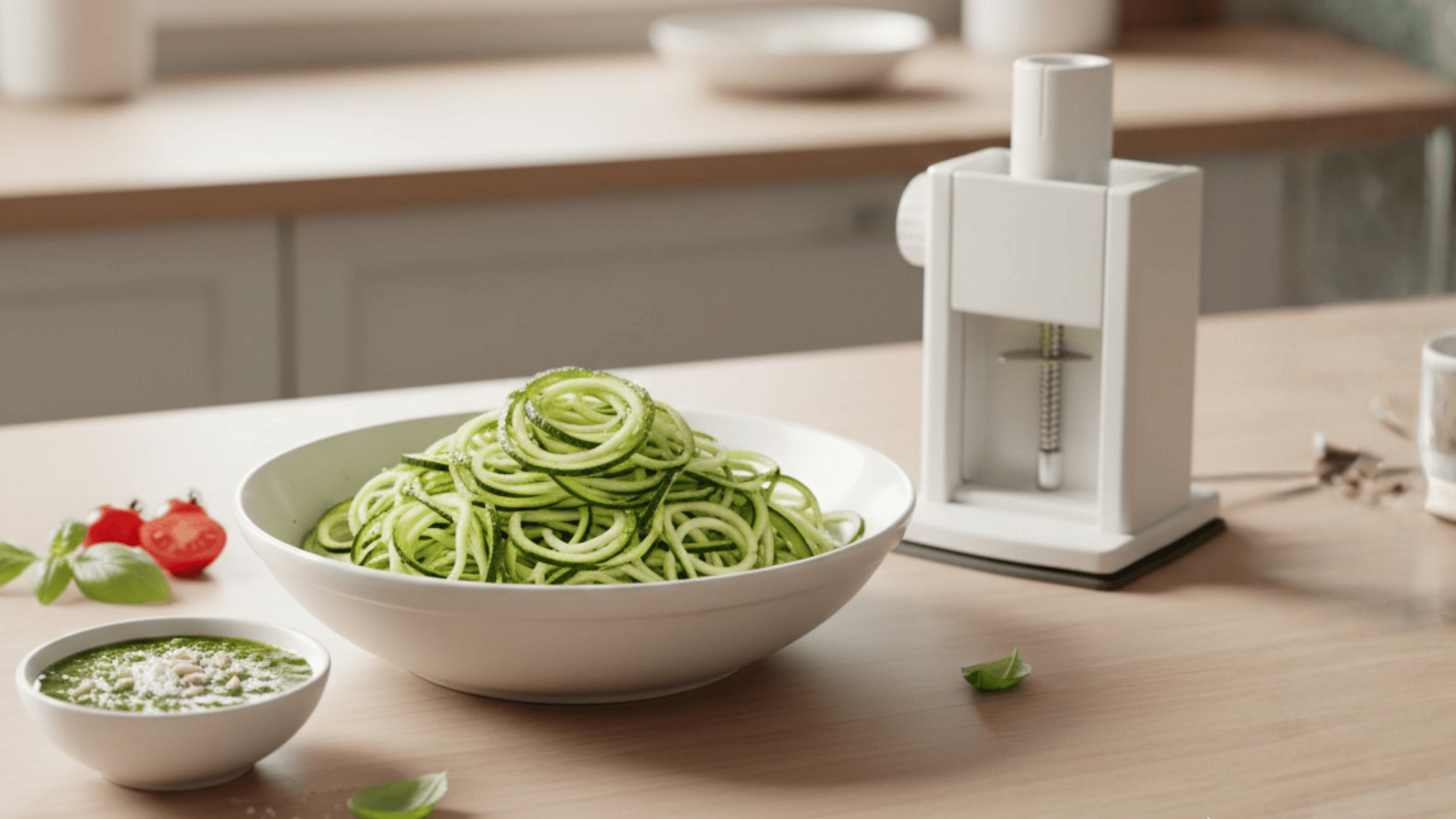
Spiralized veggies like zucchini or cucumber are an easy swap for pasta. They’re naturally gluten-free and very low in carbs, but still feel fun to eat.
They work well with sauces like pesto or marinara. Eat them raw for crunch, or sauté lightly for a warmer, softer bite.
5. Cauliflower Rice and Crusts
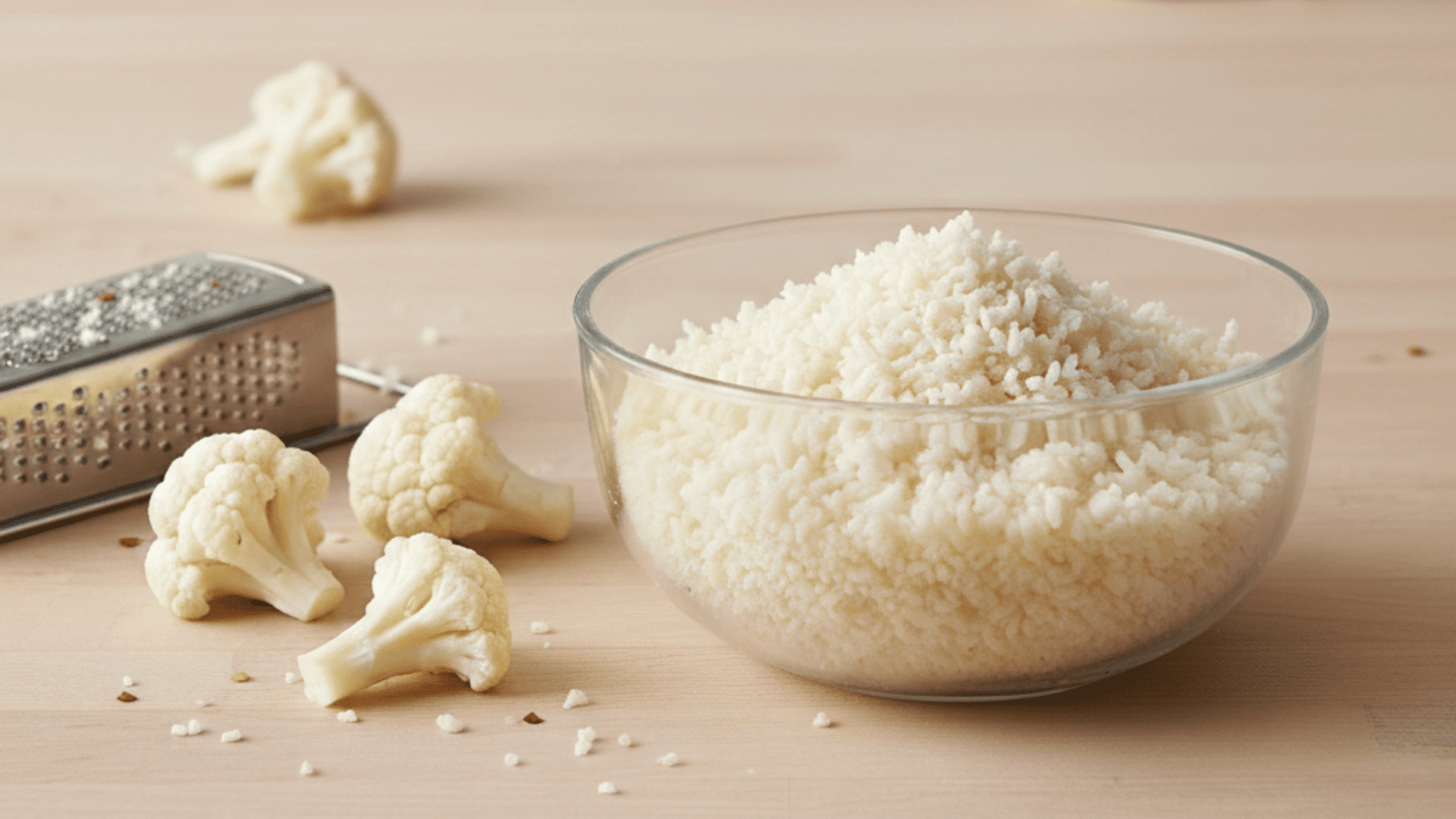
Cauliflower is a popular swap because it’s gluten-free and low in carbs. Grated cauliflower can replace rice in bowls, stir-fries, or fried “rice” dishes.
Cauliflower crusts also help when pizza cravings hit. It takes on seasonings well, so spices, cheese, and herbs make it taste better.
6. Chia Seeds (or Chia Flour)
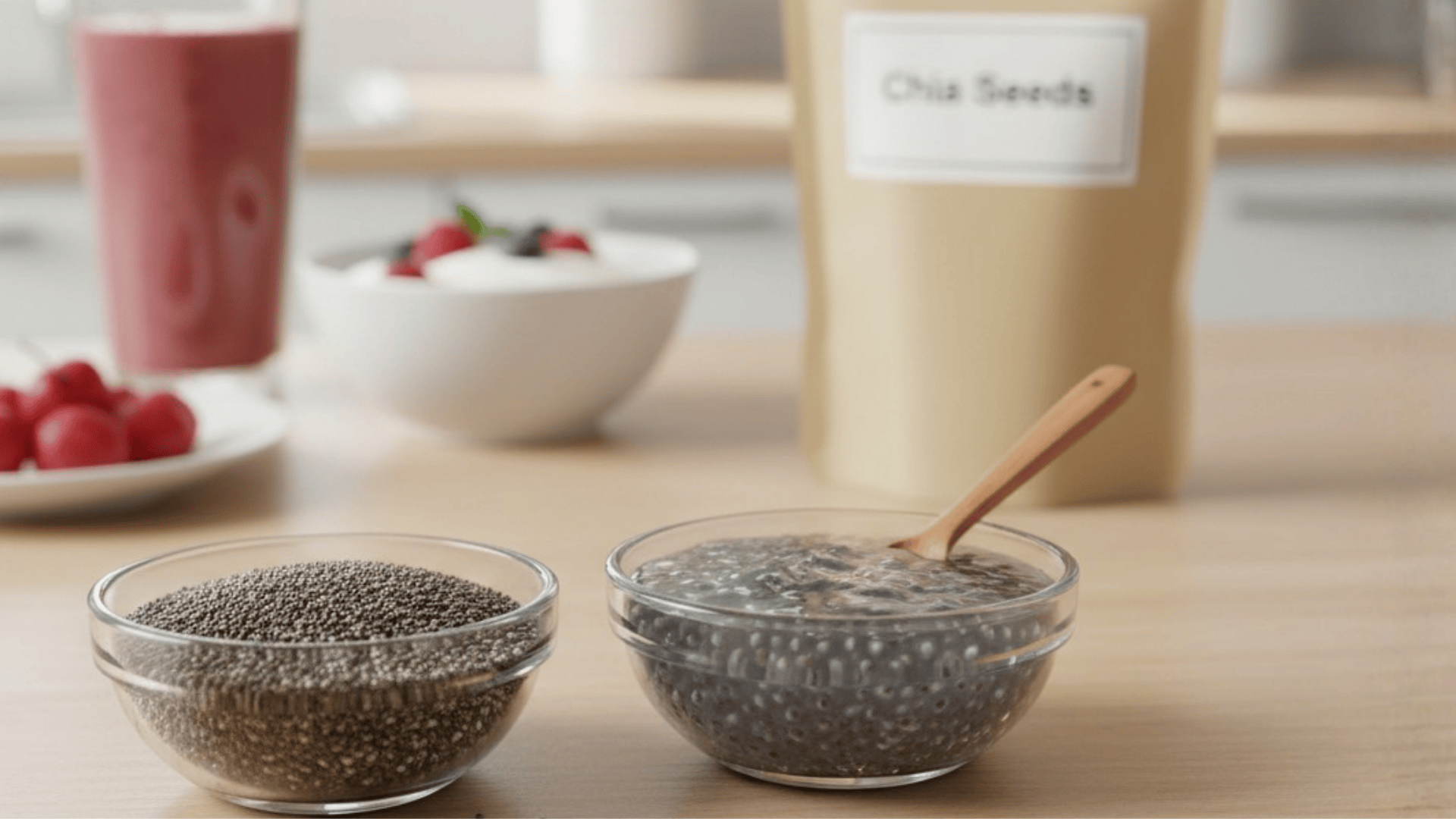
Chia seeds are naturally gluten-free and very low in net carbs because they’re packed with fiber.
They work well in smoothies, yogurt, and puddings, and they can help thicken recipes. When mixed with water, they form a gel, which is handy for baking and egg-free cooking.
7. Psyllium Husk Powder
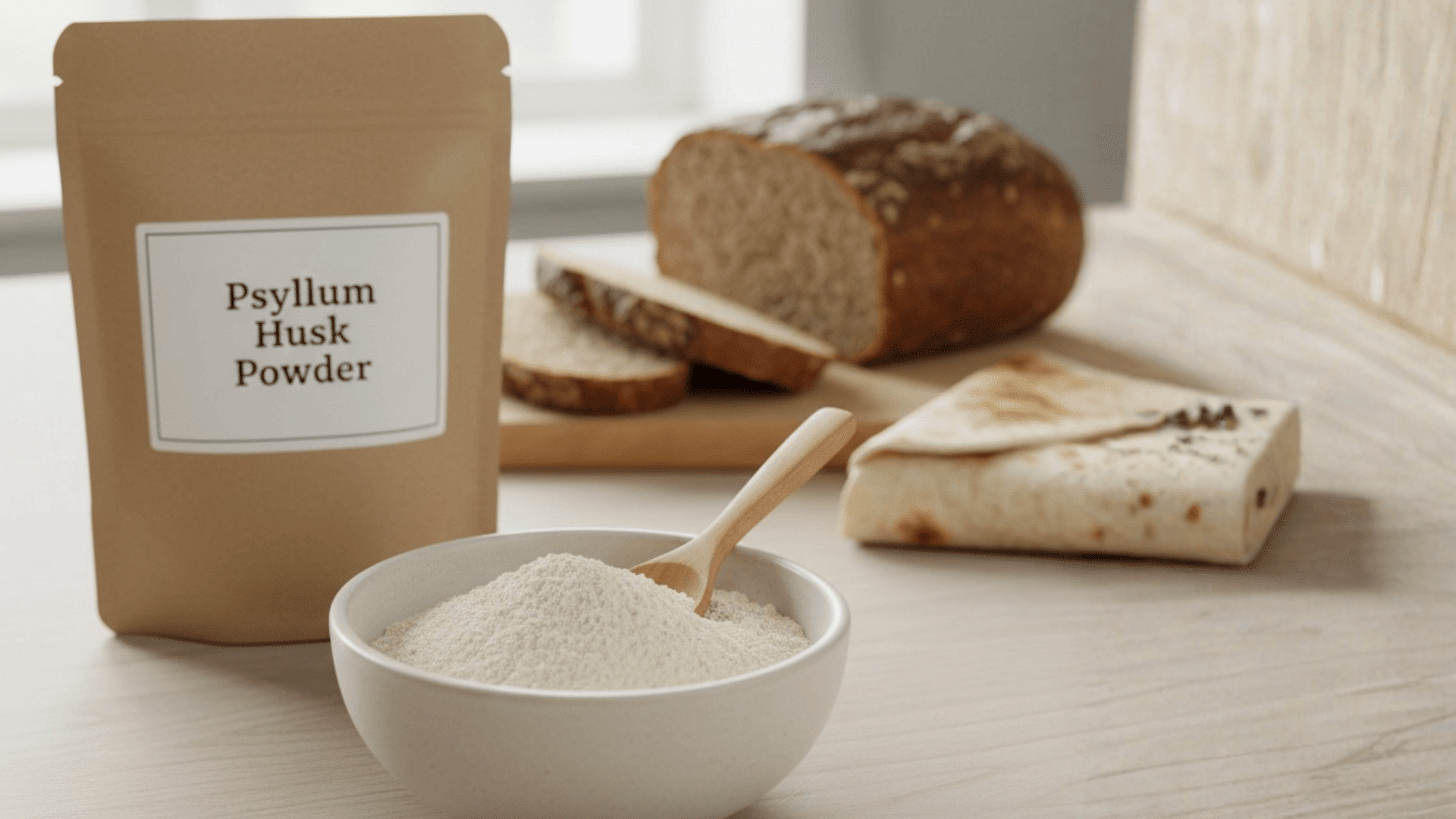
Psyllium husk is gluten-free and mostly fiber, so it adds very few digestible carbs. It’s popular in low-carb baking because it improves texture and helps dough hold together.
It also makes breads and wraps feel more “bready” without using wheat or high-carb flours.
Does Going Gluten Free Help With Weight Loss?
Many people think going gluten-free leads to weight loss, but that’s not always true. Gluten is a protein, so cutting it out doesn’t automatically cut calories or carbs. Does gluten-free mean no carbs? Not at all.
Some people lose weight after going gluten-free because they stop eating a lot of processed foods like pizza, pastries, and fast-food buns, and that change can lower overall calories without even trying.
But gluten-free substitutes can still be high in carbs and sugar. Gluten-free cookies, bread, and pasta often use rice flour or starches, which can add up quickly. This is where gluten-free carbs can sneak in fast.
For weight loss, what matters most is total calories, portion sizes, and the amount of carbs in your meals. Gluten-free can help if it leads to better food choices, but the label alone doesn’t guarantee results.
How to Read Gluten-Free Labels the Right Way
Gluten-free labels can be helpful, but they don’t tell the whole story, especially if carbs matter too.
- “Gluten-free” isn’t the full answer: It only means the product meets the gluten limit, not that it’s low-carb or low-sugar. Many gluten-free swaps still use starch-heavy ingredients.
- Where carbs hide: Look for rice flour, potato starch, tapioca starch, corn starch, and added sugars. These can raise blood sugar quickly, even in “healthy-looking” foods.
- What to check every time: Scan Total Carbs, Sugar, and the ingredient list together, then compare serving size so you’re not fooled by small portions.
- FDA rule in simple words: In the U.S., “gluten-free” generally means the food has less than 20 parts per million (ppm) of gluten, which helps many people with celiac feel safer.
A quick scan of the nutrition facts and ingredients can save a lot of confusion and help you pick what actually fits your goals.
When Gluten-Free Matters (the Key Takeaways to Remember)
Gluten-free is most important for people with celiac disease, because even small amounts of gluten can trigger symptoms and damage the gut.
It can also matter for people with non-celiac gluten sensitivity, who may feel better when they avoid gluten.
Final Thoughts
After learning how gluten and carbs really work, I stopped relying solely on food labels.
So, does gluten-free mean no carbs? No, and that’s where gluten-free carbs can surprise a lot of people. One small word on a package doesn’t tell the full story.
What matters more is what’s actually inside the food and how it fits your goals.
If you need to avoid gluten for health reasons, that’s important. If you’re watching carbs, that’s a different choice, and both can work together if planned right. I hope this helped clear the confusion and made food shopping feel easier.
If you found this helpful, take a look at my other nutrition blogs for more simple, honest food guidance you can actually use.