




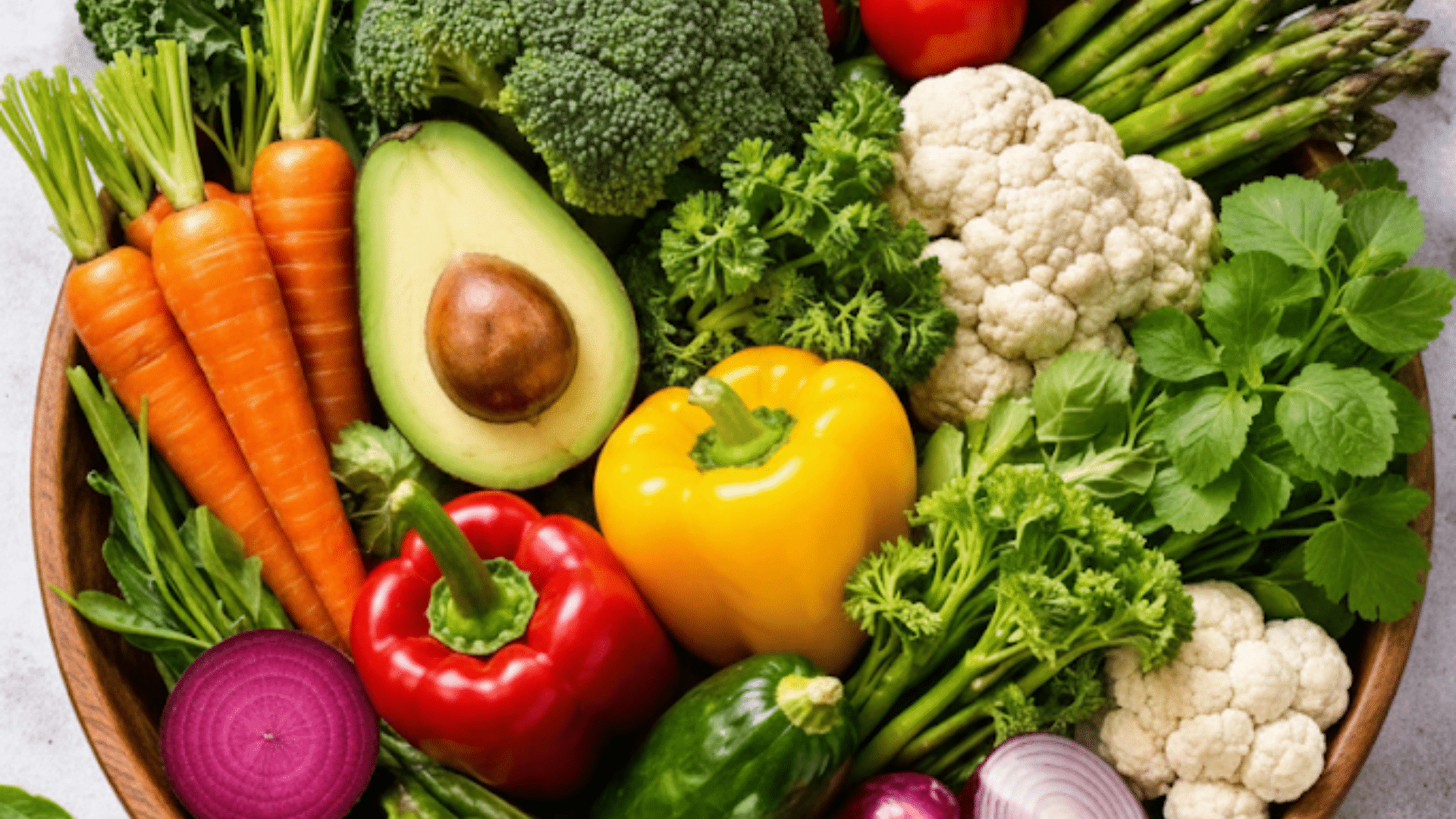









If you’re looking to boost your health with nutrient-packed vegetables, you’re in the right place! Vegetables like spinach, kale, broccoli, and sweet potatoes are packed with essential nutrients that can improve your overall health.
The best part? You don’t need to be a chef to incorporate them into your meals.
If you’re adding a handful of leafy greens to a salad or tossing some carrots and broccoli into a stir-fry, these veggies are simple and versatile.
I’ll show you the healthiest vegetables to eat to include in your diet and why they’re so good for you. Let’s dive into the benefits and discover how easy it is to make these veggies a regular part of your meals.
This content is for informational purposes only and is not a substitute for professional medical advice or diagnosis.
What Makes Some Vegetables Healthier Than Others?
Vegetables are rich in fiber, vitamins, minerals, and antioxidants. What makes some healthier than others comes down to nutrient density. This means more benefits with fewer calories.
Fiber aids digestion and keeps you full. Vitamins A, C, K, and folate support immunity, skin, and bones.
Minerals like potassium and magnesium help your heart and muscles. Antioxidants protect cells and reduce long-term health risks.
Research published in the Journal of Diabetes Investigation found that higher intake of fruits, especially berries, and of leafy greens and cruciferous vegetables is linked to a lower risk of type 2 diabetes.
Eating nutrient-dense vegetables regularly supports long-term metabolic health.
The Healthiest Vegetables to Eat for Optimal Health
When it comes to eating healthy, vegetables are an essential part of the diet. Not only are they packed with nutrients, but they also offer a variety of health benefits.
Here’s a look at some of the healthiest vegetables to add to your meals, along with their nutritional breakdown, health benefits, cooking tips, and how they support different health needs.
1. Spinach
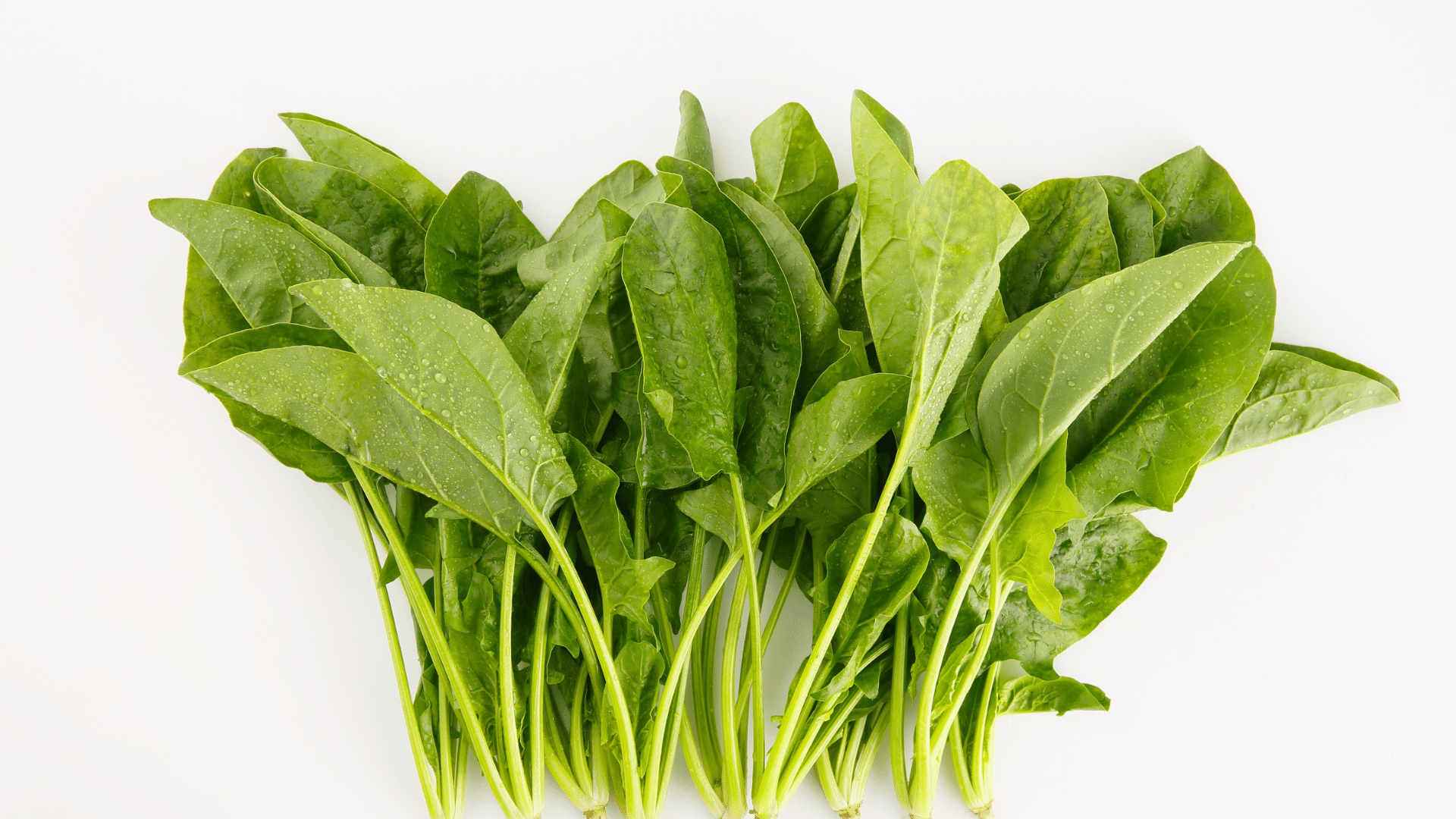
Spinach is a versatile leafy green packed with essential nutrients, making it a valuable addition to any meal. It contains high levels of iron, potassium, magnesium, vitamin K, and fiber.
Its mild flavor makes it easy to incorporate into various dishes without overpowering other ingredients.
Health Benefits:
- Supports Immune Health: Vitamin C in spinach strengthens the immune system.
- Promotes Vision: Lutein helps protect the eyes from age-related diseases.
- Aids Bone Metabolism: Vitamin K supports bone health.
- Improves Digestion: Fiber promotes digestion and aids weight management.
Cooking Tip: Add spinach to smoothies, soups, or stir-fries. It blends well with a variety of dishes for anutritious boost.
2. Broccoli
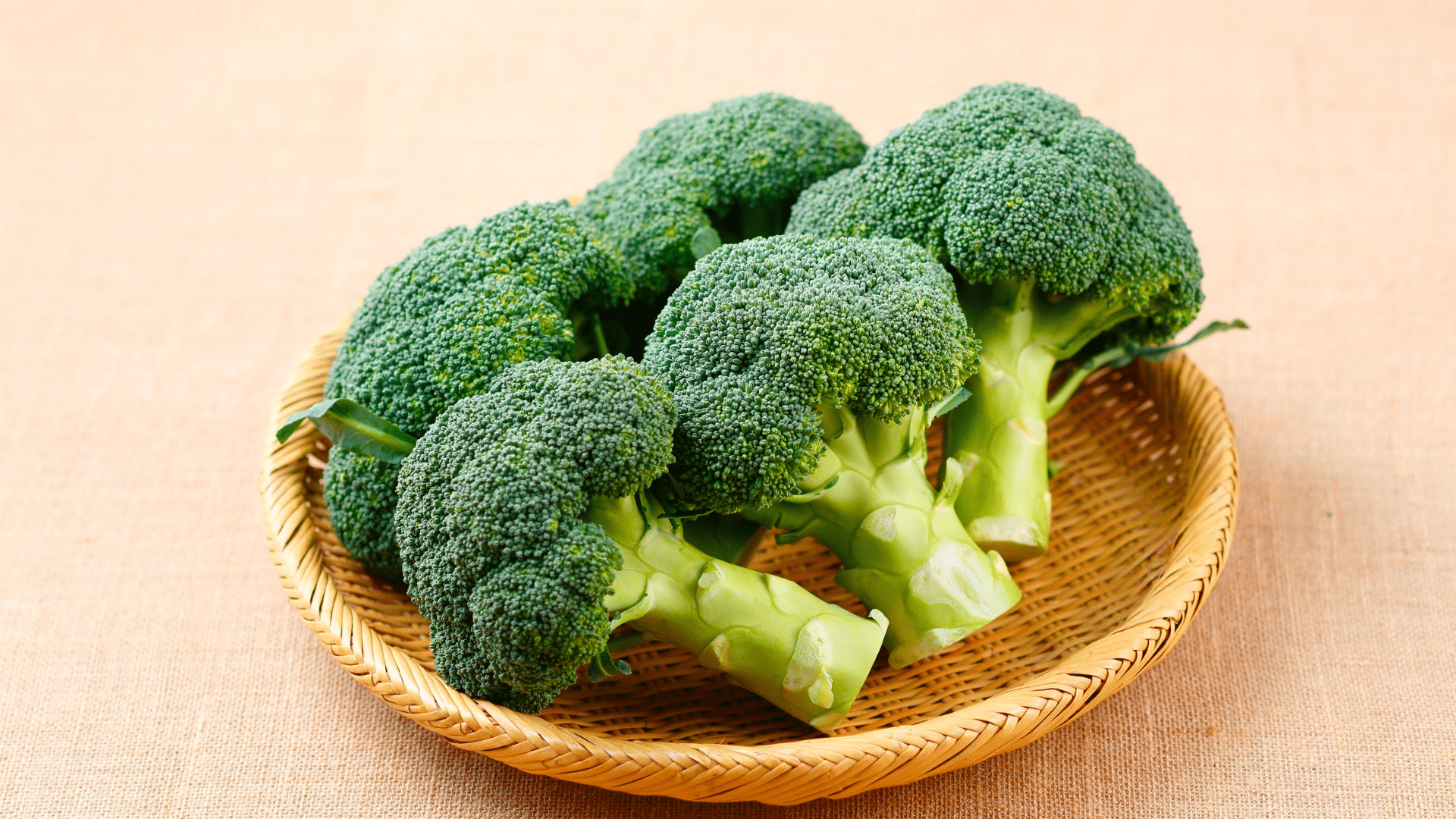
Broccoli is a powerhouse vegetable known for its high nutritional value and disease-fighting compounds. It offers fiber, antioxidants, and plant chemicals that support long-term health.
Its slightly bitter taste becomes mild when cooked properly. Including broccoli in meals is a simple way to improve nutrient variety and digestive support.
Health Benefits:
- Supports Heart Health: Broccoli helps improve cardiovascular health and reduce inflammation.
- Regulates Blood Sugar: The fiber and antioxidants in broccoli help maintain stable blood sugar levels.
- Aids Digestion: The fiber in broccoli promotes healthy digestion and supports gut health.
- Reduces Cancer Risk: Sulforaphane, an antioxidant, has been shown to lower the risk of cancer.
Cooking Tip: Steam broccoli to preserve its antioxidants or add it to stir-fries, soups, or salads for a healthy boost.
3. Kale
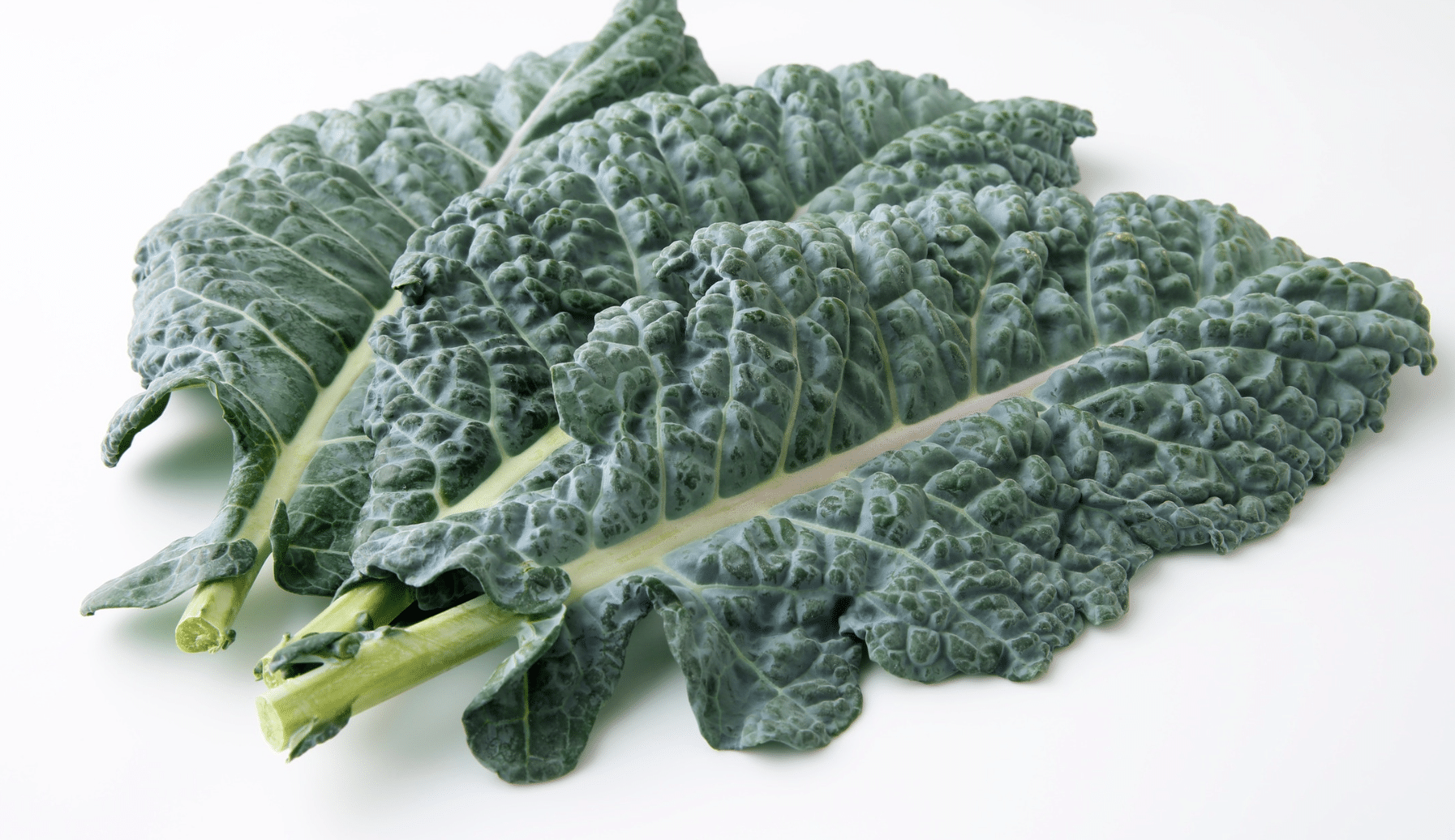
Kale is a deeply pigmented leafy green packed with vitamins and protective plant compounds. It supports immune health, bone strength, and cardiovascular function.
Its firm texture holds up well in salads and cooked dishes. Regularly including kale in meals helps boost micronutrient intake while supporting overall wellness.
Health Benefits:
- Supports Bone Health: Rich in calcium and vitamin K, essential for strong bones.
- Promotes Cardiovascular Health: Antioxidants in kale help protect heart health.
- Boosts Immune Function: Vitamin C supports a healthy immune system.
Cooking Tip: Kale can be used in salads, smoothies, or roasted into crispy kale chips for a crunchy snack.
4. Bell Peppers
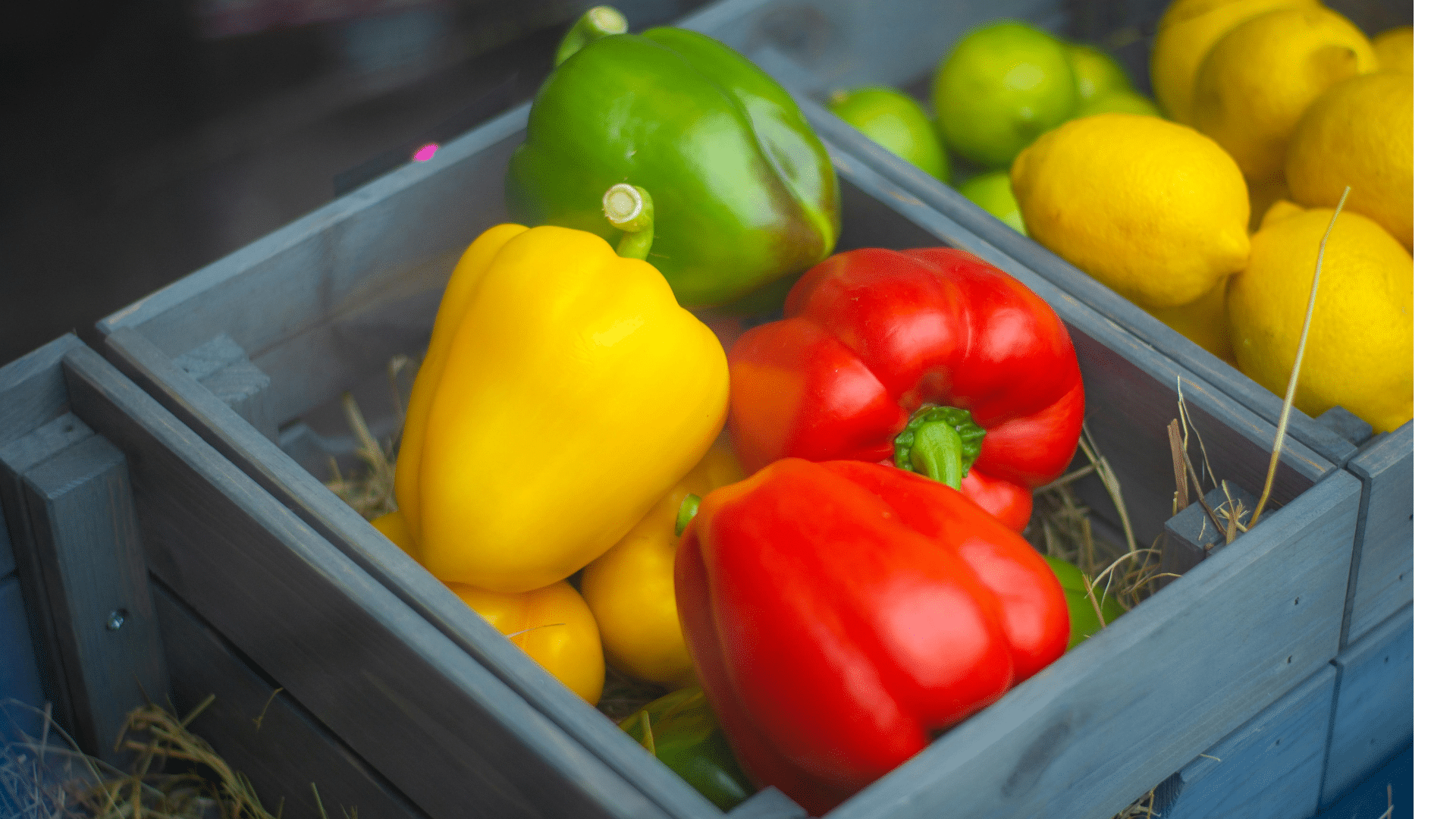
Bell peppers are colorful vegetables rich in antioxidants and essential vitamins. Their crisp texture and natural sweetness make them easy to enjoy raw or cooked.
Different colors offer slightly different nutrient profiles. Adding bell peppers to meals enhances flavor while contributing to immune support and cellular protection.
Health Benefits:
- Boosts Immune Function: High in vitamin C, supporting your immune system.
- Promotes Healthy Skin: Antioxidants in bell peppers help keep skin glowing.
- Aids Weight Management: Low in calories and helps with weight control.
- Unique Antioxidants: Different colors provide various antioxidant benefits.
Cooking Tip: Roast, grill, or stuff with healthy fillings to make a delicious, nutritious dish.
5. Carrots
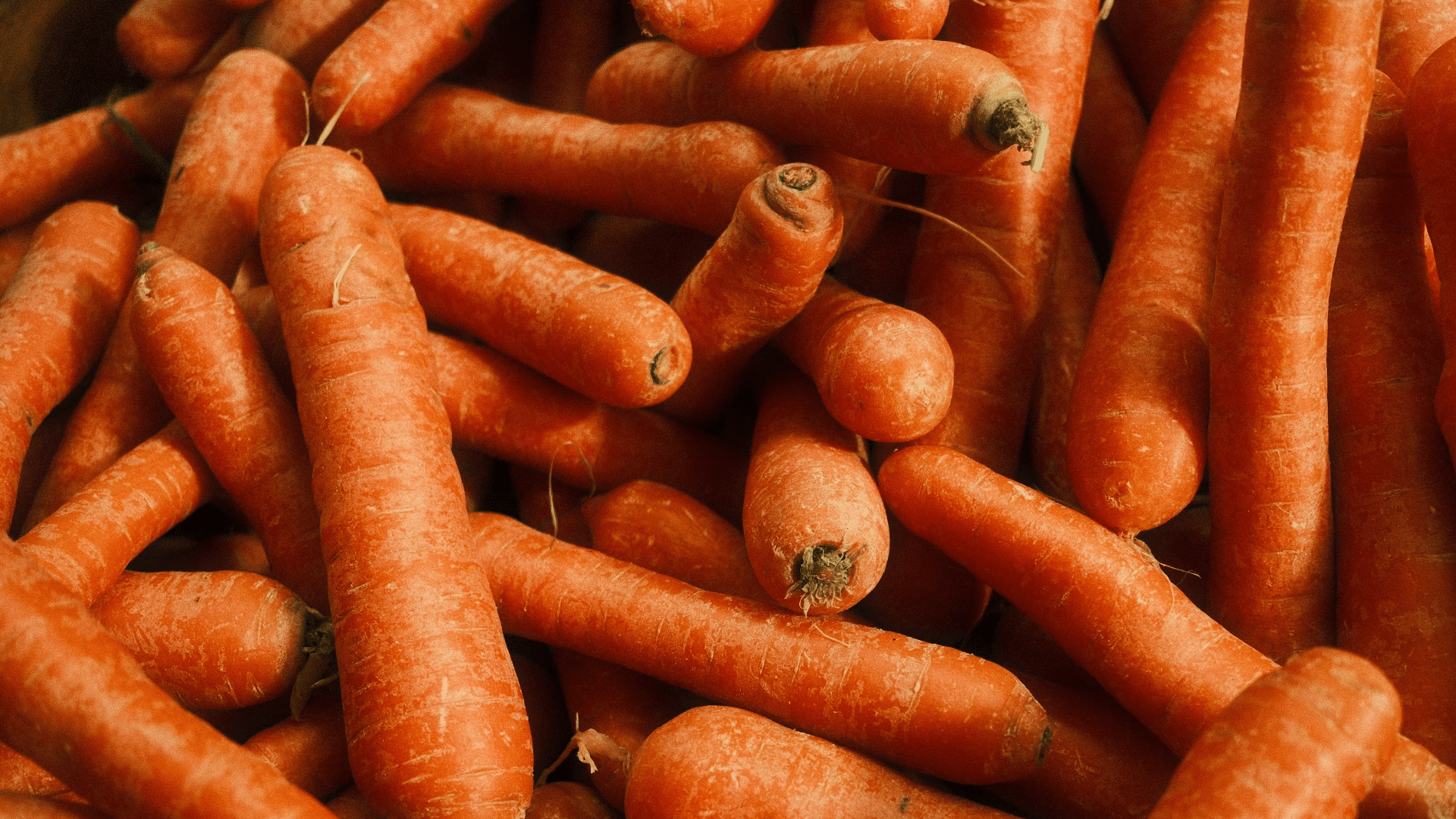
Carrots are naturally sweet root vegetables loaded with beta-carotene and fiber. They support vision, immune strength, and digestive balance.
Their crunch makes them ideal for snacks, while cooking improves their natural sweetness. Including carrots regularly provides steady antioxidant support and essential nutrients for daily health.
Health Benefits:
- Supports Eye Health: High in beta-carotene, which converts to vitamin A for better vision.
- Boosts Immune Function: Vitamin A helps strengthen the immune system.
- Protects Skin: Beta-carotene can protect the skin from sun damage.
Cooking Tip: Enjoy carrots raw, in soups, or roasted for a sweet flavor in any dish.
6. Beets
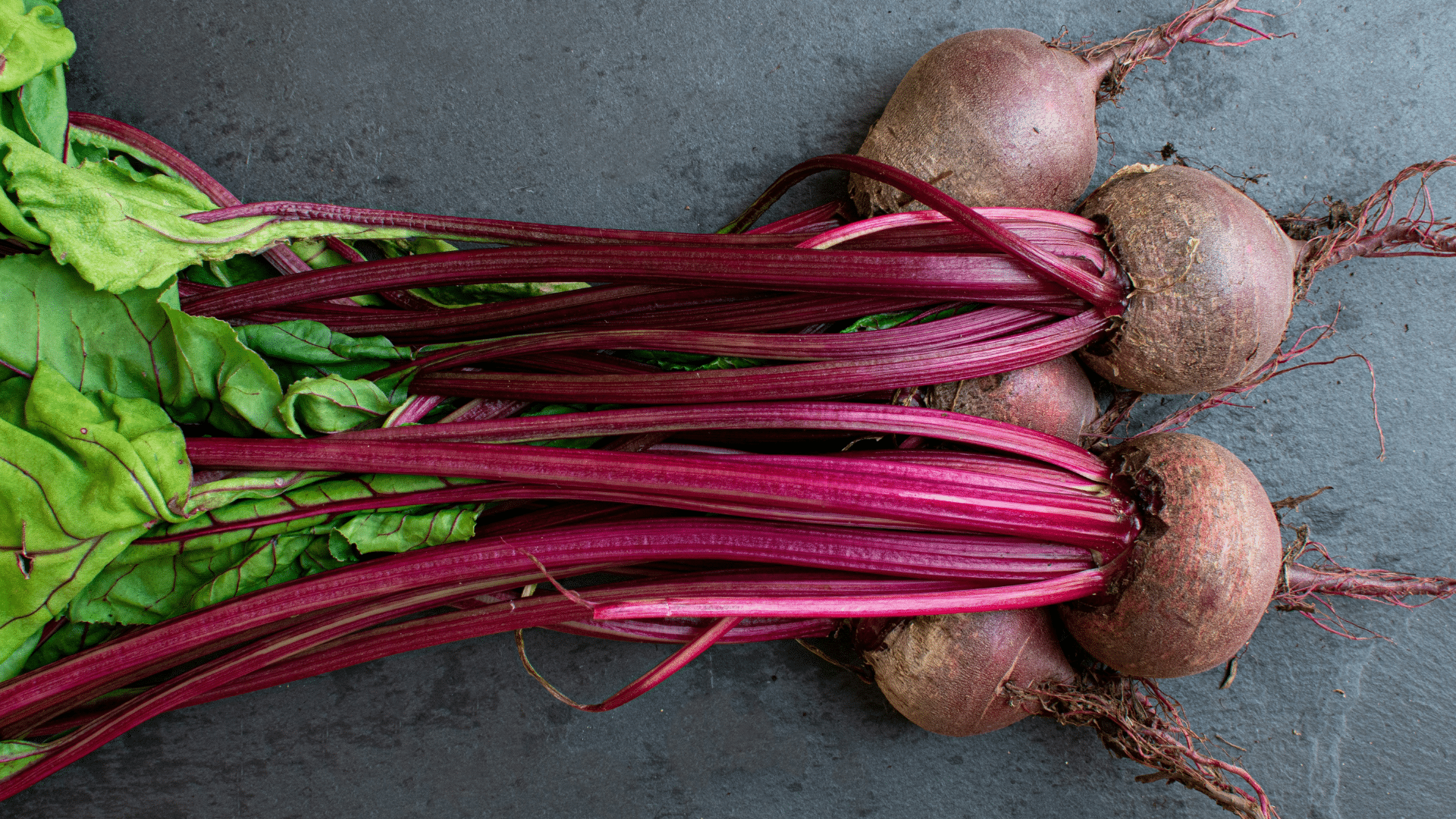
Beets are vibrant root vegetables known for their rich color and circulation-supporting compounds. They provide antioxidants and natural nitrates that may support blood flow and endurance.
Their earthy flavor pairs well with salads and roasted dishes. Adding beets to meals supports cardiovascular and liver function.
Health Benefits:
- Supports Blood Flow: Beets help improve circulation and heart health.
- Promotes Liver Health: They help detoxify the liver.
- Lowers Blood Pressure: Beets may help lower blood pressure.
- Protects Cells: Betalains act as antioxidants, helping protect cells from damage.
Cooking Tip: Roast beets, grate them raw into salads, or blend them into smoothies for an earthy flavor.
7. Sweet Potatoes

Sweet potatoes are nutrient-dense root vegetables that offer steady energy and fiber. Their natural sweetness and versatility make them easy to include in meals.
Rich in antioxidants, they support immune health and digestive balance. Regular intake contributes to stable blood sugar and long-lasting satiety.
Health Benefits:
- Regulates Blood Sugar: Helps maintain healthy blood sugar levels.
- Improves Digestion: High in fiber, aiding digestion and promoting gut health.
- Boosts Immunity: Rich in vitamin A, supporting the immune system.
- Supports Weight Management: Fiber helps keep you fuller longer, aiding in weight control.
Cooking Tip: Roast, mash, or cube sweet potatoes for a savory addition to salads or serve as a side dish.
8. Green Peas
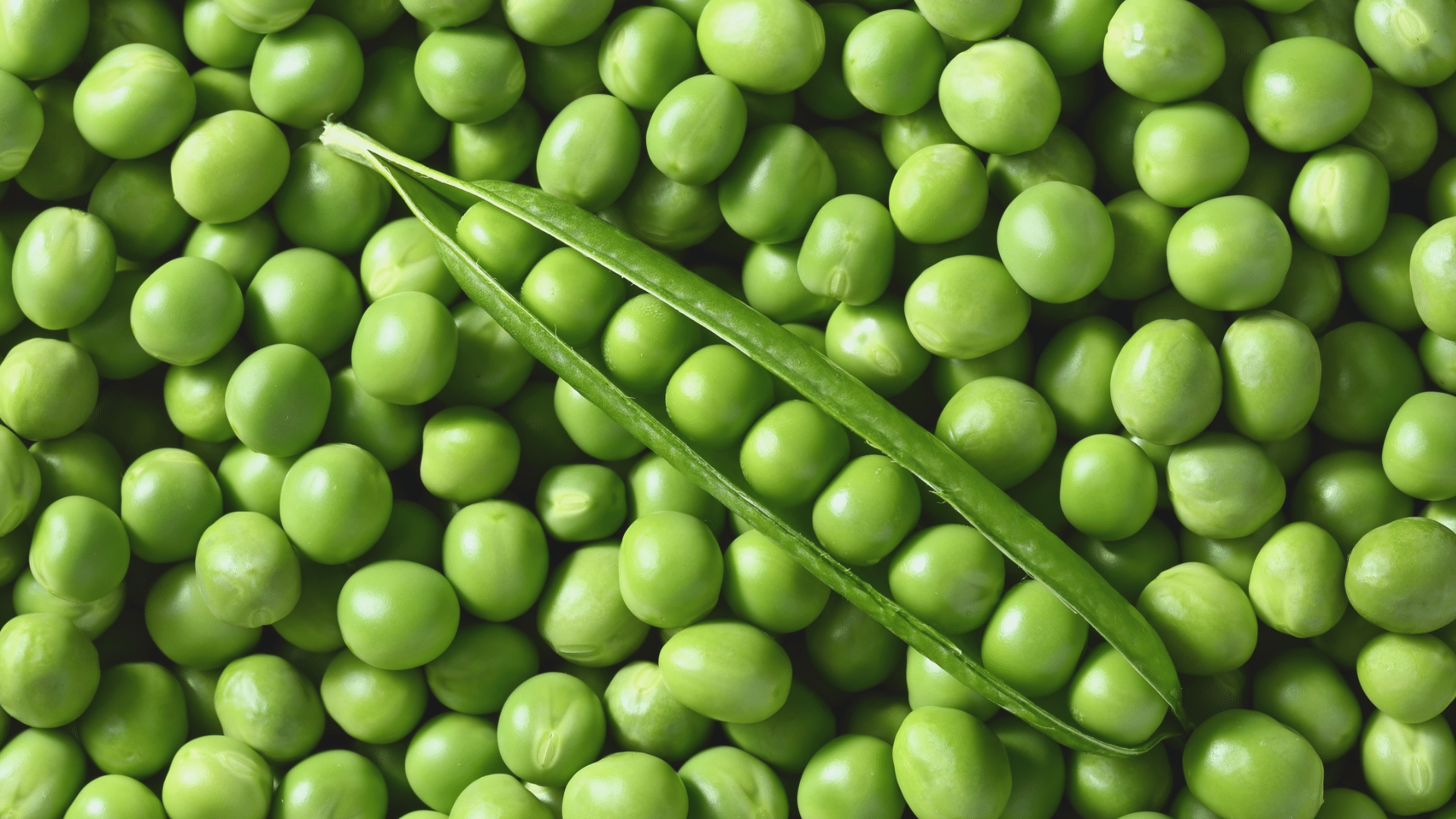
Green peas are small legumes packed with plant protein and fiber. They support digestive health and help maintain fullness after meals.
Their mild flavor blends well with soups, salads, and side dishes. Adding peas regularly increases protein intake while supporting heart and metabolic health.
Health Benefits:
- Supports Weight Management: High in protein and fiber, helping you feel full longer.
- Promotes Heart Health: The antioxidants and nutrients in peas support heart health.
- Aids Muscle Building: Protein helps with muscle repair and growth.
- Supports Digestion: Fiber promotes healthy digestion and gut health.
Cooking Tip: Add green peas to salads, soups, or enjoy them as a simple side dish.
9. Cauliflower
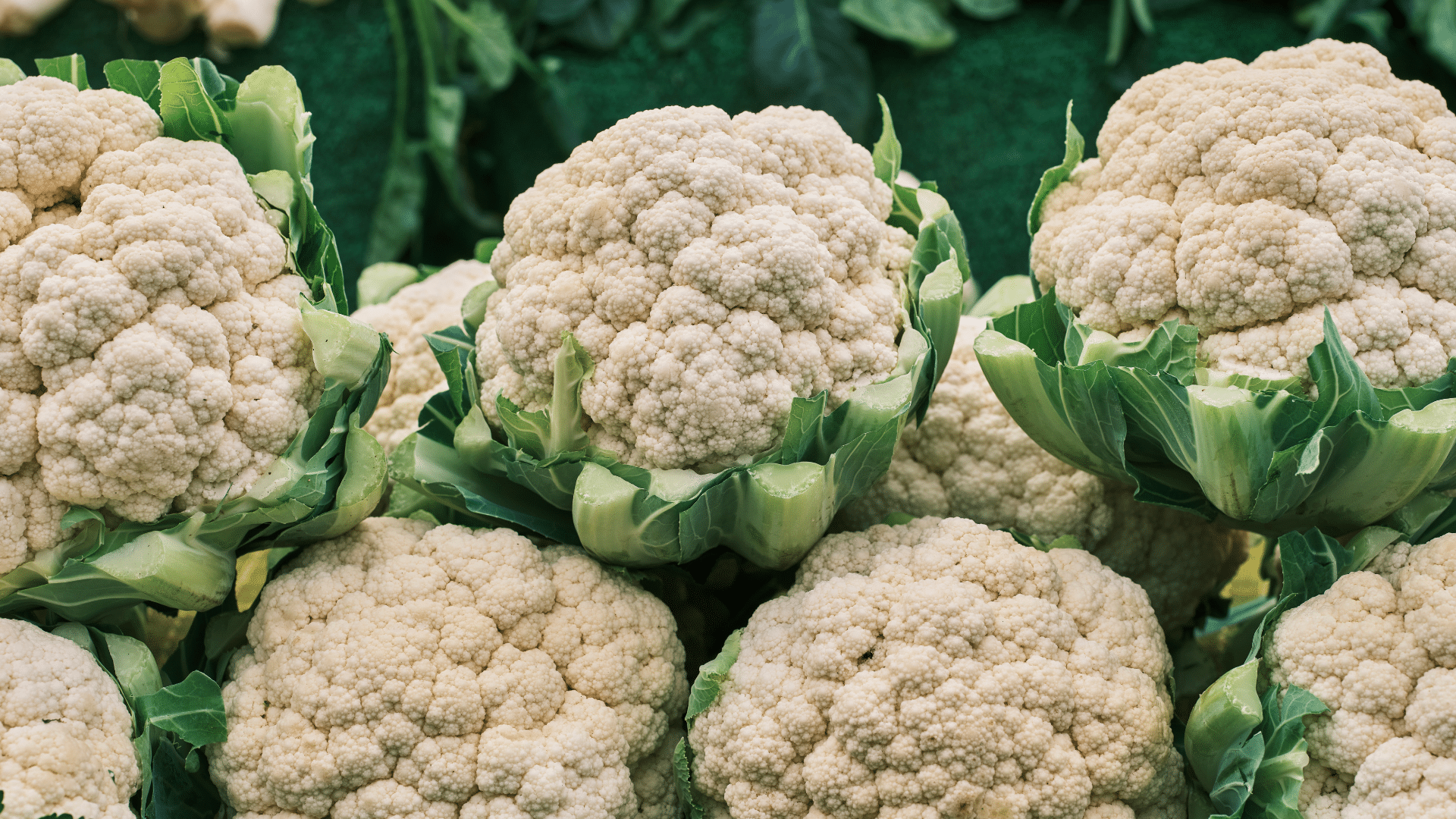
Cauliflower is a versatile vegetable that can replace higher-calorie ingredients in many dishes. It provides fiber, vitamin C, and protective antioxidants.
Its neutral taste adapts well to roasting, steaming, or blending. Including cauliflower regularly helps support digestion and overall cellular health
Health Benefits:
- Supports Brain Health: Contains compounds that support cognitive function.
- Reduces Inflammation: Antioxidants help lower inflammation in the body.
- Protects Against Cancer: Certain compounds in cauliflower may help reduce the risk of cancer.
Cooking Tip: Steam or roast cauliflower to retain maximum nutrients, or mash it as a low-carb substitute for potatoes.
10. Asparagus
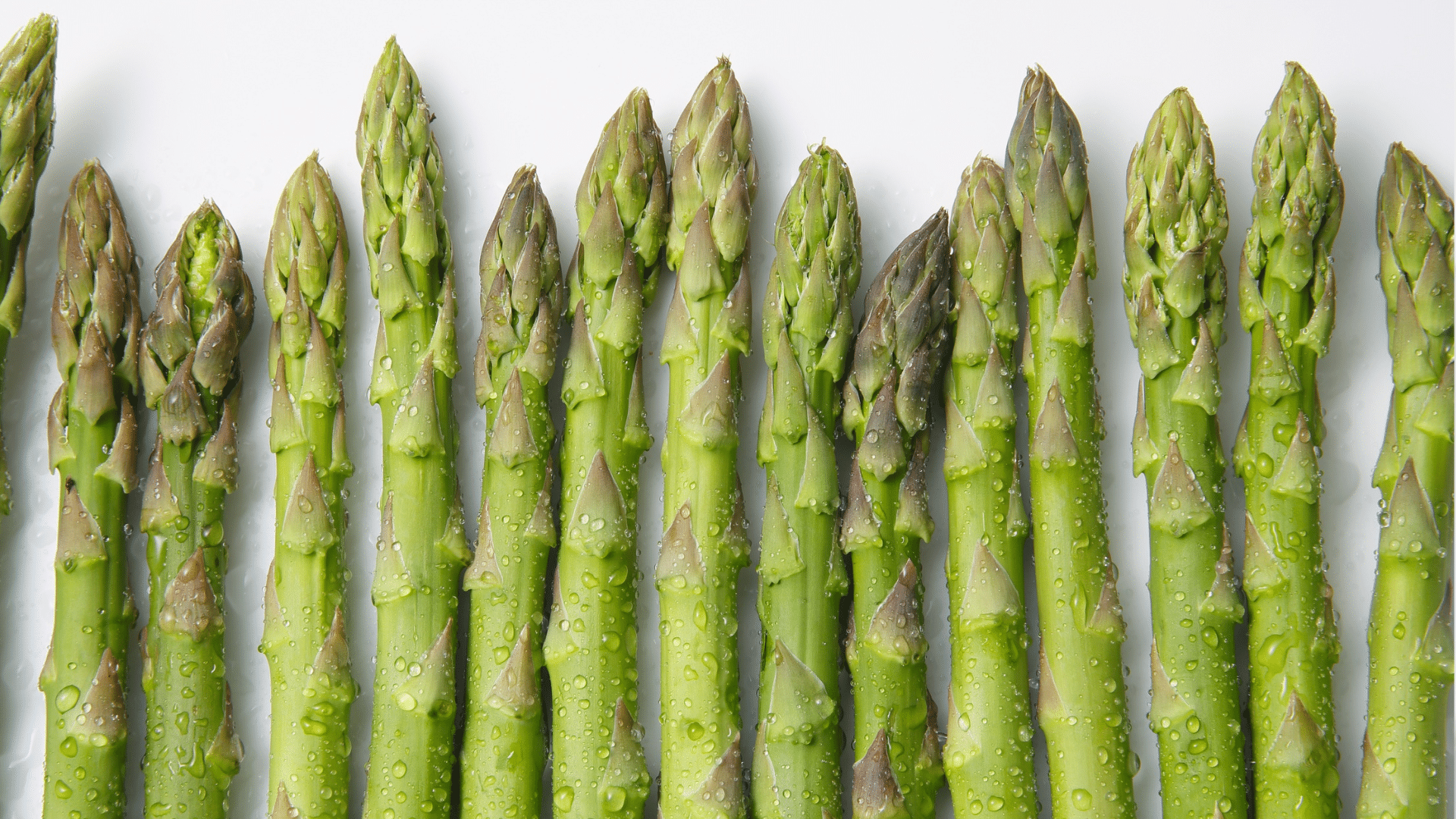
Asparagus is a spring vegetable rich in vitamins and detox-supporting compounds. It supports bone health, digestion, and heart function. Its unique flavor pairs well with simple seasonings.
Adding asparagus to meals helps increase fiber intake while supporting overall nutrient balance.
Health Benefits:
- Supports Bone Health: High in vitamin K, crucial for bone strength and blood clotting.
- Promotes Heart Health: Helps prevent calcification in the arteries, supporting cardiovascular health.
Cooking Tip: Grill, steam, or roast asparagus for a nutritious side dish.
11. Watercress
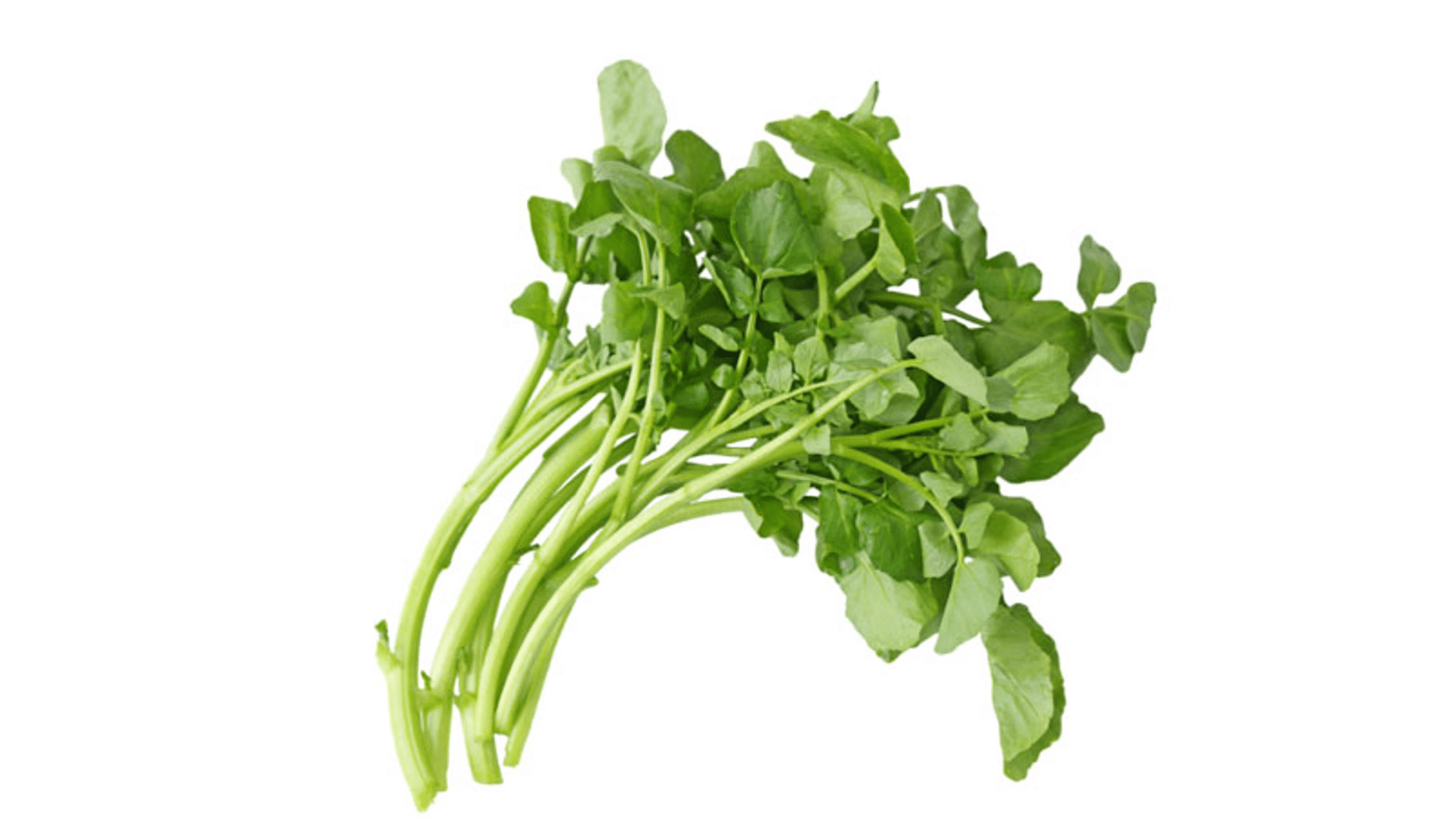
Watercress is a peppery leafy green loaded with concentrated nutrients. It provides antioxidants that support cellular protection and bone health.
Its bold flavor improves salads and soups. Including watercress adds variety and boosts micronutrient density in everyday meals.
Health Benefits:
- Supports Bone Health: Rich in vitamin K, essential for strong bones.
- Protects Cells: Antioxidants help protect cells from damage and support overall health.
Cooking Tip: Toss into salads, add to soups, or use as a garnish.
12. Brussels Sprouts
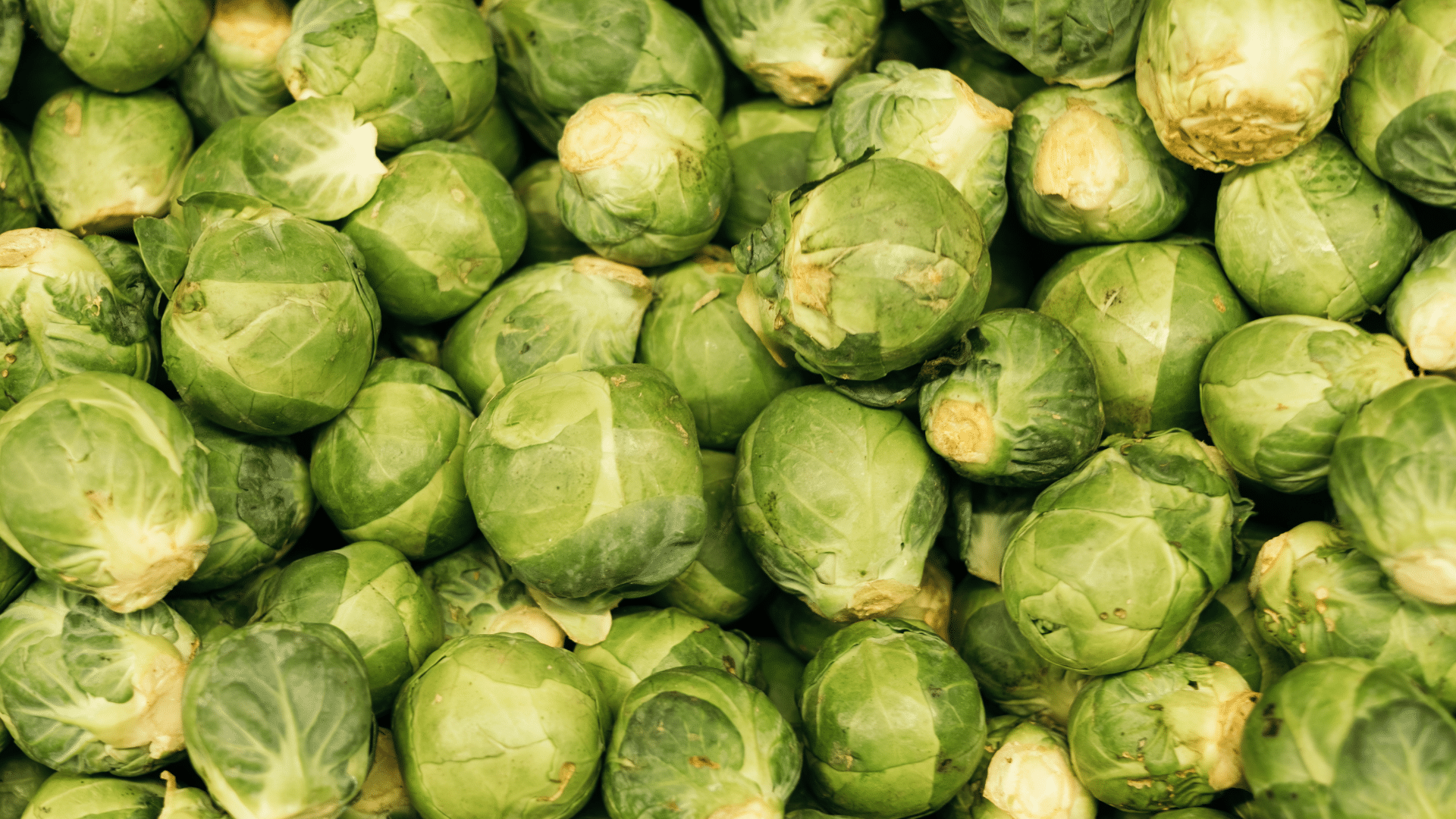
Brussels sprouts are compact vegetables packed with fiber and protective plant compounds. They support digestion, immune strength, and inflammation control.
When roasted, they develop a mild, nutty flavor. Regular consumption contributes to better gut balance and overall metabolic support.
Health Benefits:
- Reduces Inflammation: Helps lower inflammation in the body.
- Supports Digestive Health: High in fiber, promoting healthy digestion.
- Cancer Prevention: Glucosinolates provide cancer-fighting properties.
Cooking Tip: Roast or sauté Brussels sprouts with garlic and olive oil for a crispy side dish.
13. Swiss Chard
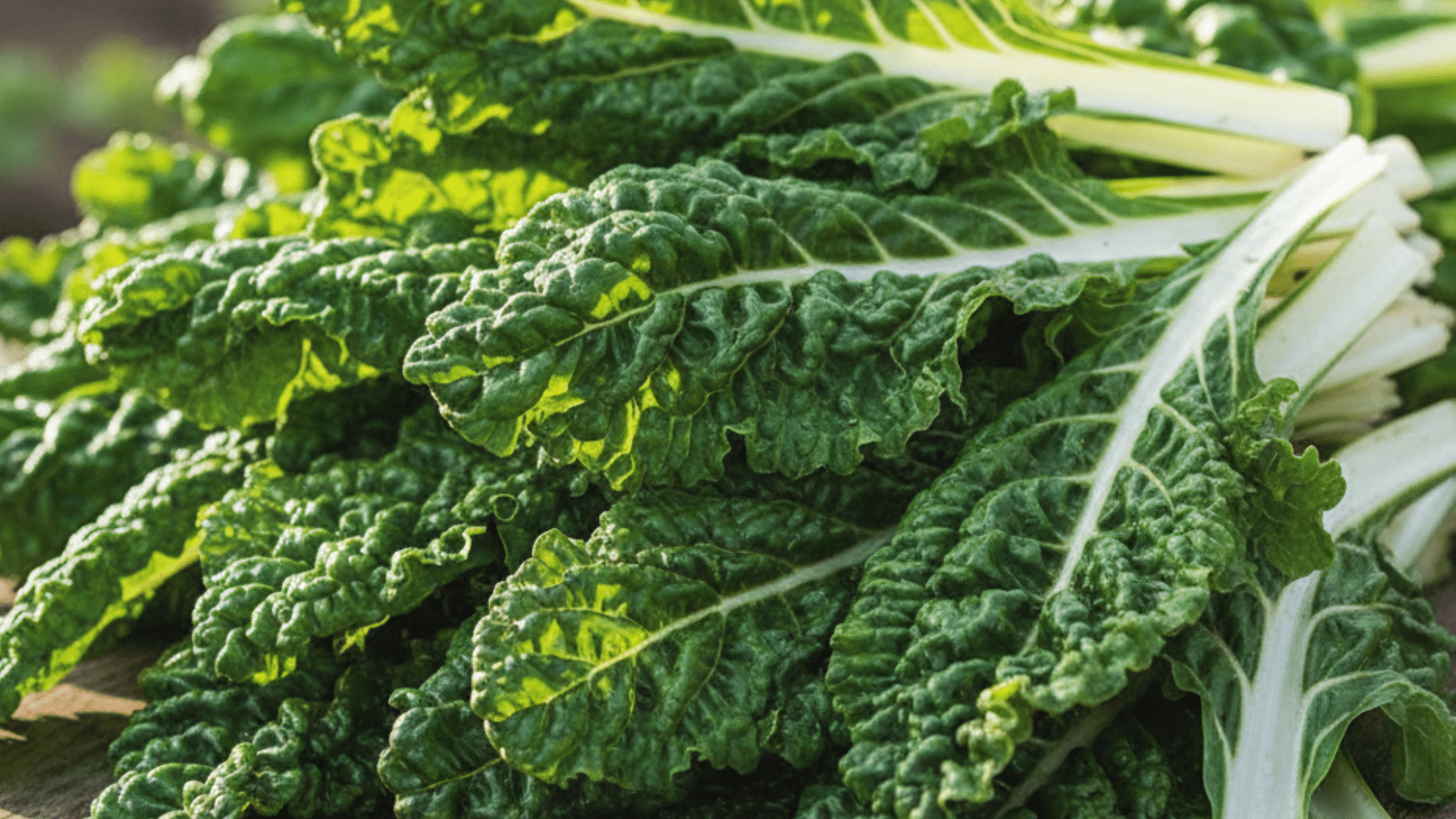
Swiss chard is a colorful leafy green rich in magnesium and potassium. It supports heart rhythm, blood pressure regulation, and muscle function.
Its slightly earthy taste works well sautéed or added to soups. Including Swiss chard improves mineral intake and overall dietary balance.
Health Benefits:
- Supports Heart Health: Magnesium and potassium help maintain healthy heart function.
- Regulates Blood Pressure: High potassium levels help regulate blood pressure.
Cooking Tip: Sauté with garlic or add to soups and stews for added nutrients.
14. Okra
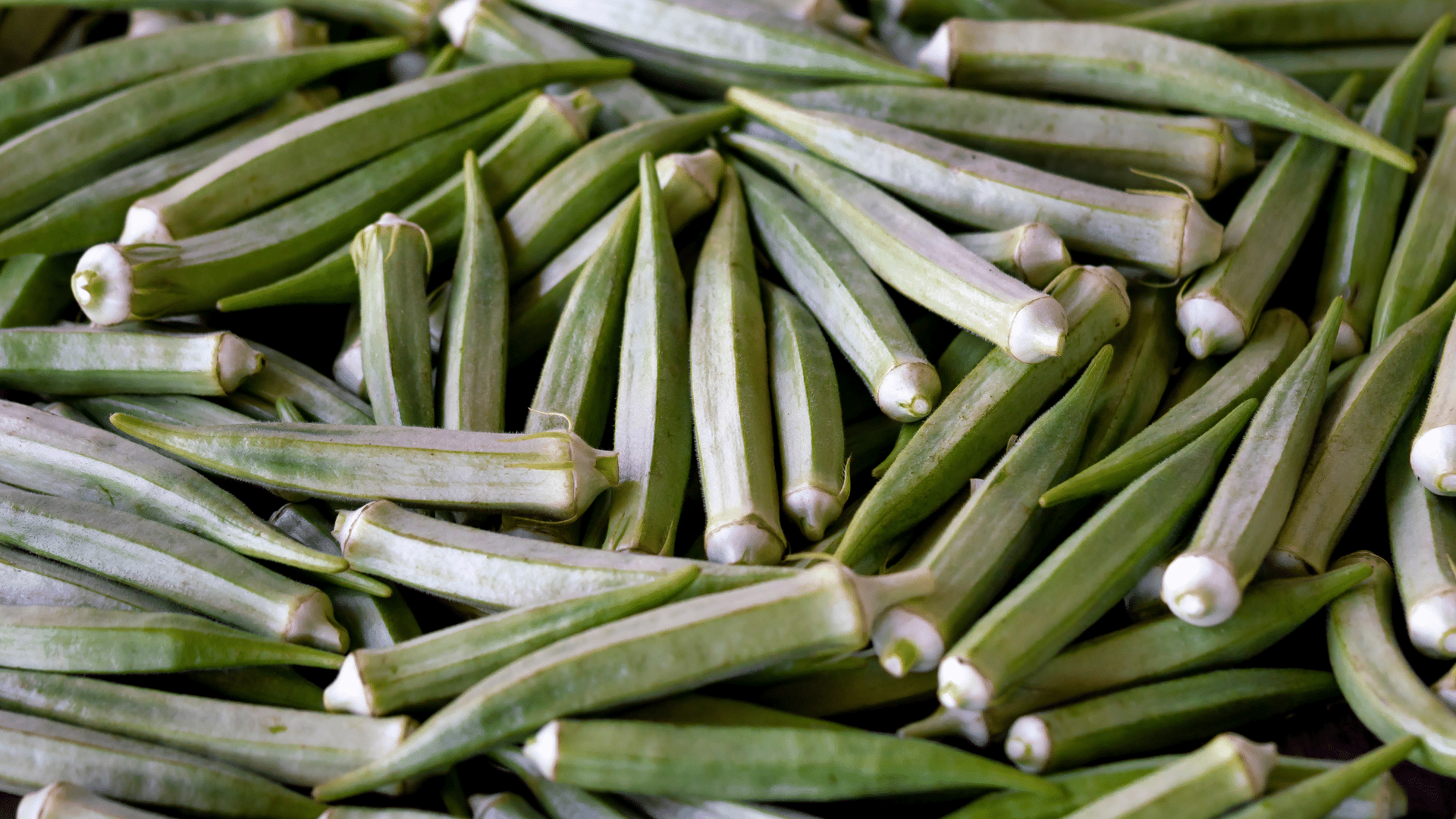
Okra is a fiber-rich vegetable known for its unique texture and digestive benefits. It supports gut health and stable blood sugar levels. Its mucilaginous quality can aid digestion.
Adding okra to meals increases fiber intake and promotes metabolic support.
Health Benefits:
- Promotes Gut Health: High in fiber, aiding digestion and supporting gut health.
- Lowers Blood Sugar: Helps regulate blood sugar levels.
- Supports Heart Health: Antioxidants in okra help protect heart function.
Cooking Tip: Add to gumbo, curry, or grill it for a tasty side.
15. Zucchini

Zucchini is a light, hydrating vegetable that fits easily into many dishes. It provides fiber, potassium, and antioxidants that support digestion and heart health.
Its mild flavor makes it adaptable for roasting, sautéing, or spiralizing. Regular use supports balanced nutrition.
Health Benefits:
- Supports Digestive Health: High in fiber, zucchini promotes healthy digestion and aids in regular bowel movements.
- Regulates Blood Pressure: Potassium in zucchini helps maintain healthy blood pressure levels.
Cooking Tip: Spiralize zucchini into noodles, roast it, or add it to casseroles for a delicious and nutritious meal.
16. Eggplant

Eggplant is a fiber-rich vegetable known for its deep purple skin and antioxidant content. It supports heart health and blood sugar regulation.
When cooked properly, it becomes soft and flavorful. Including eggplant regularly adds variety and cardiovascular support to meals.
Health Benefits:
- Regulates Blood Sugar: The fiber in eggplant helps control blood sugar levels.
- Lowers Cholesterol: Rich in antioxidants, eggplant can help lower cholesterol levels and improve heart health.
- Promotes Heart Health: High in fiber and antioxidants, eggplant supports overall cardiovascular health.
Cooking Tip: Grill or roast eggplant for a savory dish, or add it to stews for added flavor and nutrients.
17. Tomatoes
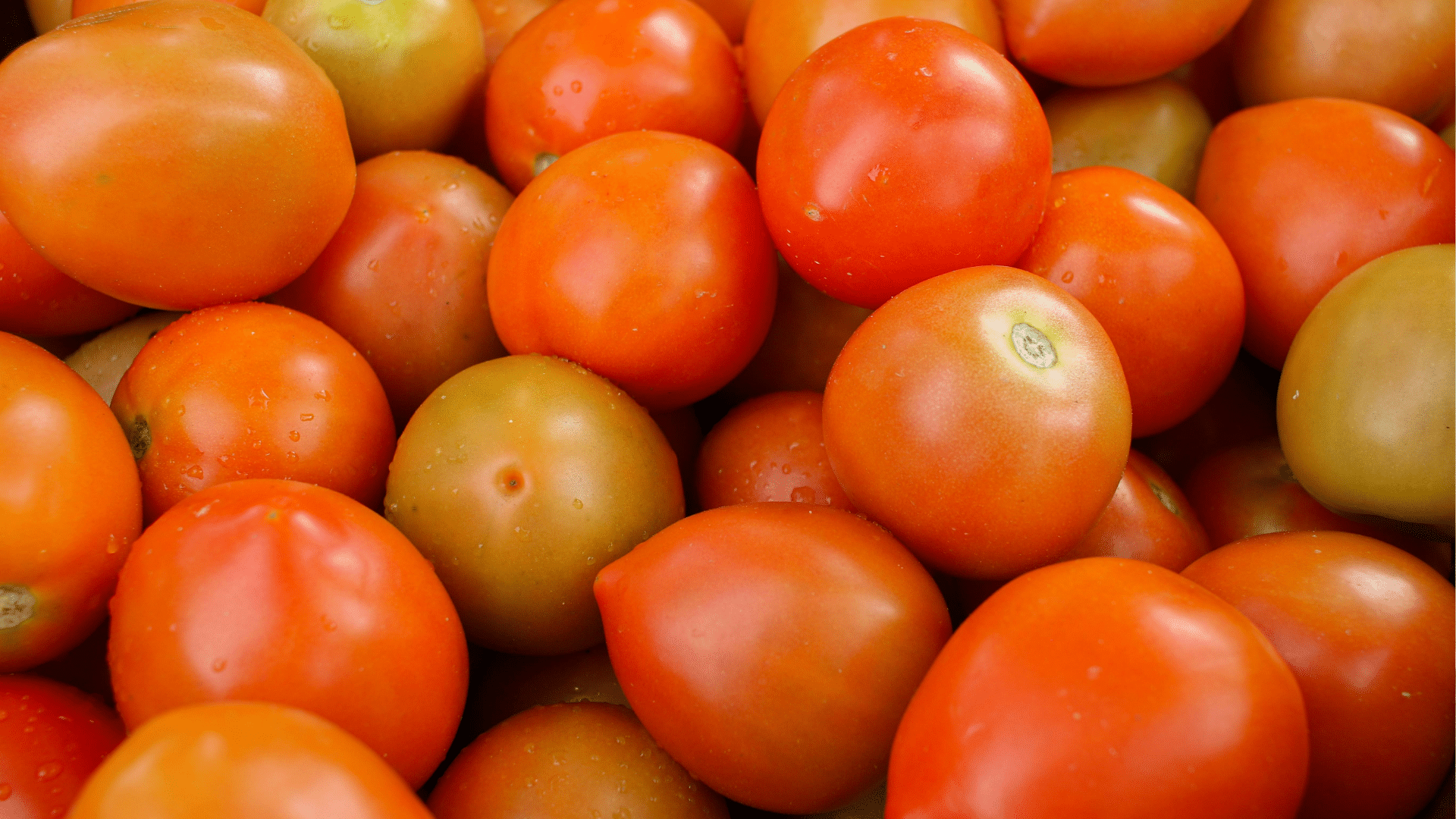
Tomatoes are juicy fruits commonly used as vegetables in cooking. They are rich in lycopene, a powerful antioxidant linked to heart and cellular health.
Their versatility makes them easy to include daily. Adding tomatoes boosts vitamin C intake and antioxidant protection.
Health Benefits:
- Prevents Heart Disease: Lycopene helps reduce the risk of heart disease.
- Offers Cancer Protection: Lycopene also has cancer-fighting properties.
- Supports Skin Health: Antioxidants in tomatoes contribute to healthy, glowing skin.
- Boosts Immunity: High in vitamin C, tomatoes support the immune system.
Cooking Tip: Use in salads, pasta sauces, or roasts for a deeper flavor.
18. Mushrooms

Mushrooms are low-calorie foods packed with antioxidants and unique nutrients. They support immune balance, bone health, and inflammation control.
Their savory taste improves many dishes. Including mushrooms regularly adds micronutrients and immune-supporting compounds to your diet.
Health Benefits:
- Supports Bone Health: Mushrooms are a great source of vitamin D, essential for bone strength.
- Boosts Immune Function: Vitamin D also plays a key role in immune system health.
- Reduces Inflammation: Antioxidants in mushrooms help reduce inflammation and oxidative stress.
Cooking Tip: Sauté mushrooms with olive oil or add them to soups and stir-fries for an extra boost of flavor.
19. Artichokes
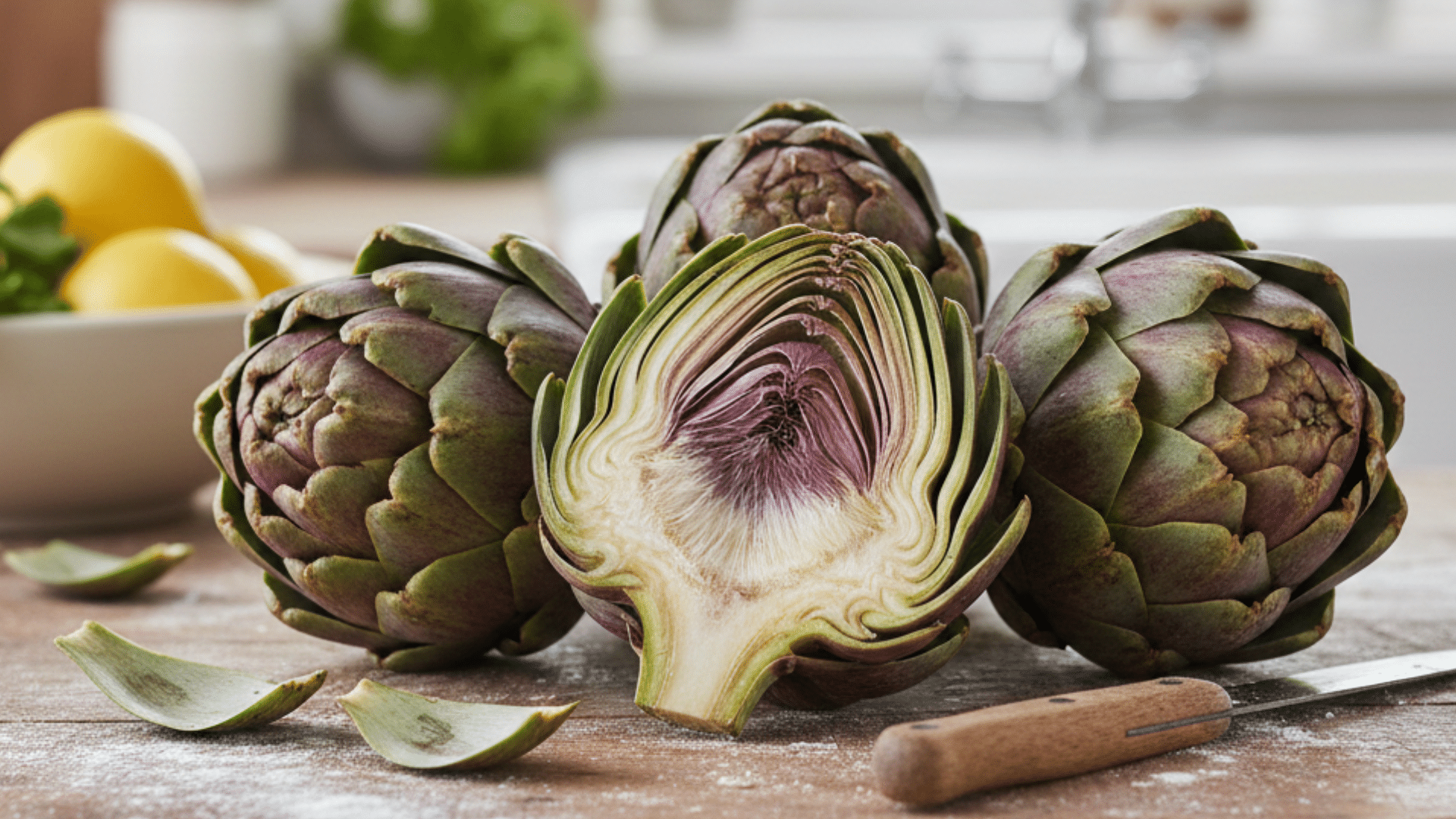
Artichokes are fiber-dense vegetables known for supporting digestion and liver health. Their natural plant compounds contribute to cholesterol balance and metabolic support.
Though they require preparation, they provide concentrated nutrition. Adding artichokes increases fiber intake and supports overall digestive function.
Health Benefits:
- Promotes Liver Health: Artichokes support detoxification and liver function.
- Supports Digestion: High in fiber, they aid in digestion and gut health.
- Lowers Blood Cholesterol: The antioxidants and fiber help reduce cholesterol levels.
Cooking Tip: Steam or roast artichokes and serve with a lemon-garlic dipping sauce for a delicious treat.
Vegetable Myths vs. Facts: Setting the Record Straight
Clarify the truth behind common vegetable myths, from the nutritional value of frozen veggies to the benefits of starchy vegetables, and why eating a variety is essential for a healthy diet.
| Myth | Fact |
|---|---|
| Frozen vegetables are less nutritious than fresh. | Frozen vegetables can be just as nutritious, and sometimes even more so. |
| Starchy vegetables like potatoes are bad for you. | Sweet potatoes and regular potatoes can be part of a healthy diet when eaten in moderation. |
| All vegetables are equal in nutrients. | Different vegetables provide different nutrients, and a variety is needed for a nutrient-dense diet. |
Debunking common myths about vegetables can help make better choices and ensure a nutrient-rich diet for overall health.
Final Thoughts
The healthiest vegetables to eat are probably already on your grocery list. Spinach, kale, broccoli, and sweet potatoes are where I would personally start.
You don’t need to overhaul your meals overnight. I like tossing leafy greens into my salad, adding broccoli to a stir-fry, or roasting Brussels sprouts for dinner. Simple swaps that I barely notice, but my body definitely does.
Focus on variety and consistency, not perfection. Eating a mix of vegetables most days matters far more than getting every meal exactly right. I started with just one or two new veggies a week, and it made a real difference for me.
Which vegetable are you adding to your meals this week? Comment below and let us know!