




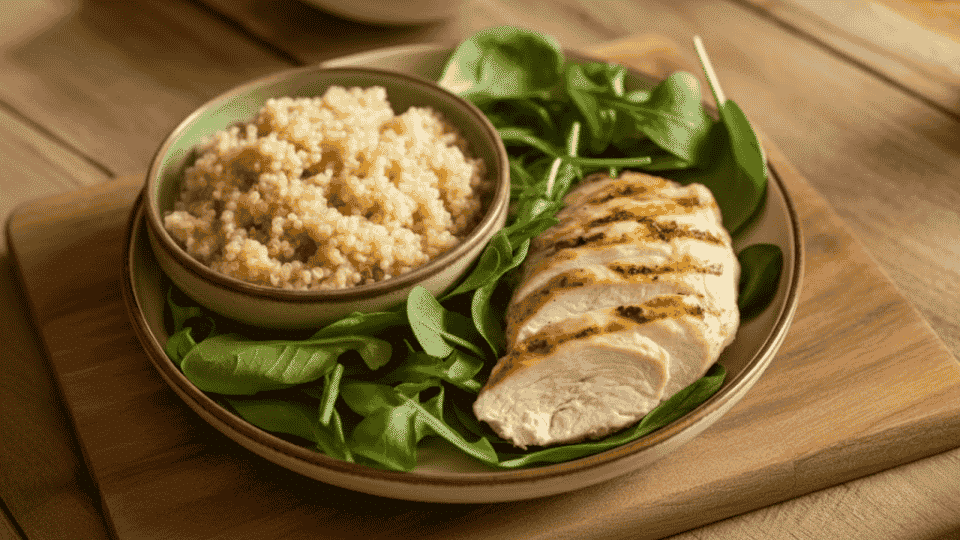









I’ll be honest, I was skeptical about the low-sulfur diet at first. The idea of cutting back on so many familiar foods seemed daunting. But after giving it a try, I found myself feeling better than ever.
If you’re struggling with digestive discomfort or conditions like sulfur sensitivity, SIBO, or IBD, this diet could be exactly what you need. By reducing high-sulfur foods, you can relieve bloating, diarrhea, and constipation. It’s a simple yet powerful change that has the potential to transform your digestive health.
I’m excited to share everything I know about the low-sulfur diet, including the foods to focus on and what to avoid. Get ready to feel better and improve your gut health with this easy adjustment.
What Is a Low Sulfur Diet?
A low-sulfur diet focuses on reducing foods that are high can sulfur, which can irritate the digestive system. It’s commonly used by individuals dealing with sulfur sensitivity, IBS, or SIBO to help manage symptoms and improve gut health.
The primary goal is to reduce inflammation and alleviate symptomssuch as bloating, constipation, and diarrhea, which are often triggered by sulfur-rich foods. People with digestive issues, such as gas or discomfort after eating certain foods, may find relief with this diet.
Additionally, those with SIBO or IBD can benefit from limiting sulfur intake to reduce irritation and improve overall digestive function. If you’re struggling with these issues, a low-sulfur diet may be a helpful option.
To follow a low-sulfur diet, it’s essential to choose foods that are naturally low in sulfur while avoiding those that can trigger discomfort. Here’s a breakdown of what to eat and what to avoid.
Key Components of a Low Sulfur Diet
To follow a low-sulfur diet, focus on including sulfur-free foods while avoiding those that are high in sulfur. This helps reduce digestive discomfort and supports overall gut health.
Foods to Include on a Low-Sulfur Diet
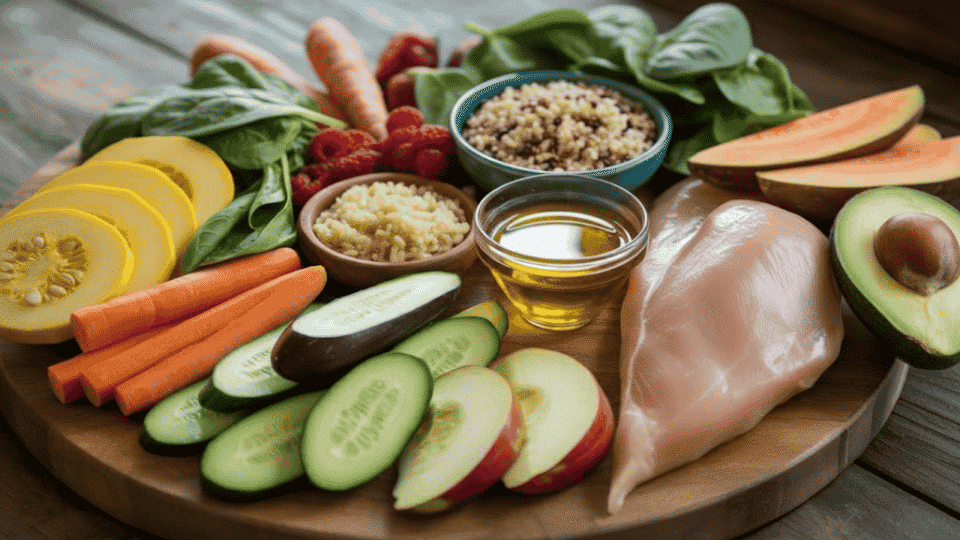
When planning meals, focus on the following foods that are low in sulfur and provide the necessary nutrients for good health:
- Vegetables: Squash (all types), carrots, eggplant, cucumbers, spinach, lettuce, and celery.
- Fruits: Fresh fruits like berries, apples, pears, peaches, and melons.
- Proteins: Small portions (3-4 oz) of chicken, turkey, lamb, and fish.
- Starches & Grains: Rice, quinoa, sweet potatoes, yams, and potatoes.
- Fats/Oils: Healthy oils like olive oil, avocado, and coconut oil.
These foods will support digestion, keep your meals satisfying, and reduce sulfur intake.
Foods to Avoid or Limit on a Low-Sulfur Diet
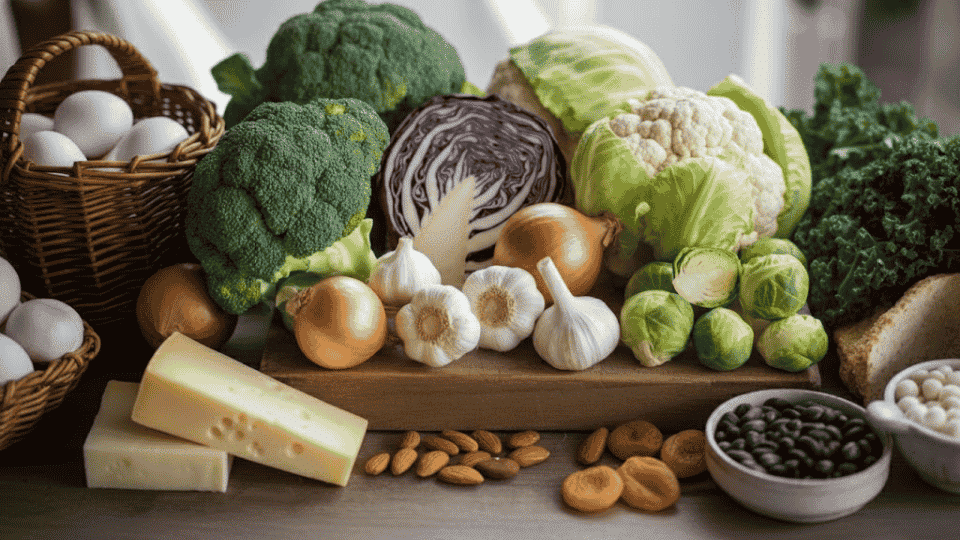
Certain foods are high in sulfur and should be avoided to help keep your gut comfortable and balanced. Be mindful of the following:
- Cruciferous Vegetables: Broccoli, cauliflower, kale, cabbage, Brussels sprouts.
- Alliums: Garlic, onions, shallots, leeks, and chives.
- Dairy & Eggs: Cheese, yogurt, milk, and eggs.
- Legumes & Nuts: Beans, lentils, soy, and most nuts (except chestnuts).
- Processed and Dried Foods: Dried fruits, alcohol, and processed foods can contain hidden sulfur.
By limiting these foods, you can better manage sulfur sensitivity and improve your digestive health.
How a Low Sulfur Diet Works to Relieve Symptoms
When I first adjusted my meals, I noticed changes within days. Here’s how a low-sulfur diet supports symptom relief.
Digestive Relief and Reduced Inflammation
When you remove high-sulfur foods, your gut gets a break from constant irritation. I noticed less bloating and gas once I stopped eating sulfur-heavy ingredients.
This approach can ease symptoms linked to IBS, IBD, and SIBO by calming digestive stress. With fewer trigger foods entering your system, inflammation in the digestive tract often decreases, helping your stomach feel more settled and balanced overall.
Energy and Overall Gut Function
One thing I did not expect was the steady lift in my daily energy. When bloating and digestive discomfort eased, I felt lighter and more focused.
A calmer gut supports smoother digestion, which can help your body absorb nutrients more efficiently. When your digestive system runs better, your overall well-being often improves, and you may notice more consistent comfort after meals.
Small changes in diet can make a noticeable difference. Giving your gut space to recover may help you feel steadier and more comfortable each day.
Benefits of a Low Sulfur Diet

When I started the low-sulfur diet, the benefits were clear within a few days. This diet provides several advantages, particularly for people with sulfur sensitivity or digestive issues. Here’s why it’s beneficial:
- Reduces Inflammation: Cutting back on sulfur-rich foods like garlic and onions can help reduce gut inflammation and discomfort.
- Supports Gut Health: It eases symptoms of SIBO and IBD while reducing bloating, gas, and digestive stress.
- Improved Digestion: Helps with common issues such as diarrhea, constipation, and stomach cramps, promoting smoother digestion.
- Better Nutrient Absorption: Less gut irritation allows your digestive system to absorb nutrients more effectively, improving overall health.
- Enhances Comfort: With fewer digestive disruptions, you’ll feel more at ease throughout the day.
These simple changes can help your body feel better and run more smoothly.
Challenges and Considerations When Starting a Low Sulfur Diet
When starting a low-sulfur diet, there are a few things to keep in mind. While it offers benefits, it can also pose challenges, especially for long-term use and nutritional gaps. These are the key considerations to keep in mind:
| Challenge | Short-Term Use | Long-Term Considerations |
| Duration | Used for 7-10 days to identify triggers. | May need to be long-term for chronic issues |
| Nutritional Gaps | May cause nutrient deficiencies. | Risk of missing key vitamins and proteins |
| Professional Support | Not always necessary. | Consult a dietitian to ensure balanced nutrition |
By understanding these challenges, you can approach the low-sulfur diet with the right expectations and make sure you’re meeting your nutritional needs.
Tips for Maintaining a Balanced Low Sulfur Diet
Staying on track with a low-sulfur diet gets easier with some preparation. Here are a few tips I use to stay organized and make sure I’m getting the right nutrients. Here’s how to keep your diet balanced and on track:
- Make a List: Before starting, create a list of foods to eat and avoid. This helps you stay organized and prevents mistakes.
- Plan Your Meals: Meal prepping for the week ensures you’re getting all the nutrients you need while staying on track.
- Choose Healthy Options: Include low-sulfur fruits, vegetables, and proteins at every meal, like grilled chicken with roasted squash and sweet potatoes.
- Use Low-Sulfur Recipes: Look for recipes that focus on low-sulfur ingredients. A great meal could be baked chicken with roasted root vegetables.
By following these tips, you’ll find that sticking to a low-sulfur diet becomes much easier and more enjoyable.
How to Start a Low-Sulfur Diet
Preparation is the first step. Make a list of foods to eat and avoid, and familiarize yourself with the key ingredients in your meals. The next phase is elimination. For 7-10 days, remove sulfur-rich foods from your diet and track your symptoms to understand how your body reacts.
After the elimination period, move on to reintroduction. Slowly add back foods one at a time to see which ones trigger symptoms. It’s important to pay close attention to your body’s response.
Lastly, continue monitoring your symptoms. Regularly check in with a healthcare provider to adjust the diet and make sure it’s working for you.
Final Thoughts
If you’re struggling with digestive issues like SIBO, IBS, or sulfur sensitivity, a low-sulfur diet could be the solution you need. By reducing sulfur-rich foods, this diet offers significant relief, improving symptoms such as bloating, gas, and discomfort.
I’ve seen firsthand how it can transform digestion and energy levels. Many of my friends have benefited as well, and it’s become a game-changer for me. The beauty of this diet lies in its simplicity. By focusing on the right foods and eliminating triggers, you can experience noticeable improvements.
Start slowly, monitor your symptoms, and work with a dietitian to ensure you’re staying balanced. Drop a comment below and share your improvement expedition.