












What is Exercise-Induced Rhinitis (EIR)?
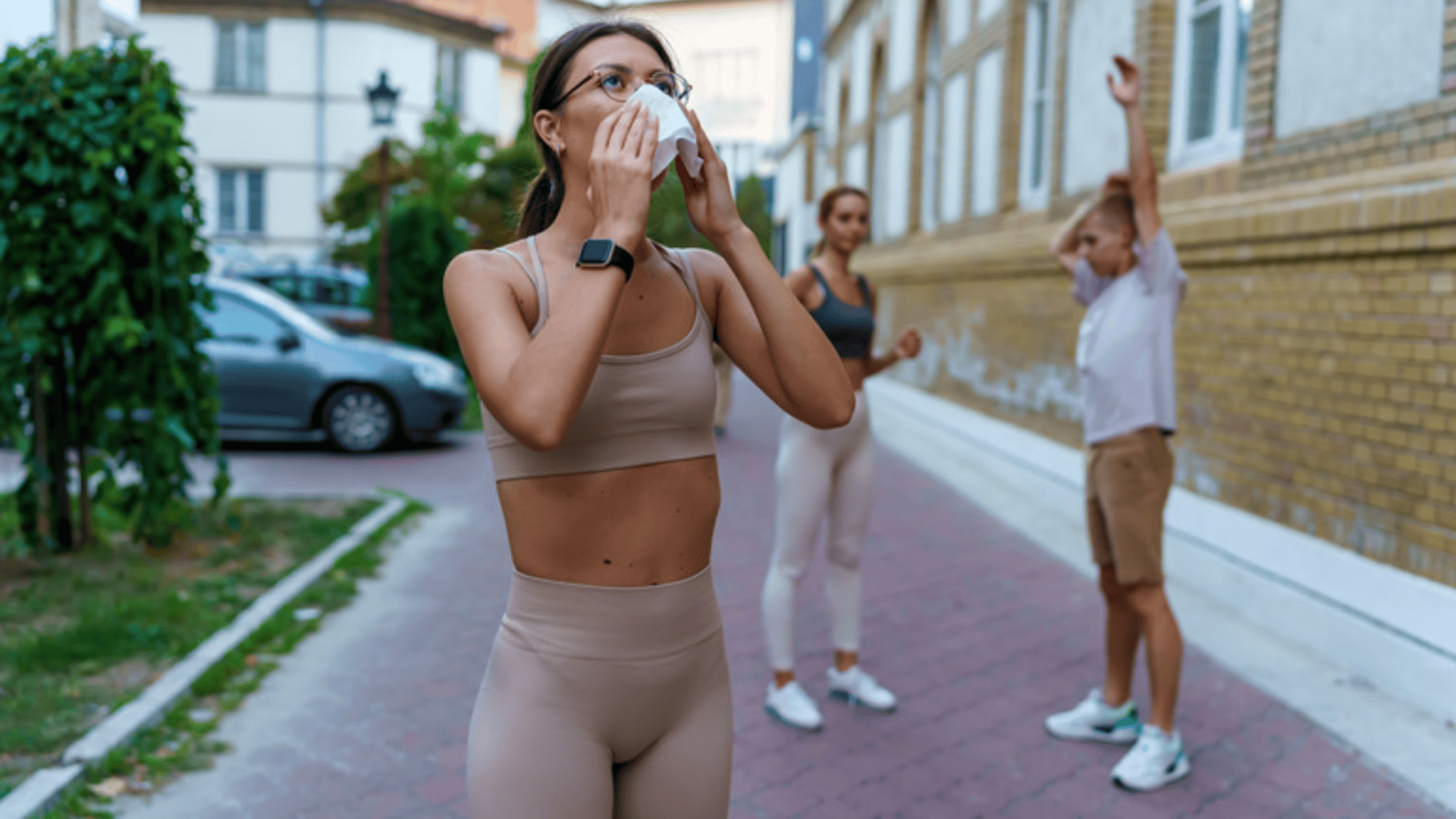
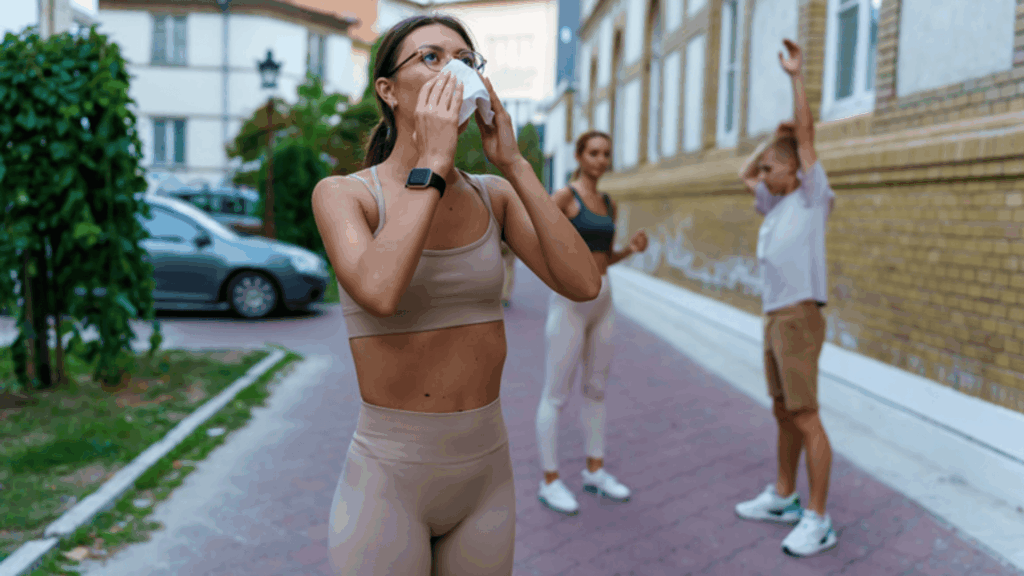
Exercise-induced rhinitis, or EIR, is a condition in which your nose becomes irritated during exercise. It can cause a runny nose, sneezing, or nasal congestion during or right after exercise, even if you’re not sick or allergic to anything.
People with EIR may notice a runny or stuffy nose, sneezing during or after workouts, an itchy nose or throat, and clear mucus dripping from the nose.
These symptoms are usually mild and often go away shortly after the workout ends.
EIR can affect anyone, but it’s more common in individuals who exercise outdoors, such as athletes like runners and bikers, those with allergies or asthma, and people residing in dry or cold climates.
Even if you’ve never had nose issues before, you can still develop EIR.
If you’ve ever asked yourself, “why does my nose run when I run?” the answer often comes down to how your body reacts to physical activity.
Your nasal passages can respond to increased airflow, environmental triggers, and changes in blood flow during exercise. While most causes are harmless, understanding them can help you manage symptoms.
Why Does Your Nose Run When You Exercise?
There are a few reasons why your nose might start running while you’re working out. Most of them are completely normal. Some of them are:
1. Blood Flow and Nasal Membrane Response
When you exercise, your heart pumps faster and sends more blood around your body.
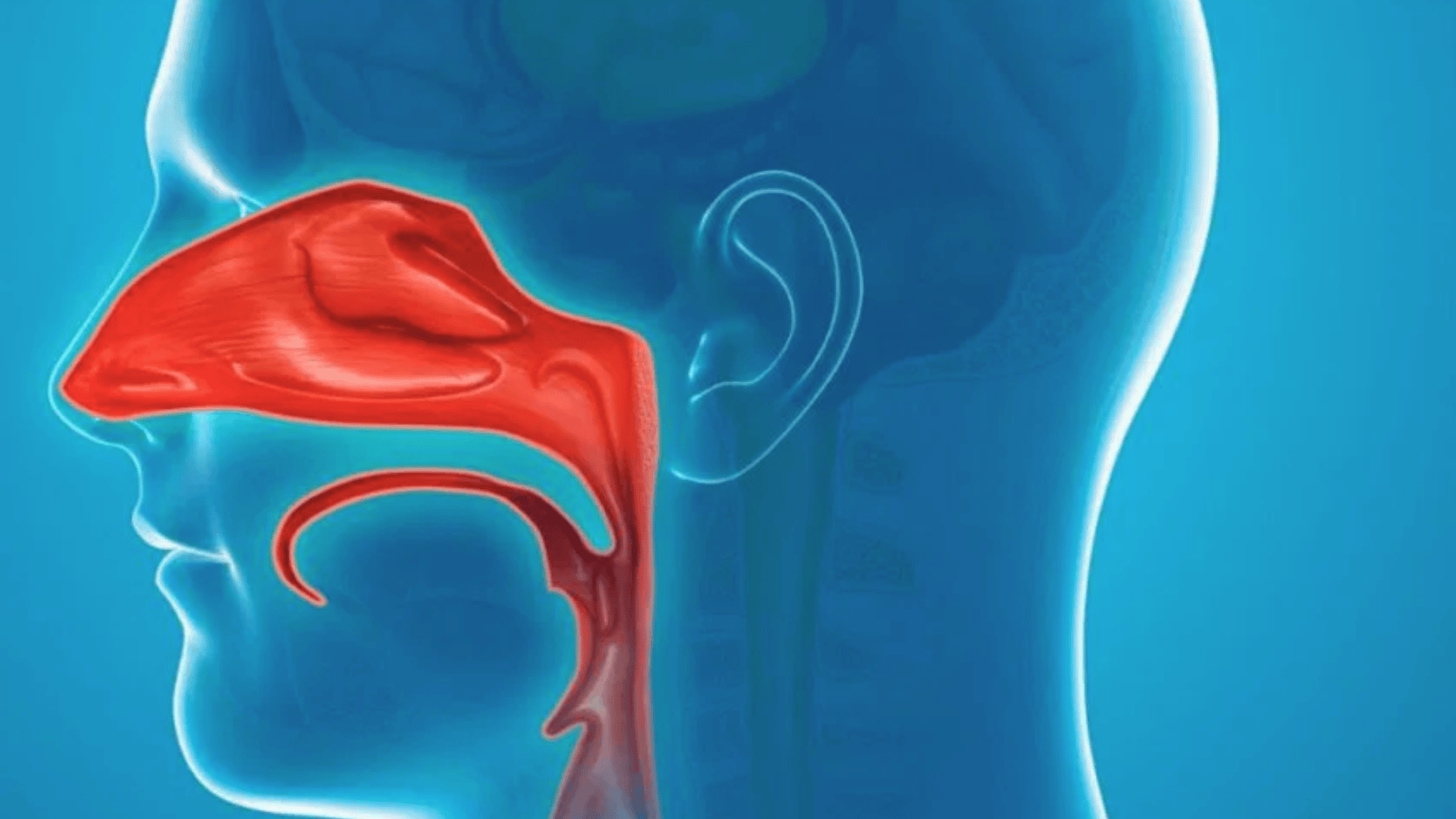
This includes the blood vessels in your nose. More blood in your nose can cause the lining inside to swell a little. That swelling can lead to a runny or stuffy nose.
2. Irritant Exposure (Pollens, Smoke, Cold Air)
During workouts, especially outside, you breathe in more air. This air may carry things like:
Pollen
- Dust
- Smoke
- Cold or dry air
These can all irritate your nose and make it produce more mucus.
3. Breathing Rate and Environmental Triggers
Exercise causes you to breathe faster and more deeply. This means your nose is exposed to more air and anything floating in it.
Conditions such as dry wind, pollution, or cold temperatures can irritate your nose and cause it to run.
4. Allergic vs. Non-Allergic Rhinitis
There are two main types of rhinitis:
- Allergic rhinitis occurs when your immune system reacts to allergens, such as pollen or pet dander.
- Non-allergic rhinitis isn’t caused by allergies. Changes in weather, strong odors, or physical activity can trigger it.
Exercise-induced rhinitis can fall under either type, depending on what causes your symptoms. Some people may have both.
5. EIR vs. Common Cold: How to Tell the Difference
A runny nose can feel the same whether it’s caused by exercise or a cold.
However, there are key differences that can help you determine what’s going on.
Here’s a quick comparison to guide you:
| Symptom | Exercise-Induced Rhinitis (EIR) | Common Cold |
|---|---|---|
| Runny nose | Happens during or after exercise | Constant, all day |
| Nasal congestion | Mild and short-term | Can last for days |
| Sneezing | It may happen during workouts | Frequent throughout the day |
| Mucus | Clear and watery | Can become thick and yellow/green |
| Fever | No | Sometimes |
| Sore throat | No | Often present |
| Body aches | No | Common |
| Duration | Stops shortly after exercise | Lasts 5–10 days |
If your symptoms go away quickly after exercise and you feel fine otherwise, it’s likely EIR. But if you feel sick, tired, or have a sore throat or fever, you might be dealing with a cold.
When in doubt, talk to a healthcare provider.
Does Exercise Trigger Your Runny Nose?
If your nose runs during workouts, this quick checklist can help you figure out what might be causing it.
Do your symptoms get worse when exercising outdoors? If yes, you might be reacting to pollen, dust, or pollution.
Are your symptoms less noticeable when you work out indoors? That could mean outdoor air is the main trigger.
Do you notice that your nose runs more during certain seasons, such as spring or fall? These times often bring more pollen, which can affect your nose.
Do you also get itchy eyes, sneezing, or a scratchy throat? These are signs of allergic rhinitis, which may be linked to your exercise symptoms.
This checklist isn’t a diagnosis, but it helps you notice patterns. If your symptoms bother you frequently, consult a doctor for further guidance.
Foods That May Help Reduce Nasal Inflammation
Eating the right foods can make a big difference in how your nose feels during and after exercise. Some foods contain natural anti-inflammatory properties that may help soothe irritated nasal passages and support overall respiratory health. Here are some helpful options to add to your diet:
- Turmeric: It contains curcumin, which helps fight inflammation. Try it in warm milk, soups, or smoothies.
- Ginger: Known to soothe irritation and boost circulation. You can add it to tea or stir-fries.
- Garlic: Acts as a natural decongestant and may help reduce nasal swelling. Use it in cooking or eat it raw if you can handle the taste.
- Leafy greens: Spinach, kale, and other greens are rich in antioxidants that support immune health and reduce irritation.
- Berries: Blueberries, strawberries, and raspberries are high in vitamin C and flavonoids, which help fight inflammation.
- Fatty fish: Salmon, tuna, and sardines contain omega-3s, which are great for reducing swelling in both the nose and lungs.
- Green tea: Packed with antioxidants and soothing to the throat and nose. Enjoy it warm before or after a workout.
Adding these foods to your daily meals won’t cure EIR, but they can support your body’s natural defenses and help manage symptoms over time.
How to Manage or Prevent a Nose Run
You don’t have to give up your workouts because of a runny nose. To manage or prevent exercise-induced rhinitis, you can try using antihistamines to reduce sneezing and a runny nose, especially if allergies are the cause.
Nasal sprays, such as decongestants or corticosteroids, can also help by shrinking swollen blood vessels and reducing inflammation.
Please consult a doctor before regular use. Along with medications, adopting some simple lifestyle changes can make a significant difference.
Try exercising in humid environments to keep your nasal passages moist and clear. Wearing a scarf or mask during outdoor workouts can protect your nose from cold air, pollen, or dust.
Rinsing your nose with saline before exercising can also help clear out irritants and reduce symptoms. Combining these tips can make your workouts more comfortable and sniffle-free.
Natural Remedies and Home Solutions
If you want to manage your runny nose naturally, try these easy home remedies that can help you feel better before and after a workout:
- Steam inhalation: Inhaling steam helps clear nasal passages and loosen mucus.
- Herbal teas: Warm teas, such as ginger or peppermint, can help calm nasal irritation.
- Anti-inflammatory foods: Foods such as turmeric, garlic, and leafy greens may help reduce swelling in your nasal passages.
- Saline irrigation: Rinsing your nose with saltwater removes dust, pollen, and mucus.
These natural remedies are simple, safe, and a good way to support your nose health while staying active.
When to See a Doctor
A runny nose during exercise is usually nothing to worry about, but it can sometimes be a sign of a more serious condition.
If your symptoms don’t go away, keep getting worse, or start to interfere with your daily activities, it’s a good idea to talk to a doctor.
You should also seek medical advice if you experience sinus pain, pressure around your cheeks or forehead, or frequent headaches along with a runny nose.
A doctor can help identify the cause and recommend the most effective treatment to help you feel your best.
Common Mistakes To Avoid
Even if exercise-induced rhinitis is mild, certain habits can make symptoms worse or last longer. Avoiding these mistakes can help you breathe easier and enjoy your workouts.
Here are some of the most common ones to watch out for:
- Ignoring Persistent Symptoms: If your runny nose continues for weeks or gets worse, it’s important to seek medical advice. Long-lasting symptoms could indicate underlying conditions beyond exercise-induced rhinitis.
- Mistaking All Runny Noses for Colds: A runny nose during workouts isn’t always caused by illness. Misjudging the cause may lead you to skip exercise unnecessarily or overlook effective prevention strategies.
- Overusing Nasal Sprays: Frequent use of decongestant sprays can cause rebound congestion, making symptoms worse. Use them only as directed and discuss regular use with your doctor.
- Skipping Pre-Workout Preparations: Jumping straight into intense outdoor activity without preparing your body can increase nasal irritation. Warming up and wearing protective gear can help you avoid unnecessary discomfort.
- Not Considering Indoor Alternatives: When outdoor conditions are harsh, cold, windy, or high in allergens, sticking to your outdoor workout habit may aggravate symptoms. Indoor exercise can give your nose a much-needed break.
By avoiding these common pitfalls, you can reduce flare-ups, protect your nasal health, and keep exercise enjoyable year-round.
Conclusion
It’s common to wonder, “why does my nose run when I exercise?” The answer is often Exercise-Induced Rhinitis, a condition that causes nasal congestion and a runny nose during physical activity.
It’s more common than you might think. I’ve managed it with simple changes, and you can too. From identifying triggers to trying home remedies and eating the right foods, there are plenty of ways to stay active without the sniffles.
Keep track of your symptoms, and don’t hesitate to consult a doctor if they persist. Staying informed is the first step to feeling better.
If this helped you, read more of my blogs for additional tips on staying healthy and comfortable during your move.








1 Response
For years I wondered but today I know why it’s runny when I am runny .thanks for awesome advice n info