















Why does a jog leave you breathing steadily, while a set of squats leaves you gasping within seconds?
This difference comes down to how your body produces energy during each type of effort.
Understanding aerobic vs anaerobic exercise helps clarify why some workouts build endurance while others build raw power. Both matter, but they work in completely different ways.
If you’ve wondered about anaerobic exercise, it might already be part of your routine without noticing.
Knowing which is which makes it far easier to build a workout plan that actually matches your goals.
Key Differences at a Glance: Aerobic vs Anaerobic Exercise
Trying to remember every distinction between aerobic and anaerobic exercise can get confusing fast.
| Factor | Aerobic Exercise | Anaerobic Exercise |
|---|---|---|
| Oxygen Use | Uses oxygen to produce energy | Doesn’t rely on oxygen for energy |
| Energy Source | Carbohydrates and fat | Stored glucose in muscles (glycolysis) |
| Intensity | Low to moderate | High to very high |
| Duration | Sustainable for 30+ minutes | Short bursts, typically under 2 minutes |
| Primary Benefit | Cardiovascular endurance | Strength and power |
| Examples | Walking, jogging, cycling | Sprinting, weightlifting, jump training |
What is Aerobic Exercise?
Aerobic means that it involves oxygen.
Your body uses oxygen to convert carbs and fat into energy during low to moderate exercise. Your heart and lungs work harder to supply oxygen, but you can maintain a steady pace without gasping.
That steady supply allows aerobic exercise to last 30+ minutes without your body running out of fuel.
Walking, jogging, and cycling are common examples, and the training strengthens your heart and lungs over time
What is Anaerobic Exercise?
Anaerobic refers to processes occurring in the absence of oxygen. During this exercise, your body can’t supply oxygen quickly enough for energy, so your muscles use stored glucose via glycolysis.
This system produces energy quickly, which is exactly what high-intensity effort requires.
Glycolysis can’t sustain long; anaerobic exercise occurs in short, intense bursts instead of prolonged sessions.
Activities like sprinting and lifting weights rely on this energy system, making them classic anaerobic exercises.
Why Your Body Needs Both Types of Exercise?
Aerobic and anaerobic exercises offer unique benefits, so a balanced routine includes both. Using only one type means missing out. The best routines incorporate both side by side.
Benefits of Aerobic Exercise
- Strengthens the heart and improves cardiovascular health.
- Builds endurance and stamina over time.
- Burns calories, supporting weight management.
- Reduces anxiety and supports better sleep.
Benefits of Anaerobic Exercise
- Builds muscle mass and strength.
- Improves bone density.
- Increases power and explosive speed.
- Boosts metabolism through muscle growth.
Is Sprinting Aerobic or Anaerobic?
Sprinting is anaerobic. A 100-meter dash draws almost entirely on the phosphagen system, your body’s fastest energy source, built for effort lasting just a few seconds.
Push past that, into a 400-meter run, and lactic acid starts building up as glycolysis takes over.
That burning sensation in your legs is a direct sign of anaerobic metabolism at work. Stretch the distance further, into a mile or more, and the effort gradually shifts toward aerobic.
Distance determines the system responsible for bearing the load.
Side-by-Side Comparison: Aerobic vs Anaerobic Exercise

Both improve health and routine but rely on different energy systems and challenge the body in different ways.
1. Oxygen Use
Aerobic exercise relies on oxygen to produce energy. That makes it well-suited to sustained effort.
Anaerobic exercise skips oxygen almost entirely.
It uses stored muscle glucose for sudden, high-effort movement. Walking demonstrates the aerobic pathway, requiring oxygen constantly. Sprinting shows the anaerobic process, using mostly stored energy.
Your breathing rate is often the clearest early sign of which system just kicked in.
2. Energy Source
Aerobic exercise converts carbohydrates and fat into steady energy over time.
That supports longer efforts without a crash. Anaerobic exercise pulls from stored glucose through glycolysis.
This process works quickly but burns out fast, explaining why cycling lasts longer than a sprint and why anaerobic training relies more on quick glycogen refueling.
3. Intensity Level
Aerobic exercise sits at a low to moderate intensity. Effort stays manageable across longer stretches of time. Anaerobic exercise demands high to very high intensity. It pushes the body close to its limits.
Jogging captures the aerobic end of that spectrum well.
An all-out sprint sits clearly at the anaerobic extreme. Most people can maintain an aerobic pace while talking, but an anaerobic burst usually doesn’t last long enough to complete a sentence.
4. Duration
Aerobic exercise can be sustained for 30 minutes or more without depleting available energy.
It’s suited for the long haul. Anaerobic exercise involves brief bursts, usually under two minutes, before fatigue. Swimming laps follows the aerobic model, while heavy weightlifting is clearly anaerobic.
Aerobic workouts are easier to schedule as long blocks, while anaerobic training benefits from short, repeated sets.
5. Muscle Fibers Used
Aerobic exercise relies on slow-twitch muscle fibers. These resist fatigue and support endurance over time.
Anaerobic exercise calls on fast-twitch fibers instead.
They generate more force but tire out much faster. That contrast is exactly why distance running and sprinting feel so different in the body, even though both are forms of exercise.
Most people carry a mix of both fiber types, which is part of why cross-training both systems pays off.
6. Endurance Benefit
Aerobic exercise steadily builds stamina.
It trains the heart and lungs to work more efficiently, with endurance improving through consistency.
Anaerobic exercise offers little benefit here, since its sessions are too brief to meaningfully train that system.
Regular jogging or rowing shows this endurance-building effect clearly over time. Even short, frequent aerobic sessions add up faster for stamina than occasional long ones.
7. Strength Benefit
Anaerobic exercise boosts muscle strength by urging muscles to adapt and grow through resistance and effort.
Aerobic exercise contributes very little to strength gains, since it doesn’t challenge muscles the same way. Weightlifting and sprinting both reflect this strength-building benefit well, unlike steadier aerobic activities.
Strength gains also tend to show up faster than endurance gains, often within a few weeks of consistent training.
8. Fat Loss Approach
Aerobic exercise burns fat directly during the workout, as sustained effort taps into fat stores efficiently.
Anaerobic exercise burns less fat in the moment but raises resting metabolism by building added muscle mass.
Brisk walking supports the aerobic approach to fat loss.
Strength training supports the anaerobic route instead. Combining both tends to outperform either one alone, since added muscle keeps burning calories even after the workout ends.
9. Recovery Time Needed
Aerobic exercise typically requires less recovery time between sessions.
The body handles repeated moderate effort without much rest.
Anaerobic exercise creates more muscle micro-damage due to its intensity, so muscles need extra time to repair. Daily walks fit easily into a routine. Heavy lifting usually calls for a rest day or two afterward.
Skipping that recovery window is one of the fastest ways to stall anaerobic progress.
What are Examples of Aerobic Exercise?

Aerobic exercises maintain a steady, moderate heart rate, using oxygen to fuel muscles over time.
That’s what ensures they can be sustained over extended periods.
- Walking: Low-impact and easy to sustain, a great starting point for beginners.
- Jogging: A moderate step up from walking that builds endurance over time.
- Cycling: A joint-friendly way to build stamina, indoors or out.
- Swimming: A full-body workout that’s gentle on joints yet challenging.
- Dancing: A fun way to stay active without it feeling like exercise.
- Rowing: Combines upper- and lower-body movement for balanced effort.
Any of these makes a simple starting point for building aerobic balance into your week.
What is an Example of Anaerobic Exercise?
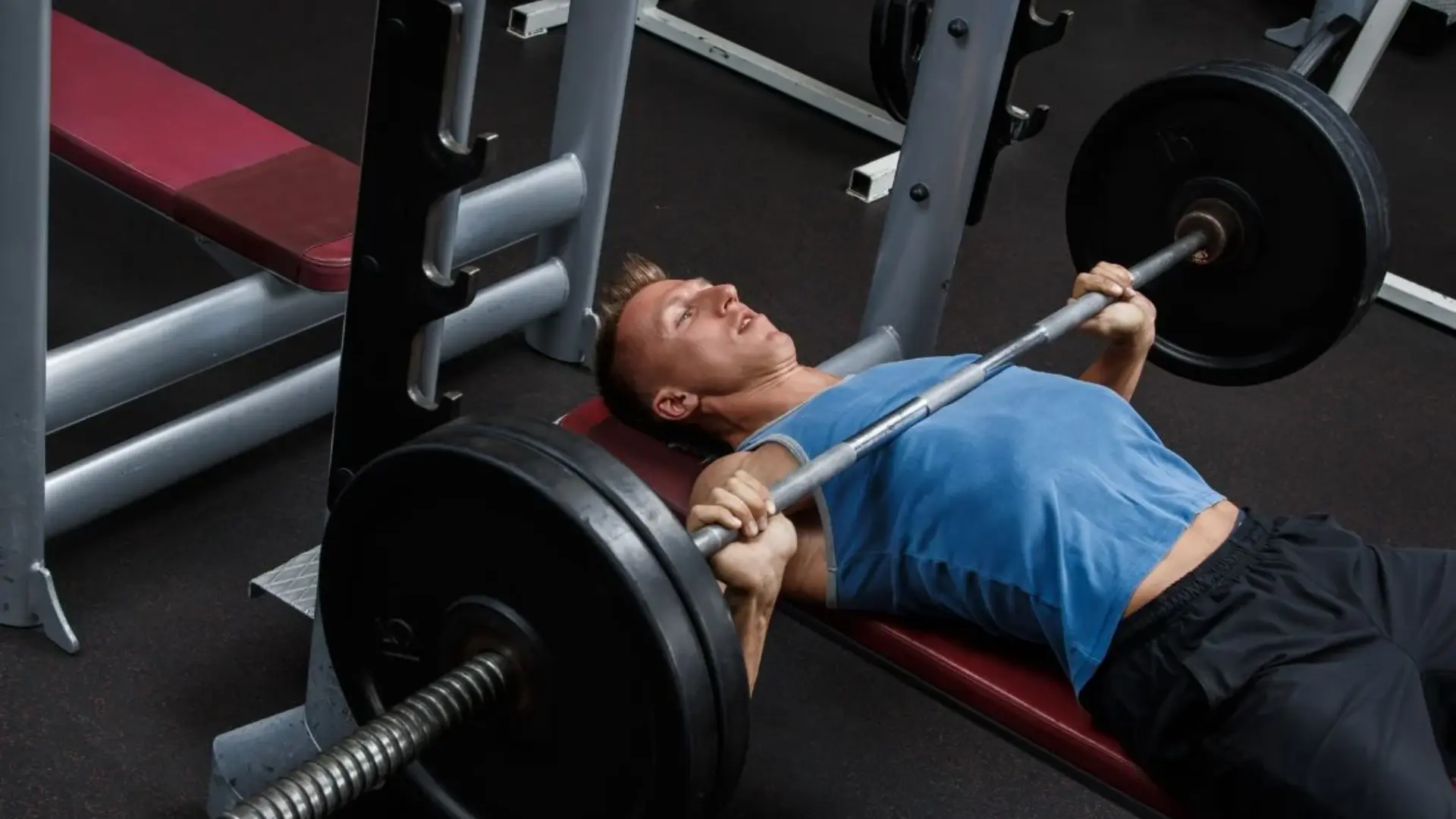
Anaerobic exercises consist of brief, high-intensity efforts that surpass the body’s oxygen supply.
Instead, they draw on stored energy, which is what makes them powerful but brief.
- Sprinting: A short, all-out burst of speed that builds power and quick energy output.
- Weightlifting: Uses resistance to build muscle strength and size over time.
- HIIT: Alternates intense bursts with brief rest, maximizing effort in short sessions.
- Plyometrics: Explosive movements like jump squats that build speed and power.
- Resistance Band Circuits: Adds controlled resistance to build strength without heavy equipment.
Any of these makes a solid starting point for building anaerobic strength into your week.
Choosing the Right Type for Your Goals
Finding the right mix of aerobic and anaerobic exercise varies based on your personal goals.
| Goal | Best Focus | Why |
|---|---|---|
| Weight Loss | Mostly aerobic, with some anaerobic | Burns more calories; muscle boosts metabolism |
| Building Muscle | Mostly anaerobic | Rebuilds muscle, making it larger and stronger |
| Improving Endurance | Mostly aerobic | Trains heart and lungs to work efficiently |
| General Heart Health | Balanced mix of both | Supports both cardiovascular and metabolic health |
No single type of training alone can achieve a goal; it’s important to combine different exercises to make progress.
Which Burns More Fat: Aerobic or Anaerobic Exercise?
Aerobic exercise burns more fat during the workout itself. Sustained at a moderate pace, the body draws on fat stores as fuel, which is why jogging or cycling are often linked to fat loss.
Anaerobic exercise burns fewer calories in the moment, since sessions are short and intense.
But it builds muscle, and more muscle raises resting metabolism, so the body burns more calories even at rest.
Combining both works best. Neither alone outperforms the two together.
Aerobic exercise burns fat immediately, while anaerobic builds muscle that sustains metabolism afterward.
How to Tell Which One You’re Doing
Watch your recovery, not just the effort itself. After aerobic work, your breathing settles within a minute or two.
After anaerobic work, it takes longer, and your muscles feel a sharp, localized burn instead of general fatigue.
Pay attention to focus too: aerobic exercise lets your mind wander. Anaerobic exercise demands total concentration on the movement. Even your voice gives it away. Steady and clear means aerobic.
Strained or breathless means anaerobic. These small signals add up fast once you start noticing them.
How They Affect Your Body Differently
Beyond exercise, aerobic and anaerobic activities produce different long-term effects on your body’s adaptation.
Aerobic exercise primarily improves heart and lung efficiency. Over weeks, your heart pumps more blood per beat, and your lungs process oxygen better, which is why endurance steadily improves.
Anaerobic exercise works at the muscle level instead.
Intense effort causes tiny muscle micro-tears, and as the body repairs them, muscles rebuild stronger.
The two also differ after exercise ends.
Anaerobic workouts trigger a stronger afterburn effect (EPOC), burning calories at an elevated rate for hours post-workout, while aerobic exercise burns more calories during the activity itself.
What are the Nutrition Needs for Both?
Different foods are needed after aerobic and anaerobic exercise.
Anaerobic exercise causes muscle micro-tears that need repairing, making protein the priority.
Adequate protein after strength training or sprinting supports muscle recovery and promotes muscle rebuilding.
Aerobic exercise relies on glycogen for energy.
Eating carbs restores these reserves, and staying hydrated replaces fluid lost during extended activity. Matching your nutrition to the type of training you’re doing helps your body recover fully and perform better next time.
How to Combine Both in Your Routine
Building them into a schedule helps it stick. Here’s a simple starting split to adapt as needed.
| Day | Focus | Example |
|---|---|---|
| Monday | Aerobic | 30-minute brisk walk or jog |
| Tuesday | Anaerobic | Strength training (upper body) |
| Wednesday | Aerobic | Cycling or swimming |
| Thursday | Anaerobic | Strength training (lower body) |
| Friday | Aerobic | Light jog or steady cardio |
| Saturday | Anaerobic | HIIT or sprint intervals |
| Sunday | Rest | Recovery, light stretching |
Adjust the days and intensity based on your goals, recovery needs, and how your body responds week to week.
Mistakes that Hold Back Your Progress
Some habits can hinder progress even when you understand aerobic and anaerobic exercise.
- Focusing only on cardio or only on strength training limits results, since each builds a different aspect of fitness.
- Muscles need time to recover after strength training; skipping recovery slows progress and raises injury risk.
- Excessive aerobic exercise without strength training can lead to muscle loss, undermining overall fitness goals.
- Jumping straight into high-intensity anaerobic effort without a warm-up increases the risk of strains and injuries.
- Ignoring exertion or heart rate cues can cause overtraining, limiting adaptation and improvement.
Avoiding these habits helps train both energy systems effectively, supporting steady, balanced progress.
Bottom Line
Neither aerobic nor anaerobic exercise is inherently better.
Each builds a different kind of fitness, and real progress comes from training both, not choosing sides.
If your current routine leans heavily toward one type, that’s likely the gap holding your results back, whether it’s endurance, strength, or overall balance. Take a look at what your week actually looks like right now.
Chances are, one type is missing more than you realized.
Pick one aerobic and one anaerobic activity from this list, and add whichever one your routine is missing this week.
Your body adapts fastest when both systems are challenged together.
Frequently Asked Questions
1. Can an Exercise Be Both Aerobic and Anaerobic?
Yes. Many workouts, like HIIT or circuit training, shift between both systems as intensity changes, drawing on oxygen during lighter moments and stored glucose during intense bursts.
2. Which is Better for Weight Loss, Aerobic or Anaerobic Exercise?
Both help. Aerobic exercise burns more calories during the workout, while anaerobic exercise builds muscle that boosts metabolism, making a combination more effective than either alone.
3. How Many Days a Week Should I Do Each Type of Exercise?
Most guidelines suggest 3 to 5 days of aerobic activity and 2 to 3 days of anaerobic training weekly, with at least one full rest day included.
4. Does Walking Count as Aerobic or Anaerobic Exercise?
Walking is aerobic exercise. It’s sustained, moderate-intensity movement that relies on oxygen for energy, making it ideal for building endurance and supporting heart health.
5. Can Beginners Do Anaerobic Exercise Safely?
Yes, with proper form and gradual progression. Starting with lighter weights or shorter intervals helps beginners build strength safely while reducing the risk of injury.