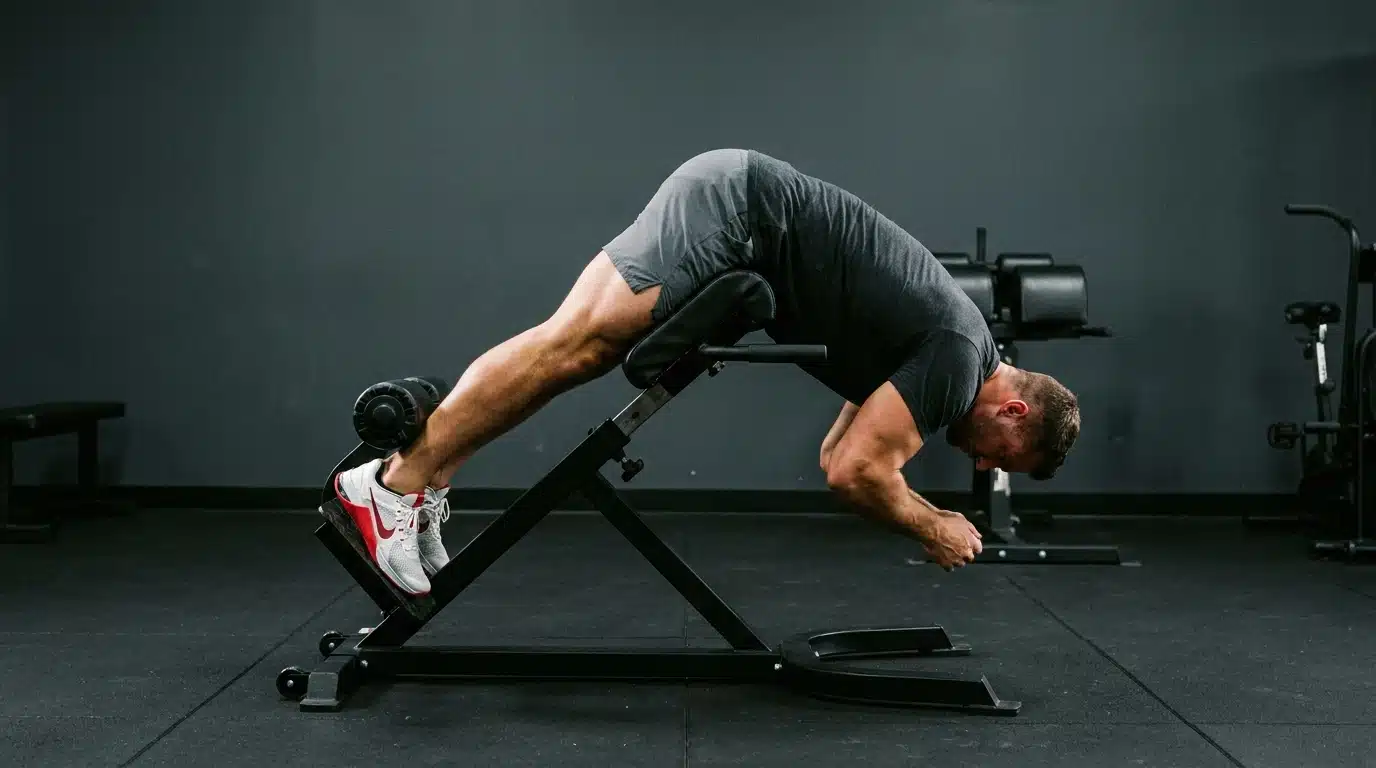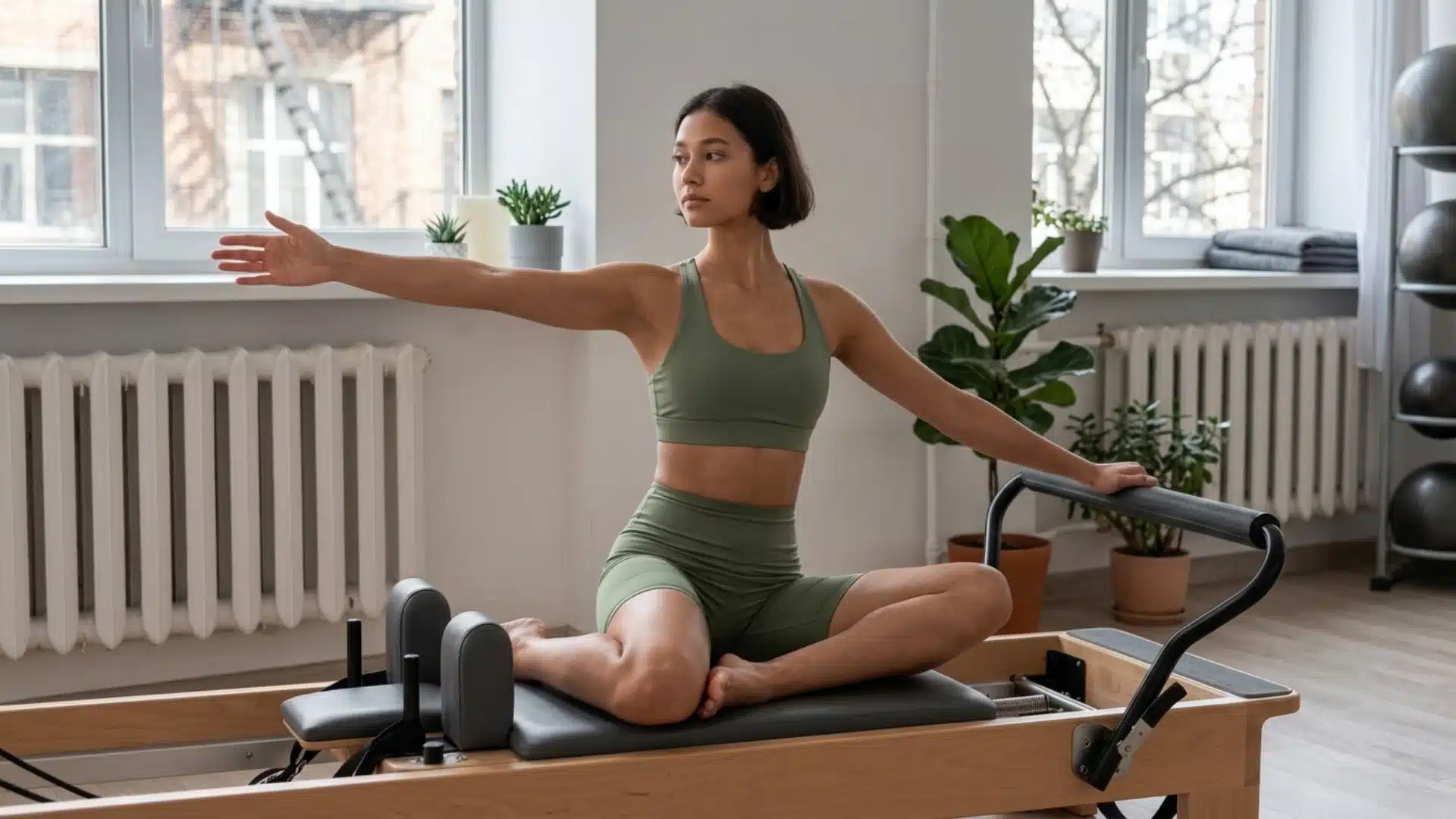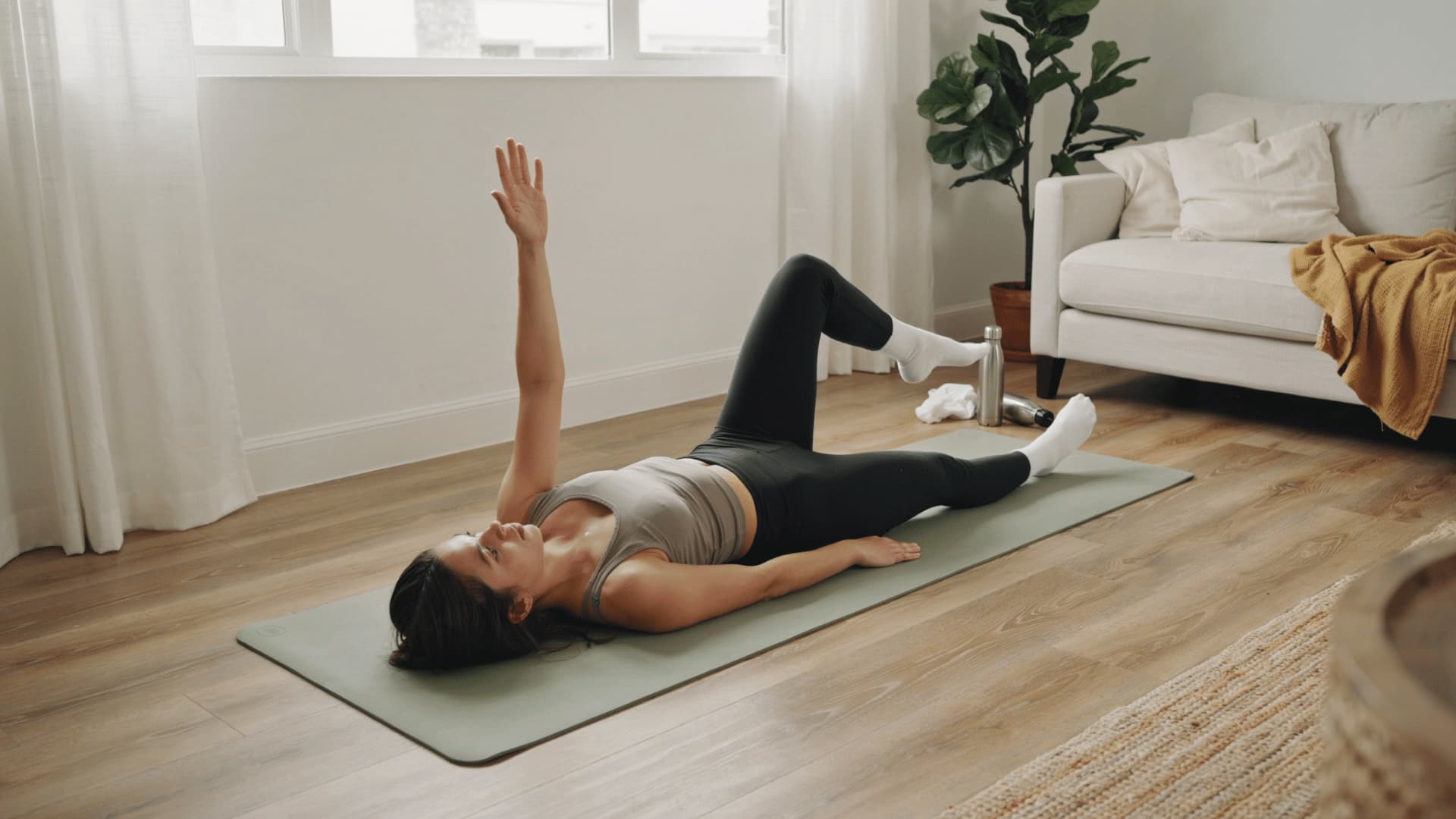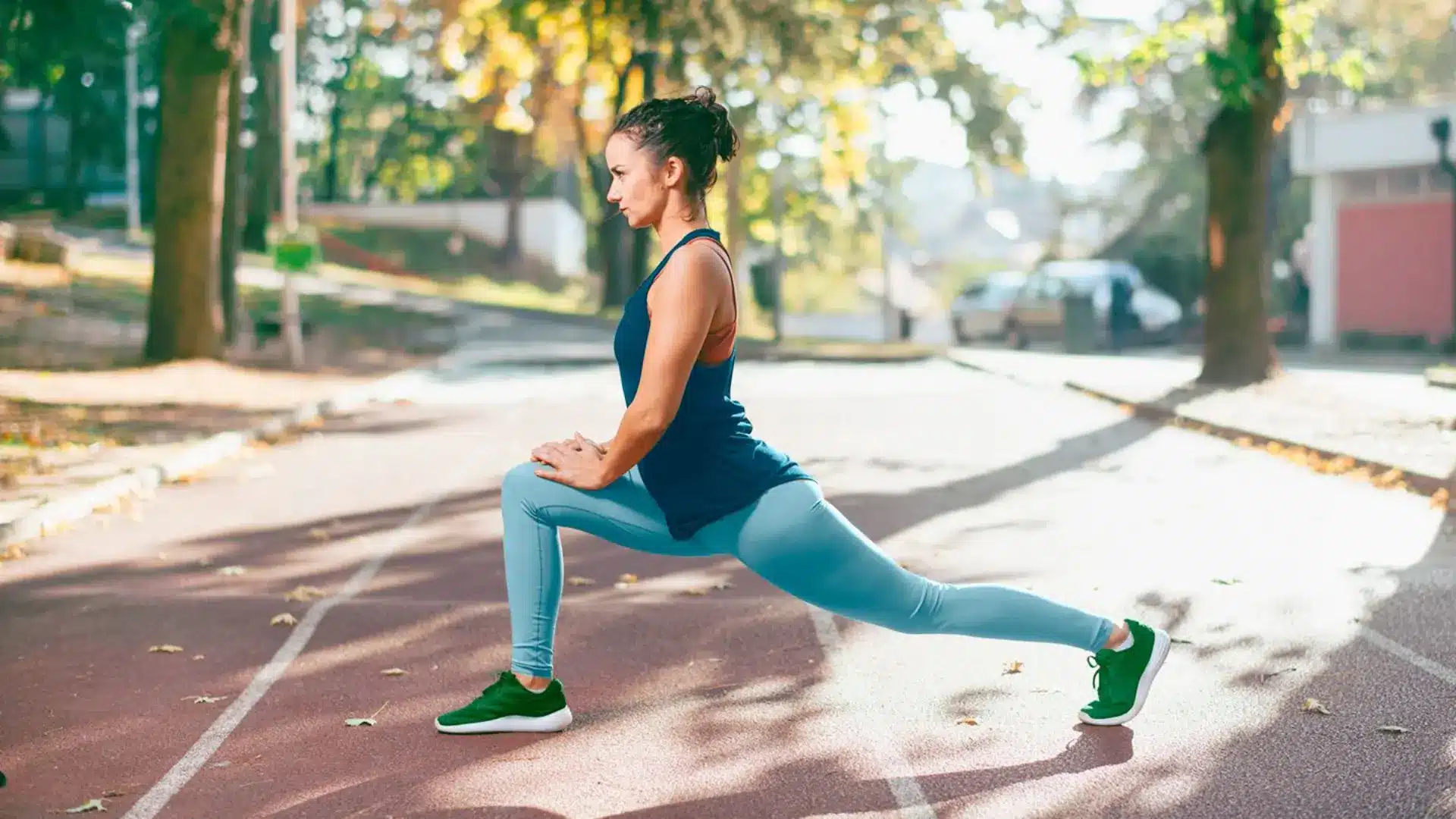


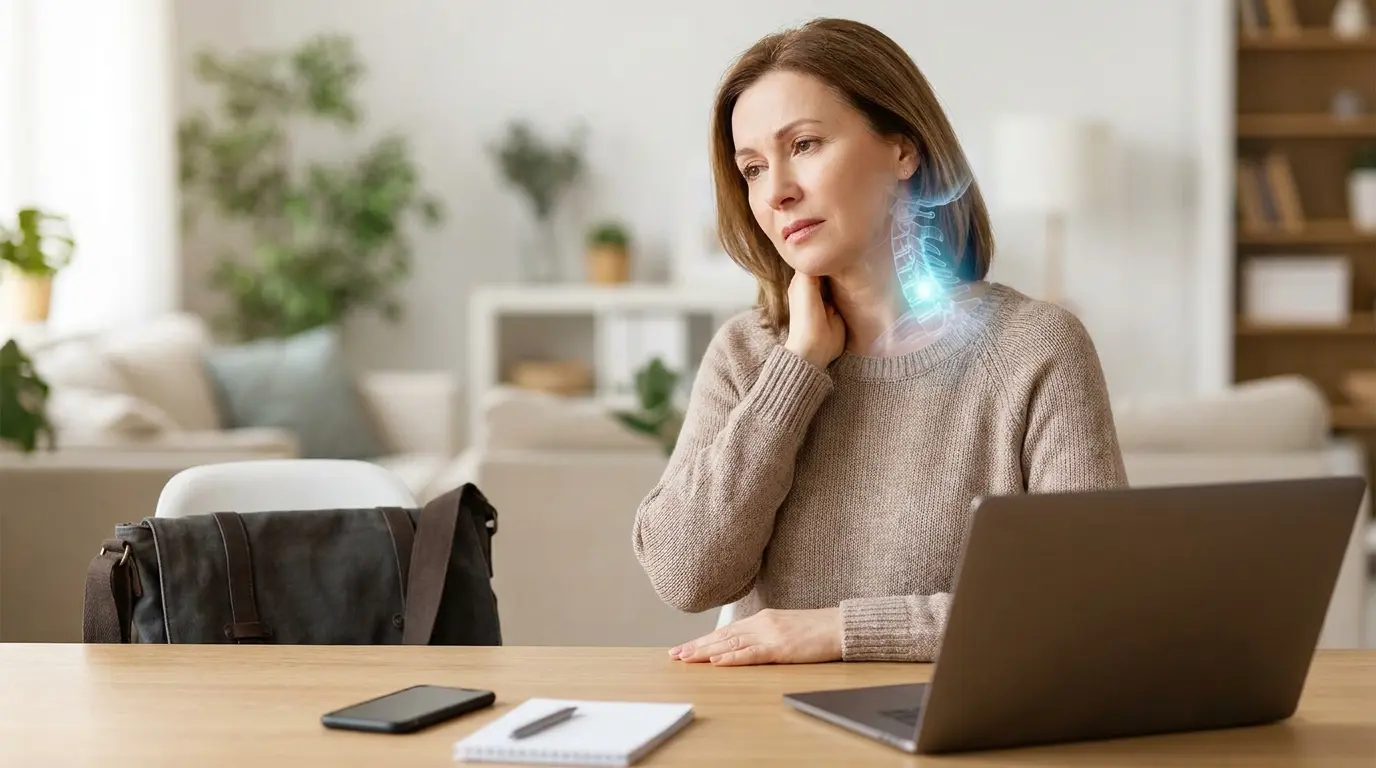

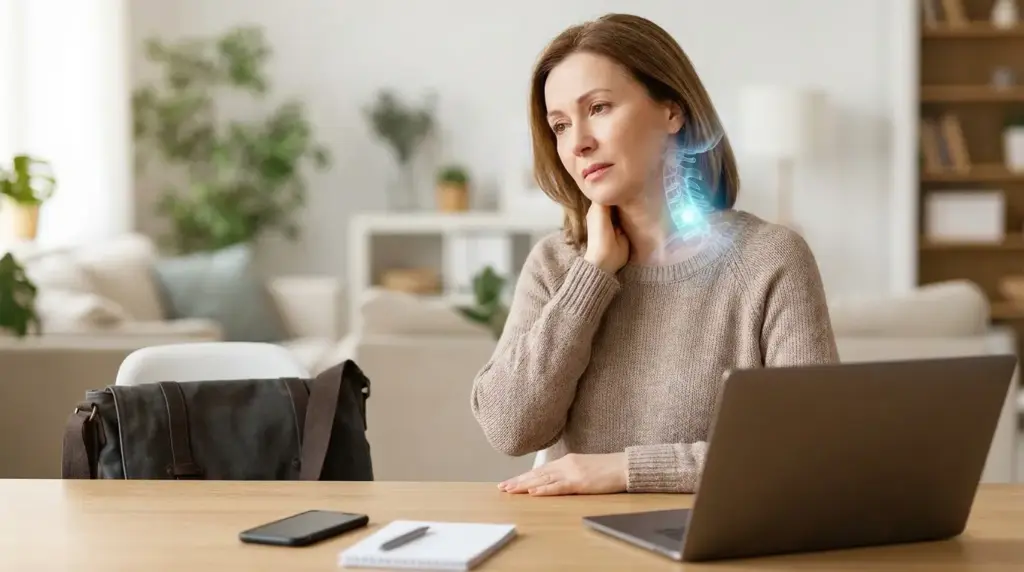
Cervical spinal stenosis narrows the canal in your neck that protects the spinal cord and nerve roots.
When that space is already reduced, specific movements, loads, and daily habits press harder on those structures and trigger symptoms. The things to avoid with cervical spinal stenosis are not just gym exercises.
They are posture habits, sleep positions, lifting patterns, and neck movements that repeat dozens of times each day without anyone noticing until the symptoms start building.
| Medical Disclaimer: This is for informational purposes only and does not constitute medical advice or treatment. If you have cervical spinal stenosis or are experiencing neck pain, arm numbness, or weakness, consult your physician or physical therapist before making any changes to your activity. |
Why Cervical Spinal Stenosis Needs Daily Awareness
Cervical spinal stenosis narrows the neck space, pressing on the spinal cord and nerves. It doesn’t make all movements dangerous but heightens neck sensitivity to stressors like prolonged screen time, poor sleep, heavy lifting, or quick turns.
Symptoms may not appear immediately; stiffness, tingling, or pain can develop later, making triggers hard to identify. Being aware daily helps connect your choices with your neck’s response. Instead of asking,
“Can I do this forever?” ask, “How does my neck feel during and after?” to gauge what your body can handle.
The main risk groups are:
| Risk Category | What It Means | Common Examples |
|---|---|---|
| Impact stress | Repeated force travels through the body and neck | Running, jumping, contact sports |
| Neck motion stress | The neck moves too far or too quickly | Hyperextension, quick turns, neck circles |
| Load stress | Weight increases demand on the neck and upper back | Heavy lifting, overhead work, uneven bags |
| Posture stress | The neck stays away from neutral for too long | Phone use, low screens, poor chair support |
| Sleep stress | The neck stays unsupported or misaligned for hours | Stomach sleeping, poor pillow height |
Each group has one role here. Impact is about force. Neck motion is about range and control. Load is about weight. Posture is about time. Sleep is about long, passive positioning.
High-Impact Activities That Increase Cervical Compression Risk
High-impact activities can send repeated jolts through the body, and that force may travel into the neck even when the movement feels leg-focused.
With cervical spinal stenosis, the concern is not only one hard landing. Repeated impact, bracing, fatigue, and reduced control can make sensitive neck structures work harder than they should during activity, especially when symptoms already exist beforehand. Here are the main activities that need extra caution:
- Contact Sports: Contact sports such as football, hockey, wrestling, boxing, rugby, and martial arts pose risks due to impacts that can jar the head before neck muscles respond, especially if numbness, weakness, balance issues, or hand clumsiness occur.
- Jump Exercises: Jump workouts cause repeated landings impacting legs, spine, shoulders, and neck. Avoid or modify exercises like burpees, jumping jacks, box jumps, squat jumps, plyometric drills, and intense HIIT if symptoms arise.
- Recreational Impact: Some activities like trampolining, gymnastics, roller coasters, skating, skiing, and mountain biking are risky due to sudden changes in speed, landing, or external forces that can impact neck control, especially if balance or coordination are compromised.
- Vibration Stress: Not all impact risks involve jumping or landing; activities like motorcycling, horseback riding, off-road biking, long drives on uneven surfaces, and using vibrating tools can cause repeated shocks through the spine, potentially triggering symptoms over time.
These risks do not exist in isolation. They become significantly higher when combined with existing nerve sensitivity, reduced core stability, or movement fatigue, all of which reduce the body’s ability to absorb and distribute impact forces before they reach the cervical spine.
Neck Movement Patterns That Narrow Spinal Canal Space
This section is only about how your neck moves. The main things to watch are range, speed, and control. Some positions can make the cervical spine feel more crowded, especially when symptoms are already active. Slow movement within a comfortable range is usually safer than fast, forced, or end-range motion:
1. Neck Hyperextension
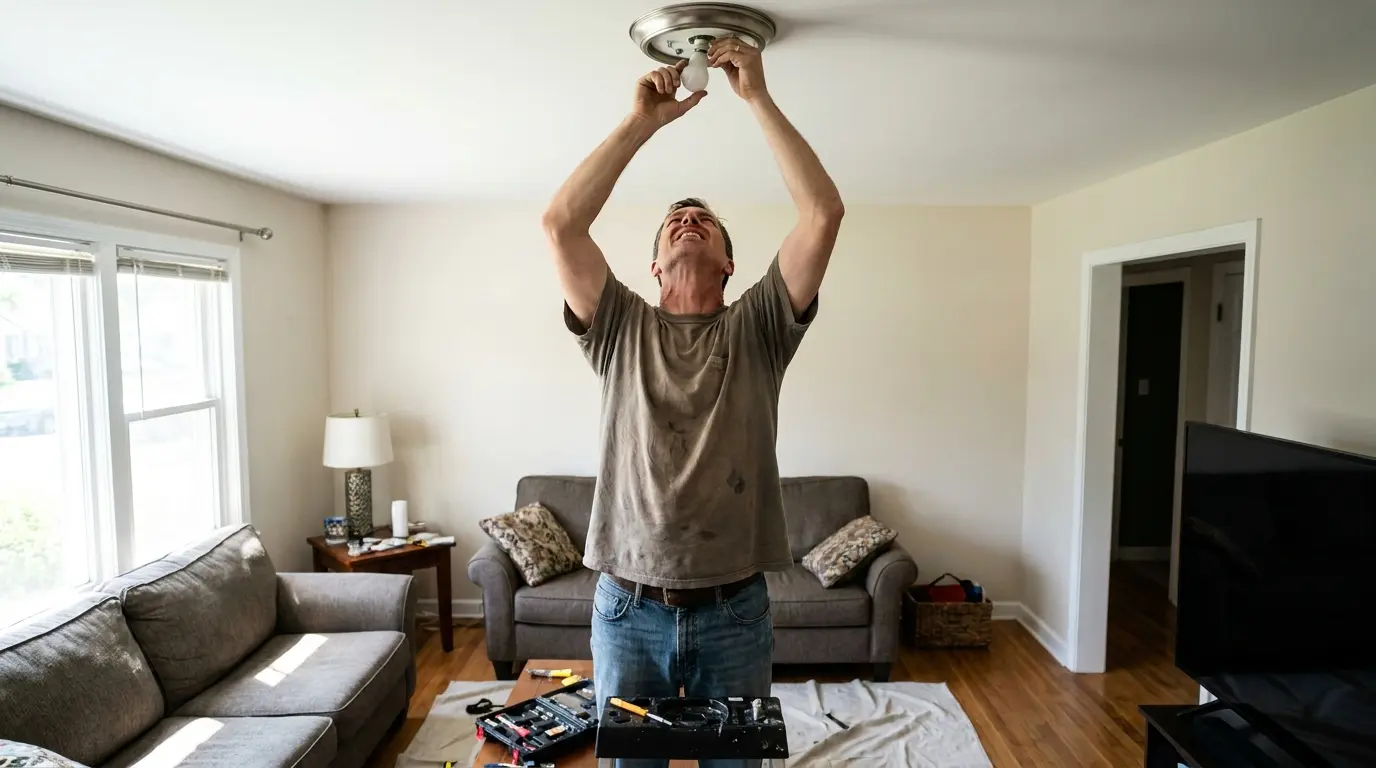
Neck hyperextension means your neck bends backward past a comfortable line. You may do this while looking up, working overhead, lifting, or moving through certain yoga poses.
With cervical spinal stenosis, holding that backward angle can feel irritating because the neck already has less room. The main problem is not one quick glance. It is time, force, and repetition. These are the common situations to watch:
- Overhead Work: Looking up while painting, fixing lights, cleaning shelves, or reaching high can keep your neck bent backward too long. Try lowering the task, stepping closer, or taking breaks before stiffness starts building in the neck and shoulders.
- Exercise Positions: Overhead lifts, deep backbends, and yoga poses that load the neck may push the cervical spine into extension. These moves need care if they create neck pressure, arm tingling, or symptoms that stay after the session ends.
- Upward Gazing: Looking up at a screen, shelf, ceiling, or outdoor object can seem harmless. The issue is holding that angle. A quick glance is different from keeping your neck tilted back while the muscles work without a break.
2. Fast Rotation

Fast rotation means turning your head quickly from one side to the other. You might do this while driving, reacting during sport, following a workout, or turning suddenly during daily tasks. The problem is speed.
When the head moves too quickly, the neck muscles may not have time to prepare, and sensitive areas can take the strain. These movements are better done slowly:
- Sharp Turns: Quick blind-spot checks, sudden reactions, or fast head turns during conversation can irritate your neck. A better habit is to turn your shoulders and upper body with your head instead of snapping the neck alone.
- Workout Twists: Fast twisting in dance, HIIT, martial arts, or exercise classes can move the neck before you feel ready. Slow the pace, reduce the range, and avoid any movement that sends symptoms into the arm or hand.
- Repeated Rotation: Moving your head quickly side to side repeatedly can cause irritation, even if each turn feels small. Keep the motion slower, and stop before stiffness, dizziness, tingling, or pain starts to show up.
3. Full Neck Circles
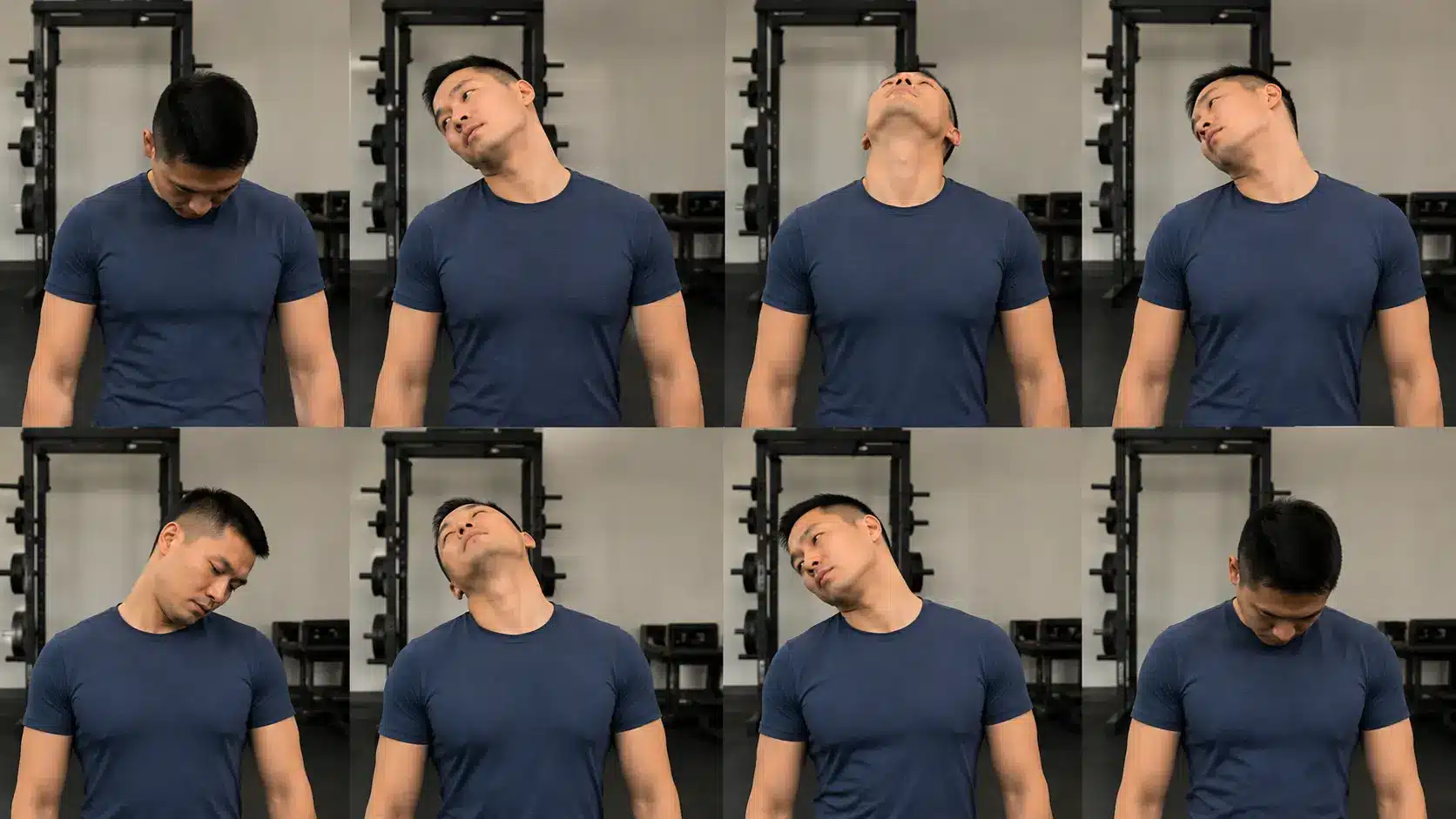
Full neck circles may look gentle, but they move your neck through many directions at once. That includes backward bending, side bending, and rotation.
For cervical spinal stenosis, that mix can be too much, especially when the circle is large, quick, or forced. The goal is not a bigger movement. It is a safer control. Here is why neck circles need caution:
- End-Range Load: A full circle can take your neck close to its outer limits in multiple directions. That may irritate sensitive areas, especially when the movement includes backward bending or pressure near the base of the skull.
- Poor Control: Many people do neck circles too quickly during warm-ups. Once the movement gets loose or rushed, your neck has less control. Smaller and slower motions are easier to notice, adjust, and stop when needed.
- Safer Range: Gentle half-range movement is often a better option when your clinician approves it. Instead of rolling the whole neck, move slowly within a pain-free range and stop before symptoms spread, sharpen, or increase.
4. Self-Cracking and Forced Manipulation

Self-cracking and forced neck manipulation are different from normal movement. They add speed, pressure, or pulling force to an area that may already be sensitive.
With cervical spinal stenosis, that extra force may not suit the narrowed space around the nerves. Be more careful if cracking, twisting, or pulling causes symptoms beyond the neck. These habits are best avoided without professional guidance:
- Neck Snapping: Snapping your neck to force a crack may feel good for a moment, but it puts sudden pressure on your neck. Avoid quick twisting or jerking as your regular way of dealing with stiffness.
- Assisted Twisting: Letting someone else twist, pull, or crack your neck can be risky without proper training. The force may be too strong, too fast, or not matched to your symptoms.
- DIY Devices: Strong traction tools, aggressive stretch straps, and forceful neck devices can exert significant pull. Use traction or similar methods only when a healthcare professional recommends them and teaches you how.
Heavy Lifting and Load-Related Strain Risks
Load stress is not only about how heavy something feels. It also depends on how you lift, carry, reach, and turn with weight. With cervical spinal stenosis, poor load control can make the neck and upper back work harder than they should. Here is a simple way to spot the main load-related risks:
| Load Habit | Why It Can Be a Problem | Better Choice |
|---|---|---|
| Heavy Lifting | Heavy weights, boxes, furniture, or grocery bags can exceed what your neck can handle after a flare. | Start lighter, move slowly, and increase weight only if symptoms stay calm. |
| Overhead Strain | Presses, pull-ups, ceiling work, or high-shelf reaching can strain the neck when arms stay raised too long. | Lower the task, use support, and take short breaks often. |
| Uneven Carrying | One-sided bags, groceries, children, or work gear can pull the neck and shoulders out of balance. | Split the load, use both straps, or switch sides often. |
| Twisting Loads | Turning while lifting boxes, laundry, suitcases, or gym weights combines load with rotation. | Face the item, move your feet, and turn your whole body. |
| Far Loads | Holding bulky items away from the body makes the neck and upper back work harder. | Keep items close, use both hands, and ask for help when needed. |
The safer pattern is simple: keep weight close, balanced, and easy to control. You do not have to avoid every lift. You just need to avoid rushed, uneven, overhead, or awkward lifting that your body cannot manage well.
Daily Posture and Screen Habits That Quietly Increase Cervical Strain
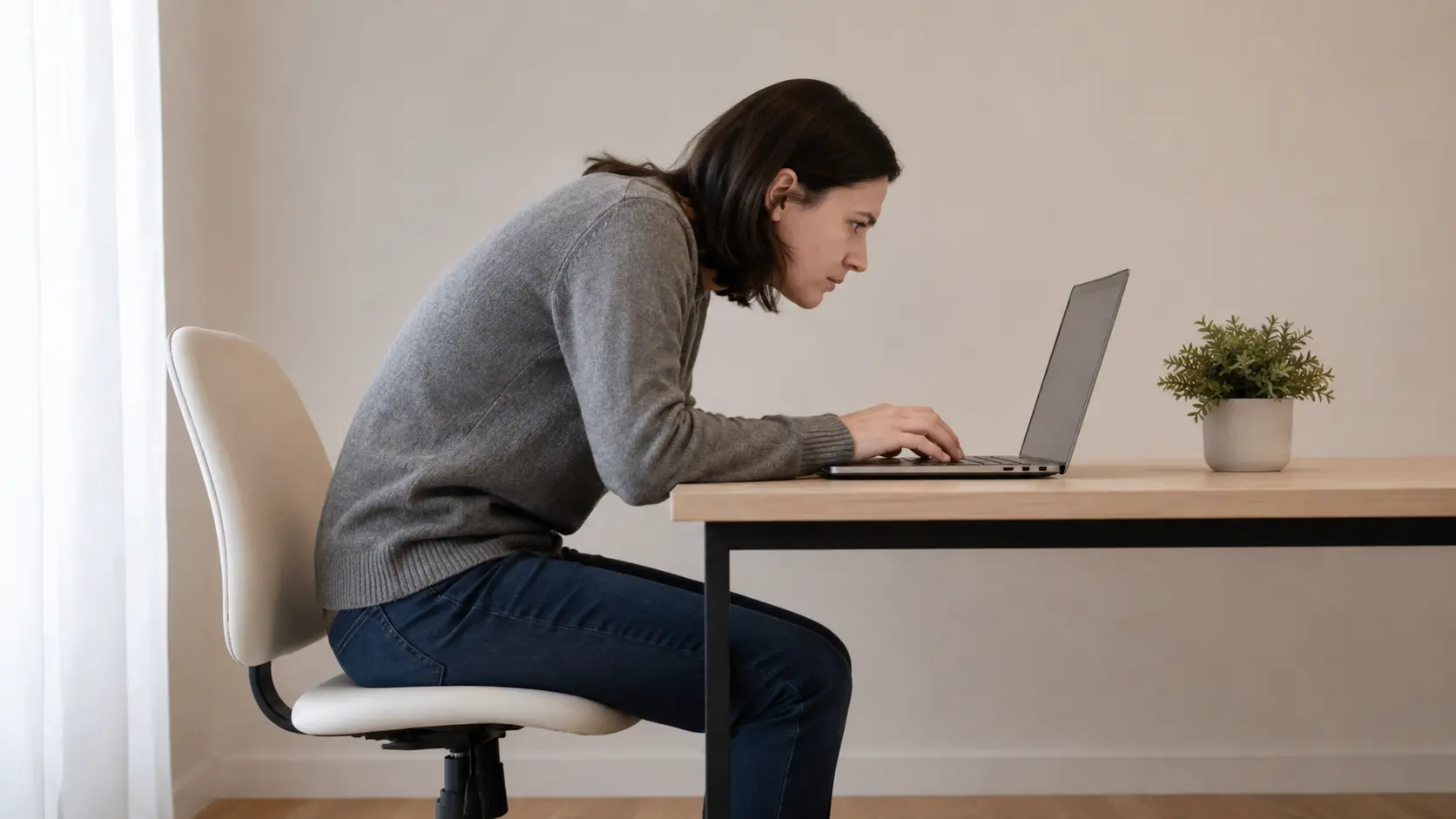
Posture stress often feels small while it is happening, but time makes it matter. A slight neck bend during work, phone use, reading, driving, or sitting can cause strain when the body stays in one position for too long each day.
- Forward Head: This occurs when your head sits in front of your shoulders rather than over them. It can make the neck work harder, round the shoulders, and stiffen the upper back. Keep screens near eye level, raise reading material, and work through targeted tech neck exercises to reset posture between sessions.
- Low Screens: A low laptop, phone, tablet, or reading surface can pull your head downward for long periods. Raise the screen, use a stand when possible, hold your phone higher, and support your arms so the shoulders stay relaxed.
- Long Sitting: Even good posture can break down when you sit too long. The head may drift forward, and the neck can lose support. Change position often, stand briefly, walk for a minute, and gently reset your shoulders.
- Bed Work: Working from bed can cause the spine to curve, the head to drop, and the shoulders to round because pillows rarely provide steady support. Use a chair with back support, keep both feet on the floor, and save the bed for rest.
- Phone Cradling: Holding the phone between your ear and shoulder bends the neck sideways and can create uneven strain. Use earbuds, speaker mode, or hold the phone in your hand. Keep calls shorter if symptoms start to build.
- Driving Posture: Driving can mix sitting, vibration, and head turning. Reaching for the wheel or staying stiff may add strain. Sit close enough, adjust mirrors first, support your head when possible, and turn your upper body with your head.
Sleep Positions That Can Worsen Cervical Symptoms
Sleep can affect cervical symptoms because your neck stays in one position for several hours without active correction.
If support is poor, you may wake with stiffness, headache, arm discomfort, or pain that feels stronger than it did before bed. Here is a clean breakdown of sleep habits to watch and what to adjust:
| Sleep Habit | What Can Happen | Better Setup |
|---|---|---|
| Stomach Sleeping | The head usually turns to one side for hours, which can tighten one side and disturb spinal alignment. | Try back or side sleeping with steady support. |
| Pillow Too High | Thick or stacked pillows can push the chin down or tilt the head sideways. | Choose a lower height that keeps your head level. |
| Pillow Too Flat | Too little height can let the head drop toward the mattress, especially during side sleeping. | Fill the ear-to-shoulder space so the head stays even. |
| Sofa Sleeping | Armrests and soft cushions can place the head at a sharp angle and let the body twist. | Set up proper bed support before resting. |
Better sleep positioning is about keeping the head, shoulders, and spine in a steady line. You do not need a perfect pillow. You need enough support to avoid twisting, dropping, or pushing the neck forward, the right pillow height and sleep position makes that easier to maintain.
Safer Movement Options for Cervical Spinal Stenosis
Staying active is still important with cervical spinal stenosis, and knowing which spinal stenosis exercises to avoid helps you move with more confidence and less risk.
The aim is to keep strength and mobility without adding unnecessary strain to the neck. Here are safer options to discuss with a doctor or physical therapist:
- Low-Impact Activity: Walking, water exercise, stationary cycling, and gentle mobility work can help you stay active without causing excessive strain on your body. Keep sessions short at first and build only when your neck handles them well.
- Gentle Neck: Small turns, light chin tucks, soft nods, and eye-led movements can support comfort without forcing range. Keep each movement slow, small, and easy to stop.
- Postural Strength: Scapular squeezes, wall-posture holds, and light band rows can strengthen the upper back to better support the neck. Focus on smooth form, not heavy effort.
- Balance Practice: Supported step-ups, sit-to-stand practice, heel-to-toe walking, and steady walking drills can improve control. Use support nearby so the work feels safe and stable.
- Progress Tracking: Note what activity you did, how long you did it, and how your neck felt later. This helps your therapist adjust the plan based on your real response.
When Medical Evaluation Becomes Necessary
Medical evaluation becomes important when cervical spinal stenosis starts affecting nerve function, coordination, or basic daily control. Occasional stiffness may settle with rest, but symptoms that return, spread beyond the neck, or limit normal tasks should be checked.
Make an appointment if pain keeps coming back, travels into the shoulder or arm, causes numbness in the hand or fingers, or makes gripping, lifting, sleeping, driving, or working harder.
Faster care is needed when weakness increases, the hands feel clumsy, walking becomes unsteady, or you notice shock-like sensations moving down the spine. Neck pain after a fall, crash, or sudden injury also deserves prompt attention.
Urgent help is needed for loss of bladder or bowel control, sudden walking trouble, severe weakness, or symptoms that worsen quickly. A doctor can assess whether nerves or the spinal cord are involved and guide the safest treatment plan for your condition and daily needs.
Frequently Asked Questions
Can cervical spinal stenosis be reversed naturally?
Cervical spinal stenosis usually cannot be reversed naturally because the narrowing often comes from structural spine changes. Still, symptoms can often be managed with safer activity, posture changes, physical therapy, and medical care. The goal is better function, not a quick cure.
Can cervical spinal stenosis get worse over time?
Yes, cervical spinal stenosis can worsen in some people, especially if spinal cord or nerve compression increases. Watch for growing weakness, balance trouble, hand clumsiness, or spreading numbness. Regular checkups help track changes before symptoms start affecting daily life more seriously.
Does weight or diet affect cervical spinal stenosis?
Diet does not directly widen the spinal canal, but overall health still matters. A balanced diet, healthy weight, and lower inflammation may support better movement and recovery. This is more about reducing additional stress on the body than treating the narrowing itself.
Is surgery always needed for cervical spinal stenosis?
No, surgery is not always needed. Many people start with nonsurgical care such as physical therapy, lifestyle changes, medication, or injections. Surgery is usually considered when symptoms are severe, worsening, or linked to spinal cord pressure that affects walking, strength, or hand control
Final Verdict
My honest answer for anyone asking where to start with cervical spinal stenosis: focus on what repeats most in your day. Screen position, carrying habits, and sleep setup affect the neck for more cumulative hours than any single workout.
Raise your screen to eye level, switch to a double-strap bag, and check whether your pillow keeps your head level through the night.
Those three changes cost nothing and address posture, load, and sleep stress at once. From there, work with a physical therapist to identify which high-impact activities to modify and which upper back exercises fit your current nerve function.
The things to avoid with cervical spinal stenosis become manageable once you know which daily patterns are doing the most damage.