






Does your back feel worse after certain workouts, even when you think you’re doing the right thing? I’ve seen this happen often, and you might be dealing with the same confusion.
With spinal stenosis and the exercises to avoid, the real challenge is knowing which movements are quietly making your pain worse.
Some exercises look safe but can increase nerve pressure and slow your progress. That’s where things get tricky. I’ll help you spot those harmful movements and understand why they cause problems.
By the end, you’ll know what to skip, what to be careful with, and how to keep your body moving without adding more pain.
Understanding Spinal Stenosis
Your spine is made up of small bones stacked on top of each other, with a canal running through the middle. That canal carries your spinal cord and nerves. Spinal stenosis happens when the canal narrows, squeezing the nerves inside.
This narrowing can cause pain, numbness, or weakness in your back, legs, or neck. Most people feel it when they walk, stand too long, or bend backward.
It usually develops slowly, often due to aging, arthritis, or worn-out discs. Some people are born with a naturally narrow canal.
There are two main types: lumbar spinal stenosis, which affects the lower back and is the more common form, and cervical spinal stenosis, which affects the neck.
The exercises to avoid differ slightly between the two, but the general principle is the same – any movement that further narrows the spinal canal or jolts compressed nerves is one to steer clear of.
Spinal Stenosis Exercises to Avoid
Not all exercises help. Some movements push the spine into positions that further squeeze those nerves. That’s why choosing the right exercises isn’t just helpful, it’s necessary.
1. Back Extensions (Hyperextension Movements)

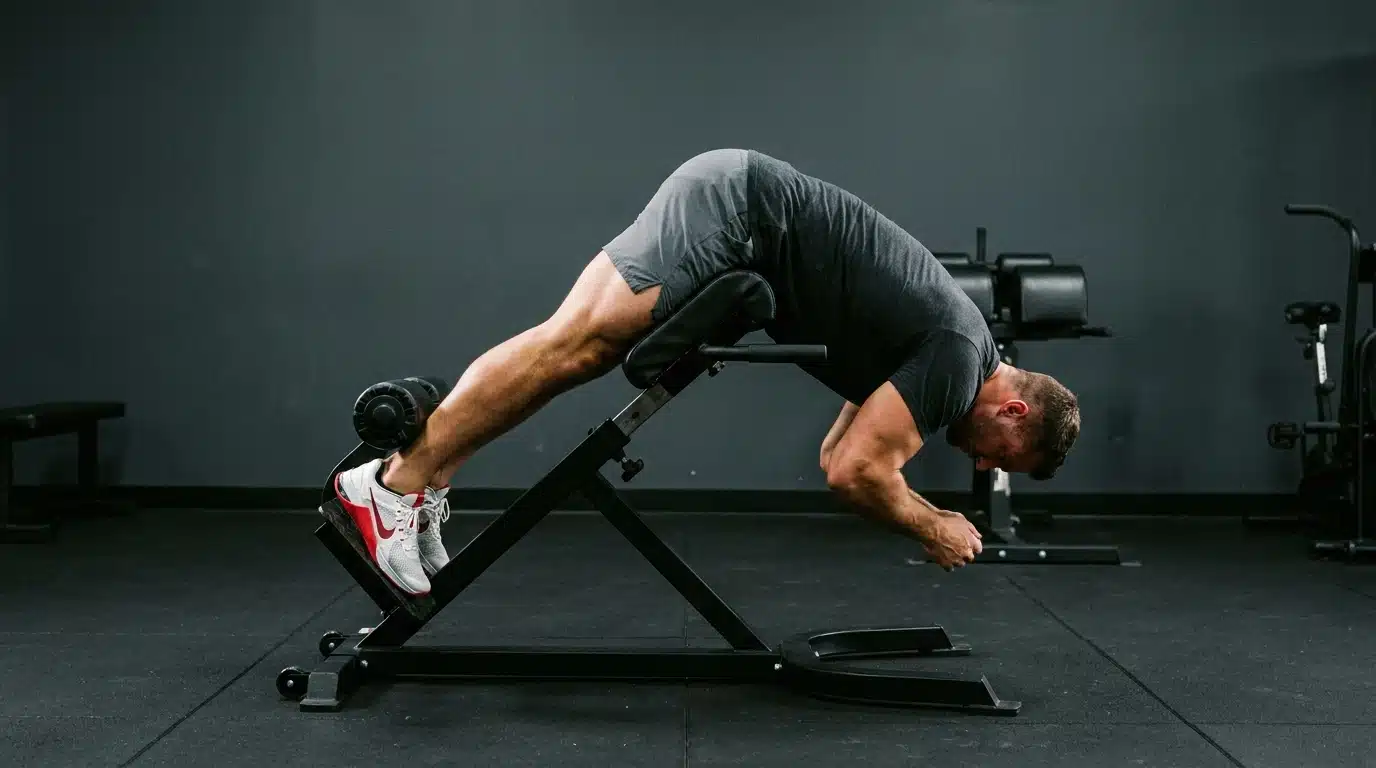
Back extensions mean bending your spine backward, like in a cobra pose or a gym hyperextension bench. For people with spinal stenosis, this is one of the riskiest moves.
Bending backward squeezes the spinal canal even tighter, pressing directly on already stressed nerves. This can cause sharp pain, numbness, or a burning feeling in your legs. It’s a movement that looks simple but can set your recovery back fast.
This applies to everyday postures, too. Standing with an exaggerated arch in your lower back, craning your neck to look up at the ceiling for long stretches, or sleeping on your stomach with your head turned to one side all mimic extension and can produce the same nerve irritation.
I tell my clients to think of their spine in “neutral” as the safe zone, and anything past that toward arching is a warning zone
2. High-Impact Running

Every time your foot hits the ground while running, a shock wave travels straight up your spine. For a healthy spine, no big deal. In a narrowed spinal canal, that repeated pounding irritates the compressed nerves with every step.
Over time, it leads to more inflammation and sharper pain. That’s why most doctors steer stenosis patients toward gentler options like walking, swimming, or cycling that keep you active without the harsh impact.
Even prolonged walking deserves caution. Long, unbroken walks can cause muscle fatigue in the lower back, which increases strain on the lumbar spine and can worsen symptoms over time. Short, frequent walks on flat surfaces are far better than one long session.
3. Heavy Deadlifts

Deadlifts put a huge load on your lower spine. Even with perfect form, the pressure on your lumbar discs is enormous. Add in the natural tendency to round your back when the weight gets heavy, and you have a recipe for nerve compression.
For people with lumbar spinal stenosis, heavy deadlifts can rapidly worsen symptoms, causing increased pain, tingling, and weakness in the legs. Light resistance with controlled movement is always the safer path.
The same logic applies to any heavy lifting in daily life: picking up grocery bags with a rounded back, hauling laundry baskets, or lifting a child without engaging your core. Poor lifting mechanics under load are just as dangerous as any gym exercise for someone with stenosis.
4. Standing Toe Touches
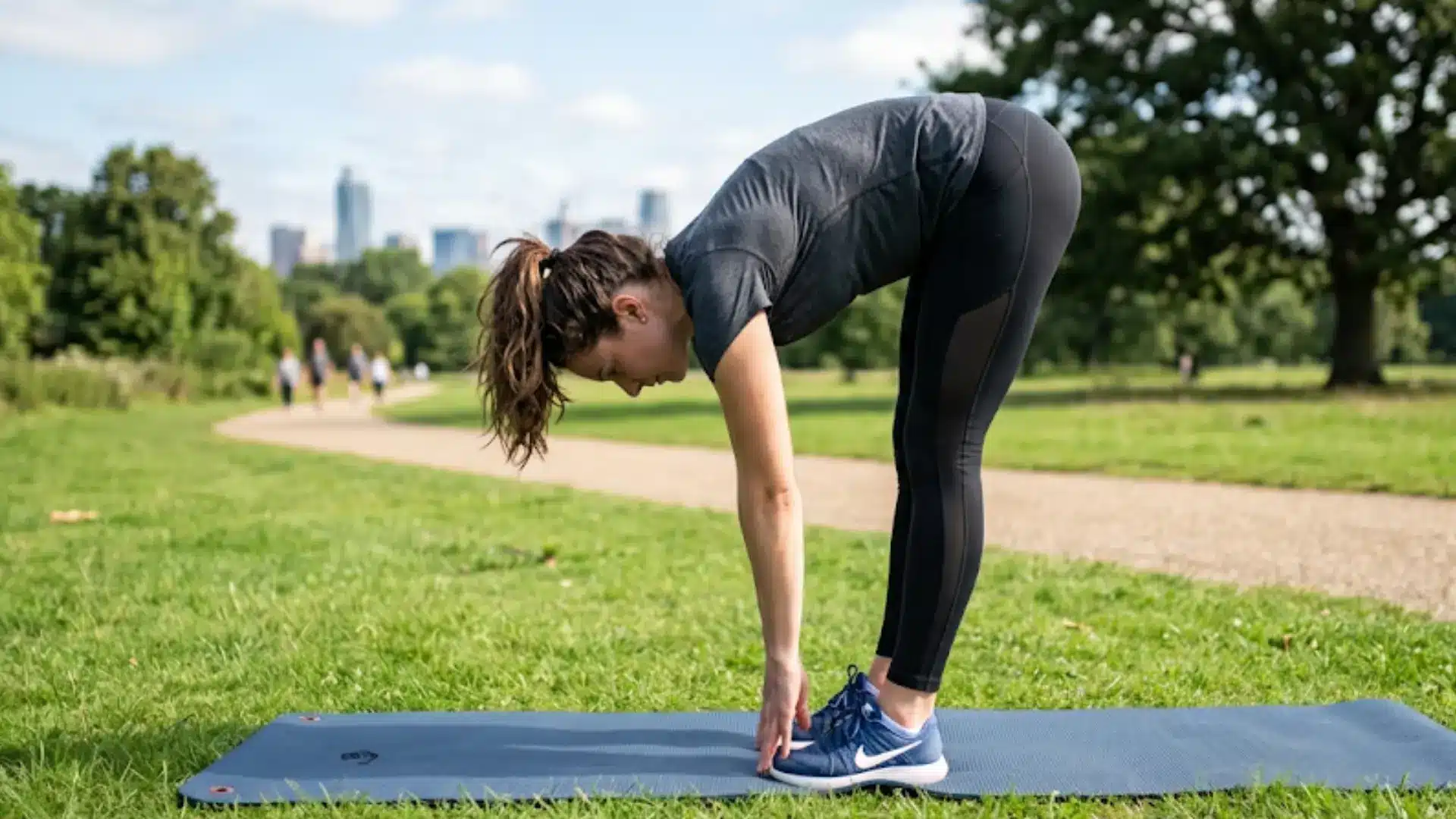
Reaching down to touch your toes feels like a gentle stretch, but for a stenosis spine, it’s risky. This move forces an aggressive forward bend that overstretches the lower back muscles and ligaments.
It can pull on already compressed and inflamed nerves. The sudden strain can cause flare-ups that last for days. If flexibility is your goal, seated stretches with a supported back are a much safer option.
5. Sit-Ups and Full Crunches
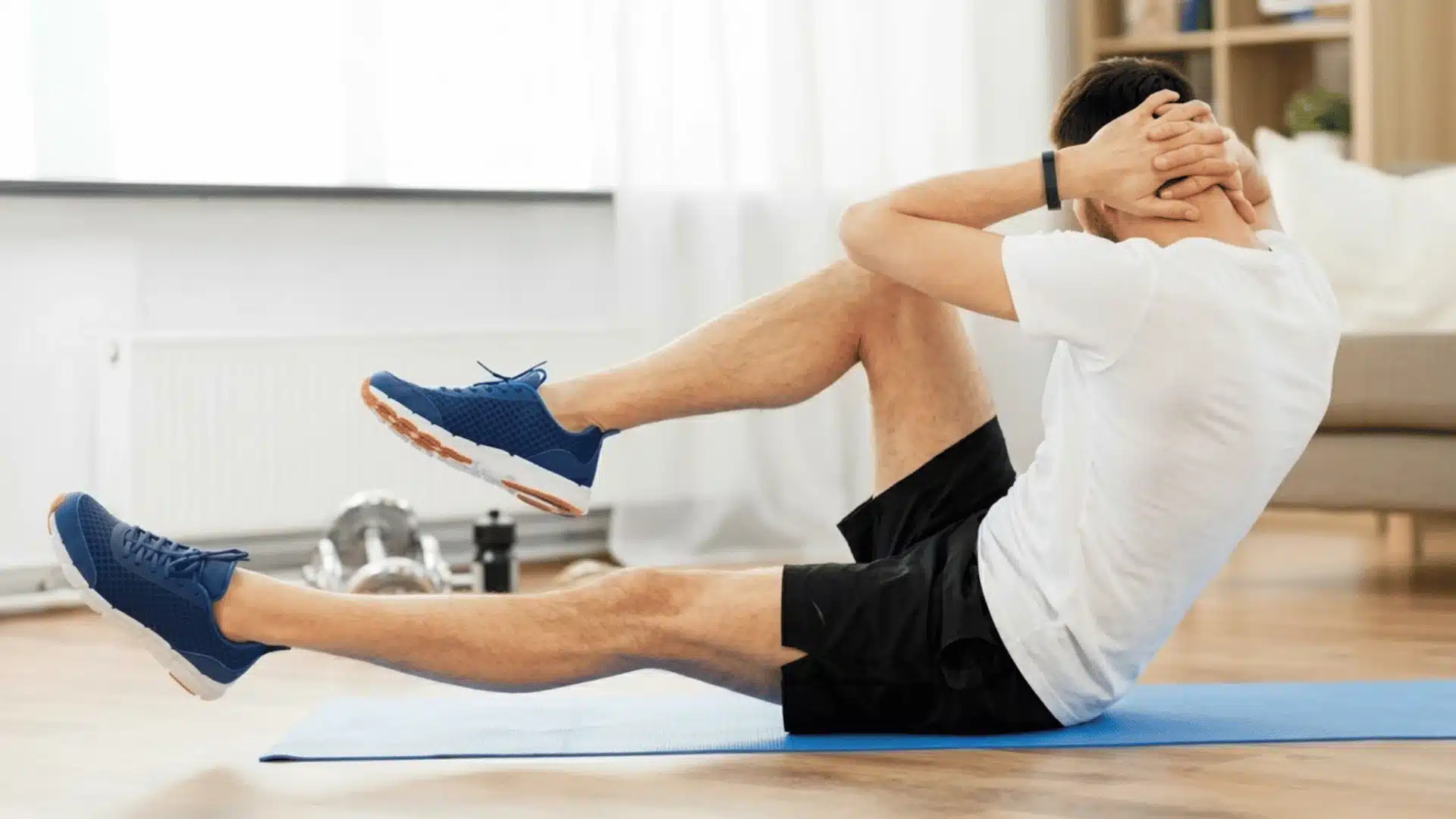
Traditional sit-ups repeatedly curl your spine forward under load. That repeated bending motion called spinal flexion puts direct stress on the lower back and the discs between your vertebrae. For someone with spinal stenosis, this can quickly increase nerve pressure and pain.
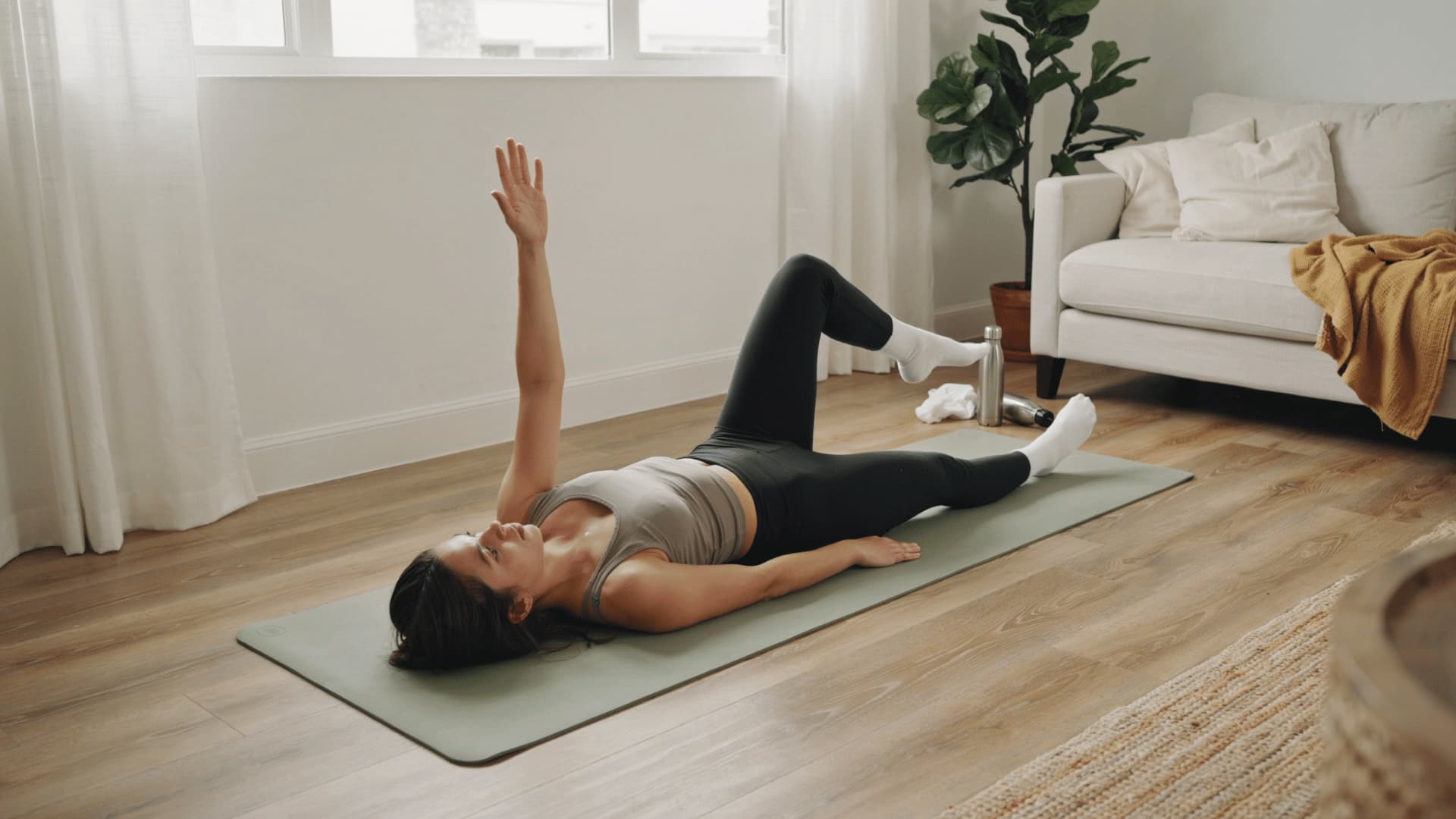
Safer core exercises like dead bugs, bird dogs, or supported planks strengthen your stomach muscles without forcing your spine into harmful positions.
6. Twisting Movements (Russian Twists, Golf Swings, Fast Rotation)
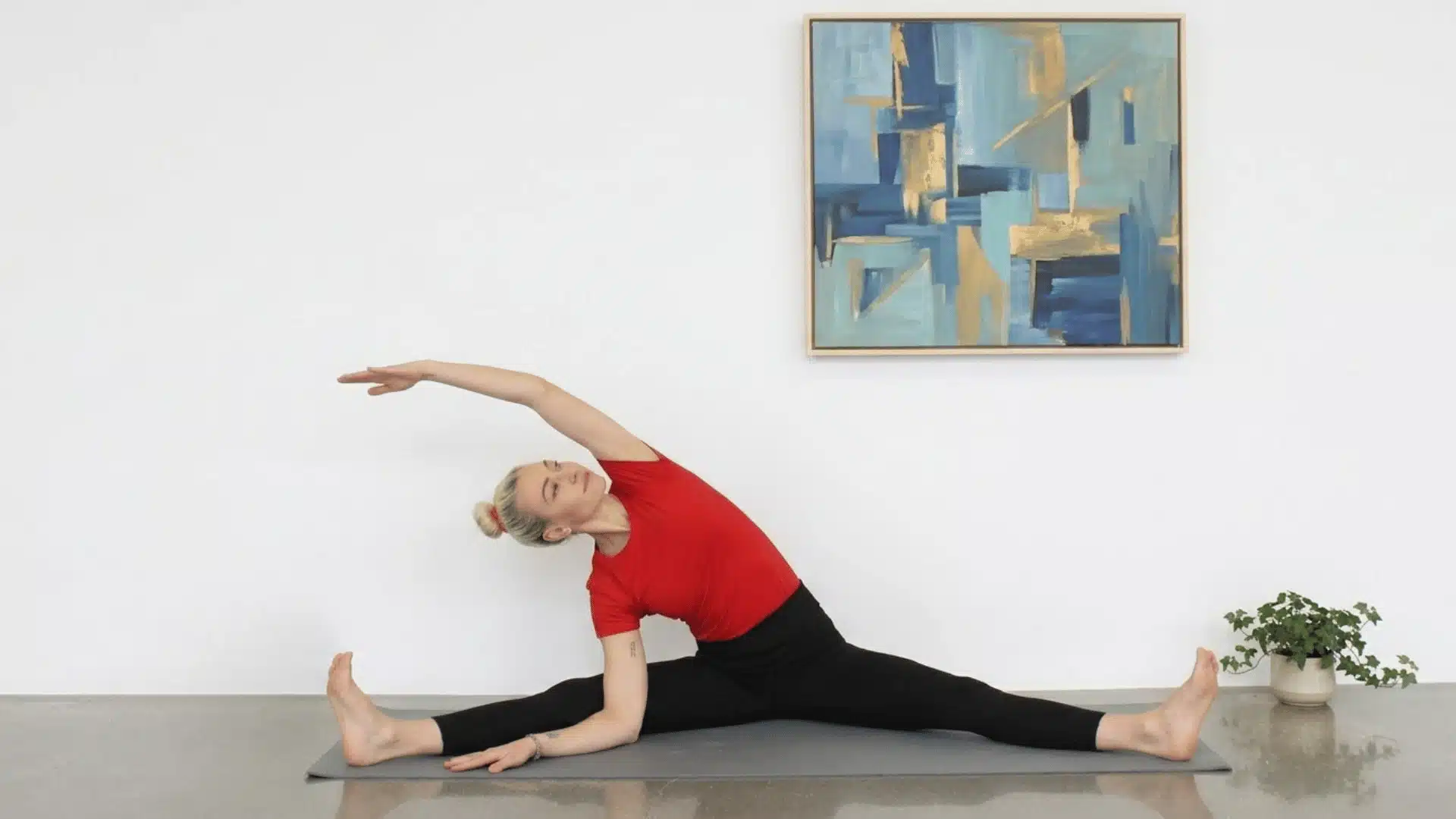
Twisting your spine especially fast or under load puts strong pressure on the small joints and nerve roots along your back. For patients with stenosis, sudden rotation can trigger painful flare-ups almost instantly. Russian twists, fast golf swings, or any sharp rotational move are best avoided.
Slow, controlled rotation with a limited range of motion may still be safe for some people, but always check with your doctor or physical therapist first.
7. High-Impact Jumping Exercises (Box Jumps, Jump Squats)
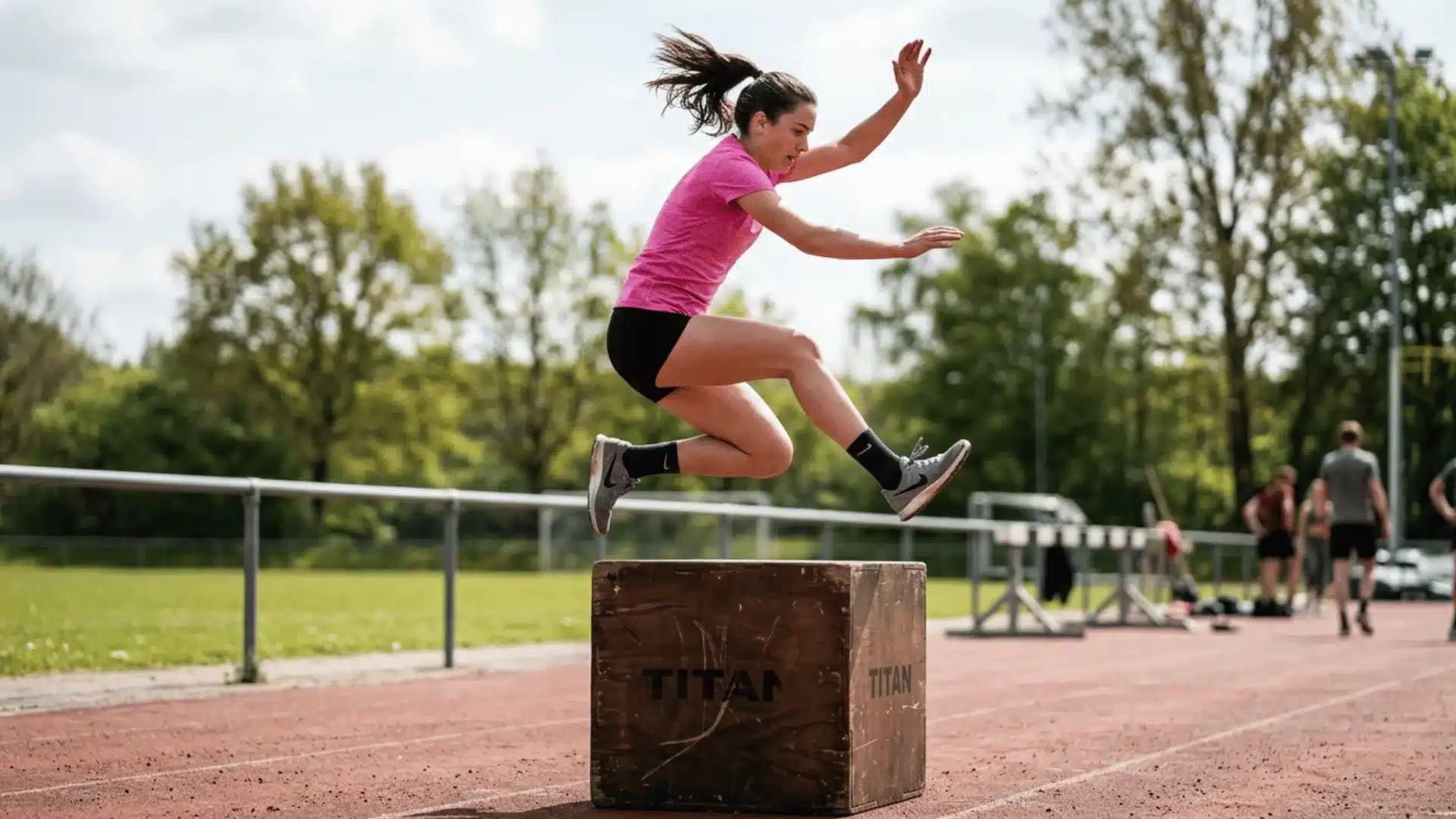
When you jump and land, the force of impact shoots straight through your legs and into your lower back, compressing the spine hard in a split second. For people with spinal stenosis, that compression squeezes already narrowed spaces even further, aggravating nerves and triggering pain.
Box jumps and jump squats may be great for healthy athletes, but for patients with stenosis, low-impact workouts like water aerobics, walking, or stationary cycling are far safer choices.
Signs an Exercise is Making Your Spinal Stenosis Worse
Your body always sends warning signals; you just need to know what to listen for. If you notice any of these signs during or after a workout, stop and take them seriously:
- Increased back pain during or after exercise, pain that feels sharper or heavier than your usual discomfort
- Numbness or tingling in your legs, a pins-and-needles feeling that wasn’t there before you started
- Weakness in your legs or feet, feeling unsteady, shaky, or like your legs might give out
- Pain that travels down your buttocks or legs, a shooting or burning sensation running from your lower back downward
- Difficulty standing or walking after workouts, feeling stiffer, slower, or more painful than before you exercised
If you wake up the day after a workout with more pain than before, that exercise is telling you something.
Don’t push through it. Pull back, assess, and consult your physical therapist before returning to that movement.
These are your body’s way of saying that exercise crossed a line. Stop, rest, and talk to your doctor before continuing.
Safer Exercise Options for People With Spinal Stenosis
Choosing the right exercises matters because certain movements can increase pressure on the spine, while others help reduce discomfort.
| Exercise Type | Why It Helps |
|---|---|
| Walking (slight forward lean) | Reduces pressure on spinal nerves and improves mobility |
| Stationary cycling | Keeps spine slightly flexed, which can ease symptoms |
| Swimming or water therapy | Supports body weight and reduces strain on joints |
| Gentle stretching | Improves flexibility without stressing the spine |
| Core strengthening (low impact) | Supports the spine and improves overall stability |
| Bird dog | Trains spinal stability without bending or loading the spine; safe for most |
| Pelvic tilts | Gently builds core strength and supports a neutral spine position |
| Child’s pose | Places the spine in gentle flexion, which may reduce nerve pressure |
These options focus on reducing strain while maintaining movement. It’s important to start slowly and adjust based on comfort and response.
Tips for Exercising Safely with Spinal Stenosis
Staying active with spinal stenosis is possible, but how you exercise matters just as much as what you do. Keep these simple tips in mind every time you work out:
- Always warm up before activity; a few minutes of light movement prepares your spine and muscles for exercise
- Focus on posture and controlled movements; slow, deliberate motion protects your spine far better than speed or force
- Avoid sudden twisting or heavy lifting, both of which put unexpected pressure on compressed nerves and can trigger instant flare-ups
- Start slowly and increase intensity gradually; give your body time to adjust before pushing harder
- Work with a physical therapist, if possible; a trained professional can build a plan that’s safe and specific to your spine
- Lean slightly forward when walking; this position naturally increases the diameter of the spinal canal and reduces nerve pressure, which is why many stenosis patients feel better pushing a shopping cart (the “shopping cart sign”)
- Manage your weight; excess body weight increases the compressive load on the lumbar spine, which can accelerate the progression of stenosis symptoms over time
Small, smart habits make the biggest difference. Protect your spine today so it can carry you further tomorrow.
When to Talk to a Doctor or Physical Therapist
Exercise is helpful, but there are times when your body is telling you it needs more than just rest. If your pain keeps getting worse even after you’ve stopped the exercise, that’s a clear sign to call your doctor.
Leg numbness or sudden weakness can mean the nerves in your spine are under serious pressure. If you start losing your balance or find it harder to walk and stand than before, don’t wait it out.
These are not normal workout side effects; they are warning signs. Getting help early can stop small problems from turning into big ones. Your spine deserves proper care, not guesswork.
Final Thoughts
Living with spinal stenosis means being more careful with how you move, not stopping movement altogether.
I’ve seen how avoiding the wrong exercises can quickly reduce pain and help you feel more in control again. The key is simple: stay away from high-impact moves, deep back bends, heavy lifting, and fast twisting.
These are the spinal stenosis exercises to avoid if you want to protect your spine. Instead, focus on gentle, controlled movements that support your body. Small changes in your routine can lead to steady improvement over time.
Try applying these tips in your next workout, and let me know what worked best for you or what still feels challenging.