



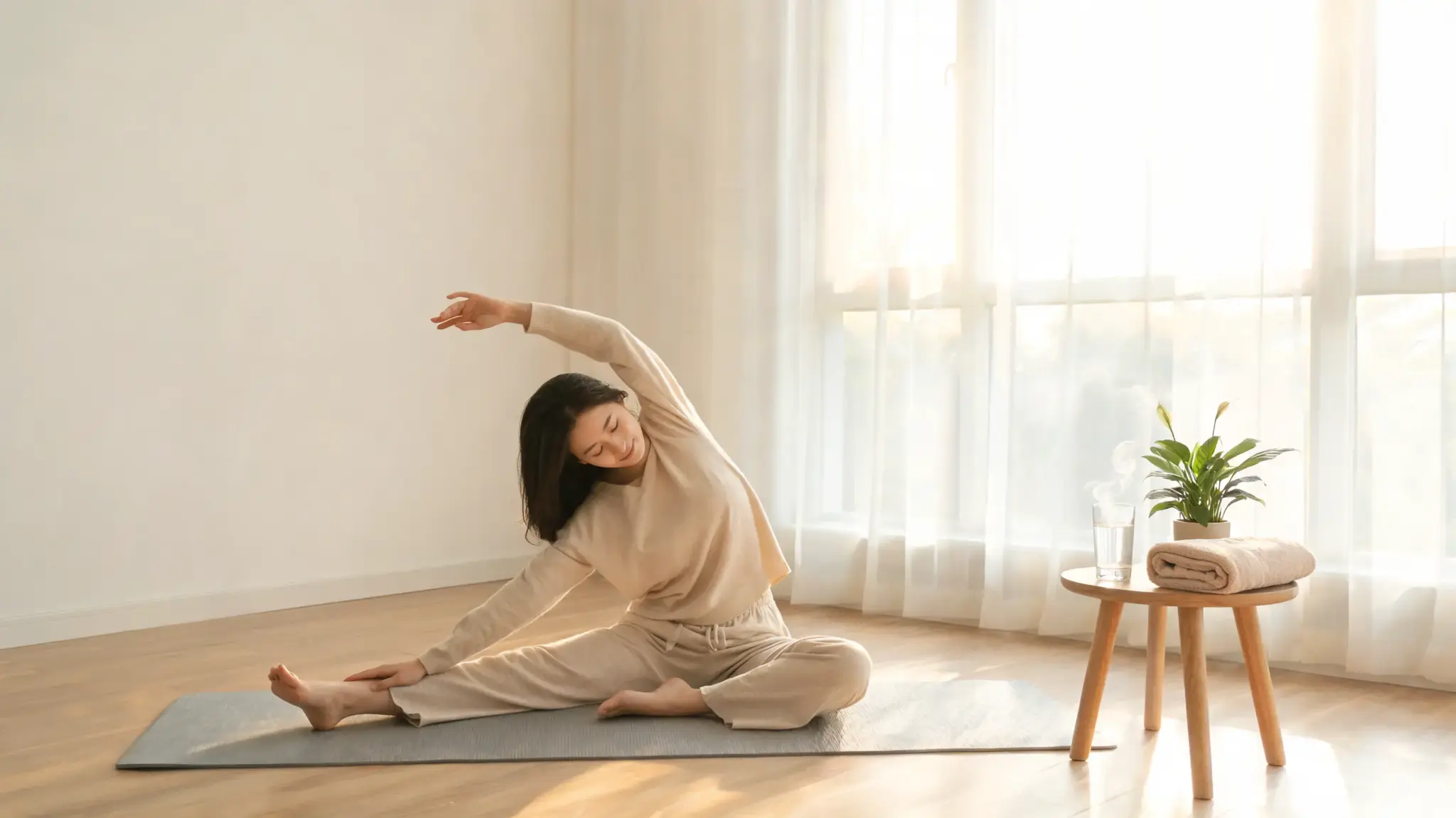




Why does your digestion feel slow even when you’re eating better? If you’re dealing with bloating, hard stool, or irregular bowel movements, I know how uncomfortable and frustrating that can feel.
The good news is that simple daily movement can make a real difference.
Exercises for constipation may help stimulate your gut, ease pressure, and support smoother bowel movements when paired with enough water, fiber, and better bathroom habits.
Research published in the American Journal of Gastroenterology found that a 12-week program of physical activity significantly improved constipation symptoms in sedentary adults, which aligns with what I see with clients in rehabilitation settings.
You’ll learn which exercises and yoga poses may help, when to do them, what foods support digestion, and when it’s time to speak with a doctor.
The Role of Exercise in Constipation Relief
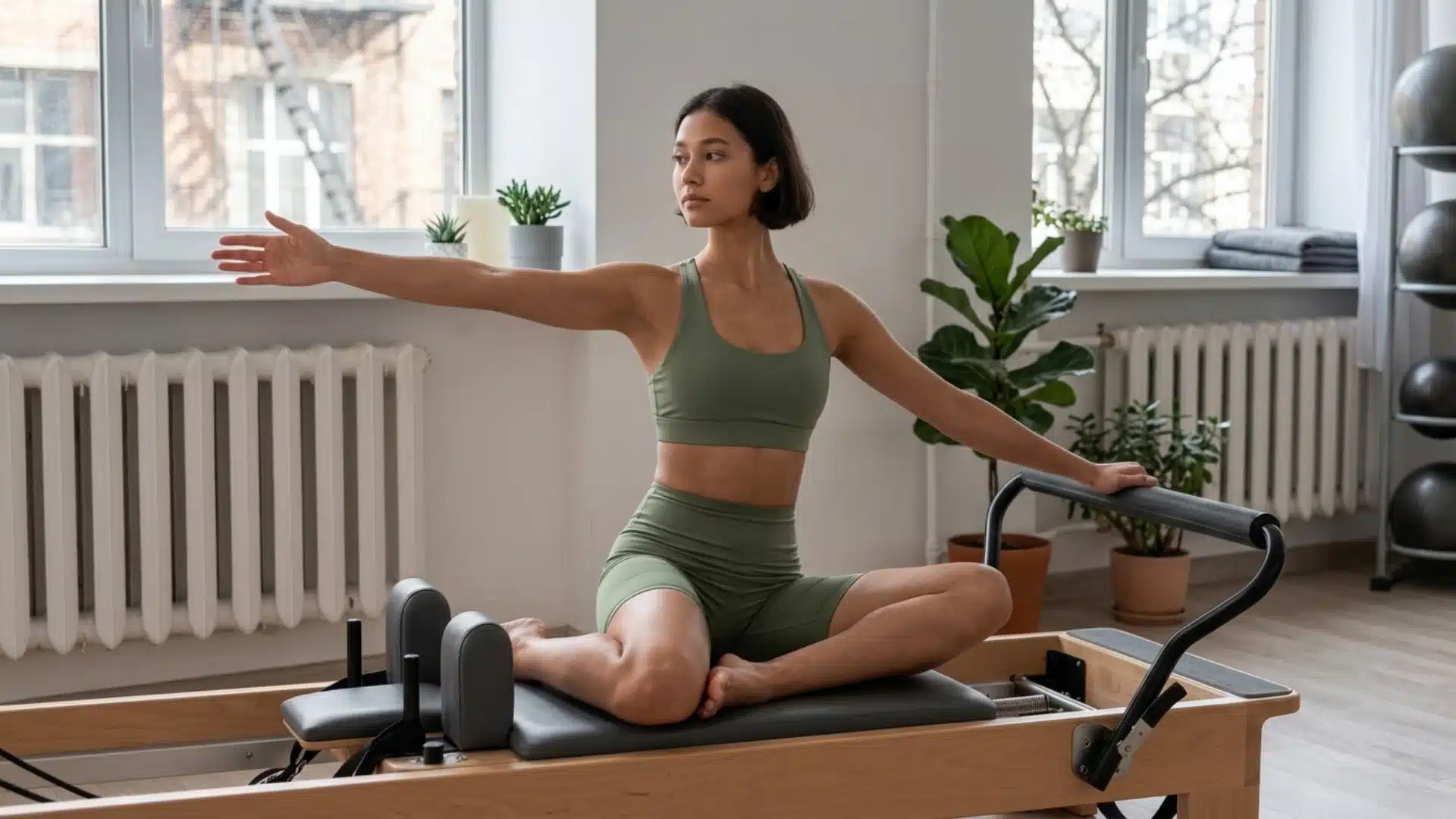
Exercise can support constipation relief by helping the digestive system move more efficiently. When the body stays active, the muscles in the abdomen and intestines may work better, which can encourage stool to move through the colon. These muscles are one part of the broader fitness Components that respond well to consistent, low-intensity movement
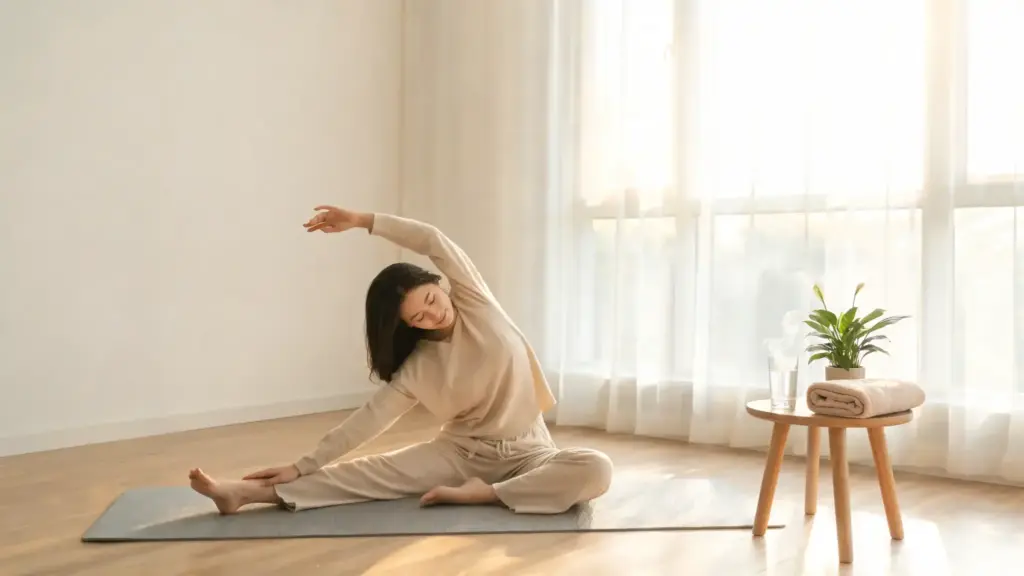
Gentle activities such as walking, stretching, yoga, and light core movements may also reduce bloating and improve overall digestion.
In my experience working with rehabilitation clients who spend most of their day seated, constipation is one of the most commonly reported but least discussed complaints. Simple movement breaks made a measurable difference for many of them within the first two weeks.
Regular movement is especially helpful for people who sit for long hours, as inactivity can slow bowel function. Exercise works best when combined with enough water, fiber-rich foods, and a consistent bathroom routine.
Start with simple daily movement, such as a short walk after meals, and increase gradually based on comfort. Avoid intense workouts if you have severe stomach pain or discomfort.
Early Signs Your Digestion is Getting Slower
When your digestion starts slowing down, your body gives early warning signs before constipation becomes serious. These points help you notice changes in bowel pattern, stool, and abdominal comfort early.
- Irregular Bowel: Less frequent bowel movements than usual, missed daily pattern, and delayed urge often indicate early constipation risk developing gradually.
- Hard Stool: Dry, lumpy stool or straining suggests water deficiency and slower gut movement, often linked with poor digestion and constipation.
- Abdominal Bloating: Gas trapping, slow food movement, and fermentation in the gut create fullness, pressure, and discomfort in the abdominal area.
- Incomplete Emptying: Feeling stool not fully passed, weak bowel contraction, and lingering urge often signal worsening constipation and reduced gut efficiency.
A note on stress and slow digestion: The gut and brain share a direct communication pathway called the gut-brain axis. Stress, anxiety, and sleep disruption can slow colonic motility even in people who are otherwise eating well and staying active. If your constipation worsens during high-stress periods, that is not a coincidence. Managing stress is part of managing digestion.
Best Exercises for Constipation Relief
These simple exercises for constipation relief can help stimulate digestion, reduce bloating, and support regular bowel movements when practiced gently and consistently with proper hydration.
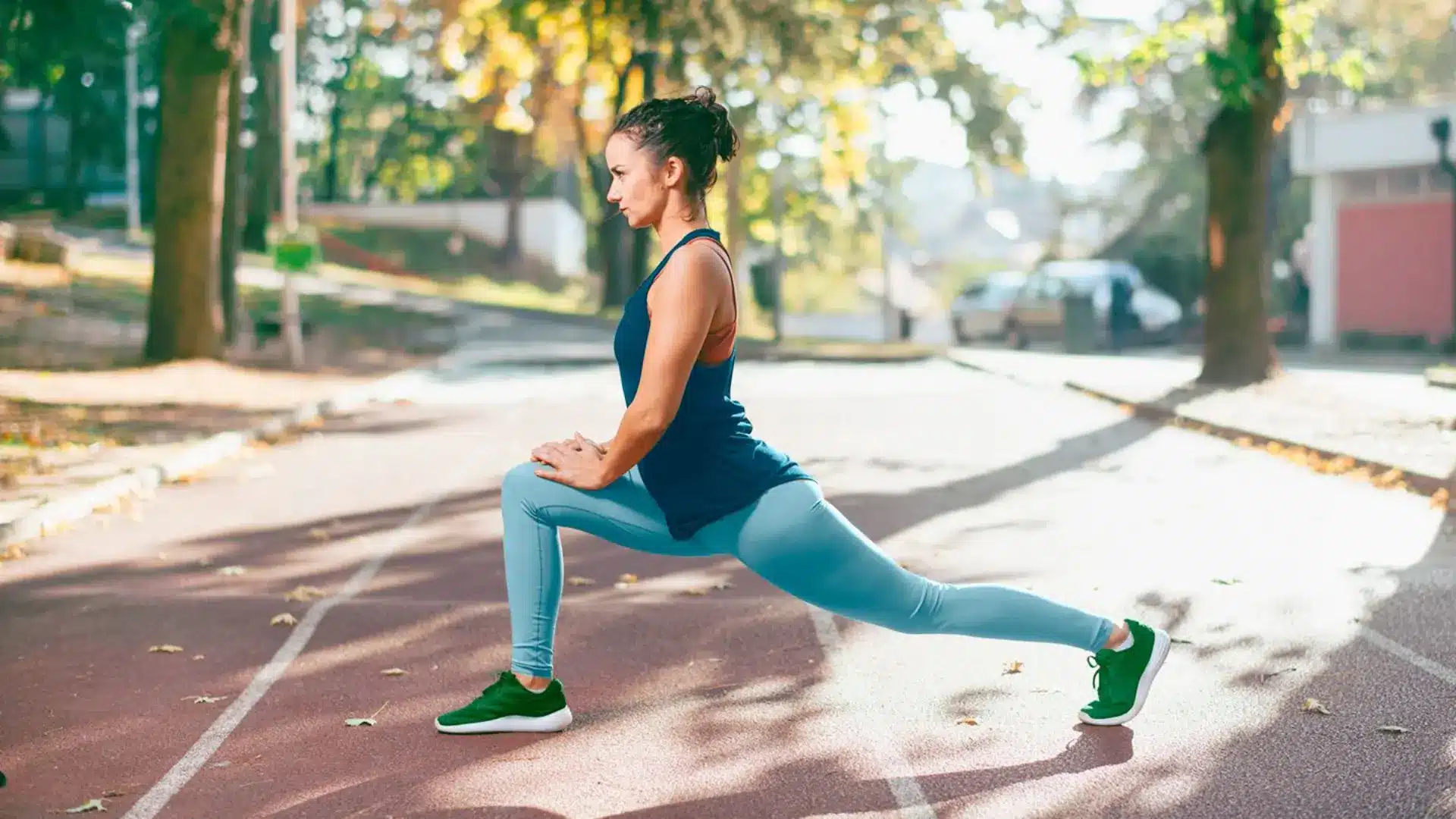
1. Walking for Constipation Relief

Walking is one of the easiest exercises for constipation and can be done daily. It helps gently stimulate the digestive system, supports bowel movement, and does not require any special equipment.
In a rehabilitation context, I often recommend a 15-minute post-dinner walk before any other constipation remedy because it is accessible, tolerated by almost everyone, and shows results within days when done consistently.
How to do it:
- Start with a slow 5-minute walk.
- Keep your back straight and shoulders relaxed.
- Walk at a comfortable pace for 15–30 minutes.
- Breathe normally while walking.
- Try to walk daily, especially after meals.
Best time to do it: After breakfast, lunch, or dinner.
Helpful tip: Your daily water intake plays a direct role in stool consistency, so drink enough water before and after walking to support digestion.
2. Knee-to-Chest Exercise for Constipation Relief
The knee-to-chest exercise is a gentle floor movement that may help reduce bloating, ease gas, and support bowel movement. It is also commonly known as the knees-to-chest pose.
How to do it:
- Lie on your back on a mat or soft surface.
- Keep both legs straight and relax your shoulders.
- Slowly bend one knee and bring it toward your chest.
- Hold your knee with both hands without pulling too hard.
- Stay in this position for 15–30 seconds.
- Slowly release your leg back to the floor.
- Repeat with the other leg, then try both knees together if comfortable.
Best time to do it: In the morning, before bed, or whenever you feel bloated.
Helpful tip: Keep your lower back relaxed and avoid forcing your knee too close to your chest.
3. Pelvic Tilts for Constipation Relief
Pelvic tilts gently activate the abdomen, lower back, and pelvic area. This exercise may support digestion by encouraging light core movement without putting too much pressure on the body. It may also ease pelvic floor tension that contributes to straining during bowel movements.
How to do it:
- Lie on your back with your knees bent.
- Keep your feet flat on the floor, hip-width apart.
- Relax your shoulders and keep your arms by your sides.
- Tighten your stomach muscles gently.
- Tilt your pelvis upward so your lower back presses lightly into the floor.
- Hold for 3–5 seconds.
- Relax and return to the starting position.
- Repeat 8–10 times.
Best time to do it: In the morning or before starting a gentle stretching routine.
Helpful tip: Move slowly and focus on controlled movement instead of speed.
4. Windshield Wipers for Constipation Relief
Windshield wipers are a gentle side-to-side twisting movement done while lying down. This exercise may help loosen the hips, relax the lower back, and support digestion through mild abdominal rotation.
How to do it:
- Lie on your back with your knees bent.
- Keep your feet flat on the floor and close together.
- Stretch your arms out to the sides for support.
- Slowly lower both knees to one side.
- Keep your shoulders relaxed on the floor.
- Hold for 5–10 seconds.
- Bring your knees back to the center.
- Repeat on the other side.
- Continue for 8–10 slow repetitions.
Best time to do it: Before bed or after a light warm-up.
Helpful tip: Do not force your knees to the floor. Move only as far as comfortable.
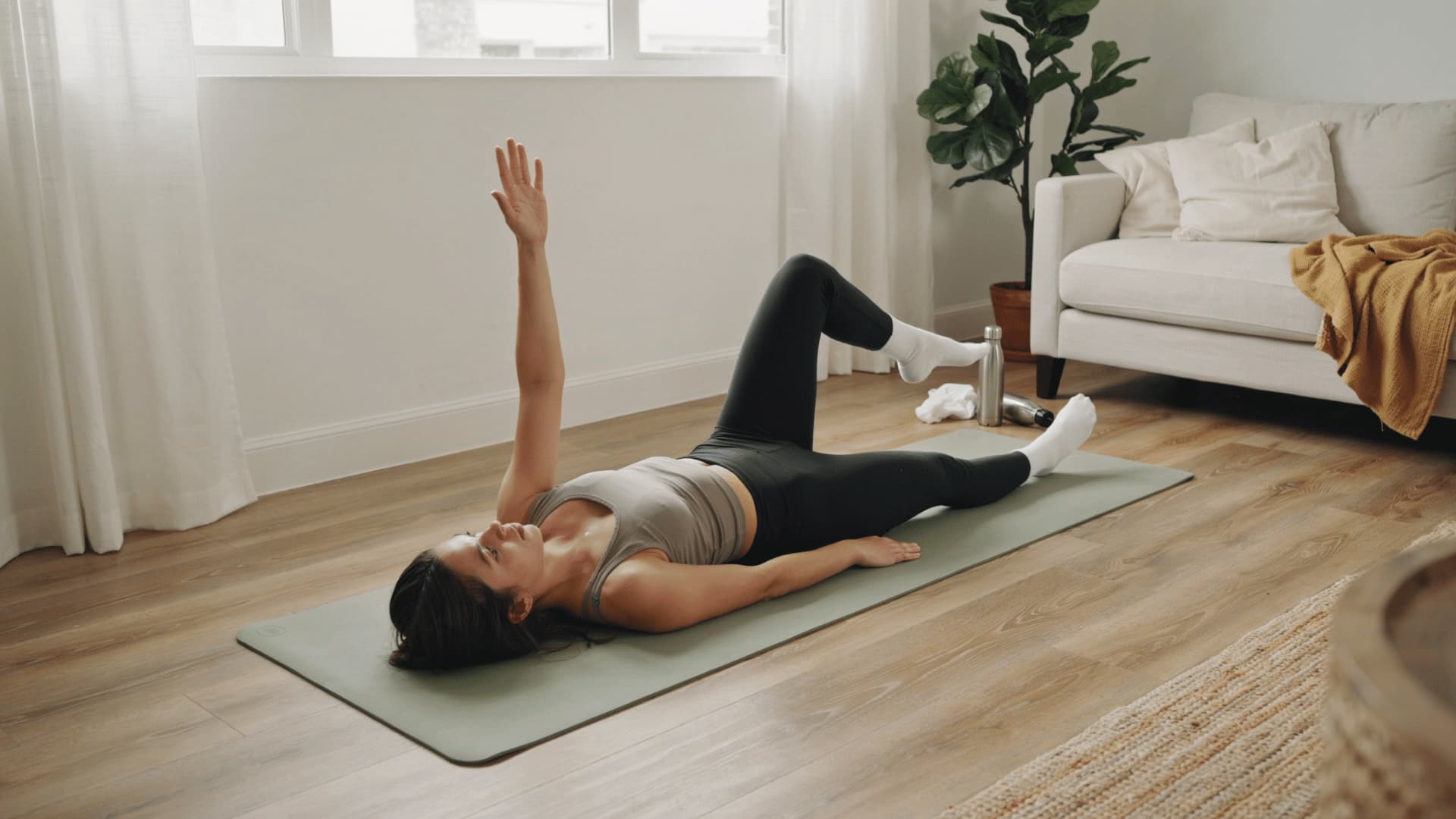
5. Supine Twist for Constipation Relief
The supine twist is a relaxing floor stretch that gently rotates the abdomen. This movement may help reduce abdominal tightness, loosen the lower back, and support digestion.
How to do it:
- Lie on your back with both legs straight.
- Bend your right knee and bring it toward your chest.
- Slowly move your right knee across your body to the left side.
- Keep your right shoulder relaxed on the floor.
- Stretch your right arm out to the side.
- Hold the twist for 20–30 seconds.
- Return to the center slowly.
- Repeat on the other side.
Best time to do it: In the evening, after walking, or during a gentle yoga routine.
Helpful tip: Breathe slowly while holding the twist and avoid pushing your knee down forcefully.
6. Cat-Cow Stretch for Constipation Relief
Cat-cow stretch is a common yoga-based movement often suggested for constipation relief. It gently moves the spine, stretches the abdomen, and may help stimulate digestive activity.
How to do it:
- Start on your hands and knees.
- Keep your hands under your shoulders and knees under your hips.
- Inhale and gently drop your belly toward the floor.
- Lift your chest and look slightly forward. This is the cow position.
- Exhale and round your back upward.
- Tuck your chin slightly toward your chest. This is the cat position.
- Move slowly between cat and cow positions.
- Repeat for 8–10 rounds.
Best time to do it: In the morning or before other constipation-relief stretches.
Helpful tip: Match each movement with your breathing to keep the stretch gentle and controlled.
8. Abdominal (Colon) Massage for Constipation Relief
Abdominal massage, also called colon massage, is a gentle manual technique that follows the path of the large intestine. Several top-ranking sources on constipation relief recommend it because it can directly stimulate sluggish bowel movement without requiring you to stand or move. I include this with clients who have limited mobility or who are recovering from a procedure.
How to do it:
- Lie on your back on a flat surface with your knees bent.
- Place your fingertips just inside your right hip bone (the start of the ascending colon).
- Apply gentle circular pressure and slowly move your hands upward toward your right ribs.
- Continue across the top of your abdomen from right to left (the transverse colon).
- Move downward on the left side toward your left hip bone (the descending colon).
- Complete the loop slowly for 2 to 3 minutes.
- Keep pressure gentle throughout; this should never feel painful.
Best time to do it: In the morning before rising from bed, or lying down after a warm drink.
Helpful tip: Always follow the natural path of the colon (up the right side, across, down the left). Massaging in the wrong direction adds pressure rather than relieving it. Skip this technique if you have inflammatory bowel disease, recent abdominal surgery, or any diagnosed bowel condition without first consulting your doctor
Yoga for Constipation Relief
Feeling bloated, tight, or sluggish after meals? These gentle yoga poses can help ease your digestion, release gas, and relax your body naturally.
1. Pawanmuktasana (Wind-Relieving Pose)
Pawanmuktasana is a simple floor yoga pose often suggested when the stomach feels tight, bloated, or uncomfortable after meals. The movement gently compresses the abdomen, which can support gas release and ease that heavy, full feeling. It is slow, beginner-friendly, and focuses on controlled breathing to help the body settle after eating
Step to perform Pawanmuktasana:
- Start Position: Lie on your back with legs extended and arms resting beside the body
- Knee Movement: Slowly bend both knees and bring them toward the chest
- Arm Hold: Wrap hands around the shins to secure the position
- Small Lift: Exhale and slightly lift the head while drawing knees closer
- Release Phase: Hold briefly, then return slowly to the starting position
Practice Notes: Keep your movements slow and controlled while focusing on steady breathing. Avoid practicing right after heavy meals and stop immediately if you feel any strain or discomfort in the neck or lower back.
2. Malasana
Malasana is a natural deep squat I often notice people already using in daily life, but doing it mindfully can improve hip openness and lower body comfort. It helps the body adjust to a grounded squat position, supports pelvic mobility, and makes sitting or squatting feel more stable over time.
If you feel knee discomfort while lowering into this position, reading about deep squat mobility and common knee issues may help you adjust safely.
Steps to perform Malasana:
Step 1: Stand tall with feet slightly wider than hip-width and toes turned out
Step 2: Keep your spine long, shoulders relaxed, and core lightly engaged
Step 3: Slowly lower your hips down into a deep squat position
Step 4: Bring palms together or place elbows inside knees for gentle support
Step 5: Press elbows lightly against inner thighs to open the hips
Step 6: Keep chest lifted and breathe steadily while holding the position
Step 7: Use a block or support under hips if balance or flexibility is limited
Step 8: Slowly rise back to standing when comfortable
Practice Notes: Keep your weight evenly balanced on both feet and avoid forcing depth in the squat. Use support if your heels lift or if balance feels unstable.
3. Child’s Pose
Child’s pose is a resting position often suggested when your body feels tired, mentally overloaded, or your lower back needs gentle release. It allows the spine to relax naturally while creating space in the hips and back without effort.
Steps to perform Child’s Pose:
Step 1: Kneel on the floor with hands and knees in a tabletop position
Step 2: Bring big toes together and slightly separate your knees
Step 3: Exhale and slowly sit your hips back toward your heels
Step 4: Lower your torso forward over your thighs
Step 5: Stretch your arms forward or rest them alongside your body
Step 6: Rest your forehead gently on the floor
Step 7: Breathe slowly into your belly and lower back
Step 8: Hold the position and stay relaxed throughout
Practice Notes: Let your body feel heavy into the floor and avoid forcing the stretch. Focus on slow breathing to release tension from the back and shoulders
4. Bhujangasana
Bhujangasana is a gentle backbend suggested when your spine feels stiff or your posture needs improvement. It helps open the chest and abdomen while encouraging better breathing and mild spinal activation.
Steps to perform Bhujangasana:
Step 1: Lie flat on your stomach with legs together and feet relaxed
Step 2: Place your forehead on the mat and relax your whole body
Step 3: Bring palms beside your chest, elbows close to your ribs
Step 4: Press your pelvis, thighs, and feet into the floor for stability
Step 5: Inhale and slowly lift your chest using back muscles
Step 6: Keep elbows slightly bent and shoulders relaxed away from ears
Step 7: Avoid straining your neck while looking forward or slightly up
Step 8: Hold for 3–5 breaths, then slowly lower down and relax
Practice Notes: Lift only as much as your body allows without pressure in the lower back. Keep movement controlled rather than forcing height in the chest
5. Apanasana
Apanasana is a calming floor pose which you can try when your stomach feels heavy, bloated, or your lower back needs gentle relief. Bringing the knees toward the chest helps create light abdominal compression that supports relaxation.
Steps to perform Apanasana:
Step 1: Lie flat on your back on a comfortable surface
Step 2: Slowly bring both knees toward your chest
Step 3: Wrap your arms around your knees and hold gently
Step 4: If needed, hold opposite elbows or rest hands on knees
Step 5: Keep shoulders and back of the neck relaxed on the floor
Step 6: Tuck your chin slightly toward your chest without lifting the neck
Step 7: Press lower back gently into the floor
Step 8: Breathe deeply into your belly while staying relaxed
Step 9: Hold for a few breaths, then slowly release legs back down
Practice Notes: Avoid pulling the knees too tightly. Let the breath stay slow and natural to allow the body to fully relax into the pose
Daily Routine for Consistent Bowel Movement
Your digestion becomes more predictable when your daily routine is consistent. This table helps you understand simple morning, daytime, and evening habits that support regular bowel movement naturally
| Section | Key Idea | What to Do | Why It Helps |
|---|---|---|---|
| Morning Gut Activation | Triggers natural bowel reflex | Warm water, stretching, short walk, try bathroom at same time daily | Activates digestion and supports natural bowel movement |
| Daytime Activity Habits | Keeps digestion active | Avoid long sitting, take movement breaks, drink water regularly | Improves gut movement and prevents slow digestion |
| Evening Wind-Down Routine | Supports gut relaxation | Gentle yoga, light meals, stress control | Helps digestion settle and reduces nighttime gut stress |
| Bathroom Timing Habits | Builds regular bowel cycle | Go at same time daily, don’t delay urge, stay consistent | Trains gut reflex and improves long-term bowel regularity |
When you follow these routines daily, your body slowly builds a natural rhythm. Doctors also recommend this kind of consistency to help reduce irregularity and support smoother, more comfortable digestion over time.
Best Time to Exercise for Constipation
The best time to exercise for constipation is usually after meals, when digestion is already active. Light movement, such as walking for 10 to 20 minutes, may help stimulate intestinal muscles and support smoother bowel movements.
Many people find gentle activity about 30 to 60 minutes after eating helpful, especially after breakfast or dinner. Avoid intense workouts immediately after a heavy meal because they may cause cramping, bloating, or discomfort.
If your stomach feels full, start with slow walking or simple stretches instead of running or heavy exercise.
Consistency matters more than intensity, so choose a time you can follow daily. Stay hydrated before and after exercise to support softer stools.
How to Improve Digestion With Diet and Exercise
Improving digestion often works best when healthy eating habits and gentle movement are combined. Small daily changes can support bowel regularity and reduce constipation discomfort.
- Drink enough water daily: Proper hydration helps soften stool and supports smoother bowel movements.
- Eat fiber-rich foods: Include fruits, vegetables, oats, lentils, beans, and whole grains to support healthy digestion.
- Increase fiber gradually: Adding too much fiber quickly may cause gas, bloating, or stomach discomfort.
- Walk after meals: A short walk after eating may help stimulate digestion and reduce sluggishness.
- Avoid sitting for long periods: Standing, stretching, or moving regularly can help keep digestion active.
- Practice gentle yoga or stretching: Simple poses and stretches may relax the abdomen and support bowel movement.
- Keep a regular bathroom routine: Try using the bathroom at the same time daily without rushing or straining.
These habits are most helpful when practiced consistently. If constipation becomes painful, frequent, or long-lasting, seek medical advice instead of relying only on home remedies.
Foods That May Help With Constipation
Adding fiber-rich foods and fluids to your daily meals may help soften stool, improve digestion, and support more regular bowel movements naturally.
| Food Type | Examples | Why It May Help |
|---|---|---|
| Fruits | Prunes, pears, apples, berries | Provide fiber and fluids |
| Vegetables | Broccoli, carrots, spinach | Add bulk to stool |
| Whole grains | Oats, brown rice, whole wheat | Support regular bowel movement |
| Legumes | Lentils, beans, chickpeas | Provide high fiber |
| Seeds | Chia seeds, flaxseeds | Help stool softness |
| Fluids | Water, soups, herbal tea | Support hydration |
Start slowly when adding more fiber, and drink enough water throughout the day to reduce bloating, gas, or stomach discomfort.
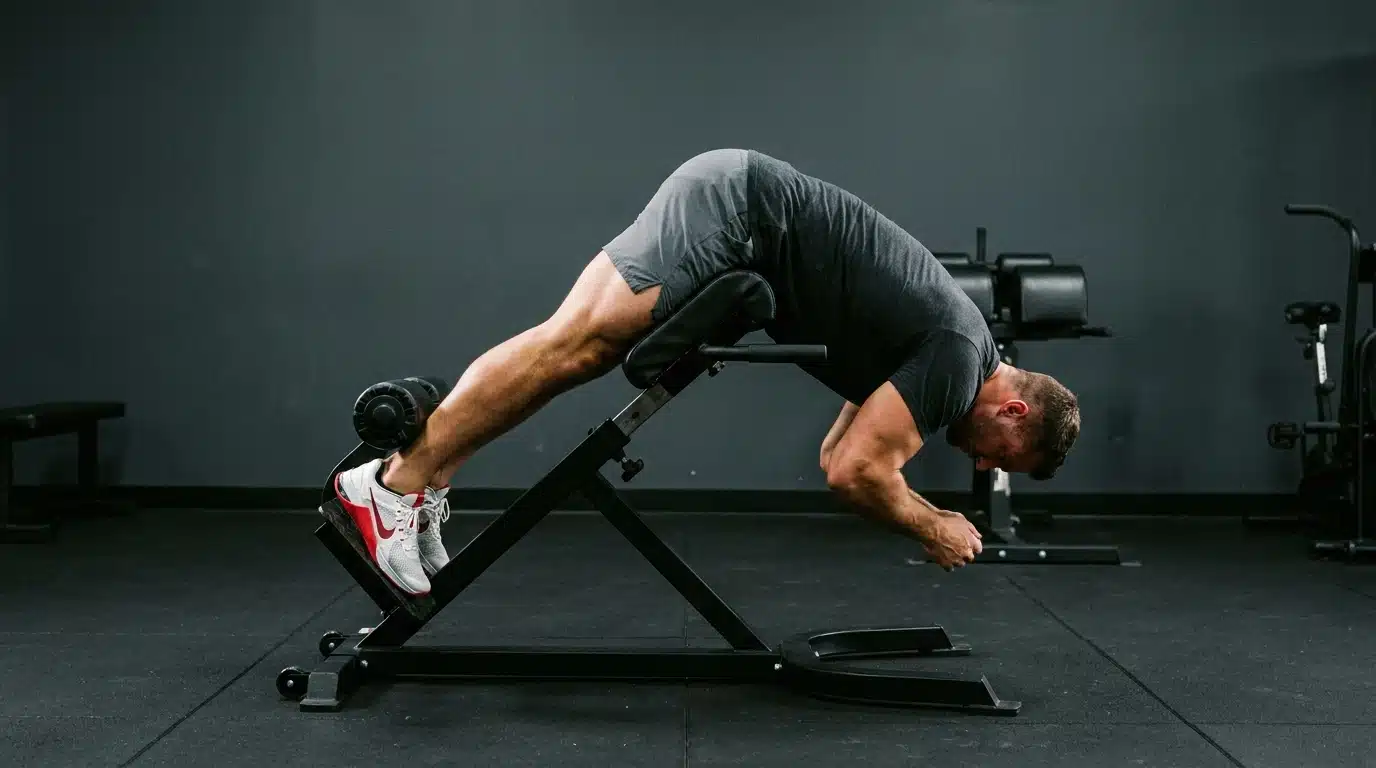
Exercises to Avoid When Constipated
Some exercises may worsen bloating, pressure, or stomach discomfort when you are constipated. Choose gentle movement and stop if pain increases.
- Heavy weightlifting during severe bloating: Lifting heavy weights may increase abdominal pressure and make bloating or discomfort feel worse.
- Intense crunches if they cause pain: Strong abdominal exercises can strain the stomach area and may increase cramping or pressure.
- High-impact workouts during stomach discomfort: Running, jumping, or HIIT may feel uncomfortable when your stomach is already tight or painful.
- Long workouts without hydration: Exercising for too long without water may worsen dehydration and make stool harder to pass.
- Any movement that causes sharp abdominal pain: Stop immediately if an exercise causes sharp pain, dizziness, nausea, or unusual discomfort.
Gentle walking, light stretching, and relaxing yoga poses are usually better choices. Seek medical advice if constipation is severe or persistent.
When to See a Doctor
See a doctor if constipation becomes severe, frequent, or does not improve with diet, hydration, and gentle exercise. Occasional constipation is common, but ongoing symptoms may need medical attention.
Get help sooner if you have severe abdominal pain, vomiting, blood in your stool, unexplained weight loss, or a sudden change in bowel habits.
You should also speak with a healthcare provider if constipation lasts for several weeks or if you cannot pass gas or stool. These symptoms may point to an underlying digestive issue that needs proper diagnosis and treatment.
Avoid relying only on home remedies if your discomfort keeps returning, becomes painful, or starts affecting your daily routine.
Take Action
Better digestion often starts with small habits you can repeat every day.
I’ve shown you how walking, gentle stretches, yoga poses, hydration, fiber-rich foods, and consistent bathroom timing can work together to support regular bowel movements.
You also learned which movements to avoid when your stomach feels painful or bloated, and when symptoms need medical attention.
Exercises for constipation are not about pushing your body hard; they are about helping it move, relax, and respond naturally.
Try one simple habit today, such as a short walk after meals or a gentle knee-to-chest stretch, and notice how your body feels. Share your experience or explore more digestion tips next!