



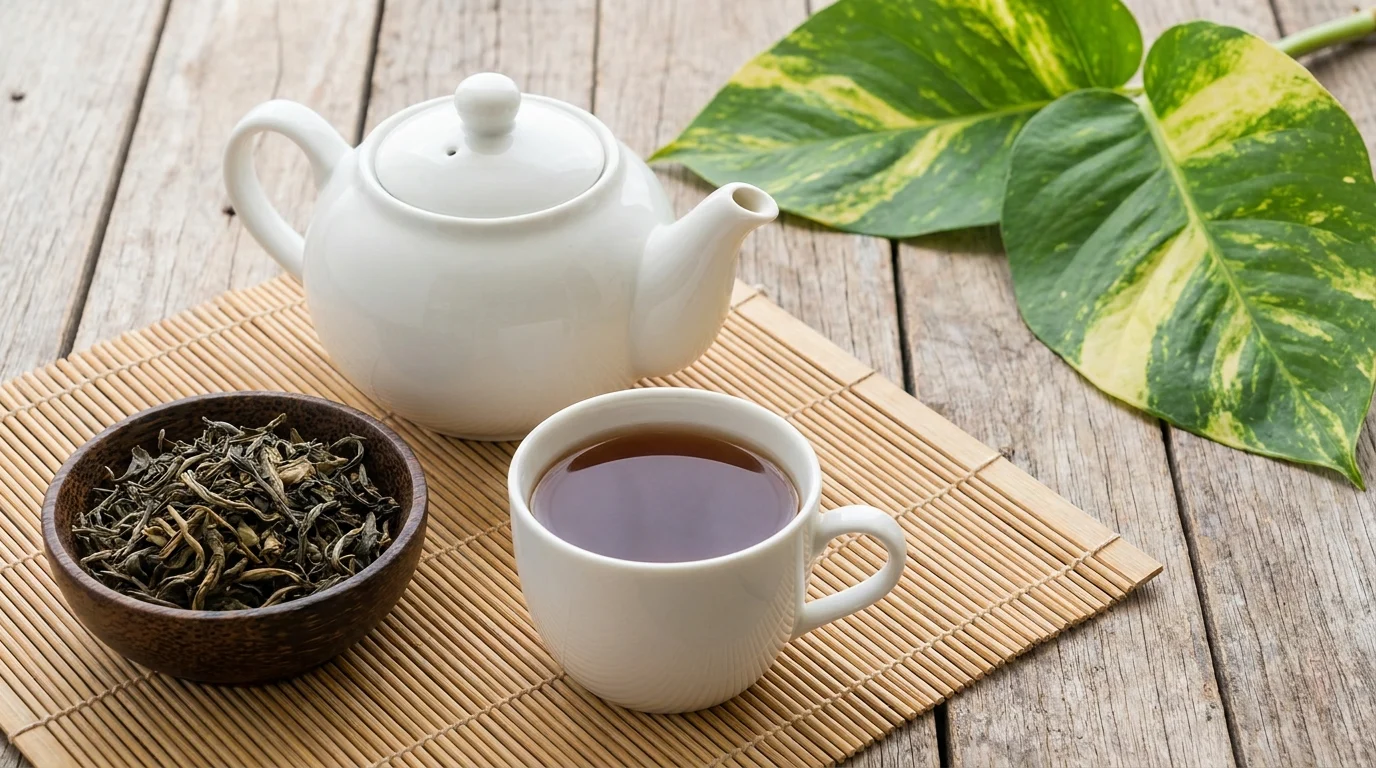








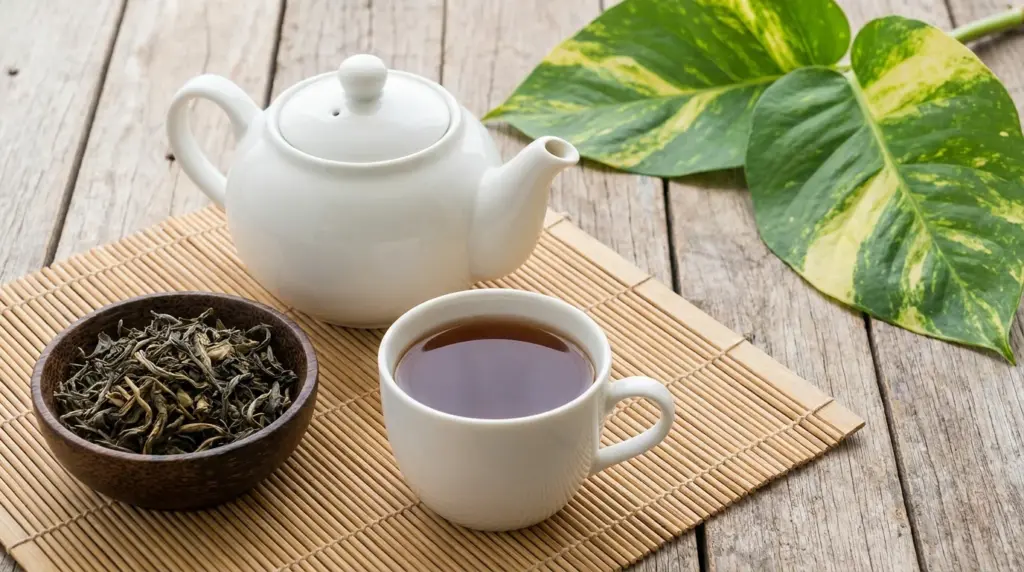

Imagine leaves being plucked before they fully open, then just dried in the sun.
No steaming, no rolling, no heavy hands involved.
That’s the entire secret behind white tea, and it’s exactly why its antioxidant levels stay so high.
Chefs, herbalists, and skincare brands have quietly used it for decades, long before it hit mainstream shelves. Today, white tea benefits show up in everything from heart health studies to skincare formulas.
This isn’t another trendy health drink chasing attention.
It’s an old, unbothered leaf that happens to pack real substance, cup after cup, without asking for credit
White Tea Benefits at a Glance
White tea undergoes less processing compared to other teas.
Leaves are harvested when young, promptly dried, and mostly left in their natural state.
This gentle method preserves antioxidants like catechins that fight cell damage and support healthy aging.
White tea may support heart health too, easing LDL cholesterol and keeping blood pressure in check. It carries less caffeine than green or black tea, so it won’t leave you jittery by afternoon.
Its antibacterial qualities can also support skin and oral health.
Sip it plain or with lemon. Either way, your body gets a quiet, steady boost.
White Tea Antioxidants: What They Actually Do in the Body
White tea contains a unique combination of compounds, each playing a vital role in your body.
- Catechins, particularly EGCG, prevent free radicals from harming healthy cells.
- Polyphenols reduce inflammation linked to joint pain and chronic disease.
- Flavonoids help to reduce collagen degradation, which helps maintain skin firmness over time.
- Tannins help maintain blood sugar levels by enhancing insulin sensitivity.
- Theaflavins enhance the immune system’s capacity to combat infections.
How is White Tea Different from Other Teas?
All teas originate from the same plant, but their processing methods change their characteristics.
| Tea Type | Processing | Flavor | Oxidation Level |
|---|---|---|---|
| White Tea | Minimal, sun-dried | Light, delicate | Lowest |
| Green Tea | Steamed or pan-fired | Grassy, fresh | Low |
| Oolong Tea | Partially withered | Fruity, complex | Medium |
| Black Tea | Fully withered and rolled | Bold, malty | Highest |
Popular Types of White Tea
Not all white tea is the same, and the type in your cup changes both flavor and antioxidant strength.
Silver Needle (Bai Hao Yinzhen) uses only the youngest, downy buds, offering the mildest flavor and highest catechin content.
White Peony (Bai Mu Dan) mixes buds with young leaves, creating a fuller body and a slightly stronger taste.
Shou Mei uses older leaves, which means a deeper color and bolder flavor, though it holds fewer antioxidants than Silver Needle. If you’re shopping for potency, Silver Needle is worth the higher price tag.
If you want something closer to green tea in taste, White Peony is the easier entry point.
Potential Benefits of Drinking White Tea
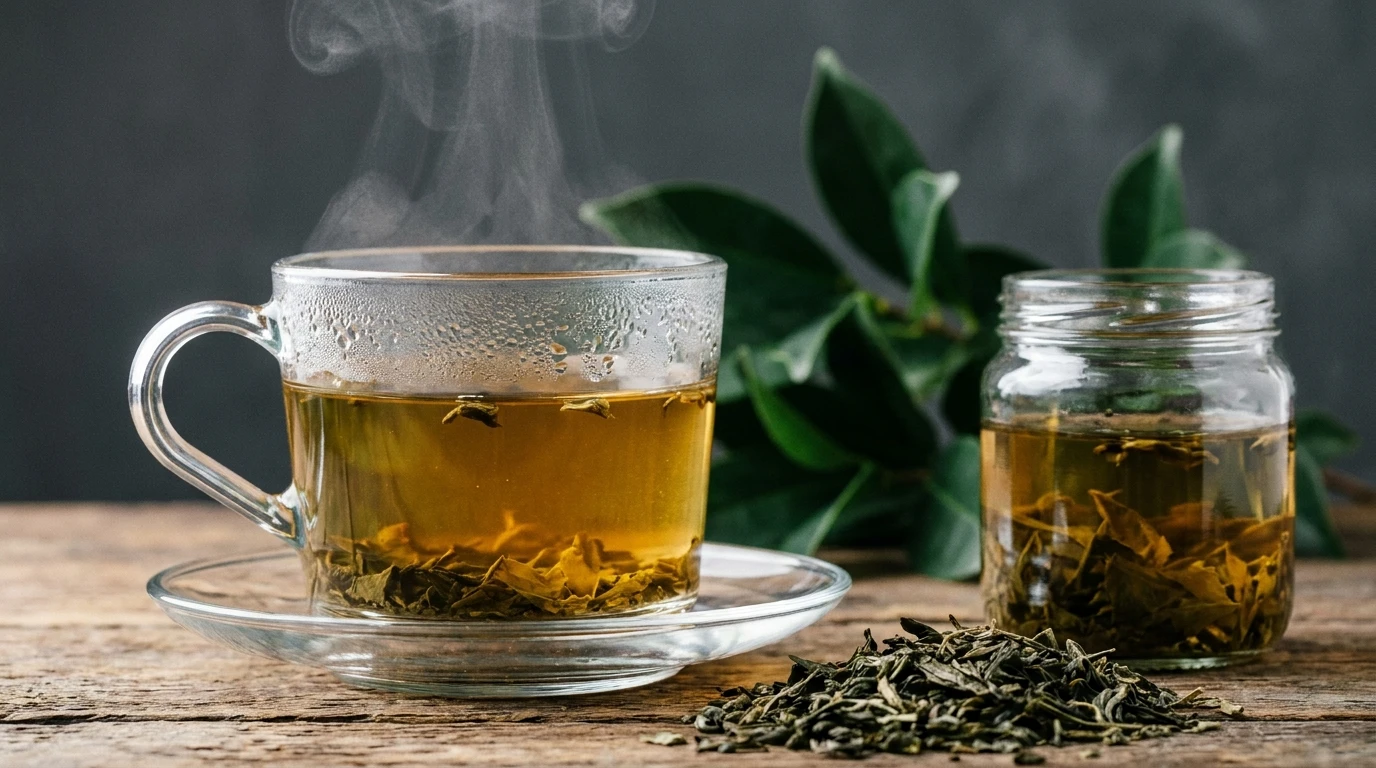
White tea offers more than hydration. Its unique compounds, covered above, translate into a specific set of health effects worth knowing before you build a habit around it.
1. Supports Heart Health
White tea keeps arteries flexible and clear, with polyphenols lowering oxidative stress on blood vessels. Over time, this lowers strain on your heart. Regular sipping also supports healthy triglyceride levels.
Add it to your routine, and your cardiovascular system gets a gentle, consistent ally working in the background.
It may even support smoother blood flow, which keeps your energy steadier through the day.
A daily cup can become a small habit with a lasting payoff.
2. Aids Weight Management
Catechins in white tea can rev up fat oxidation.
Your body burns stored fat more efficiently during rest and activity. It slightly suppresses appetite, helping to reduce cravings. Unlike sugary beverages, it contains almost no calories.
When paired with a balanced diet and regular exercise, it supports consistent weight management.
This provides a simple replacement for anyone monitoring their consumption.
3. Boosts Skin Health
White tea protects skin from sun damage and pollution.
Its antioxidants prevent elastin breakdown, keeping skin bouncy and smooth.
Consistent use might gradually reduce fine lines.
Some people even apply cooled white tea topically to soothe irritation. Inside and out, it works as a quiet defender. Its calming compounds may also reduce redness from breakouts or sensitivity.
A cotton pad soaked in cooled tea can double as a gentle toner.
4. Strengthens Bones
Compounds in white tea may improve bone mineral density.
They reduce oxidative damage to bone-forming cells, keeping them active longer.
This matters as you age, when bone loss speeds up. Consistently drinking it could be a simple habit supporting skeletal strength long-term. It also contains trace minerals like manganese, which play a role in bone formation.
Combined with calcium-rich foods, it rounds out a bone-friendly routine.
5. Supports Oral Health
White tea’s natural compounds fight bacteria that cause plaque and bad breath.
It also contains fluoride, which strengthens tooth enamel. Rinsing with cooled white tea after meals can cut down on cavity-causing acids. Your mouth stays fresher, and your teeth get a subtle layer of daily protection.
Its antibacterial edge also helps calm gum irritation over time.
A simple swap from sugary drinks to white tea can make a real difference for your smile.
6. May Lower Diabetes Risk
White tea helps regulate blood sugar spikes after meals.
It improves how your cells respond to insulin, which keeps glucose levels steadier throughout the day.
For anyone managing prediabetes or family risk factors, this makes white tea a smart, low-effort addition to a diabetes-conscious lifestyle. It may also reduce sugar cravings, which helps you stick to balanced meals.
Consuming it between meals helps maintain steady energy levels and prevents rapid drops.
7. Supports Brain Function
Caffeine and L-theanine in white tea team up to sharpen focus.
Together, they improve alertness without the crash you get from coffee.
This combination enhances memory, sharpens focus, alleviates mental fog, and can lower mild stress by encouraging a calm and clear mind, making it stand out among beverages.
8. Boosts Immunity
White tea contains compounds that help your body fend off common infections.
It boosts white blood cell activity, strengthening your immune system. Drinking it regularly, especially during cold and flu season, provides extra support without supplements or medication.
Its antimicrobial properties may also shorten recovery time when you do catch something.
A warm cup at the first sign of a scratchy throat can go a long way.
9. May Reduce Cancer Risk
Early findings suggest white tea’s antioxidants may slow the growth of abnormal cells.
It targets oxidative stress, a known contributor to cellular mutations.
While it’s not a cure or guarantee, adding it to your diet is a low-risk way to support your body’s natural defense against long-term cell damage. Its high catechin content, especially EGCG, drives this protective effect.
Combining it with a nutrient-dense diet creates an even more robust shield.
10. Supports Gut Health
White tea acts as a mild prebiotic, feeding good bacteria in your gut.
This balance boosts digestion, reduces bloating, and improves immunity by supporting a healthier gut microbiome.
Sipping a cup after meals can ease digestive discomfort and keep your gut environment functioning smoothly. It may also help regulate bowel movements, easing occasional constipation.
Over time, a balanced gut can even improve how your body absorbs nutrients.
11. Anti-Aging Effects
White tea slows the visible signs of aging by protecting cells from oxidative stress. It supports collagen production, keeping skin firmer and joints more flexible. Internally, it may also protect organs from age-related decline.
Consider it a simple daily routine that offers lasting benefits for your body.
Its antioxidants may also slow the graying process by protecting hair follicles from damage.
Consistency matters more here than any single cup.
12. May Help With Allergies
White tea has compounds that inhibit histamine release, which can cause allergy symptoms like sneezing and itchy eyes.
Drinking it during allergy season might help lessen mild reactions naturally. While it won’t substitute medication for severe allergies, it can serve as a gentle, supplementary support during flare-ups.
Its anti-inflammatory effects may also soothe a scratchy throat caused by seasonal irritants.
A warm cup during pollen season can feel like a small relief.
13. Supports Liver Health
White tea helps protect liver cells from oxidative damage caused by toxins and poor diet.
It supports the liver’s natural detox processes, keeping it functioning efficiently.
For anyone looking to support liver health without drastic diet changes, white tea offers a simple, low-effort daily addition. It may also help reduce fat buildup in liver cells over time.
Swapping one sugary drink for white tea daily can add up to real support.
White Tea Side Effects and Possible Downsides
White tea is gentle, but it’s not completely risk-free. Keep these points in mind before making it a daily habit:
- Excess caffeine intake can cause restlessness or trouble sleeping.
- May interact with blood thinners due to its vitamin K content.
- Can cause mild stomach upset when consumed on an empty stomach.
- Overconsumption may lead to headaches in caffeine-sensitive individuals.
- Tannins can reduce iron absorption if taken with meals.
- May cause a mild laxative effect in some people.
- Not recommended in large amounts during pregnancy or breastfeeding.
- Can worsen anxiety symptoms if consumed excessively.
This is for informational purposes only. Consult a doctor before making changes if you take medication or have a health condition.
White Tea and Weight Loss: What You Can Realistically Expect
White tea isn’t a magic solution for weight loss; it works best as part of a larger strategy.
Its natural compounds give metabolism a mild nudge, not a dramatic overhaul. Expect gradual results, not overnight change. Combine it with balanced meals and regular activity for real progress.
Swapping it in for sugary drinks alone can trim excess calories over weeks.
If you want more options beyond tea, several herbs used for weight support pair well with this kind of routine.
Consider it more as a helpful habit than a fix.
Patience and consistency matter more than the tea itself when it comes to lasting results
How Much White Tea Should You Drink?
Two to three cups a day works well for most healthy adults.
This amount offers benefits while staying within the recommended caffeine limit.
Beginners should start with one cup and see how their body responds. Spread your servings across the day instead of drinking them all at once. Avoid it right before bed, since it can disrupt sleep.
Pregnant women and caffeine-sensitive individuals should stick to lower amounts or check with a doctor first.
Quality matters too, so choose loose leaves over lower-grade bagged versions when possible
Best Way to Brew White Tea for Flavor and Compounds
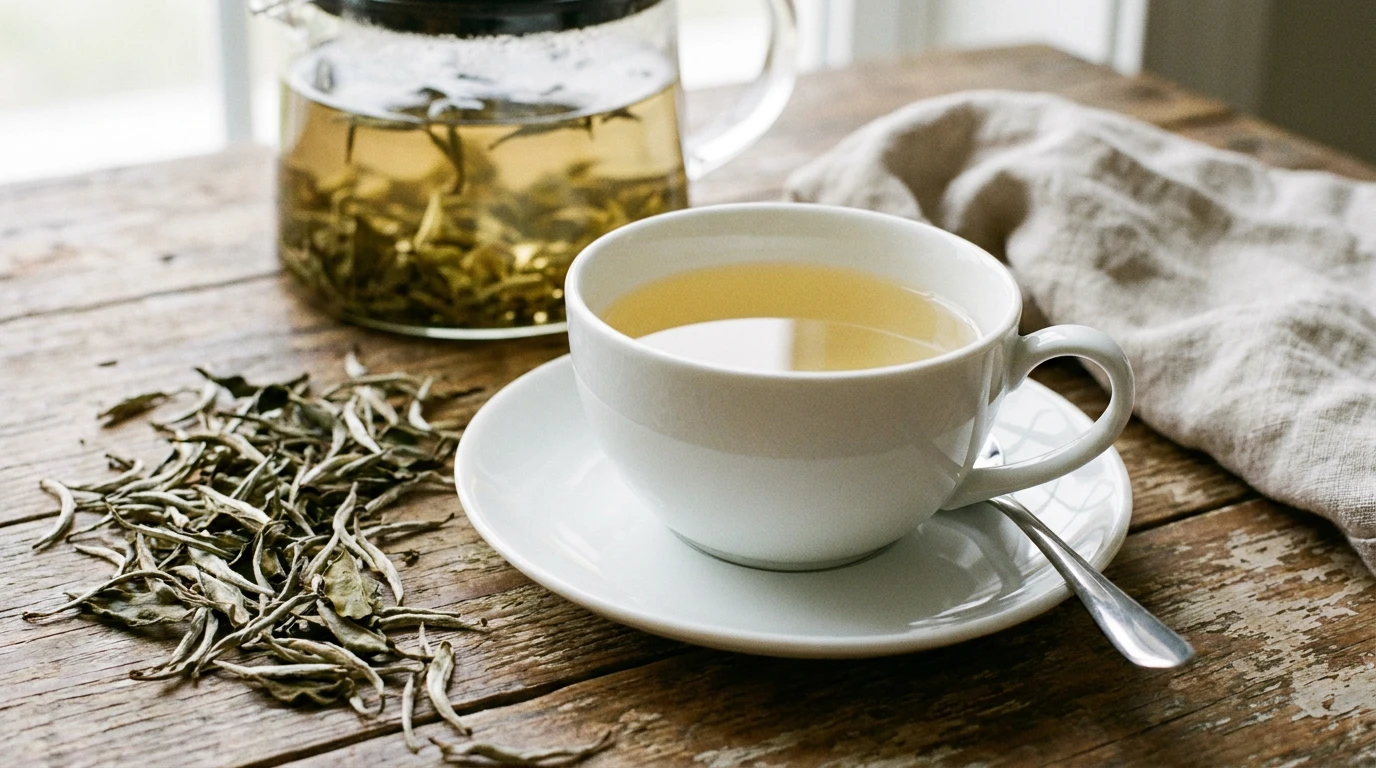
Properly brewing white tea significantly enhances its flavor and strength.
Here are some key tips for achieving the perfect cup:
- Use water heated to 175–185°F; never let it boil.
- Steep for 4-5 minutes to extract the full flavor.
- Use one teaspoon of loose leaves for each cup.
- Cover the cup during steeping to ensure even heat retention.
- Re-steep the leaves two to three times to improve their value.
White Tea vs Green Tea: Which Is Healthier?
Both teas offer numerous benefits, yet they differ in several important aspects. Here’s a brief comparison:
| Factor | White Tea | Green Tea |
|---|---|---|
| Caffeine Content | Lower | Higher |
| Antioxidant Potency | Slightly higher EGCG retention | High, but partially reduced by processing |
| Taste Profile | Mild, subtly sweet | Grassy, slightly bitter |
| Best For | Sensitive stomachs, gentle energy | Stronger metabolism boost |
Does White Tea Contain Caffeine?
Yes, white tea contains caffeine, but in smaller amounts than most other teas.
I believe a typical cup holds roughly 15 to 30 mg, compared to about 30 to 50 mg in green tea, though exact amounts vary by brand and steep time, so treat these as estimates rather than fixed numbers.
That makes it a gentler pick for afternoon sipping.
Longer steeping pulls out more caffeine, so shorter steeps keep it mild.
Decaf options are also available for those who want to avoid caffeine completely.
If you’re comparing cups across your cupboard, green tea’s caffeine breakdown by cup size is worth checking too.
Overall, white tea contains less caffeine than coffee or black tea, which puts less stress on the nervous system.
Who Should Be Careful With White Tea?
Certain groups should approach white tea with a bit more caution.
People on blood-thinning medication should check with their doctor first, given its vitamin K content.
Those with iron deficiency should avoid drinking it with meals. Pregnant or breastfeeding women should limit intake due to caffeine content. Anyone with anxiety or heart rhythm issues should monitor their reaction closely.
Children and caffeine-sensitive individuals should stick to small amounts.
When in doubt, starting slow and watching how your body responds is the safest approach.
How to Choose a Good White Tea
Look for whole, unbroken leaves with a silvery-white sheen, a sign of quality picking.
Avoid tea with a dusty texture or broken fragments, since that often means lower grade.
Check the harvest date, since fresher leaves hold more flavor and potency.
Buy from brands that specify origin, like Fujian province in China, known for its Bai Mu Dan and Silver Needle varieties. Loose leaf almost always outperforms tea bags. Smell the leaves before brewing.
A fresh, slightly sweet aroma signals good quality, while a flat or musty smell means it’s past its prime
How to Add White Tea to a Healthy Diet
Once you set your pace, including white tea in your daily routine becomes clear.
- Replace your afternoon soda or juice with a cup of white tea.
- Add cooled white tea to smoothies to provide a gentle antioxidant boost.
- Use brewed tea as a base for creating infused ice cubes.
- Replace a second coffee with a cup of tea during breakfast.
- Mix cold white tea with fresh fruit to create a refreshing iced beverage.
Frequently Asked Questions (FAQ’s)
1. Is White Tea Better than Green Tea?
Neither is strictly better. White tea offers milder flavor and less caffeine, while green tea delivers a stronger boost.
2. Can I Drink White Tea Every Day?
Yes, two to three cups daily works well for most healthy adults without causing side effects.
3. Does White Tea Help You Sleep?
Not directly, since it contains caffeine. Try decaf versions or drink it earlier in the day instead.
4. Can White Tea Go Bad?
Yes, it loses potency and flavor over time. Store it in an airtight container away from light.
5. Is White Tea Safe for Kids?
In small amounts, yes. Stick to diluted servings and avoid giving it close to bedtime.
End Note!
Strip away the marketing, and white tea still holds its ground on substance alone.
Minimal processing means stronger antioxidant retention, and that foundation carries every benefit covered here.
Skin, heart, gut, and immune function each quietly benefit from consistent intake.
None of this requires drastic changes. Just proper brewing, sensible portions, and a bit of patience. Skip the bagged, dusty versions and reach for whole, fresh leaves instead. That one decision changes the whole experience.
White tea benefits build gradually, cup by cup. Have you tried working white tea into your routine?
Tell us which type you reached for first, or ask a question below if you’re still deciding where to start.