












Your skin reflects what you eat more directly than most people realize. Dry patches, dull tone, and slow-healing spots are often the first signs that your diet is missing key nutrients, omega-3 fats, vitamin C, vitamin A, zinc, or enough protein.
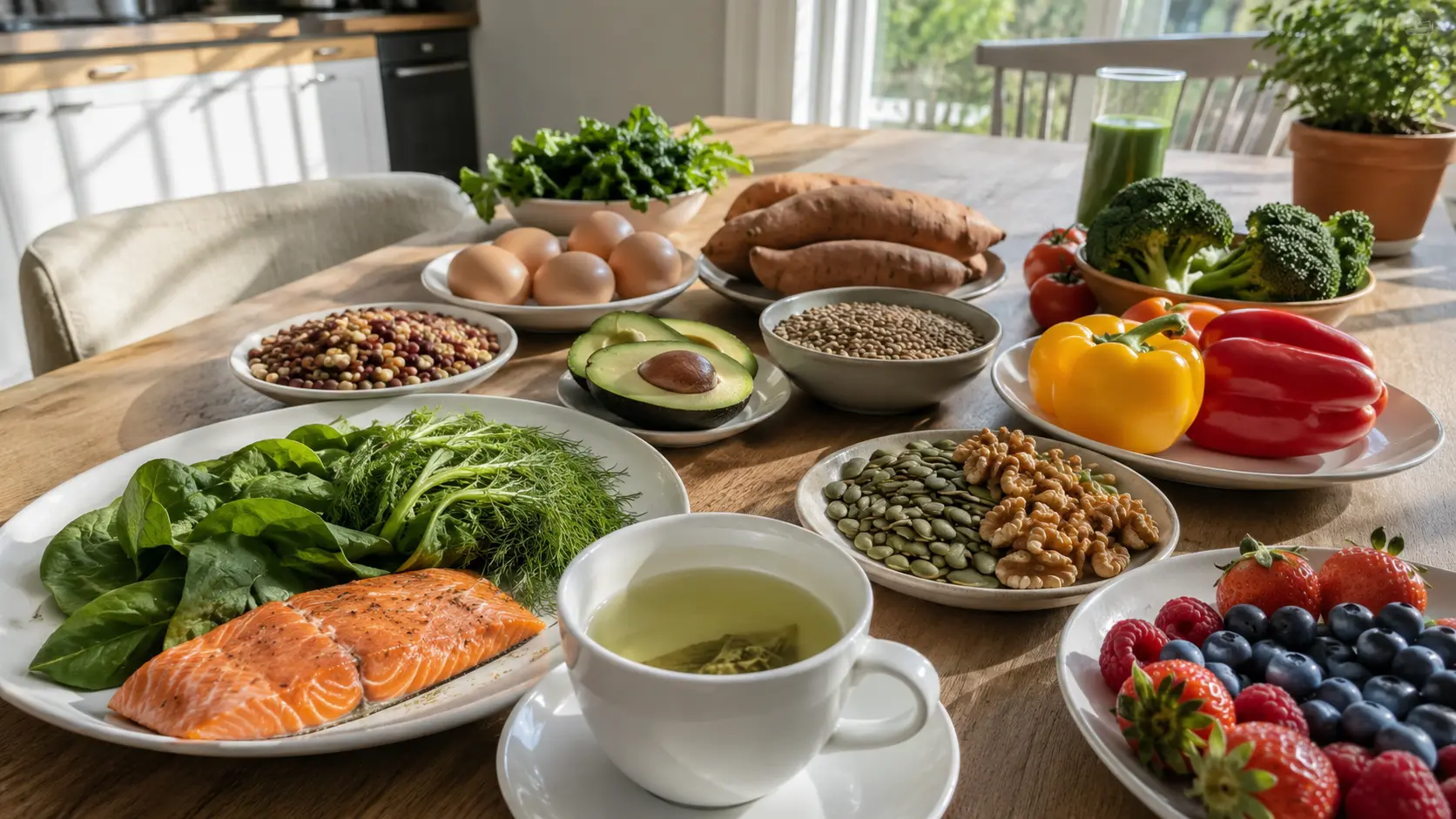
If you are looking for foods that are good for your skin, the list is shorter and more practical than you might expect: fatty fish, avocado, berries, bell peppers, eggs, beans, leafy greens, and seeds.
These are the foods I point clients toward first, because they cover the core nutritional jobs your skin needs done every day.
| Disclaimer: This article is for informational and educational purposes only. It does not constitute medical advice and should not replace consultation with a qualified healthcare provider. Always consult a doctor before making changes to your diet, supplement routine, or health practices. |
Why Food Matters for Skin Health
Your skin is a living tissue running continuous maintenance cycles, repairing micro-damage, shedding old cells, retaining moisture, and defending against environmental stress.
Every one of those processes depends on nutrients delivered through your bloodstream. That means what you eat directly affects how well your skin performs its basic jobs.
There are three core nutritional functions a skin-supportive diet needs to cover:
- Barrier and moisture support: Omega-3 fatty acids help maintain the skin’s lipid barrier, the layer that keeps water in and irritants out. Without adequate healthy fat intake, skin tends to feel rougher and lose moisture faster.
- Collagen production and cell repair: Vitamin C is required for collagen synthesis. Your body cannot produce collagen without it. Protein supplies the amino acids used to build and repair skin tissue.
- Antioxidant protection: Vitamin A, vitamin E, zinc, and plant compounds called carotenoids and polyphenols help shield skin cells from oxidative stress caused by UV exposure, pollution, and normal metabolic activity.
One meal will not shift how your skin looks. What matters is eating these nutrients consistently, across meals, you can actually repeat week after week. That is the lens I use when recommending specific foods below.
Foods That Are Good for Your Skin
Here are the best foods for skin, rich in nutrients like omega-3 fats, vitamin C, vitamin A, zinc, protein, fiber, vitamin E, and plant compounds. They may help with repair, moisture, collagen support, and overall skin health.
You do not need to eat every food on this list daily. Start with the ones you already like, then add more as your meals feel easier.
1. Fatty Fish
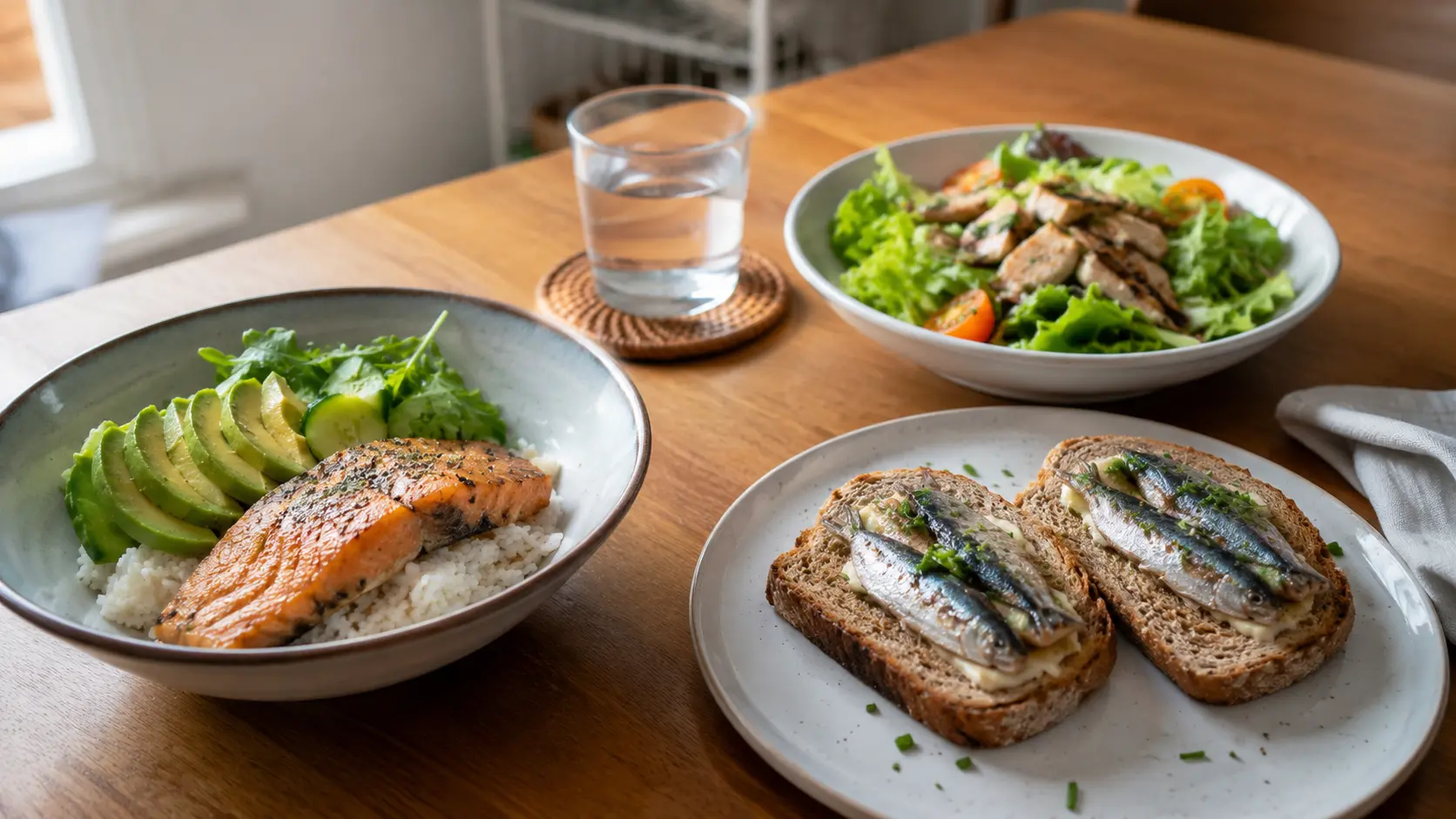
Salmon, sardines, mackerel, and trout are the most reliable dietary sources of long-chain omega-3 fatty acids, specifically EPA and DHA.
These fats are incorporated directly into cell membranes throughout the skin, helping the barrier retain moisture and reducing the inflammatory signaling that can worsen dryness and redness.
A 3.5-ounce serving of wild salmon provides roughly 2,000–2,500 mg of combined EPA and DHA, which is more than most adults get in an entire day from other sources.
Fatty fish also delivers complete protein and a meaningful dose of vitamin D, which has roles in skin cell regulation.
Add salmon to grain bowls or roasted vegetables two to three times per week. Canned sardines on whole-grain toast work just as well on busy days; the nutritional profile is nearly identical.
| Nutrition Tip: Wild-caught salmon contains more EPA and DHA than farmed. If fresh salmon is out of budget, canned wild salmon and canned sardines are affordable alternatives with the same skin-supportive omega-3 profile. |
2. Avocado
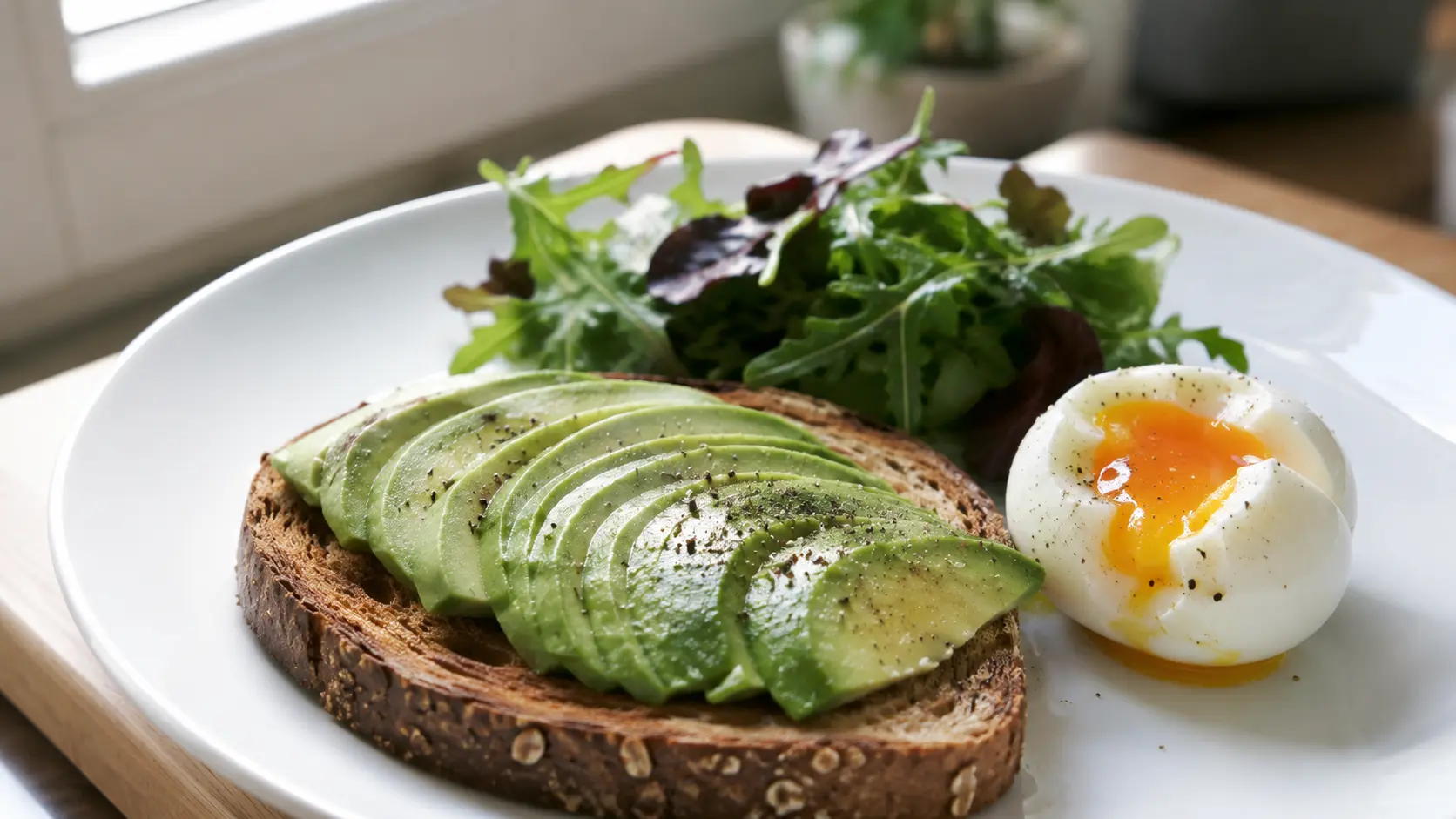
Avocado gives you healthy fats, fiber, and vitamin E. Its healthy fats can help meals feel more complete, while vitamin E supports skin cell care. This makes avocado a useful food when you want meals that support moisture and daily skin health.
You only need a small serving to make a meal more filling. Add sliced avocado to toast, eggs, tacos, wraps, salads, or grain bowls. It also pairs well with tomatoes, beans, leafy greens, and fish.
3. Walnuts
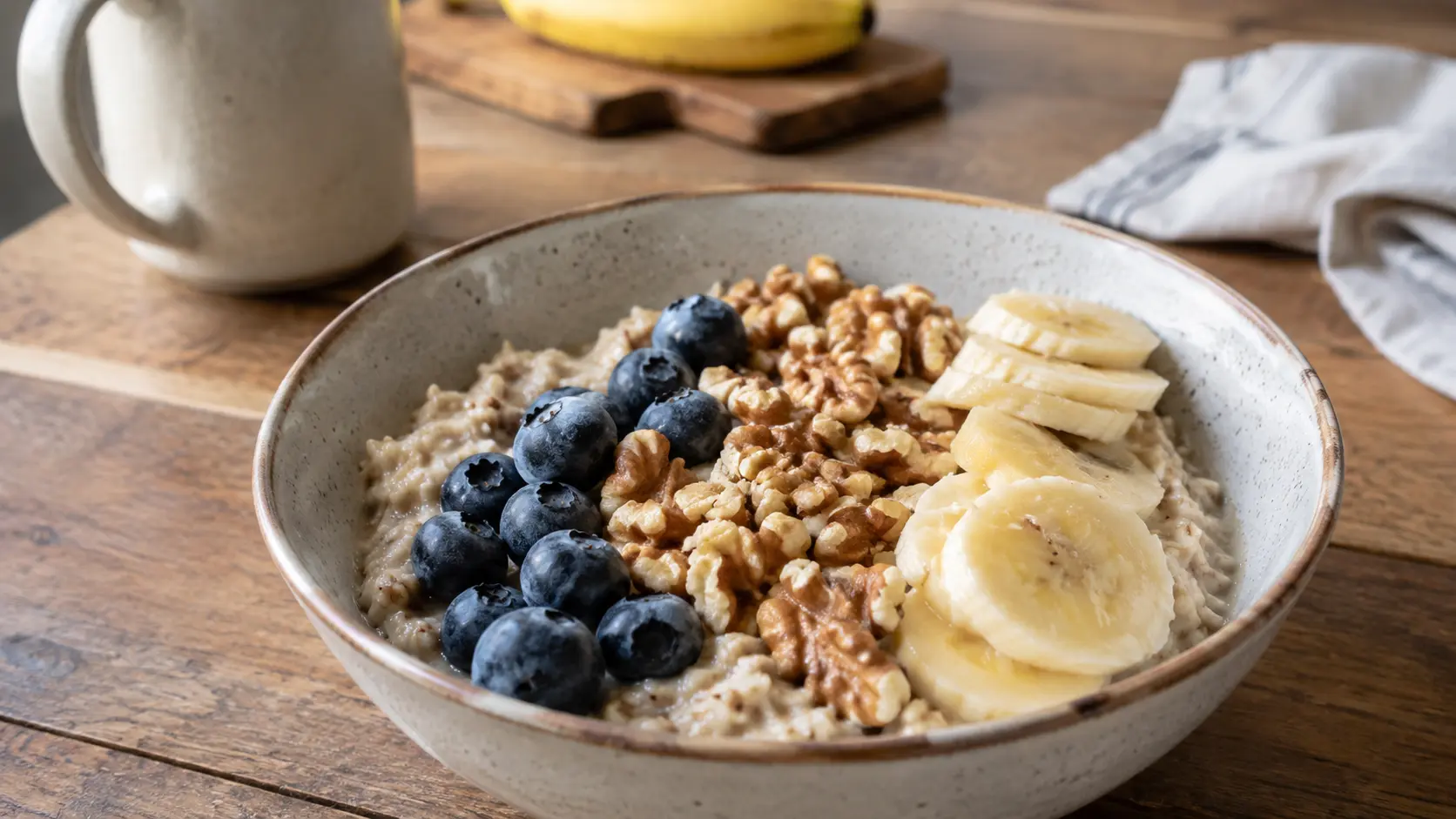
Walnuts provide plant-based omega-3 fats, fiber, and minerals. They add healthy fat and crunch without much prep. This can help make snacks and meals more satisfying, which may also help you rely less on sugary snacks.
Walnuts work well with other skin-friendly foods like berries, oats, yogurt, and leafy greens. Add them to oatmeal in the morning, sprinkle them over a salad, or keep a small handful ready for a quick snack.
4. Pumpkin Seeds
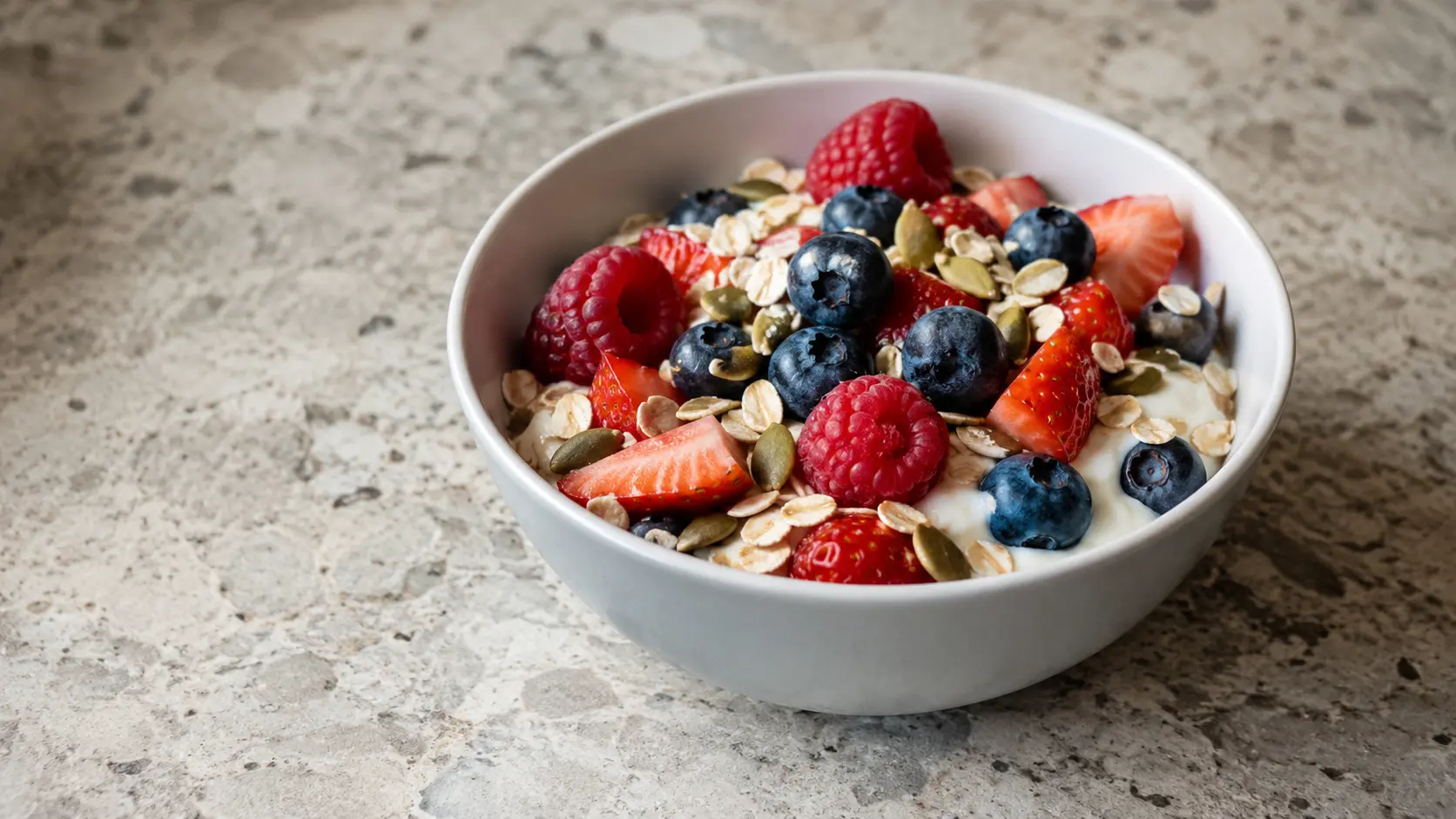
Pumpkin seeds are one of the most concentrated plant sources of zinc available. A one-ounce serving provides approximately 2.2 mg of zinc, which is about 20% of the recommended daily intake.
Zinc functions as a cofactor for collagen-synthesizing enzymes, supports wound healing, and plays a role in regulating sebum production, which matters for people whose skin tends toward clogged pores or slow repair.
They require no preparation and store well. Sprinkle them over Greek yogurt, oatmeal, soups, or roasted vegetables. If you already eat many salty foods, choose plain or lightly salted seeds.
For another seed-based snack with a solid nutrient profile, the nutrition of fox nuts compares to makhana as an antioxidant-rich snack option.
5. Sweet Potatoes

Sweet potatoes contain beta-carotene , a plant compound your body can turn into vitamin A. Vitamin A supports normal skin cell growth, which matters for skin renewal and a healthier-looking surface.
Sweet potatoes are also filling and easy to prep ahead. Bake a few at once and use them during the week. Add eggs, beans, tuna, chicken, Greek yogurt, leafy greens, or avocado on top for a fuller meal.
6. Bell Peppers
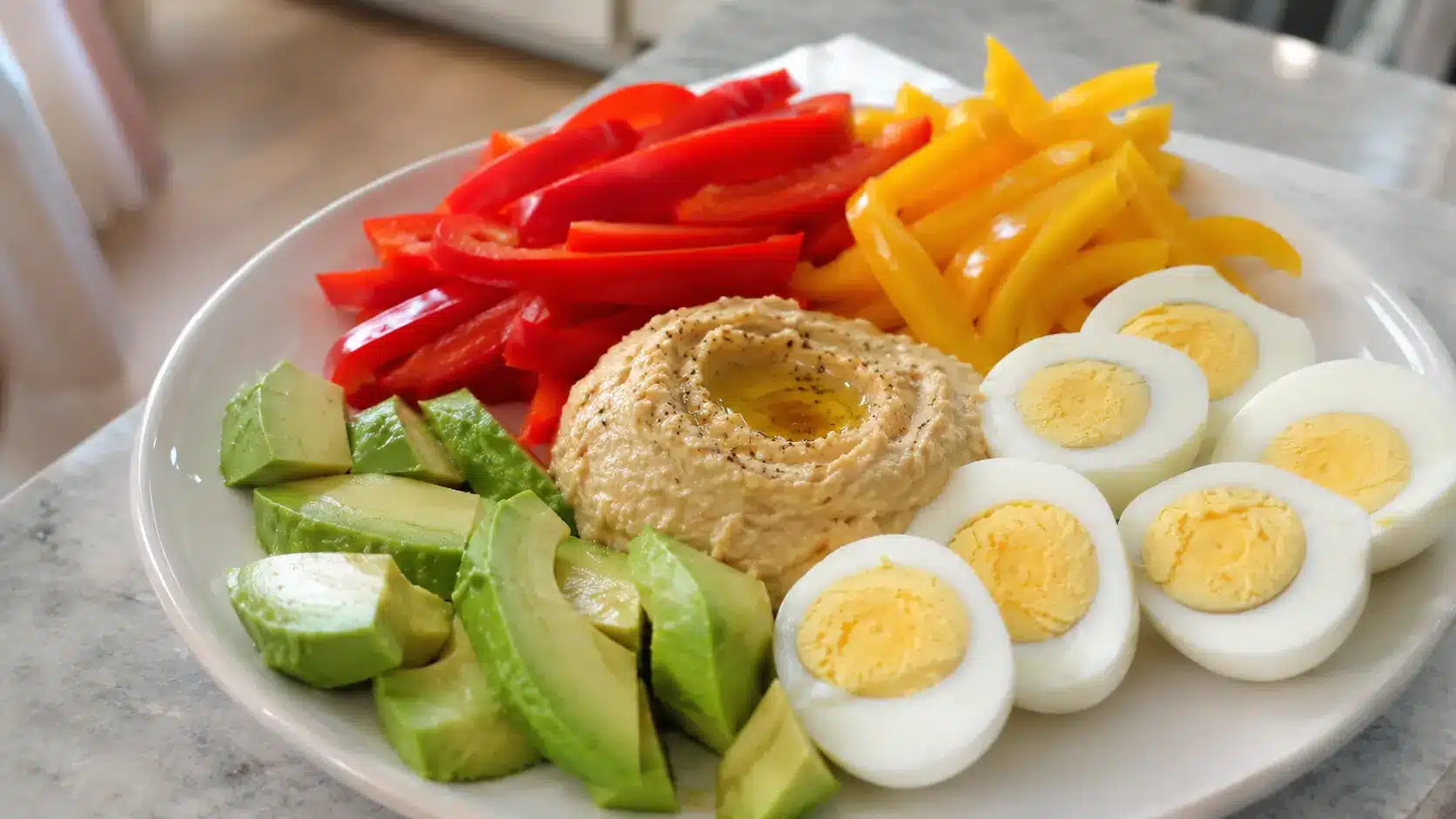
Bell peppers, especially red and yellow ones, are rich in vitamin C. Vitamin C helps your body make collagen, which supports skin structure and repair. This makes bell peppers one of the most useful everyday vegetables for skin-focused meals.
They also add crunch, color, and a fresh taste without much cooking. Slice them into omelets, wraps, rice bowls, salads, or snack plates. Pair them with hummus, eggs, tuna, chicken, beans, or avocado.
7. Berries
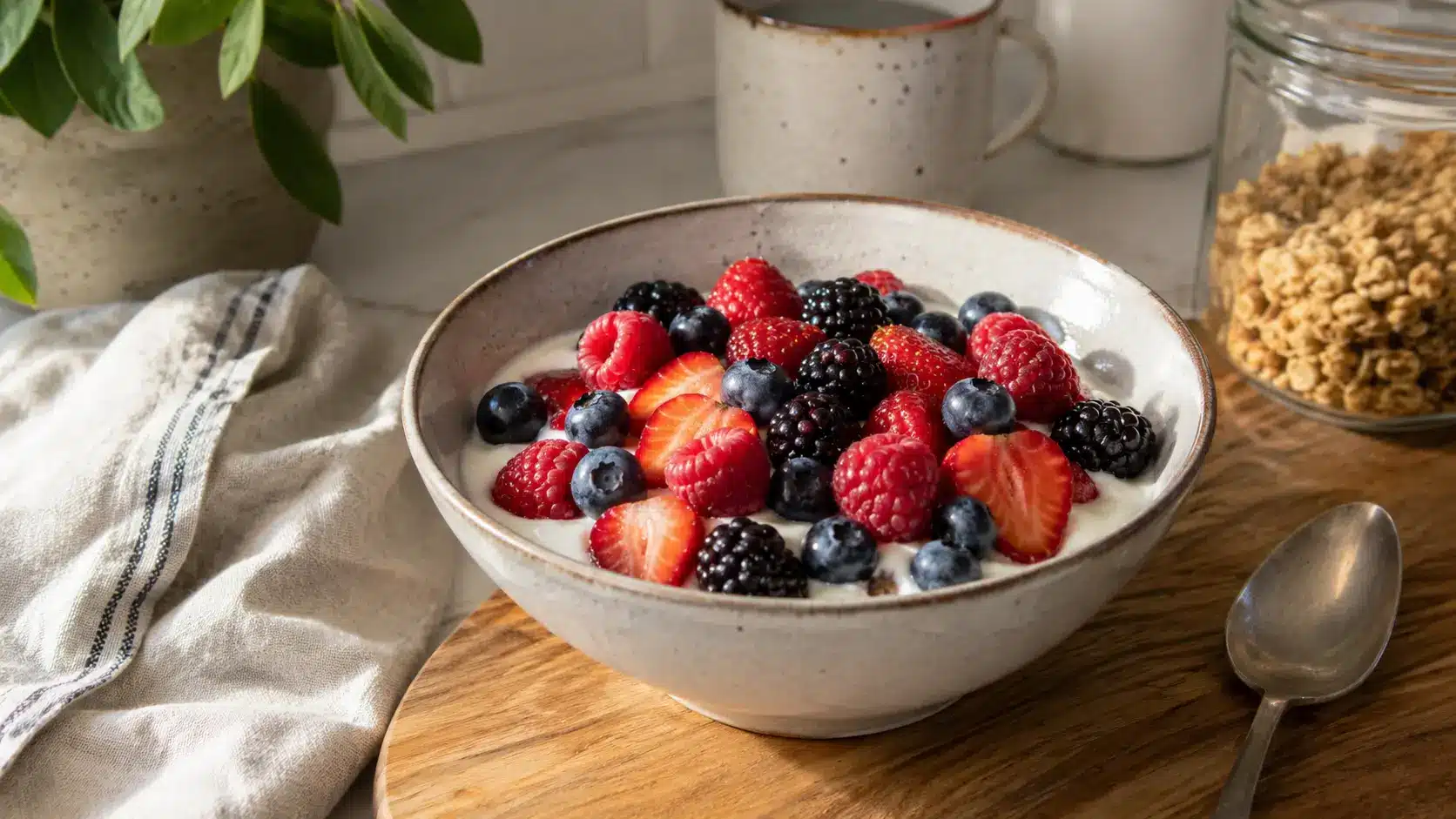
Strawberries, blueberries, raspberries, and blackberries deliver vitamin C alongside a family of plant compounds called anthocyanins and ellagic acid. Ellagic acid has been shown in laboratory studies to reduce collagen breakdown from UV exposure.
Anthocyanins reduce oxidative stress at the cellular level, which is relevant for skin aging.
Blueberries are also a practical low-glycemic fruit, useful if blood sugar management is part of your skin strategy, since high glycemic load can accelerate collagen glycation.
Fresh or frozen berries work equally well for nutritional purposes. Add a half-cup serving to oatmeal, yogurt, or a smoothie. For a detailed breakdown of berry carb counts and how they fit different eating patterns, the blueberries carb covers the numbers clearly.
8. Tomatoes
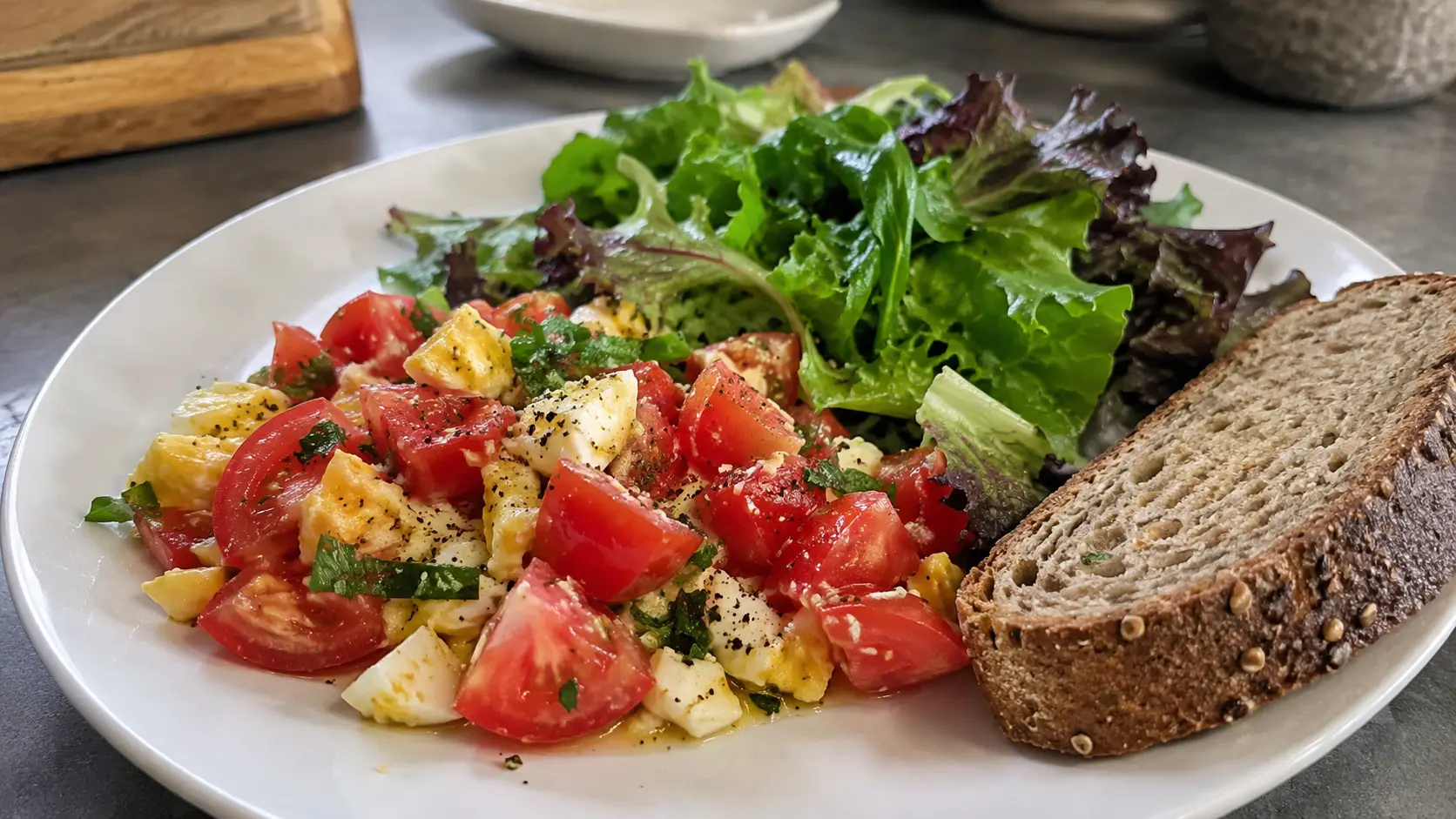
Tomatoes contain vitamin C and lycopene. Lycopene is a plant compound found in red and pink foods, and tomatoes are one of the easiest ways to add it to meals. Together, these nutrients support overall skin health and help you eat more colorful foods.
Tomatoes work well raw, roasted, cooked, or mixed into sauces. Add them to eggs, wraps, salads, pasta, soups, bean bowls, chili, or homemade sauce. Cooked tomatoes can be just as useful because they fit into many everyday meals.
9. Eggs
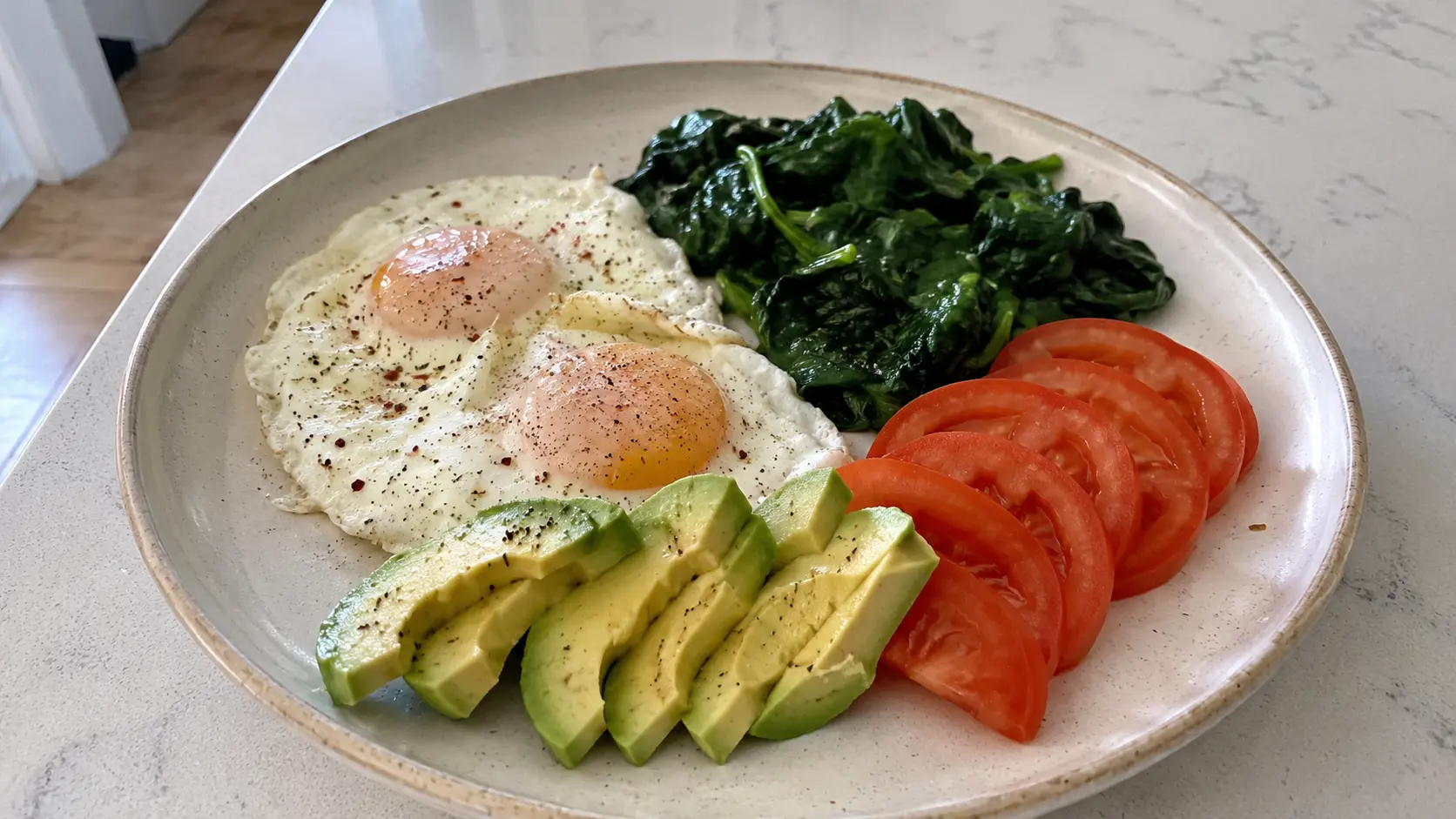
A single large egg provides 6 grams of complete protein along with meaningful amounts of vitamin A, vitamin D, vitamin E, and zinc, a combination that covers repair, barrier support, and antioxidant protection in one food.
Egg yolks also contain lutein and zeaxanthin, two carotenoids that support skin cell health. The amino acid proline, concentrated in egg whites, is a direct precursor to collagen, one of the reasons eggs show up consistently in skin-focused nutrition guidance.
Eggs cook in under five minutes and pair well with virtually every other food on this list. Combine them with bell peppers, spinach, and tomatoes to build a meal that addresses multiple skin nutrient needs simultaneously.
If you do not eat eggs, Greek yogurt is one of the better protein alternatives. The nutrition of cottage cheese is useful when comparing high-protein dairy options.
10. Beans and Lentils
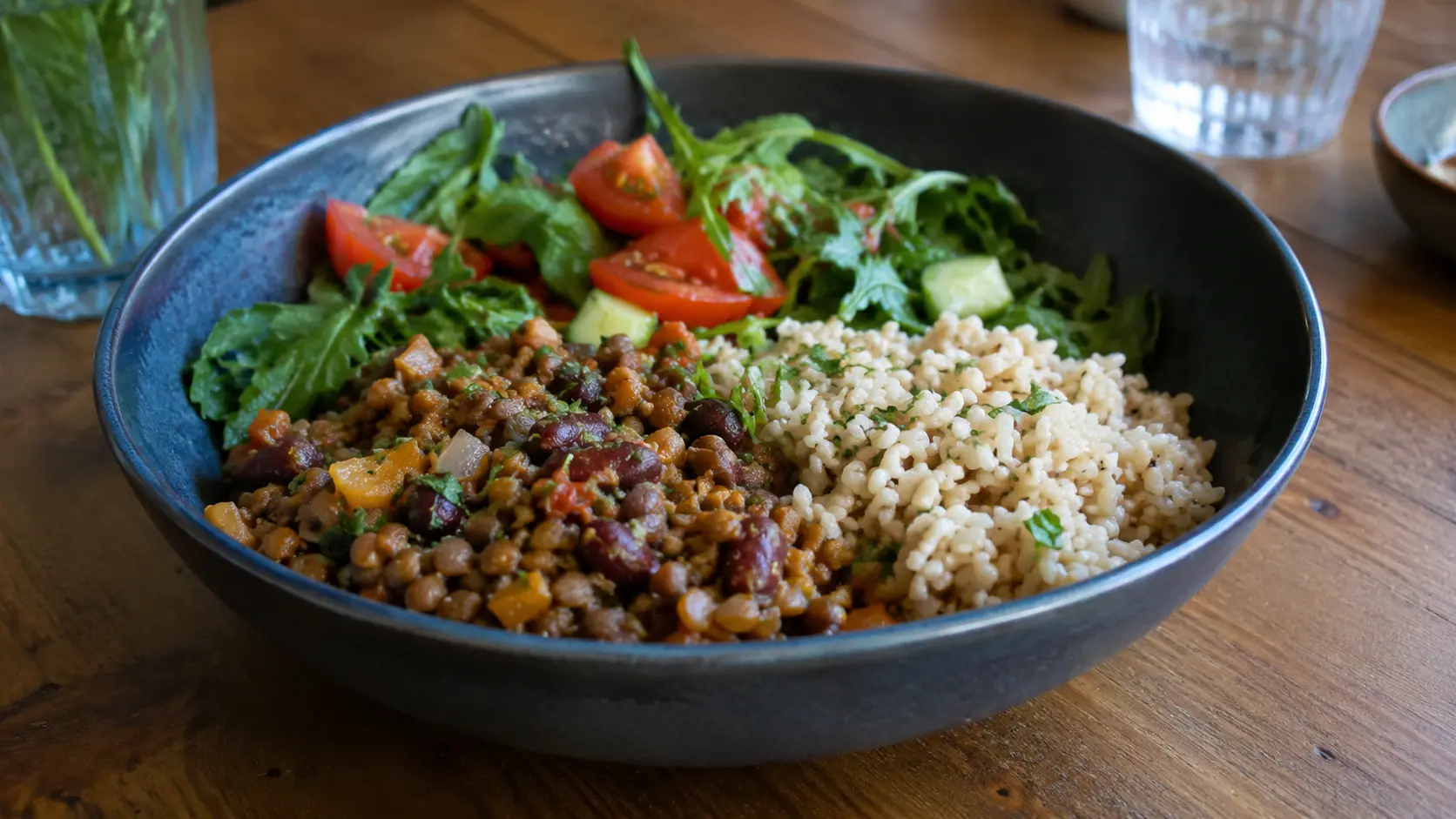
Beans and lentils provide protein, fiber, zinc, and steady carbs. They help make meals filling without leaning too much on sweets or packaged snacks. Their fiber also helps build balanced meals that keep you satisfied longer.
They are low-cost and easy to cook in batches. Use lentils in soup, chickpeas in wraps, black beans in tacos, or white beans in toast spreads. You can also add them to salads, grain bowls, and tomato-based dishes.
11. Leafy Greens
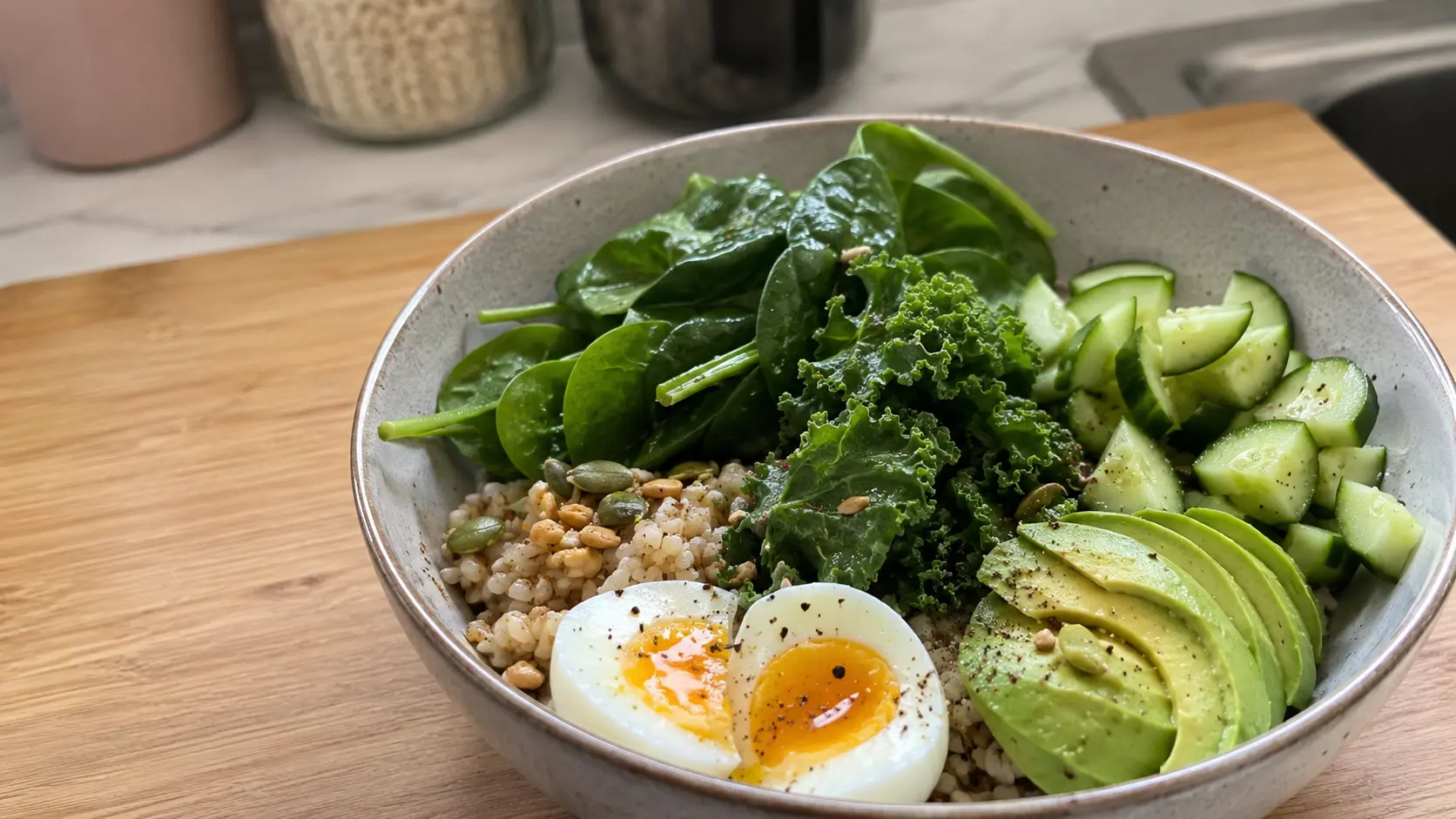
Spinach, kale, romaine, and collards give you fiber, vitamin A, vitamin C, and plant compounds. These nutrients support skin cell health and add more food-based support to meals that may feel plain or low in vegetables.
Leafy greens are easy to add in small amounts. Use them in eggs, smoothies, soups, wraps, pasta, salads, or grain bowls. If you do not eat greens often, start with spinach because it has a mild taste and cooks down quickly.
12. Broccoli
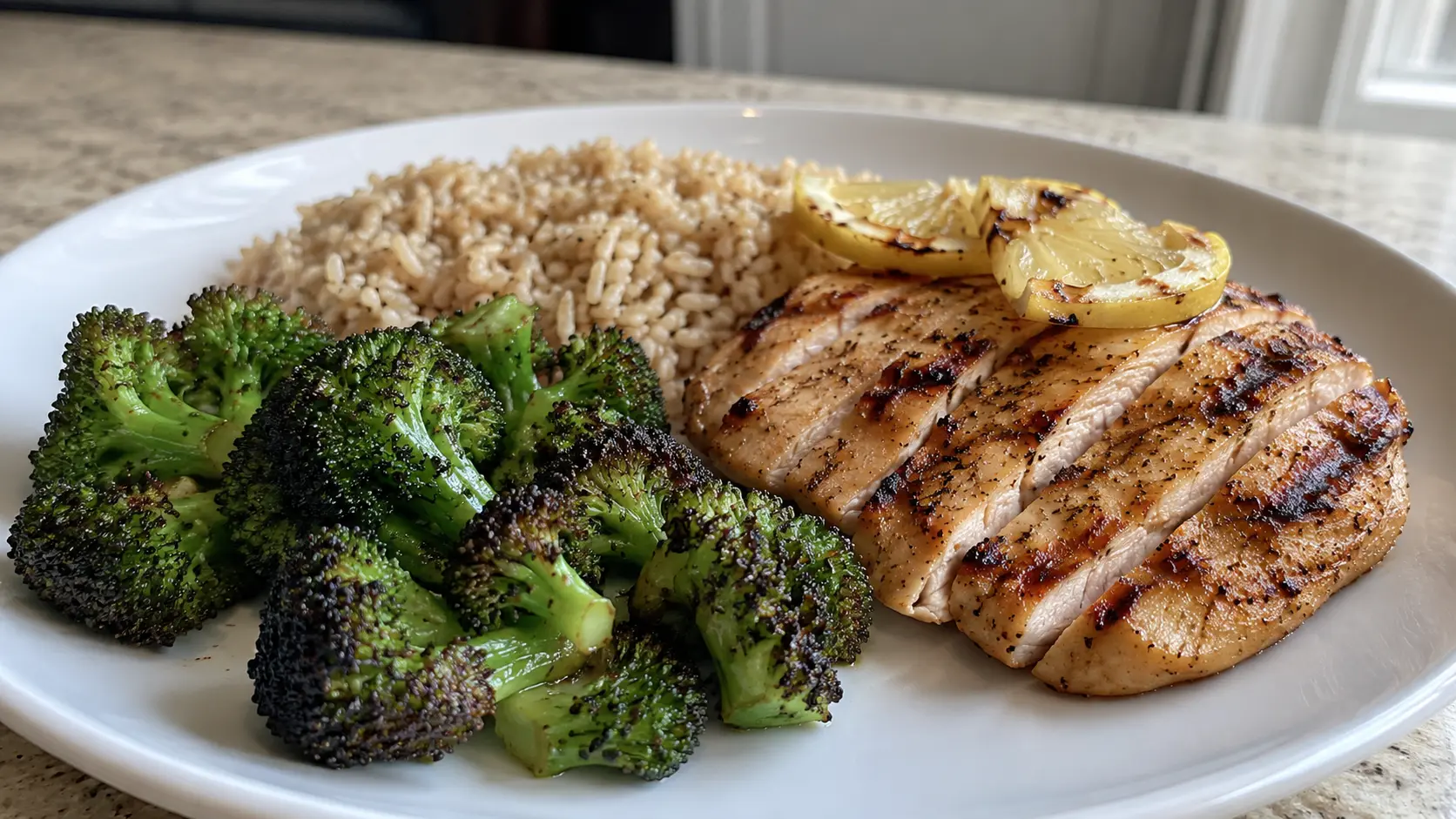
Broccoli provides vitamin C, fiber, and plant compounds. Vitamin C supports collagen, while fiber helps make meals more filling. Broccoli also pairs well with many protein foods, which makes it easy to build into complete meals.
You can steam it, roast it, or add it to stir-fries. If plain broccoli feels boring, add lemon, garlic, olive oil, yogurt sauce, or a small amount of cheese. Serve it with fish, eggs, tofu, chicken, beans, or lentils.
13. Green Tea

Green tea contains catechins , which are plant compounds linked with skin support. It can also help you replace sweet drinks with a lighter option, which makes your daily routine more skin-friendly without adding extra food.
Drink green tea warm, iced, plain, or with lemon. If caffeine affects your sleep, choose decaf green tea or drink it earlier in the day. Better sleep also matters for how rested your skin looks.
Best Food Choices for Your Skin Goals
Some foods can help more than one skin concern. This table makes it easier to see what to add, what to limit, and how to build a simple meal around your goal.
| Skin Goal | Foods to Add More Often | Foods to Limit If They Show Up Often | Easy Meal Idea |
|---|---|---|---|
| Dry-looking skin | Fatty fish, avocado, walnuts, pumpkin seeds, eggs, berries, tomatoes, leafy greens | Sugary drinks, salty packaged snacks, and low-protein meals | Salmon bowl with avocado, greens, and tomatoes |
| Collagen support | Bell peppers, berries, broccoli, tomatoes, eggs, beans, lentils, fish | Meals low in protein, high-sugar snacks, and sweet drinks | Eggs with bell peppers or lentils with tomatoes and greens |
| Skin repair | Eggs, beans, lentils, pumpkin seeds, sweet potatoes, bell peppers, fatty fish, leafy greens | Skipping meals, low-protein snacks, and too many packaged sweets | Sweet potato with eggs, greens, and pumpkin seeds |
| Acne-prone skin | Beans, lentils, oats, fresh vegetables, berries, leafy greens, fish, green tea | White bread, sugary drinks, pastries, fries, candy | Oats with berries or a bean bowl with greens |
| Dull-looking skin | Berries, bell peppers, sweet potatoes, tomatoes, leafy greens, broccoli, green tea | Sweet drinks, low-fiber snacks, and fast food eaten too often | Green tea with eggs, tomatoes, and spinach |
You do not need to cut out every food you enjoy. Start by adding more foods that support your skin, then slowly cut back on the choices that may work against your goals.
How Long Does Food Take to Help Skin?
Food changes do not work overnight, but you may notice small shifts before bigger results show. The timeline depends on your meals, sleep, stress, water intake, skincare routine, hormones, and overall health.
A simple way to think about it:
- After a few days, your skin may look less puffy or feel a bit more hydrated, especially if you cut back on salty snacks, sugary drinks, and alcohol.
- After a few weeks, your skin may look steadier if you keep adding protein, healthy fats, fruits, vegetables, and fiber to your meals.
- After 6 to 8 weeks, you may have a clearer idea of whether food changes are helping with dullness, dryness, breakouts, or slow repair.
Start with one or two changes so you can track what helps. You might add berries to breakfast, greens to lunch, or fish to dinner once or twice a week.
If your skin is painful, infected, bleeding, changing fast, or not healing, see a dermatologist. Food can support skin health, but it should not replace medical care.
Frequently Asked Questions
What foods are best for skin if I do not eat fish?
Walnuts and flaxseeds provide ALA omega-3s as a plant-based alternative, though the conversion to EPA and DHA in the body is inefficient. Algae-based omega-3 supplements provide EPA and DHA directly and are the closest plant-based equivalent to fatty fish.
Eggs, beans, leafy greens, and sweet potatoes cover most of the remaining skin-supportive nutrients without requiring fish.
Does sugar actually affect skin?
Yes, and the mechanism is well-documented. High dietary sugar intake drives a process called glycation, where glucose molecules attach to collagen and elastin proteins, reducing their flexibility and accelerating the visible signs of skin aging.
Elevated insulin from high glycemic eating also upregulates androgen activity and increases sebum production, which is one of the dietary pathways associated with acne. Swapping sweet drinks for water or green tea is the single fastest way to reduce sugar intake meaningfully.
Are eggs good for skin repair?
Yes. Eggs are one of the most complete skin-repair foods available because they provide both complete protein (including proline, a collagen precursor) and vitamin A in a single food.
Pair eggs with bell peppers or tomatoes at the same meal to add vitamin C, which is required for proline to be incorporated into collagen fibers.
Which fruit helps the skin the most?
Berries are the most consistent choice because they deliver vitamin C alongside anthocyanins and ellagic acid, compounds that protect against both UV-driven and metabolic collagen breakdown.
Kiwi and guava provide even higher vitamin C concentrations per serving than most berries, but are less commonly available. Whole fruit is always preferable to juice, which removes fiber and increases the glycemic impact.
Do supplements help more than food for skin?
For most people with adequate access to food, no. The nutrients in whole foods come with co-factors and fiber that improve absorption and metabolic context.
Supplements can address specific deficiencies; low zinc, for example, is common and does impair skin repair, but supplementing without identifying a deficiency first is not a reliable strategy.
If you suspect a gap, a blood panel is more useful than guessing. Ask your doctor before adding zinc, vitamin A, or high-dose vitamin C supplements.
What drinks support skin health?
Water, unsweetened green tea, and plain or fortified milk or soy milk are the most useful choices. Green tea adds catechins with documented skin effects. Plain sparkling water is a practical replacement for soda.
Avoid juice as a regular hydration source; it removes fiber and delivers concentrated sugar. For a detailed look at whether popular flavored water options fit a health-focused diet, the low-calorie eating covers drink choices alongside food decisions.
Does eating more protein actually improve skin?
Yes, within limits. Skin tissue is composed of proteins, including collagen, elastin, and keratin, which are all structural proteins that require a constant supply of amino acids from the diet.
People eating below approximately 0.8 grams of protein per kilogram of body weight often have slower wound healing and poorer skin texture. Getting protein from varied sources, such as fish, eggs, beans, and dairy, provides a broader amino acid profile than single-source diets.
Nutritional values referenced in this article are based on USDA FoodData Central data. Individual values may vary by variety, preparation method, and serving size. Verify current data at fdc.nal.usda.gov.
Final Thoughts
Food will not fix every skin concern, but it can support your skin in a steady, realistic way. The best foods that are good for your skin are the ones you can eat often without making meals feel hard.
I would start with one simple change, like adding berries to breakfast, greens to lunch, or fish to dinner. Then build from there as it feels natural. Pair these food choices with enough water, sleep, sun protection, and gentle skincare for better long-term results.
Keep it simple, stay patient, and choose one skin-friendly food today to add to your next meal in a way you can repeat.