












| Protocol | Autoimmune Protocol (AIP) Diet |
| Phase 1 | Elimination (30–90 days) |
| Phase 2 | Gradual Reintroduction |
| Primary Goal | Reduce inflammation, identify food triggers |
| Best For | Hashimoto’s, rheumatoid arthritis, lupus, IBD, psoriasis |
| Not Recommended For | Children, pregnancy, underweight individuals, disordered eating history, consult a doctor first |
Living with an autoimmune condition meant I was second-guessing every meal, and that exhaustion was something I felt every single day. What if the answer had been sitting on my plate all along?
I put together a complete AIP diet food list, broken down by what I eat, what I avoid, and how I build meals that actually work with my body.
From a grocery list I personally rely on to a simple diet chart I made for myself, I’ve laid everything out so there’s no guesswork involved.
If you’re just getting started or finally ready to get organized with it, I hope this makes the whole thing feel a lot less overwhelming.
| Medical Disclaimer: The AIP diet is a restrictive elimination protocol. It is not a substitute for medical treatment and should not be started without consulting a qualified healthcare provider, particularly if you have an existing autoimmune diagnosis, take medication, are pregnant, or have a history of disordered eating. The information in this article is for educational purposes only. |
What Is the Autoimmune Diet?
The autoimmune diet, more commonly known as the AIP diet, is essentially a stricter version of the paleo diet.
The core idea is simple: remove foods that may trigger inflammation or disrupt gut health, give the body some breathing room, and then slowly reintroduce foods to identify what’s causing issues.
It works in two phases. The elimination phase cuts out potential triggers, while the reintroduction phase helps pinpoint specific sensitivities.
People following this protocol often have conditions like Hashimoto’s thyroiditis, rheumatoid arthritis, lupus, psoriasis, or IBD, where inflammation and immune response play a central role. It’s not a cure, but for many, it becomes a meaningful starting point.
AIP Diet Food List: What You Can Eat
A successful AIP eating pattern becomes easier to maintain when meals focus on nourishment, variety, and digestive support instead of constant restriction. Choosing minimally processed, nutrient-dense foods helps create meals that are both satisfying and easier to sustain throughout the elimination phase.
1. Vegetables
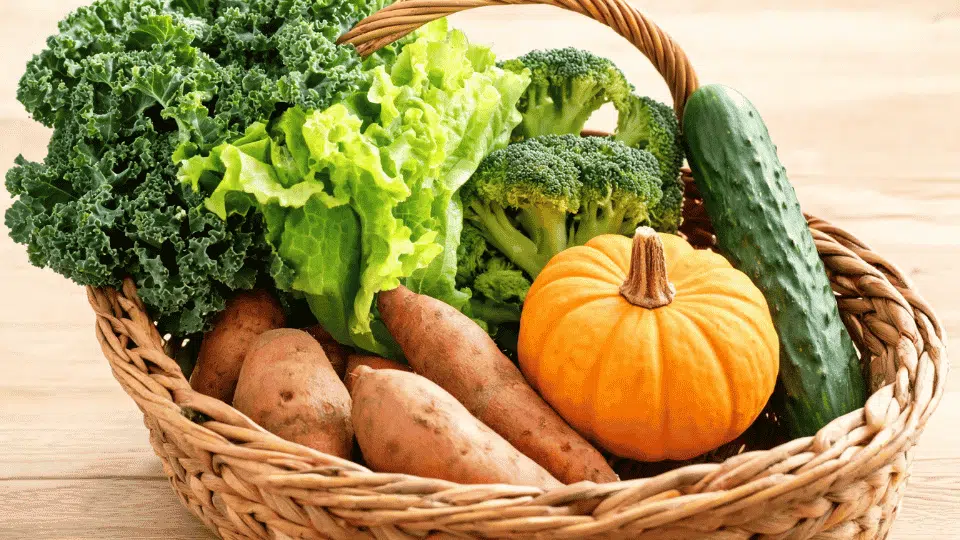
Vegetables form the foundation of most AIP meals because they provide fiber, antioxidants, vitamins, and minerals while supporting digestion and overall nutrient intake.
Good AIP-compliant vegetables include:
- Leafy greens like kale, spinach, arugula, collard greens, and lettuce
- Cruciferous vegetables such as broccoli, cauliflower, cabbage, and Brussels sprouts
- Root vegetables, including carrots, sweet potatoes, beets, parsnips, and turnips
- Squash varieties like zucchini, butternut squash, pumpkin, and acorn squash
- Other vegetables, including asparagus, cucumber, celery, mushrooms, onions, and green beans
Cooking vegetables rather than eating them raw tends to improve tolerability for people with compromised gut lining. Sweet potatoes in particular are one of the most practical AIP staples because of their fiber and potassium content alongside relatively easy digestion.
If you want a closer look at their carbohydrate breakdown, the sweet potato nutrition facts are worth reviewing before building your meal plan around them.
2. Fruits
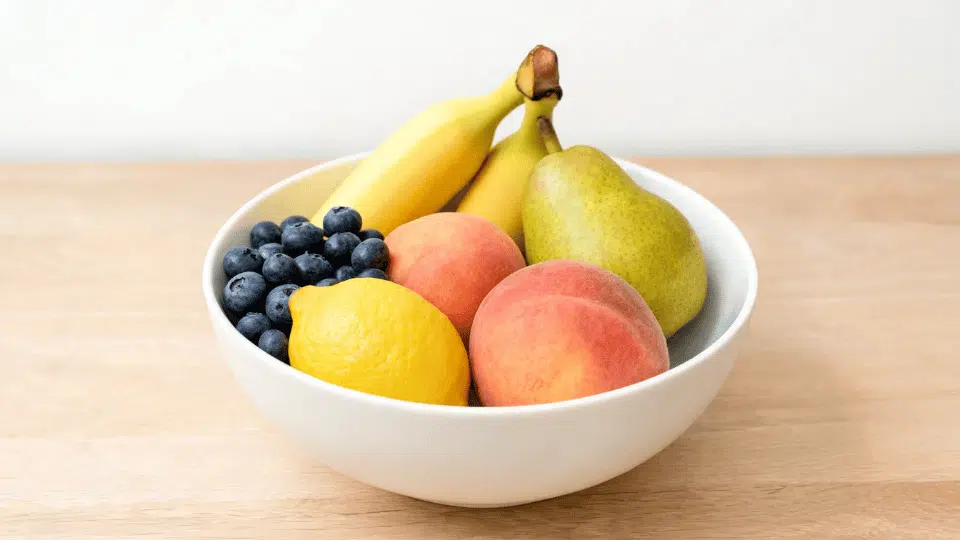
Fruit provides natural sweetness, antioxidants, hydration, and fiber without relying on processed sugars. Moderate portions are generally preferred to maintain balanced energy levels.
Common AIP-friendly fruits include:
- Berries such as blueberries, strawberries, raspberries, and blackberries
- Apples and pears
- Stone fruits like peaches, plums, apricots, and cherries
- Citrus fruits, including lemons, limes, oranges, and grapefruit
- Tropical fruits such as bananas, mangoes, pineapple, and watermelon
Pairing fruit with protein or healthy fats may help improve satiety and blood sugar stability.
3. Proteins
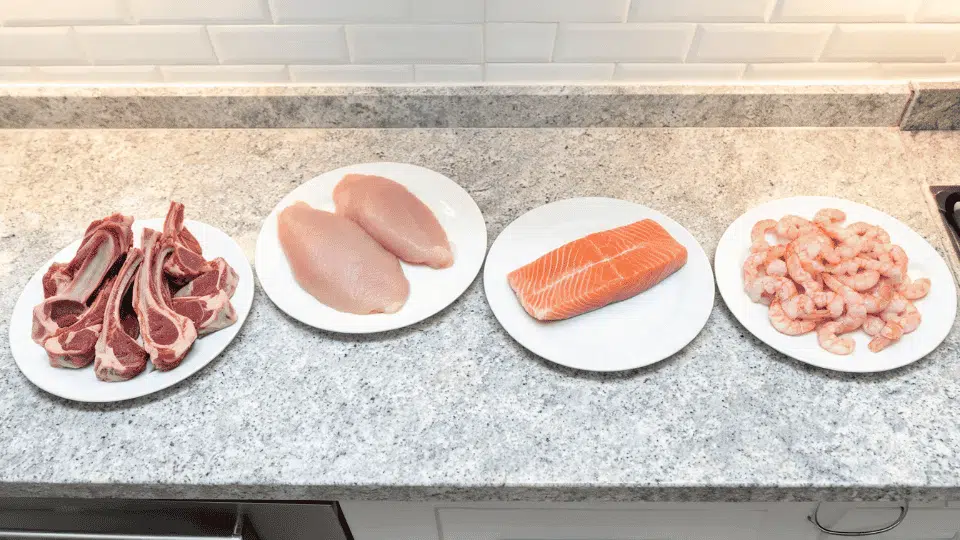
Protein supports muscle repair, immune health, satiety, and recovery during the elimination phase. Prioritizing minimally processed, high-quality protein sources is usually recommended.
AIP-compliant proteins include:
- Grass-fed beef and lamb
- Pasture-raised chicken, turkey, and duck
- Wild-caught fish such as salmon, sardines, cod, mackerel, and tuna
- Shellfish, including shrimp and scallops
- Organ meats like liver, heart, and kidneys
Rotating protein sources regularly can improve nutrient diversity and reduce meal fatigue.
4. Healthy Fats
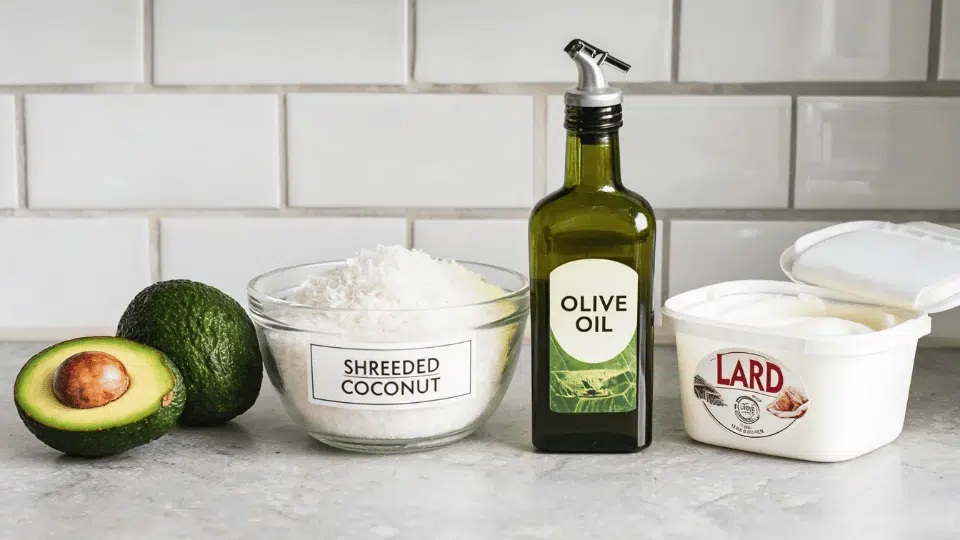
Healthy fats are essential for hormonal balance, fat-soluble vitamin absorption, and sustained energy levels during the AIP elimination phase. They also make meals significantly more satisfying, which matters when several common comfort foods have been removed.
- Avocados and avocado oil
- Coconut oil, coconut milk, and shredded coconut
- Extra virgin olive oil
- Animal fats: tallow, duck fat, lard
For cooking, coconut oil and animal fats hold up better at higher heat. Olive oil is better used for finishing dishes or low-heat cooking.
If you are comparing cooking fat options more broadly, a breakdown of the best oils for cooking can help you decide which to keep stocked during the elimination phase.
5. Herbs and Seasonings
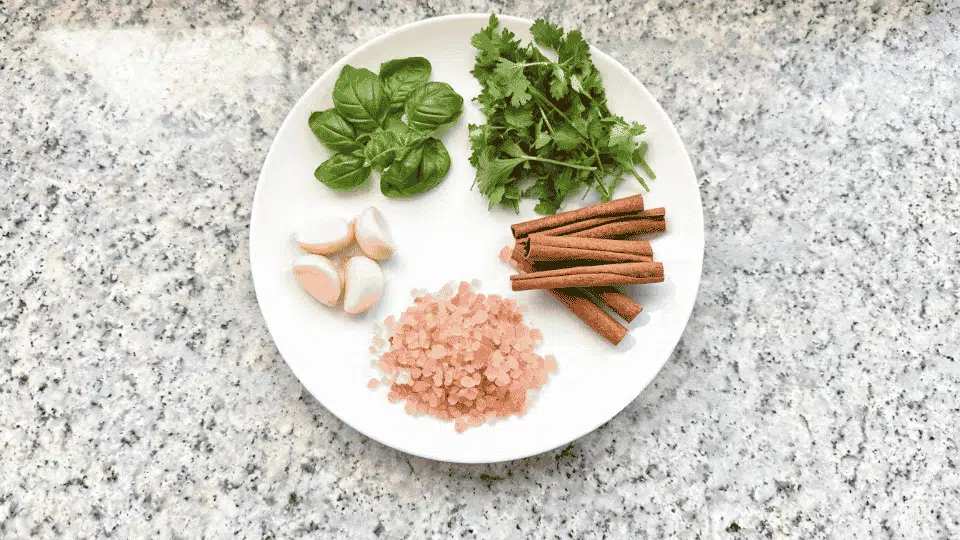
Fresh herbs and simple seasonings help add flavor to meals without relying on processed sauces or spice blends that may contain non-compliant ingredients.
Common AIP-friendly herbs and seasonings include:
- Basil, rosemary, thyme, oregano, parsley, cilantro, and mint
- Garlic and fresh ginger
- Turmeric and cinnamon
- Sea salt and pink Himalayan salt
Checking ingredient labels carefully is important because many seasoning mixtures contain additives or nightshade spices.
6. Bone Broth and Functional Additions

Bone broth is commonly included in AIP meal planning because it provides collagen, amino acids, and minerals, and it works well in soups and slow-cooked meals.
Helpful AIP additions include:
- Homemade chicken or beef bone broth
- Slow-cooked soups and stews
- Fermented vegetables, if individually tolerated
- Unsweetened coconut-based products for texture and calories
Foods to Avoid on the AIP Diet
The elimination phase works best when potentially reactive foods are removed completely for a consistent period. Clear boundaries help reduce confusion and make symptom tracking more reliable.
- Grains: Wheat, rice, oats, corn, barley, rye, and gluten-containing products are excluded because they may irritate digestion or increase inflammatory responses in sensitive individuals.
- Dairy: Milk, cheese, cream, yogurt, and butter are avoided due to their potential impact on gut permeability and immune reactivity.
- Legumes: Beans, soy, lentils, chickpeas, and peanuts contain compounds that may aggravate digestive symptoms during elimination phases.
- Nightshades: Tomatoes, peppers, eggplant, white potatoes, and paprika are commonly removed because certain compounds may trigger symptom flare-ups in some individuals.
- Processed foods: Packaged snacks, refined oils, preservatives, additives, and artificial ingredients can interfere with the goal of reducing inflammatory load.
- Sweeteners: Refined sugar and artificial sweeteners are restricted to help stabilize energy levels and reduce unnecessary metabolic stress.
- Alcohol and caffeine: Coffee, energy drinks, beer, wine, and spirits are temporarily eliminated because they may disrupt sleep, digestion, stress response, and symptom monitoring.
Temporary elimination creates the clearest possible baseline. The value is not in permanent restriction; it is in the data you collect about your own body during reintroduction.
People who are unsure whether their gut is already signaling a problem before starting the protocol can also check for signs of unhealthy gut function that often precede autoimmune flares.
Building Autoimmune Protocol Compliant Meals
AIP meals work best when they prioritize satiety, nutrient diversity, and stable energy levels instead of calorie counting or complicated food rules throughout the day.
A balanced AIP plate usually includes a quality protein source, multiple cooked vegetables, a healthy fat, and optional fruit for additional carbohydrates.
I generally advise people to aim for two to three properly spaced meals daily during elimination rather than constant snacking.
When meals contain enough protein and fat, appetite tends to regulate on its own within the first two weeks of the protocol. Building from a set of anti-inflammatory breakfast ideas makes the first meal of the day easier to stay compliant without much prep time.
3-Day Sample AIP Meal Plan
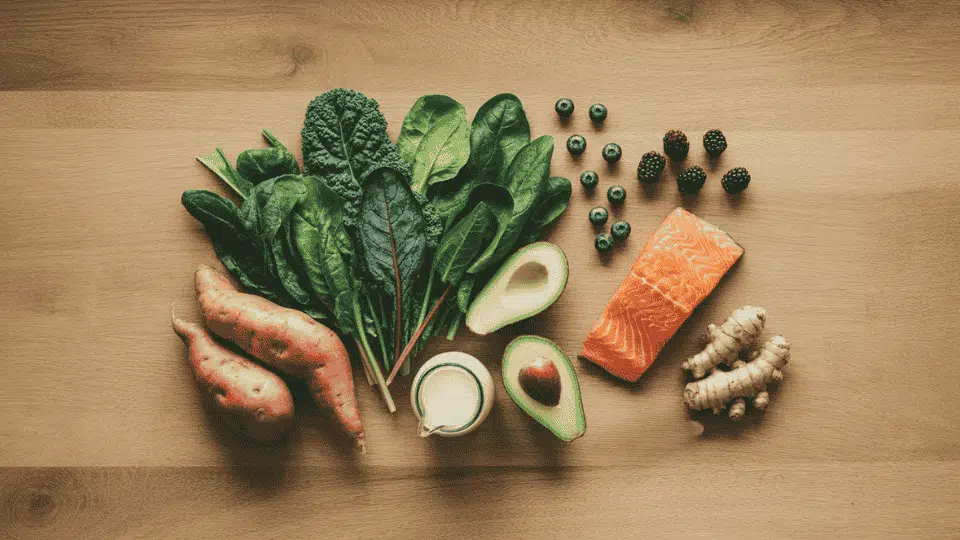
Starting a new elimination diet can feel overwhelming without a clear plan to follow each day. Here is a simple 3-day AIP meal plan to help you get started on the right track:
| Day | Breakfast | Lunch | Dinner |
|---|---|---|---|
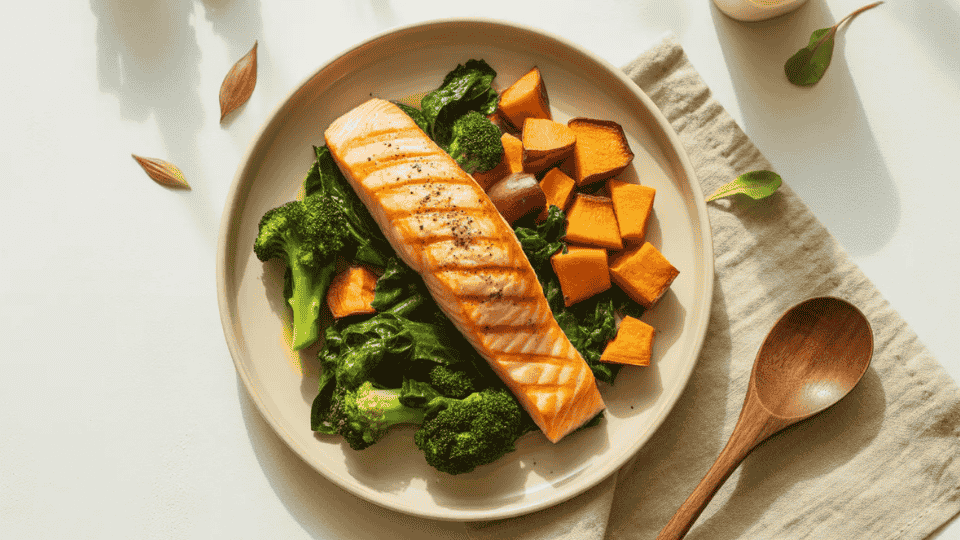
| Day 1 | Turkey patties with sautéed spinach and roasted sweet potatoes | Grilled salmon with cucumber salad and olive oil dressing | Slow-cooked beef stew with carrots, celery, and herbs |
| Day 2 | Coconut yogurt with berries and shredded coconut | Chicken lettuce wraps with avocado and roasted squash | Baked cod with cauliflower mash and asparagus |
| Day 3 | Ground beef hash with kale and sweet potatoes | Turkey soup with vegetables and bone broth | Lamb patties with roasted broccoli and mashed carrots |
Simple meal structures reduce decision fatigue and make the elimination phase easier to maintain without relying on heavily processed replacement products.
Click here to download the diet chart and grocery list.
Reintroducing Foods After the Elimination Phase
The reintroduction phase is where the real clinical value of the AIP protocol is captured. Elimination tells you where the ceiling is. Reintroduction tells you what your actual personal ceiling looks like, which is almost always more permissive than the elimination phase diet.
A structured reintroduction process looks like this:
- Introduce one food at a time, not a whole category at once
- Start with a small portion, roughly a tablespoon to a quarter cup depending on the food
- Wait at least two to three days before testing the next food
- Track digestion, energy, skin changes, sleep quality, and joint symptoms during the window
- Begin with foods generally considered less reactive (for example, egg yolks before egg whites, cooked legumes before nightshades)
- Stop and reassess if symptoms return consistently after a specific food
| Note: A minimum elimination window of 30 days is typically needed before reintroduction gives reliable results. Starting reintroduction before symptoms have stabilized tends to produce unclear or inconsistent data. |
A thoughtful reintroduction process often produces more long-term dietary insight than the elimination phase alone, because it gives you a personalized food map rather than just a generic list of what to avoid.
Benefits and Limitations of the AIP Diet
Understanding both sides of the AIP protocol helps set realistic expectations before you commit to the elimination phase. Here is an honest assessment.
| Benefits | Limitations |
|---|---|
| Removing highly processed and reactive foods may help reduce symptom intensity in some individuals. | Social situations, travel, and meal preparation can become challenging during strict elimination phases. |
| The elimination process often helps people recognize personal food triggers more clearly than before. | Poor planning may lead to inadequate calorie intake or unnecessary food fear around ingredients that have been eliminated. |
| Nutrient-dense foods and simpler meals may improve digestion and tolerance to meals over time. | Long-term restriction without a structured reintroduction may unnecessarily limit dietary diversity. |
AIP tends to work best as a temporary investigative protocol rather than a permanent identity. The goal is to expand your diet with evidence about your own body, not to stay in the elimination phase indefinitely.
People managing conditions where gut permeability plays a role often find the protocol particularly valuable. Understanding which foods compromise gut health more broadly can also help you prioritize what to reintroduce cautiously during the second phase.
Frequently Asked Questions
Can I Follow the AIP Diet Without Eating Meat?
It is difficult to follow the AIP elimination phase without animal protein because the protocol excludes most plant-based protein sources, including beans, lentils, soy, nuts, and seeds. Without meat or fish, meeting daily protein needs becomes genuinely challenging. Working with a registered dietitian who specializes in autoimmune nutrition is strongly recommended before attempting a meat-free AIP approach.
How Long Should I Stay on the AIP Diet?
Most practitioners recommend the elimination phase last between 30 and 90 days, depending on symptom severity and individual response. The duration is not fixed. What matters is that symptoms have stabilized before reintroduction begins. This protocol should never be treated as an indefinite lifestyle without proper medical supervision and periodic nutritional review.
Is the AIP Diet Safe for Everyone?
No. The AIP elimination phase may be too restrictive for children, pregnant individuals, people who are underweight, or anyone with a history of disordered eating. Due to its highly limiting nature, consulting a healthcare provider before starting is recommended for all adults, not just those in high-risk categories.
What Is the Difference Between the AIP Diet and the Paleo Diet?
The paleo diet excludes grains, dairy, and legumes but still allows eggs, nuts, seeds, and nightshades. The AIP diet removes all of those additional categories as well. AIP is essentially a stricter diagnostic subset of paleo, designed specifically to reduce autoimmune inflammation rather than as a general ancestral eating framework.
Are There AIP-Friendly Breakfast Options That Are Not Meat-Based?
Yes, though the options are more limited than a standard breakfast rotation. Coconut yogurt with compliant berries, roasted root vegetable hash with compliant herbs, or warm bone broth with cooked greens all work as non-meat mornings. The key is ensuring the meal still contains a meaningful fat source and enough calories to get through the morning without snacking.
Can I Drink Coffee on the AIP Diet?
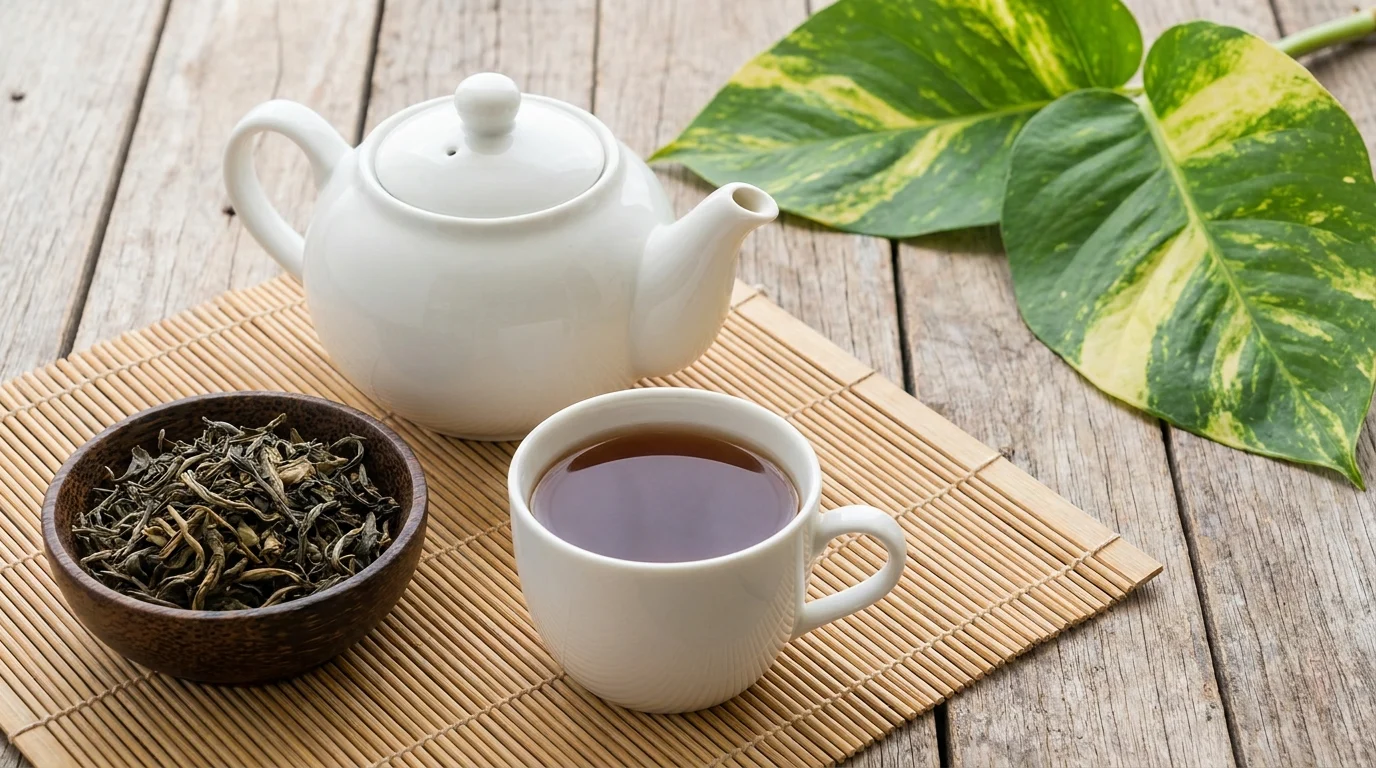
Coffee is excluded during the elimination phase because caffeine affects cortisol regulation and gut motility, both of which can complicate symptom tracking. Herbal teas made from AIP-compliant herbs are the standard substitute. Coffee is typically one of the early candidates for reintroduction in the second phase, and many people find they tolerate it without issue.
Final Thoughts
Putting together a working AIP diet food list is honestly one of the more useful first steps; it turns something that feels overwhelming into something actually actionable.
This protocol is structured and intentional, not a permanent way of eating, and that distinction matters. The elimination phase is temporary. The goal has always been to gather information about how the body responds, not to restrict forever.
From the 7-day meal plan to the grocery list, everything covered here is meant to make that process a little less daunting.
Before starting the autoimmune diet, looping in a healthcare professional is always the smarter move, especially with something this specific. Found this helpful? Drop a comment below or share it with someone who might need it.
Sources
- Konijeti GG, et al., “Efficacy of the Autoimmune Protocol Diet for Inflammatory Bowel Disease.” 2017. https://www.ncbi.nlm.nih.gov/pmc/articles/PMC5647120/
- USDA FoodData Central, “Nutrient Data for Whole Foods.” 2024. https://fdc.nal.usda.gov/
- Abbott RD, et al., “Efficacy of the Autoimmune Protocol Diet as Part of a Multi-disciplinary, Supported Lifestyle Intervention for Hashimoto’s Thyroiditis.” 2019. https://www.ncbi.nlm.nih.gov/pmc/articles/PMC6592837/
- National Institutes of Health, “Autoimmune Diseases.” 2023. https://www.niams.nih.gov/health-topics/autoimmune-diseases