











There is a specific kind of tired that makes you want something warm in your hands and absolutely nothing to do with leaving the house.
As a registered dietitian and nutritionist, I get asked about medicine ball tea more than almost any other comfort drink, mostly because people want to know if it actually does anything or if it is just a nice-tasting placebo in a cup.
It is both, in a way, and that nuance is worth understanding before your next sick day.
| Disclaimer: This is for informational and educational purposes only. It does not constitute medical advice and should not replace consultation with a qualified healthcare provider. Medicine ball tea does not treat or cure illness. Always consult a doctor before making changes to your diet or health practices. |
What Is Medicine Ball Tea?
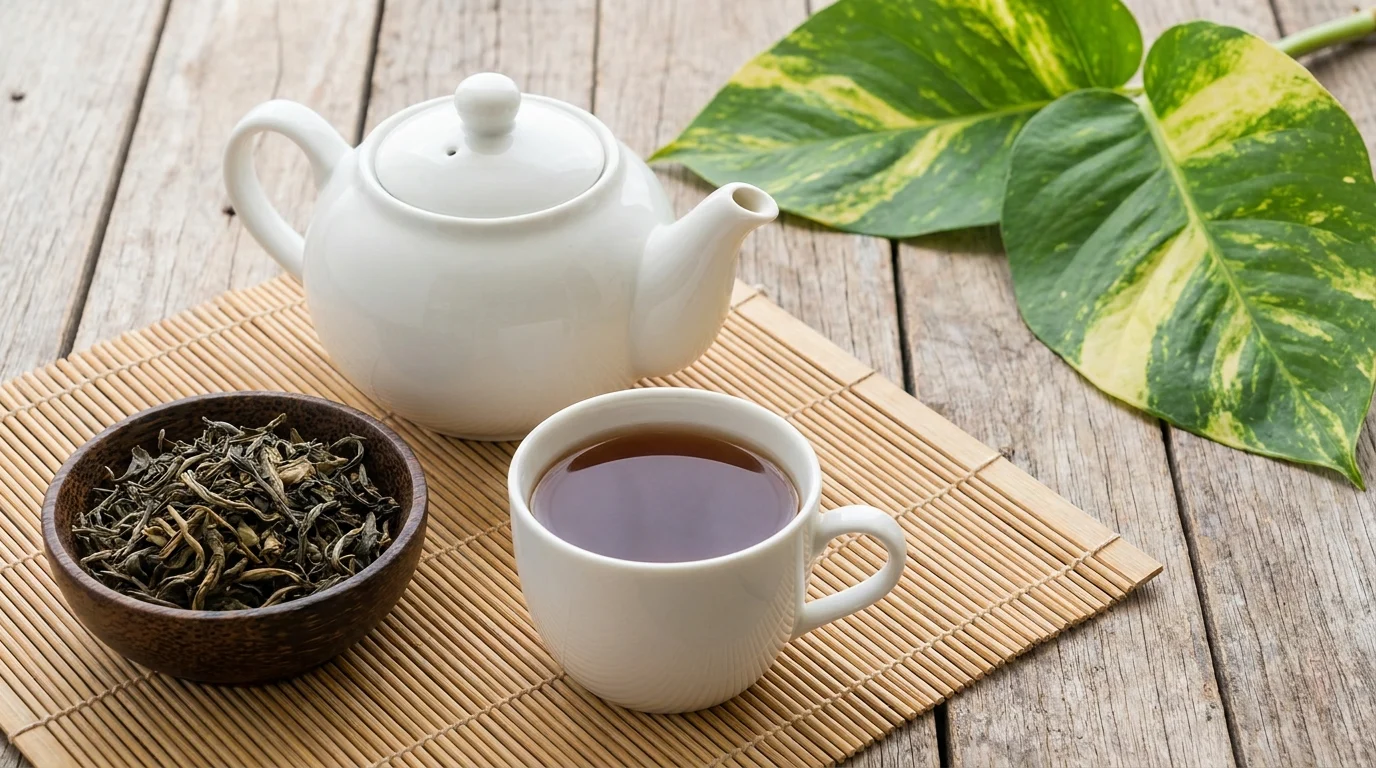
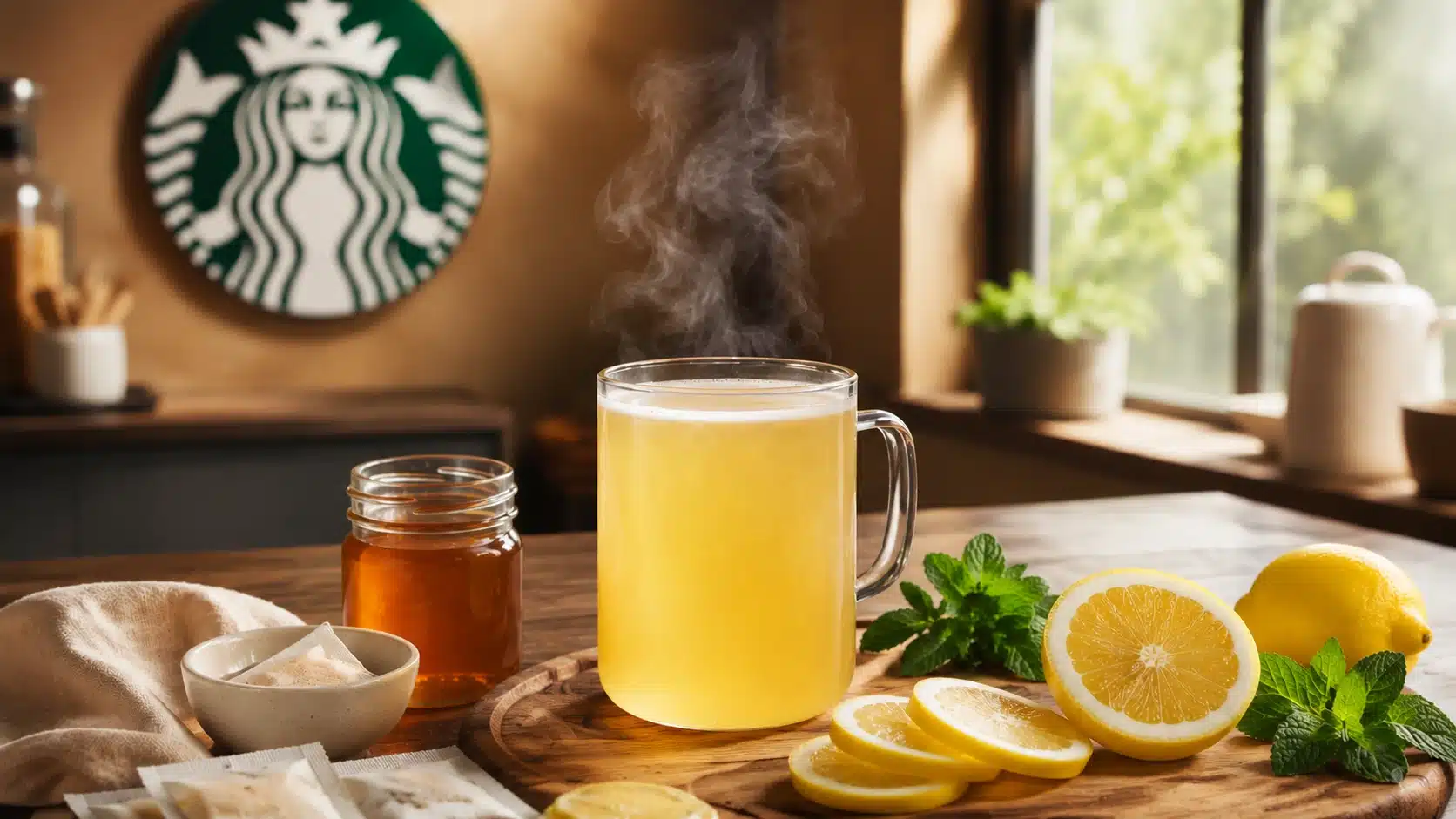
Medicine ball tea is the popular customer nickname for Starbucks’ Honey Citrus Mint Tea, which officially joined the menu in 2017. Before that, it was a custom order combining green tea, herbal tea, steamed lemonade, and honey, typically requested as a warm, comforting drink on cold or tired days.
A few key things to know about it:
- Official name: Honey Citrus Mint Tea at Starbucks
- Caffeine content: Present, due to how much caffeine green tea carries
- Sugar content: Around 30g in a grande size
- Common misconception: It does not contain any medicinal ingredients despite the nickname
The drink became popular because warm, sweet beverages are often associated with comfort during seasonal illness. However, it does not treat or cure any condition; it is simply a flavored tea designed for taste and comfort.
What’s in Starbucks’ Medicine Ball Tea?
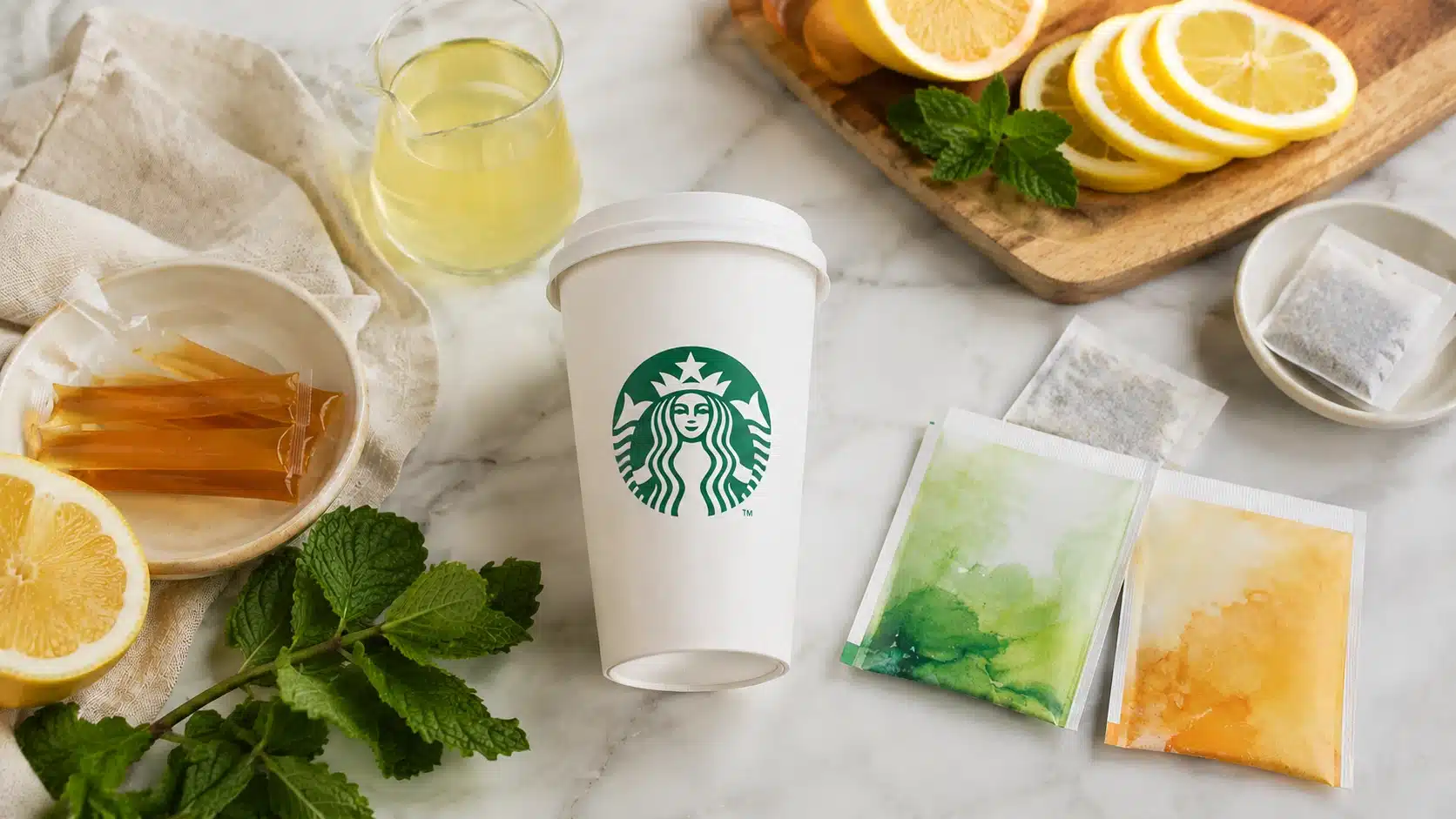
The Starbucks version tastes the way it does because of how the four main parts work together. The green tea provides a subtle herbal base, the peach chamomile adds softness, the steamed lemonade adds citrus brightness, and honey ties it together with sweetness. Understanding what each ingredient does makes it much easier to swap smartly at home.
| Ingredient | What It Adds | Home Swap | Note |
| Jade Citrus Mint green tea | Mint, citrus, light herbal base | Any mint or citrus green tea | Has caffeine |
| Peach Tranquility herbal tea | Peach flavor, chamomile softness | Peach chamomile herbal tea | Often caffeine-free, check the label |
| Steamed lemonade | Citrus sweetness, flavor depth | Fresh lemon juice plus extra honey | Lemonade adds about 15 g of sugar on its own |
| Honey | Sweetness, cough comfort | Maple syrup, agave, or less honey | Skip for babies under 1 year |
| Hot water | Base liquid, heat | No swap needed | Use filtered water for a clean flavor |
The 30 grams of sugar in the Starbucks version come mostly from the steamed lemonade, though sipping warm water alone already does a fair share of the comfort work before any tea bag goes in. Making it at home gives full control over that number, which is one of the real practical advantages of the copycat version.
Once the ingredient roles are clear, the steps become much less confusing and much more repeatable.
How Do You Make Medicine Ball Tea at Home?
This is the section worth bookmarking or screenshotting before your next sniffly day. The recipe below follows the same sequence as the Starbucks preparation, adapted for a standard kitchen without a steam wand.
Ingredients You Need: ¾ cup water|¾ cup lemonade|1 mint citrus green tea bag|1 peach chamomile tea bag|1 teaspoon honey
A 12-ounce mug is the right size for this recipe. Too small and the liquid overflows; too large and the flavor gets diluted.
Step 1: Heat the Water and Lemonade
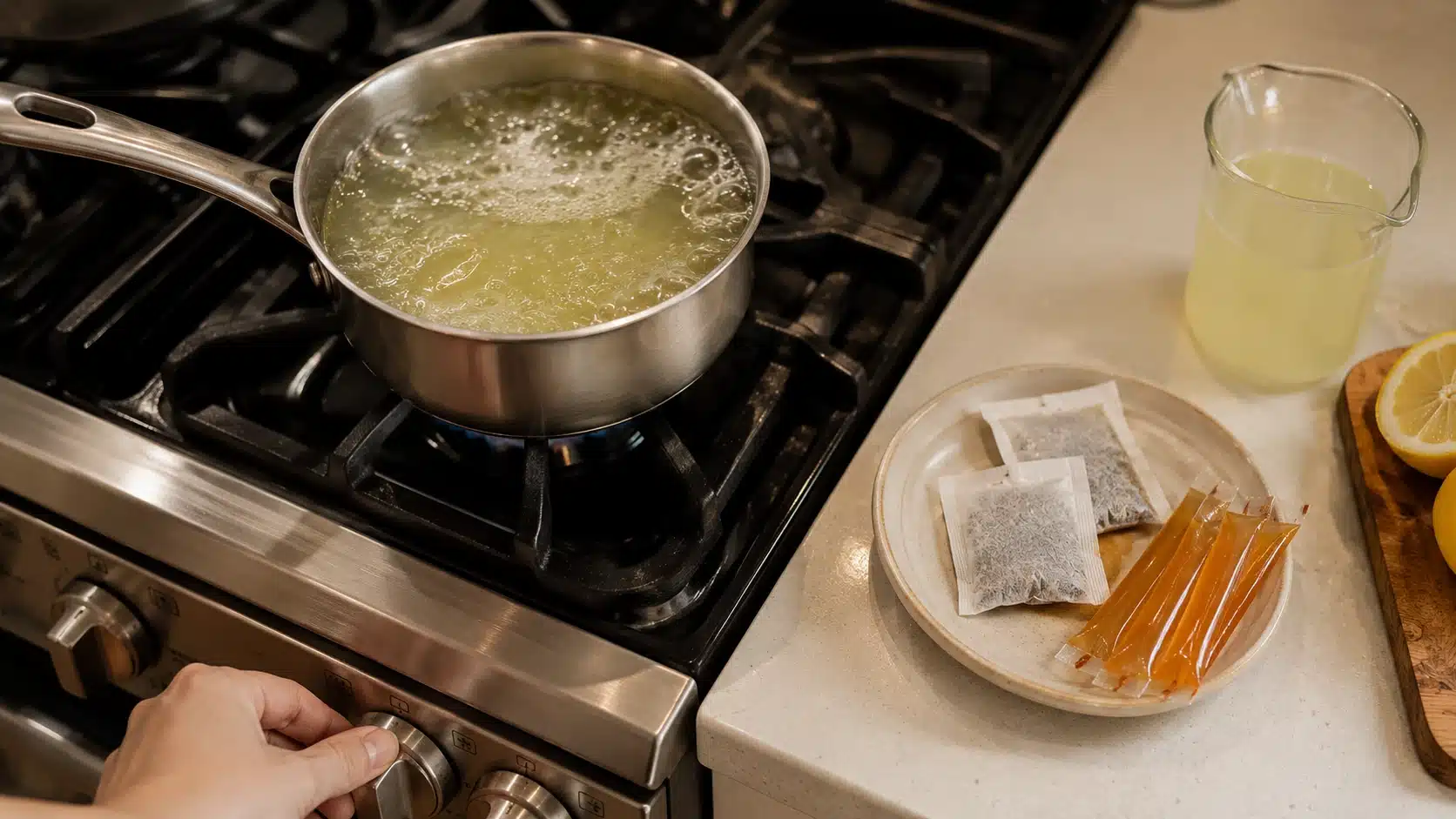
Add the water and lemonade to a small saucepan and heat together over medium heat until the liquid is steaming or just beginning to boil.
Heating both liquids together gives the drink an even citrus base rather than adding cold lemonade to hot water later. The combined temperature also helps the tea steep properly from the first second it makes contact.
Step 2: Place Both Tea Bags in the Mug
Before pouring anything, place both tea bags into the 12-ounce mug. This approach, putting the bags in dry first, lets the hot liquid hit them immediately and begin steeping from the moment it touches the bags.
It also keeps the process neat and avoids having to fish around a full mug with a hot spoon.
Step 3: Pour the Hot Liquid Over the Tea Bags
Pour the hot lemonade-water mixture directly over the two tea bags in the mug. Pouring both bags into one cup at the same time produces a layered drink with mint, green tea, peach, and chamomile, rather than two separate weak teas.
This is the step that gives the home version its Starbucks-style flavor depth, even without a commercial steam setup.
Step 4: Steep for 3 Minutes
Set a timer for 3 minutes. This is the minimum recommended in the transcript and a good baseline for most green tea bags.
Steeping for the right amount of time is where many home versions go wrong. Too short, and the peach and mint flavors do not develop. Too long and the green tea turns bitter, which changes the whole character of the drink.
Step 5: Stir in Honey
After steeping, remove the tea bags or leave them in, depending on how strong you prefer the flavor, then stir in the honey while the drink is still hot.
Honey dissolves quickly in hot liquid and rounds out the lemon sharpness without overwhelming the tea.
Raw honey or regular clover honey both work well here, though all sweeteners like maple syrup do not help; honey has a slight edge for soothing a scratchy throat.
Caution: Do not serve honey to children under 1 year old. For adults and older children, honey can make the drink feel more soothing, but this recipe is still a comfort drink, not a treatment.
The base recipe takes about 10 minutes start to finish, and the result is genuinely close to the Starbucks version. The swaps below make it even more flexible.
Can You Make Medicine Ball Tea Without Lemonade?
Yes, and many people prefer it this way. The no-lemonade version uses fresh lemon juice and adjusts the honey to compensate for the missing sweetness. The result is less sugar and more control over how tart or sweet the final drink tastes, which is useful when the throat is already sensitive.
Key adjustments to make it work:
- Water amount: Use 1 1/3 cups of water to keep the volume close to the lemonade version. Without that second liquid, the drink needs more water to fill the mug properly.
- Lemon juice: Add 1 to 1 1/2 tablespoons of fresh or bottled lemon juice. Start with 1 tablespoon and taste before adding more, especially if the throat feels raw.
- Honey amount: Increase to 1 tablespoon because bottled lemonade is no longer contributing sweetness to the cup. The extra honey also adds a more cough-comfort effect.
- Flavor check: The lemon juice version tastes a bit more like herbal tea with citrus than a classic Starbucks-style medicine ball starbucks cup. It is lighter, which suits the days when a heavy sweet drink is too much.
This swap costs less per cup and uses ingredients most kitchens already have, which is its own kind of convenience.
Is a Homemade Medicine Ball Better

Medicine ball tea is often used as a comfort drink when someone is sick, but it’s important to be clear about what it actually does. It does not treat or cure a cold or flu.
However, the temporary soothing the hot drink provides might backfire if you rely on the store-bought version, since teas that calm a sore throat work better without the heavy amount of sugar undoing the benefit.
| Aspect | Starbucks Version | Homemade Version |
|---|---|---|
| Purpose | Convenience and taste | Comfort with control |
| Sugar level | Higher due to lemonade and honey | Adjustable, can be kept low |
| Ingredients | Fixed recipe | Fully customizable |
| Cost | Higher per serving | Lower per serving |
| Health flexibility | Limited | Can be tailored to illness needs |
Starbucks drinks are often chosen for convenience when unwell, but they contain added sugar from lemonade and honey, which isn’t needed for symptom relief. Homemade versions are more practical, offering better control over sweetness and ingredients while maintaining the comforting warmth.
Common Mistakes That Make It Taste Off
The recipe is simple, but a few minor errors can noticeably change the result. Most bad home versions come down to one of these five problems.
- Overheating the lemonade: Heat until steaming, not aggressively boiling. When lemonade cooks too long, it loses the fresh citrus note and starts tasting cooked and slightly bitter.
- Steeping too long: Green tea needs a short steep. In the past 4 minutes, most green teas turn noticeably bitter, which clashes with the honey and peach flavors rather than supporting them.
- Skipping the peach tea: Using only a mint green tea bag produces a fine drink, but it is not medicine ball tea. The peach chamomile provides the soft fruity base that balances the mint and citrus.
- Adding honey too late: Stir honey in while the drink is still hot. Added to a cooling cup, it can sit at the bottom undissolved, and the last few sips end up far too sweet.
- Using only mint tea: One-bag versions taste flatter. The two-tea combination is what gives this drink its characteristic layered flavor. Both bags matter.
Once these small mistakes are out of the way, the recipe becomes much easier to repeat. The goal is not to make the drink fancy. It is to keep the citrus, mint, peach, and honey balanced so every sip tastes warm, smooth, and close to the Starbucks version.
Frequently Asked Questions
Can I add ginger or turmeric to this drink?
Yes, both work well. A small piece of fresh ginger steeped alongside the tea bags adds warmth and may help with nausea. A pinch of turmeric stirred in after steeping adds an earthy note. Neither significantly changes the base medicine ball tea recipe, and both are common cold-weather additions.
How long can I store leftover medicine ball tea?
The brewed drink is best consumed immediately while hot. If you need to store it, let it cool, then refrigerate in a sealed container for up to 24 hours. Reheat gently on the stove or in a microwave. The flavor softens after storage, so fresh brewing gives the best result.
Is it safe to drink medicine ball tea while pregnant?
Pregnancy can change caffeine tolerance; using honey should be fine for adults, but some herbal teas are not recommended during pregnancy. A doctor or midwife is the right person to confirm which specific tea blends are appropriate during pregnancy. Using decaf green tea and checking the herbal tea label are reasonable first steps.
Does the type of honey I use matter?
Raw and regular honey both dissolve and sweeten similarly here, though raw honey carries a slightly more complex flavor. Avoid both for children under 1 year old.
Final Thoughts
Here is what I would suggest: medicine ball tea earns its place as a comfort drink, but not for the reasons the nickname suggests.
The honey genuinely helps; there is solid evidence for its effect on cough and sore throat. The warm liquid helps. The hydration helps.
The 30g of sugar in the Starbucks version, less so. If you are making this specifically on a sick day, use the lemon juice version, increase the honey to 1 tablespoon, and skip the lemonade entirely. You will get the same comfort with half the sugar.
Try it this week, the recipe takes 10 minutes and five ingredients you likely already have.