












| Disclaimer: This article is for informational and educational purposes only. It does not constitute medical advice and should n replace consultation with a qualified healthcare provider. Always consult a doctor before making changes to your diet, supplement routine, or health practices. |
Green tea naturally contains caffeine, usually in the range of 20–50 mg per 8 oz cup, though the exact amount depends on the type of tea and how it is brewed.
One of the most common search queries people have is “does green tea have caffeine”, especially when trying to manage daily caffeine intake or switch from coffee to lighter alternatives.
From my experience, the confusion usually comes from assuming all teas behave the same, which is not the case here. Green tea feels lighter than coffee, but it still delivers a mild stimulant effect that can vary from cup to cup.
Understanding this range makes it easier to decide when to drink it, how much to have, and what type fits your energy levels without affecting sleep or focus later in the day.
Does Green Tea Have Caffeine?
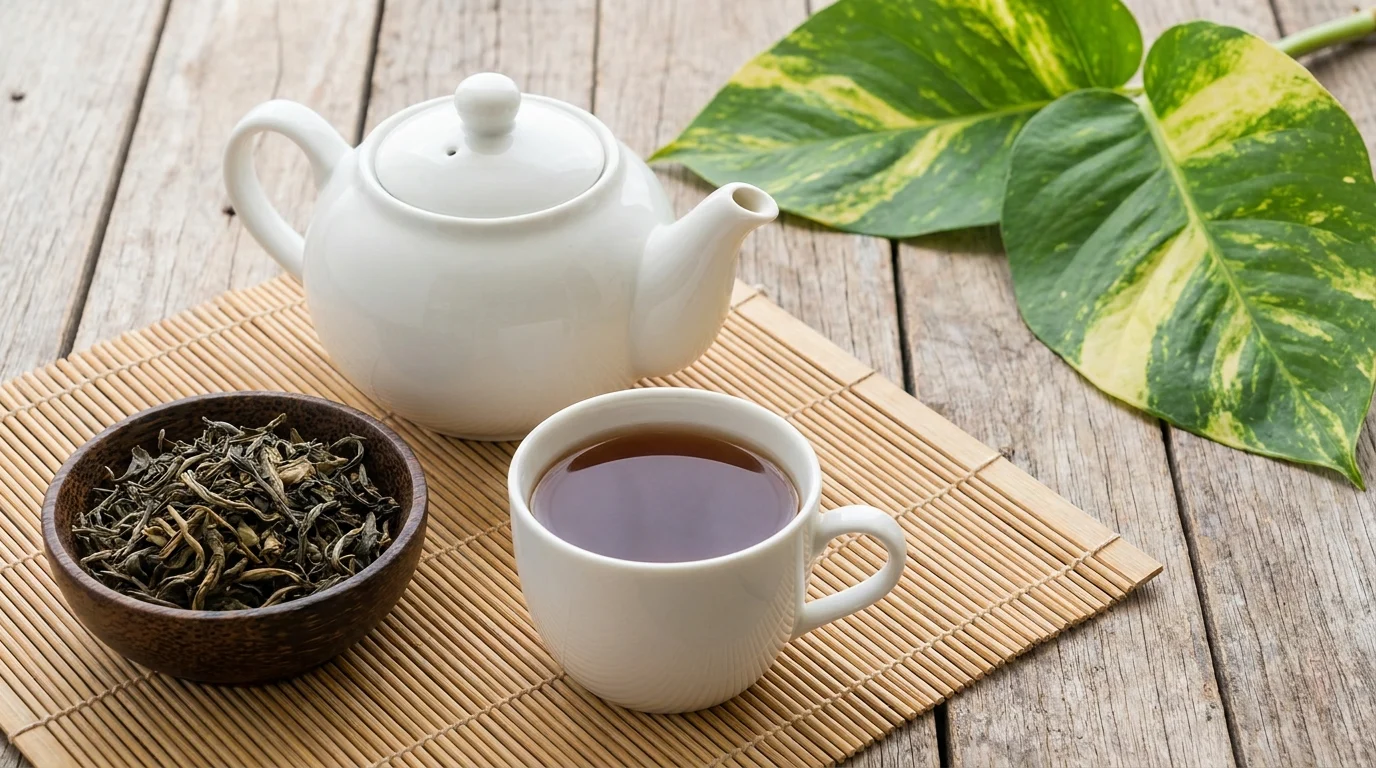
Yes, green tea naturally contains caffeine because it is made from the Camellia sinensis plant, the same plant used for black, white, and oolong tea. A standard 8 oz cup of green tea usually contains around 20 to 50 mg of caffeine, though this can vary depending on the tea type and brewing method.
Matcha and shade-grown varieties like gyokuro tend to have higher caffeine levels, while lighter options like hojicha contain much less. Even decaf green tea is not completely caffeine-free and still has a small trace amount.
The exact caffeine level is not fixed, which is why two cups of green tea can feel slightly different in strength even when they come from the same brand.
Why Does Green Tea Feel Different From Coffee If Both Have Caffeine?

The caffeine in green tea acts differently than the caffeine in coffee, and L-theanine is the main reason. This amino acid, found almost exclusively in the Camellia sinensis plant, crosses the blood-brain barrier and promotes alpha-wave activity, the type of brain wave associated with calm, focused attention. It does not remove caffeine from the equation. It changes how caffeine lands.
The practical result for many people is a more gradual, sustained alertness without the sharp spike and subsequent drop that coffee can produce.
Research published in Nutritional Neuroscience found that the combination of caffeine and L-theanine improved both speed and accuracy on cognitive tasks compared to either compound alone. That said, individual responses to caffeine vary significantly. Genetics, body weight, tolerance, and medication use all affect how any person processes caffeine.
Green tea also contains EGCG, a catechin polyphenol with antioxidant properties that has been studied for its effects on heart health and metabolic function. EGCG is separate from the caffeine story, but it is worth knowing it is present in the same cup.
Research into liver detox drinks has specifically examined EGCG’s role in reducing fat accumulation in liver cells, which is part of why green tea shows up consistently in nutrition studies beyond its caffeine content
What Factors Change the Caffeine Level in Your Cup?
The caffeine in green tea is not fixed. Four variables shift how much ends up in a given serving, and controlling them is one of the easiest ways to manage your intake without giving up the drink.
1. Tea Type and Growing Method
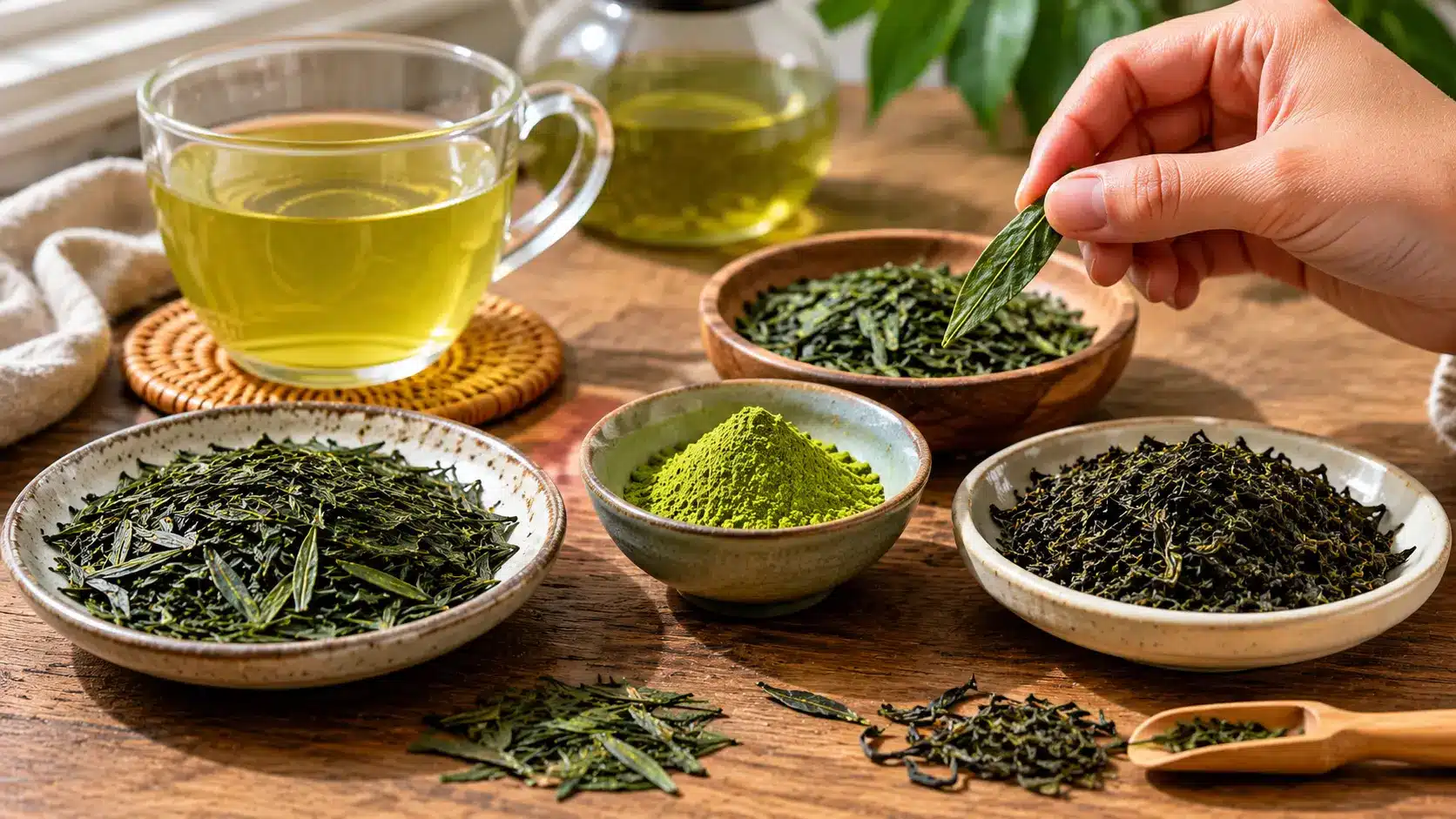
Shade-grown teas like gyokuro and matcha are shaded for three to four weeks before harvest. This interrupts the plant’s photosynthesis cycle and causes it to concentrate more caffeine and L-theanine in the leaves.
A standard sencha, grown in full sun, produces noticeably lower caffeine levels. If you are sensitive to caffeine, choosing a sun-grown variety over a shade-grown one is a straightforward starting point.
Hojicha is worth a mention here because it is an outlier. Roasting the leaves at high heat degrades caffeine content, making hojicha one of the lower-caffeine green tea options available. It is a practical choice for afternoon or early evening drinking when you still want the flavor of green tea without the full caffeine load.
2. Steeping Time

Caffeine moves from leaf to water quickly. Most of the extraction happens in the first two minutes of steeping. A one-minute steep and a five-minute steep of the same tea bag can produce meaningfully different caffeine levels.
Longer steeping also increases bitterness from tannins, so shortening steep time helps both the caffeine level and the flavor in one step.
3. Water Temperature

Hotter water pulls caffeine out faster. Green tea is typically brewed between 160 and 180 degrees Fahrenheit, which is cooler than the boiling water used for black tea.
Brewing at the lower end of that range reduces caffeine extraction while also preventing the harsh, astringent taste that boiling water produces in delicate green teas. The same principle applies when you use hot water for general wellness routines, temperature shapes what you extract and how your body responds.
4. Leaf Amount and Serving Size
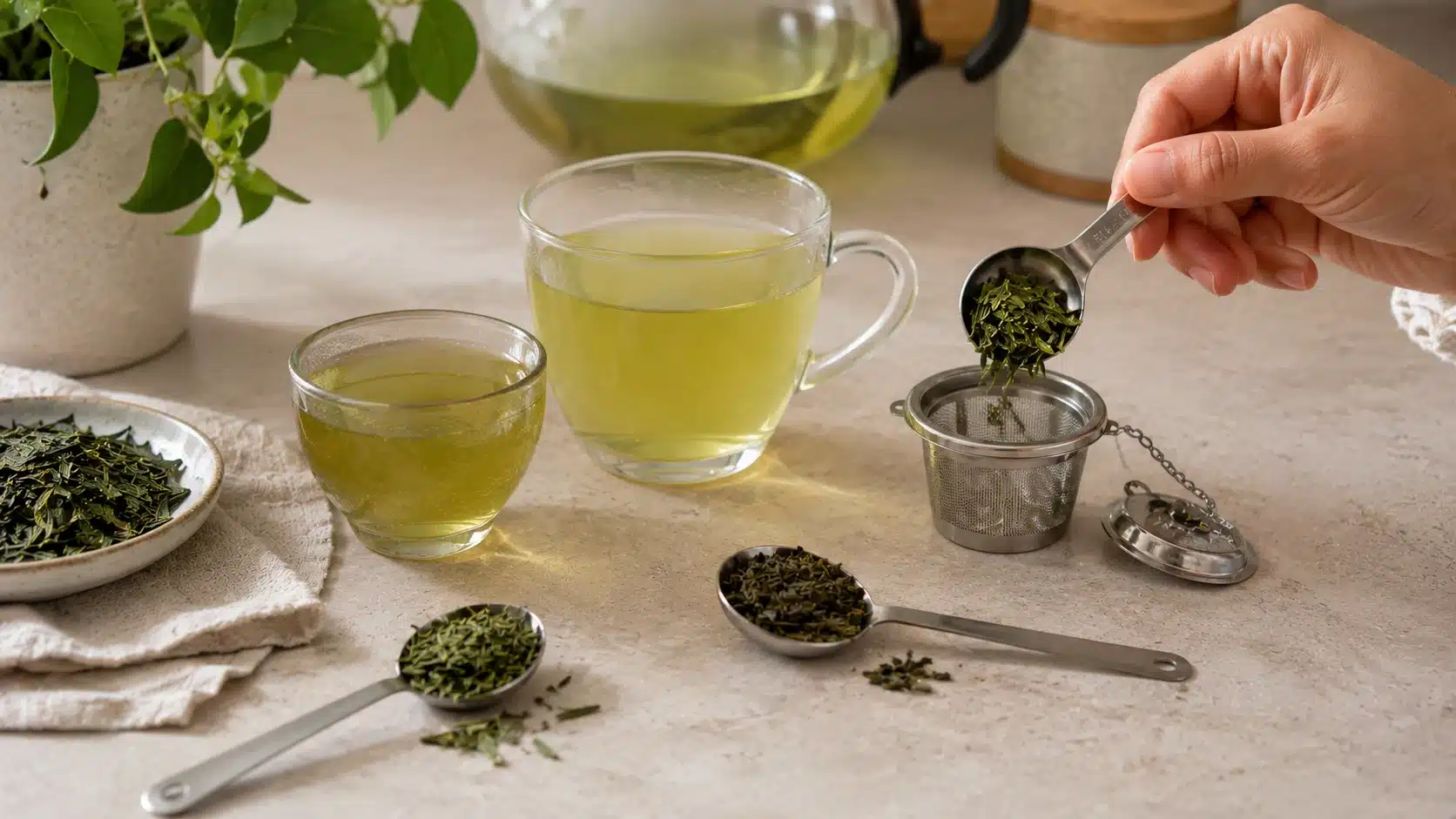
More leaves equal more caffeine. A rounded teaspoon and a heaped tablespoon of the same loose-leaf tea produce different cups. Serving size is equally important. A 16-ounce iced green tea, even if brewed weaker per ounce, may still deliver more total caffeine than an 8-ounce hot cup simply because of the larger volume.
| Practical Tip: To reduce caffeine in any green tea, combine three changes at once: use slightly less tea, steep for 90 seconds instead of three minutes, and brew at 170 degrees Fahrenheit rather than near boiling. Each step reduces caffeine a little; together they can cut the total by a meaningful amount without switching to a different tea entirely. |
How Much Caffeine Is Safe to Consume Each Day?
For most healthy adults, up to 400 mg of caffeine per day is considered safe according to FDA guidance. A regular 8-ounce cup of green tea with around 30 mg of caffeine leaves significant room within that limit.
The more relevant question for most green tea drinkers is not whether one cup is safe, but whether the daily total from all sources stays reasonable.
| Group | Daily Caffeine Guidance | What It Means for Green Tea |
| Most healthy adults | Up to 400 mg per day (FDA) | A cup at 30 mg leaves ample room, even with other sources |
| During pregnancy | Under 200 mg per day (ACOG) | Green tea counts toward the total; discuss with your provider |
| Caffeine-sensitive individuals | Lower amounts may cause effects | Even 50 to 100 mg can produce jitters, fast heartbeat, or poor sleep |
| Hidden caffeine sources | Varies by product | Coffee, soda, chocolate, supplements all add to the daily count |
The caffeine in green tea rarely pushes a person over safe daily limits on its own. The real risk is stacking. If you already drink coffee in the morning, add a green tea in the afternoon, and then have a soda or chocolate in the evening, the total climbs faster than most people track.
Green Tea Caffeine vs Coffee: How Do They Compare?
Green tea delivers one-quarter to one-half the caffeine of coffee, with L-theanine changing how that caffeine feels.
| Drink | Caffeine per 8 oz | L-theanine | Effect Profile |
|---|---|---|---|
| Drip coffee | 80 to 100 mg | None | Fast spike, sharper crash |
| Matcha | 60 to 80 mg | Present | Strong but steadier than coffee |
| Black tea | 40 to 70 mg | Present | Moderate, cleaner than coffee |
| Sencha / jasmine green tea | 25 to 45 mg | Present | Gentle, sustained alertness |
| Hojicha | 15 to 30 mg | Present | Mild; good afternoon option |
| Decaf green tea | 2 to 5 mg | Trace | Near-zero stimulant effect |
If you also drink coffee alongside green tea, knowing exactly how many calories in coffee you consume daily helps keep your total caffeine picture accurate.
Matcha sits closest to coffee on this table. Treating it the same as regular sencha will skew your daily caffeine estimate significantly. If a gentler morning drink is the goal, natural energy teas like chyawanprash and lower-caffeine blends are worth considering.
Can Green Tea Keep You Awake at Night?
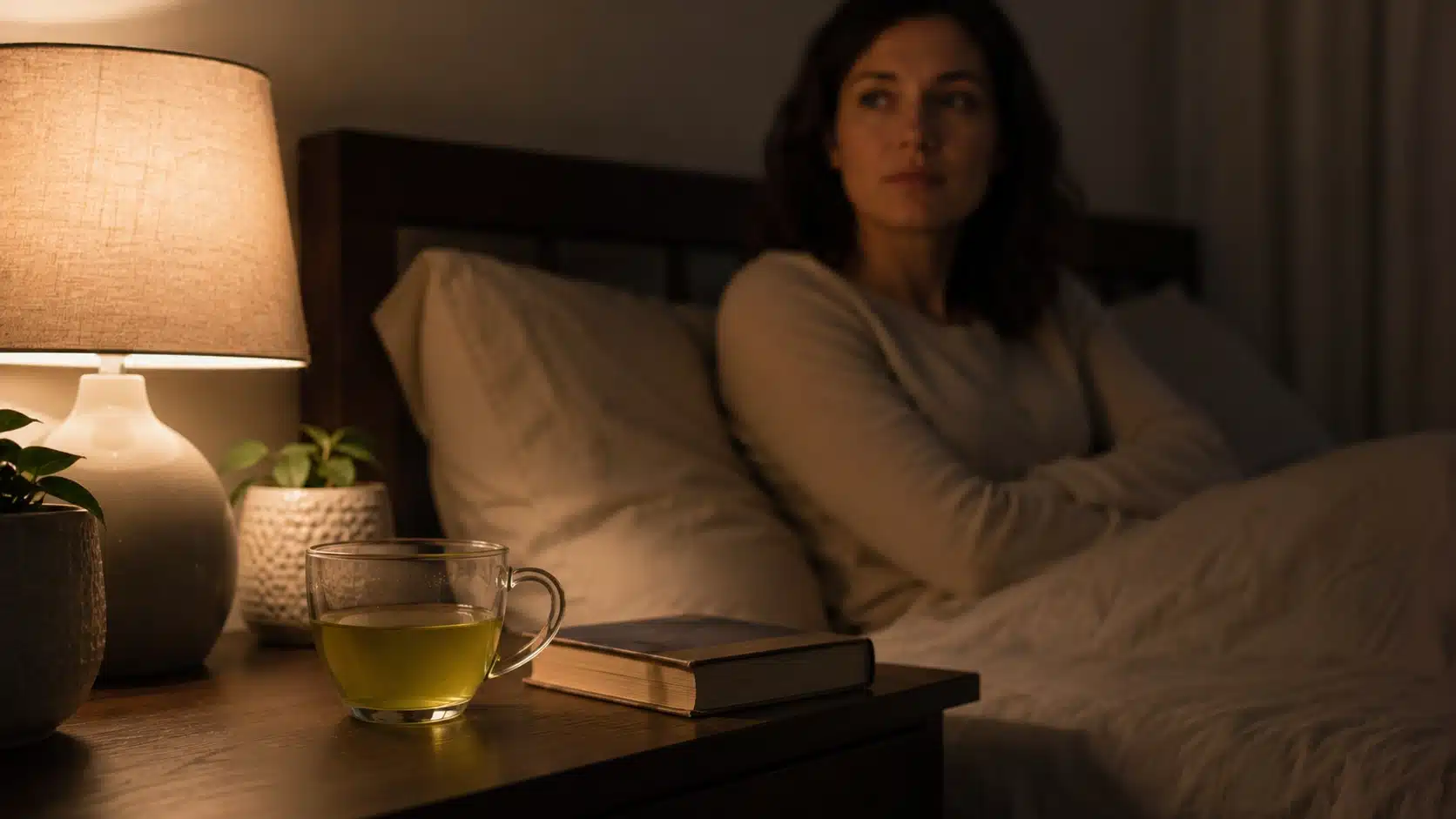
Yes, green tea can affect sleep in some people because it contains caffeine, which is a natural stimulant. The way it impacts sleep depends on how sensitive you are to caffeine and the timing of your intake.
Caffeine stays in the body for several hours, so drinking green tea later in the day may still influence alertness at night. This is why some people notice difficulty falling asleep if they consume it in the evening.
However, the effect is usually milder than coffee because green tea has lower caffeine levels. Choosing lower-caffeine types like hojicha or switching to earlier consumption in the day can help reduce sleep disruption.
Who Should Be More Careful With Green Tea Caffeine?
Most adults drink green tea without any issue. A few groups deserve a more specific approach to dose and timing rather than simply avoiding it.
- Light sleepers or people who wake at night: treat green tea as an afternoon cutoff item. Caffeine disrupts sleep architecture even when it does not prevent falling asleep.
- People who feel anxious or notice a faster heartbeat: even 30 mg can trigger those effects. Try smaller servings and lighter brews first.
- People who drink green tea on an empty stomach: tannins can cause nausea. Having it with a small amount of food usually resolves this.
- Pregnant individuals: green tea counts toward the 200 mg daily limit. Discuss your personal caffeine tolerance with your provider.
- People on certain medications: antibiotics, antidepressants, and antifungals can all affect caffeine metabolism. Check with your pharmacist before adding green tea regularly
Is Decaf Green Tea Completely Caffeine-Free?
Decaf green tea is not caffeine-free. The decaffeination process removes most of the caffeine, leaving roughly 2 to 5 mg per cup versus the usual 20 to 50 mg in a regular cup.
For the large majority of people, 2 to 5 mg produces no noticeable effect. For someone with extreme caffeine sensitivity or who is pregnant, even this trace amount is worth knowing about.
If a truly caffeine-free green tea experience is the goal, the only way to get there is to move to a non-tea plant entirely.
Chamomile, rooibos, peppermint, and ginger teas contain no caffeine because they do not use Camellia sinensis leaves. They carry none of the EGCG or L-theanine of green tea, but they are genuinely caffeine-free options for anyone who needs to track that carefully.
These questions come up regularly in conversations about caffeine management, so here are the ones I hear most often.
Frequently Asked Questions
Does cold brewing green tea lower caffeine?
Yes. Cold water extracts caffeine much more slowly than hot water. Steeping green tea leaves in the refrigerator overnight yields a refreshing beverage with roughly half the caffeine content of a standard hot-brewed cup, while still preserving its smooth flavor profile.
Can iron deficiency affect green tea tolerance?
Yes. Green tea contains heavy tannins that can bind to non-heme iron from plant foods, reducing your body’s nutrient absorption. If you have low iron levels, it is best to drink green tea at least one hour before or after your main meals.
Does adding milk block green tea benefits?
Possibly. Some nutritional studies suggest that proteins like casein in dairy milk can bind to EGCG, potentially lowering the absorption rate of green tea’s signature antioxidants. To get the maximum health benefits from your cup, it is ideal to enjoy it plain or with lemon.
Can you reuse leaves to reduce caffeine?
Absolutely. Caffeine dissolves rapidly during the very first steep. If you discard the water from a brief initial thirty-second rinse and then steep the same leaves a second time, your resulting cup will contain significantly less caffeine than the original brew.
Is green tea safe for acid reflux?
It depends on your sensitivity. While green tea is generally less irritating than dark roasted coffee, its combination of caffeine and natural tannins can still stimulate gastric acid production or relax the lower esophageal sphincter, potentially triggering heartburn for some individuals.
Does citrus juice change green tea chemistry?
Yes, in a positive way. Adding a squeeze of fresh lemon, lime, or grapefruit juice introduces vitamin C, which chemically stabilizes the delicate catechins in your brew. This simple addition makes the beneficial antioxidants significantly easier for your body to absorb during digestion.
How should loose green tea be stored?
Store it in an airtight, opaque container placed in a cool, dark pantry. Green tea leaves are highly sensitive to oxygen, light, heat, and moisture. Proper storage prevents active degradation, keeping the delicate L-theanine and flavor compounds fresh for months.
Final Thoughts
Green tea is not caffeine-free, but the amount is usually low enough that it fits comfortably into most daily routines.
I like thinking of it less as a “stimulant drink” and more as a gentle energy option you can adjust based on how your body responds.
If I’m having a busy day, I’ll stick to a standard cup in the morning, while on lighter days I don’t worry much about the caffeine range at all.
The key takeaway in Does Green Tea Have Caffeine is not just the number, but how brewing time, type of green tea, and timing affect you personally.
Once I started paying attention to that, I found it easier to enjoy green tea without second-guessing my sleep or energy levels.