



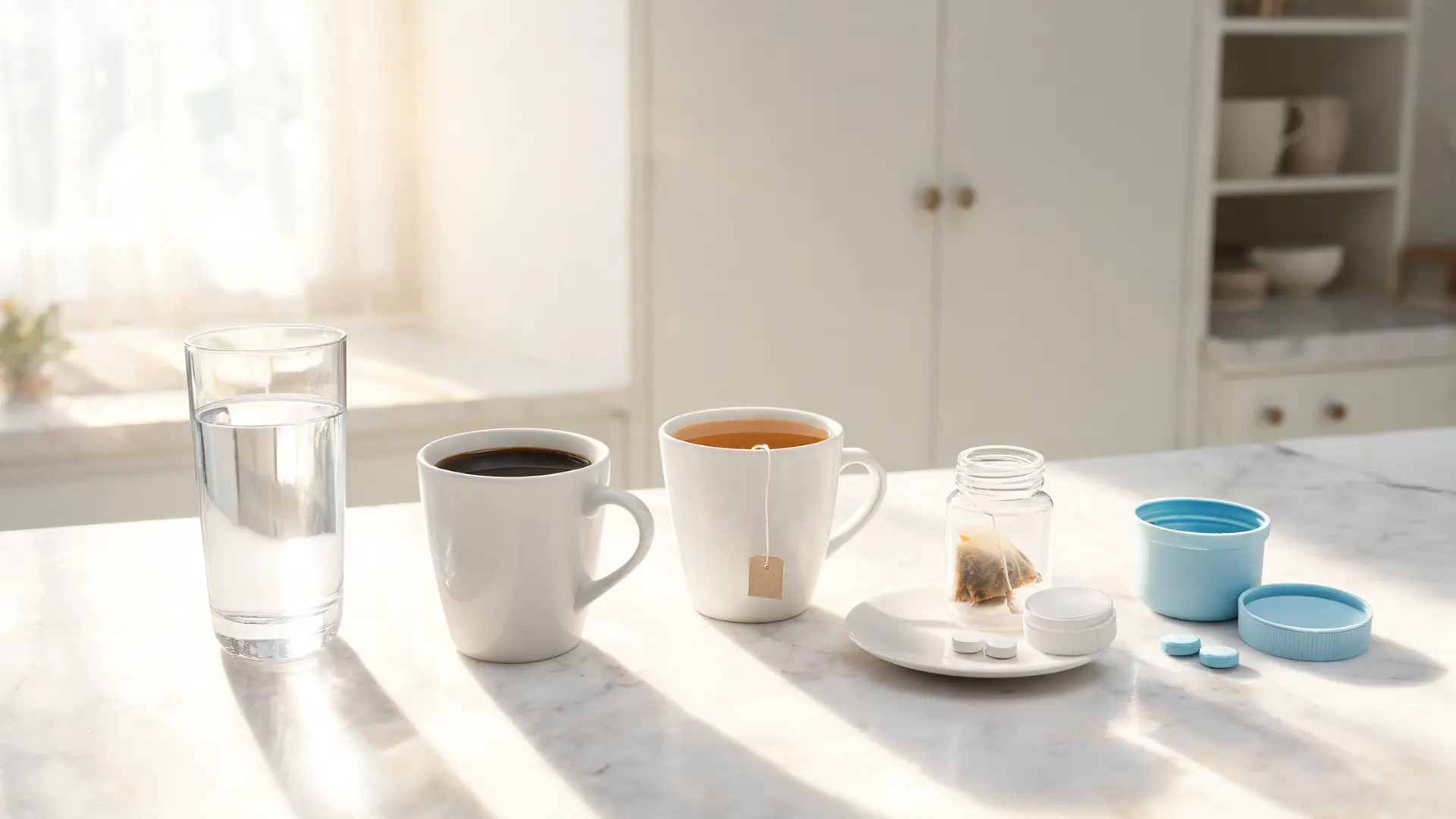










Can one small drink ruin your entire fast? It’s surprising how quickly doubt kicks in when you’re unsure what’s allowed. I’ve seen how confusing it gets when every source gives different answers, especially when you’re trying to stay consistent.
If you’re searching for what you can have while fasting, you’re likely trying to figure out what’s safe without accidentally breaking your fast. I’ve been in that same spot, questioning every sip of coffee, tea, or supplement.
Here, you’ll get a clear, simple breakdown of what you can have, what breaks a fast, and how vitamins, drinks, and electrolytes really fit into fasting so you can stick to it without second-guessing yourself.
Understanding the Meaning of Fasting
Fasting is a set period during which calorie intake is reduced or completely stopped to support goals such as weight management, metabolic health, or religious practice. The exact rules depend on the type of fasting being followed, which is why what is allowed can vary so much.
Intermittent fasting is based on eating and fasting windows, during which food is consumed only within specific hours. Some versions are strict about zero calories, while others allow small amounts of low-calorie intake depending on the goal.
Understanding the type of fast is important before deciding what you can safely have while fasting.
| Fasting Type | Strictness Level | Allowed Intake |
|---|---|---|
| Intermittent Fasting | Moderate | Water, black coffee, unsweetened tea |
| Religious Fasting | Varies | Depends on tradition and food rules |
| Medical Fasting | Strict | Usually water or doctor-approved liquids only |
Each fasting style follows different rules, so clarity about your approach helps you avoid mistakes and achieve better results.
Allowed Intake by Fasting Type
Not all fasts follow the same rules, so what you can have while fasting depends on the purpose behind the fast. Some fasting styles focus on avoiding calories entirely, while others follow religious, cultural, or medical guidelines.
This difference matters because a drink or food that is allowed in one type of fasting may break another. Before choosing coffee, tea, vitamins, electrolytes, or food, it is best to understand the fasting style you are following.
1. Intermittent Fasting
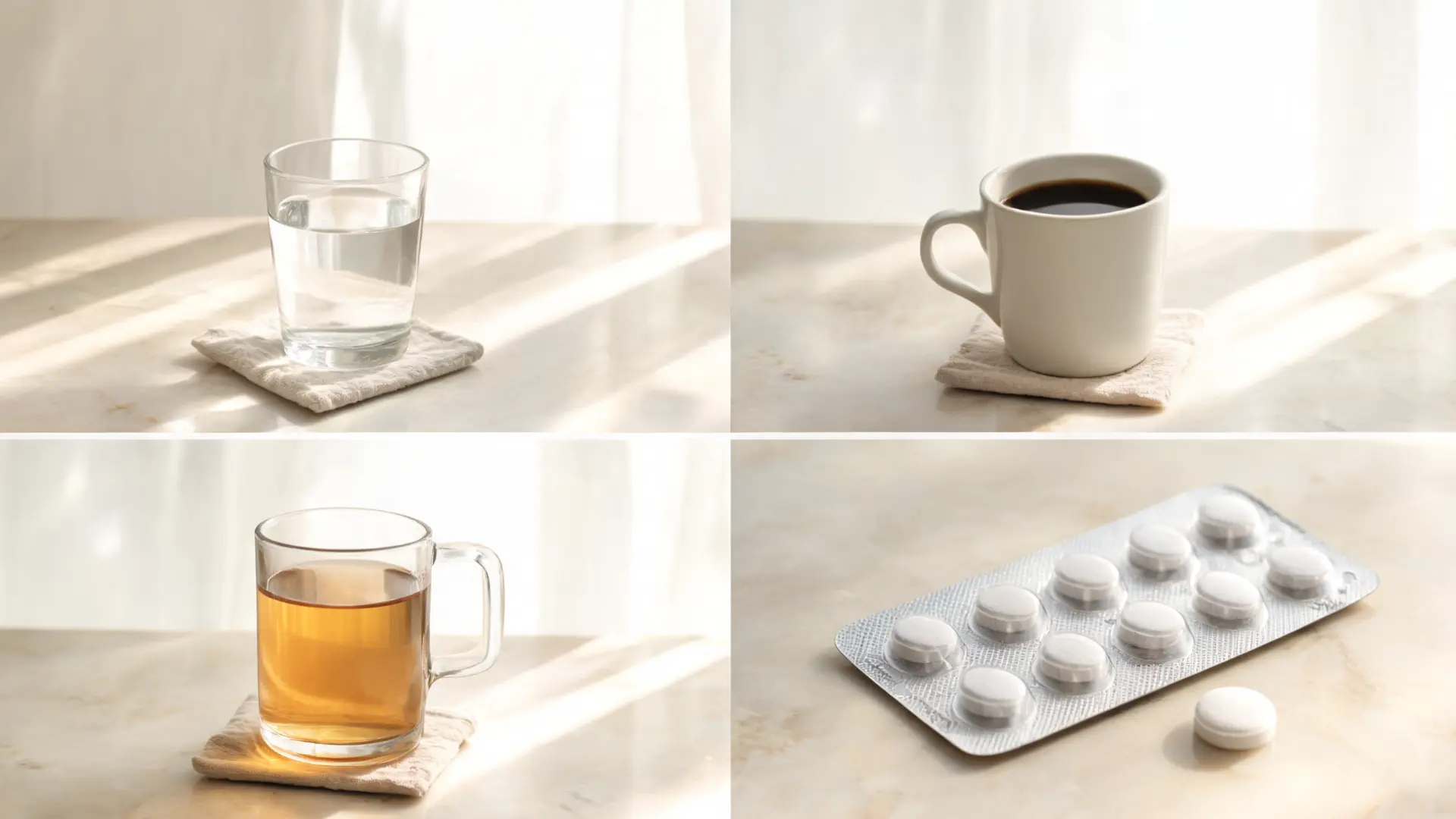
Intermittent fasting usually focuses on eating and fasting windows. During the fasting window, the goal is to avoid calories, sugar, protein, and anything that may trigger digestion or an insulin response.
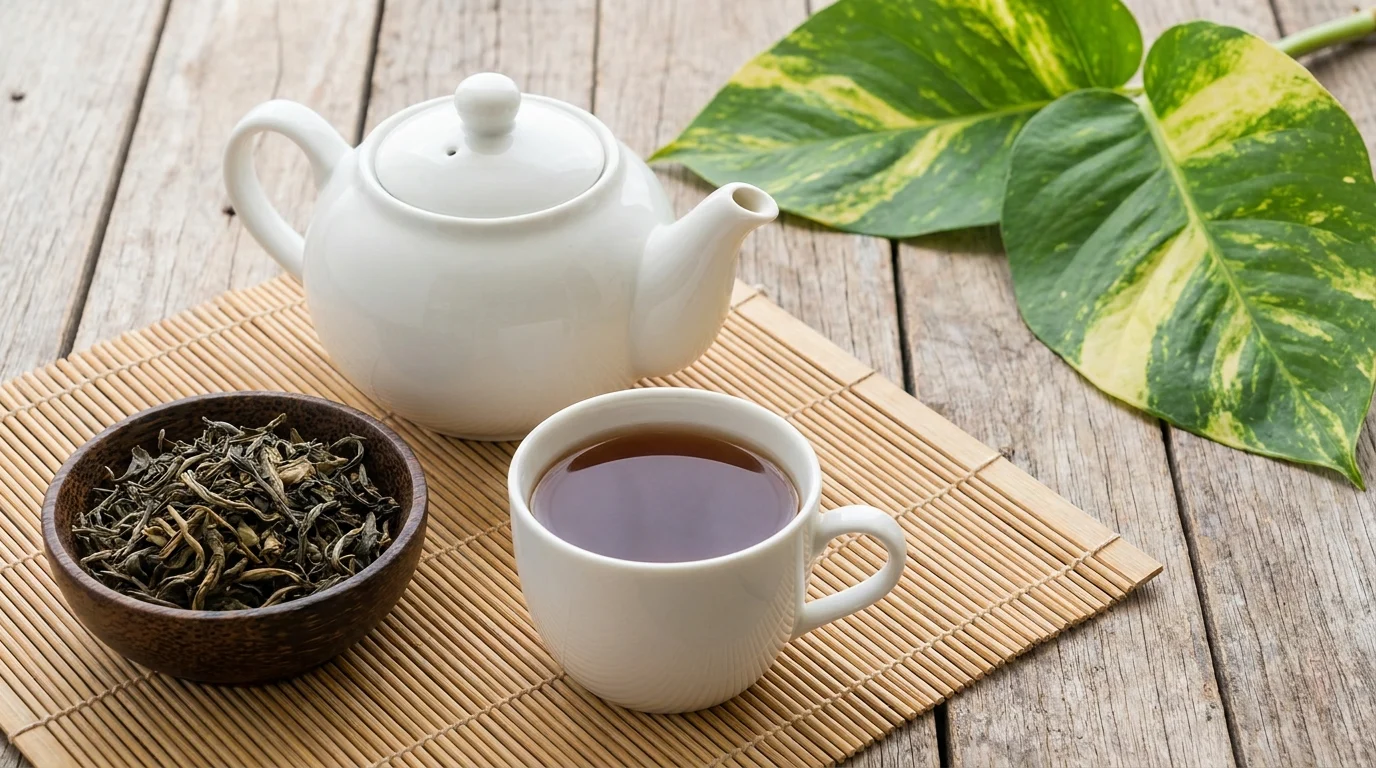
Plain drinks are usually the safest choice because they support hydration without affecting the fast. Water, black coffee, unsweetened tea, and sugar-free electrolytes are commonly used during intermittent fasting.
Add-ins like milk, cream, sugar, syrups, juices, smoothies, and protein shakes usually break the fast because they contain calories.
- Usually allowed: Water, sparkling water, black coffee, unsweetened tea, and sugar-free electrolytes are usually safe during intermittent fasting.
- Usually avoided: Milk, cream, sugar, honey, flavored syrups, juices, smoothies, protein shakes, and calorie-containing supplements usually break the fast.
- Best approach: Keep drinks plain, simple, and calorie-free during the fasting window to avoid accidental fasting breaks.
- Main goal: Support fat-burning, stable insulin levels, and hunger control without starting digestion during fasting hours.
| What I tell people: Keep the fasting window as clean as possible, plain drinks, no add-ins. The eating window is long enough to take everything else. |
2. Medical Fasting
Medical fasting is usually stricter than intermittent fasting because it is done before blood work, surgery, scans, or other medical procedures. The purpose is not weight loss or fat-burning but accurate results and patient safety.
In many cases, water is the only safe option before a test or procedure. Some instructions may allow clear liquids like plain black coffee or black tea, but this depends on the test. Vitamins, supplements, juice, milk, cream, protein drinks, and flavored beverages can interfere with results.
- Usually allowed: Plain water is often the safest and most common option during medical fasting unless your provider says otherwise.
- Sometimes allowed: Clear liquids like black coffee or plain tea may be permitted before certain tests, but only with approval.
- Usually avoided: Milk, cream, juice, supplements, vitamins, protein drinks, flavored beverages, and sweetened liquids.
- Best approach: Follow your doctor’s or lab’s fasting instructions exactly because medical fasting rules depend on the procedure.
You can usually take medication while fasting, but do not skip or change doses without medical advice. Some medicines need food to prevent nausea or side effects, while others can be taken with water. If you fast for blood work, surgery, or health reasons, follow your doctor’s instructions first.
3. Religious Fasting
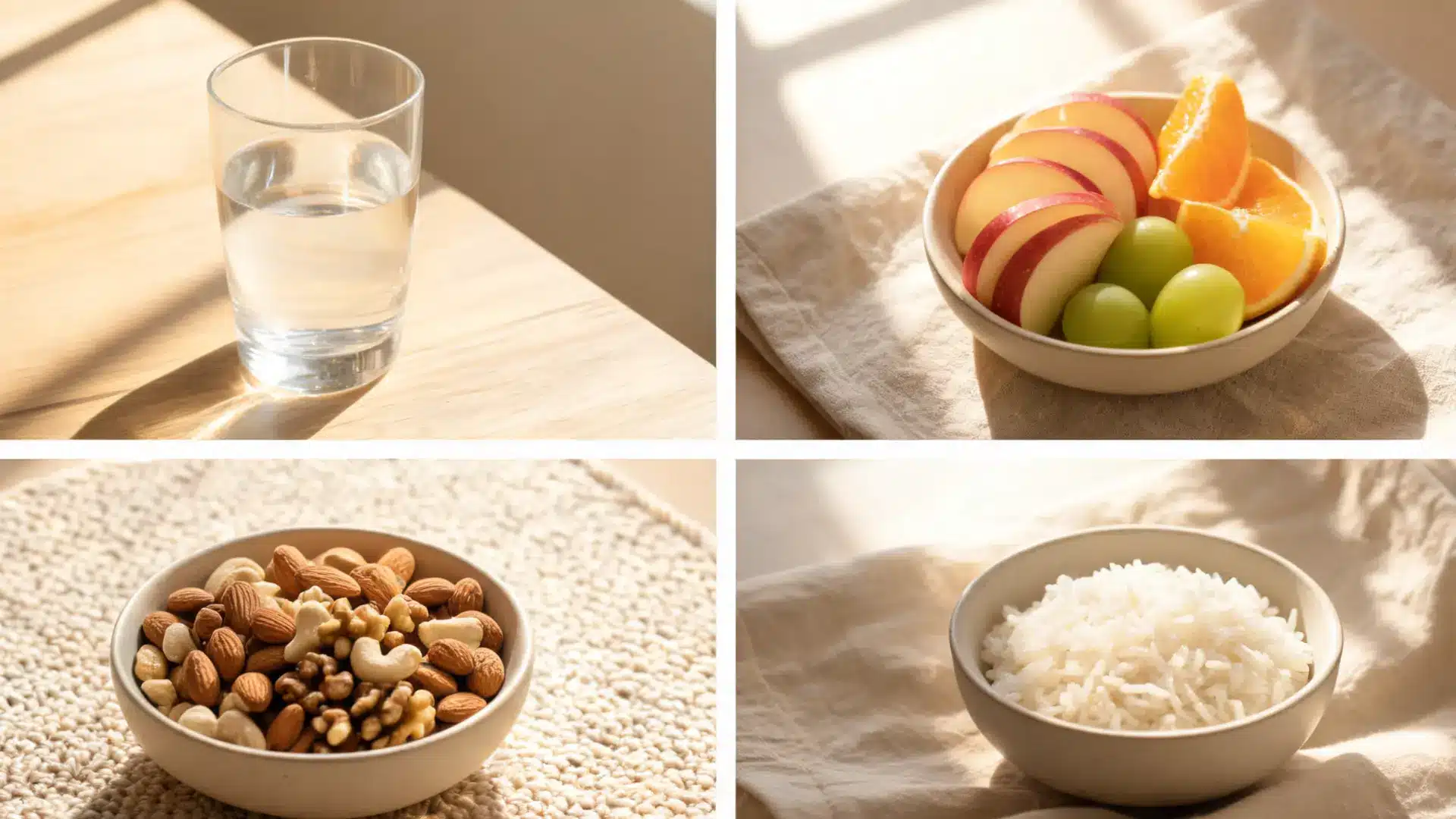
Religious fasting varies widely because each faith, tradition, or cultural practice has its own rules. Some religious fasts focus on avoiding certain foods, while others restrict all food and drink during specific hours. In some traditions, water, fruits, dairy, nuts, or simple meals may be allowed.
In others, even water may be restricted until the fasting period ends. Since religious fasting is not always based on calorie intake, the right approach depends on the specific practice being observed.
- May be allowed: Water, fruits, nuts, dairy, herbal drinks, or simple meals, depending on the tradition.
- May be restricted: Meat, grains, processed foods, alcohol, sugary drinks, or all food and drink may be restricted during fasting hours.
- Usually avoided: Any food, drink, or ingredient not permitted by the specific religious or cultural rule should be avoided.
- Best approach: Follow the guidance of your faith, family tradition, religious leader, or cultural fasting practice instead of general fasting advice.
Intermittent Fasting Drinks Explained
Drink choices during intermittent fasting affect hydration, hunger levels, and fasting results. The focus is on beverages that keep calories close to zero while avoiding ingredients that trigger insulin response or cravings. The table below summarizes common fasting-friendly drinks and what to watch out for.
| Drink | Key Info | Avoid |
|---|---|---|
| Black Coffee | Very low-calorie; may reduce hunger and improve alertness | Sugar, milk, cream, syrups |
| Herbal Tea | Unsweetened teas like chamomile, peppermint, and ginger are fasting-friendly | Honey, sugar, milk, sweet blends |
| Sparkling Water | Zero-calorie carbonation may help with fullness | Sweetened or flavored versions with additives |
| Artificial Sweeteners | Usually calorie-free but may trigger cravings in some people | Use cautiously if they increase hunger or snacking |
Plain beverages tend to work best during fasting windows because they keep things simple and reduce the risk of accidentally breaking a fast. Paying attention to additives is key, since small additions like sweeteners or milk can change how the body responds.
Foods and Supplements During Fasting
Strict fasting avoids all food, as even small amounts of calories can start digestion and break the fast. However, some flexible or modified fasting styles allow limited additions based on comfort, energy, or specific health goals. If your goal is clean fasting, water-based options are still the safest choice.
- Bone Broth: Bone broth is sometimes allowed in modified fasting because it provides minerals and may reduce hunger during longer fasts. However, it contains calories, protein, and nutrients, so it usually breaks a strict fast. It is better for flexible fasting than clean intermittent fasting.
- MCT Oil: MCT oil is sometimes used in fat-focused fasting because it may support ketosis without adding carbs or sugar. Still, it contains calories, so it breaks a strict zero-calorie fast. It may fit some “dirty fasting” approaches but should be avoided for clean fasting.
- Coconut Water: Coconut water usually breaks a strict fast because it contains natural sugar, calories, and carbohydrates. While it may support hydration, it is not the same as plain water or sugar-free electrolytes. It is better to save it for the eating window or after fasting ends.
- Chewable Supplements: Chewable supplements often contain sugar, sweeteners, flavors, or calories, which can break a strict fast. Gummies, flavored tablets, and chewable vitamins are especially risky. Plain capsules or tablets are usually safer, but questionable supplements are best taken during the eating window.
For blood work, plain water is usually the safest option while fasting. Avoid coffee, tea, vitamins, supplements, gum, juice, or flavored drinks unless your doctor or lab says they are allowed. Even small add-ins can affect certain test results, so follow your medical instructions exactly.
Do Vitamins Break a Fast?
Vitamins do not always break a fast, but the answer depends on the form and ingredients. Plain tablets or capsules usually have little to no calories, so they are less likely to affect a strict intermittent fast.
Water-soluble vitamins, such as vitamin C and B vitamins, are usually fine, though they may cause nausea on an empty stomach. Fat-soluble vitamins, such as A, D, E, and K, are best absorbed with food because they require dietary fat for absorption.
Gummy vitamins, chewables, flavored powders, and liquid supplements often contain sugar, oils, or calories, so they can break a fast. To stay safe, take questionable vitamins during your eating window.
What Might Break a Fast
A fast is usually broken when you consume calories, sugar, protein, or ingredients that trigger digestion and an insulin response.
This matters most during strict intermittent fasting, medical fasting, and fasting for metabolic benefits. Small add-ins may seem harmless, but they can still interrupt the fast depending on your goal.
1. Milk and Cream
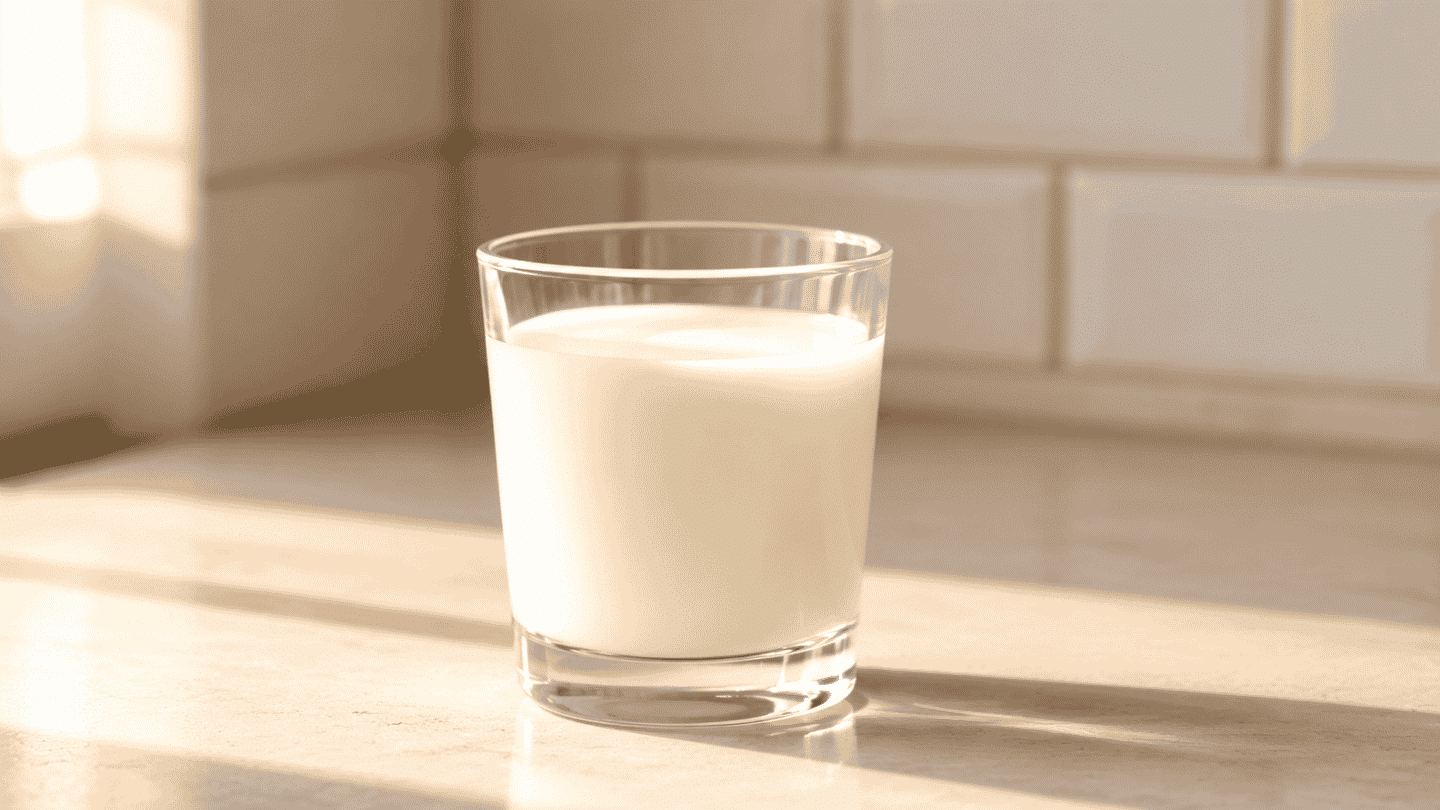
Milk and cream usually break a strict fast because they contain calories, fat, sugar, and sometimes protein. Even a small splash of coffee can affect your fast if your goal is insulin control, fat burning, or clean fasting.
These add-ins initiate digestion and may reduce the benefits of fasting. If you want to stay safe during the fasting window, choose black coffee, plain tea, or water instead of creamy drinks.
2. Sugar, Honey, and Syrups
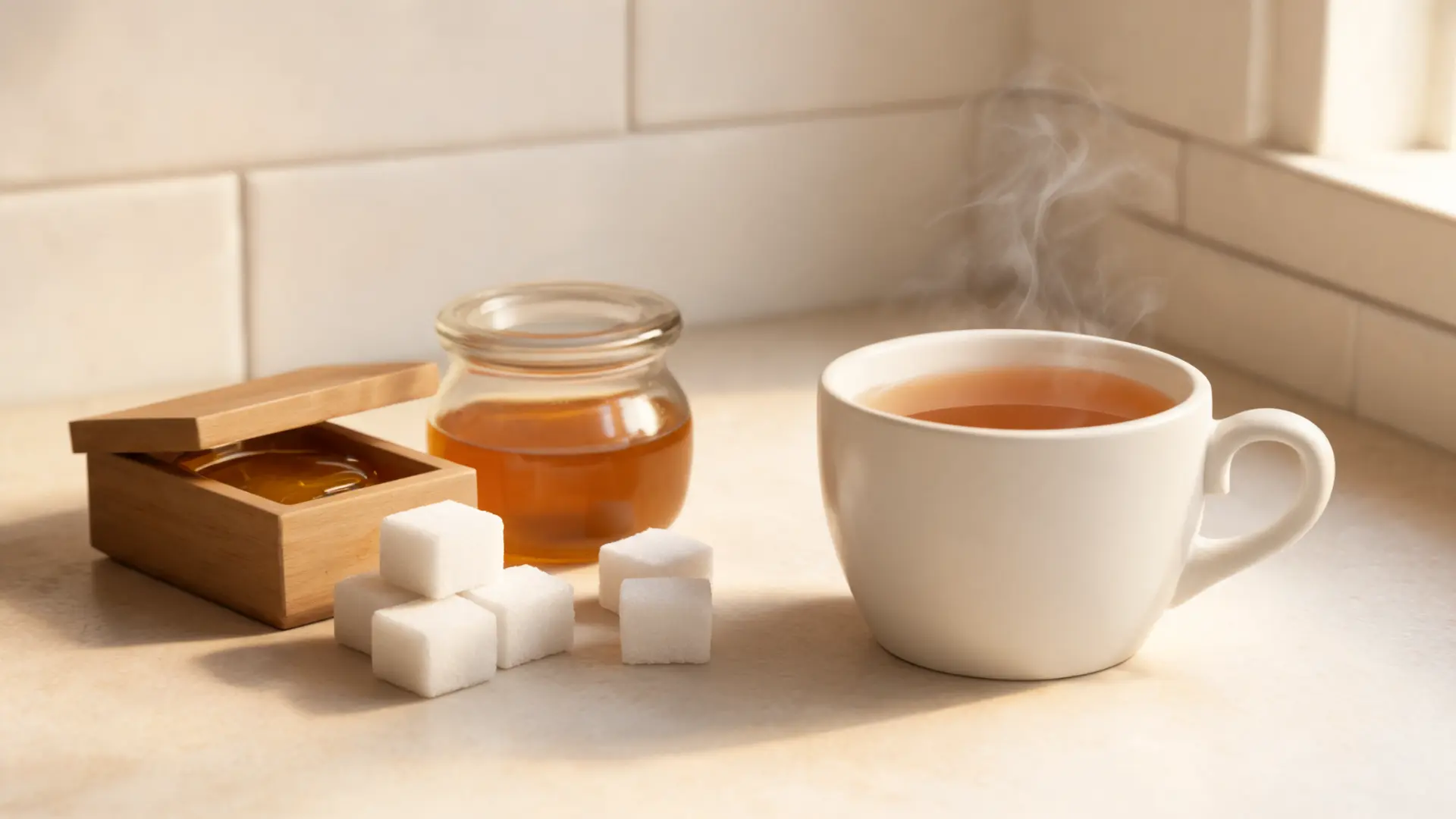
Sugar, honey, and flavored syrups break a fast because they add quick calories and can raise insulin levels. These sweeteners are often added to coffee, tea, lemon water, flavored drinks, or health-style beverages.
Even a small amount can move your body out of a fasted state, especially during strict fasting. Save sweet add-ins for your eating window to avoid accidental fasting breaks.
3. Juices and Smoothies
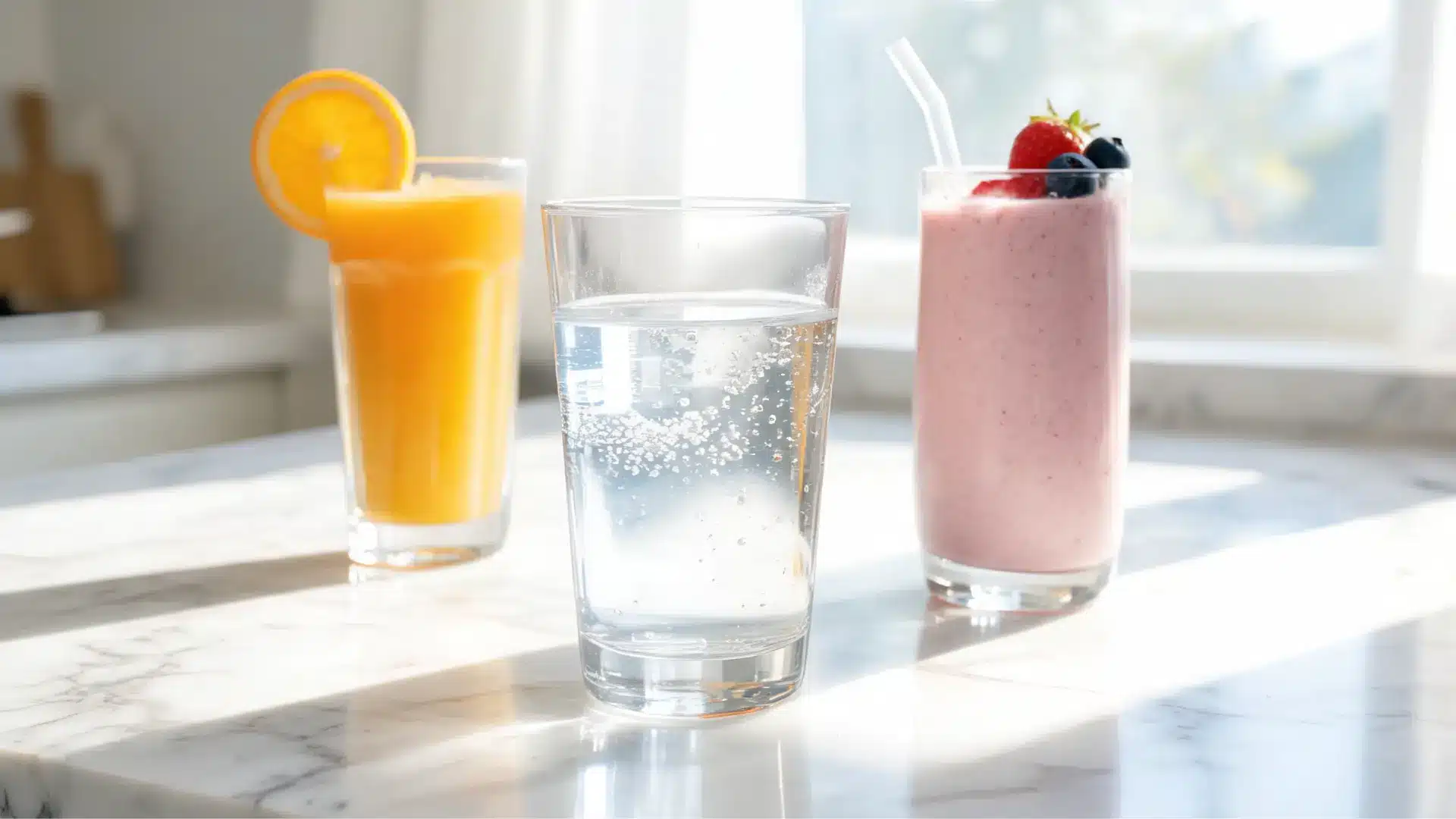
Juices and smoothies usually break a fast because they contain calories, natural sugars, and sometimes fiber or protein.
Even fresh fruit juice is not the same as plain water because it initiates digestion and provides your body with energy. Smoothies are even more likely to break a fast when they include fruit, milk, yogurt, protein powder, or nut butter. Keep them for your eating window.
4. Protein Shakes
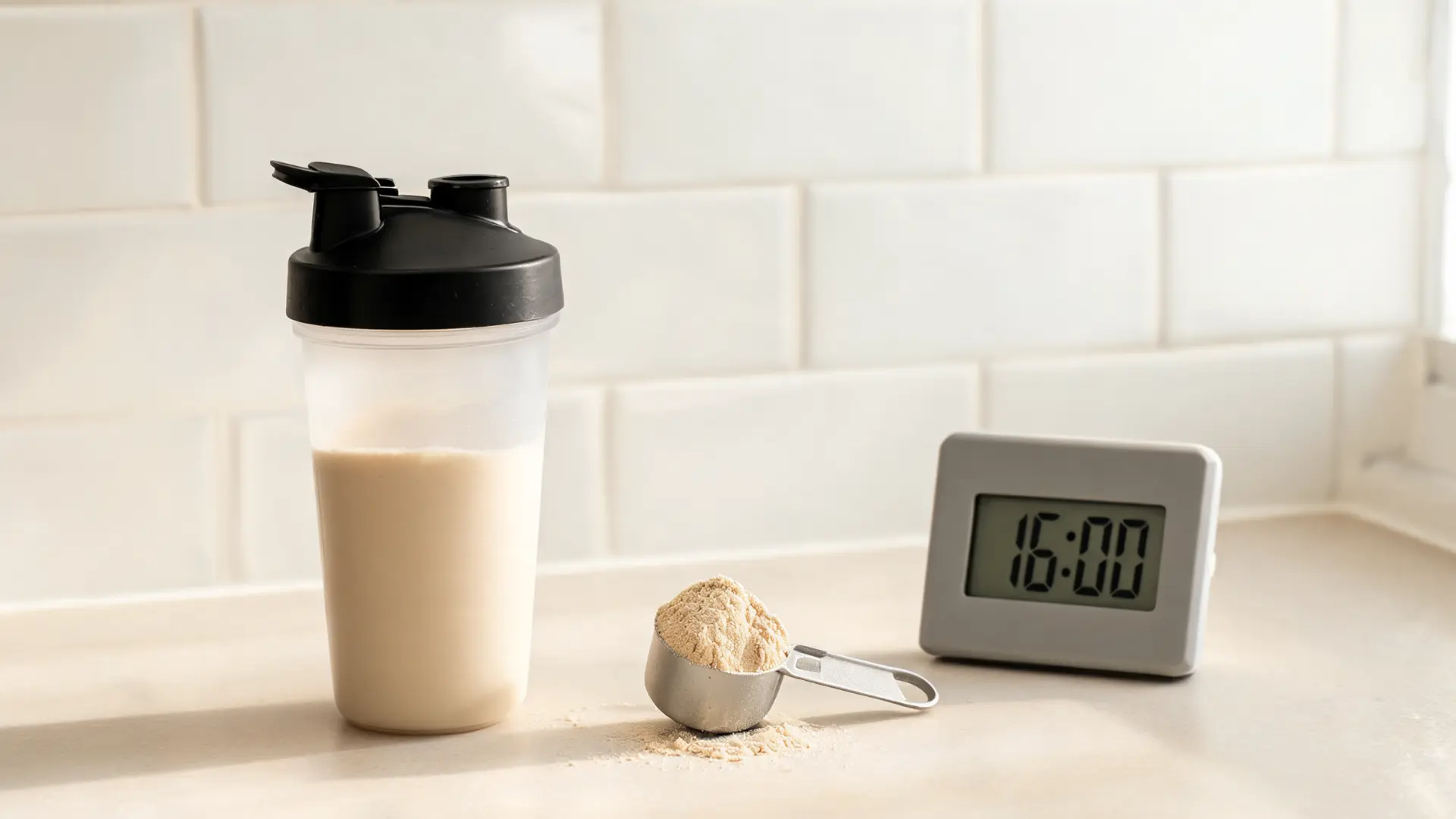
Protein shakes break a fast because protein is a macronutrient that provides calories and stimulates digestion. Even low-calorie protein powders can interfere with the benefits of fasting if your goal is clean fasting, fat burning, insulin control, or autophagy.
Since protein tells the body that nutrients are available, it does not fit a strict fasting window. Use protein shakes after your fast ends or during your planned eating period.
5. Flavored Drinks and Diet Beverages
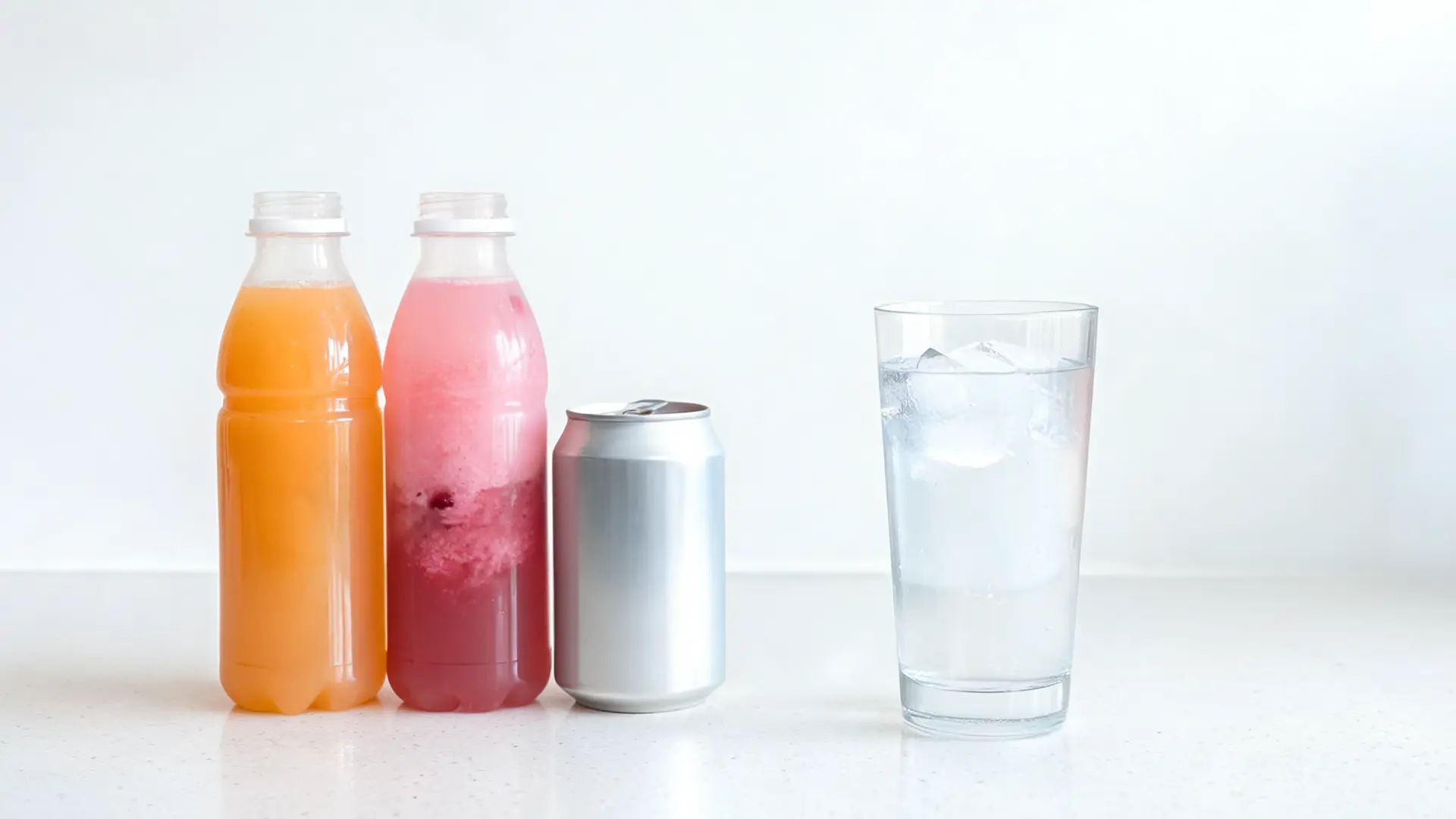
Flavored drinks and diet beverages can be tricky because some contain few calories but still include sweeteners, acids, or additives. Diet sodas and sugar-free drinks may not break every fasting method, but they can increase cravings for some people.
Flavored waters may also contain hidden ingredients. For a cleaner fast, plain water, black coffee, sparkling water, or unsweetened tea is usually the safer choice
NOTE: Coconut water and apple cider vinegar are not the same during fasting. Coconut water usually breaks a strict fast because it contains natural sugar and calories. Apple cider vinegar in water has very few calories, so some flexible fasting plans allow it, but strict or medical fasts may not.
Electrolytes While Fasting
During longer fasting periods, your body may lose minerals through urine, sweat, and reduced food intake. This can lead to headaches, weakness, dizziness, or fatigue. Sugar-free electrolytes are usually safe during fasting, but sweetened versions may break a strict fast.
- Sodium: Sodium helps maintain fluid balance during fasting, especially when you drink more water but eat less. Low sodium may cause headaches, dizziness, or fatigue. A small amount of salt or sugar-free electrolyte support may help, but sugary sports drinks can break a fast.
- Magnesium: Magnesium supports muscle function, energy, and nerve health during longer fasting periods. Low levels may contribute to cramps, tiredness, or poor sleep. Plain magnesium supplements may work for some people, but flavored powders, gummies, or sweetened versions may contain calories that break a strict fast.
- Potassium: Potassium helps support normal muscle function and may reduce weakness or cramps during longer fasts. It works with sodium to maintain fluid balance. Potassium supplements should be used carefully, especially with kidney issues or medications, so sugar-free electrolyte blends are often the safer choice.
Frequently Asked Questions
Does the length of my fasting window change what I can drink?
Yes. A 12- to 14-hour fast is metabolically mild; the rules are lenient. At 16 to 24 hours, the body is further into fat burning and autophagy, and small caloric inputs matter more. At 36 to 72 hours, electrolyte management becomes critical. Match your strictness to your window.
Can I take my thyroid or blood pressure medication while fasting?
Most medications are fine with plain water and do not break a fast. Levothyroxine is actually better absorbed on an empty stomach. Blood pressure medications vary; some cause dizziness without food. Never skip a prescribed dose without first discussing the timing with your doctor.
Why does black coffee suppress hunger during a fast, but tea does not always?
Black coffee contains chlorogenic acids that slow gastric emptying and directly affect ghrelin, the hunger hormone, beyond what caffeine alone does. Herbal teas work through milder pathways; peppermint and ginger have some appetite-suppressing effects, but less consistently. If coffee works better for you during a fast, there is a physiological reason behind it.
What happens to autophagy if I drink something with trace calories?
Autophagy is not a binary switch; it ramps up gradually from around the 12-hour mark. Trace calories from a capsule filler or a tablespoon of ACV are unlikely to shut it down. What reliably disrupts it is protein and significant carbohydrate intake, both of which activate mTOR, the cellular growth pathway that opposes autophagy.
Does sparkling water affect gut health during a fast?
Plain sparkling water is calorie-free and safe for most intermittent fasts. The carbonation can reduce hunger during the early fasting hours. If you have a sensitive gut or SIBO, still water is the safer choice; carbonation can amplify bloating when the digestive tract is empty.
Conclusion
Fasting feels much easier when you know which choices support your goal and which ones can interrupt it. Water, black coffee, unsweetened tea, and sugar-free electrolytes are usually the safest options for intermittent fasting.
Vitamins, supplements, foods, and flavored drinks need more care because ingredients can change everything. If you are asking what you can have while fasting, start with your fasting type first.
I find that this keeps the rules simple and helps you avoid small mistakes that affect results. You do not need to overthink every sip, but you do need to check labels and follow medical or religious guidance when needed. Try these tips during your next fast, and share what works for you.