










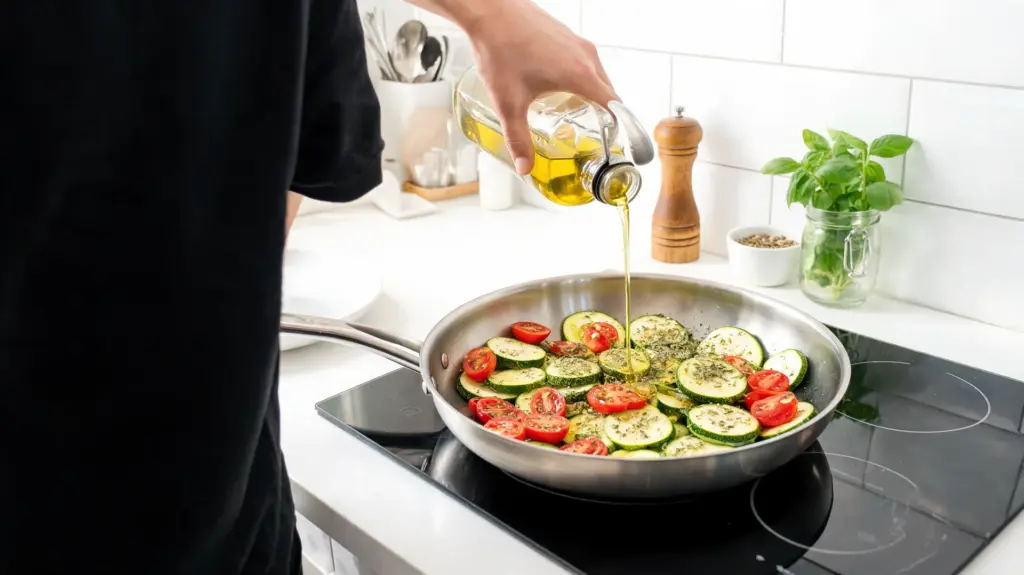

Extra virgin olive oil is the most evidence-backed everyday cooking oil you can keep in your kitchen.
After 10 years of working with clients on their diets, it is the first swap I recommend when someone wants to improve their cholesterol without overhauling their entire diet.
That said, no single oil covers every cooking situation, and choosing the healthiest oil to cook with really depends on how much heat is involved and how often you are reaching for it.
This guide breaks down eight oils worth using, when each one works best, and which ones you should stop buying.
| Medical Disclaimer: This article is for informational purposes only and does not constitute medical advice, diagnosis, or treatment. If you have a cardiovascular condition, diabetes, or are taking cholesterol-lowering medications, consult your healthcare provider before making significant changes to your dietary fat intake. Individual results vary. |
Fat Types: What Actually Makes an Oil Healthy
Not all fats behave the same way in your body, and this distinction matters most when we are talking about heart health and cholesterol levels.
There are four main types of dietary fat: saturated, trans, monounsaturated, and polyunsaturated. Each one interacts differently with your cardiovascular system.
Saturated fats, found mainly in animal products and tropical oils like coconut and palm oil, are solid at room temperature. Consumed in excess, they signal your liver to produce more LDL cholesterol, the type associated with arterial plaque buildup.
Trans fats, created through a process called hydrogenation and still found in some packaged foods, do the worst damage: they raise LDL while simultaneously lowering HDL (the protective cholesterol). The American Heart Association states there is no safe level of artificial trans fat consumption.
Monounsaturated fats, the primary fat in olive oil and avocado oil, lower LDL without reducing HDL.
Polyunsaturated fats, which include omega-3 and omega-6 fatty acids from sources like flaxseed and walnut oil, reduce inflammation and support healthy triglyceride levels. These two fat types are what you want to prioritize when choosing a cooking oil.
Fat Profile Snapshot: 8 Cooking Oils Per Tablespoon
Every oil listed below clocks in at approximately 120 calories per tablespoon with 14 grams of total fat. What differs is how that fat breaks down, and that breakdown is what determines the health impact of daily use.
| Oil | Saturated Fat | Monounsaturated Fat | Polyunsaturated Fat | Key Nutrient |
| Extra Virgin Olive Oil | 1.9g | 9.9g | 1.4g | Polyphenols, Vitamin E |
| Avocado Oil | 1.6g | 9.9g | 1.9g | Vitamin E, Lutein |
| Light Olive Oil | 1.9g | 9.7g | 1.4g | Monounsaturated fats |
| Flaxseed Oil | 1.3g | 2.5g | 10.1g | ALA omega-3 (7.3g) |
| Walnut Oil | 1.2g | 3.1g | 9.1g | ALA omega-3, omega-6 |
| Sesame Oil | 1.9g | 5.4g | 5.7g | Sesamin (antioxidant) |
| Coconut Oil | 11.8g | 0.8g | 0.2g | MCTs |
| Canola Oil | 1.0g | 8.9g | 4.1g | ALA omega-3 (1.3g) |
Values are based on USDA FoodData Central data. One tablespoon of any oil contains approximately 120 calories and 14 grams of total fat, regardless of type. What changes is how those 14 grams break down, and that is where the daily health impact is determined.
| Nutrition Tip: Coconut oil’s saturated fat content (11.8g per tablespoon) is nearly six times higher than canola oil (1.0g). Swapping coconut oil for extra virgin olive oil in daily cooking is one of the most impactful single changes I recommend to clients with elevated LDL cholesterol. |
The 8 Healthiest Oils to Cook With: When and How to Use Each One
Every oil has a different fat profile and a smoke point, the temperature at which the oil begins breaking down and releasing compounds that affect both flavor and nutritional quality.
Using the right oil for the right cooking method is not just a culinary preference. It is the difference between preserving the oil’s health benefits and degrading them.
1. Extra Virgin Olive Oil (EVOO)
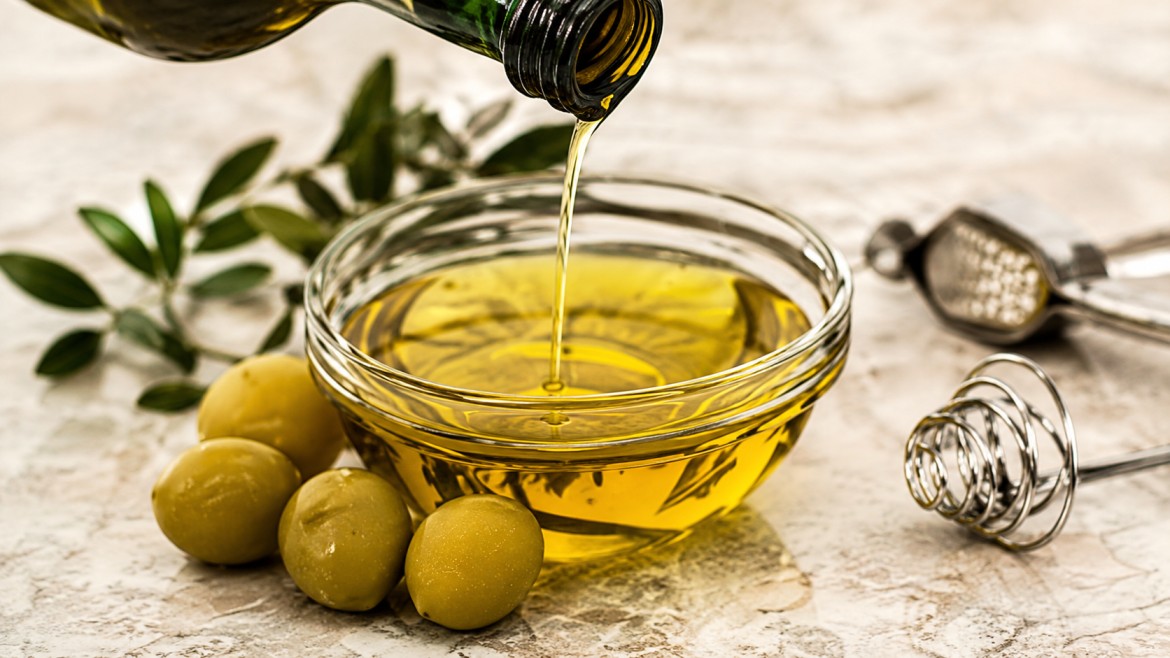
Extra virgin olive oil leads every list I put together for everyday cooking, and the research backs that position consistently. EVOO is rich in oleic acid (a monounsaturated fat), plus a collection of polyphenols including oleuropein and hydroxytyrosol, which protect LDL cholesterol from oxidation.
Oxidized LDL is the form most associated with arterial inflammation and plaque development.
The landmark PREDIMED study, a randomized trial of over 7,000 high-risk adults, found that a Mediterranean diet supplemented with extra virgin olive oil reduced the risk of major cardiovascular events by up to 30%.
Its smoke point sits around 375°F (190°C), making it well-suited for sauteing, roasting at moderate temperatures, salad dressings, and drizzling over finished dishes.
A tablespoon of EVOO over a salad built on fiber-rich lettuce varieties like romaine or red leaf is one of the most efficient fat-plus-fiber combinations you can put together at home.
It is not the right choice for deep frying or very high-heat searing, where temperatures routinely exceed 400°F. At those temperatures, EVOO begins losing its polyphenol content and flavor integrity.
2. Avocado Oil
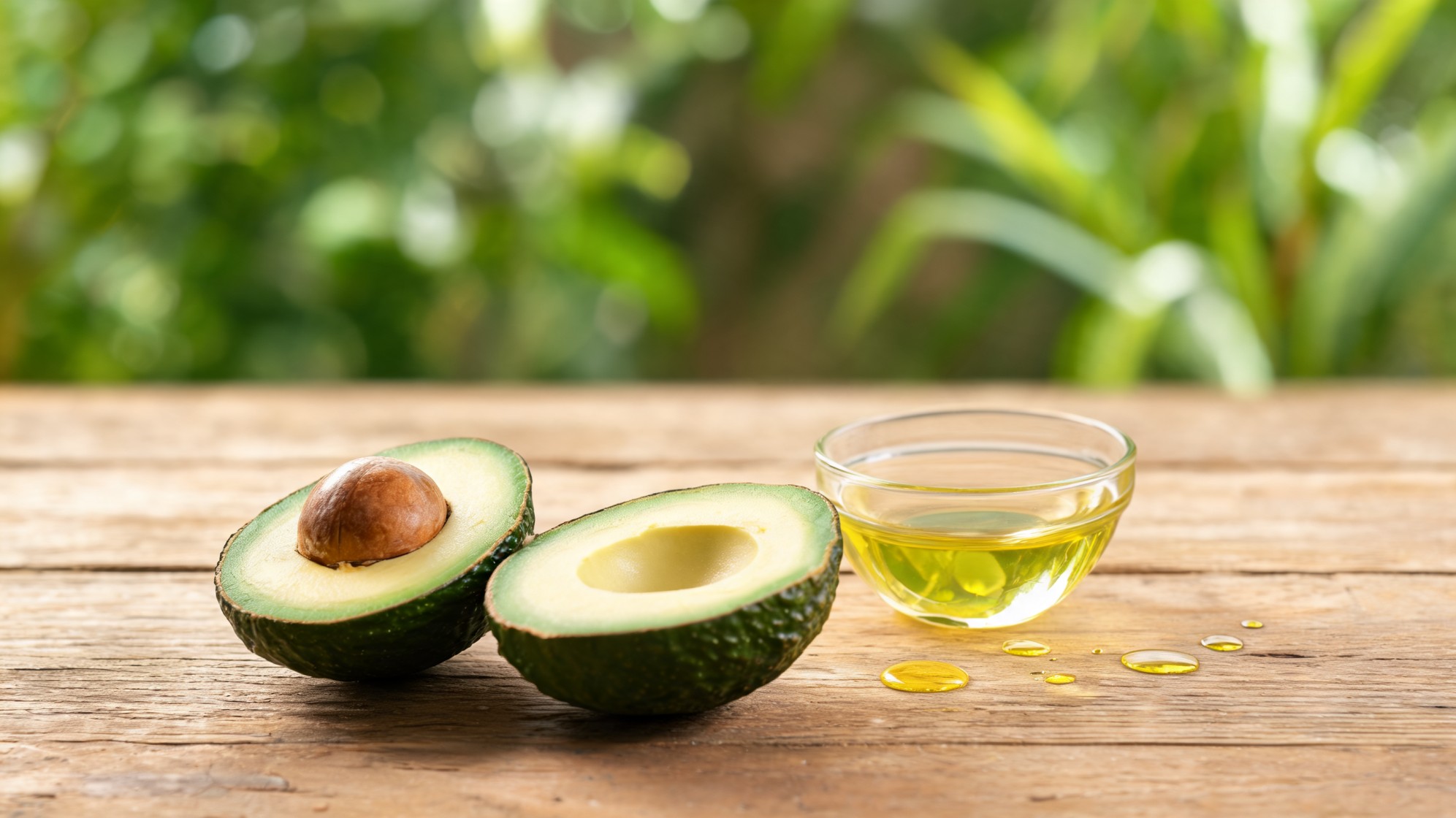
Avocado oil has one of the highest smoke points among healthy oils at around 520°F (271°C), which makes it the strongest everyday option for grilling, searing, roasting at high heat, and stir-frying.
Its fat profile mirrors EVOO closely: high in monounsaturated fats (roughly 70% oleic acid) with a meaningful dose of vitamin E. The flavor is mild and neutral, which is an advantage when you want the oil to disappear into the dish rather than assert itself.
One important note: avocado oil has less long-term cardiovascular research behind it than olive oil. The existing evidence is promising, particularly for inflammation and blood pressure, but most human studies are still developing. If you are cooking at high heat daily, avocado oil is the healthiest choice available. For everyday lower-heat cooking, EVOO remains better studied.
3. Light or Refined Olive Oil
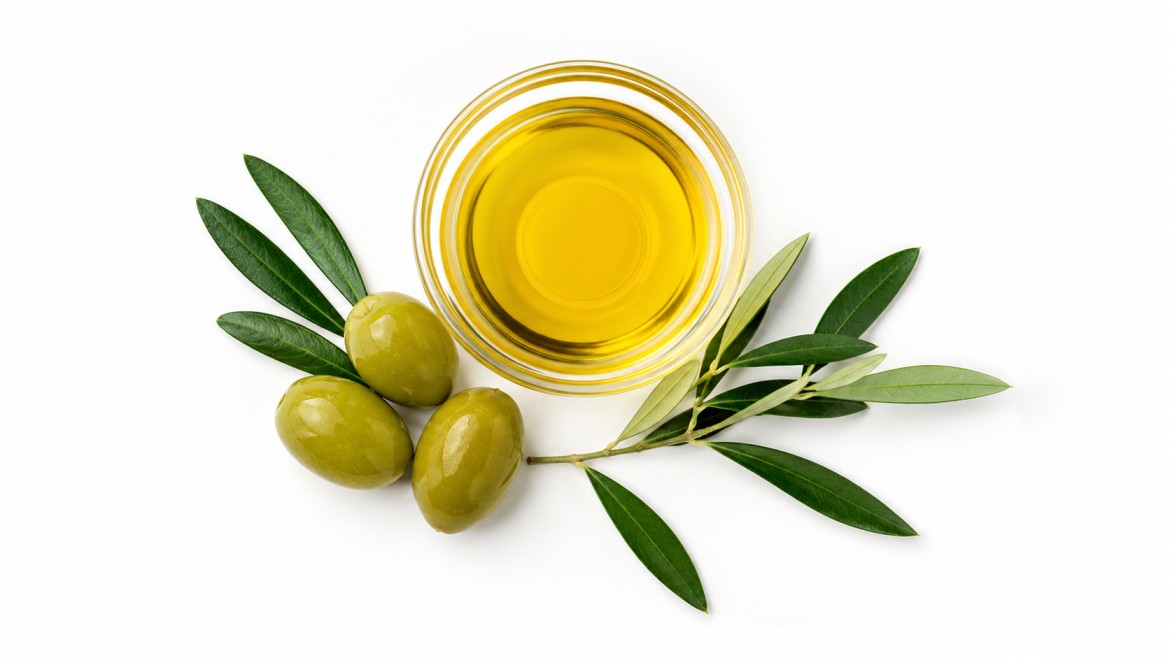
Light olive oil is refined, which raises its smoke point to around 465°F (240°C) and makes it a practical option for baking, pan frying, and higher-heat roasting where you want olive oil’s fat profile without EVOO’s stronger flavor.
The refining process strips most of the polyphenols and antioxidants, so you lose the protective compounds that make EVOO clinically significant. What you keep is a predominantly monounsaturated fat with a better heat tolerance than EVOO.
For everyday cooking at or above 375°F, light olive oil outperforms EVOO without forcing you to switch to a completely different oil category.
4. Flaxseed Oil
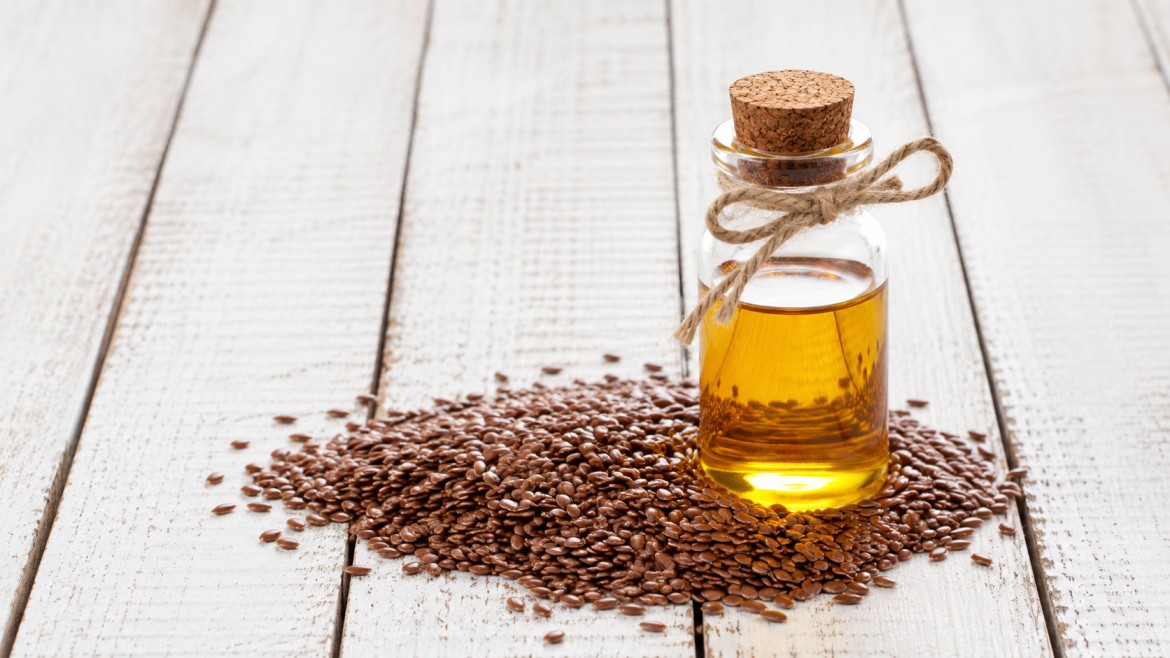
Flaxseed oil is the most concentrated plant-based source of ALA (alpha-linolenic acid), an omega-3 fatty acid, at about 7.3 grams per tablespoon.
ALA supports heart health and reduces systemic inflammation, though it is worth noting that the body converts ALA to the more active forms EPA and DHA at a relatively low rate (roughly 5 to 10 percent). It is still a meaningful omega-3 source, particularly for people who do not eat fatty fish regularly.
The smoke point of flaxseed oil is around 225°F (107°C), which means heat destroys it quickly. Never use it for cooking. It belongs in cold applications: smoothies, yogurt bowls, salad dressings, cold dips, and finishing drizzles. It also needs to be refrigerated after opening to prevent rancidity. When stored and used correctly, it is one of the most nutritionally dense additions you can make to a cold dish.
5. Walnut Oil
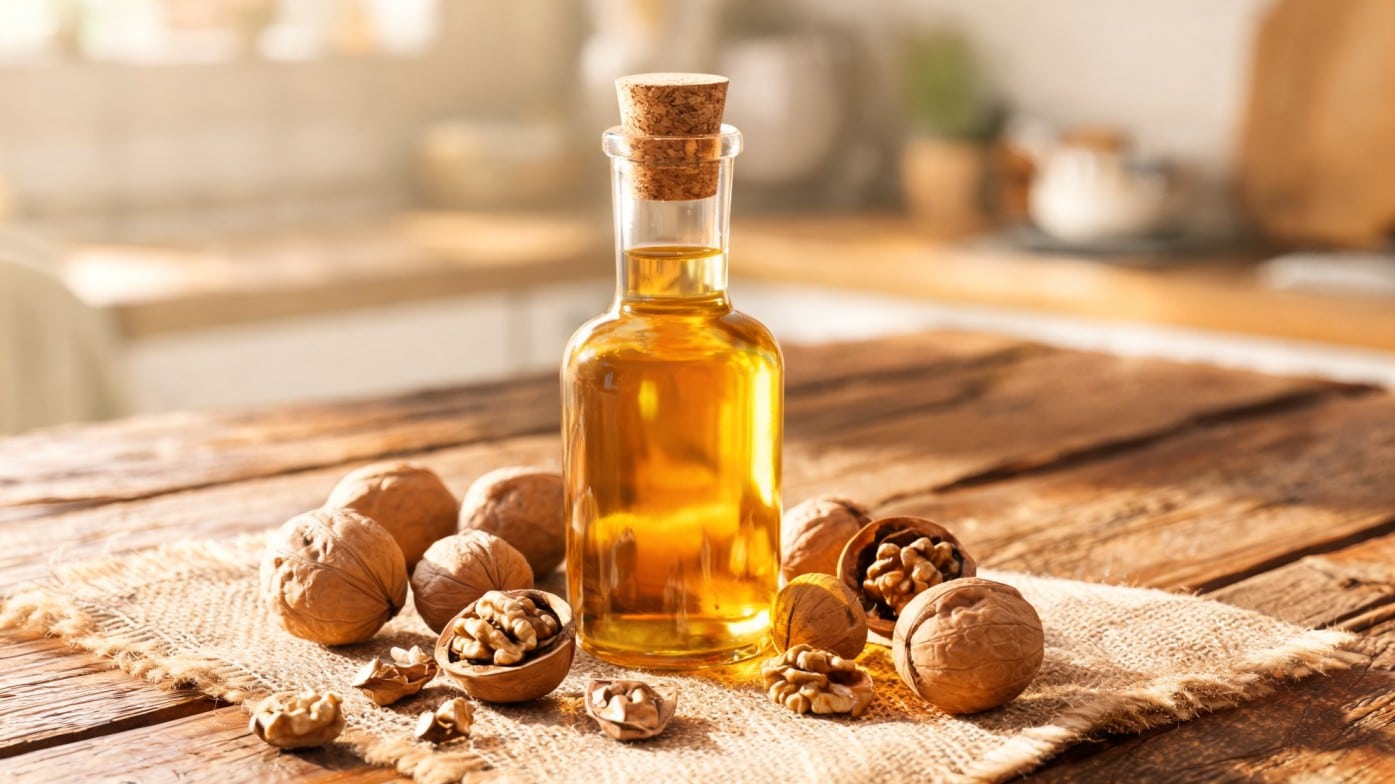
Walnut oil delivers a useful ratio of omega-3 to omega-6 fatty acids alongside a mild, slightly nutty flavor that works well as a finishing oil. Its smoke point of around 320°F (160°C) means it is not built for high-heat cooking.
Exposure to heat makes the flavor harsh and degrades the polyunsaturated fats. Use it the way a chef would: a drizzle over roasted vegetables, grain bowls, pasta, or salads right before serving.
It pairs well with lower-sugar fruits like blueberries in yogurt-based cold dishes where a nutty finishing oil lifts both flavor and nutrition. Like flaxseed oil, it should be refrigerated after opening.
6. Sesame Oil (Toasted)
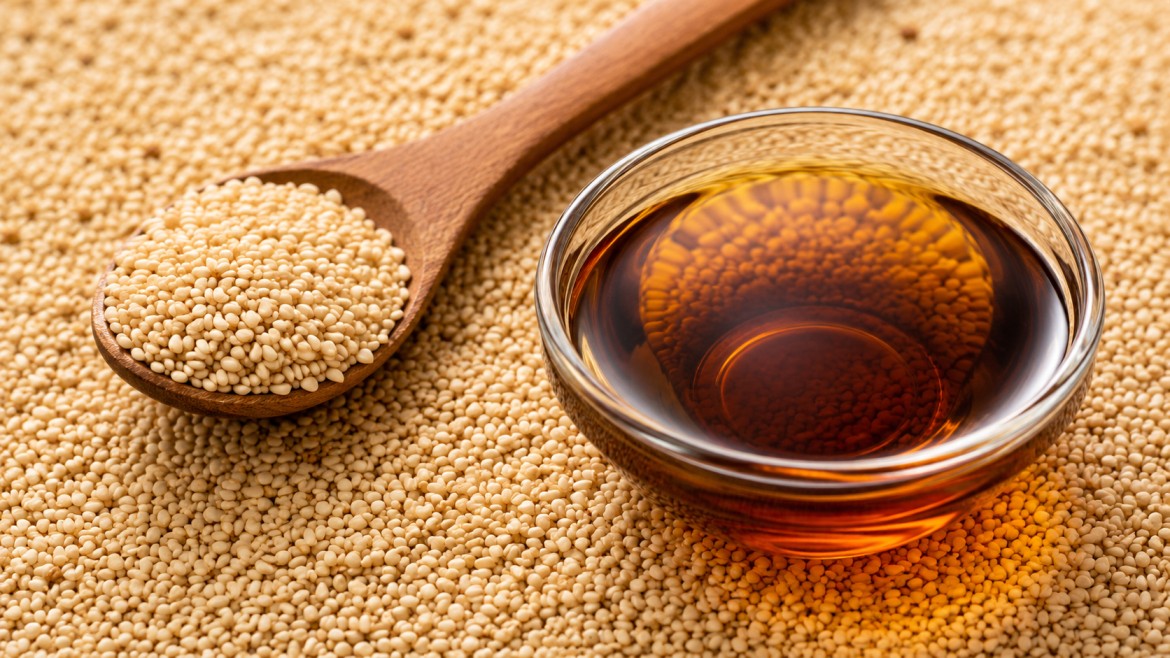
Toasted sesame oil contains a mix of monounsaturated and polyunsaturated fats, along with sesamin, a lignan compound with documented antioxidant activity. Its smoke point is approximately 350°F (177°C), and it performs best at medium heat in stir-fries, marinades, and dipping sauces.
If you cook Asian-style dishes at home, including steamed or pan-fried dumplings, a small drizzle of toasted sesame oil as a finishing touch delivers flavor without overheating it.
The flavor is strong enough that a teaspoon often does the job of a tablespoon of a milder oil. Overheating toasted sesame oil makes the flavor bitter and can produce an unpleasant sharpness.
If you are cooking at higher temperatures with sesame, use refined sesame oil rather than the toasted variety, as the smoke point is closer to 450°F.
7. Coconut Oil
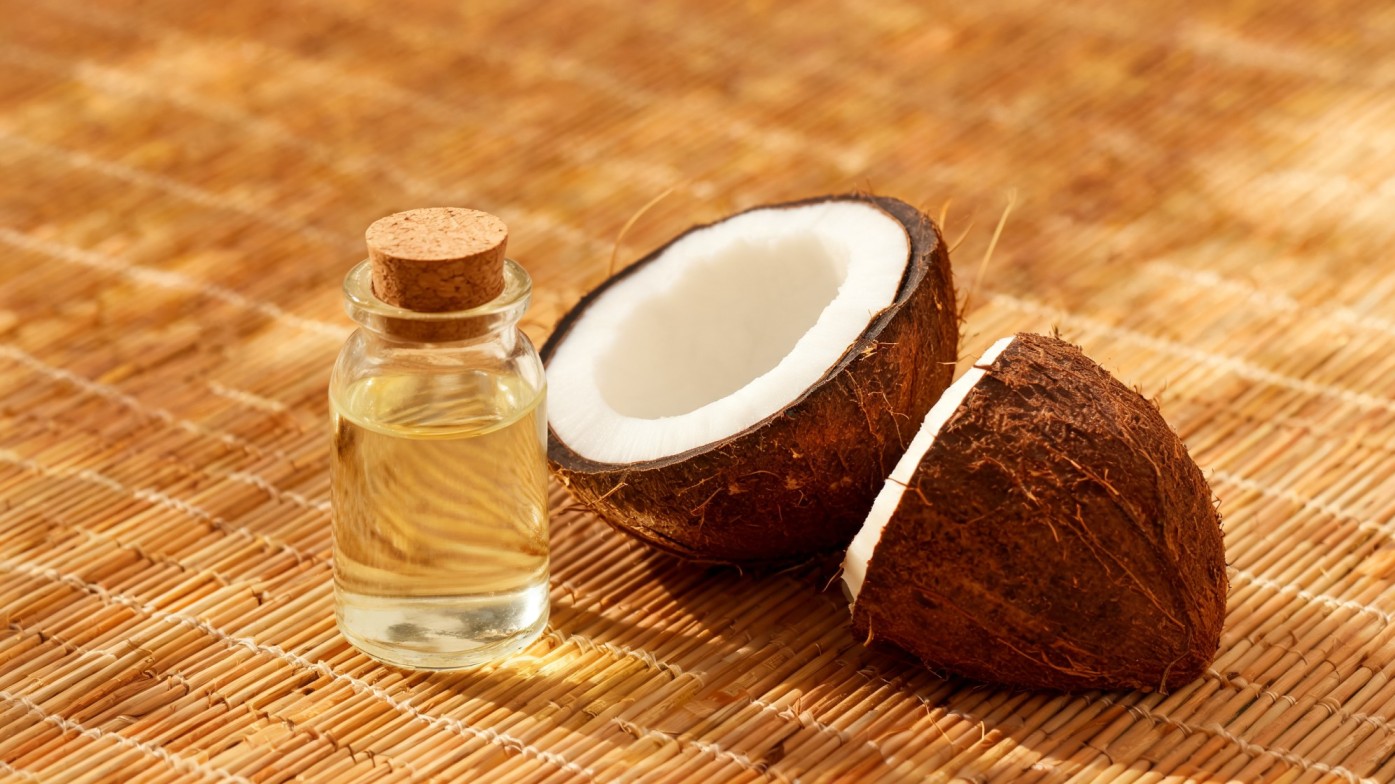
Coconut oil generates more nutrition debate than perhaps any other oil, and the reality is more straightforward than its wellness reputation suggests. It is around 80 to 90 percent saturated fat, primarily in the form of medium-chain triglycerides (MCTs).
MCTs are metabolized differently from long-chain saturated fats, but current evidence consistently shows that regular coconut oil consumption raises LDL cholesterol levels.
A 2020 review analyzing 16 trials found significant LDL increases from coconut oil compared with other plant-based and vegetable oils.
Its smoke point is approximately 350°F, which makes it functional for medium-heat baking and some stovetop cooking. Occasional use is not a problem. As a daily cooking oil replacing EVOO or avocado oil, it is not the right call for cardiovascular health.
8. Canola Oil
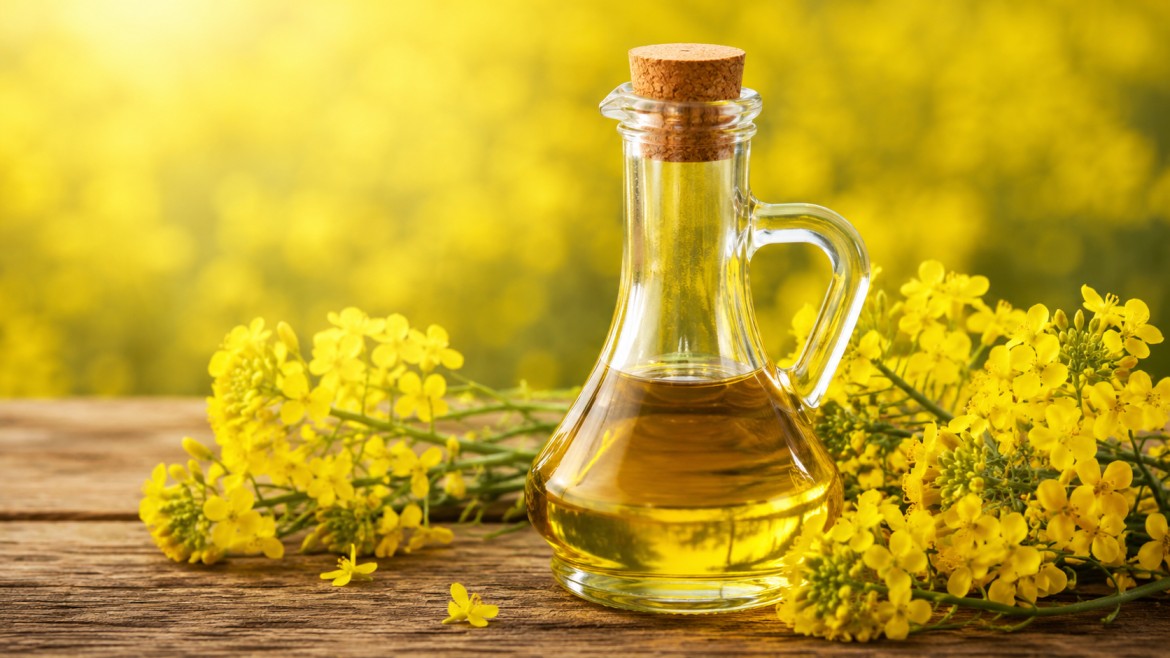
Canola oil is the most practical, budget-friendly option on this list. It has a smoke point near 400°F (204°C), the lowest saturated fat content of any oil here at 1 gram per tablespoon, and a small but real omega-3 contribution from ALA (about 1.3 grams per tablespoon).
It works for baking, sauteing, roasting, and general everyday cooking without overpowering flavors. The knock against canola oil is that commercial versions undergo heavy refining, which reduces nutrient density.
It remains, however, a significantly better daily choice than butter, shortening, or any partially hydrogenated oil. If budget is a constraint, canola oil is a solid base option.
Quick Comparison: Smoke Point, Fat Type, and Best Use
| Oil | Smoke Point | Dominant Fat | Best Use | Key Health Benefit |
| Extra Virgin Olive Oil | ~375°F (190°C) | Monounsaturated | Sautéing, dressings, and drizzling | Heart-protective polyphenols, LDL reduction |
| Avocado Oil | ~520°F (271°C) | Monounsaturated | High-heat frying, grilling, and searing | Vitamin E is stable at high heat |
| Light Olive Oil | ~465°F (240°C) | Monounsaturated | Baking, pan frying | Healthier fat profile than butter or shortening |
| Flaxseed Oil | ~225°F (107°C) | Polyunsaturated (omega-3) | Cold dishes, smoothies, dressings only | Highest plant-based ALA omega-3 source |
| Walnut Oil | ~320°F (160°C) | Polyunsaturated (omega-3) | Finishing oil, cold dressings | Omega-3 to omega-6 ratio, brain and heart support |
| Sesame Oil (Toasted) | ~350°F (177°C) | Mixed mono and poly | Stir-fries, marinades, finishing | Sesamin antioxidant activity |
| Coconut Oil | ~350°F (177°C) | Saturated (MCTs) | Occasional baking only | MCT content — not a daily oil choice |
| Canola Oil | ~400°F (204°C) | Monounsaturated, low saturated | Everyday cooking, baking | Lowest saturated fat, budget-friendly |
Looking at this table as a whole, the pattern is clear: the healthiest oils to cook with every day are the ones highest in monounsaturated fats with a smoke point that matches your cooking temperature. That narrows daily use to extra virgin olive oil, avocado oil, and light olive oil for most kitchens.
| Practical Setup: Keep three oils and stop rotating through the whole shelf. Extra virgin olive oil for everyday low-to-medium heat cooking and salad dressings. Avocado oil for anything that requires high heat, including searing, grilling, and oven roasting above 400°F. Flaxseed or walnut oil in the refrigerator for cold dishes and finishing. That rotation covers every situation in most home kitchens. |
Which Oils to Avoid and Why
The conversation about the healthiest oil to cook with is not complete without naming what to move away from. Most people are not harmed by a single bottle of coconut oil.
The damage accumulates from consistent daily use of oils that push LDL higher over months and years without offering a meaningful nutritional return.
Partially hydrogenated vegetable oils, still found in some margarines, fried fast foods, and packaged baked goods, are the worst option available. The hydrogenation process creates artificial trans fats that both raise LDL and lower HDL simultaneously. The American Heart Association is explicit: there is no safe intake level for artificial trans fats. Check ingredient labels for the phrase “partially hydrogenated” and avoid any product that contains it.
Palm oil is the second category to limit. It is the most saturated plant-based oil commonly used in packaged foods and is nutritionally comparable to animal fats in terms of LDL impact.
It shows up frequently in processed snack foods, non-dairy creamers, and commercial baked goods. Reading labels for “palm oil” or “palm kernel oil” is the most reliable way to spot it.
Coconut oil, as covered above, is not a daily cooking oil for people managing their cardiovascular health. Its saturated fat content is too high relative to its nutritional benefit, and the evidence that MCTs provide unique long-term heart protection remains limited and inconsistent in human trials.
Who Should Pay Most Attention to Oil Choice?
For most healthy adults, choosing a primarily monounsaturated cooking oil like extra virgin olive oil or avocado oil and using it in reasonable amounts covers the bases well. There are specific situations where oil choice requires more attention.
People managing elevated LDL cholesterol should prioritize olive oil and avocado oil as their primary cooking fats and limit saturated fat from all sources, including coconut oil and full-fat dairy.
The goal is not eliminating fat but shifting the fat profile toward unsaturated sources. People with type 2 diabetes or insulin resistance benefit from the same shift: monounsaturated fats support insulin sensitivity and do not spike post-meal inflammation the way refined carbohydrates and saturated fats can.
People on plant-based diets who do not consume fatty fish should consider adding flaxseed or walnut oil to cold dishes specifically for the ALA omega-3 content. ALA from plant sources is the only omega-3 that the body cannot synthesize on its own, making dietary intake essential.
| Safety Note: If you are taking statins, blood thinners, or blood pressure medications, significant changes to your dietary fat intake can affect how these medications work. Discuss any major dietary shift with your prescribing physician before making changes. |
How Much Cooking Oil Should You Use Per Day?
Even the healthiest cooking oil delivers around 120 calories per tablespoon with no protein and no fiber. Those calories accumulate faster than most people realize, particularly when pouring directly from the bottle without measuring.
One tablespoon looks like a small amount in a pan. Two tablespoons in a saute, one drizzled on a salad, and one used in a marinade add up to 360 calories from oil alone before the meal is eaten.
My practical guidance for most adults: 1 to 2 tablespoons per meal is a reasonable baseline for most cooking applications, adjusted based on the dish.
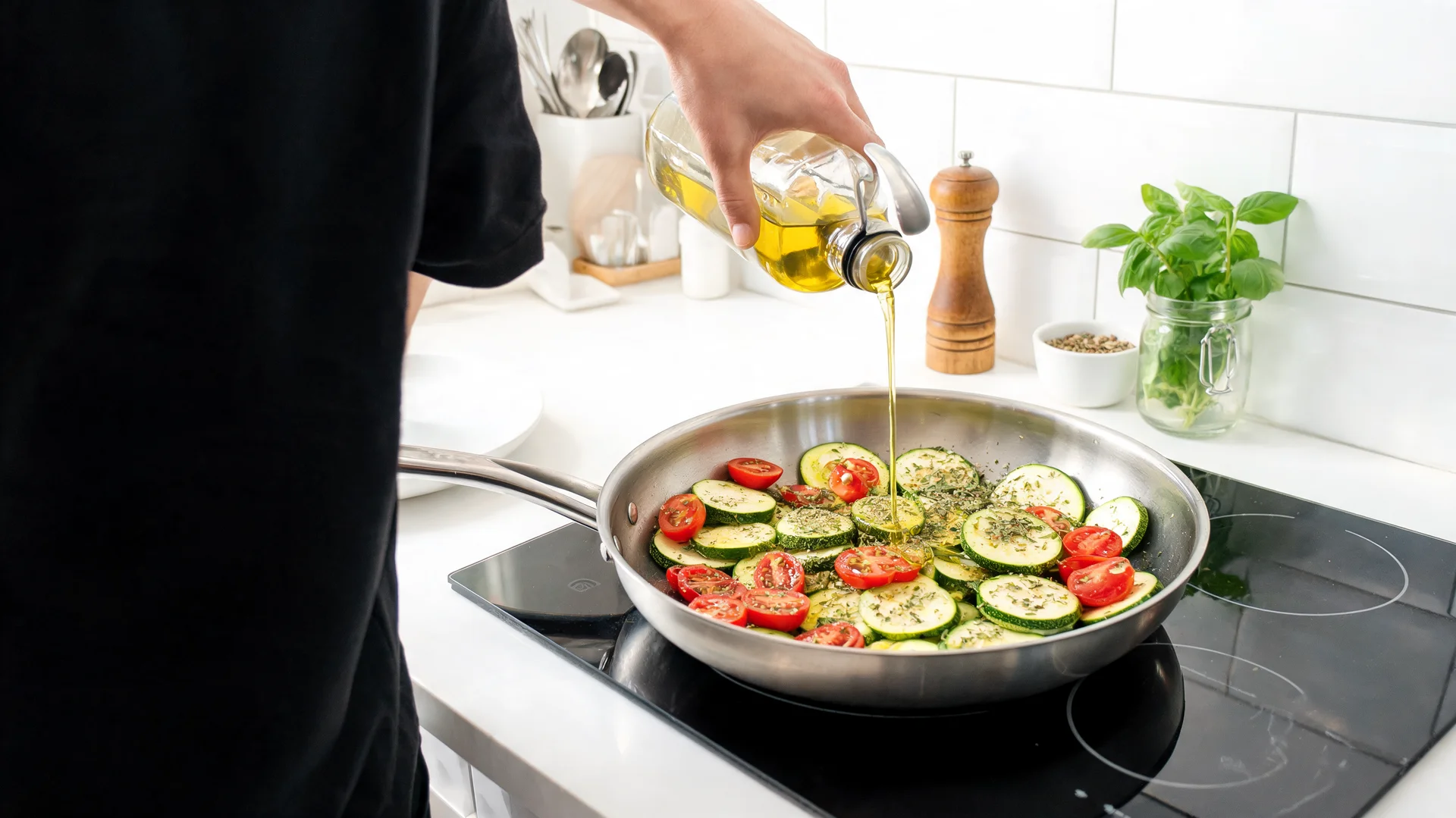
Using a measuring spoon or an oil spray bottle rather than free-pouring is one of the simplest habits that consistently improves portion accuracy. Think of oil as a flavor and nutrient carrier rather than the primary ingredient in a dish.
A tablespoon of extra virgin olive oil drizzled over roasted vegetables does more nutritional work than two tablespoons used to coat the pan.
Healthy fats as a category should account for roughly 25 to 35 percent of total daily calorie intake, according to the 2025-2030 Dietary Guidelines for Americans. For someone eating 2,000 calories per day, that translates to 55 to 78 grams of total fat, a range that accommodates two to three tablespoons of oil across the day alongside other fat sources like nuts, seeds, and fatty fish.
Frequently Asked Questions
What is the healthiest oil to cook with every day?
Extra virgin olive oil is the most well-researched everyday cooking oil for heart health. Its high monounsaturated fat content, polyphenol profile, and consistent backing from cardiovascular research (including the PREDIMED trial) make it the strongest daily choice for low-to-medium heat cooking. For high-heat cooking above 400°F, avocado oil is the better fit.
What oil do cardiologists recommend?
Most cardiologists point to extra virgin olive oil. It is high in monounsaturated fats, rich in antioxidants like oleuropein and hydroxytyrosol, and backed by more human cardiovascular trials than any other cooking oil. Avocado oil is increasingly recommended as a high-heat complement.
What is the best cooking oil for diabetics?
Extra virgin olive oil and avocado oil are both strong choices. Monounsaturated fats support insulin sensitivity, reduce inflammation, and do not contribute to LDL elevation the way saturated fats do. Both oils are also appropriate for people managing blood sugar because they do not affect glucose response directly.
What cooking oils should you avoid?
Avoid any oil containing partially hydrogenated fats (artificial trans fats), as there is no safe daily intake level. Limit coconut oil and palm oil for daily cooking due to their high saturated fat content. Palm oil in particular is prevalent in processed and packaged foods under various label names.
Does cooking oil clog arteries?
Oils high in saturated and trans fats, used regularly over time, contribute to elevated LDL cholesterol levels that can lead to arterial plaque accumulation. Oils high in monounsaturated and polyunsaturated fats, including olive oil, avocado oil, and walnut oil, do not produce this effect when used in reasonable daily amounts and are associated with reduced cardiovascular risk.
Is olive oil or avocado oil better for cooking?
It depends on the cooking temperature. For low-to-medium heat cooking and cold applications, extra virgin olive oil has the stronger research profile and greater antioxidant content. For high-heat cooking above 400°F, avocado oil’s higher smoke point makes it the better functional choice. Many kitchens benefit from keeping both.
Final Verdict
Here is what I would tell a client who asked me this question in a consultation: Start with extra virgin olive oil as your daily cooking oil and stop second-guessing it.
The PREDIMED trial’s finding of a 30 percent reduction in major cardiovascular events is not a number you find attached to many nutrition interventions. Add avocado oil when you are cooking above 400°F, and keep a bottle of flaxseed oil in the refrigerator if omega-3 intake is a concern.
That three-oil rotation covers almost every cooking situation without overcomplicating your pantry. This week: swap whatever oil you are currently using for daily cooking to extra virgin olive oil and measure one tablespoon before adding it to the pan.