












If you or someone close to you has been diagnosed with pancreatitis, you already know how painful and exhausting it can feel. Many people immediately ask the same question: what foods are actually safe to eat?
As a registered dietitian who has spent years helping people build healthier eating habits through whole foods, I’ve seen how the right diet can make a real difference in managing digestive conditions like pancreatitis. Small, thoughtful changes in daily meals can reduce stress on the pancreas and support better recovery.
In this guide, I’ll walk you through the essentials of a pancreatitis diet. You’ll learn which foods support healing, which ones can worsen symptoms, and how to build simple low-fat meals that are easier for your body to digest.
Understanding Pancreatitis Diet and Why It Matters
Your pancreas helps digest food by releasing enzymes that break down fats, proteins, and carbohydrates. When pancreatitis occurs, the pancreas becomes inflamed, and these enzymes can start damaging the organ instead of helping digestion. This inflammation often leads to symptoms such as abdominal pain, nausea, and digestive discomfort.
A pancreatitis diet focuses on foods that are easier to digest and naturally lower in fat. Lower-fat meals reduce the amount of work your pancreas must do during digestion.
Health organizations such as the National Institute of Diabetes and Digestive and Kidney Diseases (NIDDK) explain that limiting fatty foods can help manage symptoms and support recovery.
Following a structured eating pattern can also help prevent issues commonly linked with pancreatitis, including poor nutrient absorption, weight loss, digestive problems, and blood sugar changes.
It is also important to understand that diet alone does not treat pancreatitis, particularly in moderate to severe cases. As Cleveland Clinic notes, people with mild pancreatitis can benefit significantly from diet changes, but those with more serious cases need appropriate medical management alongside dietary adjustments. Always work alongside your doctor, not just your diet plan.
Acute vs. Chronic Pancreatitis Diet
Acute and chronic pancreatitis require different dietary approaches. The table below explains how food choices, digestion support, and long-term eating habits change depending on the stage of pancreatitis.
| Aspect | Acute Pancreatitis Diet | Chronic Pancreatitis Diet |
|---|---|---|
| Goal | Allow the pancreas to rest and reduce inflammation during the early stage of illness. | Manage long-term inflammation and prevent digestive problems or flare-ups. |
| Early Diet | In severe cases, doctors may advise fasting for 24 to 48 hours. Once symptoms ease, a clear liquid diet begins: water, clear broths, apple juice, and ice pops. Solid food is reintroduced gradually. | Regular low-fat meals with balanced nutrients are usually recommended. |
| Food Progression | Soft foods like oatmeal, rice, and mashed vegetables are slowly introduced. | Patients usually follow a consistent low-fat diet long-term. |
| Fat Intake | Very low fat intake during recovery to avoid stressing the pancreas. | According to ESPEN guidelines, most people with chronic pancreatitis do not need to restrict total fat intake as severely as during an acute episode. A balanced diet is usually the goal, though very high-fat meals should still be avoided. |
| Fiber Caution | No specific fiber restriction during acute phase. | A very high fiber diet may reduce nutrient absorption in chronic pancreatitis. Avoid excess high-fiber foods during flare-ups. |
| Meal Pattern | Small meals help reduce digestive strain during healing. | Frequent small meals are often recommended for easier digestion. |
| Medical Support | Hospital care may include temporary fasting or IV nutrition in severe cases. | Some patients require pancreatic enzyme replacement therapy (PERT) to help with digestion. |
Understanding these differences helps you manage symptoms more effectively. Following the right diet for your condition can reduce pancreatic stress and support better digestion and long-term recovery.
Key Principles of a Pancreatitis Diet
Before we get into specific foods, here are the four golden rules I always come back to:
- Keep Fat Low: Aim for less than 25% of your daily calories from fat, roughly 50 grams per day. Fat is the hardest macronutrient for an inflamed pancreas to process, so cutting it down is the single most important step.
- Eat Small, Frequent Meals: Instead of three big meals, go for 5 to 6 smaller ones spread throughout the day. This reduces the digestive load on your pancreas and helps prevent flare-ups.
- Stay Hydrated: Aim for 8 or more glasses of water a day. Herbal teas and clear broths also count.
- MCT Oil: Unlike typical fats, MCT oil doesn’t need pancreatic enzymes for digestion, which can be beneficial for patients with pancreatitis.
- Cooking Methods Matter: Stick to steaming, baking, boiling, and grilling. Avoid frying or sautéing in heavy oils.
Following these core principles can make managing pancreatitis much easier. They help reduce stress on your pancreas while supporting digestion, recovery, and more stable daily energy levels.
Best Foods to Eat on a Pancreatitis Diet
A pancreatitis diet still allows a wide range of healthy foods. The key is choosing low-fat, nutrient-rich options.
1. Lean Proteins
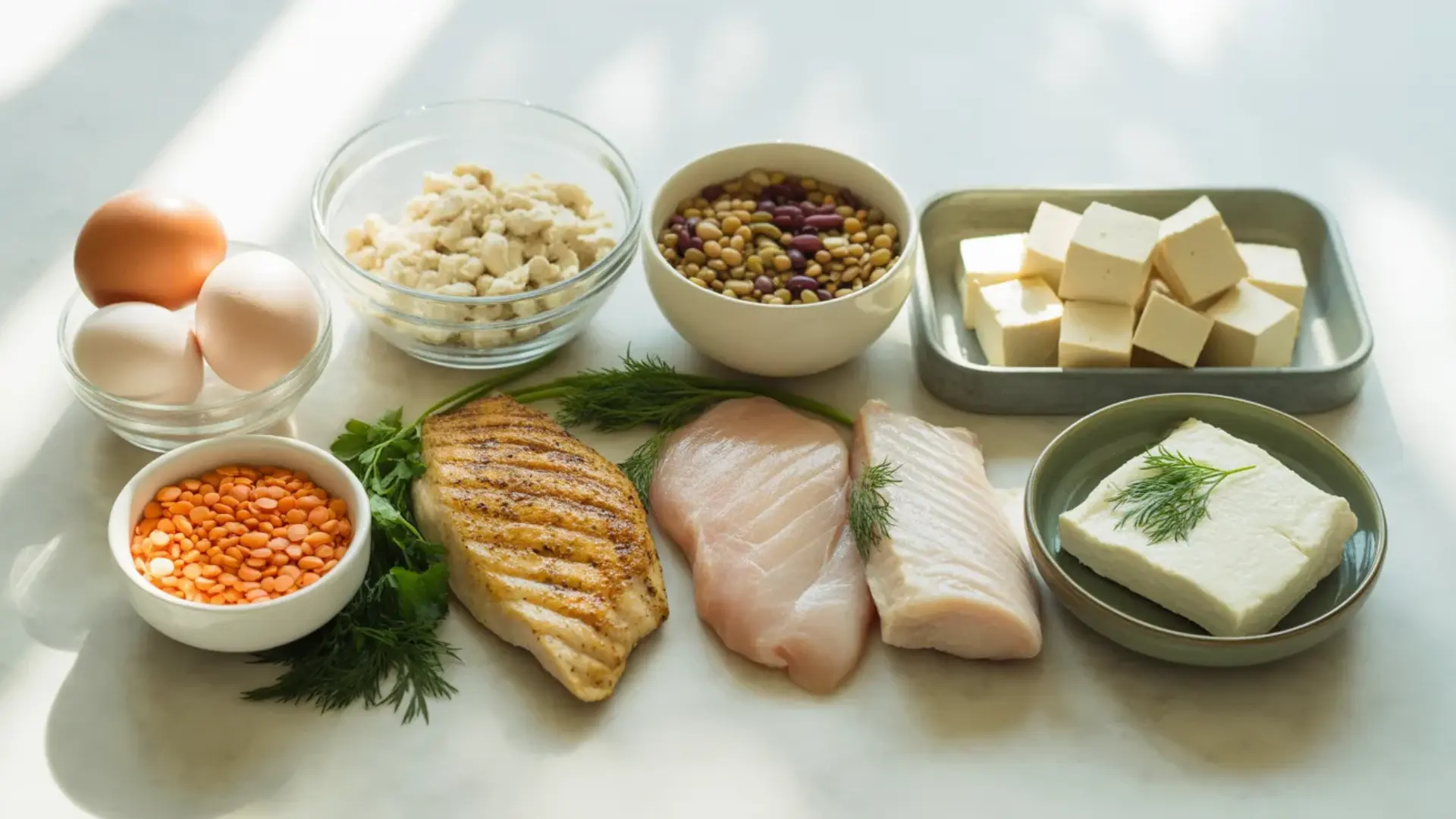
Protein helps your body heal, and lean sources are easy on your pancreas. Great options include:
- Skinless chicken breast and turkey: Low in fat and high in protein, perfect for everyday meals.
- White fish like cod, tilapia, and flounder: Mild, easy to digest, and a great dinner staple.
- Egg whites: All the protein of an egg without the fat found in the yolk.
- Tofu: A plant-based protein that’s gentle on the digestive system.
- Beans and lentils: Packed with protein and fiber, and very budget-friendly.
- Low-fat cottage cheese: A creamy, satisfying option that works as a snack or meal addition.
The key is choosing low-fat options and preparing them simply, such as baking, grilling, or steaming instead of frying.
2. Fruits and Vegetables
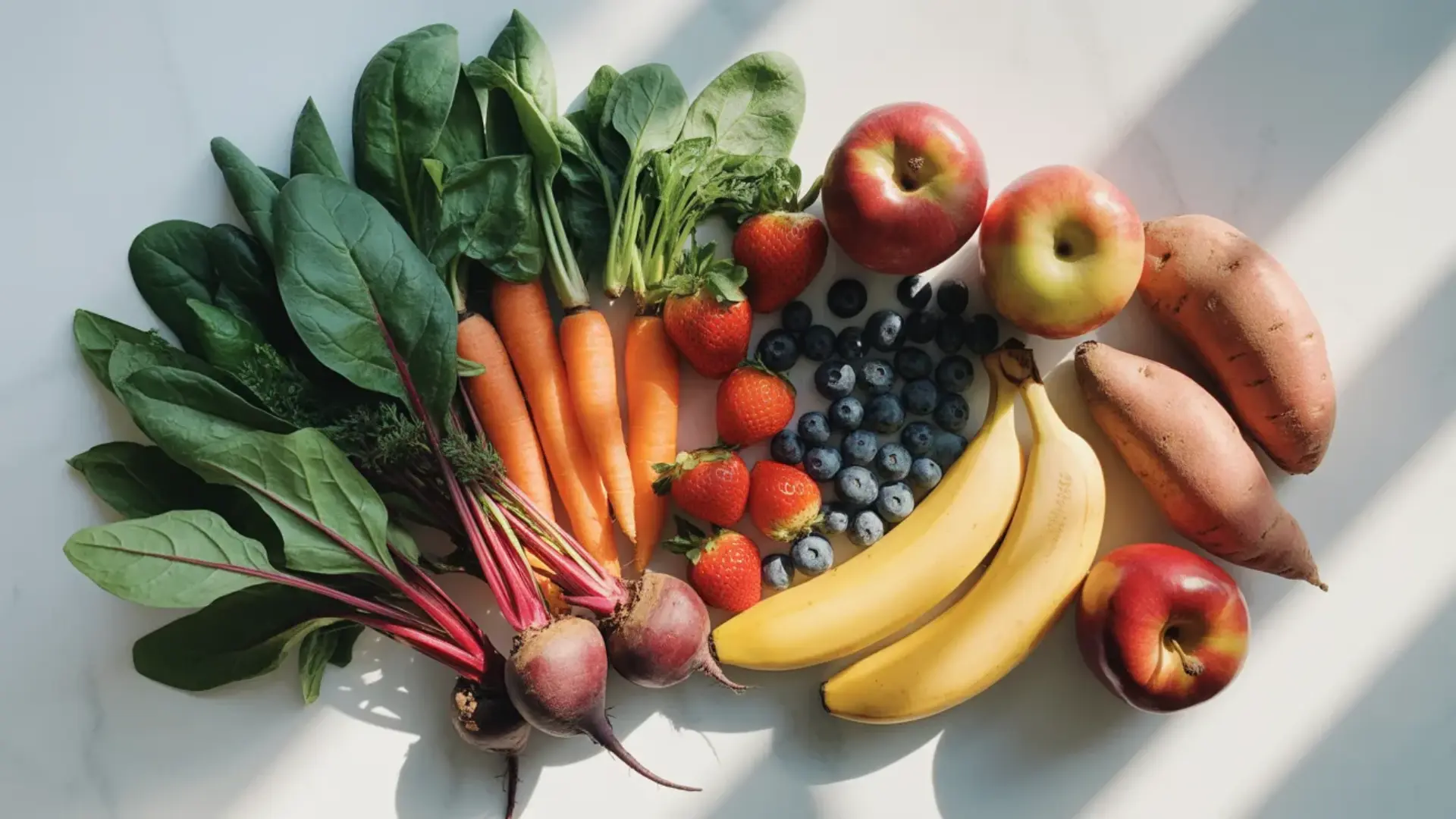
Fruits and vegetables provide essential vitamins, minerals, and antioxidants that help your body heal and stay strong.
- Spinach and leafy greens: Rich in iron and antioxidants that support healing.
- Carrots and beets: Naturally sweet, easy to steam, and full of nutrients.
- Berries (blueberries, strawberries): High in antioxidants and low in fat.
- Bananas and apples: Easy on the stomach and great as a quick snack.
- Sweet potatoes: A filling, fiber-rich carb that’s also low in fat.
During active flare-ups, avoid gas-producing vegetables such as broccoli, cauliflower, Brussels sprouts, and cabbage, as these can worsen bloating and discomfort. Citrus fruits may also be problematic for some people during flare-ups. Reintroduce these gradually once symptoms improve.
Aim to include a variety of colorful options in your meals while keeping preparation methods light and simple.
Tip: Prepare vegetables steamed, baked, or raw, never fried or drenched in oil.
3. Whole Grains
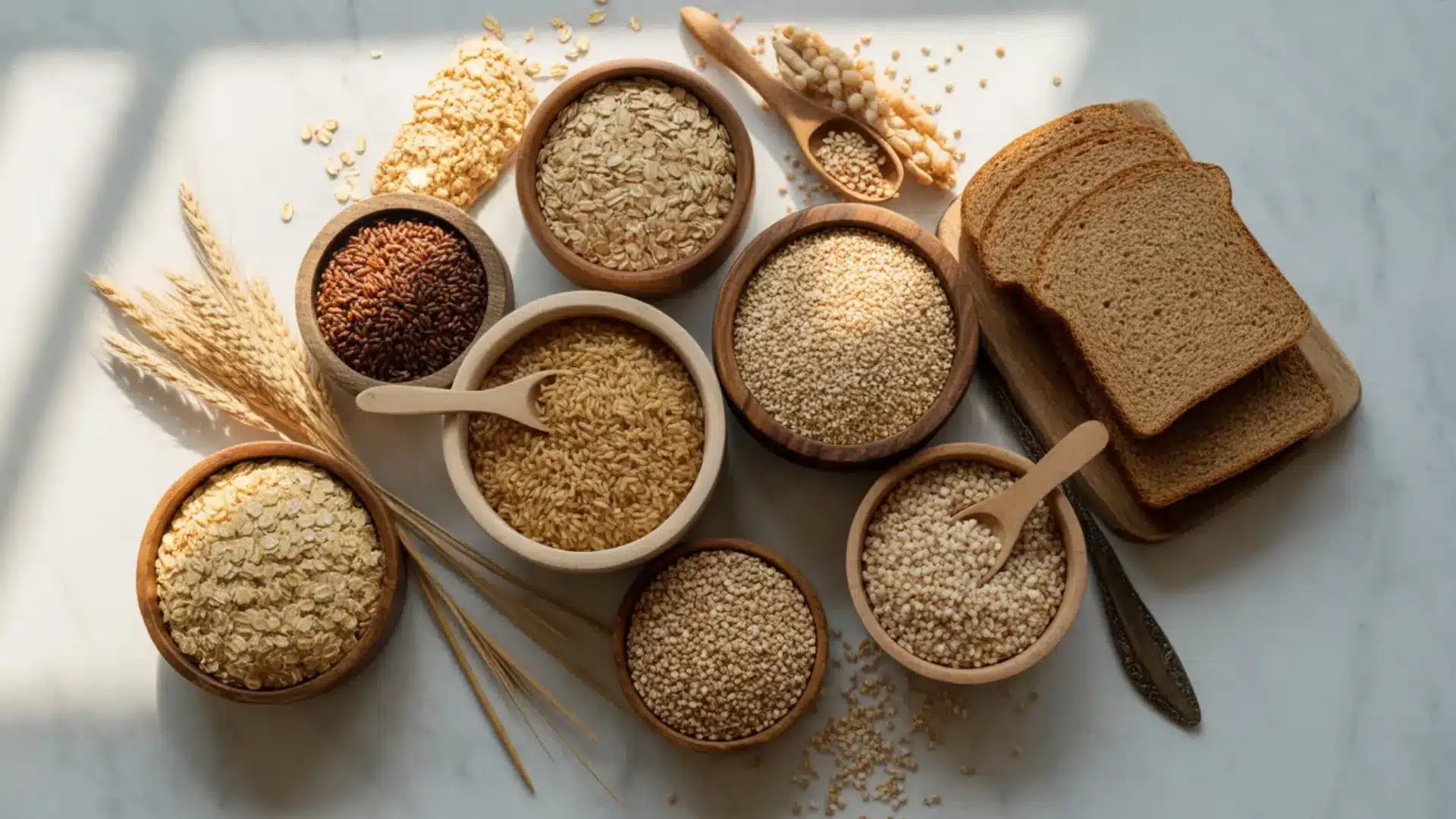
Whole grains are a great source of energy and fiber without adding extra fat. Add these to your regular rotation:
- Oatmeal: A gentle, filling breakfast that’s easy to digest.
- Brown rice: A versatile base for lunch and dinner meals.
- Quinoa: High in protein and fiber, and naturally gluten-free.
- Whole-wheat bread and pasta: Better alternatives to refined white bread and pasta.
- Barley: Great in soups and stews for added fiber and texture.
Including them regularly can help keep you full and satisfied while still supporting a pancreas-friendly eating plan.
4. Low-Fat Dairy
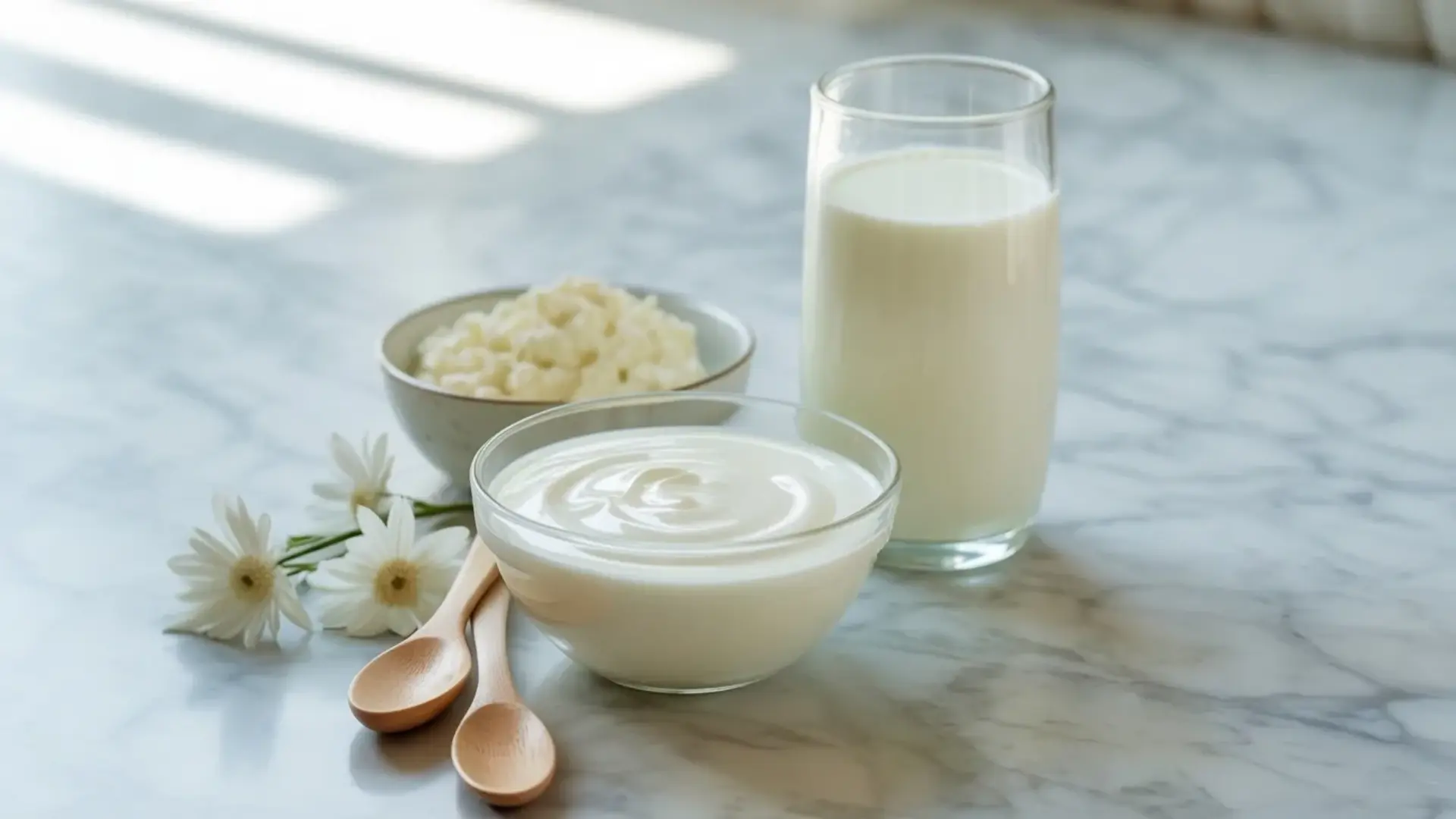
You don’t have to cut dairy entirely, just switch to low-fat or fat-free versions:
- Fat-free yogurt: Great for gut health and makes a great snack or breakfast base.
- Skim milk: Provides calcium and protein without the saturated fat of whole milk.
- Low-fat cottage cheese: Versatile, protein-rich, and easy on the pancreas.
Low-fat dairy can still be part of a balanced pancreatitis diet as long as you choose lighter versions. These options provide important nutrients like calcium and protein without putting extra strain on your pancreas.
5. Healthy Fats (In Moderation)
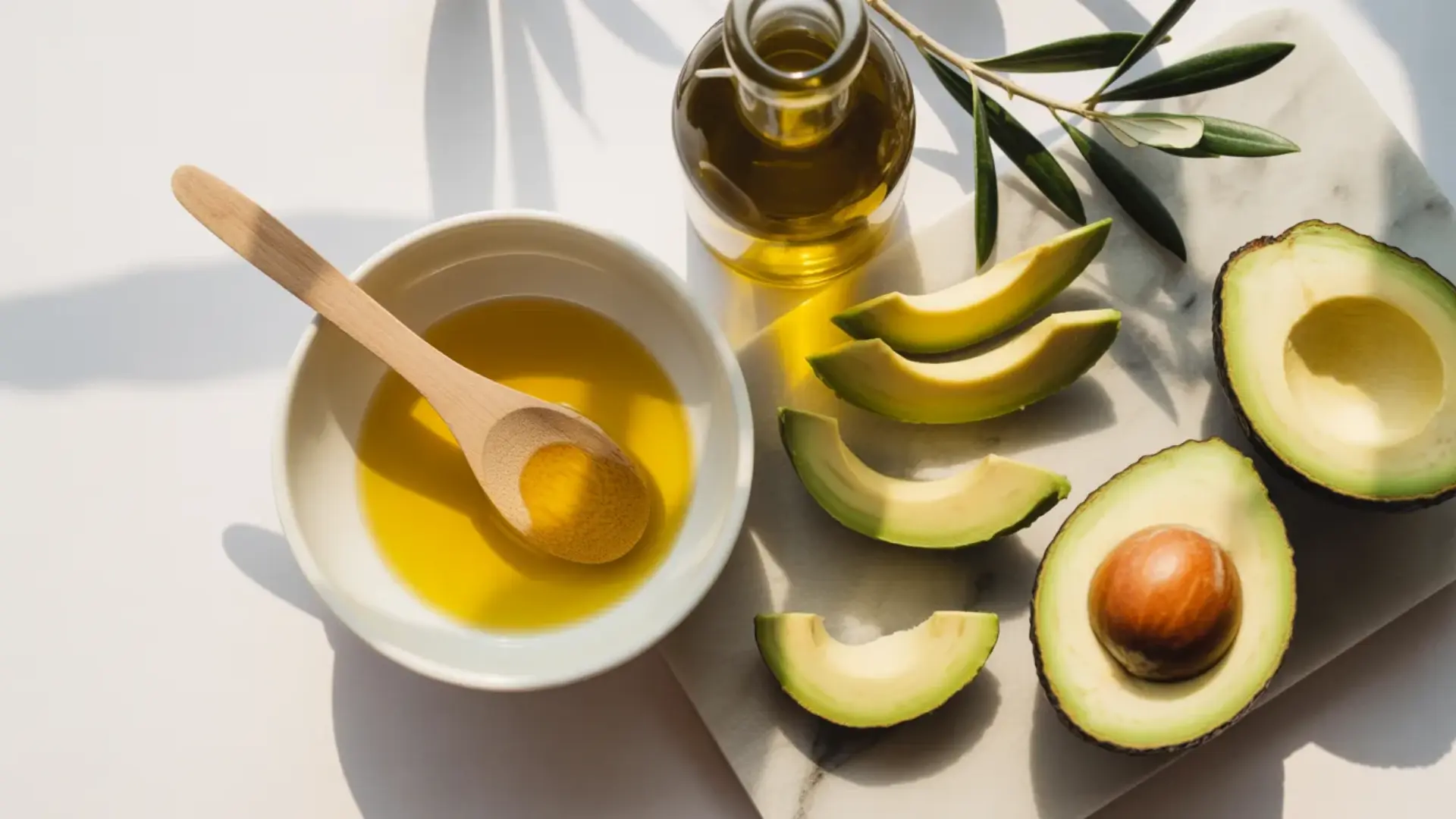
Not all fats are off the table; some can be included in small amounts:
- Olive oil: Use just a small drizzle for cooking or dressing instead of butter.
- Avocado: A nutrient-dense option, but keep portions to a few slices per serving.
- Fatty fish such as salmon and lake trout: These provide beneficial omega-3 fats and can be included in moderation. Avoid versions canned in oil.
Avocado and nuts, while nutritious, are high in fat and should be used cautiously. Some clinical guidelines list these as foods to limit during pancreatitis recovery. If you tolerate them without symptoms, small portions may be fine, but track your response carefully.
Using small amounts thoughtfully allows you to enjoy their nutritional benefits while staying within the recommended fat limits.
Remember: Even healthy fats count toward your daily 50g limit, so measure carefully.
Foods to Avoid with Pancreatitis

Certain foods force your pancreas to work harder during digestion and can worsen inflammation. Avoiding these items helps reduce symptoms, support healing, and lower the risk of painful flare-ups.
- Fried and greasy foods
- High-fat meats such as bacon, sausage, and fatty beef cuts
- Full-fat dairy products, including butter, cream, and whole milk
- Processed and packaged foods high in hidden fats and additives
- Sugary foods like pastries, candy, and sweetened drinks
- Alcohol in any form
Avoiding these foods helps protect your pancreas from unnecessary stress. Choosing lighter, whole foods instead can improve digestion, reduce inflammation, and make managing pancreatitis much easier over time.
7-Day Sample Meal Plan for Pancreatitis
Here’s a simple week of eating to get you started. All meals are low in fat and easy to prepare.
| Day | Breakfast | Lunch | Dinner | Snack |
|---|---|---|---|---|
| Mon | Oatmeal with banana | Grilled chicken and vegetable soup | Baked cod with brown rice and steamed broccoli | Apple slices |
| Tue | Egg white omelette with spinach | Turkey and whole-wheat wrap (no mayo) | Quinoa with roasted sweet potato and tofu | Fat-free yogurt |
| Wed | Whole-grain toast with mashed banana | Lentil soup with whole-grain bread | Baked chicken breast with carrots and brown rice | A handful of crackers |
| Thu | Oatmeal with berries | Grilled fish tacos (corn tortillas, no sour cream) | Vegetable stir-fry with tofu and quinoa | Sliced cucumber |
| Fri | Fat-free yogurt with sliced fruit | Chicken and vegetable soup | Baked turkey meatballs with whole-wheat pasta and marinara | Banana |
| Sat | Smoothie (skim milk, banana, spinach) | Brown rice bowl with beans and salsa | Baked tilapia with steamed green beans and sweet potato | Rice cakes |
| Sun | Whole-grain cereal with skim milk | Egg white salad sandwich on whole-wheat bread | Grilled chicken with roasted beets and quinoa | Low-fat cottage cheese |
This plan is a general starting point. Individual tolerance varies, especially during active flare-ups. Introduce foods gradually and note how your body responds. If you have pancreatitis alongside diabetes or another condition, work with a registered dietitian to adapt this plan to your specific needs.
Lifestyle Factors That Support Recovery
Diet is central to managing pancreatitis, but other lifestyle habits make a meaningful difference alongside what you eat.
- Stop smoking: Smoking worsens pancreatic inflammation and slows healing. It is also an independent risk factor for chronic pancreatitis and pancreatic cancer. Stopping is one of the most impactful steps beyond diet.
- Maintain a healthy weight: Obesity increases the risk for both gallstones and pancreatitis flare-ups. Even modest weight loss can reduce pancreatic stress.
- Take prescribed enzyme supplements as directed: If your doctor has prescribed pancreatic enzyme replacement therapy, take it before every meal and snack, not just main meals. Enzymes work at the time of eating and will not be effective if taken afterward.
- Avoid non-steroidal anti-inflammatory drugs (NSAIDs): Certain medications including some pain relievers can trigger or worsen pancreatitis. Always check with your doctor before taking any over-the-counter medication.
Vitamins and Nutrient Deficiencies in Pancreatitis
Pancreatitis can affect how your body digests and absorbs nutrients. When the pancreas becomes inflamed, it may not release enough digestive enzymes. This can make it harder for your body to properly absorb vitamins and nutrients from food.
People with pancreatitis may develop deficiencies in several important vitamins, especially fat-soluble vitamins. These commonly include:
- Vitamin A
- Vitamin D
- Vitamin E
- Vitamin K
- Vitamin B12
Low levels of these nutrients can lead to issues such as fatigue, weakened immunity, bone problems, or poor healing.
In some cases, doctors may recommend vitamin supplements or pancreatic enzyme replacement therapy (PERT) to improve digestion and nutrient absorption.
If you notice weight loss, digestive discomfort, or oily stools, it is important to speak with a healthcare professional. Testing can help identify nutrient deficiencies and guide proper treatment
When to See a Doctor or Dietitian
Diet changes can help manage pancreatitis, but they should not replace professional medical care. Knowing when to seek medical advice can prevent complications and support better long-term health.
You should consider speaking with a healthcare professional if you notice any of the following:
- Persistent abdominal pain that does not improve with diet changes
- Unintentional weight loss over time
- Greasy or oily stools, which may indicate poor fat absorption
- Frequent nausea, bloating, or digestive discomfort after meals
- Difficulty maintaining proper nutrition with a low-fat diet
Seeking help early can make managing pancreatitis much easier. A doctor or registered dietitian can evaluate your symptoms, identify nutritional issues, and create a safe eating plan that supports digestion and overall health.
Final thoughts
Managing pancreatitis through diet can feel difficult at first, but the right food choices can make daily life much easier. As a registered dietitian who focuses on whole-food nutrition, I’ve seen how thoughtful diet changes help many people better manage digestive conditions like pancreatitis.
The goal isn’t perfection. It’s about making steady, practical choices that reduce strain on your pancreas while still supporting balanced nutrition. Simple habits, like choosing lean proteins, limiting high-fat foods, and eating smaller meals more often, can help improve digestion and reduce flare-ups over time.
If you’re unsure how to adjust your diet safely, speaking with a registered dietitian can help. Personalized nutrition guidance can make managing pancreatitis clearer, safer, and more sustainable for your long-term health.