










I’ve spent years researching liver detox drinks, and I want to be upfront with you: they’re not magic cures. Many people turn to these drinks, hoping for a quick fix or dramatic cleanse.
But here’s the truth: your liver already works around the clock to detoxify your body. No special drinks are needed. That said, some drinks can support liver health, especially when combined with a healthy lifestyle.
I’ll cut through the hype and show you which drinks actually help, based on science. You’ll understand how your liver works, which ingredients matter, and how to naturally support your liver’s health.
Signs your liver may need more support: Persistent fatigue, sluggish digestion, bloating after fatty meals, skin breakouts, and a coated tongue in the morning are common signals. These aren’t diagnostic, but they are the body’s way of flagging that the liver is carrying a heavier-than-usual load.
Why Ancient Healers Always Prioritized the Liver First
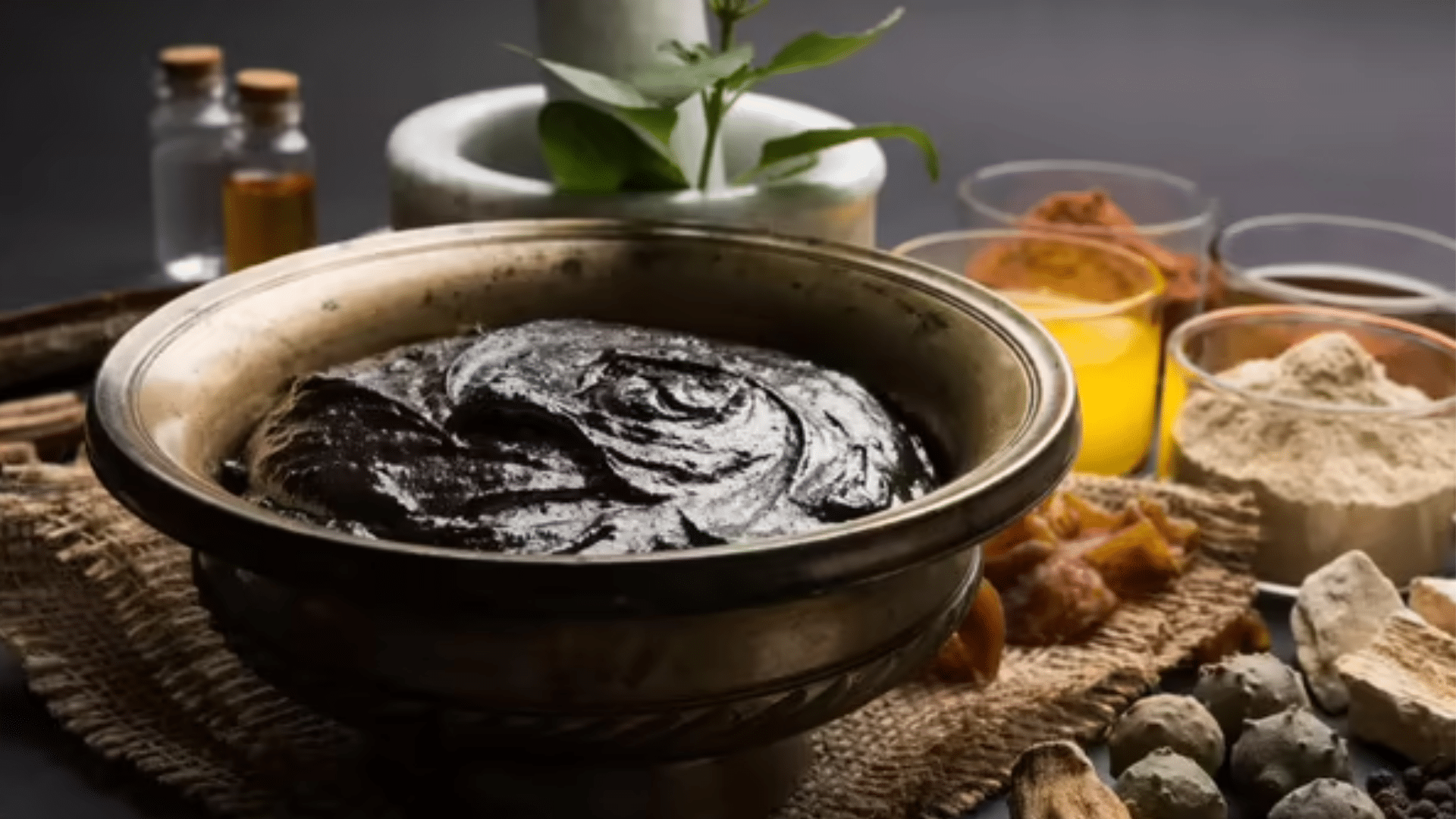
Your liver works around the clock, filtering toxins, processing nutrients, and maintaining your body’s balance. Ancient healing traditions in Ayurveda and Chinese medicine recognized the importance of liver care long before modern science confirmed its importance.
They used roots, herbs, and bitter plants to support liver function naturally. Today, research backs many of those same ingredients. A sluggish liver can lead to fatigue, poor digestion, skin issues, and low energy.
In Ayurveda, the liver is governed by Pitta dosha and is considered the seat of transformation and metabolism.
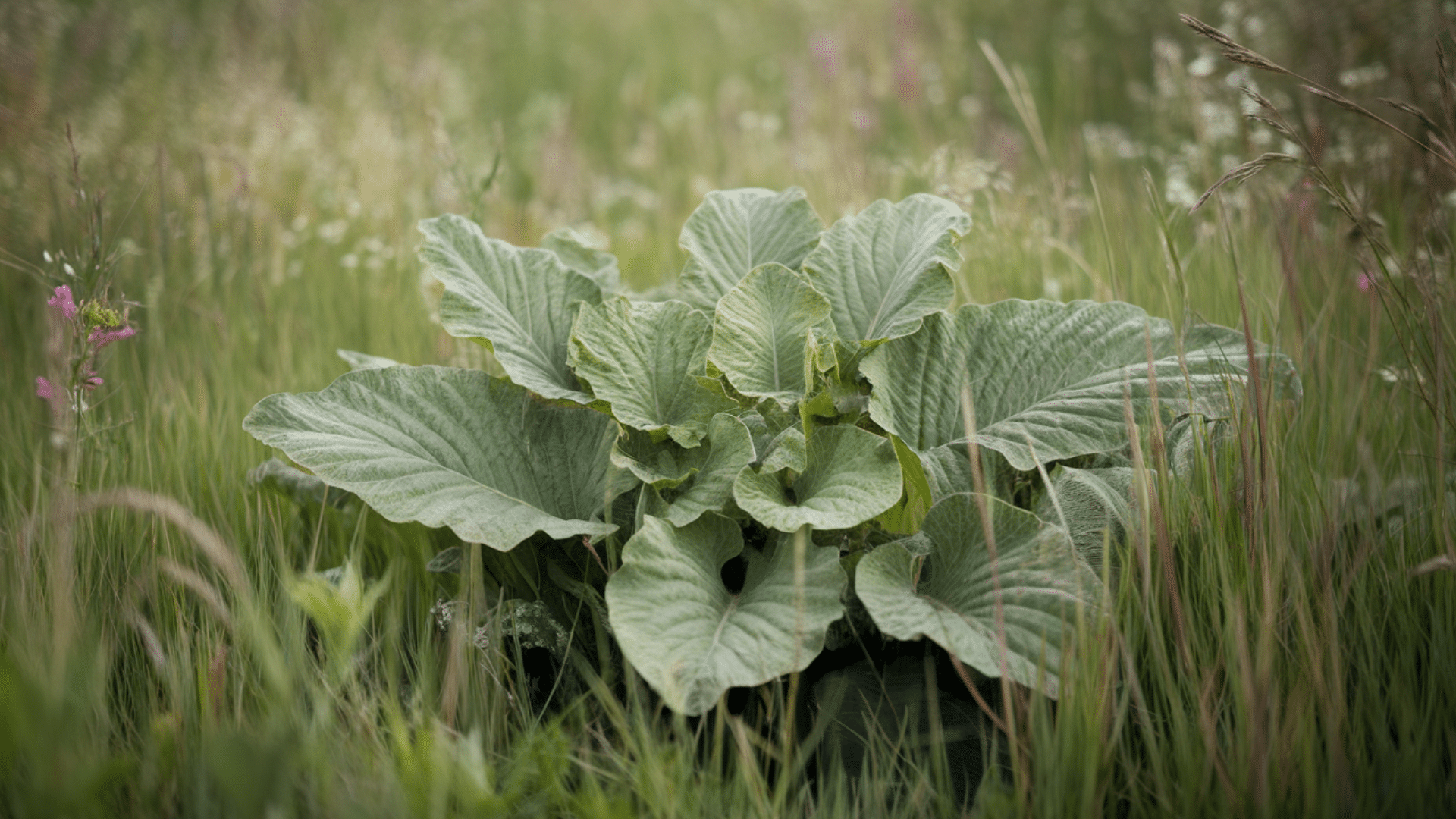
Bitter herbs like kutki (Picrorhiza kurroa) and bhumi amla (Phyllanthus niruri) have been used for centuries in Ayurvedic practice to clear excess heat from the liver and support bile flow.
These aren’t wellness trends. They are part of a documented 3,000-year tradition of hepatic care that modern researchers are only beginning to validate.
Supporting it daily does not require anything extreme. Simple drinks made with real ingredients can ease the load your liver carries every day. Better digestion, clearer skin, and improved energy are just a few benefits you may notice over time.
Key Liver-Supporting Ingredients at a Glance
| Ingredient | Key Benefit | Why It Works |
|---|---|---|
| Lemon | Detox support | Rich in vitamin C; stimulates bile production and aids Phase 1 liver detox |
| Ginger | Anti-inflammatory | Reduces liver inflammation; supports bile flow and digestion |
| Turmeric | Liver cell protection | Curcumin reduces oxidative stress; black pepper enhances absorption up to 2,000% |
| Beetroot | Bile stimulation | Betalains support Phase 2 detox pathways and improve blood flow to the liver |
| Green tea | Antioxidant shield | EGCG catechins protect liver cells from free radical damage |
| Cranberry | Antioxidant flush | Proanthocyanidins support kidney and liver toxin elimination |
| Milk thistle | Hepatoprotection | Silymarin reduces liver enzyme levels and supports cell regeneration |
Top Homemade Liver Detox Drink Recipes
These top homemade liver detox drink recipes are packed with ingredients that support detoxification, reduce inflammation, and improve digestion, promoting a healthier liver.
1. Lemon-Ginger Water
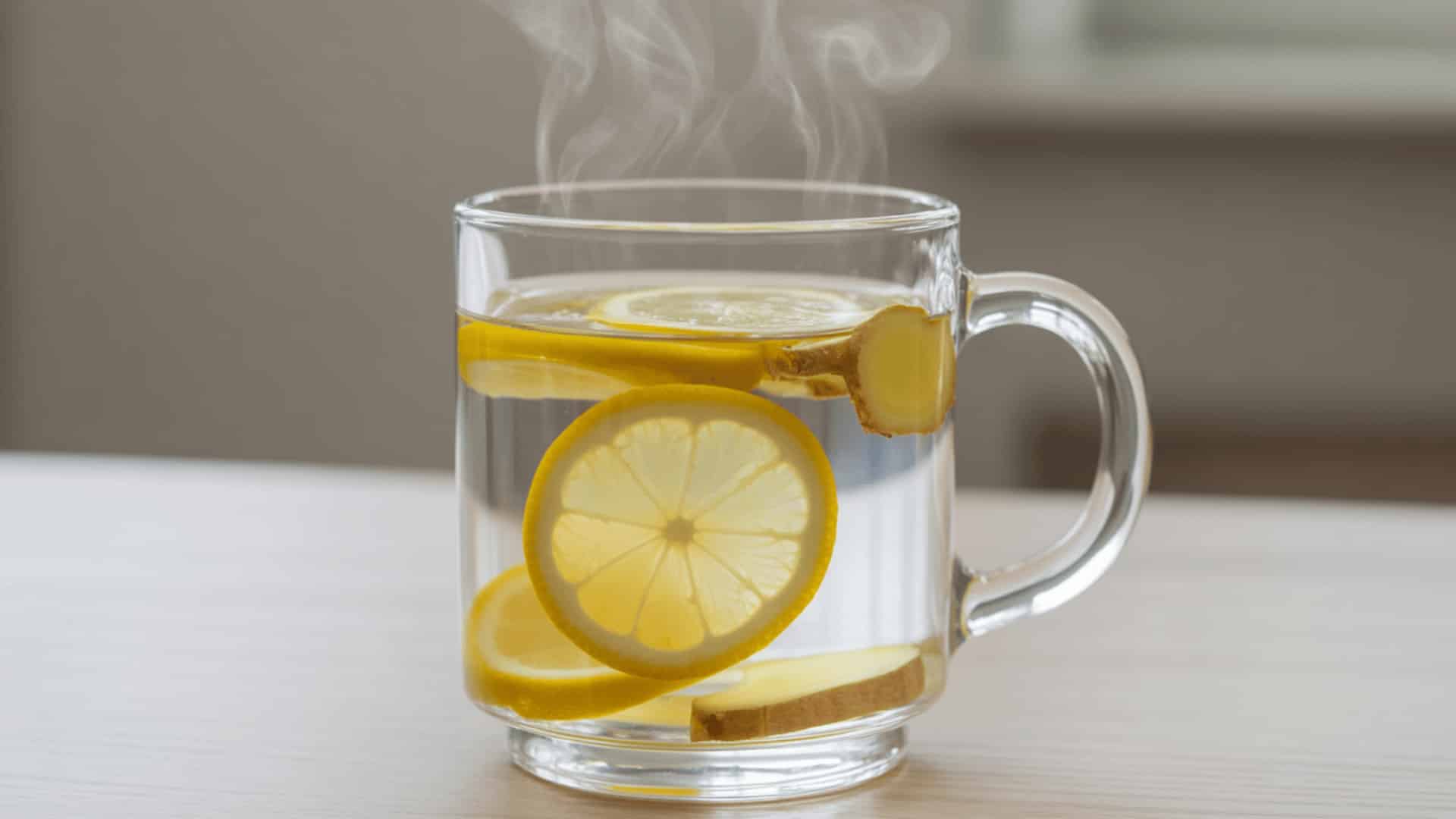
This is the drink I recommend most often to people who are just getting started with liver support.
It takes under five minutes, uses ingredients most people already have, and is gentle enough to drink every morning without taxing a sensitive digestive system.
A simple and refreshing drink that combines the detoxifying power of lemon and ginger to support liver health and digestion.
It is easy to prepare, hydrating, and gentle enough for daily use. Here are the ingredients you will need:
| Ingredient | Amount |
|---|---|
| Fresh lemon | 1, sliced |
| Fresh ginger | 1-inch piece, sliced |
| Water | 2 cups |
| Honey (optional) | Small drizzle if desired |
How to make it:
This recipe comes together in under 15 minutes with minimal effort. Follow these simple steps to prepare your lemon-ginger water:
- Boil 2 cups of water, then add sliced ginger and steep for 5 to 10 minutes.
- Slice one fresh lemon and squeeze the juice directly into the steeped ginger water.
- Stir in a small drizzle of honey if desired for a touch of added sweetness.
- Let the drink cool slightly before enjoying it warm or pour it over ice to serve chilled.
This drink is best consumed fresh in the morning for maximum benefit. Store any leftovers in a sealed jar in the refrigerator for up to one day.
2. Green Tea with Turmeric
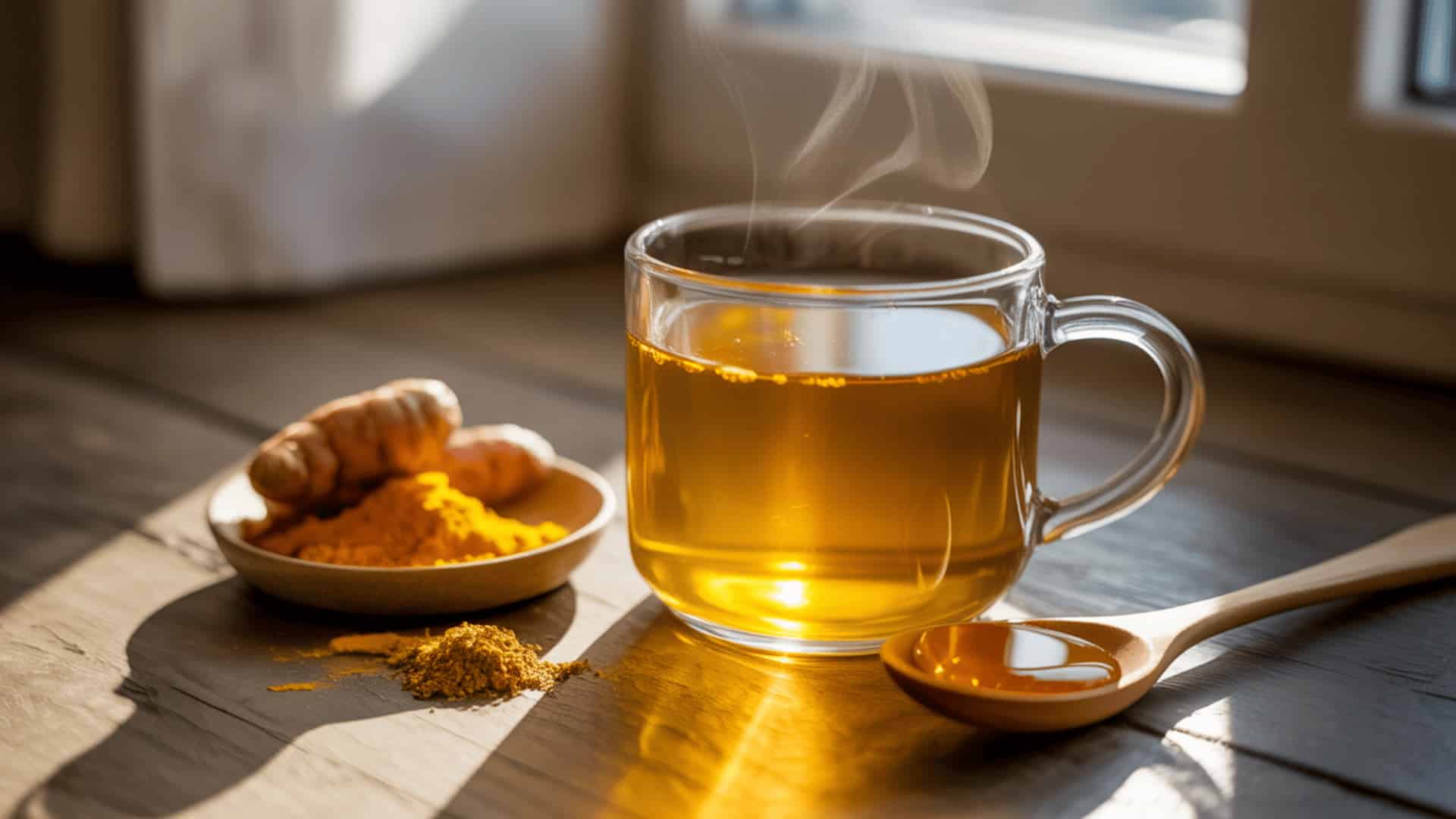
Green tea is one of the most studied plant compounds for liver health. Its active compound EGCG has been shown to reduce liver fat accumulation in preclinical studies.
Pairing it with turmeric and black pepper creates a combination that’s both anti-inflammatory and highly bioavailable.
It is easy to prepare, soothing, and packed with compounds that protect liver cells. Here are the ingredients you will need:
| Ingredient | Amount |
|---|---|
| Green tea bag or loose leaf | 1 tea bag or 1 tsp |
| Fresh turmeric root (or powder) | ½-inch piece, grated (or ½ tsp powder) |
| Hot water | 1 cup |
| Black pepper | Pinch |
| Honey (optional) | Small drizzle (if desired) |
How to make it:
This recipe comes together in under 10 minutes with minimal effort. Follow these simple steps to prepare your green tea with turmeric:
- Boil water and let it cool for about 2 minutes to reach the ideal brewing temperature (around 175°F).
- Place the green tea bag or loose leaf in your cup, then add the grated turmeric.
- Pour the hot water over the tea and turmeric, then add a pinch of black pepper to enhance turmeric absorption.
- Let it steep for 3 to 5 minutes, then remove the tea bag or strain if using loose leaf.
- Stir in honey if desired and enjoy warm for maximum liver-supporting benefits.
This drink is best consumed fresh in the morning or early afternoon. Drink it warm within 30 minutes of brewing for optimal antioxidant benefits.
3. Beetroot and Carrot Juice
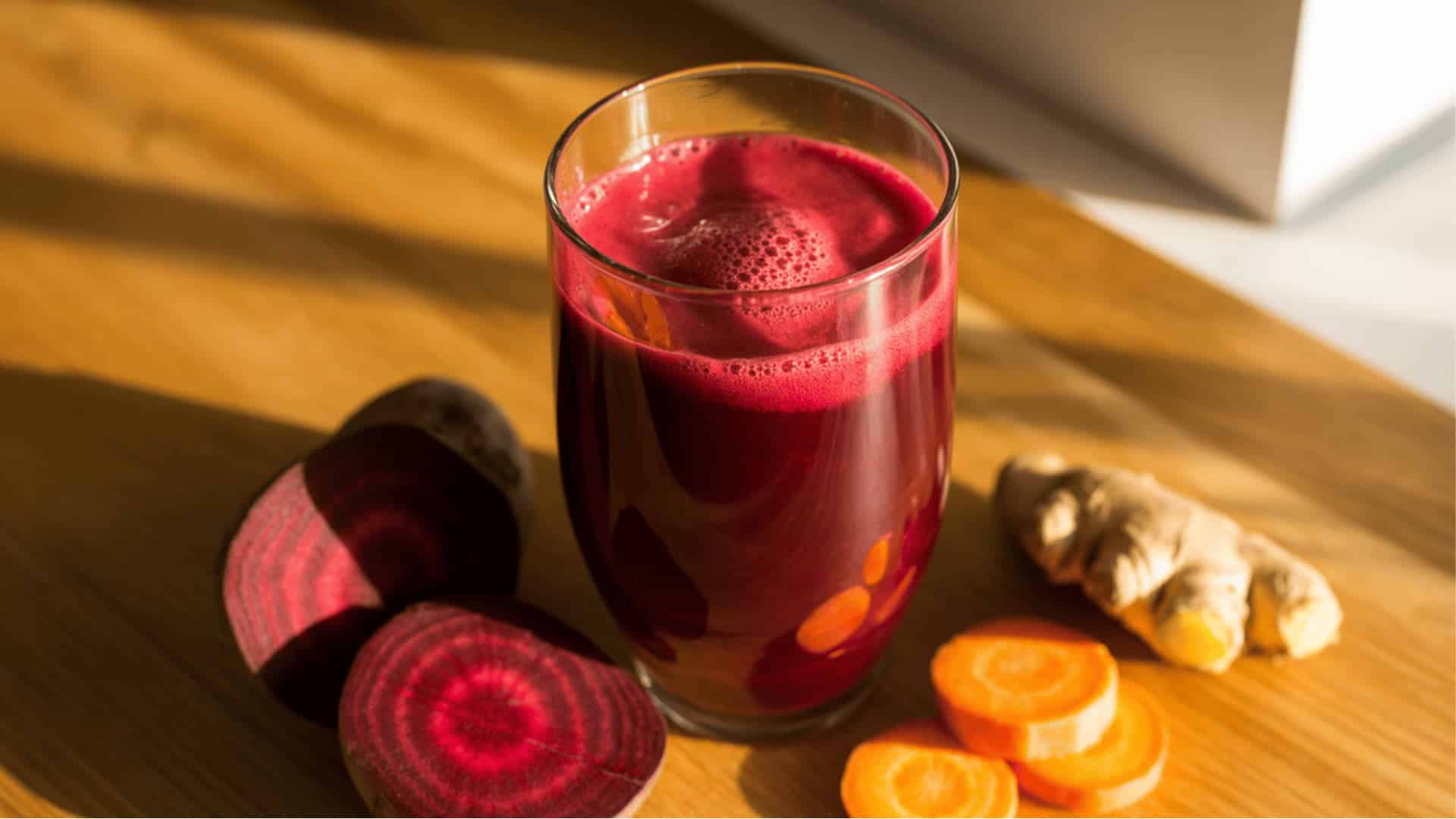
Beetroot is often underestimated as a liver food. Its betalain pigments have been shown to support Phase 2 liver detoxification, the stage where the liver binds toxins to compounds that make them water-soluble and easier to excrete.
Carrots add beta-carotene, a precursor to vitamin A that helps protect liver cells from oxidative damage.
A vibrant and nutrient-dense juice packed with antioxidants and betaine that supports liver detoxification pathways and promotes healthy bile production.
It is fresh, energizing, and rich in natural compounds that support your liver’s detoxification. Here are the ingredients you will need:
| Ingredient | Amount |
|---|---|
| Fresh beetroot | 1 medium, peeled and chopped |
| Carrots | 2 medium, peeled and chopped |
| Fresh ginger | ½-inch piece (optional) |
| Lemon juice | ½ lemon, juiced |
| Water | ½ cup (if needed for blending) |
How to make it:
This recipe comes together in under 15 minutes with a juicer or blender. Follow these simple steps to prepare your beetroot and carrot juice:
- Wash and peel the beetroot and carrots, then chop them into smaller pieces for easier blending or juicing.
- Add the beetroot, carrots, and ginger to your juicer or high-speed blender.
- If using a blender, add about ½ cup of water to help blend smoothly, then blend until completely smooth.
- Strain the mixture through a fine-mesh strainer or cheesecloth for a smoother juice.
- Add fresh lemon juice, stir well, and drink immediately to get the most nutrients and liver-cleansing benefits.
This drink is best consumed fresh in the morning on an empty stomach. Store any leftovers in a sealed glass jar in the refrigerator for up to 24 hours.
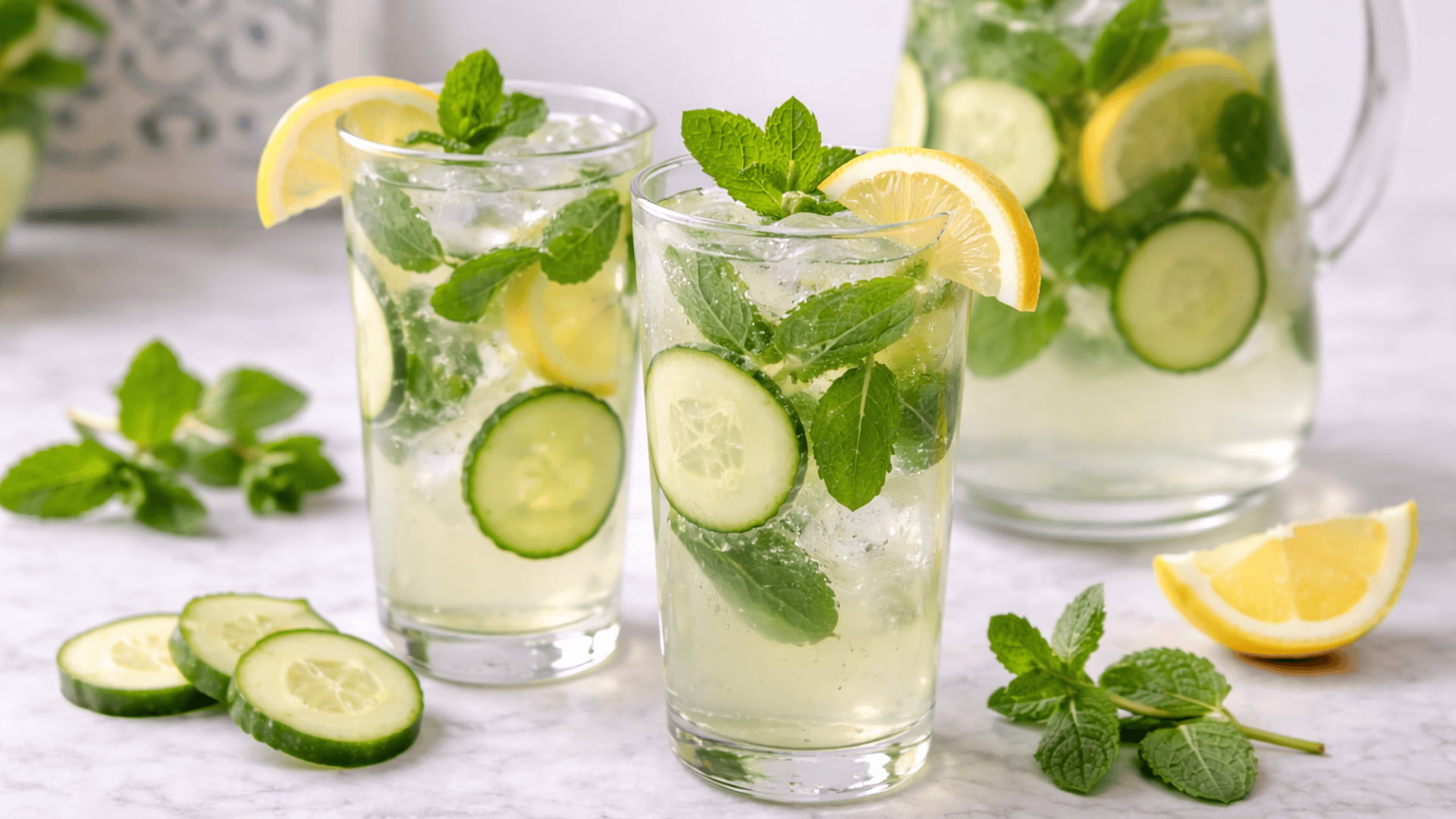
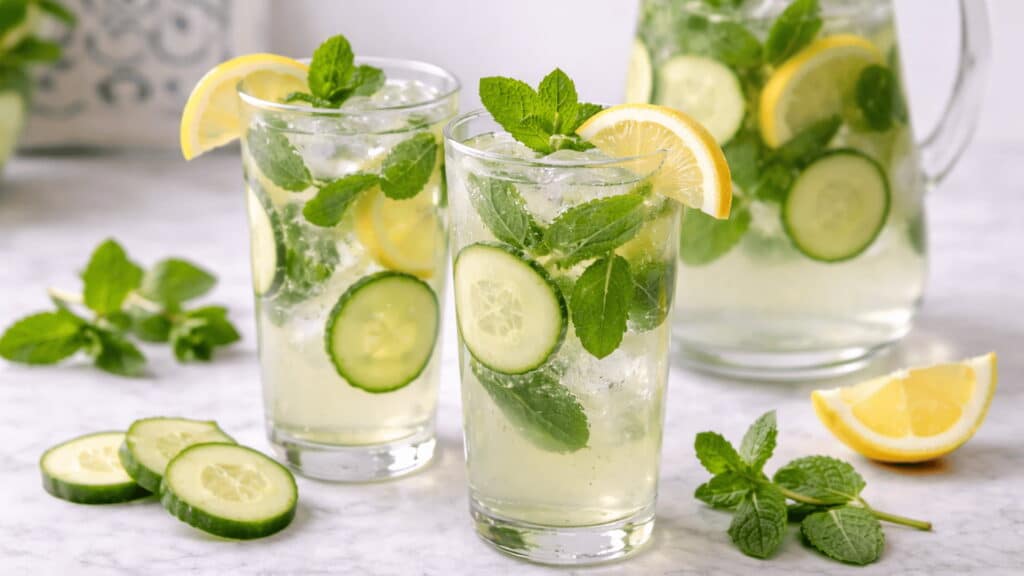
4. Cucumber-Mint Detox Water
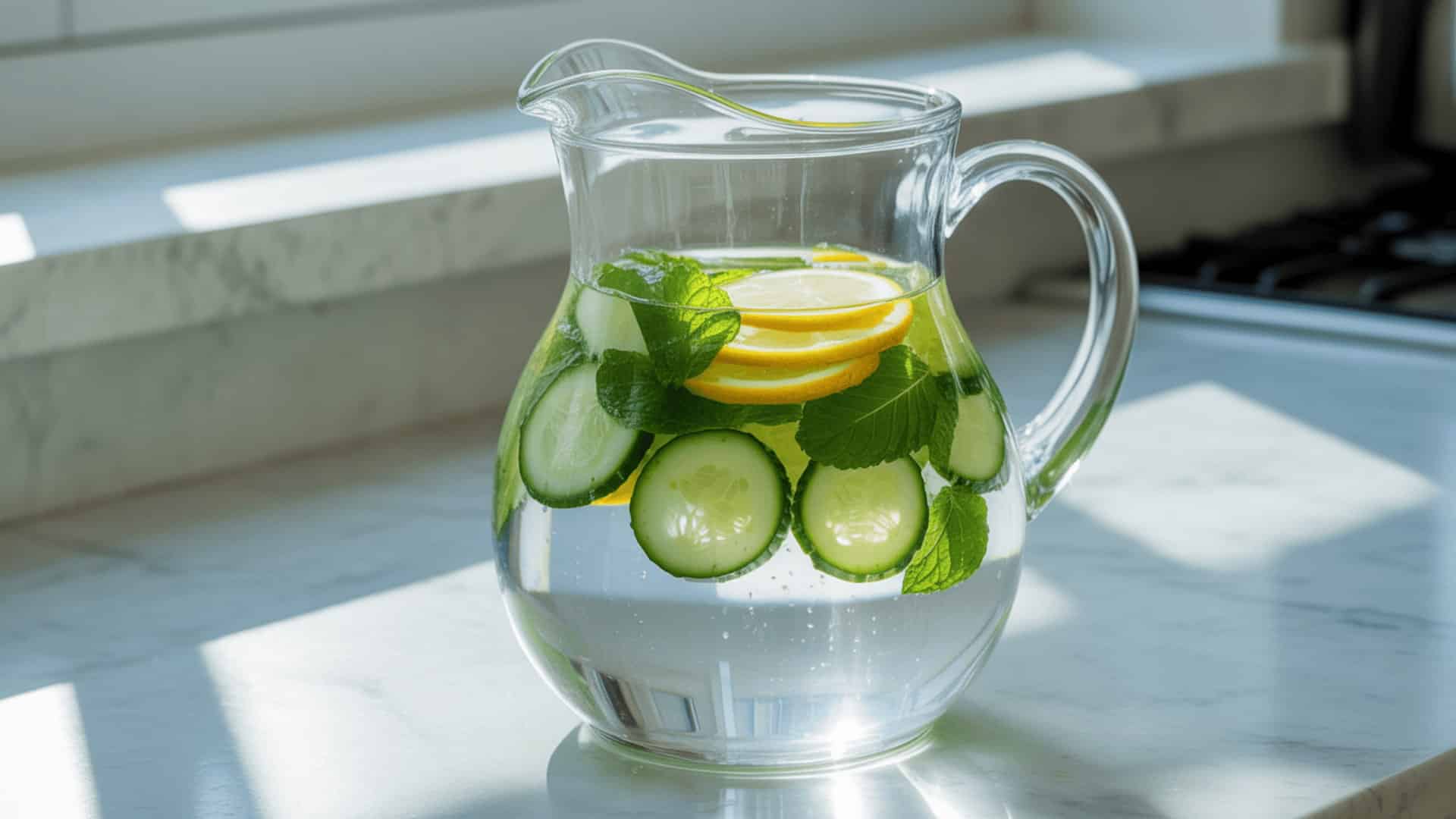
A light and hydrating infusion that helps flush toxins while keeping you refreshed, combining cucumber’s hydrating properties with mint’s digestive benefits.
Hydration is the most underrated element of liver support. Your liver requires adequate fluid to filter blood effectively and move bile through the bile ducts.
This cucumber-mint water makes it easier to hit your daily water intake without the monotony of plain water, which is something I hear a lot from people who struggle with plain hydration.
It is refreshing, calorie-free, and perfect for sipping throughout the day. Here are the ingredients you will need:
| Ingredient | Amount |
|---|---|
| Cucumber | ½ medium, thinly sliced |
| Fresh mint leaves | 8-10 leaves |
| Lemon | ½, thinly sliced |
| Water | 4 cups (cold or room temperature) |
| Ice | As desired |
How to make it:
This recipe comes together in under 5 minutes with a 2-hour infusion time. Follow these simple steps to prepare your cucumber-mint detox water:
- Wash the cucumber, mint leaves, and lemon thoroughly under cold water.
- Slice the cucumber and lemon into thin rounds for better flavor infusion.
- Add cucumber slices, mint leaves, and lemon slices to a large pitcher or water bottle.
- Pour cold or room temperature water over the ingredients and let it infuse for at least 2 hours in the refrigerator.
- Add ice if desired, pour into a glass, and sip throughout the day to stay hydrated and support gentle liver cleansing.
This drink is best consumed fresh throughout the day. Store in the refrigerator for up to 24 hours and refill with fresh water once for a second mild infusion.
5. Cranberry Juice with Lemon
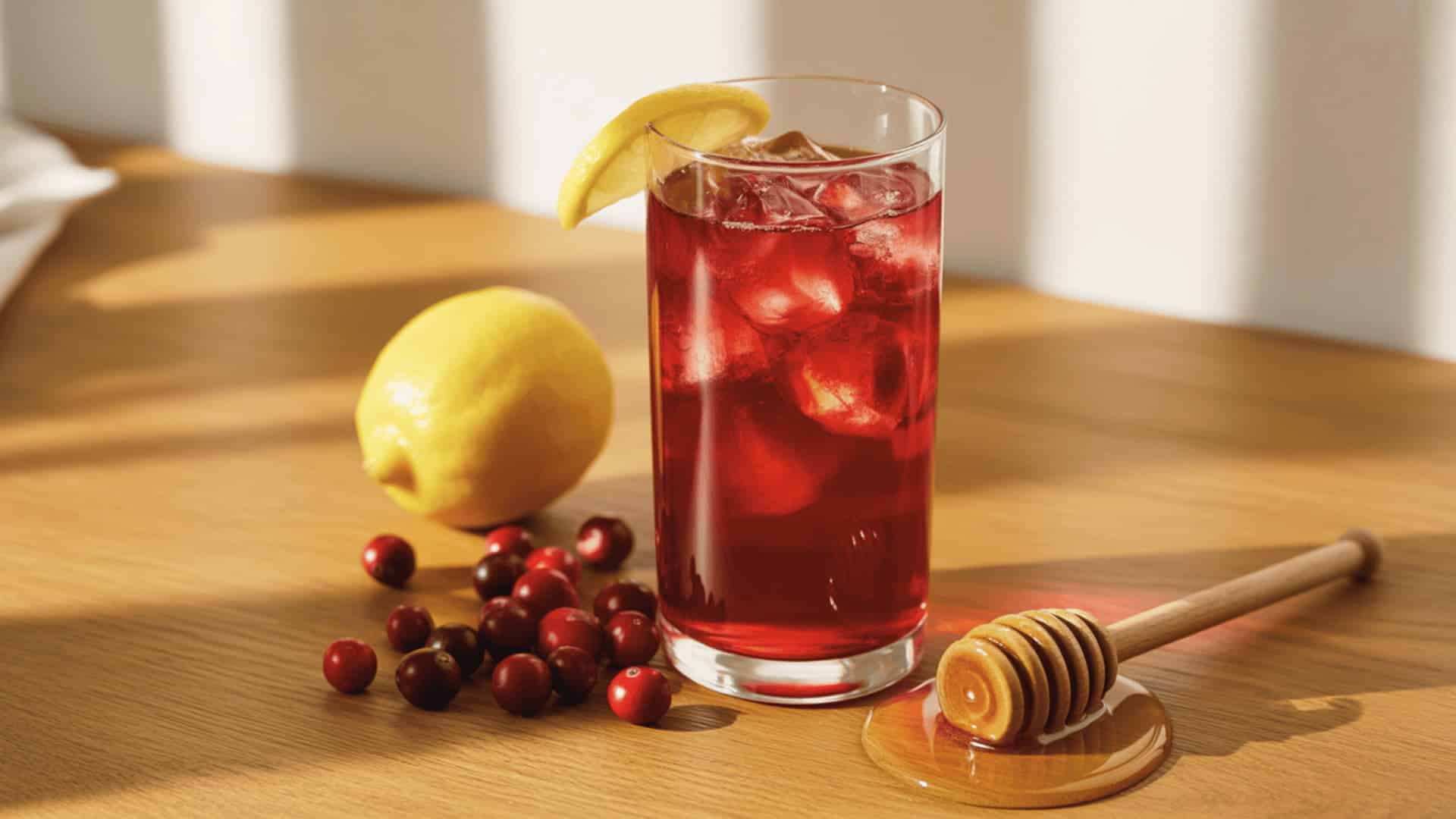
A tart and vitamin-rich drink that combines cranberries’ cleansing properties with lemon’s detoxifying boost to help flush toxins and support kidney and liver health.
It is simple to prepare, tangy, and loaded with antioxidants that support your body’s natural detox systems. Here are the ingredients you will need:
| Ingredient | Amount |
|---|---|
| Unsweetened cranberry juice | 1 cup (100% pure juice) |
| Fresh lemon | 1, juiced |
| Water | 1 cup |
| Honey (optional) | Small drizzle (if desired) |
| Ice | As desired |
How to make it:
This recipe comes together in under 5 minutes with no cooking required. Follow these simple steps to prepare your cranberry juice with lemon:
- Choose pure, unsweetened cranberry juice without added sugars or artificial ingredients for maximum health benefits.
- Pour 1 cup of cranberry juice into a large glass or pitcher.
- Add 1 cup of water to dilute the strong tartness of pure cranberry juice.
- Squeeze fresh lemon juice into the mixture and stir well to combine all the flavors.
- If the drink is too tart for your taste, add honey, pour over ice, and drink once daily to support toxin elimination.
This drink is best consumed fresh in the morning or midday. Store any leftovers in a sealed container in the refrigerator for up to 2 days.
6. Milk Thistle and Warm Lemon Tonic
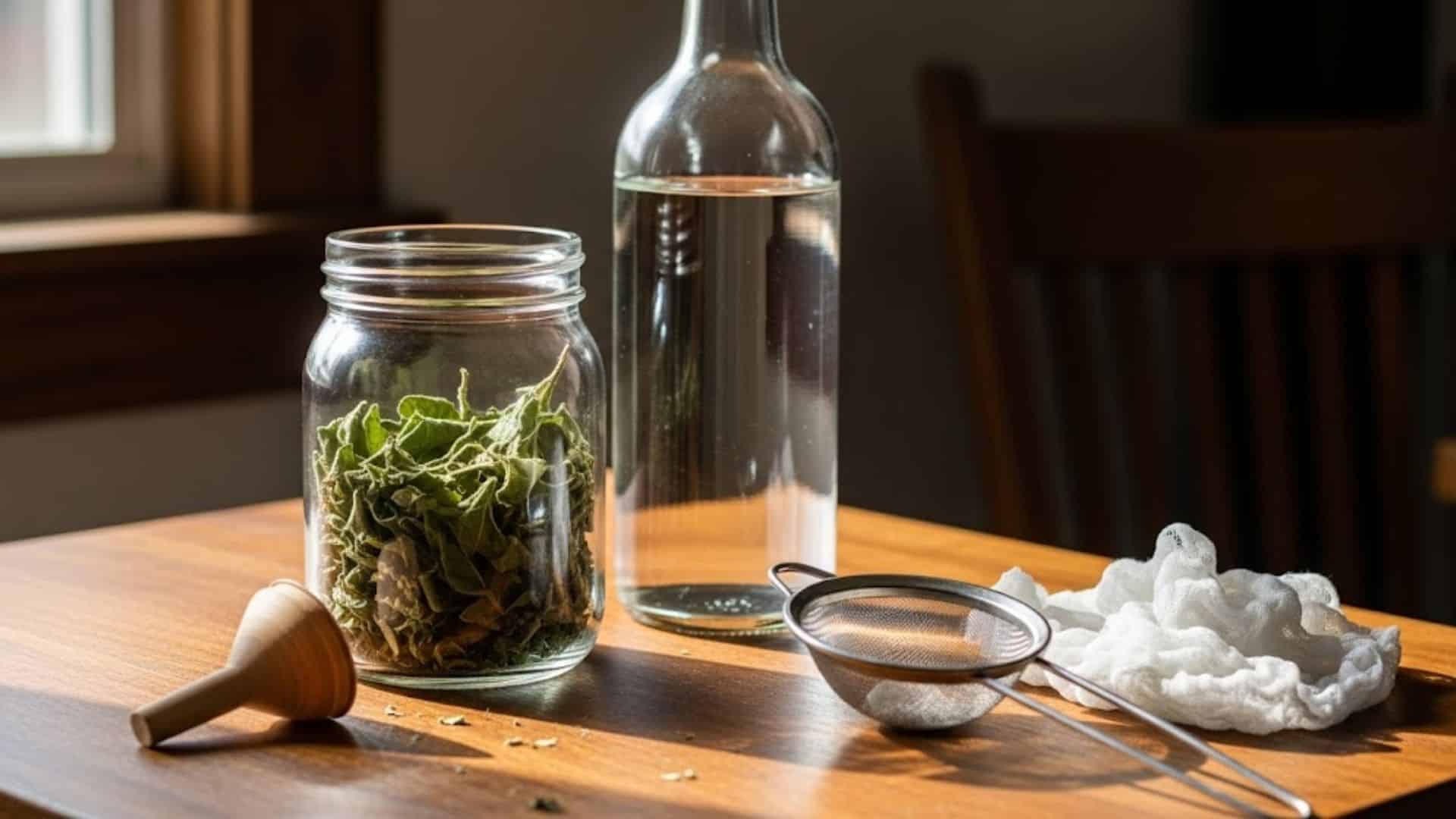
Milk thistle is one of the most evidence-backed herbs for liver health. Its active compound, silymarin, has been studied in over 26 randomized controlled trials.
A 2024 meta-analysis published in PubMed found that silymarin significantly reduced liver injury markers (ALT and AST levels) in patients with non-alcoholic fatty liver disease. This tonic is the easiest way to bring it into your daily routine.
| Ingredient | Amount |
|---|---|
| Warm water | 1 cup (not boiling) |
| Milk thistle extract drops | 20–30 drops (from a quality tincture) |
| Fresh lemon juice | ½ lemon |
| Raw honey | ½ tsp (optional) |
How to make it:
- Heat water to warm, not boiling, as high heat can degrade the delicate compounds in milk thistle extract.
- Add 20–30 drops of milk thistle tincture to the warm water.
- Squeeze in fresh lemon juice and stir gently.
- Add raw honey if desired and drink slowly in the morning before eating.
Best consumed first thing in the morning on an empty stomach. Use a standardized milk thistle extract with at least 70–80% silymarin content for best results.
Do not use if you are pregnant, breastfeeding, or on medications that affect the liver without consulting a doctor first, as silymarin can interact with cytochrome P450 enzymes.
How Long Will It Take to See Results?
When incorporating detox beverages into your routine, it’s important to set realistic expectations. Improving liver health takes time, and results can vary from person to person.
For subtle effects such as increased energy or improved digestion, you may notice benefits within 1-2 weeks ofconsistent use. However, more noticeable changes, such as improved liver function or detoxification, may take longer, sometimes 4 to 6 weeks, depending on your overall health and lifestyle.
In my experience working with people recovering from years of processed-food habits or elevated stress loads, the first thing they tend to notice isn’t a dramatic shift but rather a quieter one:
- Less heaviness after meals
- More stable energy in the afternoon
- Clearer skin over three to four weeks
These are realistic, repeatable outcomes when drinks are combined with reduced alcohol and processed food intake.
Keep in mind that these drinks should be combined with a healthy diet, regular exercise, and adequate hydration to achieve long-term improvements in liver health.
What Undermines Your Liver – Drink What You Want, But Watch These
No liver detox drink will offset daily habits that burden the liver. The most common contributors to sluggish liver function include:
- Excessive alcohol, even moderate daily drinking over time, accumulates liver stress
- Processed seed oils and ultra-processed foods, which increase oxidative load on liver cells
- Chronic sleep deprivation, which impairs the liver’s overnight detox cycle
- Overuse of over-the-counter pain medications, particularly acetaminophen (Tylenol), which is processed entirely by the liver
- High-fructose diets, as fructose is metabolized almost exclusively in the liver contribute to fatty liver disease when consumed in excess
These drinks are a positive addition, not a neutralizer for these habits.
Risks and Caution: What You Need to Know
Liver-supporting drinks can support your health, but it’s important to use them cautiously. Overconsumption and certain herbs may cause side effects, so always consult a healthcare provider before starting.
- Excessive Ginger Intake: Too much ginger can cause digestive discomfort. Stick to the recommended amount and monitor how your body reacts. The upper limit for ginger is generally considered to be 4 grams per day for adults.
- Herb Interactions with Medications: Herbs such as turmeric and milk thistle may interact with medications, particularly blood thinners, statins, and immunosuppressants. Silymarin specifically inhibits cytochrome P450 enzymes, which affects how many medications are metabolized. Always consult your doctor if you are on any prescription drug.
- Allergic Reactions: Some people may experience allergic reactions to herbs; discontinue use if symptoms occur and seek medical advice.
- Beetroot and Kidney Stones: Beetroot is high in oxalates, which can contribute to kidney stone formation in people who are predisposed. If you have a history of oxalate kidney stones, limit beetroot-based drinks.
Caution: These drinks are supportive, not therapeutic. If you have a diagnosed liver condition such as hepatitis, cirrhosis, or NAFLD, please work with a gastroenterologist or hepatologist. Do not use these drinks as a substitute for prescribed treatment.
Key Takeaway
Your liver is already doing remarkable work. These drinks reduce the burden on it by delivering concentrated antioxidants, bile-stimulating compounds, and anti-inflammatory phytonutrients that your liver can put to direct use.
Incorporating liver detox drinks into your routine can support liver health, but it’s not a one-time fix. Consistency and a balanced lifestyle are key to seeing long-term benefits.
Liver detox drinks should be part of a broader healthy routine that includes eating nutritious foods, staying hydrated, and exercising regularly.
Start with one recipe, ideally the lemon-ginger water or the milk thistle tonic, and build the habit before adding more.
Track how your digestion and energy respond over two to three weeks. That feedback from your own body is more valuable than any single ingredient list.