










The Ancient History of Yoga: The Dawn of a Spiritual Practice
Yoga’s origins are to the ancient Indus-Saraswati Civilization, where evidence suggests that early forms of yogic practices existed.
Carved stone seals from the Indus Valley depict figures in meditative poses, reflecting practices similar to modern yoga.
The term “yoga” comes from the Sanskrit root “yuj”, meaning “to yoke” or “to unite”, and first appeared in the Rig Veda around 1500 BCE.
In these texts, yoga is outlined as the union of individual consciousness with the universal body, mind, and spirit in harmonious balance.
Early Indian cultures viewed yoga as a spiritual practice deeply tied to nature’s rhythms, from the sun and moon to seasonal cycles, laying the foundation for its evolution.
The Role of Women in the Yoga History
Though often overlooked, women have played a key role in yoga’s history.
Indus-Saraswati artifacts depict goddess and priestess figures in meditative poses, indicating early female spiritual involvement. Ancient texts also mention yoginis, respected female teachers and healers.
However, around 1500 BCE, as patriarchal systems gained more dominance, women’s roles in mainstream yoga began to diminish.
Male gurus received most of the recognition, while women’s contributions were often excluded from written records and preserved mainly through oral traditions.
In recent history, pioneers like Indra Devi brought yoga to the West. Today, female leaders are shaping inclusive, emotionally improved practices that honor yoga’s origins.
Their influence continues to shape yoga as a holistic, accessible, and spiritually rooted practice that honors its ancient traditions.
Foundations of Meditation and Self-Realization
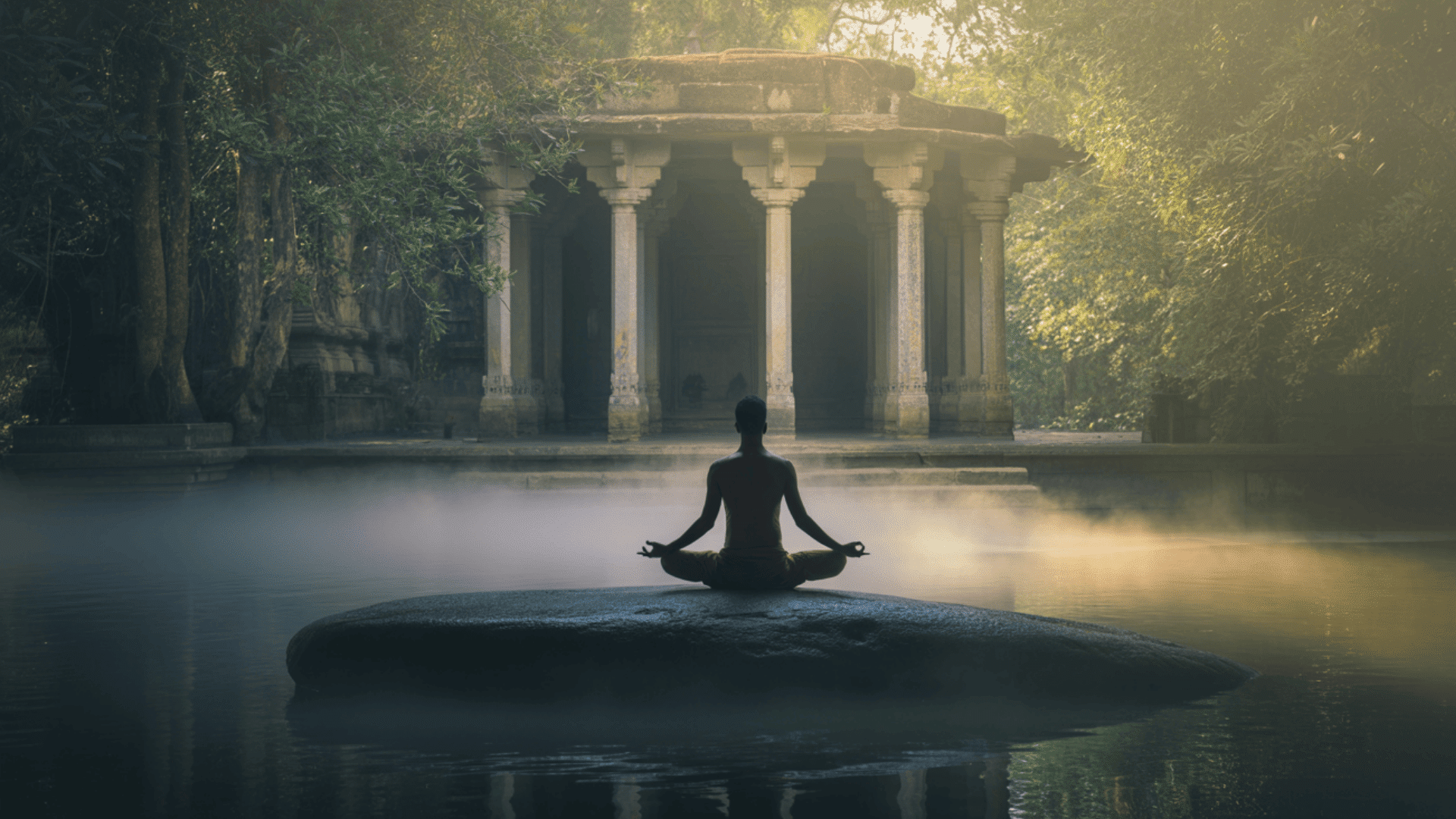
During the Vedic period (1500–500 BCE), yoga began progressing from spiritual rituals into a structured philosophy. The Vedas introduced it as a path to liberation through meditation, breath control, and nature-based rituals.
The Upanishads later shifted the focus inward, emphasizing self-realization and the union of the soul (Atman) with universal consciousness (Brahman).
This foundation was formalized in Patanjali’s Yoga Sutras (c. 400 CE), which outlined the Eightfold Path, combining ethics, postures, breath, and meditation to reach spiritual absorption (samadhi).
The classical era also defined three main paths: Jnana (knowledge), Karma (action), and Bhakti (devotion), creating a balanced system for personal and spiritual growth.
The Physical Path to Spiritual Liberation
As yoga progressed, Hatha Yoga marked a turning point, placing the physical body at the center of spiritual awakening. Rooted in ancient wisdom, it blends posture, breath, and energy work to unlock higher consciousness.
1. The Emergence of Hatha Yoga
Developed around the 10th century CE, Hatha Yoga emphasized using the body as a sacred tool for inner transformation. Its name, combining ‘Ha’ (sun) and ‘Tha’ (moon), reflects a balance of energies.
Through postures and breathwork, it prepares practitioners for deep meditation and spiritual clarity.
2. Tantric and Nath Influences
Hatha Yoga drew heavily from Tantric philosophy and the teachings of the Nath yogis, particularly Matsyendranath and Gorakhnath.
These traditions viewed the body as divine and capable of channeling spiritual power through discipline and energetic control.
3. Energy Systems and Liberation
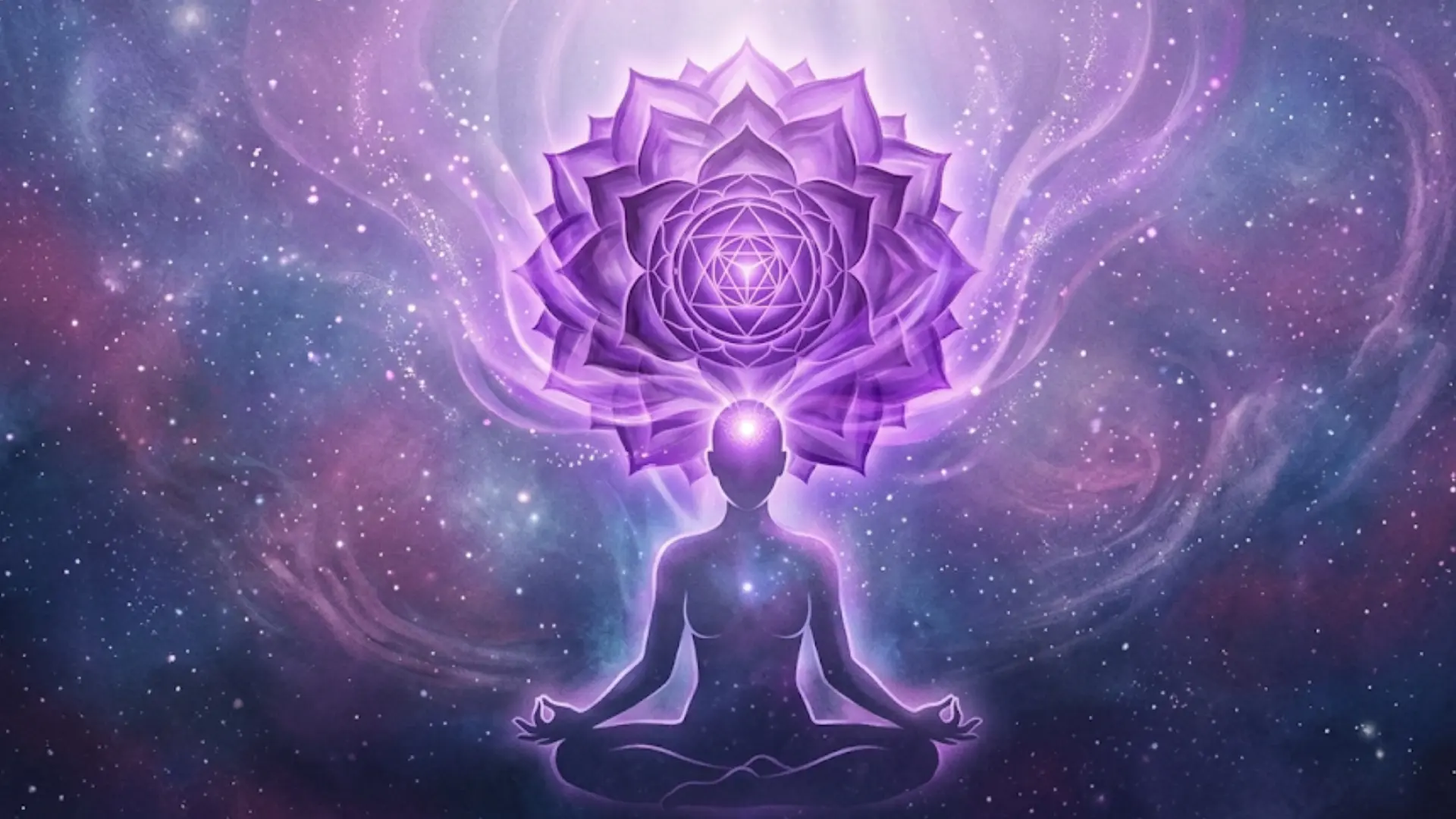
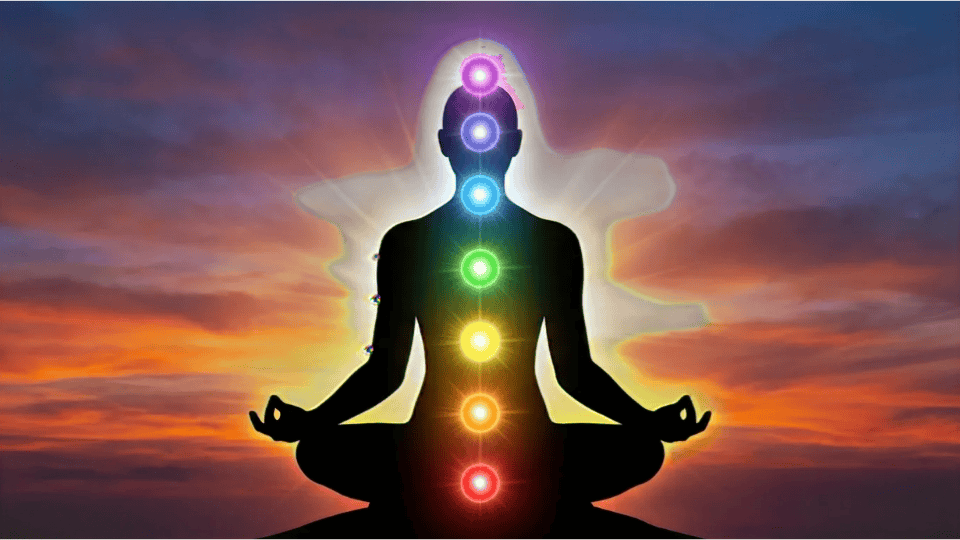
Central to Hatha Yoga is awakening kundalini energy and balancing chakras and nadis. By activating these systems, practitioners aim to reach liberation (moksha) through a harmonious flow of energy.
Hatha Yoga laid the groundwork for modern physical practices, highlighting the body as a vehicle for deeper awareness.
Yoga in the Modern World
Yoga’s journey from ancient India to the West began in the late 19th century with figures like Swami Vivekananda, who introduced yoga’s philosophy at the 1893 World Parliament of Religions.
Paramahansa Yogananda, who established the first yoga centers in 1920, focused on meditation and self-realization.
In the mid-20th century, B.K.S. Iyengar and Pattabhi Jois revolutionized yoga by adapting asanas for Western bodies, transforming yoga into a fitness and wellness trend.
This shift emphasized physical benefits such as stress relief and flexibility, rather than spiritual enlightenment.
The digital age has further expanded yoga’s reach, with online platforms, mobile apps, and virtual classes making yoga accessible to millions worldwide.
Social media has fostered global yoga communities, though this growth raises questions about maintaining yoga’s spiritual integrity in a commercialized landscape.
Yoga’s Impact on Wellness
Modern research supports what ancient yogis intuitively knew: yoga’s benefits extend beyond physical strength and flexibility.
Its focus on mindfulness and breath awareness is crucial for stress management, emotional regulation, and mental clarity. Studies show yoga’s effectiveness in reducing anxiety, depression, and PTSD symptoms.
Yoga has become central to the holistic wellness movement, aligning with integrative medicine and mindfulness-based therapies. Its emphasis on mind-body unity promotes eco-conscious living.
Yoga is increasingly recommended for chronic pain, insomnia, and cardiovascular health, reflecting its holistic approach to physical, mental, and spiritual well-being, just as it was originally intended.
Yoga as a Tool for Ecological Awareness
Rooted in ancient wisdom, yoga naturally inspires ecological awareness through its principles and nature-based practices. Key points include:
- Ahimsa (Non-violence): Inspires eco-friendly and sustainable lifestyles that respect the earth.
- Pranayama: Heightens awareness of air quality and the shared life force with all living beings.
- Nature-based Meditation: Encourages outdoor practices, deepening connection with natural rhythms and seasonal cycles.
- Animal-Inspired Poses: Poses like Tree, Eagle, and Mountain Pose highlight our kinship with nature.
- Modern Eco-Yoga: Combines yoga with environmental activism through outdoor sessions, beach cleanups, and the use of sustainable yoga gear.
Yoga fosters inner awareness, compassion, and a natural extension of care for the earth, its relevance for both personal and planetary well-being.
Conclusion
As I’ve seen, the history of yoga is much more than just stretching and breathing; it’s a profound path of spiritual growth, self-realization, and wellness.
You’ve learned how yoga’s roots trace back to ancient India, how it progressed into a global practice, and how it continues to influence modern wellness.
If you’re deepening your practice, remember that yoga’s deeper intention is to harmonize the physical, mental, and spiritual aspects of ourselves. This path continues to guide both ancient seekers and modern practitioners.
If you’d like to learn more about how yoga can improve your life, check out my other related blogs about the benefits for your health, mindfulness, and connection to the environment.
Frequently Asked Questions
What is the real story of yoga?
Yoga is believed to have originated thousands of years ago, with Shiva considered the first yogi (Adiyogi) and the first guru (Adi Guru) in yogic tradition.
What are the five principles of yoga?
The five principles of yoga are: Proper Exercise (Asana), Proper Breathing (Praṇayama), Proper Relaxation (Savasana), Proper Diet (Vegetarian), and positive thinking and meditation (Vedanta & Dhyana).
What are the 3 A’s of yoga?
Attitude, alignment, and action. Founded by John Friend, the practice of Anusara is broadly categorized into three parts, known as the Three A’s. They include attitude, alignment, and action.