















I started learning about green juice when I wanted an easy way to add more vegetables to my day. If you are wondering if green juice is good for you, you are not alone.
Many people drink it for better health, more energy, and stronger immunity, but they are not always sure what it really does.
Green juice is made from leafy greens and fresh vegetables, and sometimes fruits, to give your body important nutrients in one glass.
Here, I will share the benefits of green juice, how it helps your body, and when it may be useful. I will also talk about who should drink it, what ingredients work best, and how often you should have it.
Is Green Juice Good for You?
Is green juice good for you? For many people, yes, it can be an easy way to get more vitamins and minerals from greens like spinach, kale, and cucumber.
It may support digestion, hydration, and your immune system, especially if you don’t eat many vegetables every day.
Still, green juice is not a meal.
It usually has less fiber than whole veggies, so it works best as a “bonus” drink, not a replacement for breakfast or lunch.
Top 7 Benefits of Green Juice
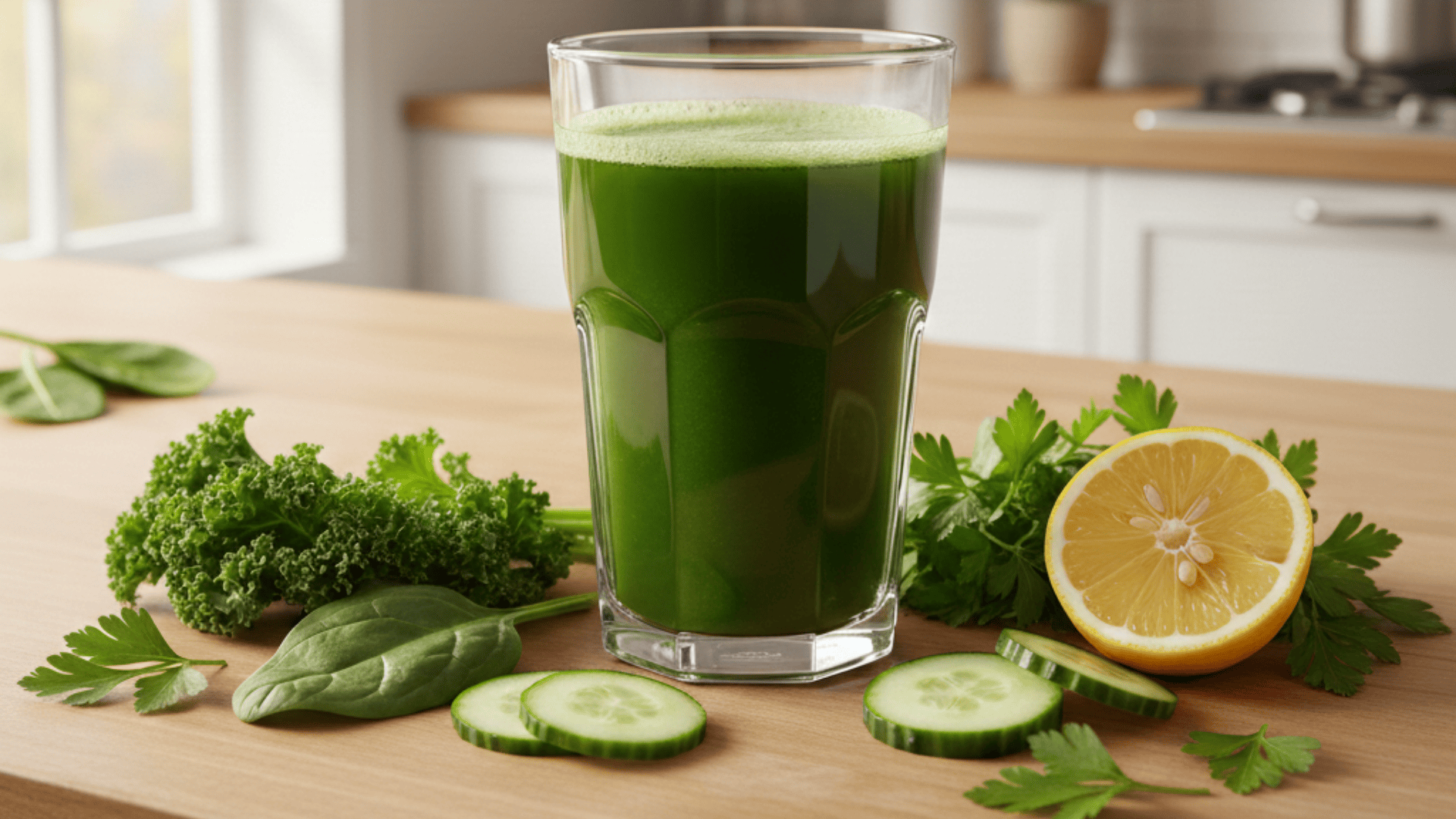
Green juice can feel like a quick health boost in a glass. But what does it really do for your body? Below, I’m sharing some simple green juice benefits and a few tips so you can decide whether it fits your daily routine.
1. Packed With Essential Vitamins and Minerals
Green juice is an easy way to get more nutrients from leafy greens like spinach, kale, and parsley. Depending on your mix, you may get vitamins A, C, and K, as well as minerals such as iron, magnesium, and potassium.
These nutrients support your eyes, skin, blood health, and day-to-day energy. It’s especially helpful if you struggle to eat enough vegetables.
Tip: Add cucumber and lemon to improve the taste without using much fruit.
2. Improves Digestion and Gut Health
Many green juices include gut-friendly ingredients like celery, spinach, cucumber, and ginger. These can be gentle on your stomach and may help you feel less heavy after meals.
Some plant compounds also support healthy gut bacteria, which matters for regular digestion. Keep in mind, juice usually has less fiber than whole vegetables, so it won’t replace salads or cooked veggies.
Tip: Start with a small glass and see how your belly feels.
3. Boosts Immunity Naturally
When life gets busy, green juice can be a simple way to support your immune system. Leafy greens plus lemon or orange can add vitamin C, along with antioxidants that help protect your cells.
Herbs like parsley and mint also provide extra nutrients in small amounts. Green juice won’t stop every cold, but it can help your body stay stronger over time.
Tip: Add a small slice of ginger to your juice for a warm, soothing taste.
4. Helps Reduce Inflammation and Supports Healing
Green juice often contains antioxidants and plant nutrients that may help your body handle everyday stress.
Ingredients like kale, spinach, and mint have natural compounds that support recovery and overall wellness.
This can be useful if you feel run-down, sore, or tired. It’s not a cure, but it can be one small step toward feeling better.
Tip: Drink it with a snack to help it go down easier.
5. Supports Hydration and Steady Energy
A lot of green juice is made with high-water veggies like cucumber and celery, so it can help you stay hydrated. When your body is hydrated, you may feel less tired and more alert.
Some ingredients also provide minerals, such as potassium, which support fluid balance. This is great if you forget to drink water during the day.
Tip: Sip it mid-morning instead of reaching for another sugary drink.
6. Supports Natural Detox
Your body already “detoxes” every day through the liver, kidneys, and digestive system. Green juice can support that process by giving you nutrients from greens, herbs, and watery veggies like cucumber and celery.
It’s not a magic cleanse, but it can be helpful fuel for your body’s normal cleanup work. Antioxidants in leafy greens also support overall wellness.
Tip: Avoid extreme juice cleanses. Use green juice as a small daily add-on, not a full-day replacement.
7. May Support Heart Health and Overall Wellness
Green juice may support heart health because leafy greens often contain potassium, antioxidants, and plant nutrients that help your body work smoothly.
Potassium can support healthy blood pressure, and antioxidants help protect your cells from daily stress.
Another bonus is that drinking green juice can make you more likely to choose healthy foods during the day, which supports overall wellness.
Tip: Keep it heart-friendly by using mostly veggies and only a small amount of fruit to limit sugar.
How Often Should You Drink Green Juice?
How often should you drink green juice? For most people, a small glass a few times a week is a good start. If you enjoy it and your stomach feels fine, you can have it daily.
Green juice works best as a healthy add-on, not a meal replacement. A good time to drink it is in the morning or mid-day when you want a light boost.
If you drink it late at night, it may not feel great for everyone. Watch how your body reacts, especially if you use strong greens like kale or add ginger.
Who Should Avoid or Limit Green Juice?
Are green juice benefits the same for everyone? No! Some people should avoid or limit their intake of green juice.
- If you take blood thinners, leafy greens are high in vitamin K and may affect your medicine.
- If you have kidney issues, some greens can be high in potassium or oxalates.
- People managing blood sugar should also watch the fruit added to juice.
- Green juice should not replace meals, especially for kids or during pregnancy, unless a doctor says it’s okay.
If you have any health conditions, it’s smart to check with a clinician before drinking green juice often.
Final Thoughts
Green juice can be a simple way to add more vegetables to your day, especially if eating greens feels hard sometimes. I see it as a helpful extra, not a magic drink.
The real benefits of green juice come from using fresh ingredients and drinking it along with balanced meals. It can support digestion, hydration, and overall wellness when used the right way.
What matters most is being consistent and keeping things simple. You don’t need fancy recipes or expensive juices to get value from it.
I stick to a basic mix of spinach, cucumber, lemon, and water. It’s easy, affordable, and fits into my routine without stress.
If you want to learn more about foods that benefit your body, browse other blogs on the website and take a step towards a healthier life.