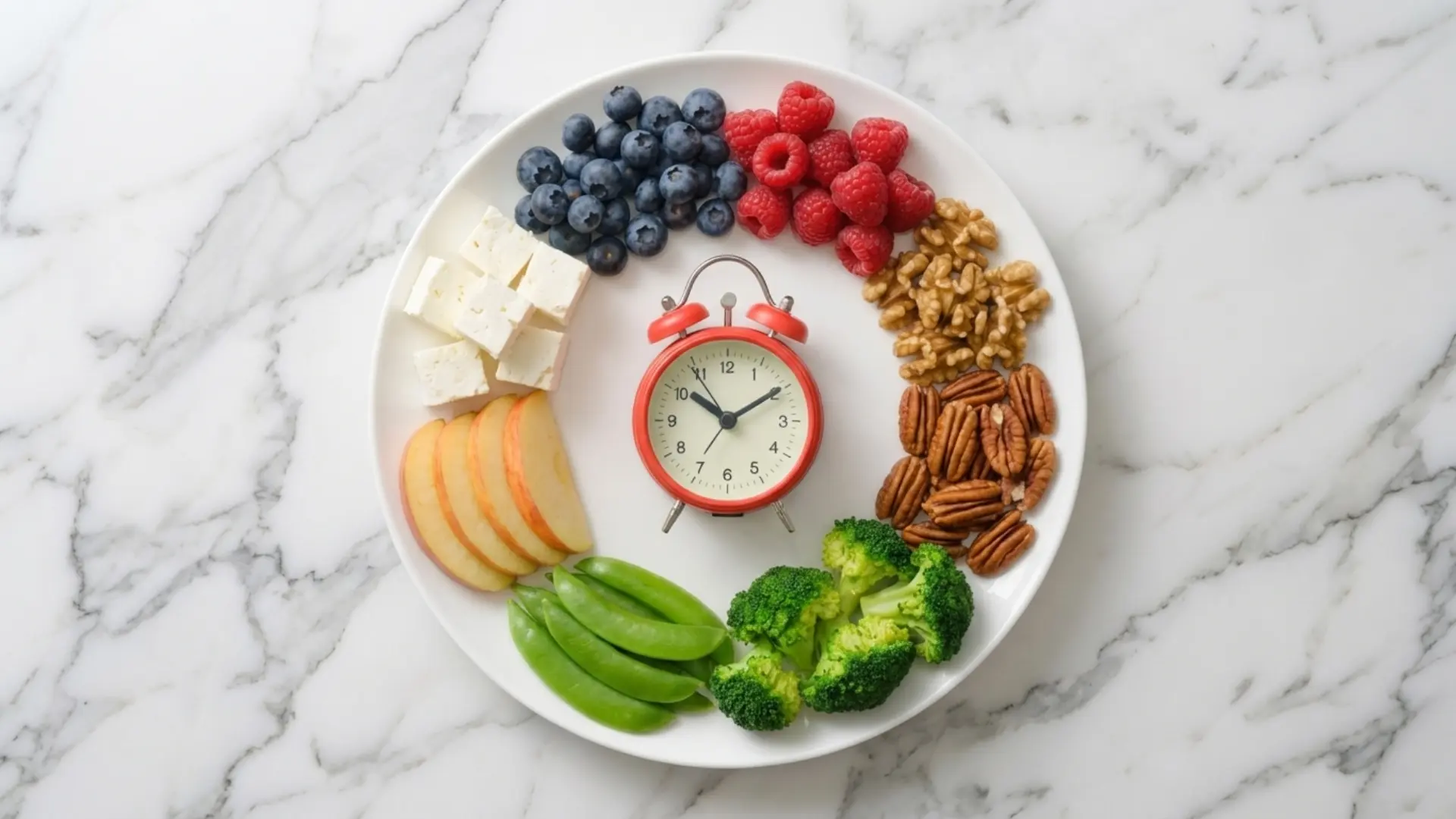














Dealing with unexplained hives, persistent headaches, or bloating after meals can feel frustrating, especially when standard allergy tests come back clear. My focus shifted toward an antihistamine diet after realizing food was the common thread behind my symptoms.
This diet works by cutting foods that overload the body with histamine, giving your system a real chance to settle. It is not complicated, but it does require knowing what to eat, what to cut, and how to start the right way.
I’ll walk you through everything, from understanding how histamine builds up to building a practical plan that fits into daily life.
Disclaimer: This blog is for informational purposes only and does not replace professional medical advice. Following this diet may help reduce symptoms but will not eliminate them entirely. Always consult a healthcare provider if symptoms worsen.
What Is an Antihistamine Diet?
The antihistamine diet is a structured eating approach that reduces your intake of high-histamine foods while increasing foods that may help the body manage histamine levels more effectively.
It is commonly used by people dealing with histamine intolerance, a condition where the body struggles to break down histamine properly, leading to a buildup that triggers allergy-like symptoms. Histamine is a natural compound found in certain foods and also produced by the body.
Normally, an enzyme called DAO (diamine oxidase) breaks it down. When DAO activity is low, or when histamine intake is too high, symptoms begin to surface. The diet works by lowering the overall histamine load, giving the body room to recover. It is typically a temporary protocol, not a lifelong restriction.
How the Antihistamine Diet Works

When food-based histamine builds up faster than your body can break it down, symptoms can follow. Knowing how this process works helps you follow the diet with purpose instead of guessing. Here’s how it works:
- High-histamine foods: aged, fermented, or leftover items flood the gut with more histamine than DAO can process
- DAO insufficiency: when this enzyme is low or blocked, histamine accumulates rather than being broken down
- Histamine liberators: foods like tomatoes, strawberries, and citrus do not contain histamine but prompt the body to release its own stored supply
- Freshness factor: histamine builds up the longer food sits, making even “safe” leftovers a potential trigger
Addressing both dietary histamine and the foods that trigger its release is what makes this protocol more effective than simply cutting out a handful of items.
Benefits of the Antihistamine Diet
Making targeted changes to what you eat can bring meaningful symptom relief, particularly when histamine intolerance is the underlying issue. Here is what people commonly report:
- Fewer hives and less severe skin flare-ups that previously had no clear cause
- Noticeable reduction in chronic headaches or migraines linked to specific meals
- Less bloating and more consistent digestion after eating trigger-heavy foods
- Reduced facial flushing and nasal congestion that previously appeared after meals
- Lower fatigue levels, especially following meals that once left you feeling drained
- A clearer picture of personal food triggers through the elimination and reintroduction process
The benefits depend heavily on consistency and on identifying your specific triggers. Not everyone reacts to the same foods, which is why tracking responses during the process is just as valuable as the diet itself.
Foods to Eat on an Antihistamine Diet
Freshness is non-negotiable here; even naturally low-histamine foods can cause problems if they sit too long. Cook fresh, eat promptly, and freeze anything not used right away.
| Food | Category | Key Note |
| Chicken, turkey | Proteins | Cook fresh, avoid canned or smoked versions |
| Frozen fish, eggs | Proteins | Freeze immediately if not cooking right away |
| Zucchini, broccoli | Vegetables | Safe staples for daily meals |
| Garlic, onion | Vegetables | Also support natural histamine balance |
| Apples, pears | Fruits | Good low-histamine fruit options |
| Mango, melon | Fruits | Skip citrus and strawberries, both are histamine liberators |
| Rice, oats | Grains & Staples | Stick to simple, minimally processed options |
| Olive oil, fresh parsley | Natural Antihistamine Foods | Rich in quercetin and vitamin C, include regularly |
Natural antihistamine foods may help stabilize histamine response over time. They do not replace medication, but including them regularly supports the overall protocol.
Foods to Avoid on an Antihistamine Diet
The foods below either contain high levels of histamine, signal the body to release its own stored histamine, or interfere with the DAO enzyme that breaks down histamine.
| Food | Category | Why It Matters |
| Aged cheeses, canned fish | High-Histamine Foods | Directly add histamine, overwhelming the DAO capacity |
| Smoked meats, leftovers | High-Histamine Foods | Histamine builds up rapidly in stored or processed meats |
| Tomatoes, citrus fruits | Histamine Liberators | Signal the body to release its own stored histamine |
| Strawberries, chocolate | Histamine Liberators | Common triggers, even in small amounts |
| Alcohol, energy drinks | DAO Blockers | Interfere with the enzyme that breaks histamine down |
Removing all three categories during the elimination phase gives the most accurate picture of which foods are contributing to your symptoms.
How to Start an Antihistamine Diet

Starting with a clear structure makes a real difference in what you learn from the process. Here is a practical path forward:
- Step 1: Eliminate all high-histamine and histamine-liberating foods for 2 to 4 weeks. This is your baseline reset period.
- Step 2: Track a daily food and symptom journal. Note what you eat, the time, and any reactions within the next few hours.
- Step 3: Reintroduce symptoms once they have settled, and add one food back at a time. Wait at least 3 days before introducing the next item so you can observe any delayed responses.
- Step 4: Histamine tolerance varies from person to person. Some people react strongly to aged cheese but handle fermented foods fine. The reintroduction phase is where your personal picture becomes clear.
Working with a registered dietitian during this process helps ensure you are not cutting more than necessary and that your nutritional needs are still being met throughout.
What Results to Expect
Most people following the elimination phase consistently begin noticing changes within two to three weeks. Skin reactions tend to settle first, followed by digestive improvements and fewer headaches.
Results vary based on how strictly the protocol is followed and how significant the intolerance actually is, so patience with the process matters. Holding realistic expectations is key. This diet is a tool for identifying your personal triggers and reducing symptom load, not a permanent fix for the underlying issue.
Some people reintroduce most foods without problems. Others find a handful of consistent triggers worth avoiding over the long term. A small number need ongoing dietary management alongside medical support.
Either way, what you learn through the process gives both you and your doctor something concrete to act on.
Safety Concerns to Keep in Mind
Safe for most healthy adults, but cutting fermented foods and certain fruits can create nutritional gaps if not managed carefully.
Who should approach this with extra caution:
- Pregnant or breastfeeding individuals, dietary changes during this period need medical oversight
- Children’s restrictive diets in children should always be supervised by a pediatrician or dietitian
- Anyone with a history of disordered eating, the elimination structure can be triggering and should only be approached with professional support
- Underweight individuals, further food restriction without guidance risks nutritional deficiency
Contact a doctor if:
- Symptoms are severe, sudden, or worsening; this may indicate a true allergy requiring emergency care
- Symptoms do not improve after a full 4-week elimination
- You experience new symptoms during the diet
- You are managing MCAS, long COVID, or another complex condition where dietary change needs to be part of a coordinated care plan
Final Thoughts
Managing histamine intolerance does not have to mean giving up variety or spending every meal second-guessing your plate. From my experience, having a clear structure, knowing exactly what to cut, what to keep, and how to track your responses, makes the whole process far less stressful.
The antihistamine diet provides structure in a way that is temporary, purposeful, and genuinely informative. Stick with the elimination phase consistently, keep a record of how your body responds, and bring a dietitian into the process if possible. If you have any further questions regarding this diet, drop a comment below.