











There’s something oddly comforting about the idea that nature might have a few answers tucked away, especially when it comes to something as frustrating as weight loss.
I’ve gone down that rabbit hole myself, and the information out there ranges from genuinely useful to wildly misleading. If you’ve been looking into herbs for weight loss, the curiosity makes sense.
But herbs are not magic. They work alongside a healthy diet and lifestyle, not instead of one. What they can do is support appetite control, nudge metabolism, and help stabilize blood sugar, making the process more manageable.
This blog breaks down some herbs worth knowing, which ones are overhyped, how to use them safely, and how to build them into a realistic plan.
What Weight Loss Herbs Do
Not every weight-loss herb works through the same mechanism, and choosing one without understanding its function is like reaching for the wrong tool.
Some increase metabolism and thermogenesis, thereby elevating energy expenditure and fat oxidation. Others work on appetite and satiety, dulling hunger signals enough to make eating less feel considerably less effortful.
A separate category targets blood sugar and insulin regulation, smoothing out the glucose spikes that reliably drive cravings. Some support digestion and reduce chronic inflammation, both of which play a quieter but consistent role in weight gain.
Others address cortisol and stress-driven fat storage around the midsection. Finally, some simple clear water retention and bloating. Each targets a different root cause, and knowing which one applies is where the real work begins.
The Four Core Mechanisms of How Herbs Actually Work on Weight
Research on herbs for weight loss identifies four primary biological pathways through which they exert their effects. Understanding these helps you make sense of why different herbs suit different people:
| Mechanism | What It Means | Herbs That Work This Way |
|---|---|---|
| Pancreatic lipase inhibition | Blocks the enzyme that breaks down dietary fat, so less fat is absorbed from meals | Green tea, turmeric |
| Inhibition of lipogenesis/adipogenesis | Reduces how much new fat the body produces and stores | Berberine, cinnamon, turmeric |
| Improved lipid profile | Shifts the ratio of HDL (beneficial) to LDL (harmful) fats in favor of the former | Berberine, fenugreek, ginger |
| Appetite suppression | Reduces hunger signals or slows gastric emptying, making it easier to maintain a caloric deficit | Psyllium, fenugreek, Gymnema, Garcinia |
Best Herbs for Weight Loss
Some herbs work on appetite. Others affect how the body burns energy, manages blood sugar, or handles stress-driven eating.
1. Green Tea
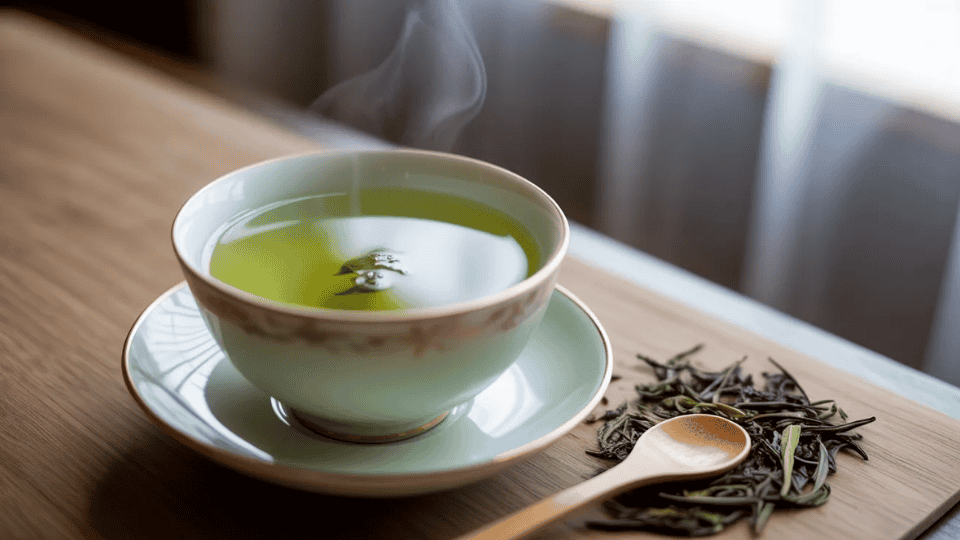
Green tea contains EGCG and caffeine that work together to support fat oxidation, particularly during exercise. The combination gives your metabolism a modest but noticeable boost without relying on heavy stimulants.
It is one of the most practical daily options in this category because it is widely available, easy to incorporate into any routine, and gentle enough for consistent long-term use.
- Suitable For: Healthy adults. Not for pregnant women or caffeine-sensitive individuals.
- Usage: Brewed green tea or matcha.
Green tea is typically the first herb I introduce to clients who are new to using botanicals for weight support. It’s the lowest-risk entry point with the most consistent evidence behind it.
My practical advice is to brew it properly (70–80°C water, not boiling) to preserve the catechin content, and drink it before morning movement rather than in isolation. The synergy with exercise is where most of the effect comes from.
2. Cayenne Pepper
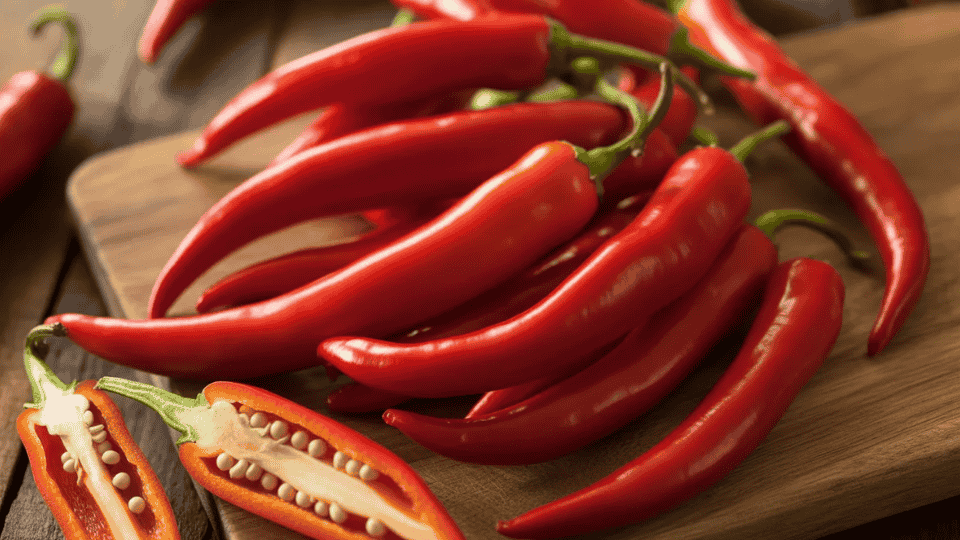
Capsaicin raises body temperature and increases short-term energy expenditure through thermogenesis, making it one of the more straightforward thermogenic herbs available.
It also carries a quieter benefit most people overlook, a mild but real reduction in appetite. The body adapts relatively quickly, however, so cycling it makes considerably more sense than uninterrupted daily use for anyone expecting consistent results.
- Suitable For: Healthy adults who tolerate heat well. Avoid with gastrointestinal conditions or ulcers.
- Usage: Added to meals. Capsules are available, but whole food tends to be better tolerated.
3. Guarana
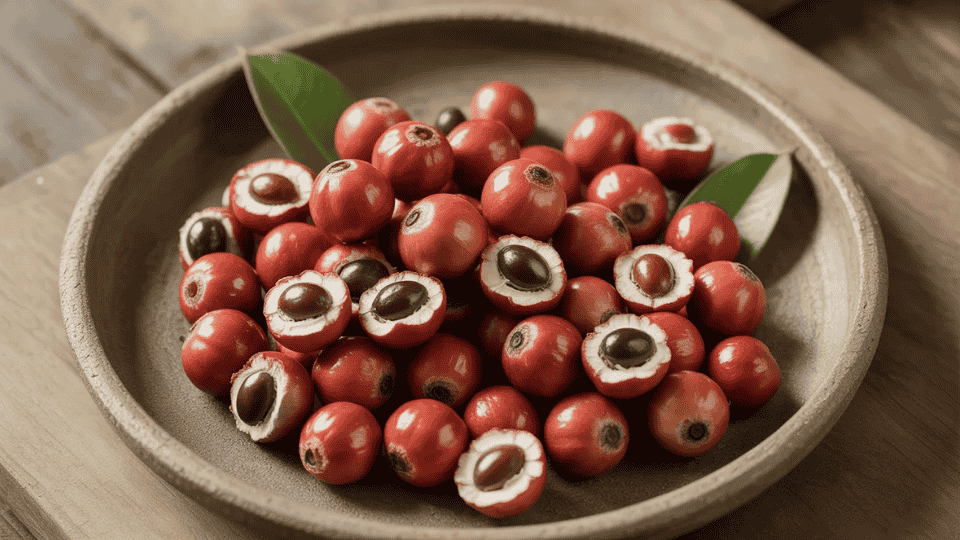
Guarana’s naturally high caffeine content delivers longer-lasting metabolic stimulation than coffee typically does, which makes it a practical thermogenic option for those who need sustained energy output.
It is easy to misuse by stacking it with other stimulants like green tea or coffee, a mistake that is straightforward to avoid once you know to look for it.
- Suitable For: Healthy adults without caffeine sensitivity. Avoid during pregnancy or with heart conditions.
- Usage: Tea or a capsule in the morning. Do not combine with other caffeine sources.
4. Black Pepper / Piperine

Piperine carries a mild thermogenic effect of its own, but its more significant role is as an absorption enhancer for other compounds.
Without it, curcumin from turmeric is poorly absorbed to the point of being nearly ineffective. Small daily amounts are all that is needed; excessive doses serve little purpose and irritate the gut.
- Suitable For: Most healthy adults. Use with caution alongside medications, as piperine affects drug metabolism.
- Usage: Small daily amounts in food. Always pair with turmeric for a meaningful combined benefit.
I think of piperine less as a standalone weight loss herb and more as an essential co-factor. On its own, the weight loss evidence is thin.
But when paired with turmeric or other poorly absorbed botanicals, it can make the difference between a supplement that does something and one that doesn’t.
This is one of the most practical pieces of formulation knowledge in herbalism. The bioavailability question matters more than most people realize.
5. Garcinia Cambogia
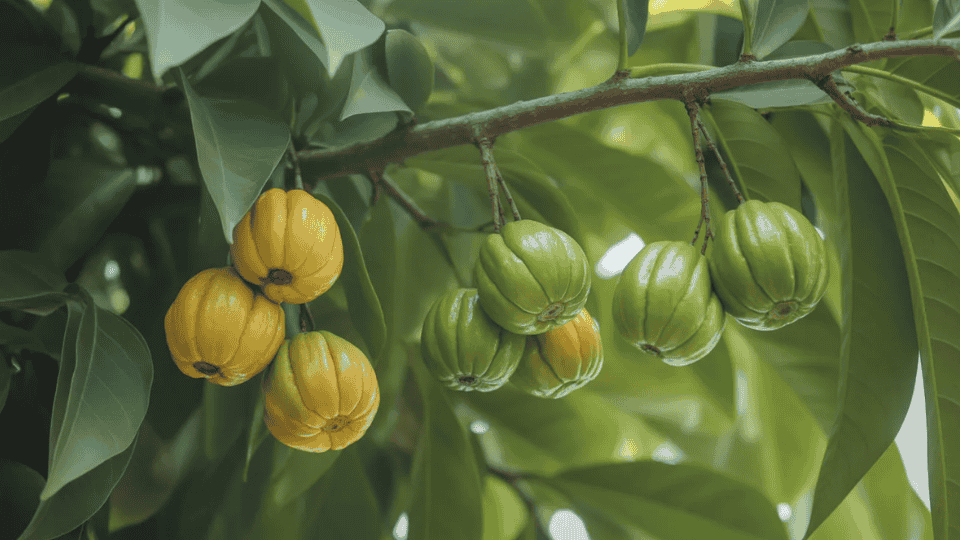
HCA may suppress appetite and inhibit fat-storing enzymes, which sounds promising until the research is examined more closely.
The evidence is genuinely mixed, and this herb has been significantly overpromised by the supplement industry for years. It is included here because it is widely used and deserves an honest assessment, not because the clinical backing is particularly strong.
- Suitable For: Healthy adults. Avoid during pregnancy and with liver conditions.
- Usage: 1,500–3,000 mg HCA daily with meals. Be skeptical of low-dose products marketed as highly effective.
6. Fenugreek
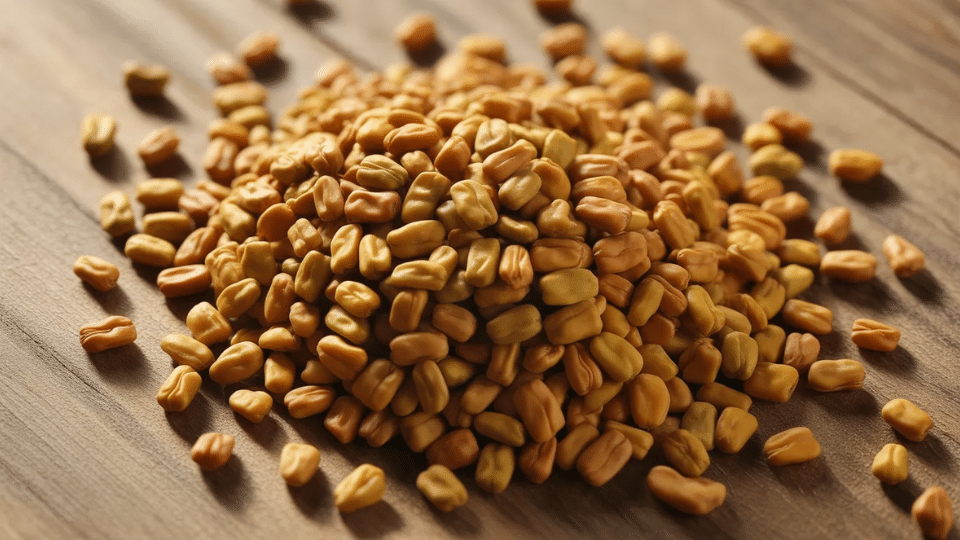
The soluble fiber galactomannan slows digestion and extends fullness through mechanisms that are well understood and considerably less hype-prone than most appetite herbs on the market.
Blood sugar support is a secondary benefit that adds genuine value. The evidence is reasonably consistent across multiple small studies, placing it in a more reliable category than many of its alternatives.
- Suitable For: Healthy adults. Use caution alongside diabetic medication, as it affects blood sugar.
- Usage: Seeds soaked in water, tea, or capsules. Start with small amounts to assess tolerance.
7. Gymnema Sylvestre
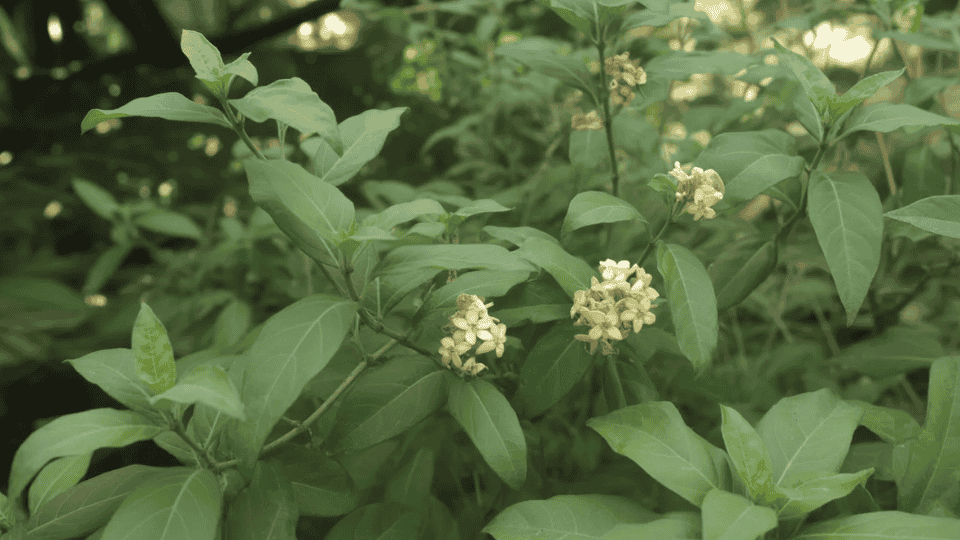
Gymnemic acids temporarily blunt sweet taste receptors and reduce sugar absorption in the gut, making this herb particularly relevant for anyone whose overeating is driven by cravings rather than hunger.
That distinction matters more than most herb lists acknowledge, and Gymnema is one of the few that address it directly, with reasonable evidence to back it up.
- Suitable For: Healthy adults. Monitor blood sugar closely if on diabetic medication.
- Usage: Tea or a capsule taken before meals for the best effect.
In my practice, Gymnema is the herb I reach for when a client’s primary struggle is sweet cravings rather than portion size.
I’ve seen it make a real difference for people who describe feeling “addicted” to sugar. The blunting of sweet taste receptors is a genuinely useful behavioral lever, not just a theoretical mechanism.
I usually recommend it as a tea taken 20–30 minutes before meals where sweet foods are likely to be present.
8. Psyllium Husk
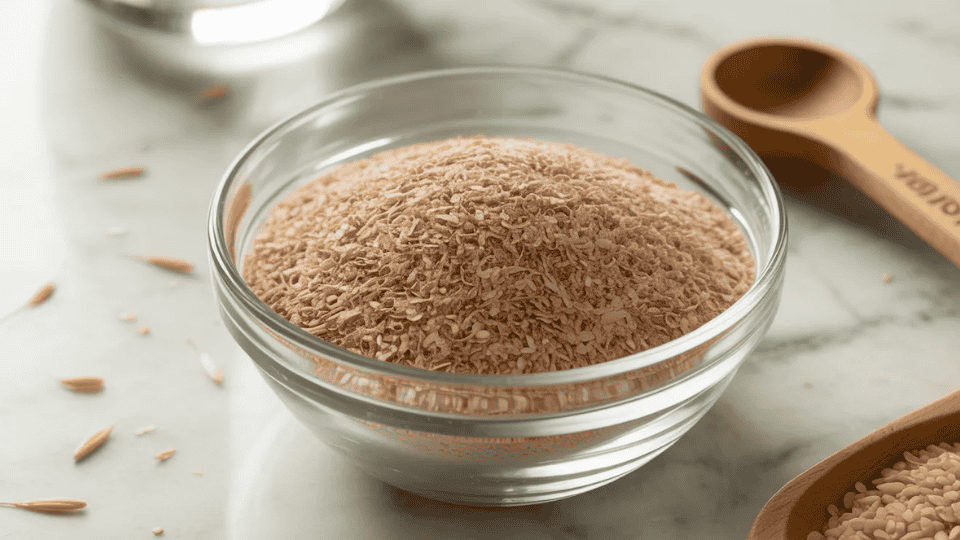
Psyllium expands in the stomach, slows digestion, and extends satiety through straightforward fiber mechanics that require little explanation.
It is one of the more reliably useful options in this category, less exciting than most herbs on this list, but more consistently effective than many of them. For anyone whose main challenge is staying full between meals, it is worth considering seriously.
- Suitable For: Healthy adults. Increase intake gradually to avoid digestive discomfort.
- Usage: ½–1 tsp in water before meals. Always take with plenty of water to avoid bloating.
9. Cinnamon
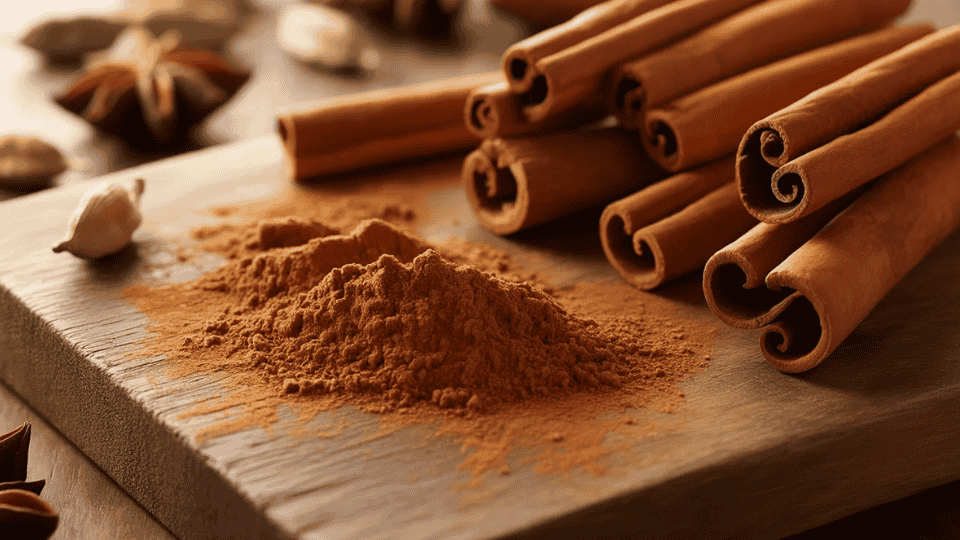
Cinnamon improves insulin sensitivity and reduces post-meal glucose spikes, which matters most for people whose hunger is craving-driven rather than calorie-driven.
One detail most sources skip over entirely: Ceylon cinnamon should be used rather than Cassia, which contains coumarin, a compound that places meaningful stress on the liver with regular, sustained use.
- Suitable For: Healthy adults. Avoid therapeutic doses during pregnancy or alongside blood-thinning medication.
- Usage: ½ tsp in food or drinks daily. Switch to Ceylon specifically for any regular long-term use.
10. Berberine
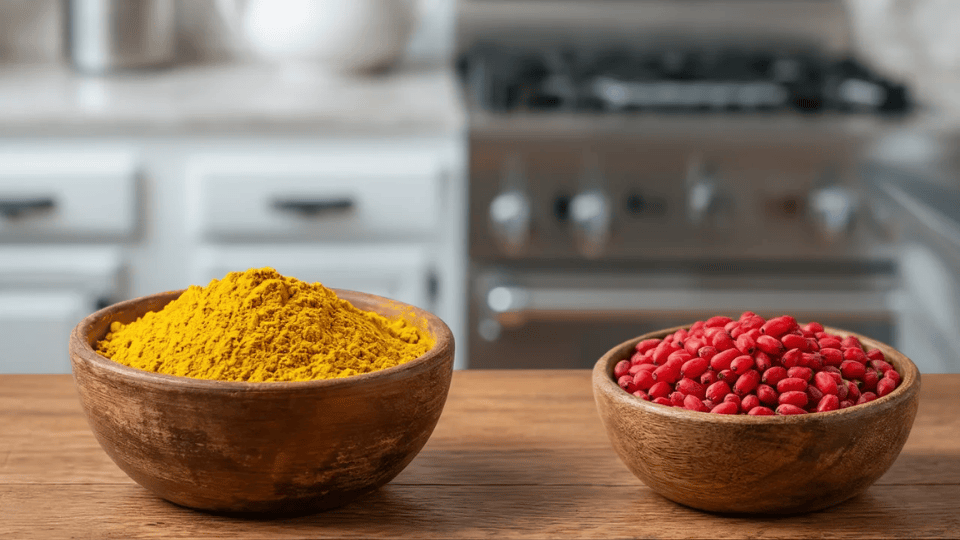
Berberine is technically an alkaloid extracted from plants like goldenseal and barberry rather than an herb itself, but the clinical evidence here is strong enough to warrant inclusion.
It activates AMPK and has been compared to metformin across several studies. It also carries the most significant drug interaction risk on this entire list, which makes medical consultation non-negotiable.
- Suitable For: Adults under medical supervision only. Not suitable during pregnancy.
- Usage: 500 mg 2–3x daily with meals. Consult a doctor before starting without exception.
Berberine is the herb I am most careful about in consultations. The evidence is genuinely impressive. The AMPK activation mechanism is well documented, and the metformin comparisons in the literature are real. But so is the interaction risk.
I have already had people arrive who were taking metformin and were unaware that stacking berberine on top significantly amplifies the blood sugar-lowering effect.
Before recommending this to anyone, I always ask about their medication list first, without exception. The headline is good; the footnotes require attention.
11. Holy Basil / Tulsi
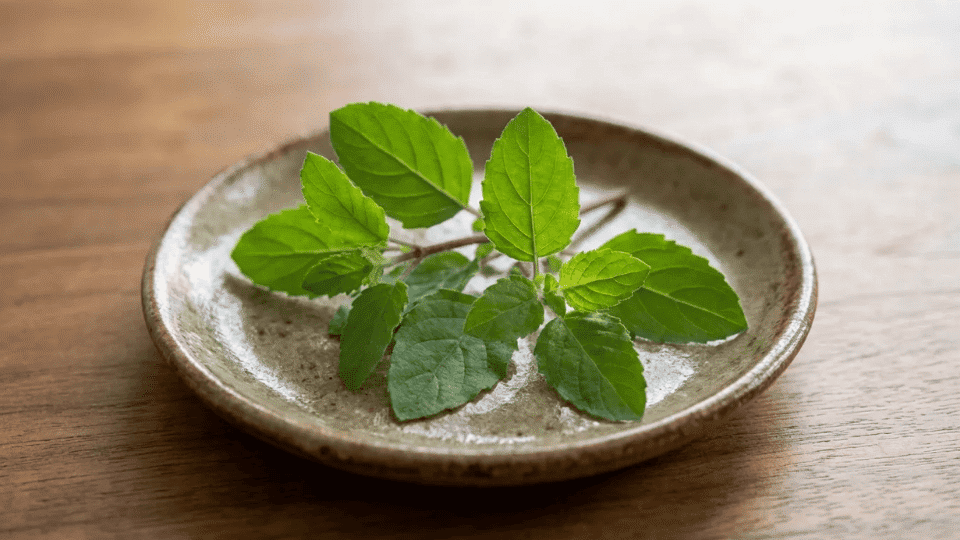
Holy basil works across two fronts simultaneously, lowering cortisol as an adaptogen while also moderating blood sugar response.
This dual action makes it particularly useful for a specific type of overeater whose eating patterns are driven more by stress than genuine hunger. Long-term data remains limited, but short-term tolerance is generally good, and side effects are rare.
- Suitable For: Healthy adults. Consult a doctor if on blood sugar or blood pressure medication.
- Usage: Tea is the most accessible and well-tolerated form for regular daily use.
12. Turmeric
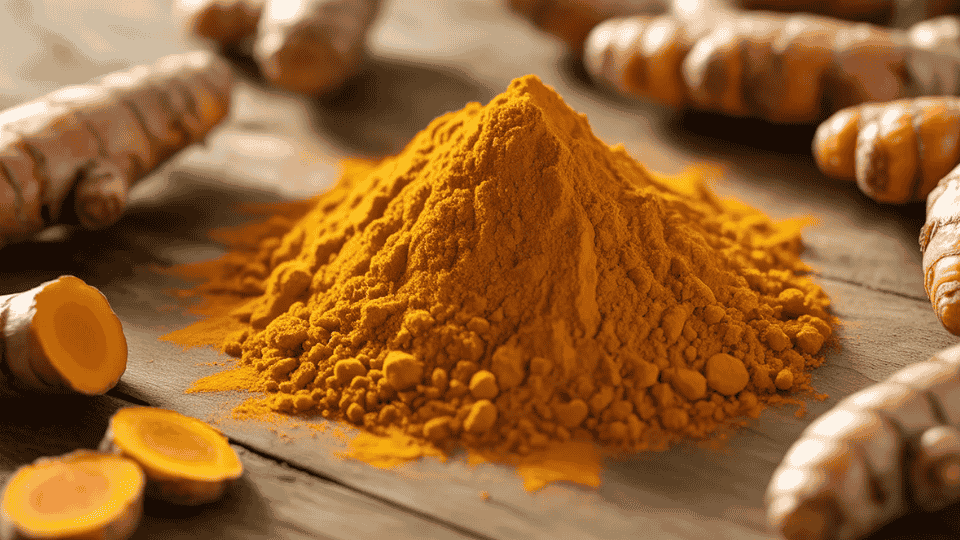
Curcumin does not burn fat directly, that is worth stating clearly. What it does is reduce chronic inflammation, which increasingly appears to interfere with metabolic function over time in ways that are difficult to attribute to any single cause.
The benefit is real but indirect and slow-building, and without black pepper it is absorbed poorly enough to make supplementation largely pointless.
- Suitable For: Healthy adults. Avoid high doses during pregnancy or alongside blood-thinning medication.
- Usage: Always pair with black pepper. Capsules or golden milk work well for daily consistency.
13. Ginger
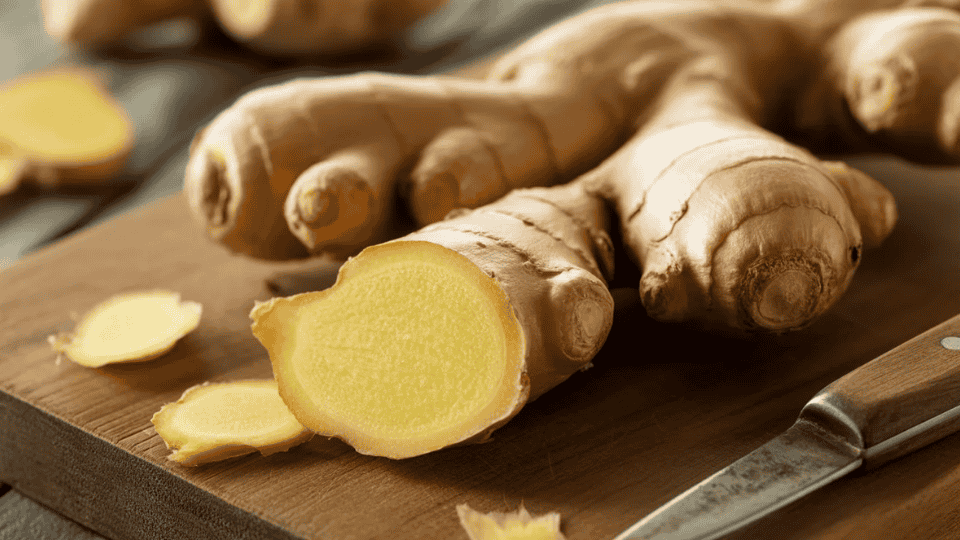
Gingerols support digestion, produce a mild thermogenic effect, and may reduce hunger slightly, though the appetite evidence remains more preliminary than the digestive evidence.
Ginger earns its place quietly rather than dramatically, and it is one of the better-tolerated herbs on this list, a practical choice for anyone looking for gentle, consistent support rather than aggressive intervention.
- Suitable For: Healthy adults. High doses may slightly thin the blood; use caution before surgery.
- Usage: Fresh in hot water, tea, or capsules, depending on preference and tolerance.
14. Ashwagandha

Ashwagandha addresses the version of weight gain that most herb lists overlook entirely, the kind driven by chronically elevated cortisol rather than diet alone.
For someone eating reasonably well but still holding weight, particularly around the abdomen, this is an angle worth knowing about. The cortisol research is solid; the direct weight loss research is thinner, but the indirect connection is well established.
- Suitable For: Healthy adults. Check with a doctor if thyroid conditions are present, as ashwagandha can affect thyroid hormone levels.
- Usage: Capsule or powder in warm milk at night for best absorption and sleep support.
15. Dandelion

Dandelion has a genuine diuretic effect, reducing water retention and easing bloating through mechanisms that are reasonably well understood.
The scale drop it produces is real, but it is water weight, not fat, and it returns with normal fluid intake. It is a reasonable option for someone dealing with puffiness or cyclical bloating, provided expectations stay realistic about what it actually does.
- Suitable For: Healthy adults. Avoid with kidney conditions or diuretic medication.
- Usage: Tea or tincture as needed. Effects are temporary and should be understood as such.
16. Oregano (Carvacrol)
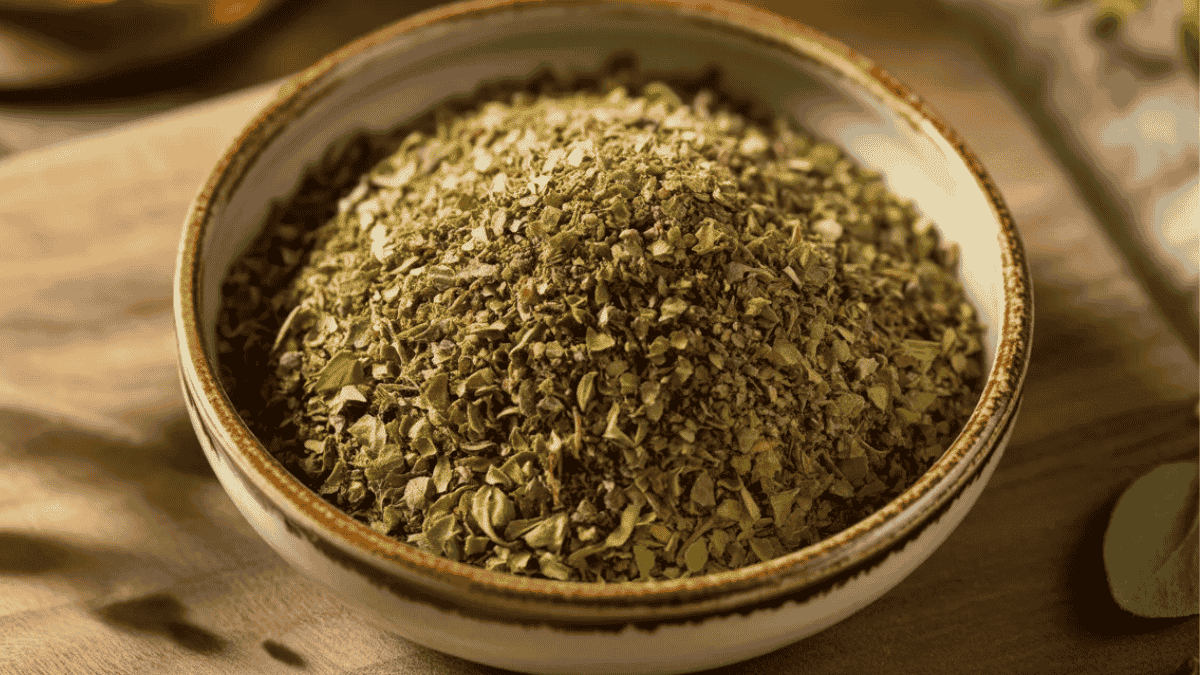
Oregano is rarely listed in weight loss herb guides, which is partly why it belongs here. The active compound, carvacrol, has been the subject of a growing body of research on its effects on fat metabolism.
Carvacrol directly influences the genes and proteins responsible for fat synthesis, a more targeted mechanism than most kitchen herbs can claim.
Its anti-inflammatory and metabolic properties make it a genuinely interesting botanical for longer-term gut health support alongside a weight management plan.
- Suitable For: Healthy adults.
- Usage: Fresh or dried in cooking, or as a diluted essential oil supplement. Food-grade forms are preferable for daily use.
Herbs That Are Overhyped for Weight Loss
Not every herb marketed for fat loss deserves the attention it gets. A few are worth calling out, because recognizing what doesn’t work is just as useful as knowing what might.
| Herb | What It Actually Does | The Real Risk |
|---|---|---|
| Senna | Laxative, expels water and stool, not fat | Prolonged use disrupts electrolyte balance and gut function |
| “Detox Tea” Blends | Usually senna in disguise, sometimes with added stimulant laxatives | Before/after results are water loss — it comes back |
| Bitter Orange | Contains synephrine, a stimulant used after ephedra was banned | Real cardiovascular safety concerns; most guidelines don’t recommend it |
Most blogs skip this section entirely. These three aren’t in most lists, but leaving them out does a disservice to anyone trying to make genuinely informed decisions about what they put in their body.
Detox teas are the thing I am most frequently asked about, and the thing I feel most strongly about pushing back on. In my years of working with botanical medicine, I have watched this category mislead more people than almost anything else in the natural health space.
The before-and-after photos are real, the weight loss is not. You are watching a person lose water and stool weight over 24–48 hours, and then regain it. The brands selling these products know exactly what they are doing.
A 2014 PMC study reviewing herbal weight loss products found that slimming products have been found to contain restricted or prohibited substances not disclosed on the label, including compounds similar to ephedra. That is a genuine safety concern.
It is also worth noting that the FDA does not review dietary supplements for safety or efficacy before they reach the market.
“Natural” on a label does not mean tested or safe. Third-party verified products from transparent brands are always the more defensible choice.
Who Should Avoid Weight Loss Herbs?
Some people need to approach herbal supplements with more caution than others, and no amount of “natural = safe” reasoning changes that. A doctor’s input matters.
- Pregnancy & breastfeeding: Most weight loss herbs haven’t been studied here; the default from most healthcare providers is to avoid them entirely.
- Thyroid disorders: Ashwagandha and high-dose green tea can interact with thyroid function or medication.
- Heart conditions: Stimulant herbs such as green tea extract and cayenne may raise heart rate and blood pressure.
- Diabetes medication: Berberine, cinnamon, and fenugreek can amplify blood sugar-lowering effects, risking hypoglycemia.
- Blood thinners: Turmeric and ginger may interact with anticoagulants like warfarin.
- Anyone taking prescription medications should review their herbal choices with a pharmacist or physician. Piperine alone alters the absorption of a surprisingly wide range of drugs. This is not a theoretical concern.
This isn’t a reason to avoid herbs altogether; it’s a reason to be informed before starting. When in doubt, professional guidance is always the safer call.
How to Combine Herbs with a Weight Loss Plan
Herbs work best when fitted into a real plan rather than taken in isolation and hoped for. Understanding how and when to use them changes what they can actually deliver.
- Identify what’s driving the weight gain: Cravings? Stress eating? Slow metabolism? The answer determines which herb group is even worth starting with. Using a thermogenic when the real problem is cortisol is just noise.
- Pair appetite herbs with high-protein meals: Fenugreek and Garcinia Cambogia work better around meals that already support satiety. Protein does the heavy lifting; the herb supports it.
- Time-released thermogenics before movement: Green tea or cayenne, 30–60 minutes before a walk or workout, may slightly and consistently enhance calorie burn.
- Treat stress as part of the plan: Ashwagandha works better alongside real stress management, sleep, movement, and boundaries than as a standalone fix. It’s not a substitute for addressing what’s actually causing the cortisol spike.
The herbs that make a genuine difference are the ones chosen with intention, used consistently, and supported by an honest understanding of what they can realistically do.
A Simple Starting Protocol by Root Cause
Over seven years working with clients on plant-based approaches to health goals, I have found that the most common mistake people make is choosing herbs based on what they have heard about rather than what their body is actually doing.
Here is a rough framework I use in practice:
Root Cause | Primary Herbs to Consider | Notes |
Sugar cravings/blood sugar instability | Gymnema, Cinnamon (Ceylon), Berberine* | *Berberine requires medical supervision |
Poor satiety/can’t stay full | Psyllium Husk, Fenugreek | Take with plenty of water before meals |
Stress-driven eating/belly fat | Ashwagandha, Holy Basil / Tulsi | Address sleep and stress triggers in parallel |
Slow metabolism/low energy | Green Tea (+ exercise), Ginger, Cayenne | Time before movement for best effect |
Chronic inflammation/metabolic resistance | Turmeric + Black Pepper, Ginger | Long-term approach; results are slow-building |
Temporary bloating/water retention | Dandelion | Realistic expectations, this is not fat loss |
Precautions and Safety Tips
Herbs can be powerful, and using them without care can lead to unwanted effects. A few simple precautions go a long way in keeping your experience safe and effective. Here is what you need to keep in mind before starting:
- Some herbs interact with medications, and berberine paired with blood sugar drugs is the most notable example to watch for.
- Always start with smaller doses since tolerance levels vary more than most people expect.
- Diuretics like dandelion should not be used excessively as they can deplete electrolytes alongside fluids.
- Anyone who is pregnant, nursing, or managing a chronic condition should consult a healthcare provider first.
- Choose third-party tested products. Because dietary supplements are not pre-approved by the FDA for safety or efficacy, product quality varies significantly between brands. Look for NSF Certified, USP Verified, or Informed Sport labels as minimum quality signals.
- Use one new herb at a time. Introducing multiple herbs simultaneously makes it impossible to identify which are helping, which are doing nothing, and which may be causing a reaction. Give each herb 3–4 weeks before evaluating its effect or adding anything else.
These precautions are not meant to discourage you from using herbs. They are simply there to help you use them in the safest and most effective way possible.
Conclusion
Sorting through what actually works in the world of natural supplementation takes time, and honestly, a fair amount of skepticism.
The herbs for weight loss worth paying attention to are the ones with reasonable evidence and realistic expectations behind them: green tea, fenugreek, cinnamon, berberine, ginger.
The ones worth skipping are the detox blends, senna teas, and anything promising visible results inside a week. What this blog tried to do was lay that out clearly, which herbs target what, where the evidence holds up, and where it doesn’t.
I’d rather leave someone with a grounded starting point than an exciting but useless list.
If something here was useful or sparked a question, drop it in the comments, happy to dig deeper into any of these in a future post.