













Nobody talks about how exhausting it is to have an ulcer. Every bite feels like a risk, every meal comes with a side of anxiety, and the pain has a way of showing up without warning.
The good news is that the right foods can actually work in your favor. That is why I put together this simple 7-day meal plan for ulcers. Here, I will walk you through a full week of meals that are gentle on your stomach and easy to follow.
You will also learn which foods help ulcers heal faster, which ones make symptoms worse, and simple tips that take the guesswork out of eating. By the end, you will have a clear and practical plan you can start using right away.
Understanding Ulcers and How Diet Helps
Stomach and duodenal ulcers are open sores that form in the lining of your stomach or the first part of your small intestine. These sores often develop when stomach acid damages the protective lining of the digestive tract.
The most common cause of stomach ulcers is infection with a bacterium called Helicobacter pylori (H. pylori).
Prolonged use of non-steroidal anti-inflammatory drugs (NSAIDs) such as ibuprofen or aspirin is the second most frequent cause.
Understanding what is driving your ulcer matters because it directly influences both your treatment and your dietary approach.
If your ulcer is H. pylori-related, for example, certain foods with natural antimicrobial properties may provide additional support alongside prescribed antibiotics.
When you have an ulcer, what you eat can make a big difference in how you feel. Spicy, acidic, and very fatty foods may irritate the sore and increase pain or burning.
On the other hand, mild and soft foods are usually easier on your stomach. Foods with natural anti-inflammatory effects may also support healing.
A balanced diet helps control acid levels, protects the stomach lining, and reduces irritation so the ulcer can heal more comfortably.
Key Foods to Include in an Ulcer-Friendly Diet
Eating the right foods can help calm your stomach and support healing. In my practice, I’ve seen how clients who shift to gentle, balanced meals, even before making bigger lifestyle changes, often notice a meaningful reduction in daily irritation within the first week or two.
The stomach responds relatively quickly when you remove the friction. What surprises most people is how satisfying ulcer-friendly eating can still be.
The goal is never restriction for its own sake; it’s about choosing ingredients that work with your digestive system rather than against it.
1. Foods Rich in Fiber
Fiber helps your digestion stay steady and may reduce excess stomach acid. When you include gentle fiber foods in daily meals, your stomach often feels calmer.
- Oatmeal: Soft, filling, and easy to digest. It coats the stomach and helps reduce irritation.
- Bananas: Naturally mild and low in acid, making them one of the safest fruits for sensitive stomachs. They also help stimulate mucus production in the stomach lining, which adds a layer of protection against acid.
- Carrots: Cooked carrots are gentle on digestion and provide fiber that supports overall gut health.
- Brown rice: A simple whole grain that provides fiber while staying easy for the stomach to handle.
Adding fiber slowly to your meals helps digestion stay smooth and keeps your stomach from producing too much acid.
2. Lean Proteins
Your body needs protein to repair tissues, including the lining of your stomach. Choosing lean sources helps you get nutrients without adding extra fat.
- Chicken breast: A light protein source that supports tissue repair and keeps meals easy to digest.
- Turkey: Mild in flavor and low in fat, making it a safe choice for many people with ulcers.
- Fish: Soft and easy to digest, while also providing nutrients that support healing.
- Tofu: A gentle plant protein that works well in simple meals and soups.
When you include lean proteins in balanced meals, your body gets the building blocks it needs to repair the stomach lining.
3. Low-Acidity Fruits and Vegetables
Some fruits and vegetables are naturally mild and less acidic. These foods help nourish your body while minimizing stomach irritation.
- Apples: Soft apples or applesauce provide fiber and nutrients while remaining gentle on the stomach.
- Pears: Low in acidity and easy to digest, making them a safe fruit option for many people.
- Sweet potatoes: A soft, nutrient-rich vegetable that is filling and soothing for digestion.
- Spinach: A mild leafy green that adds vitamins and minerals without increasing stomach irritation.
Choosing fruits and vegetables with lower acidity helps keep your stomach calm while still giving your body essential nutrients.
4. Healthy Fats
Your stomach still needs fats, but choosing the right ones makes a difference. Healthy fats are easier on digestion and may help protect the stomach lining.
- Olive oil: A gentle cooking oil that adds healthy fat without causing heaviness or irritation.
- Avocado: Soft, nutrient-rich, and naturally mild, making it a good fat source for sensitive stomachs.
- Almonds: Provide healthy fats and nutrients when eaten in small portions.
- Walnuts: Another nutrient-dense option that adds beneficial fats to balanced meals.
Using moderate amounts of healthy fats helps keep meals satisfying while avoiding the irritation associated with heavier, greasier foods.
5. Probiotics
Probiotics are helpful bacteria that support gut balance. Including probiotic foods may help strengthen the stomach lining and improve overall digestion.
- Yogurt: A common probiotic food that supports gut balance when it contains live cultures.
- Kefir: A fermented dairy drink rich in probiotics that may support digestive health.
- Buttermilk: A light fermented dairy option that can help soothe the stomach.
- Probiotic-rich yogurt drinks: These provide helpful bacteria that support a healthier digestive system.
Regular probiotic foods may support the stomach’s natural balance and help your digestive system recover more comfortably.
For those who are dairy-free, fermented plant-based options like miso, tempeh, and low-sodium sauerkraut are excellent probiotic alternatives and can be introduced gradually to assess tolerance.
When choosing yogurt, look for labels that specify “live and active cultures.” Not all yogurt products contain enough viable bacteria to have a meaningful probiotic effect.
Antioxidant-Rich Foods That Support Ulcer Healing
Oxidative stress can weaken the stomach’s protective lining and slow recovery. Antioxidant-rich foods help counteract this process and support cellular repair.
These are especially worth including if your ulcer is connected to an H. pylori infection.
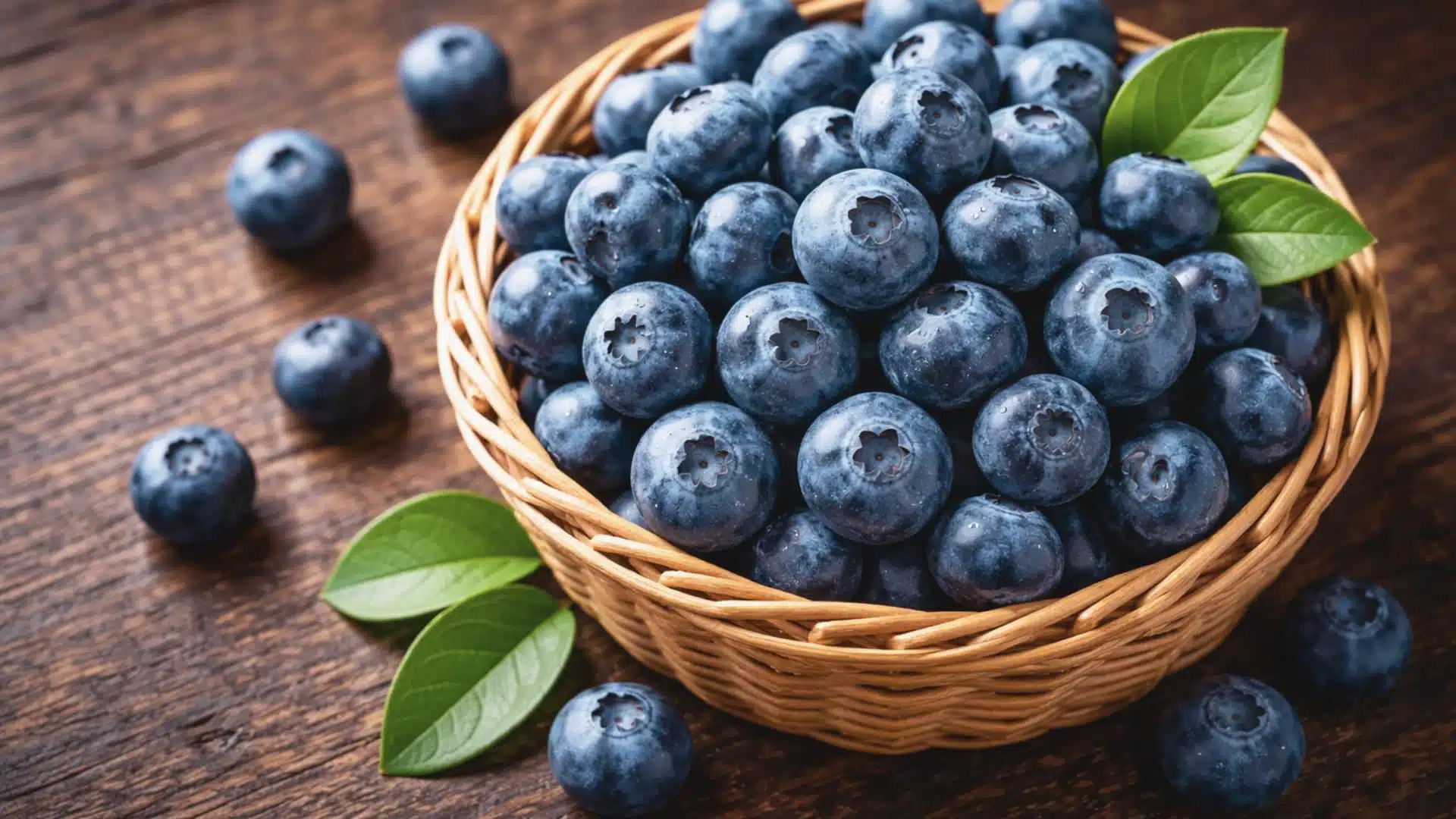
- Berries (blueberries, strawberries, raspberries): Contain anthocyanins, which have been linked to reduced stomach inflammation and may help inhibit H. pylori activity.
- Broccoli and broccoli sprouts: A natural source of sulforaphane, a compound that has shown antibacterial properties against H. pylori in research settings. Light steaming is best to preserve the active compounds.
- Red bell peppers: High in vitamin C, which plays a direct role in wound healing and supports the regeneration of damaged stomach tissue.
- Honey (especially manuka honey): Naturally antimicrobial and has been used traditionally to soothe the stomach lining. Use in small amounts as a mild sweetener in oatmeal or yogurt.
7-Day Meal Plan for Ulcers
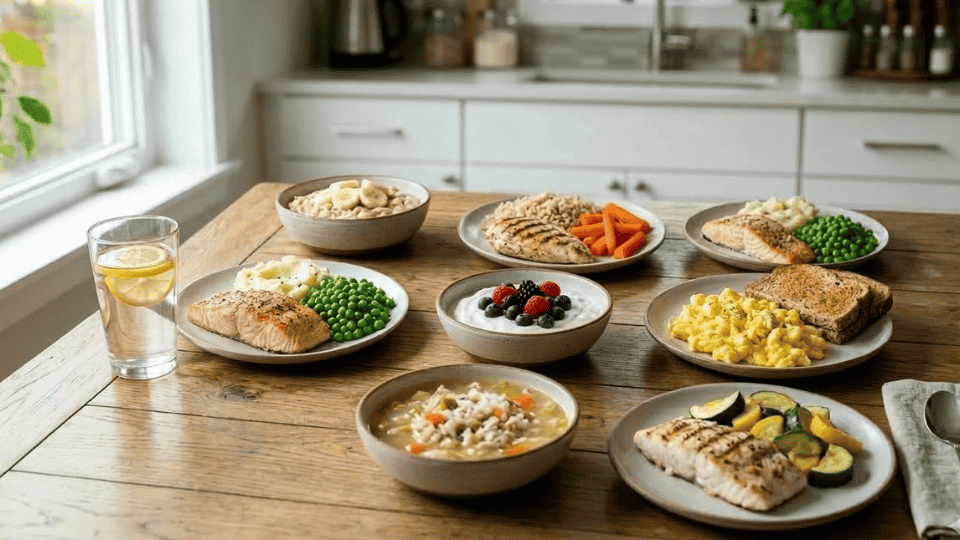
A note before you begin: this plan is designed as a practical starting framework, not a fixed prescription.
Individual tolerance varies more with ulcers than with most other conditions. Some people do well with mild spices like turmeric and oregano; others react even to those.
I recommend keeping a simple food journal alongside this plan for the first week. Note what you ate and how you felt 30–60 minutes after each meal. That data will tell you more about your personal triggers than any generic list can.
Across all days, season meals with mild herbs only: basil, parsley, oregano, thyme, turmeric, or dill are generally well-tolerated. Avoid garlic, onion, chili, black pepper, and hot sauces until symptoms are clearly under control.
Day 1 Meal Plan
Start the week with soft grains, lean protein, and cooked vegetables that are easier on the stomach. Here is what a simple and stomach-friendly day of eating looks like:
| Meal | Food | Portion Size | Calories | Prep Time |
|---|---|---|---|---|
| Breakfast | Oatmeal with milk and sliced bananas | 1 cup oatmeal, 1 medium banana | 350 kcal | 10 mins |
| Lunch | Grilled chicken, brown rice, and steamed carrots | 100g chicken, 1 cup rice, ½ cup carrots | 450 kcal | 20 mins |
| Dinner | Baked salmon, mashed potatoes, and cooked spinach | 100g salmon, ½ cup potatoes, ½ cup spinach | 400 kcal | 25 mins |
| Snack | Plain yogurt with soft berries | 1 cup yogurt, ¼ cup berries | 150 kcal | 5 mins |
These meals focus on simple ingredients that support digestion and help reduce irritation during the early days.
Day 2 Meal Plan
This day focuses on light meals made with mild ingredients that are easier to digest and gentle on your stomach while still providing balanced nutrition:
| Meal | Food | Portion Size | Calories | Prep Time |
|---|---|---|---|---|
| Breakfast | Scrambled eggs, whole wheat toast, and a banana | 2 eggs, 1 slice of toast, 1 banana | 320 kcal | 10 mins |
| Lunch | Turkey sandwich with lettuce and cucumber | 2 slices of bread, 80g of turkey, lettuce, and cucumber | 420 kcal | 15 mins |
| Dinner | Baked chicken breast, brown rice, and steamed zucchini | 100g chicken, 1 cup rice, ½ cup zucchini | 430 kcal | 25 mins |
| Snack | Yogurt with honey or a ripe banana | 1 cup yogurt, 1 tsp honey | 150 kcal | 5 mins |
Balanced meals with lean protein and whole grains help maintain energy while keeping the stomach comfortable.
Day 3 Meal Plan
Meals today include mild foods that provide important nutrients while staying gentle on your stomach. These simple choices help reduce irritation and support steady digestion:
| Meal | Food | Portion Size | Calories | Prep Time |
|---|---|---|---|---|
| Breakfast | Oatmeal with sliced apples and honey | 1 cup oatmeal, ½ apple, 1 tsp honey | 320 kcal | 10 mins |
| Lunch | Grilled chicken salad with spinach and cucumber | 100g chicken, 1 cup spinach, ½ cup cucumber | 400 kcal | 15 mins |
| Dinner | Baked fish with mashed sweet potatoes and broccoli | 100g fish, ½ cup sweet potatoes, ½ cup broccoli | 420 kcal | 25 mins |
| Snack | Plain yogurt or melon slices | 1 cup yogurt or 1 cup melon | 150 kcal | 5 mins |
Soft foods and lean proteins continue to support digestion while reducing the risk of stomach irritation.\
Day 3 introduces lightly steamed broccoli at dinner, which is a gentle source of sulforaphane. Steam for no more than 3–4 minutes to preserve the active compounds.
Day 4 Meal Plan
This day combines cooked vegetables and lean proteins to keep meals balanced, support steady digestion, and be gentle on your stomach:
| Meal | Food | Portion Size | Calories | Prep Time |
|---|---|---|---|---|
| Breakfast | Greek yogurt with banana and oats | 1 cup yogurt, ½ banana, ¼ cup oats | 300 kcal | 5 mins |
| Lunch | Vegetable soup with carrots, potatoes, and chicken | 1 bowl of soup, 80g chicken, mixed vegetables | 380 kcal | 20 mins |
| Dinner | Grilled turkey, brown rice, and steamed green beans | 100g turkey, 1 cup rice, ½ cup beans | 420 kcal | 25 mins |
| Snack | Applesauce or ripe pear | ½ cup applesauce or 1 small pear | 120 kcal | 5 mins |
Meals remain light and easy to digest, helping maintain comfort while still providing steady nutrition.
Day 5 Meal Plan
The meals today continue to focus on mild foods that support digestion and help reduce irritation, while still providing your body with steady energy throughout the day:
| Meal | Food | Portion Size | Calories | Prep Time |
|---|---|---|---|---|
| Breakfast | Scrambled eggs, oatmeal, and sliced bananas | 2 eggs, ½ cup oatmeal, ½ banana | 330 kcal | 10 mins |
| Lunch | Grilled chicken wrap with lettuce and avocado | 1 whole wheat wrap, 90g chicken, lettuce, ¼ avocado | 420 kcal | 15 mins |
| Dinner | Baked cod with mashed potatoes and cooked carrots | 100g cod, ½ cup potatoes, ½ cup carrots | 410 kcal | 25 mins |
| Snack | Yogurt with honey or soft fruit | 1 cup yogurt, 1 tsp honey or ½ cup fruit | 150 kcal | 5 mins |
Simple meal combinations provide balanced nutrition while remaining gentle on the stomach throughout the day.
Day 6 Meal Plan
Meals today include whole grains, lean protein, and cooked vegetables that help support digestion while staying gentle on your stomach throughout the day:
| Meal | Food | Portion Size | Calories | Prep Time |
|---|---|---|---|---|
| Breakfast | Oatmeal with milk and melon slices | 1 cup oatmeal, ½ cup melon, ½ cup milk | 320 kcal | 10 mins |
| Lunch | Brown rice bowl with grilled chicken and vegetables | 1 cup rice, 100g chicken, ½ cup vegetables | 430 kcal | 20 mins |
| Dinner | Turkey meatballs with whole wheat pasta | 100g turkey meatballs, 1 cup pasta | 420 kcal | 25 mins |
| Snack | Plain yogurt or applesauce | 1 cup yogurt or ½ cup applesauce | 150 kcal | 5 mins |
These foods help maintain energy while avoiding ingredients that may irritate the stomach lining.
Day 7 Meal Plan
The final day keeps meals simple and balanced while continuing to support gentle digestion and steady energy without adding extra strain on your stomach:
| Meal | Food | Portion Size | Calories | Prep Time |
|---|---|---|---|---|
| Breakfast | Whole wheat toast, scrambled eggs, and a banana | 2 eggs, 1 slice of toast, 1 banana | 340 kcal | 10 mins |
| Lunch | Chicken soup with rice, carrots, and spinach | 1 bowl of soup, ½ cup rice, mixed vegetables | 380 kcal | 20 mins |
| Dinner | Grilled fish, quinoa, and steamed zucchini | 100g fish, ½ cup quinoa, ½ cup zucchini | 410 kcal | 25 mins |
| Snack | Yogurt with soft fruit | 1 cup yogurt, ½ cup soft fruit | 150 kcal | 5 mins |
Ending the week with mild meals helps maintain comfort and provides a steady routine for ulcer-friendly eating.
Foods to Avoid If You Have an Ulcer
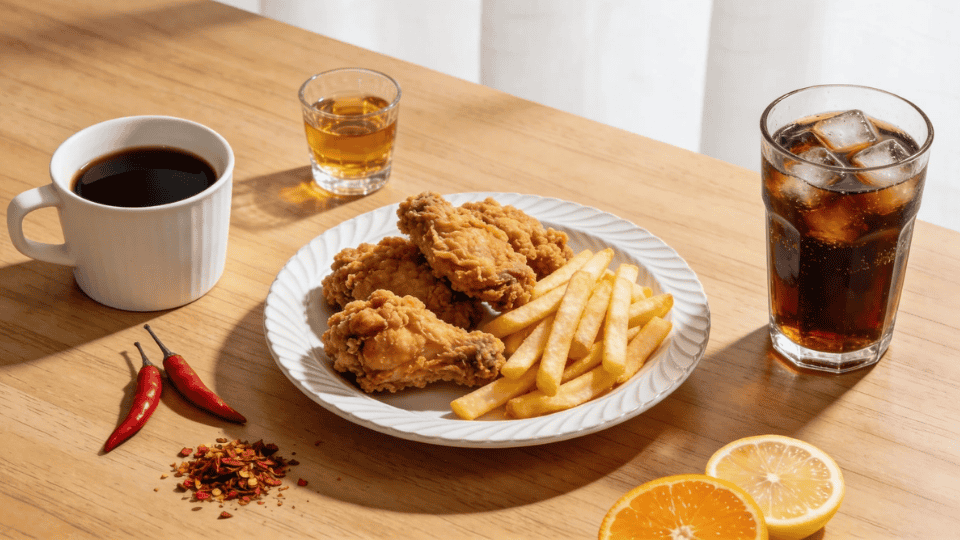
Some foods and drinks can irritate the stomach lining and worsen ulcer symptoms. Limiting these items often helps reduce pain, control acid levels, and support healing.
- Spicy Foods – Strong spices like chili, hot sauces, and pepper blends can irritate the stomach lining. This irritation may increase burning, discomfort, and sensitivity in people with ulcers.
- Fried Foods – Deep-fried foods contain high amounts of fat that slow digestion. Slower digestion can lead to greater acid buildup, worsening irritation and discomfort.
- Alcohol – Alcohol can damage the protective lining of the stomach. Regular drinking may increase inflammation and make it harder for existing ulcers to heal properly.
- Coffee and Caffeine – Drinks that contain caffeine may increase stomach acid production. Higher acid levels can worsen ulcer symptoms and increase burning or stomach pain. Note that even decaf coffee can stimulate gastric acid release in some individuals. Herbal teas, such as chamomile or ginger tea, are a gentler alternative.
- Acidic Fruits – Citrus fruits like oranges, lemons, and grapefruits contain natural acids that may irritate sensitive stomach tissues and increase discomfort for people with ulcers.
- Carbonated Drinks – Fizzy beverages can increase gas and pressure inside the stomach. This extra pressure may worsen irritation and make ulcer symptoms feel more uncomfortable.
- Raw Garlic and Raw Onion – While these have health benefits in other contexts, they are common irritants for people with active ulcers. Cooked onion is usually better tolerated in small amounts.
- High-Sugar Processed Foods – A diet high in refined sugar and processed carbohydrates has been associated with a higher prevalence of H. pylori infection in research. Minimizing these reduces both direct irritation and the broader gut environment that supports bacterial growth.
Avoiding these foods and drinks can help reduce irritation and make meals more comfortable while managing ulcer symptoms.
Tips to Follow an Ulcer-Friendly Diet
Following a few simple eating habits can help reduce stomach irritation and make it easier to manage ulcer symptoms throughout the day.
- Eat Smaller Meals More Often: Eating smaller meals more often helps prevent the stomach from becoming too full. This can reduce pressure on the stomach lining and lower irritation.
- Avoid Long Gaps Between Meals: Long gaps without food may increase stomach acid buildup. Eating at regular times helps keep acid levels stable and may reduce discomfort.
- Eat Slowly and Chew Well: Eating slowly and chewing food properly helps the stomach process food more easily. This reduces strain on the digestive system and supports smoother stomach function.
- Stay Hydrated: Drinking enough water throughout the day supports digestion and helps maintain stomach balance. Hydration also helps the body process nutrients more efficiently.
- Avoid Eating Late at Night: Eating late before bedtime can increase stomach acid and discomfort. Try to finish meals a few hours before sleeping to support better digestion.
Following these simple habits can help protect the stomach lining and make daily eating more comfortable while managing ulcer symptoms.
Practical Tips for Making This Plan Work Week to Week
- Group your safe seasonings together. Keep a small container of approved herbs, like basil, parsley, oregano, thyme, and turmeric, in a visible spot in your kitchen. It removes the daily decision-making and reduces the risk of accidentally reaching for something that triggers symptoms.
- Batch-cook your grains at the start of the week. Brown rice and oatmeal keep well in the refrigerator for 4–5 days. Having them ready removes a significant barrier on days when pain or fatigue makes cooking feel difficult.
- Freeze bananas and berries. Frozen fruit is just as nutritionally valuable as fresh and gives you a reliable supply for breakfasts and snacks without worrying about spoilage.
- Keep a food journal for the first two weeks. Note what you ate and how you felt 30–60 minutes after each meal. Patterns will emerge quickly. In my experience working with clients on elimination-style approaches, this simple habit accelerates progress more than almost anything else because it makes individual triggers visible rather than guessable.
When to See a Doctor About Ulcer Symptoms
Ulcers can often be managed with proper treatment and diet changes, but some symptoms may signal a more serious problem.
- Severe or ongoing stomach pain should not be ignored, especially if it suddenly becomes worse than usual.
- Vomiting blood or material that looks like coffee grounds may indicate internal bleeding and requires immediate medical attention.
- Black or tar-like stools can also be a warning sign of bleeding in the digestive tract.
- If symptoms such as burning pain, nausea, or discomfort do not improve after treatment or recur frequently, it is important to speak with a doctor for proper evaluation and care.
If you have not been tested for H. pylori and are managing recurring ulcer symptoms primarily through diet, it is worth discussing a breath test or stool antigen test with your doctor.
H. pylori-driven ulcers require antibiotic treatment to clear the underlying infection; dietary changes alone will not resolve them, though they remain an important part of your recovery support.
I also encourage anyone navigating ulcer management to consider working with a registered dietitian alongside their physician.
A GP can confirm the diagnosis and prescribe treatment; a dietitian can help you build an eating pattern that reduces symptom load, supports healing, and is actually sustainable to maintain.
The two are complementary, not interchangeable. Food is a powerful tool in this process, but it works best when it’s part of a coordinated plan.
Wrap Up
Taking care of your stomach when you have an ulcer can feel confusing at first. I know how easy it is to worry about which foods might make things worse.
That’s why a simple 7-day meal plan for ulcers can make such a big difference. When you follow gentle meals and avoid common triggers, your stomach gets the chance to rest and heal.
You don’t need complicated recipes or strict diets. Small, steady choices with the right foods can help you feel more comfortable day by day.
Use this meal plan as a starting point and adjust it to what works best for you. If this guide helped you, save it and share it with someone who may also need support while dealing with ulcer symptoms.