










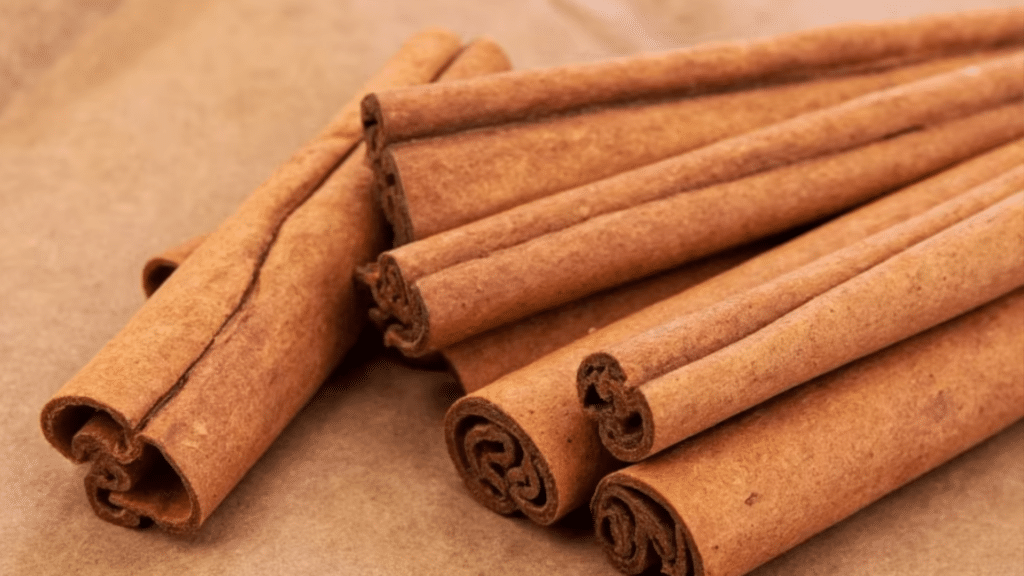

That small jar of cinnamon sitting in your kitchen is doing a lot more than just adding flavor to your food.
If you have been asking, “Does cinnamon have calories?” the answer is yes, but so little that it barely moves the needle.
A single teaspoon contains roughly 6 calories, which makes it one of the most effective zero-impact flavor tools in any diet.
This spice is low in calories but carries a range of health benefits, from supporting blood sugar control to assisting with weight management.
Here I’ll cover cinnamon calories per serving, the full nutrition profile, how many carbs cinnamon has, and the most practical ways to use it daily, including what I personally recommend to clients who are managing blood sugar or trying to cut added sugar from their diets
Keep reading to find out how much you can safely use and the best ways to enjoy it.
Understanding Cinnamon: The Basics
Cinnamon comes from the bark of trees in the Cinnamomum genus and is known for its warm, sweet aroma. It is widely used in both cooking and medicine.
There are two main types worth knowing. Cassia cinnamon is the most common variety found in stores, particularly in the US.
It has a bold flavor but contains higher levels of coumarin, which can be harmful in large amounts. Ceylon cinnamon, also known as true cinnamon, has a milder, sweeter taste and much lower coumarin levels, making it safer for regular use.
Both types have similar calorie content, but Ceylon is generally the better choice for daily consumption.
Does Cinnamon Have Calories?
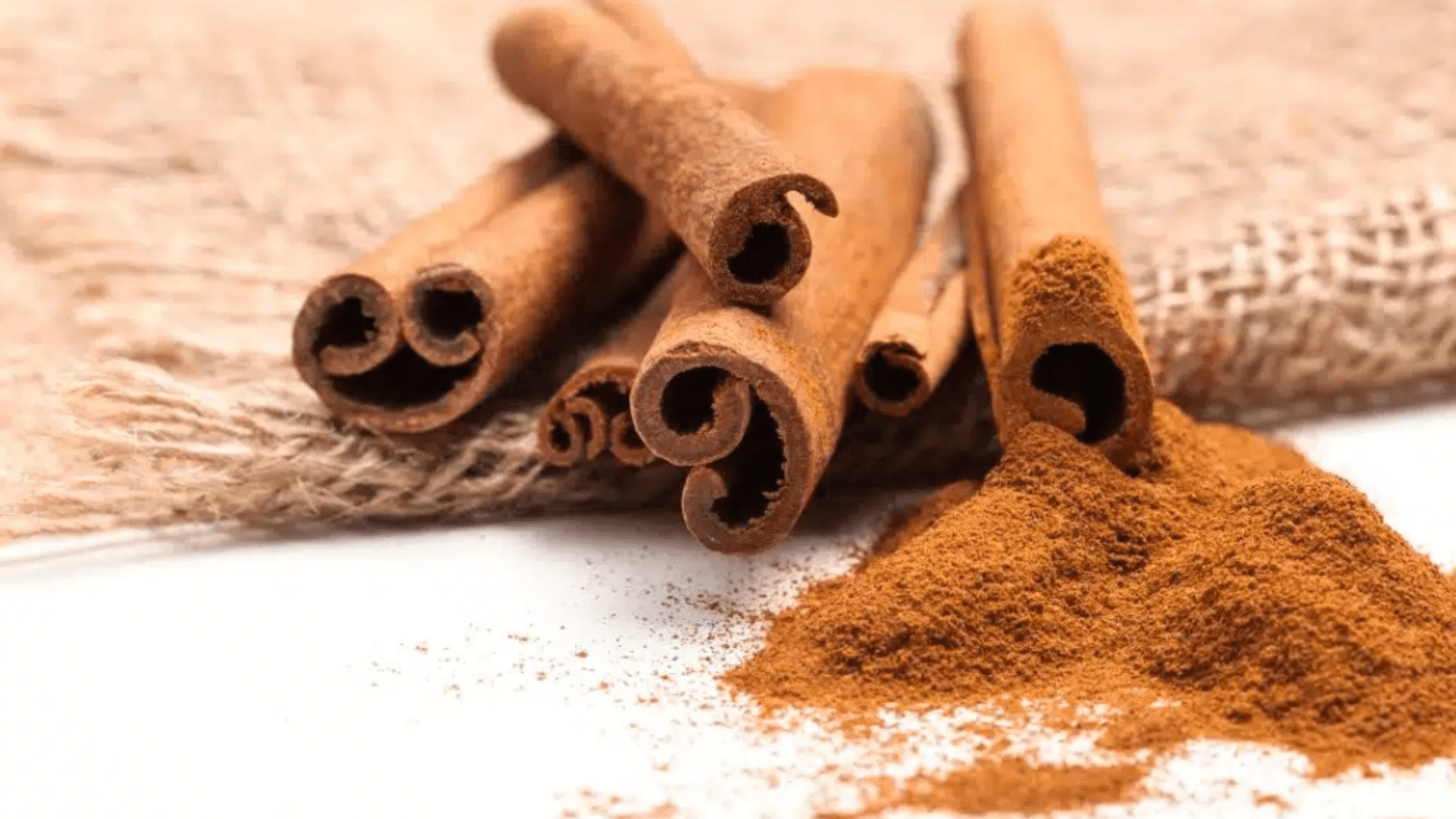
Yes, cinnamon does have calories, but it’s a very small amount. A teaspoon of ground cinnamon, which weighs about 2.6 grams, contains around 6-7 calories.
Most of these calories come from carbohydrates, particularly fiber, with virtually no fat or protein. Cinnamon is often used as a low-calorie flavoring option to improve dishes without adding significant calories.
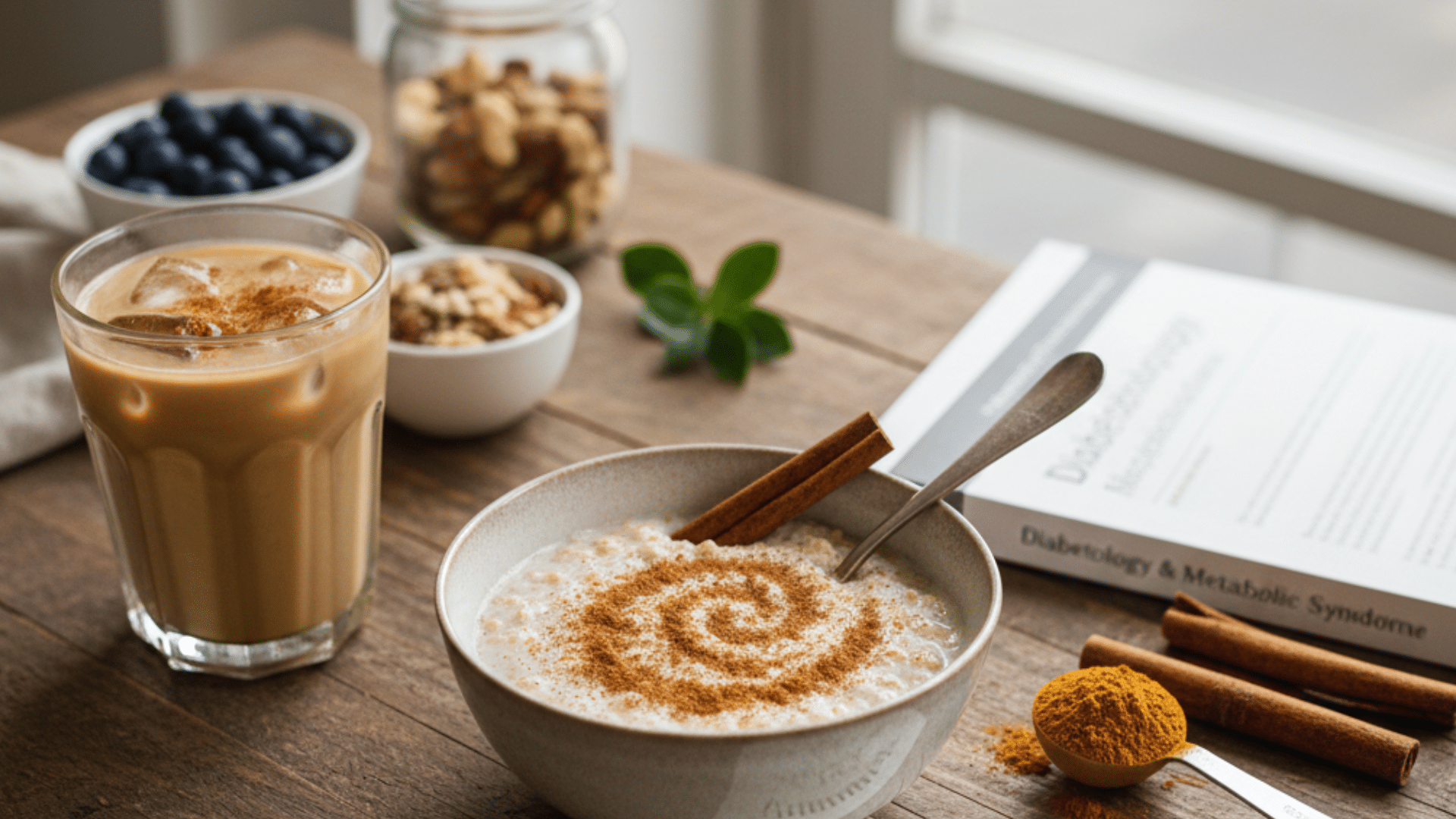
If you’re sprinkling it on your oatmeal, mixing it into smoothies, or adding it to your coffee, it’s a great way to boost flavor while keeping calorie intake low.
Cinnamon’s low-calorie content makes it a healthy addition to most diets, especially for those looking to reduce sugar and calorie intake without sacrificing taste.
How Many Calories in Cinnamon? A Serving-by-Serving Breakdown
People search for how many calories are in cinnamon across a range of serving sizes, so here is a clear breakdown based on USDA data:
| Serving Size | Weight | Calories | Net Carbs |
|---|---|---|---|
| ¼ teaspoon | 0.65g | ~1.5kcal | ~0.2g |
| ½ teaspoon | 1.3g | ~3kcal | ~0.4g |
| 1 teaspoon | 2.6g | 6–7 kcal | ~0.7g |
| 1 tablespoon | 8g | ~19kcal | ~2g |
| 100g | 100g | ~247kcal | ~27.5g |
At typical culinary serving sizes (½ to 1 teaspoon), cinnamon has negligible calories. The 100g figure is only relevant in the context of a supplement; nobody is eating that much as a spice.
Cinnamon Nutrition Breakdown
Cinnamon is a low-calorie spice with a small amount of carbs and minimal fat or protein. It is packed with fiber, calcium, and potassium, making it a healthy addition to meals.
| Nutrient | Per Teaspoon (2.6g) | Per Tablespoon (8g) | Daily Value % |
|---|---|---|---|
| Carbs | 2.1g | 6.3g | 2% |
| Fiber | 1–1.5g | 3–4.5g | 5% |
| Fat | 0g | 0g | 0% |
| Protein | 0.1g | 0.3g | 0% |
| Sugar | Trace (0.1g) | Trace (0.3g) | 0% |
| Calcium | 26mg | 78mg | 6% |
| Potassium | 11.2mg | 33.6mg | 1% |
| Iron | Trace | Trace | 1% |
| Magnesium | Trace | Trace | 1% |
This nutritional profile shows cinnamon’s ability to improve flavor without adding many calories. Despite its carb content, the high fiber amount results in low net carbs, making it a smart choice for most diets.
Does Cinnamon Have Carbs?
Yes, cinnamon does have carbs, but the way those carbs break down matters. A teaspoon of ground cinnamon contains about 2.1g of total carbohydrates. Of that, roughly 1.4g is dietary fiber, leaving a net carb count of only around 0.7g per teaspoon.
This is why cinnamon is considered keto-friendly. Net carbs from a teaspoon are low enough that they won’t push you out of ketosis, even if you use it daily. It is also low-FODMAP, making it suitable for people following gut-health protocols.
For anyone on a low-carb, paleo, or diabetic diet who worries about cinnamon carbs, the numbers are effectively a non-issue at typical culinary amounts.
Cinnamon’s Health Benefits Beyond Calories
Cinnamon offers several health benefits, including antioxidant properties, support for heart health, and potential cancer-prevention effects based on lab studies.
1. Antioxidants and Anti-inflammatory Properties
Cinnamon is rich in polyphenols, which are powerful antioxidants that help reduce oxidative stress and inflammation in the body.
These compounds protect cells from damage caused by free radicals, which can contribute to chronic diseases like heart disease and cancer. Cinnamon’s anti-inflammatory effects may also help reduce symptoms of conditions such as arthritis, making it a beneficial spice for overall health.
2. Heart Health
Studies suggest that cinnamon may support heart health by lowering cholesterol, triglycerides, and blood pressure. Research has shown that regular consumption of cinnamon can help improve lipid profiles, which can reduce the risk of heart disease.
By balancing cholesterol levels and supporting healthy blood circulation, cinnamon could be a natural way to promote cardiovascular wellness, especially for individuals with metabolic conditions or those at risk of heart disease.
Cinnamon contains both potassium and magnesium, two minerals that contribute to healthy blood pressure and heart rhythm regulation. While these are present in trace amounts per teaspoon, consistent daily use adds up.
3. Cancer Prevention (Based on Lab Studies)
Lab studies have indicated that cinnamon might play a role in cancer prevention by targeting angiogenesis, the process through which tumors form new blood vessels to grow.
Certain compounds in cinnamon, such as cinnamaldehyde, have been shown to inhibit angiogenesis and may help slow tumor growth. While these findings are promising, more human studies are needed to confirm cinnamon’s effectiveness as a cancer-fighting agent.
Cinnamon’s Caloric Impact in Diets
Cinnamon is a low-calorie spice that adds flavor without the extra calories of sugar or syrups. One teaspoon per day is a reasonable and practical amount for most people.
It fits well into low-calorie, keto, and paleo diets since it contains minimal sugar and carbs. Cinnamon also helps balance blood sugar levels, which is helpful for those managing type 2 diabetes.
It may improve insulin sensitivity and help reduce blood sugar spikes that trigger hunger.
A 2023 umbrella meta-analysis published in Diabetology & Metabolic Syndrome, pooling data from 11 meta-analyses of randomized controlled trials, found that cinnamon supplementation was associated with meaningful reductions in fasting plasma glucose, serum insulin levels, and insulin resistance (HOMA-IR).
It found significant reductions in fasting plasma glucose, insulin levels, and insulin resistance. This confirms cinnamon’s potential role in supporting better blood sugar management.
Ground Cinnamon or Cinnamon Sticks: Which Has More Calories?
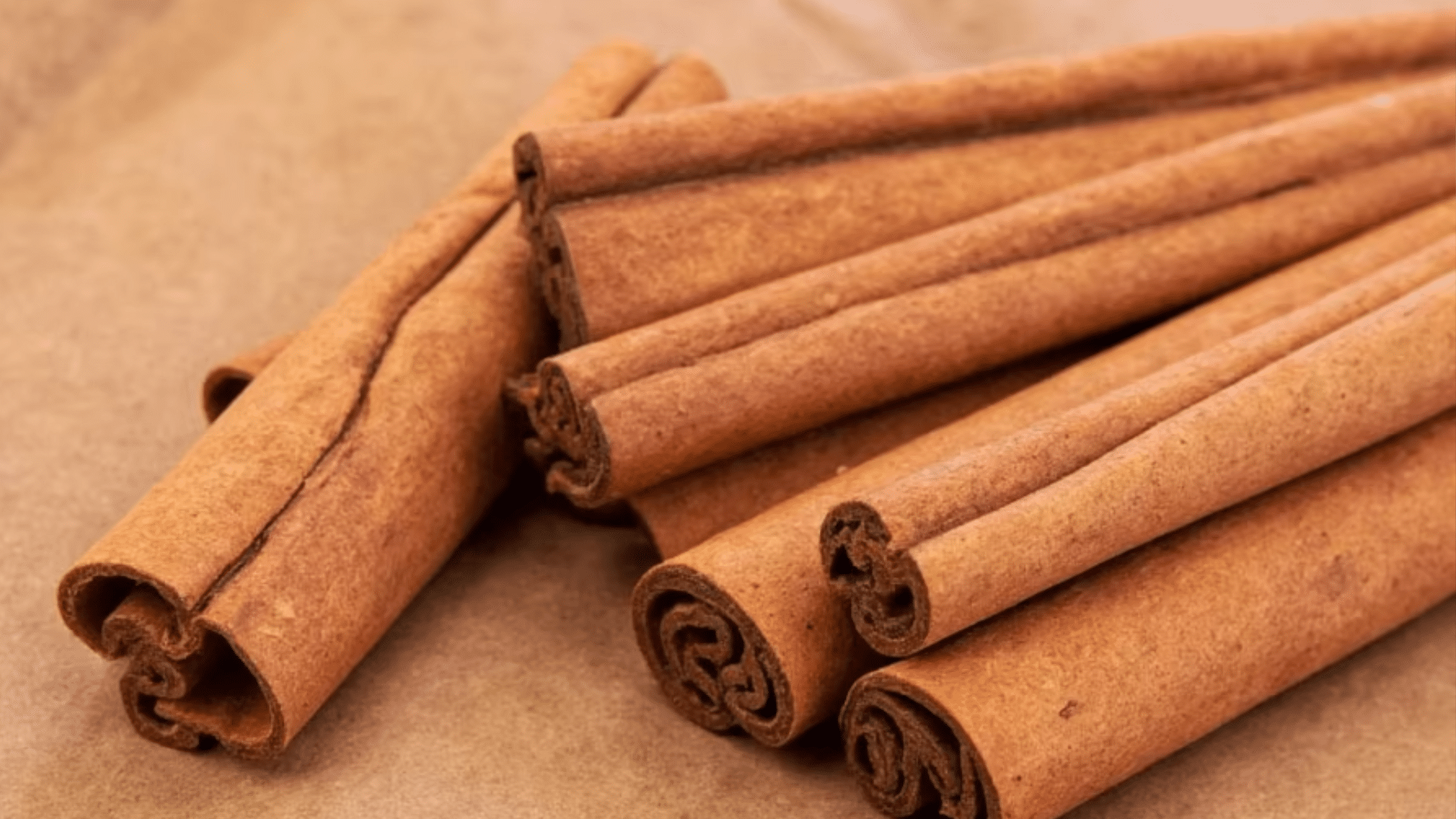
Ground cinnamon and cinnamon sticks come from the same source, so their nutritional profiles are very similar. The main difference comes down to how you use them.
Ground cinnamon is easier to measure, making portion control easier. A teaspoon of ground cinnamon contains around 6 calories, making it simple to track.
Cinnamon sticks are harder to measure precisely because they are typically used to infuse flavor into drinks or dishes, which are then removed.
This means you end up consuming far fewer calories from a stick than from ground cinnamon added directly to food.
One practical note: if you are using cinnamon sticks to brew tea or steep in warm drinks, almost none of the calories transfer to the liquid. The stick is doing flavor work, not nutritional work, in that context.
How Much Cinnamon Is Safe Per Day?
This is one of the most underserved questions in most cinnamon blogs, and it matters, especially for daily users.
The safety concern is not about calories or carbs; it is about coumarin, a naturally occurring compound found in significant quantities in Cassia cinnamon.
The European Food Safety Authority (EFSA) has established a tolerable daily intake (TDI) of 0.1 mg of coumarin per kilogram of body weight per day. For a 150-pound (68kg) adult, that works out to approximately 6.8 mg of coumarin per day.
Research on Cassia cinnamon samples has found coumarin levels ranging from 2,650 to 7,017 mg/kg, meaning a single teaspoon of Cassia can contain anywhere from 7 to 18 mg of coumarin, which can push past the daily limit for some individuals.
Ceylon cinnamon, by contrast, contains only negligible amounts of coumarin. Switching to Ceylon is the most practical solution for daily users.
The USDA generally suggests up to ½ teaspoon of Cassia cinnamon per day as a safe threshold for healthy adults. For Ceylon, daily culinary use presents no meaningful coumarin risk.
If you take blood thinners or diabetes medication, or have existing liver conditions, speak with your doctor before taking cinnamon as a daily supplement, not because of its calorie content, but because of its active compounds and potential medication interactions.
How to Use Cinnamon in Everyday Meals
Cinnamon is a versatile spice that can be easily added to everyday meals for flavor without adding extra calories. Here are some practical ways to include it in your diet:
- Sprinkle on Oatmeal, Yogurt, or Smoothies: Add a dash of cinnamon to your morning oatmeal, yogurt, or smoothies for a flavorful boost without adding extra calories.
- Use in Coffee or Tea: Cinnamon enhances the taste of coffee or tea, adding a warm, spicy flavor without added sugar or syrups.
- Add to Baked Goods: Incorporate cinnamon into muffins, cakes, or bread recipes for a cozy, spicy kick that keeps your treats flavorful and low-calorie.
- Low-Calorie Cinnamon Recipes: Try a sugar-free oatmeal topping with cinnamon, or make cinnamon-flavored water for a refreshing, healthy beverage.
- Mix into Protein Shakes: Add cinnamon to your protein shake for extra flavor and a health boost while keeping the calorie count low.
- Stir into savory dishes: Cinnamon works well in Moroccan-inspired stews, lentil dishes, and slow-cooked meats. It is an underused flavor tool outside of breakfast and baking, and one I personally use in slow-cooked lamb and lentil soups.
A note on timing: Some research suggests that consuming cinnamon alongside or shortly before a high-carbohydrate meal may help blunt the resulting blood sugar spike.
If that is part of your goal, stirring ½ teaspoon into your oatmeal or morning coffee before a carb-heavy breakfast is a reasonable, practical approach.
Wrapping Up
Cinnamon is one of those spices that genuinely surprised me once I started looking into it more closely. For anyone still asking whether cinnamon has calories, the short answer is yes, but so little that it barely moves the needle.
Beyond the calorie count, it supports blood sugar regulation, heart health, and weight management in ways most spices simply do not. Choosing Ceylon cinnamon lets you use it daily without worrying about harmful effects.
I recommend it regularly as a sugar-substitution strategy; replacing a teaspoon of sugar in coffee or oatmeal with cinnamon saves about 15–16 calories and 4g of sugar per serving. Over 365 days, that is a meaningful difference for anyone actively managing their intake.
I always recommend adding it to meals, drinks, or snacks to enhance flavor and support your health at the same time. Share how you use cinnamon in your meals in the comments below.