








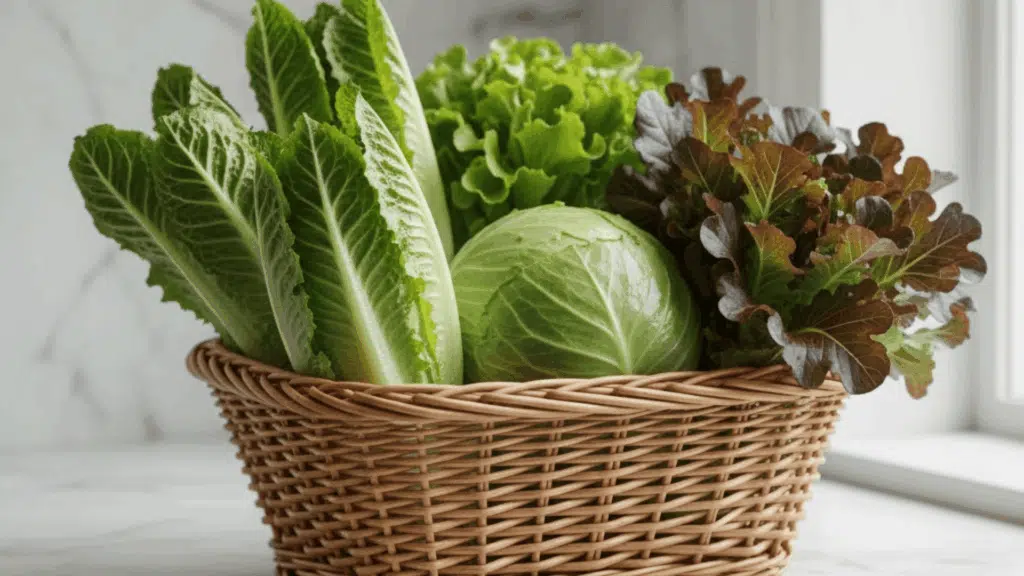

Does lettuce have fiber, or is it just crunchy water pretending to be healthy? I used to toss iceberg into salads, thinking I was doing something great for my body, only to find out it’s mostly hydration with a satisfying crunch.
Lettuce does have fiber, but the amount varies by type. If you’re counting on your salad to fix all your digestive issues, here’s the reality check: Lettuce helps a little, but it won’t work miracles.
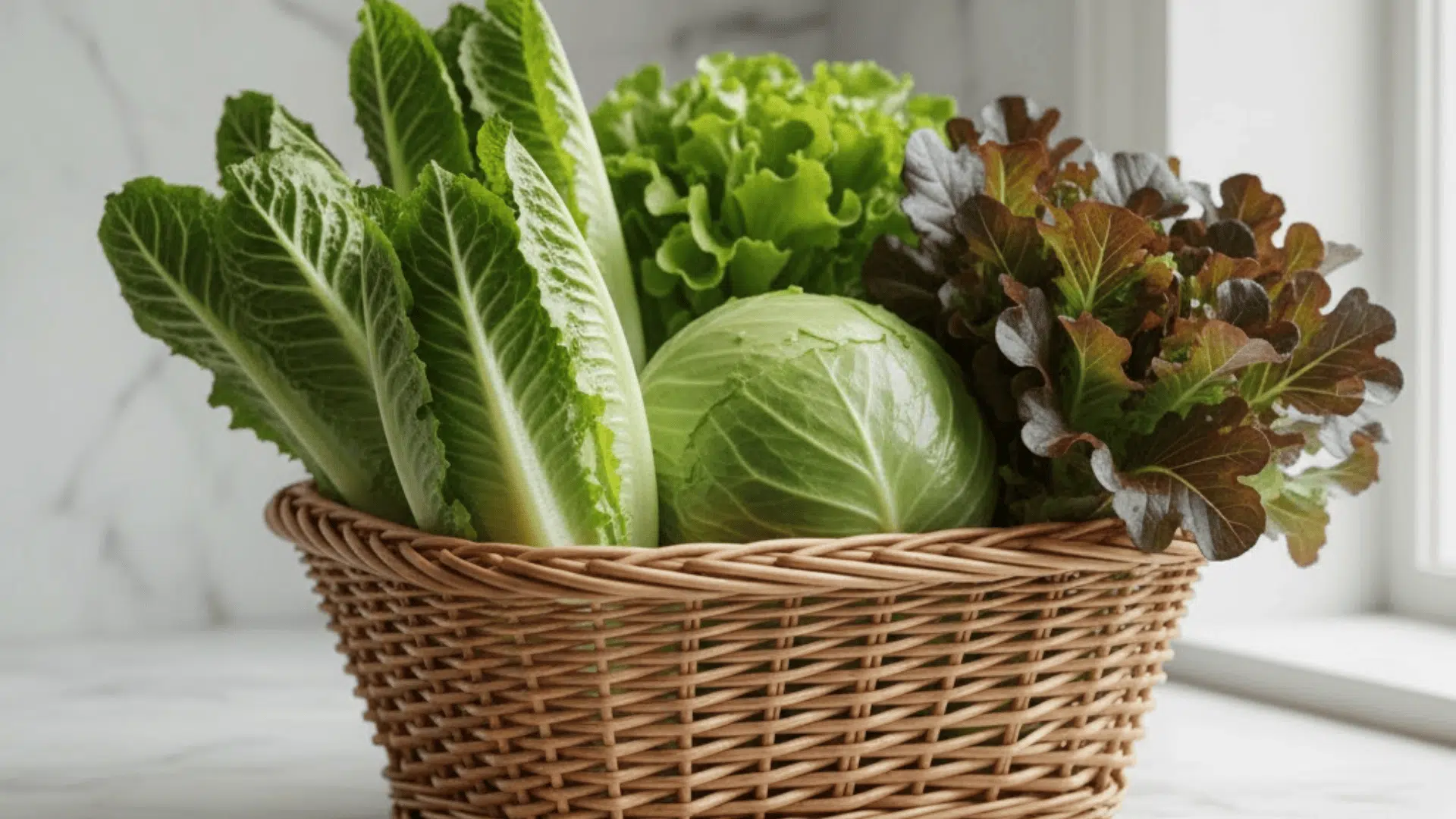
Darker varieties do pack more nutrition than you’d think, and knowing the differences helps you shop smarter. I’ll walk you through the types of lettuce, including their nutritional facts, and compare them with other vegetables.
Does Lettuce Have Fiber?
Yes, lettuce contains fiber, but most types deliver only 0.5 to 2 grams per cup. That’s pretty modest compared to beans or whole grains. The main reason? Lettuce is roughly 95% water, which means there’s not much room left for fiber-rich plant matter.
Lighter varieties like iceberg sit at the lower end of that range, while darker greens like romaine offer more. You’ll find insoluble fiber in lettuce, the type that helps move things along in your digestive system.
So if you’re eating lettuce purely for fiber, you’d need to consume several cups to make a dent in your daily goal of 25-30 grams. Still, every bit counts, and lettuce adds volume to meals without piling on calories.
How Much Fiber Is in Different Types of Lettuce?
Not all lettuce is created equal, and the fiber content varies by variety. Darker leaves generally mean more nutrients, but even the pale stuff has its place.
1. Iceberg Lettuce Fiber Content
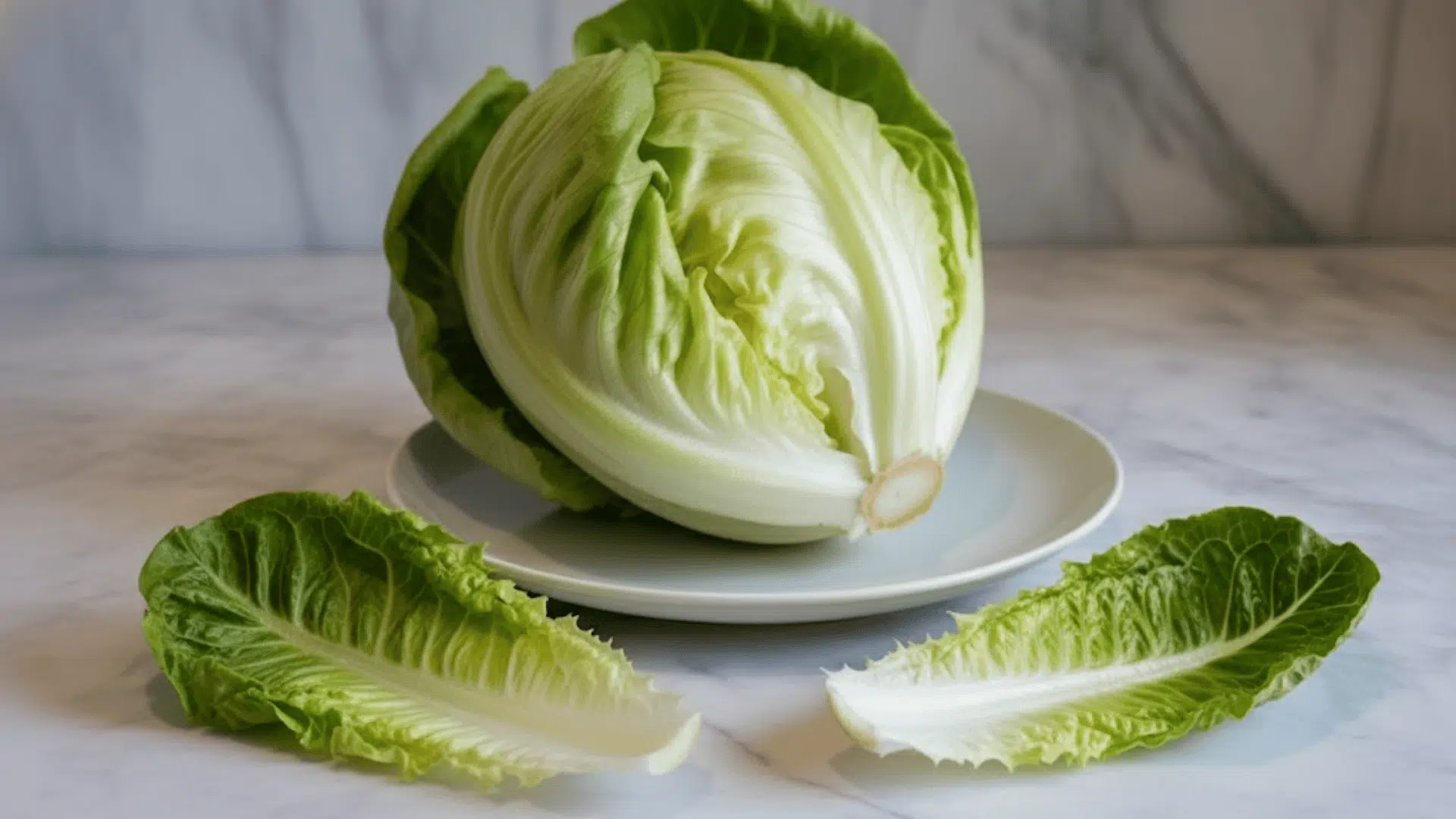
Iceberg gives you about 0.5 to 0.7 grams of fiber per cup. That’s the lowest among common lettuces, and it makes sense when you consider how watery and pale it is. I won’t lie: iceberg gets a bad rap, but it’s incredibly crisp and mild, making it perfect for picky eaters or anyone who finds bitter greens off-putting.
If you’re making tacos or burgers, iceberg’s crunch can’t be beaten. Just don’t expect it to carry the nutritional load on its own. Use it for texture, then bulk up your meal with other fiber-rich ingredients.
2. Romaine Lettuce Fiber Content
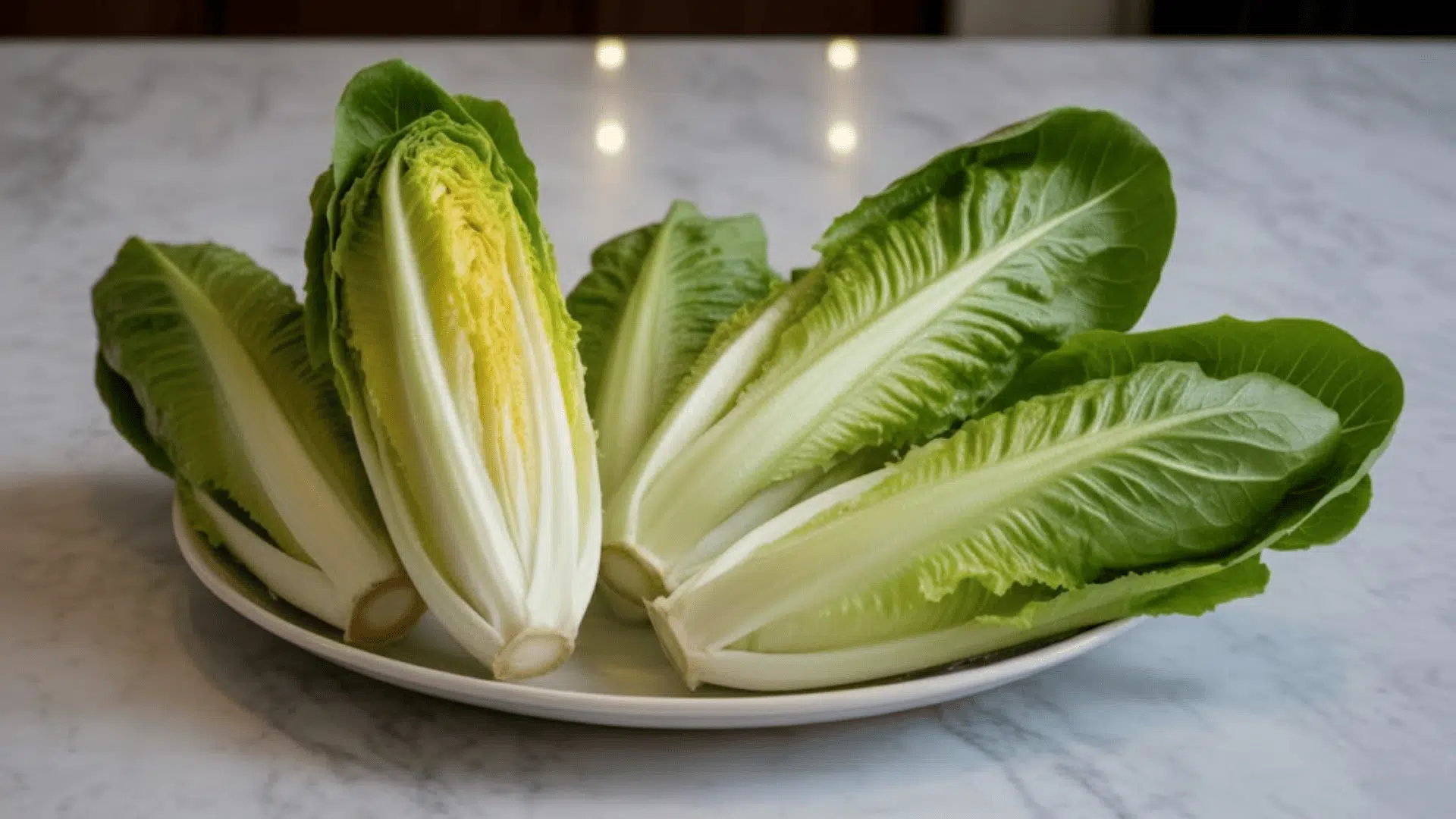
Romaine delivers about 1 to 1.2 grams of fiber per cup, nearly double that of iceberg lettuce. Its darker leaves contain more chlorophyll and nutrients such as vitamin A and folate. Romaine also has a satisfying, sturdy texture that holds up well under dressing, which is why it’s the go-to for Caesar salads.
I keep romaine in my fridge because it’s versatile enough for wraps, chopped salads, or even grilled as a side dish. The slight bitterness adds depth to meals without overwhelming other flavors.
3. Green and Red Leaf Lettuce Fiber Content
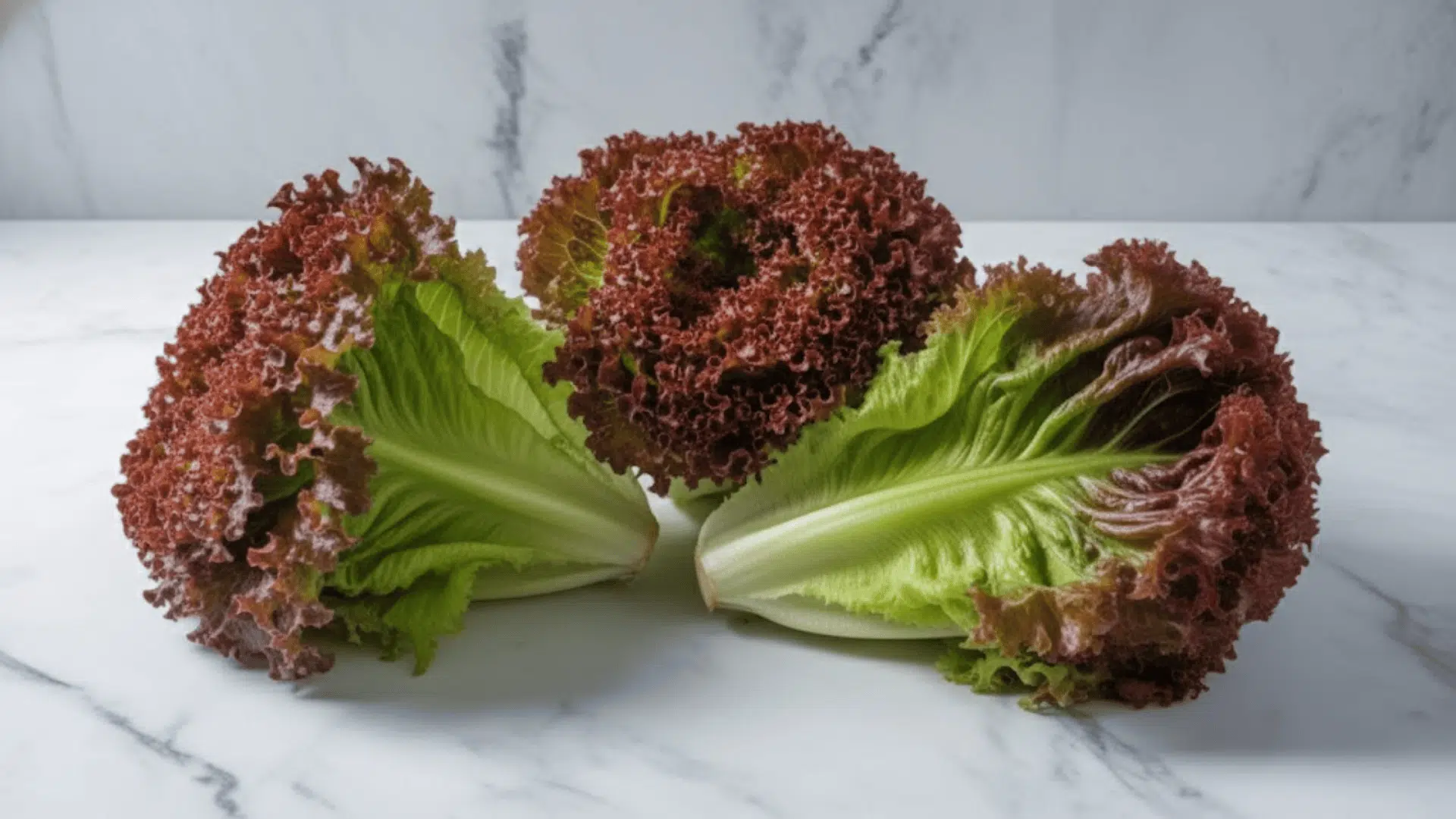
Both green and red leaf varieties contain around 0.5 to 1 gram of fiber per cup. Red leaf edges ahead slightly in antioxidants thanks to its pigmentation, but the fiber content stays similar.
These lettuces have a softer, more delicate texture than romaine, which I prefer when I want a tender salad that doesn’t require much chewing.
They’re great for mixing with other greens to add color and variety without significantly altering the overall flavor profile.
4. Butterhead Lettuce Fiber Content
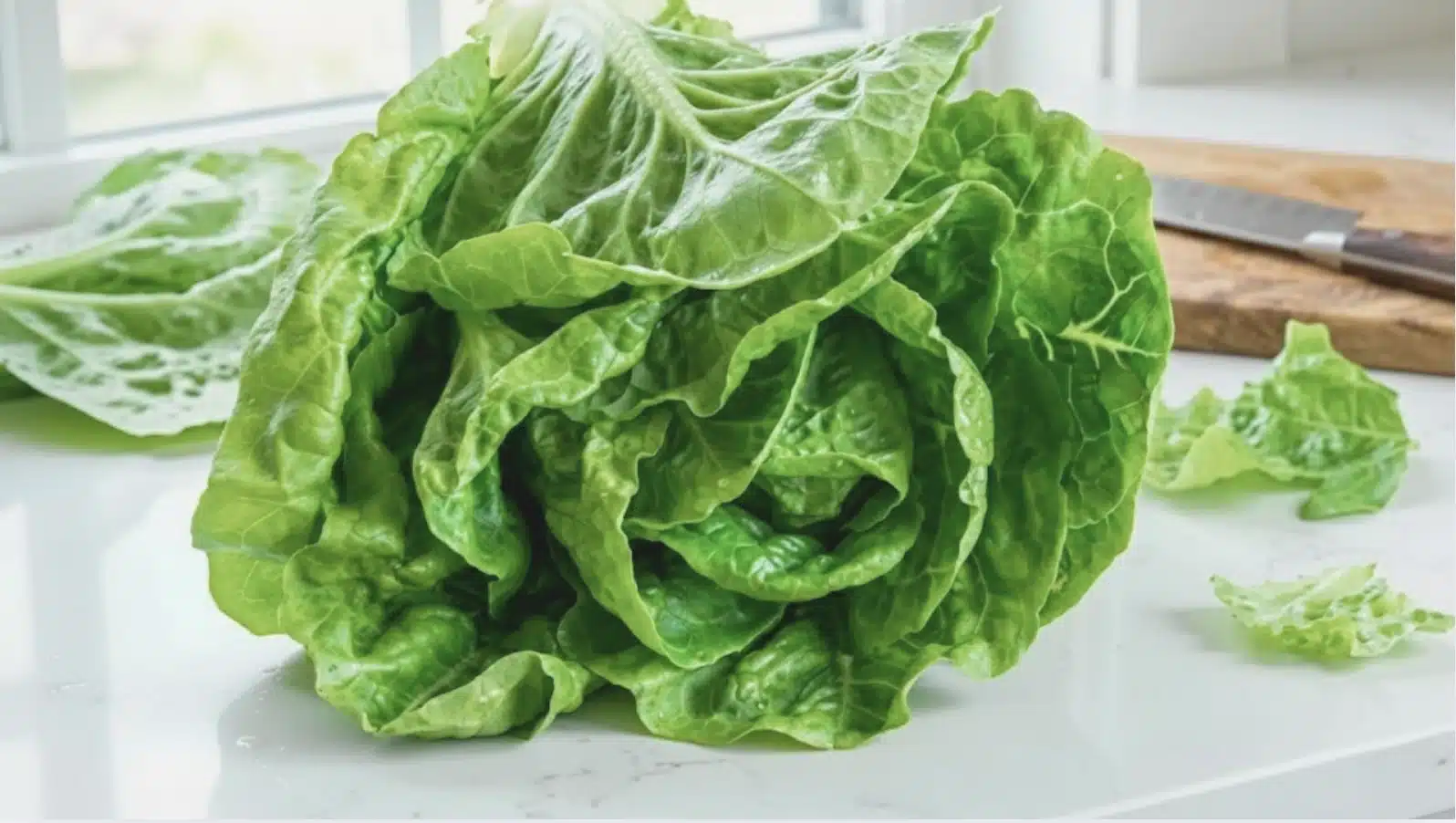
Butterhead lettuce, which includes Boston and Bibb varieties, gives you about 0.5 to 1 gram of fiber per cup. The leaves are soft, loose, and slightly sweet, which makes them easy to enjoy raw.
I like using butterhead when I want a gentle texture that almost melts in your mouth. You can use the whole leaves as wraps for chicken or tofu, and they hold fillings well without cracking. While the fiber is moderate, it pairs nicely with beans, seeds, or whole grains to round out your meal.
5. Crisphead Lettuce Fiber Content
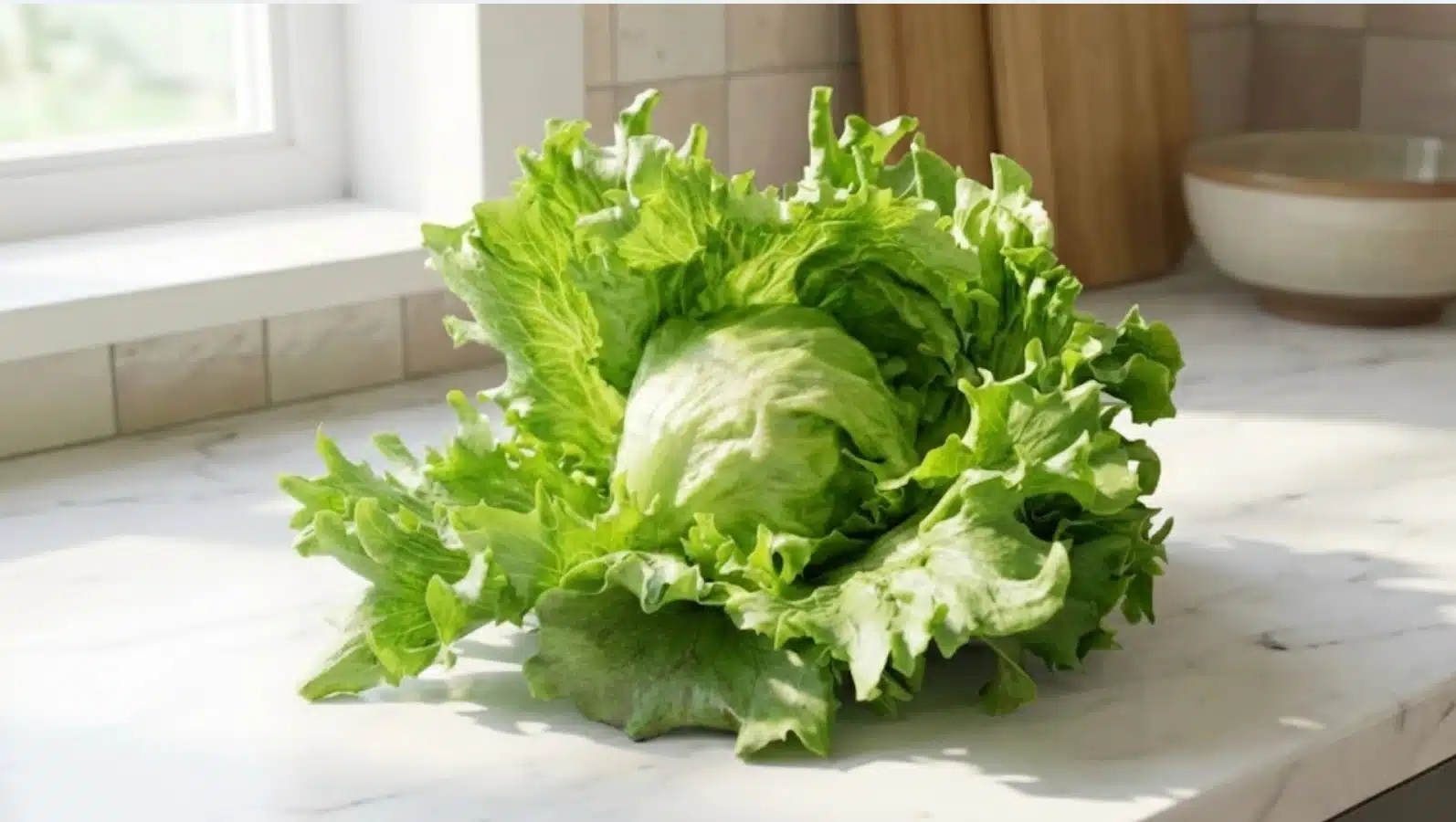
Crisphead lettuce is a broader category that includes iceberg, but other crisphead varieties offer similar fiber levels, ranging from 0.5 to 0.7 grams per cup. These lettuces form tight, round heads with very high water content.
You’ll notice the crunch right away, which makes them popular for sandwiches and layered salads. I usually reach for crisphead when texture matters more than nutritional density. Like an iceberg, it works best when combined with higher-fiber foods, so your meal feels more balanced and filling.
Lettuce Nutrition Facts Beyond Fiber
Fiber isn’t the only reason to eat lettuce. Lettuce brings vitamins, minerals, and hydration to your plate with very few calories. Here’s what else you’re getting when you fill your bowl with greens:
| Type | Calories | Water | Vitamin A | Vitamin K | Vitamin C | Folate | Potassium |
| Iceberg | 8 kcal | 96% | 7% DV | 17% DV | 3% DV | 5% DV | 2% DV |
| Romaine | 8 kcal | 95% | 82% DV | 60% DV | 19% DV | 16% DV | 5% DV |
| Red Leaf | 8 kcal | 95% | 105% DV | 97% DV | 13% DV | 4% DV | 5% DV |
| Butterhead | 7 kcal | 96% | 36% DV | 56% DV | 4% DV | 10% DV | 4% DV |
| Crisphead | 8 kcal | 96% | 8% DV | 20% DV | 3% DV | 5% DV | 2% DV |
Darker lettuces, like romaine, pack significantly more vitamins than iceberg lettuce. Vitamin K is especially high in leafy greens, and just one cup can help you reach your daily target.
Other Varieties of Lettuce to Know
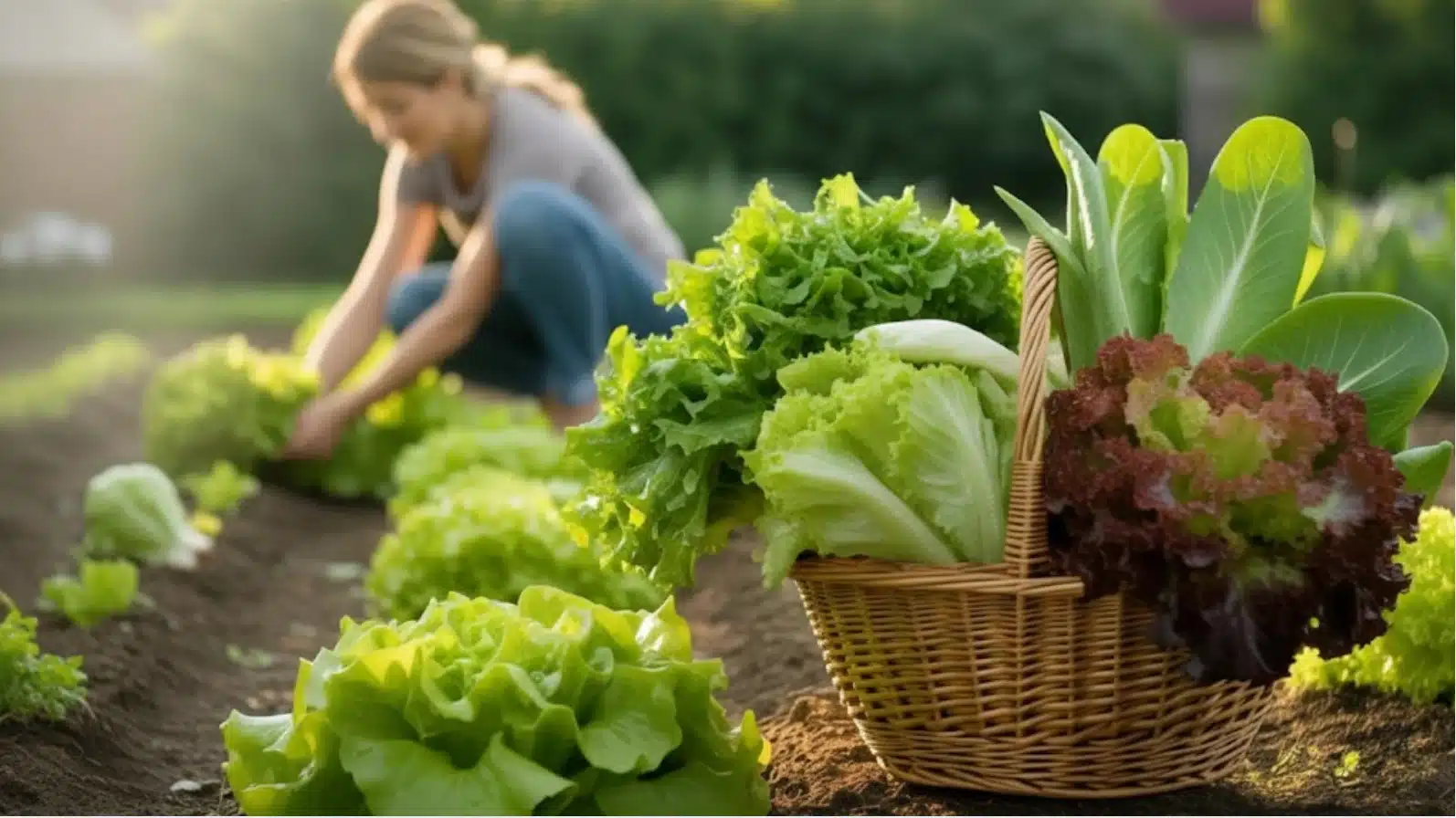
Beyond the common five, a handful of lesser-known lettuces offer unique textures, colours, and uses that can freshen up your meals and expand your salad game:
- Oakleaf Lettuce: Soft, loose leaves in green or reddish shades with a mild taste. More body than butterhead but softer than romaine, making it a great all-purpose salad green.
- Batavian (Summer Crisp) Lettuce: A mid-ground between crisphead and loose leaf. Crunchy without being watery, it works especially well in garden salads and wraps.
- Lollo Rosso: A frilly, red-tinged leaf lettuce that adds colour and texture to any bowl. Holds dressings well without wilting, making it a favourite in mixed green salads.
- Celtuce (Stem Lettuce): Grown for its crisp, juicy stem rather than its leaves. Stir-fry it, steam it, or slice it into slaws for a satisfying crunch that stands apart from leafy greens.
Trying even one of these varieties can convert an everyday salad into something more interesting. Look for them at farmers’ markets, specialty grocers, or in your own garden.
Is Lettuce a Good Source of Fiber?
Let me be straight with you: lettuce is not a high-fiber food. Compared with broccoli (5 grams per cup), lentils (15 grams per cup), or even an apple (4 grams), lettuce falls short. But that doesn’t make it useless.
I think of lettuce as a supporting player rather than the star. It adds crunch, hydration, and yes, a little fiber to your plate.
The key is not relying on lettuce alone to meet your fiber needs. Pair it with ingredients that add more nutritional value, and you’ll create a meal that supports your digestion and keeps you satisfied longer.
Lettuce vs Other Vegetables for Fiber
Want to know how lettuce stacks up against other common vegetables? Here’s a quick comparison to give you perspective:
| Vegetable | Fiber per Cup (Raw) | Notes |
| Lettuce (Romaine) | 1-1.2 g | Hydrating, low-calorie |
| Spinach | 0.7 g raw, 4 g cooked | Fiber increases when cooked |
| Cabbage | 2-2.2 g | Crunchy, hearty texture |
| Broccoli | 2.4 g raw, 5 g cooked | High in fiber and protein |
| Carrots | 3.6 g | Sweet, versatile |
Lettuce has less fiber than cabbage, broccoli, or cooked spinach. Still, it works well as a base; just pair it with higher-fiber vegetables for better digestive support.
Is Lettuce Good for Digestion and Bowels?
Lettuce can definitely help keep things moving, thanks to its combination of water and insoluble fiber. This type of fiber doesn’t dissolve in your gut; it adds bulk to your stool and helps food pass through your system more efficiently.
If you struggle with constipation, adding lettuce to your meals provides gentle support without causing cramping or discomfort. That said, some people experience bloating after eating large salads, especially if they’re not used to raw vegetables. If that sounds like you, try smaller portions or lightly steaming your greens.
Also, chew thoroughly; your digestive system will thank you. I’ve found that pairing lettuce with healthy fats like olive oil or avocado makes it easier on my stomach and helps me absorb fat-soluble vitamins more effectively.
How to Increase Fiber When Eating Lettuce
Lettuce gives you volume and freshness, but it will not meet your daily fiber goal alone. I like to treat it as a base and build up from there. Here are things you can pair with lettuce:
- Add beans generously, like chickpeas or black beans. Half a cup adds 6 to 8 grams of fiber plus protein to help you stay full longer.
- Sprinkle nuts and seeds such as almonds, chia, or sunflower seeds. They add crunch, healthy fats, and a quick boost of fiber with little effort.
- Mix in whole grains like quinoa or brown rice. Even a small scoop adds extra fiber and makes your salad more filling.
- Combine darker leafy greens such as spinach or kale. This raises fiber and nutrients while keeping the flavor mild and balanced.
- Layer high fiber vegetables like carrots, broccoli, or cabbage. They add texture and steady digestive support with very few added calories.
When you build your salad with intention, lettuce stops being “just crunchy water.” I find that small additions make a big difference, and you will feel fuller and more satisfied after eating.
Final Thoughts
So, does lettuce have fiber? Absolutely, but not as much as you might hope. Romaine and darker varieties offer more nutrients than iceberg lettuce, though even those won’t meet your daily fiber goals on their own.
I’ve learned to appreciate lettuce for what it is: a hydrating, low-calorie base that makes meals more satisfying when combined with beans, nuts, seeds, and other fiber-rich ingredients. You don’t need to overthink it.
Just mix up your greens, add variety to your plate, and let lettuce play its part in a balanced diet. What’s your favorite way to eat lettuce? Drop a comment below and share your go-to fibrous veggie combinations.