


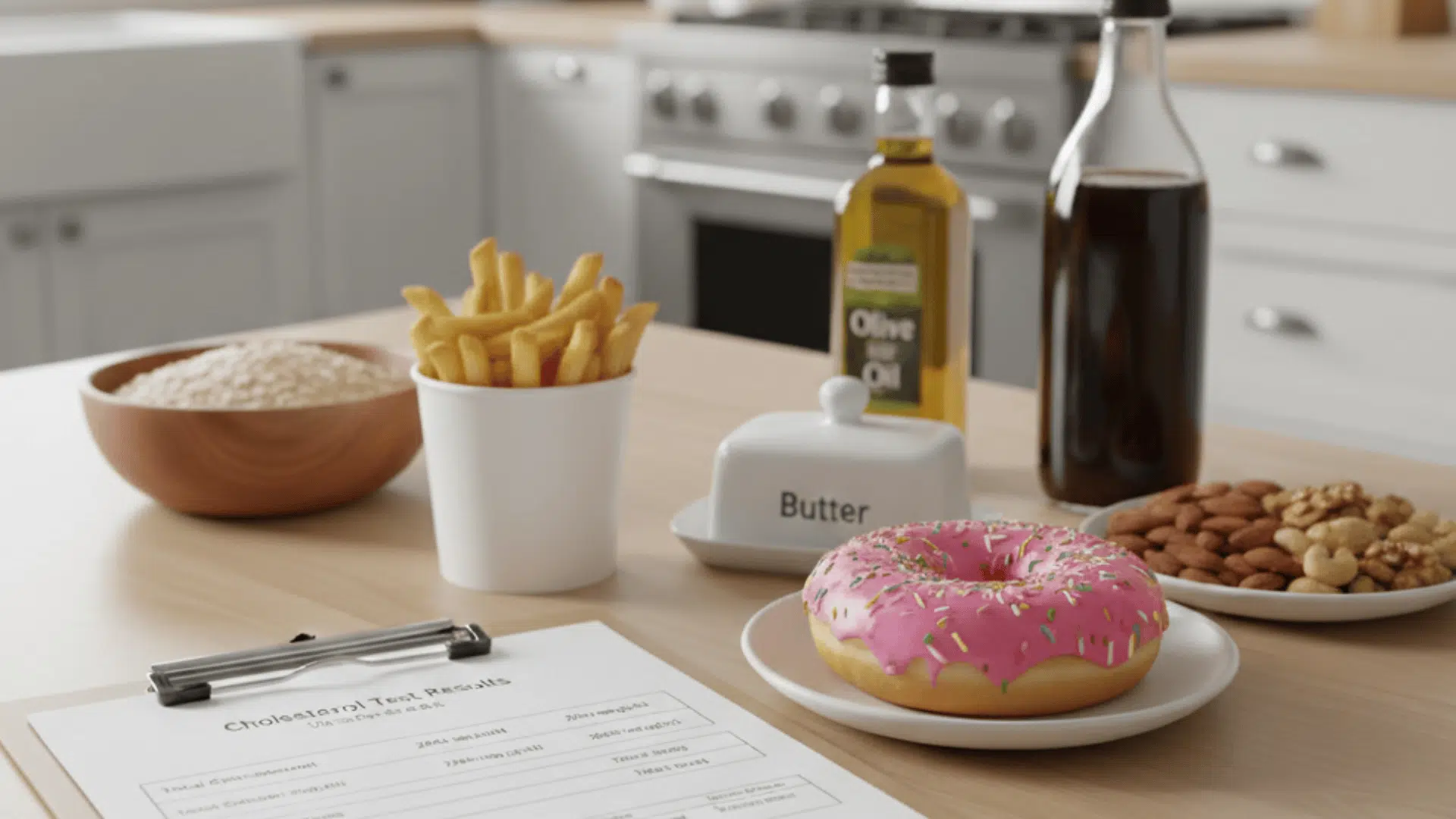







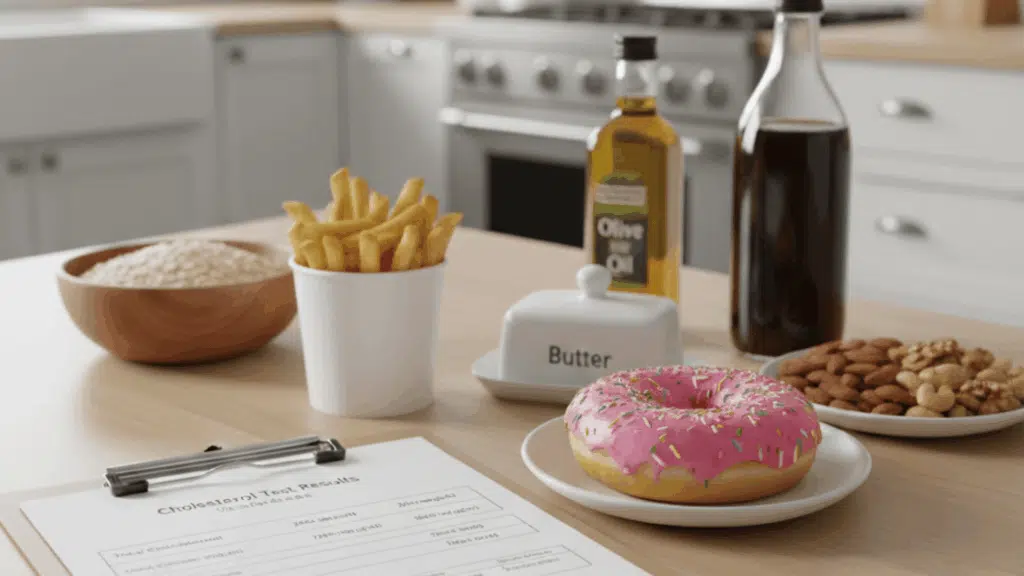

High cholesterol can be a quiet problem, and many people don’t notice it until a test result shows it. I’ve seen how everyday foods can raise your bad cholesterol (LDL) without you realizing it.
That’s why I made this guide. You’ll see the top ten worst foods for high cholesterol and learn what makes them risky, like saturated fat, trans fat, and added sugar.
I’ll also break down the difference between LDL and HDL in plain words, explain which fats matter most, and share smarter food swaps that support heart health.
By the end, you’ll know what to limit, what to choose more often, and how to make changes that actually feel doable.
Overview of Cholesterol and Why It Matters
Cholesterol sounds scary, but it’s not always the “bad guy.” Your body actually needs some cholesterol to build cells and make hormones. The problem starts when you have too much of the wrong kind.
LDL is often called “bad” cholesterol because it can stick to the walls of your arteries and form plaque over time. That buildup can make it harder for blood to flow, which raises the risk of heart attack and stroke.
HDL is the “good” cholesterol because it helps carry extra cholesterol away from your arteries.
Understanding Fats That Raise Cholesterol
One more thing people mix up: cholesterol in food isn’t always the main issue. For most people, saturated and trans fats raise LDL cholesterol more than dietary cholesterol does.
Saturated fat and trans fat are the real troublemakers for high cholesterol. They raise LDL (bad cholesterol), which can lead to arterial buildup over time.
Trans fat is the worst because it raises LDL and can lower HDL (good cholesterol), too. That’s why fried, packaged, and fast foods hit harder than whole, home-cooked meals.
Top Ten Worst Foods for High Cholesterol
Some foods make LDL (Low-Density Lipoprotein) climb faster than you’d expect, mostly because they’re loaded with saturated fat, trans fat, or both.
I’m keeping this list super practical: what the food is, why it’s a problem, and an easy way to cut back. You don’t need a perfect diet, just smarter choices more often.
1. Full-Fat Dairy Products
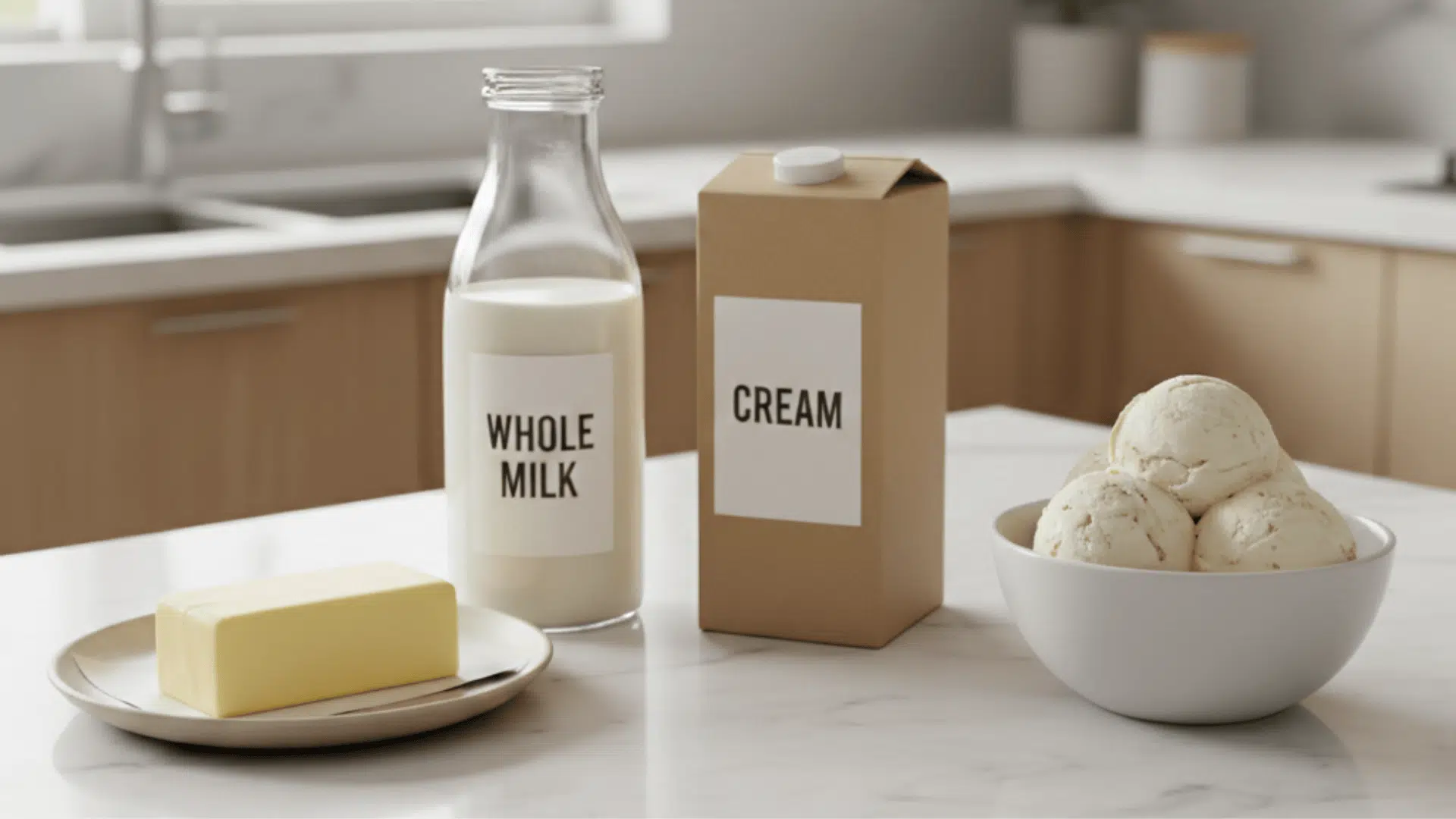
Butter, whole milk, cream, cheese, and ice cream are everyday staples for many people, which is exactly why they’re easy to overdo.
They also show up in “small” ways that add up fast, cream in coffee, cheese in sandwiches, butter in cooking, and a little ice cream at night. None of it feels extreme on its own, but the total can stack up without you noticing.
When it becomes a problem: when full-fat dairy becomes your default every day, especially in cooking, snacks, and repeat meals.
Smarter approach: You don’t have to quit dairy. Use lighter options for your everyday routine (milk in tea/coffee, cooking, snacks), and keep full-fat versions for moments where the taste really matters, like a small topping, a side, or an occasional special meal.
2. Processed Meats
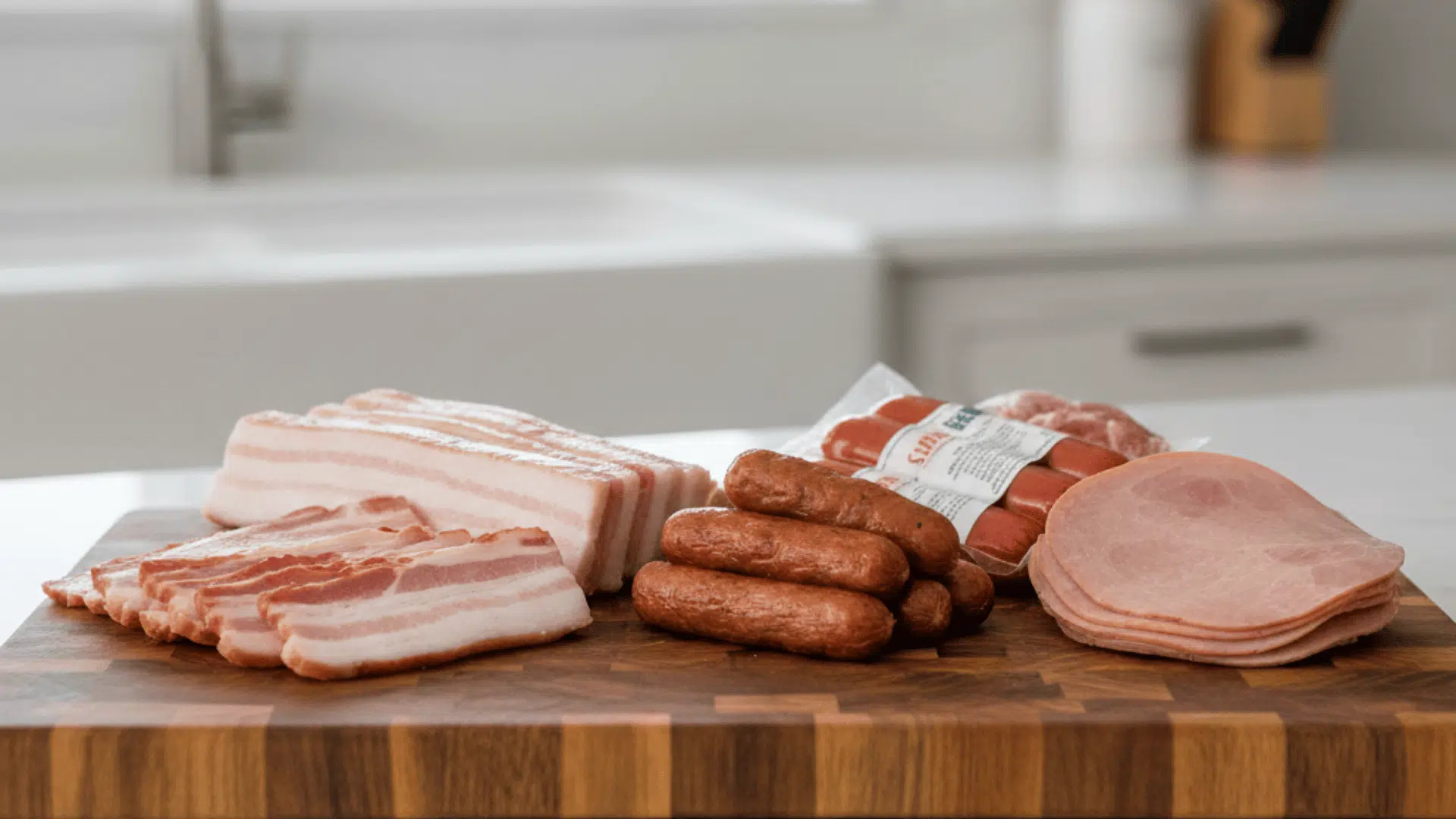
Processed meats are easy to lean on because they’re quick, salty, and always available so they can quietly become a habit.
They also show up in many “normal” meals (sausages at breakfast, deli meat in sandwiches, pepperoni on pizza, hot dogs at a get-together), which makes it easy to eat them multiple times a week without much thought.
When it becomes a problem: when processed meats become your default protein weekly or daily, rather than an occasional convenience.
Smarter approach: you don’t have to swear them off forever. Just shift your routine toward more fresh proteins most of the time, like fish, beans, lentils, tofu, chicken, or eggs, and keep processed meats as rare treats rather than everyday go-tos.
3. Packaged Instant Foods
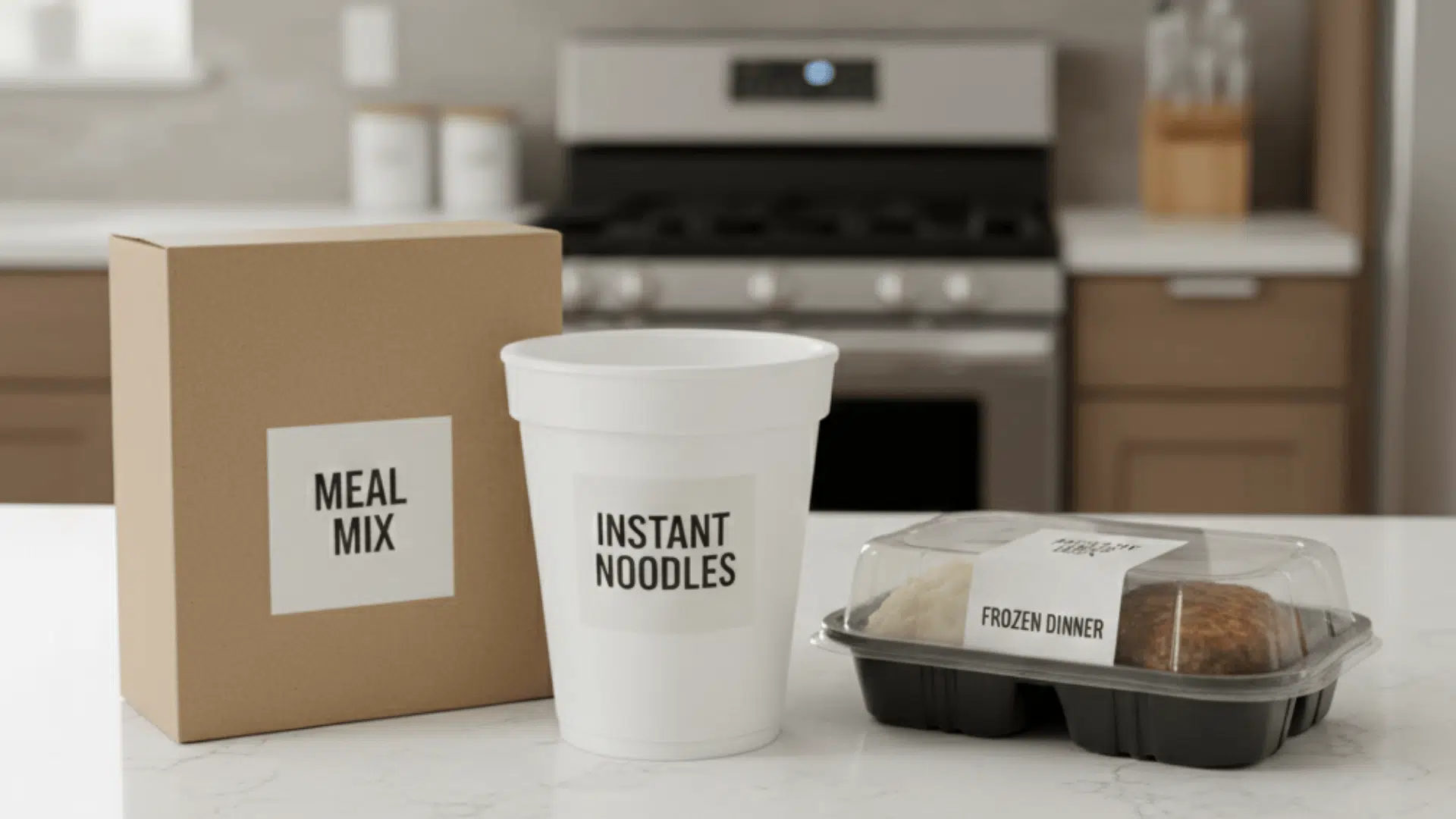
Packaged instant foods feel like a quick fix, which is why they’re easy to lean on when you’re busy, tired, or not in the mood to cook.
They often become a pattern without you noticing: instant noodles after a long day, frozen snacks between meals, or boxed “ready” foods when time is tight. One item isn’t the issue; it’s how often they start replacing real meals.
When it becomes a problem: when instant foods become your default meals or snacks most days of the week.
Smarter approach: you don’t need to quit them completely. Aim for simple homemade meals most of the time, even basic options like eggs, oats, dal, salads, curd with fruit, or quick stir-fries, and keep instant foods as a backup for truly busy days, not as part of your daily routine.
4. Fried and Fast Foods
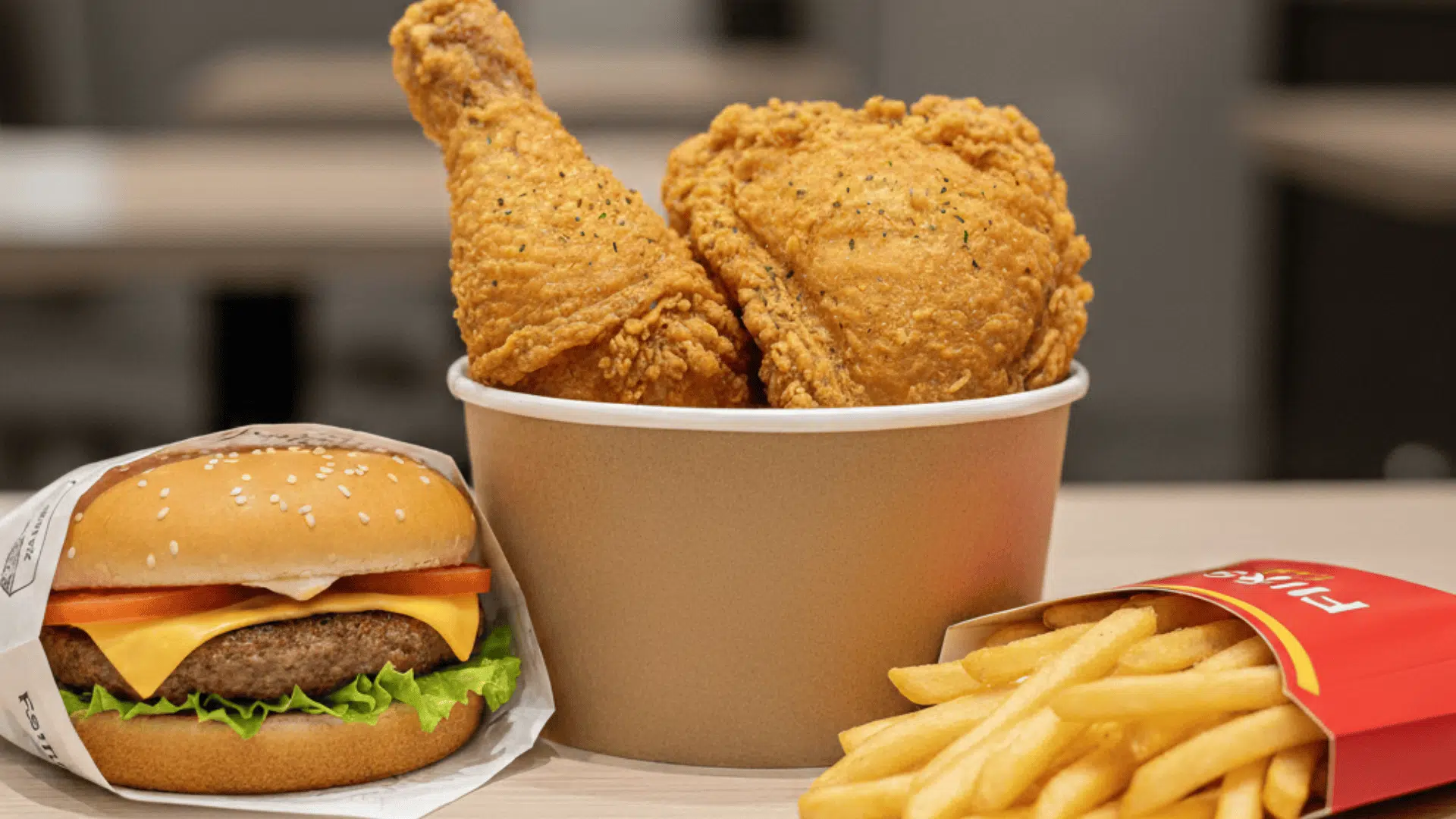
Fried and fast foods are easy to fall back on because they’re convenient, filling, and everywhere, so they can turn into a routine before you realize it.
They also come with built-in “extras” that make overeating more likely: combo meals, dips, sides, and bigger portions that feel like the normal order.
When it becomes a problem: when fried or fast food becomes your regular go-to (especially more than once a week), or when upsizing and add-ons happen automatically.
Smarter approach: you don’t have to avoid them forever. Choose grilled, baked, roasted, or air-fried options more often, skip “value” upgrades, and treat fried foods as an occasional craving rather than a routine.
5. Tropical Oils
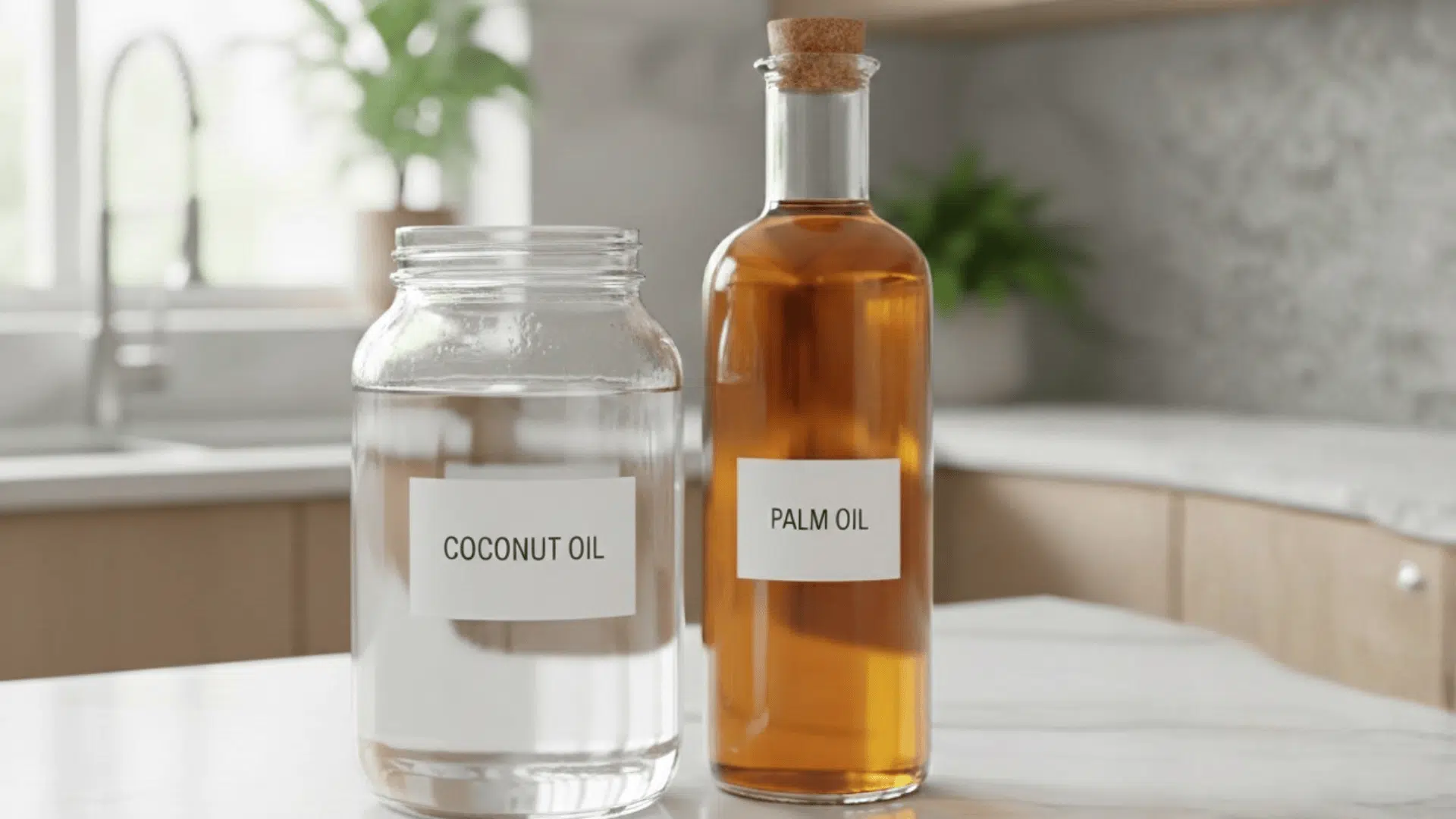
Coconut oil and palm oil get marketed as “healthy,” so it’s easy to use them often without thinking twice, especially if they’re your main cooking oils at home.
They can also sneak in from multiple directions: the oil you cook with, packaged snacks made with palm oil, and recipes that rely on coconut oil as an everyday ingredient. When it’s coming from a few places, it adds up fast.
When it becomes a problem: when tropical oils become your default for daily cooking, especially for frying, sautéing, or regular meal prep.
Smarter approach: you don’t have to ban them. Use heart-friendlier oils like olive oil, canola oil, or avocado oil most of the time, and keep coconut oil for flavor in small amounts occasionally (instead of using it as your main cooking oil every day).
6. Pastries and Commercial Baked Goods
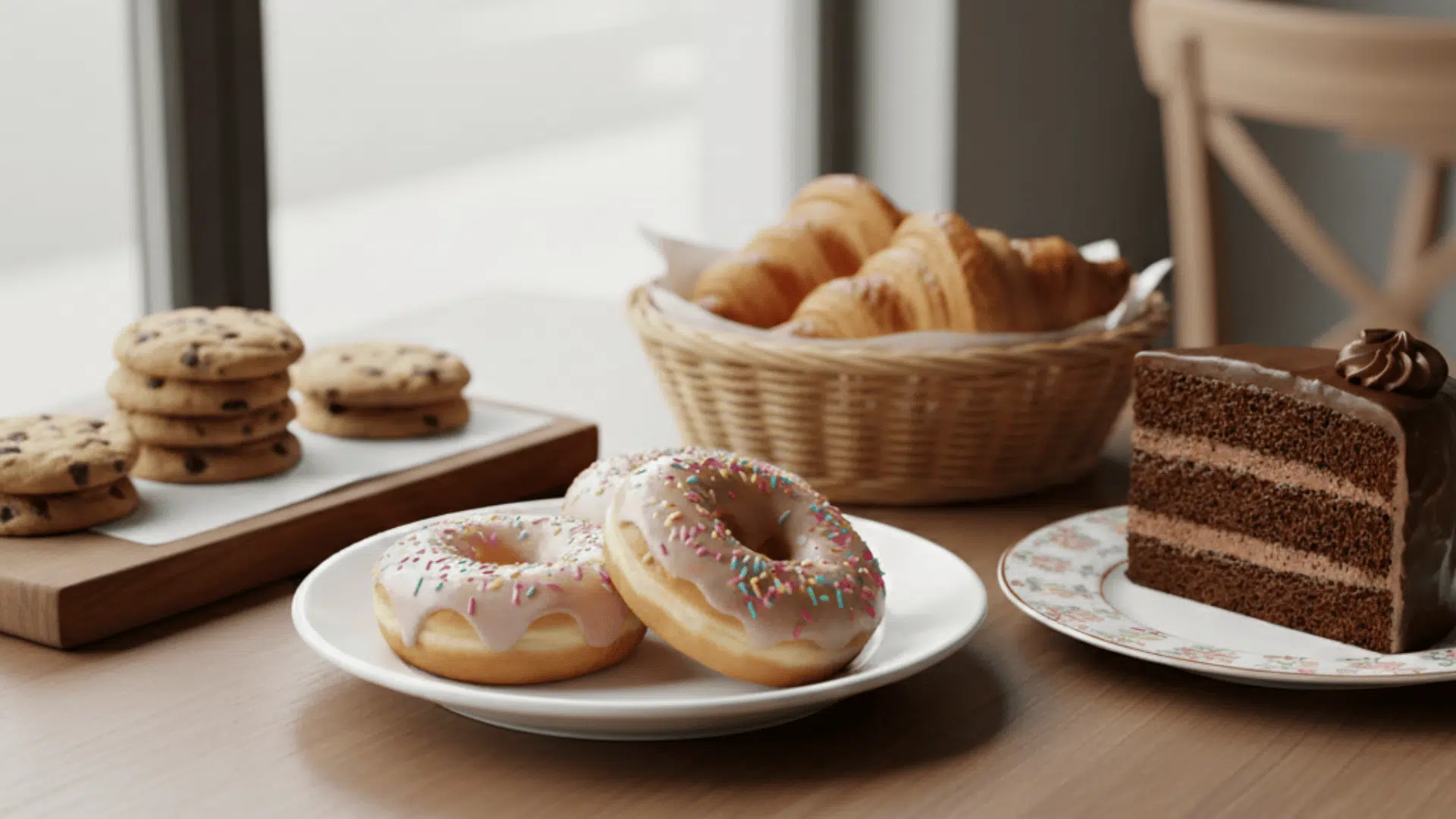
Pastries and store-bought baked goods feel like “small treats,” which is why they’re easy to add on without much thought, especially with coffee, at the office, or when you’re grabbing something on the go.
The tricky part is how quickly they become routine: a muffin in the morning, a cookie in the afternoon, and dessert after dinner. None of it feels dramatic, but the frequency adds up.
When it becomes a problem: when packaged baked treats become an everyday habit or your go-to snack several times a week.
Smarter approach: you don’t have to cut them out completely. Keep them as rare treats, and when you want something sweet more often, go for lighter options like fruit with yogurt, a homemade version with less sugar, or a smaller portion that still satisfies the craving.
7. Organ Meats
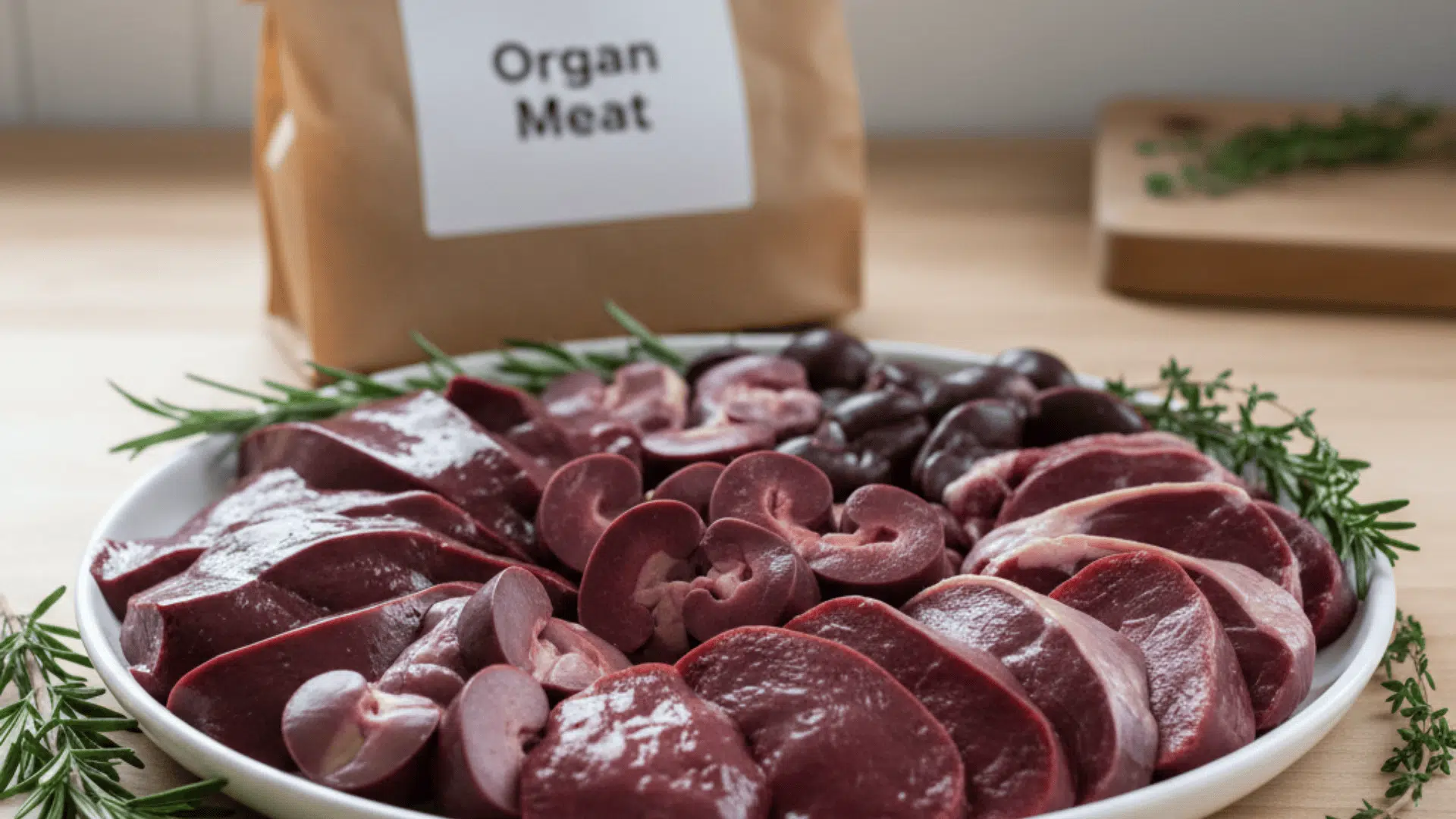
Organ meats are often seen as “traditional” or “super nutritious,” so they can feel like a smart choice, especially if you grew up eating them or you’re trying to add more iron-rich foods.
The issue is how easy it is to make them a regular part of the routine: a weekly fry-up, a weekend specialty dish, or larger portions because it’s considered a protein-heavy meal.
When it becomes a problem: when organ meats become a regular weekly choice (or the portions are large) instead of an occasional meal.
Smarter approach: you don’t have to avoid them forever. If you enjoy organ meats, keep portions small and have them once in a while rather than making them a routine part of your diet. Balance the rest of your meals with lean proteins, plenty of vegetables, and high-fiber foods to support better cholesterol levels.
8. Highly Processed Snacks
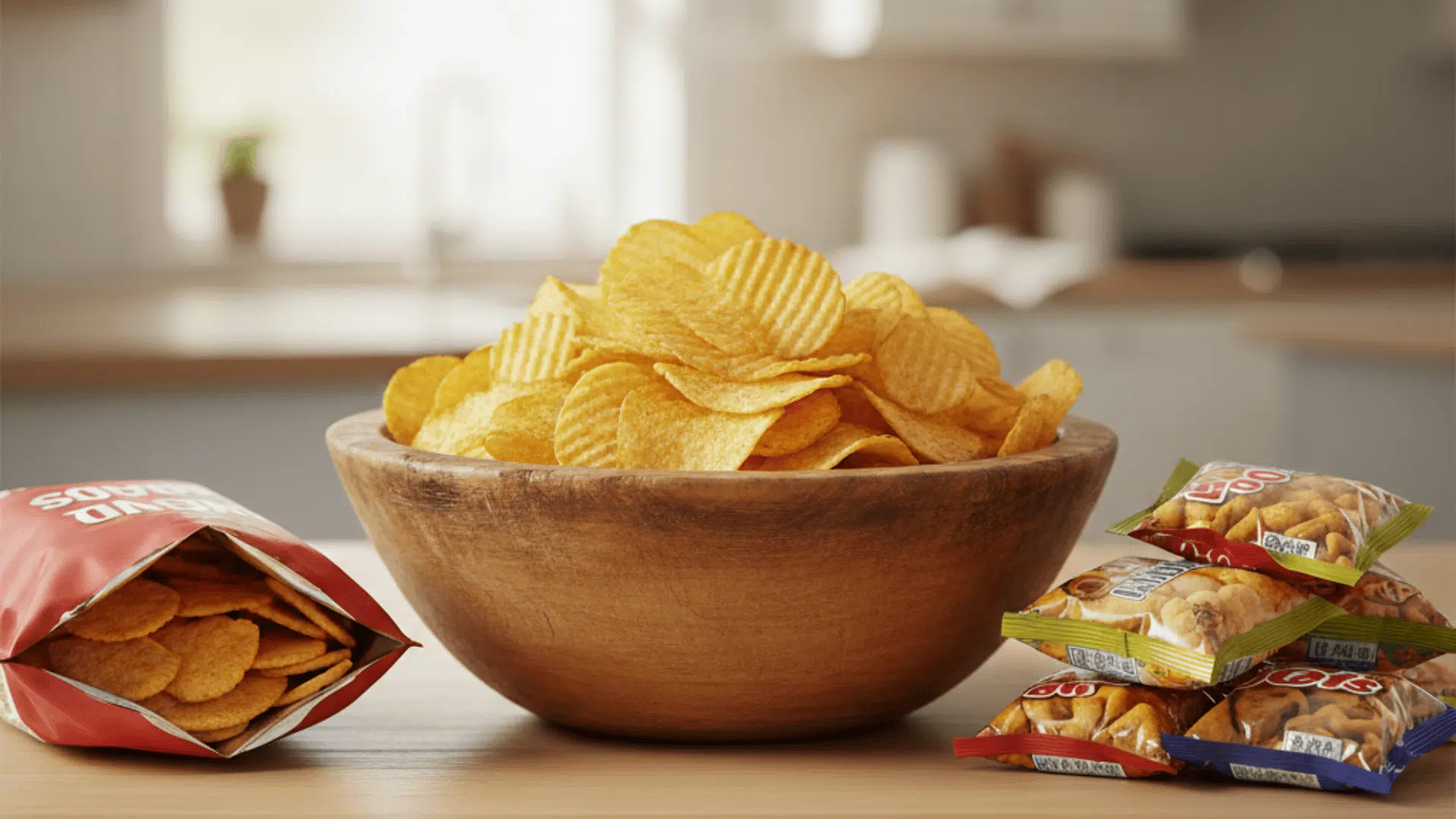
Highly processed snacks like chips, crackers, and packaged munchies are easy to grab, which is why they often become an automatic habit, especially during work breaks, screen time, or travel.
They’re also designed to keep you reaching for more. Eating straight from the bag makes it hard to notice portions, and “just a little” can quickly turn into a whole pack.
When it becomes a problem: when packaged snacks become your daily default, or when you’re regularly snacking mindlessly straight from the packet.
Smarter approach: you don’t have to quit snacks, you just need better go-to options. Pick snacks that are more filling and less processed, like fruit with nuts, roasted chana, yogurt/curd, hummus with veggies, popcorn (lightly salted), or a small handful of seeds. Portion them into a bowl instead of eating straight from the pack.
9. Sugary Foods and Sweetened Drinks
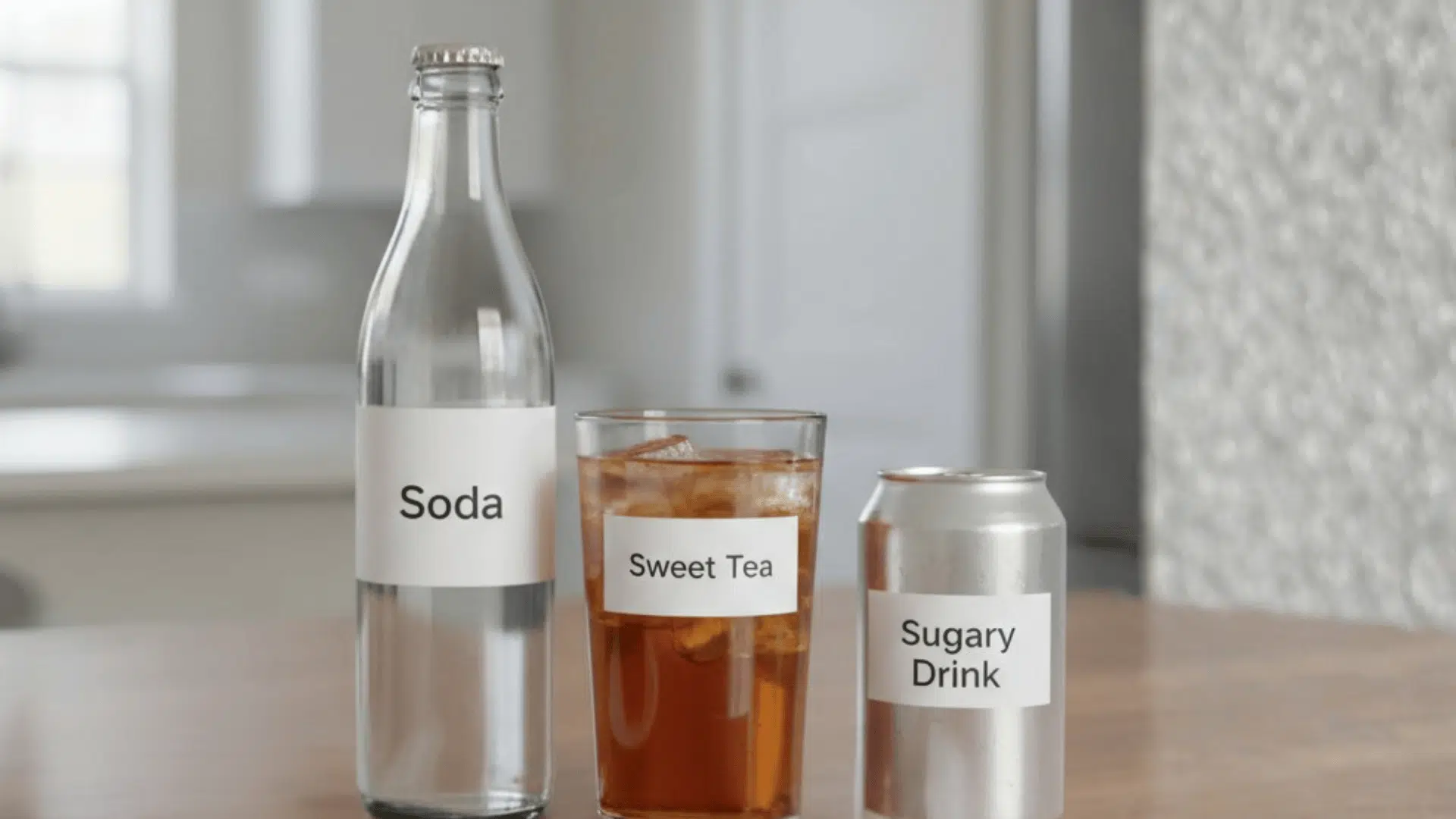
Sugary foods and sweetened drinks don’t always feel like a big deal, especially because they’re often “extras” you add without thinking, such as sweet tea or coffee, a cold drink with lunch, or dessert after dinner.
The bigger issue is how quickly they become daily. Drinks are especially sneaky because they don’t make you feel full, so you can sip a lot of sugar and still feel like you haven’t eaten much.
When it becomes a problem: when sweet drinks or desserts become a daily habit, even in small amounts.
Smarter approach: you don’t have to cut sugar to zero. Start by reducing sweet drinks first; this is often the easiest change with the biggest payoff. Choose water, sparkling water, unsweetened tea/coffee, or milk without added sugar most days, and keep sweets as occasional treats rather than everyday routine.
10. Shellfish
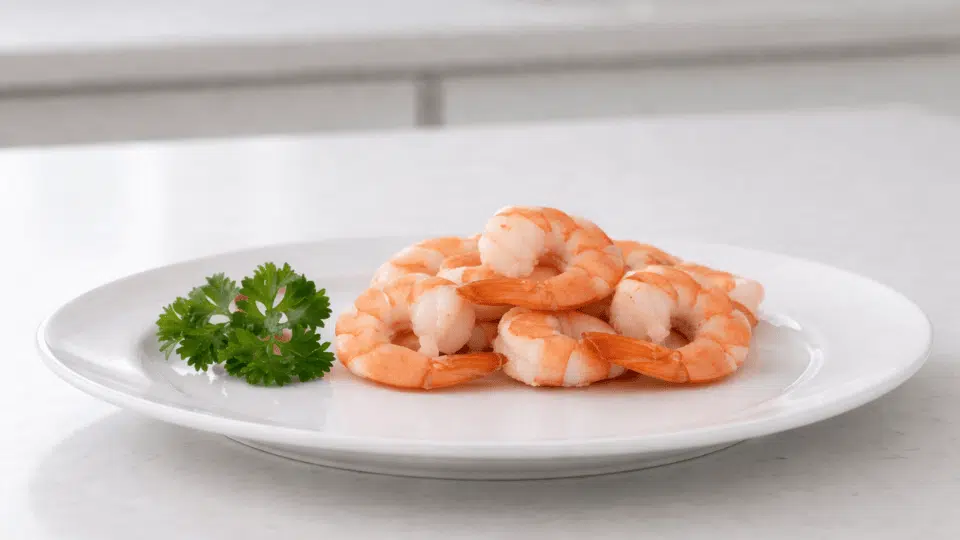
Shellfish can feel like a “lighter” option, so people often don’t think twice about ordering it or assume it’s always the healthier choice.
What matters most is how often you have it, how big the portion is, and how it’s cooked. Shrimp, crab, or scallops can be simple and balanced, or they can turn heavy quickly when fried or loaded with butter and rich sauces.
When it becomes a problem: when shellfish becomes a frequent choice (or the portions are large), especially when it’s usually served fried or with rich sauces.
Smarter approach: shellfish is often fine once in a while. Keep portions moderate, choose grilled, steamed, or lightly sautéed versions, and go easy on buttery sauces. Pair it with veggies and whole grains to keep the meal more heart-friendly.
Foods that Help Lower Cholesterol
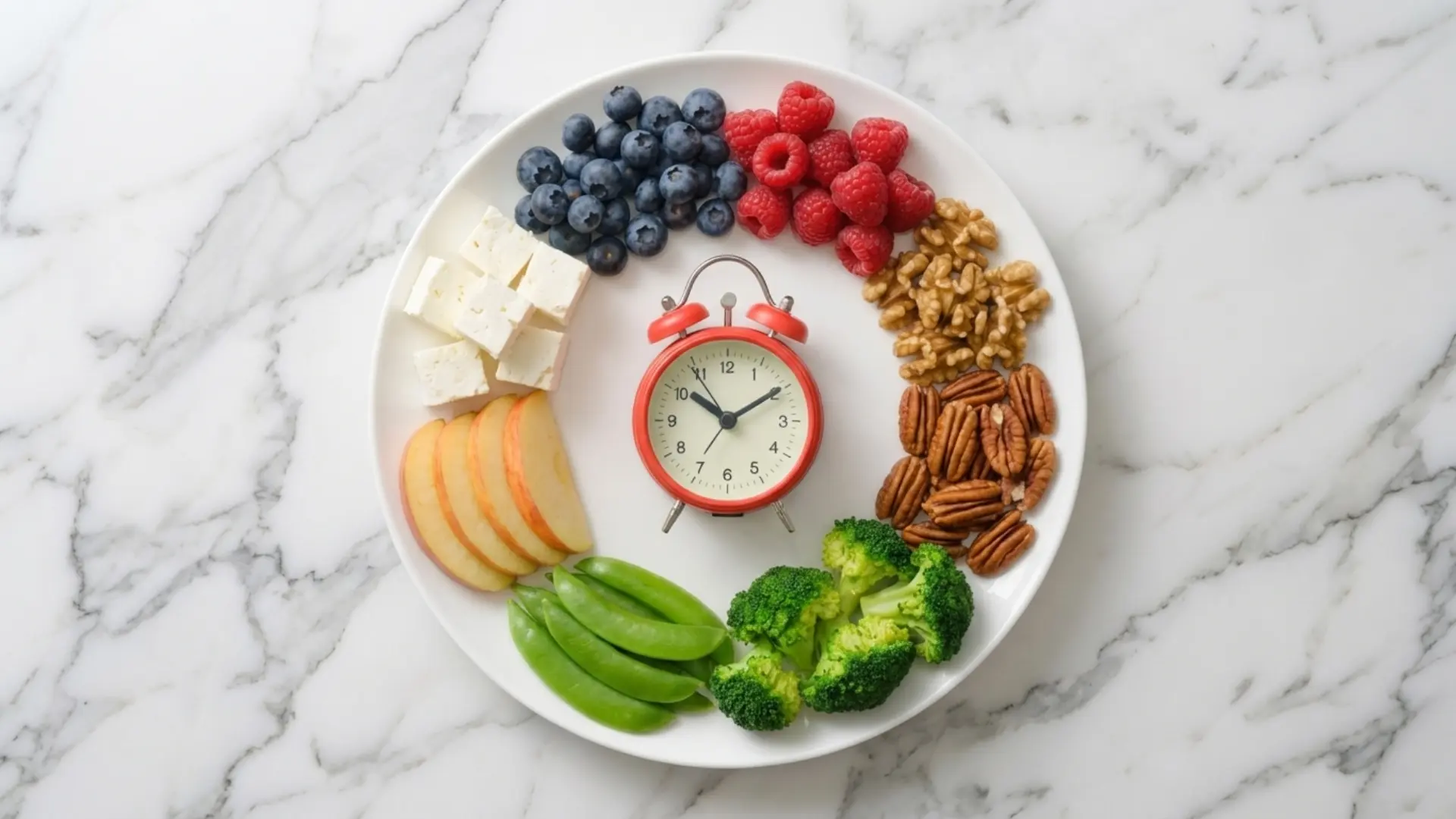
After seeing what to limit, it helps to know what to eat more often. These foods support healthier cholesterol levels by lowering LDL, improving HDL, or helping your body move cholesterol out.
1. Soluble Fiber Foods: Soluble fiber grabs onto cholesterol in your gut and helps your body get rid of it. It’s one of the simplest and most well-supported diet changes for lowering LDL.
Examples: Oats, barley, beans, lentils, apples, citrus.
2. Omega-3-Rich Foods: Omega-3s don’t “erase” cholesterol, but they can lower triglycerides and support heart health. They’re especially helpful if your labs show high triglycerides.
Examples: salmon, Sardines, Mackerel, Chia Seeds, Flaxseeds, Walnuts.
3. Healthy Fats: Swapping saturated fats for unsaturated fats can improve your cholesterol numbers over time. Think “replace,” not “add more.”
Examples: olive Oil, Avocado, Almonds, Peanuts, Sunflower Seeds.
4. Plant Sterols and Stanols: These natural compounds block some cholesterol from being absorbed in your intestines. They work best when used consistently, not once in a while.
Examples: include fortified spreads, yogurt, juices, nuts, and seeds.
Lifestyle Changes That Support Healthy Cholesterol
Lifestyle habits can improve your cholesterol just as much as diet changes. Moving your body most days helps support healthier numbers, and simple activities like brisk walking, cycling, or swimming can work well when done consistently.
Maintaining a healthy weight also matters because extra weight can make it harder for your body to manage cholesterol. If you smoke, quitting is one of the best things you can do for your heart and blood vessels.
It also helps to limit alcohol, since drinking too often can affect heart health. Finally, don’t ignore stress and sleep. High stress and poor sleep can lead to cravings and overeating, which can throw your progress off.
If you have very high cholesterol or take medication, talk with a healthcare professional before making major diet changes.
Final thoughts
Managing high cholesterol does not mean giving up everything you enjoy. I believe it starts with knowing the top ten worst foods for high cholesterol and learning how to limit them without feeling restricted.
By avoiding or reducing these foods, you give your heart a real chance to stay strong and healthy.
Small changes, like swapping processed foods for fiber-rich options or choosing healthier fats, can make a big difference over time.
If you’re unsure where to start or your numbers remain high, getting professional advice can help you stay on track. Take control of your heart health today by making better food choices at your next meal.