












Bananas get all the credit, but they are far from the only option when it comes to fruits high in potassium.
This mineral quietly powers some of the body’s most critical functions, from keeping the heart beating steadily to maintaining fluid balance and supporting muscle recovery after a tough workout.
Yet most people have no idea whether they are hitting their daily targets, or which foods actually move the needle.
This blog covers everything worth knowing: how much potassium the body actually needs, the best potassium-rich fruits to add to the diet, simple ways to eat more of them, and who should be careful about intake.
One major analysis involving around 250,000 participants found that for every 1.64 grams of daily potassium intake, there was a 21% reduction in stroke risk. Yet studies consistently show that most adults fall short of daily targets, largely because processed foods have replaced fresh fruits and vegetables in modern diets.
The answers might be more surprising than expected.
The Role of Potassium in Everyday Health
Potassium is an essential electrolyte, a mineral that carries electrical charges to keep the body functioning properly. One of its most important jobs is regulating fluid balance, ensuring cells stay hydrated, and systems run smoothly.
Beyond that, potassium supports muscle contractions, including the heartbeat, and plays a key role in maintaining healthy blood pressure.
When potassium levels are adequate, the body is better equipped to manage cardiovascular stress.
Research suggests that getting enough potassium, whether through supplements or fruits high in potassium and other whole foods, may reduce cardiovascular risk and support long-term health.
Potassium also helps move nutrients and waste into and out of cells, supports nerve signal transmission, and plays a role in insulin secretion. Low potassium levels have been linked in some studies to an increased risk of type 2 diabetes, and higher intake from fruits has been associated with reduced calcium loss in urine, which helps protect bone density over time.
Signs You May Not Be Getting Enough Potassium
Most people do not realize they are low in potassium until symptoms become noticeable. Common signs of low potassium (hypokalemia) include muscle cramps or weakness, fatigue, irregular heartbeat, constipation, and tingling or numbness. If you regularly experience these without another known cause, it may be worth discussing potassium levels with a doctor and reviewing your fruit and vegetable intake.
Daily Potassium Requirements by Group
Potassium needs vary depending on age, activity level, and life stage. Here is a quick breakdown of how much different groups typically need daily:
| Group | Daily Potassium Needs | Why It Differs |
|---|---|---|
| Most Adults | 2,600 – 3,400 mg | Standard daily requirement for normal body function and fluid balance |
| Pregnant Women | 2,900 mg | Higher needs to support fetal development and increased blood volume |
| Breastfeeding Women | 2,800 mg | Extra potassium needed to replenish what is lost through breast milk |
| Highly Active Adults | 3,500 – 4,700 mg | Sweat and increased physical output raise potassium loss significantly |
I always recommend treating these as starting points rather than fixed rules. If you are unsure about your specific needs, speaking to a healthcare provider is always the safest move.
Fruits High in Potassium for You to Try
Many potassium-rich fruits include avocados, bananas, cantaloupe, oranges, apricots, and kiwi, and each one brings a unique nutritional profile worth knowing.
1. Avocado
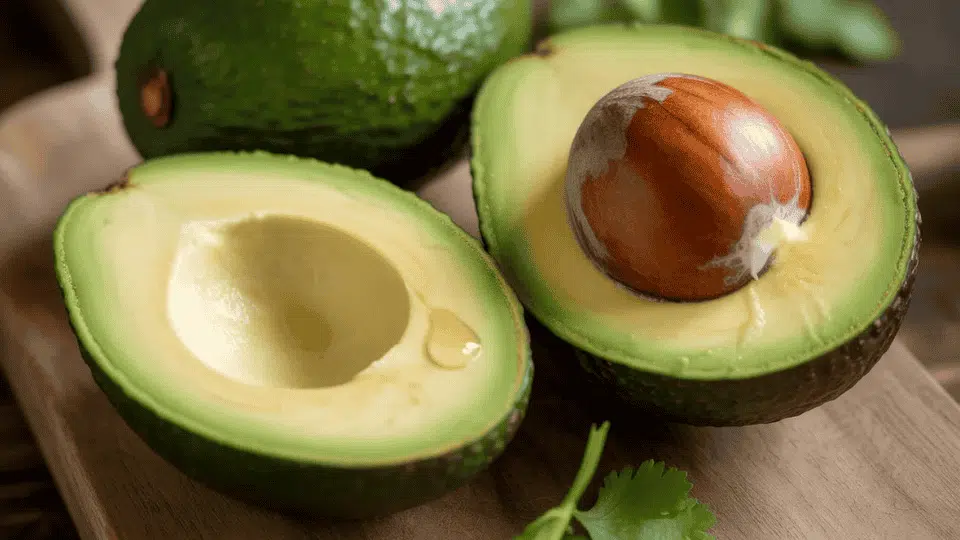
Avocado delivers more potassium than many fruits that people normally rely on. Its creamy texture and rich nutrient profile help support heart health, digestion, and steady energy throughout the day when you include it in meals regularly.
If you want a fruit that delivers strong potassium while also keeping you full longer:
- Serving size: ½ avocado (~100g)
- Potassium: ~485–700 mg
Half an avocado also provides around 7g of heart-healthy monounsaturated fat, which helps the body absorb fat-soluble vitamins from other foods eaten at the same meal.
2. Dried Apricots
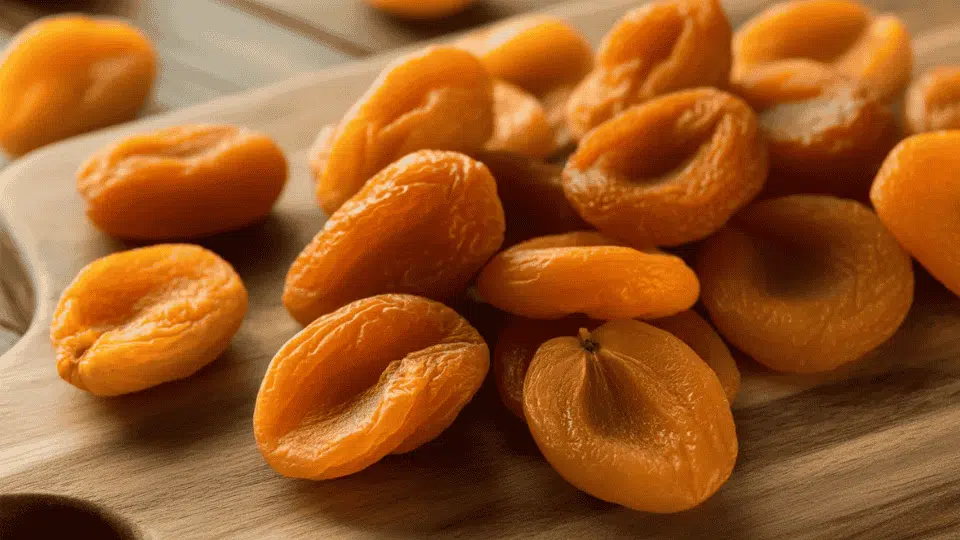
Dried apricots contain concentrated minerals because most of the water is removed during drying. That means even a small handful gives you a strong potassium boost while also working well as a portable snack.
Because drying increases mineral density in fruit, dried apricots become one of the richest potassium options:
- Serving size: ½ cup (~65g)
- Potassium: ~755 mg
- % of daily value: ~22% of the recommended daily intake
Dried apricots are also rich in beta-carotene, which the body converts to vitamin A and which supports eye health and immune function.
3. Guava
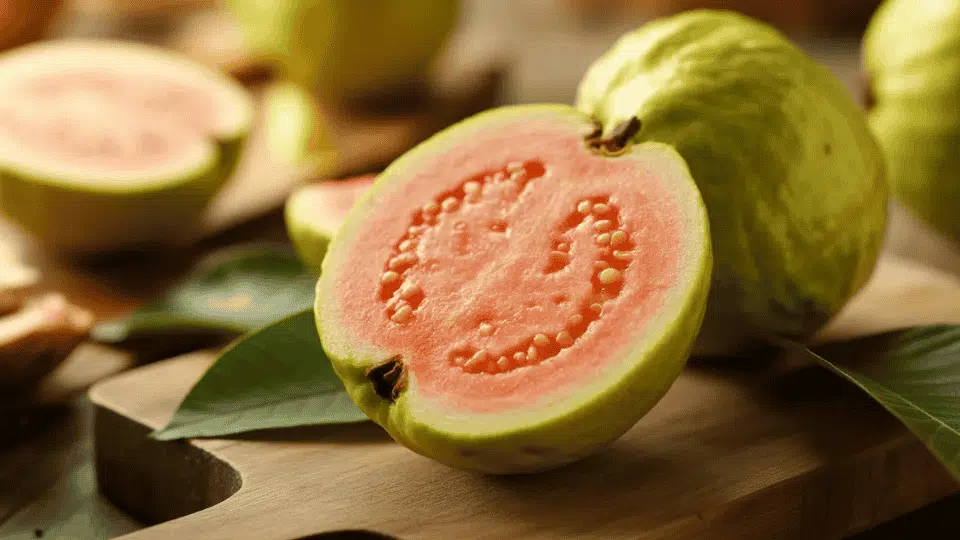
Guava provides a strong amount of potassium compared with many popular fruits. Its slightly sweet taste and firm texture make it refreshing to eat while helping support digestion and daily nutrient intake.
If you want a fruit that quietly delivers solid potassium while still tasting fresh and light:
- Serving size: 1 cup (~165g)
- Potassium: ~688 mg
4. Banana

Bananas remain one of the most familiar potassium sources people include in daily diets. Their natural sweetness and soft texture make them easy to eat anytime, whether you need quick energy before exercise or a simple snack during the day.
If you want a simple fruit that reliably adds potassium to your routine:
- Serving size: 1 medium banana (~118g)
- Potassium: ~420 mg
5. Cantaloupe
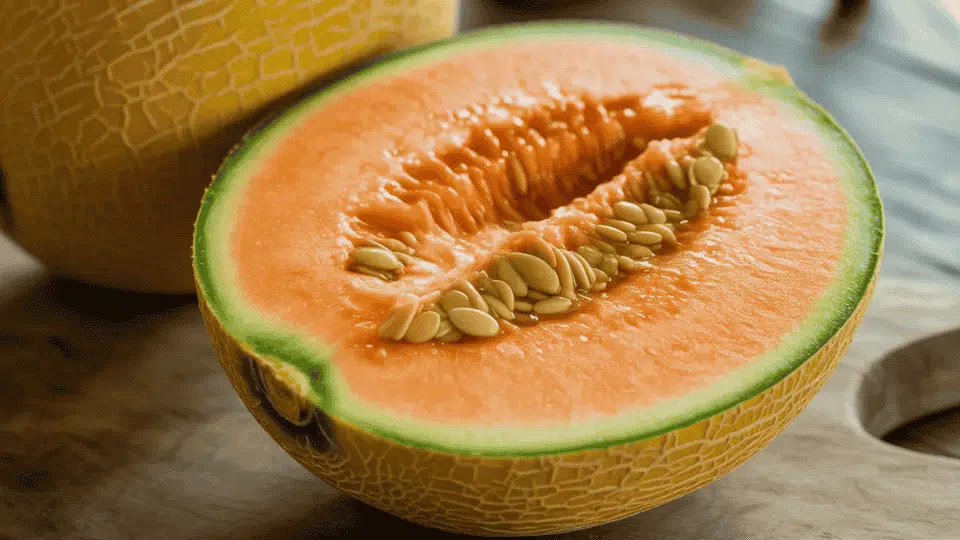
Cantaloupe is a refreshing melon that contains plenty of water and a helpful amount of potassium. Its light sweetness and juicy texture make it a popular choice during warmer months when your body benefits from extra hydration and minerals.
If you prefer juicy fruits that help restore fluids and electrolytes:
- Serving size: 1 cup diced (~160g)
- Potassium: ~470 mg
6. Kiwi
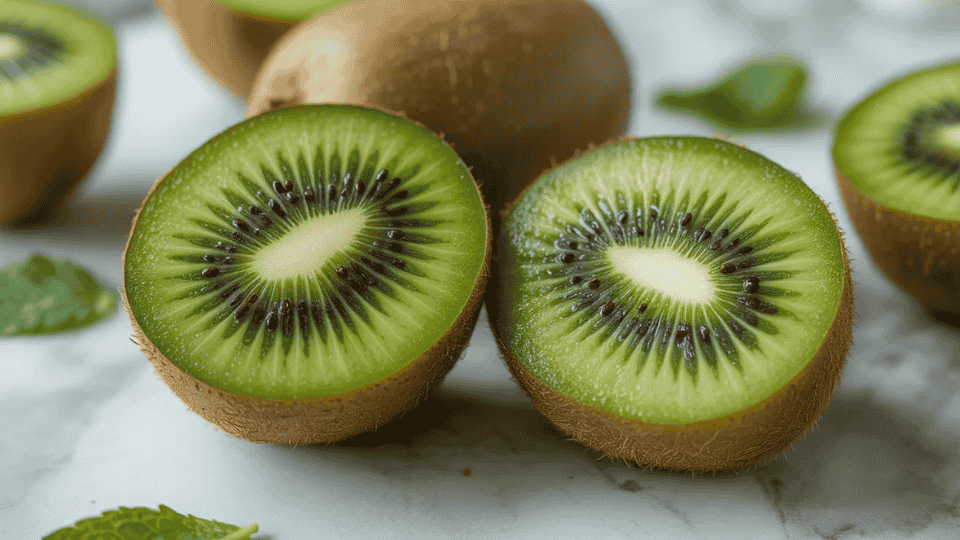
Kiwi may be small, but it contributes a noticeable amount of potassium in each serving. Its bright green flesh and tangy sweetness make it a refreshing fruit that works well in breakfast bowls, smoothies, or quick snacks.
If you enjoy small fruits that still deliver meaningful potassium:
- Serving size: 2 medium kiwis (~148g)
- Potassium: ~448 mg
7. Orange
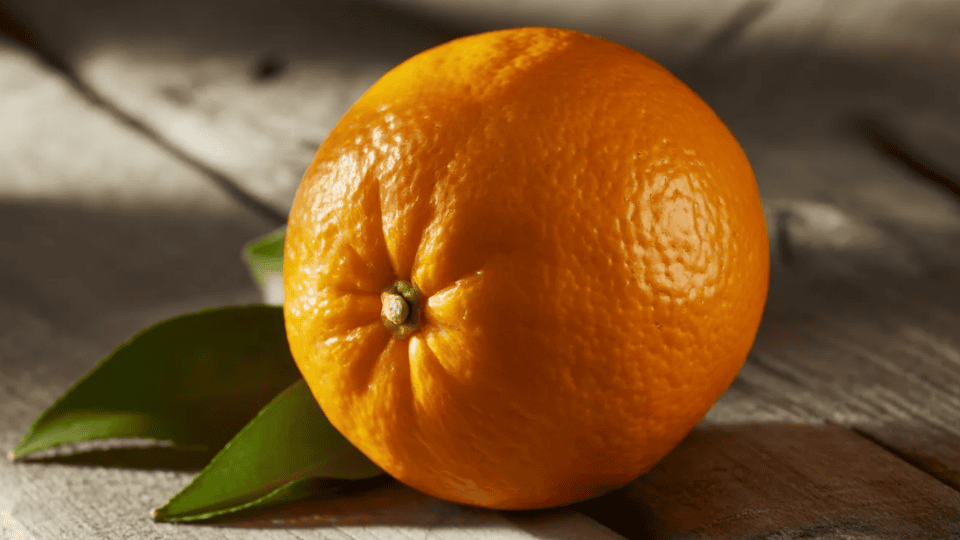
Oranges are widely enjoyed for their refreshing taste and juicy texture. Along with hydration and natural sweetness, they provide a moderate amount of potassium that helps support normal muscle function and electrolyte balance in everyday diets.
If you want a fruit that is easy to carry and simple to eat anywhere:
- Serving size: 1 large orange (~184g)
- Potassium: ~333 mg
8. Pomegranate
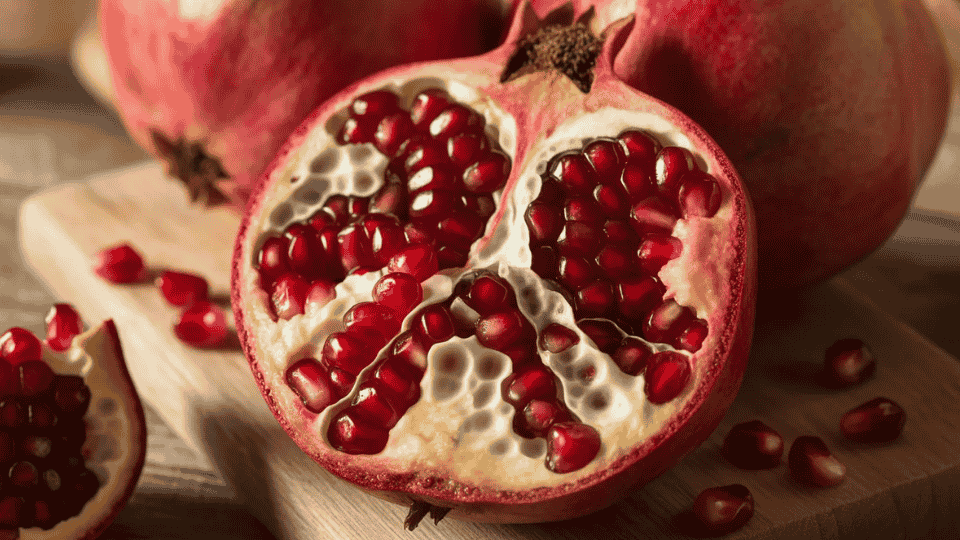
Pomegranate seeds bring a pleasant crunch and burst of flavor with each bite. Beyond their taste, they provide a solid potassium contribution that supports heart and muscle health when included regularly in fruit bowls or salads.
If you enjoy fruits that add texture and nutrition at the same time:
- Serving size: 1 cup arils (~174g)
- Potassium: ~411 mg
9. Honeydew Melon
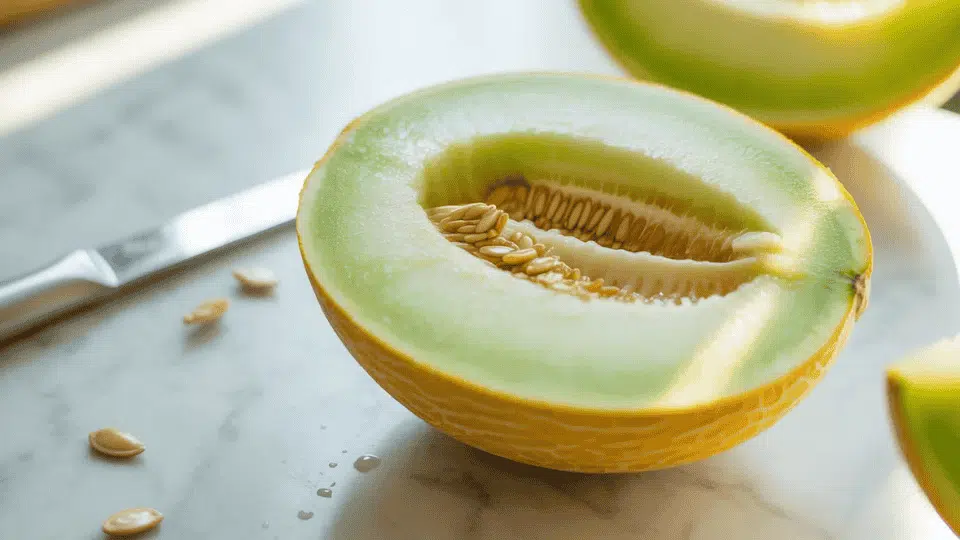
Honeydew melon has a mild sweetness and refreshing texture that many people enjoy. Its high water content helps keep you hydrated, while its potassium content supports fluid balance and healthy muscle function throughout the day.
If you prefer fruits that feel light yet still supply useful minerals:
- Serving size: 1 cup diced (~170g)
- Potassium: ~388 mg
10. Mango
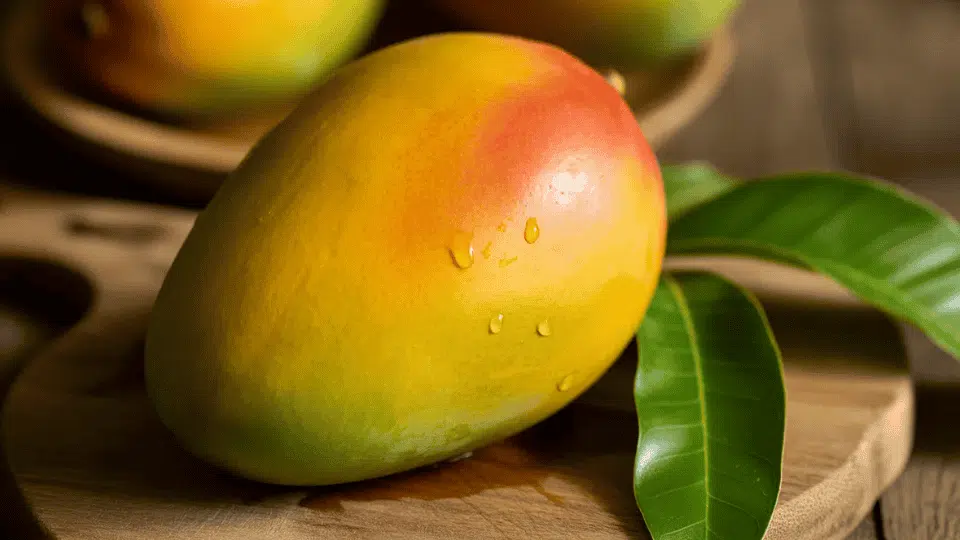
Mango offers a smooth texture and naturally sweet flavor that works well in many meals. It also provides a moderate amount of potassium, making it a pleasant way to support electrolyte balance while enjoying a tropical fruit.
If you like fruits that combine sweetness with everyday nutrition:
- Serving size: 1 cup sliced (~165g)
- Potassium: ~277 mg
11. Papaya
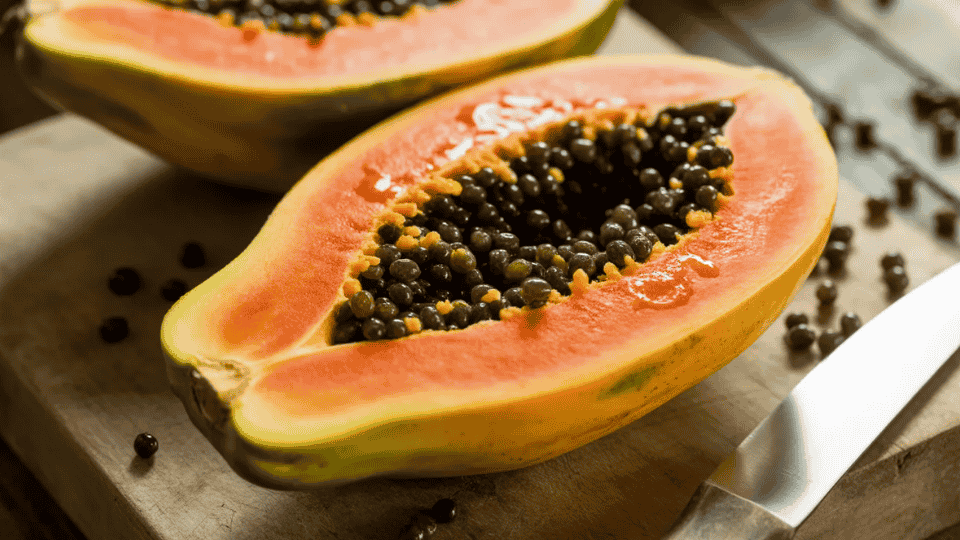
Papaya is a soft tropical fruit that many people find easy to digest. It delivers a moderate potassium amount while offering a light sweetness, making it a comfortable fruit choice for breakfast bowls or simple snacks.
If you want a fruit that feels gentle on the stomach while still contributing potassium:
- Serving size: 1 cup cubed (~145g)
- Potassium: ~360 mg
12. Watermelon
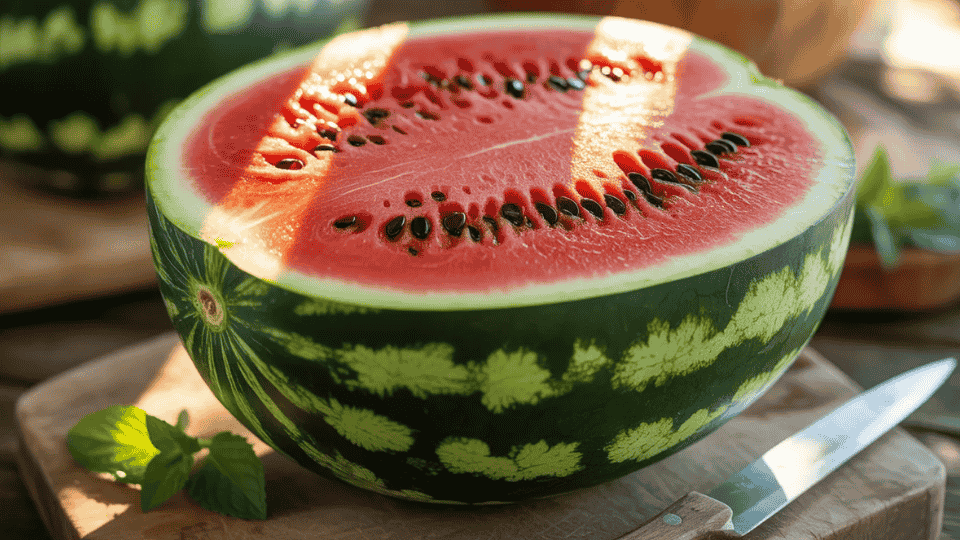
Watermelon is known for its refreshing taste and extremely high water content. While it is very hydrating, it also supplies a moderate amount of potassium that helps maintain electrolyte balance during warm weather or after activity.
If hydration is your priority while still getting some potassium:
- Serving size: 2 cups diced (~280g)
- Potassium: ~320 mg
13. Coconut
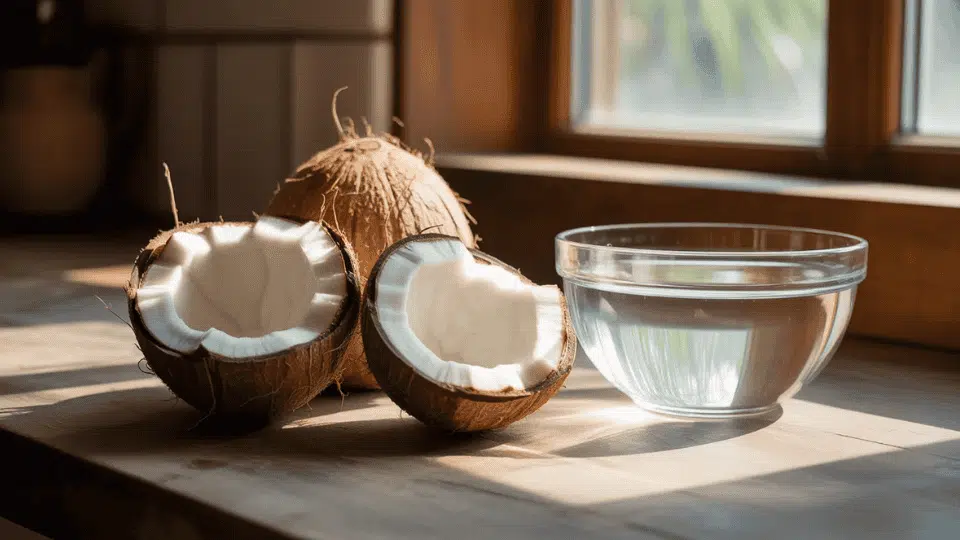
Fresh coconut meat provides a steady potassium contribution along with a rich, slightly nutty flavor. It can be eaten fresh, added to smoothies, or sprinkled over meals to increase both texture and nutritional value.
If you enjoy tropical fruits with a richer texture and mineral content:
- Serving size: 1 cup shredded (~80g)
- Potassium: ~285 mg
14. Passion Fruit

Passion fruit is small but packed with nutrients in every serving. Its bright flavor and slightly tart taste make it a refreshing fruit while also contributing a useful amount of potassium to your daily intake.
If you like bold tropical flavors that also bring nutritional value:
- Serving size: ½ cup (~118g)
- Potassium: ~348 mg
15. Jackfruit
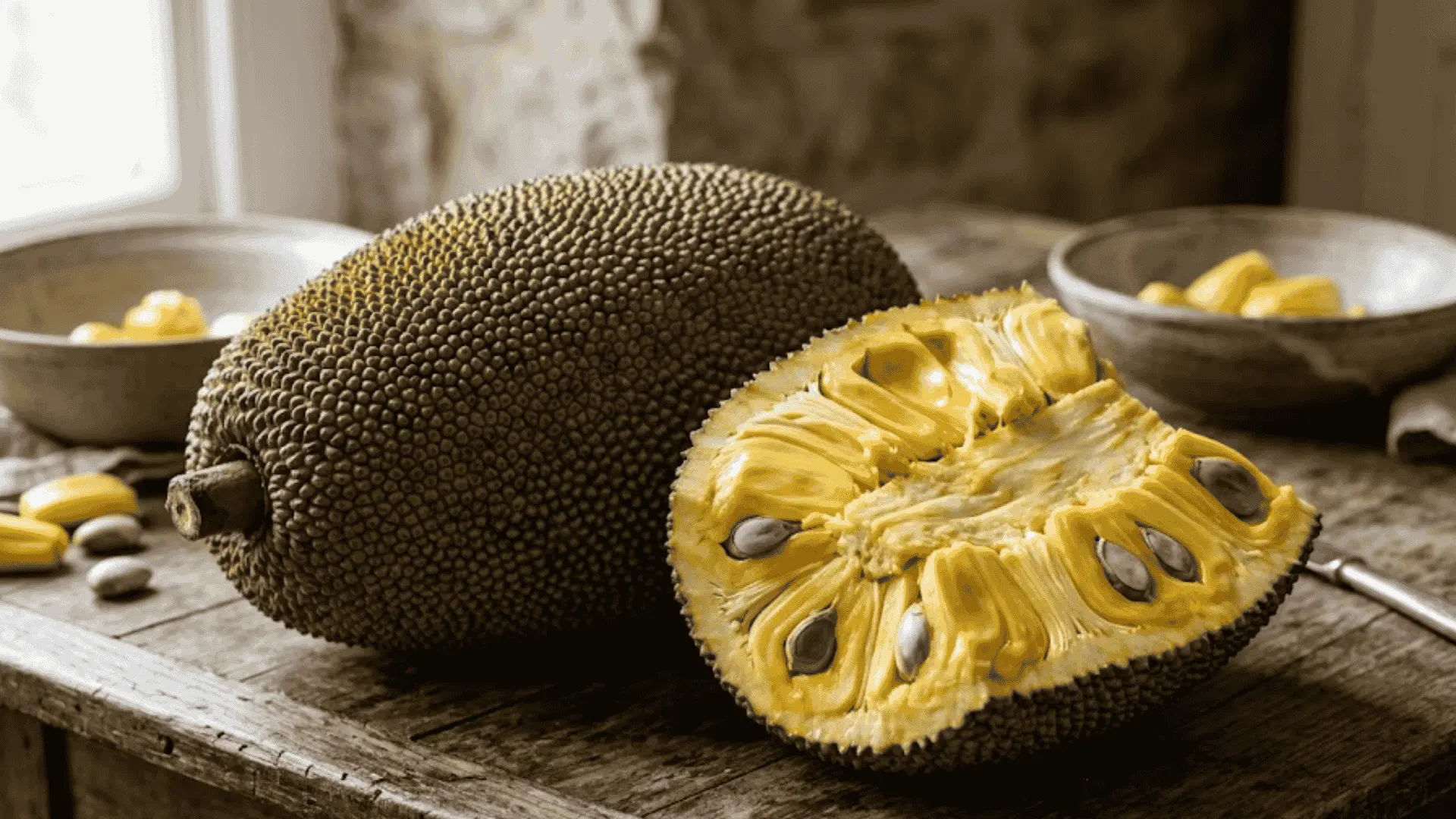
Jackfruit is a large tropical fruit known for its fibrous texture and mild sweetness. It provides a strong amount of potassium while also being filling, which makes it a useful fruit for satisfying hunger.
If you want a fruit that feels hearty while still supporting mineral intake:
- Serving size: 1 cup sliced (~165g)
- Potassium: ~739 mg
16. Plantain
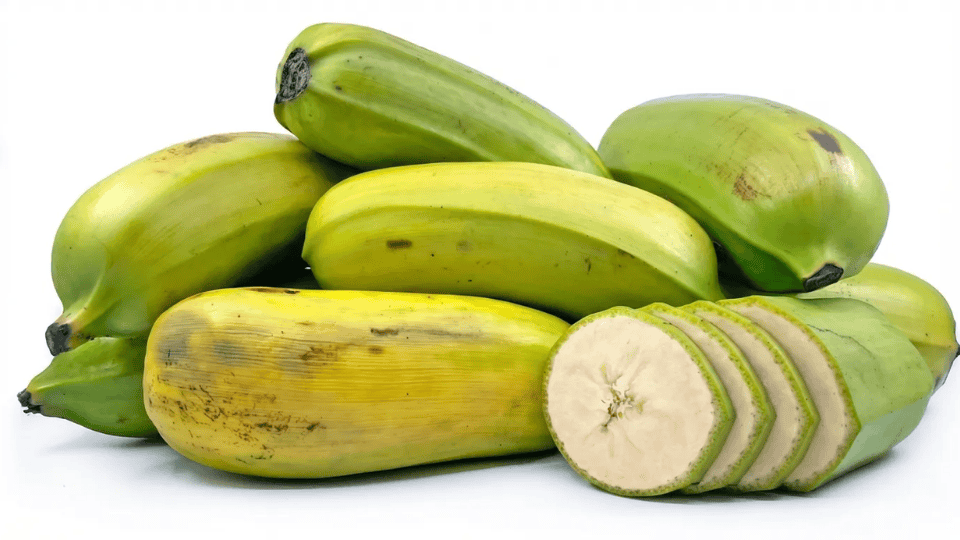
Plantains are similar to bananas but are usually cooked before eating. They contain a higher potassium amount and a firmer texture, making them popular in many savory dishes and traditional meals.
If you prefer fruits that can be used in cooked dishes as well:
- Serving size: 1 medium plantain (~148g)
- Potassium: ~663 mg
17. Durian
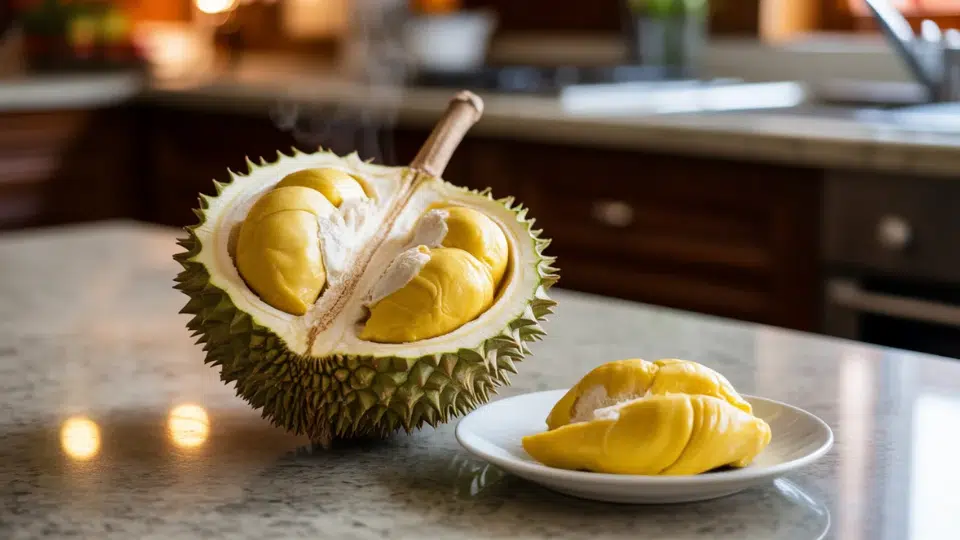
Durian is known for its strong aroma and creamy interior. Despite its bold reputation, it delivers a significant amount of potassium and works well in desserts or is eaten fresh in many tropical regions.
If you enjoy rich tropical fruits with dense nutrition:
- Serving size: 1 cup chopped (~243g)
- Potassium: ~645 mg
18. Mulberry
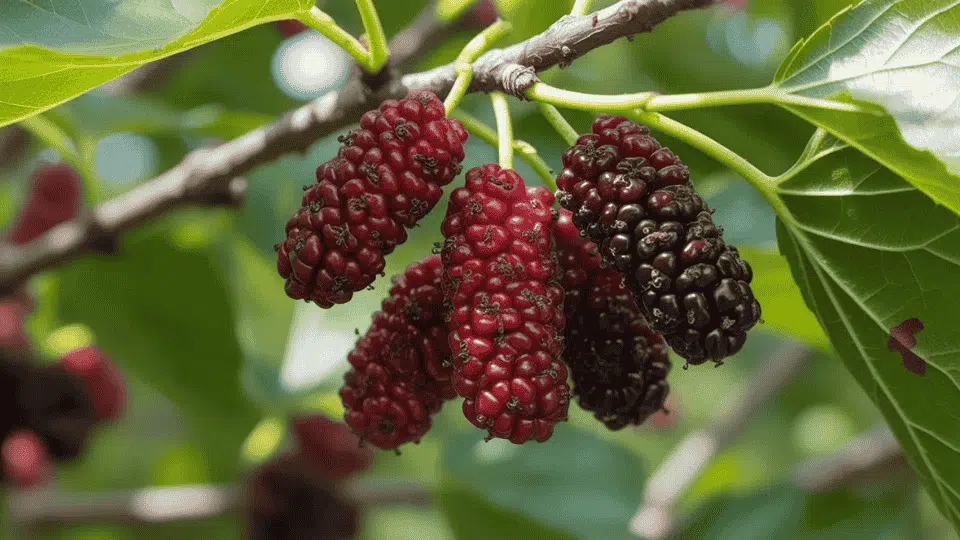
Mulberries are small berries with a sweet, slightly tart flavor. They may not be as common in many stores, but they still provide a helpful amount of potassium when eaten fresh or dried.
If you want to include lesser-known berries in your fruit choices:
- Serving size: 1 cup (~140g)
- Potassium: ~272 mg
19. Lychee
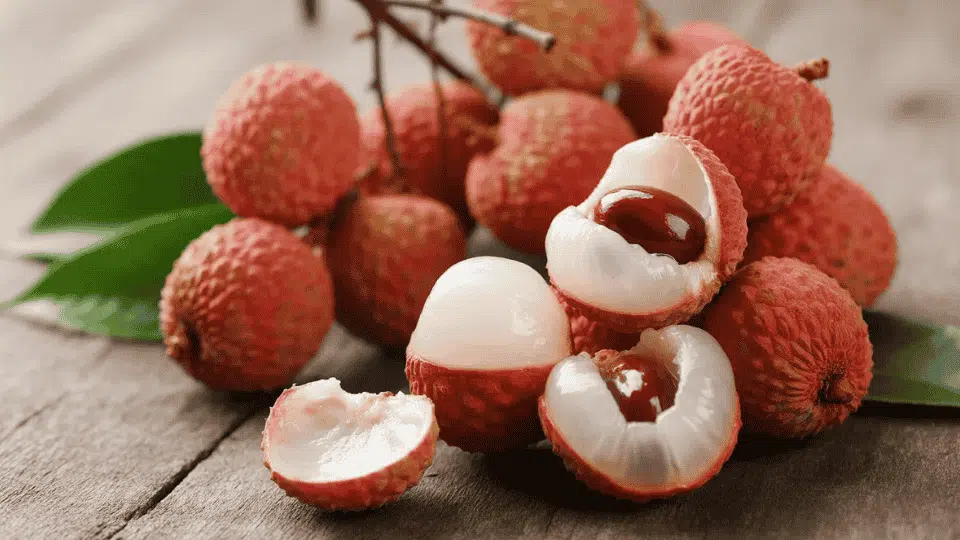
Lychee has a delicate sweetness and juicy flesh hidden inside a rough outer shell. Along with its refreshing taste, it contributes a moderate amount of potassium that helps support everyday mineral intake.
If you enjoy light tropical fruits with a juicy texture:
- Serving size: 1 cup (~190g)
- Potassium: ~325 mg
20. Pineapple
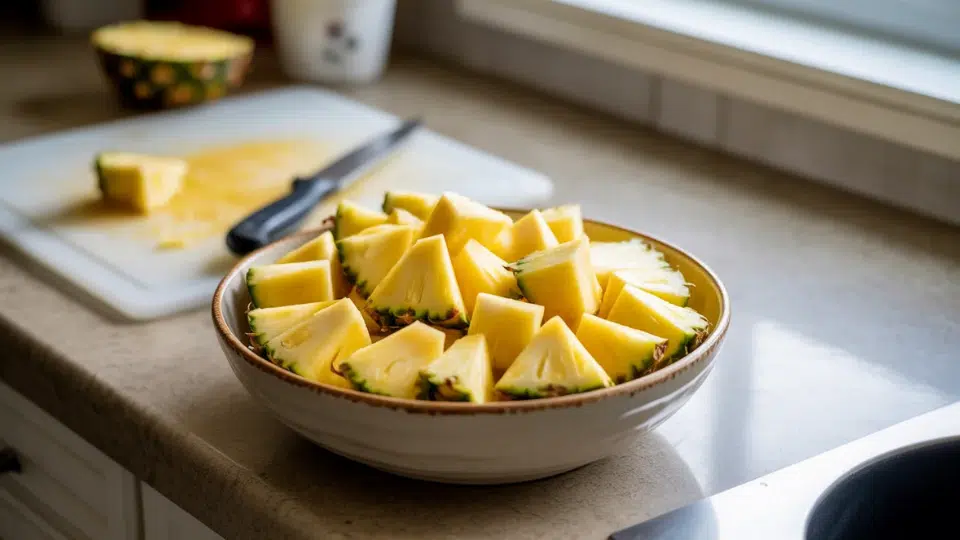
Pineapple offers a bright, slightly tangy flavor that many people enjoy fresh or in smoothies. While its potassium amount is modest, it still contributes to your daily intake when included regularly.
If you like fruits that bring a sweet and tangy balance:
- Serving size: 1 cup chunks (~165g)
- Potassium: ~180 mg
21. Starfruit (Carambola)
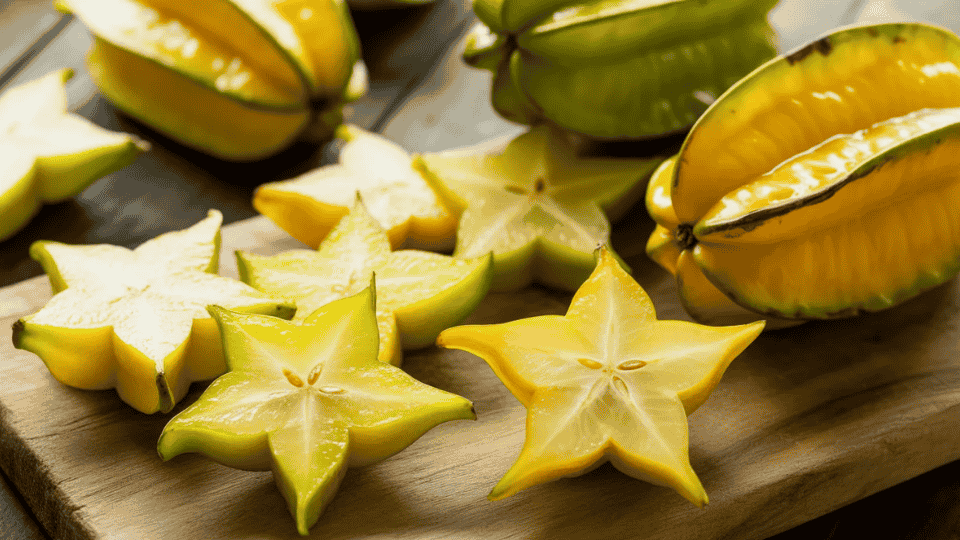
Starfruit has a crisp texture and mild flavor that makes it refreshing to eat. It also provides a small but useful potassium contribution while being naturally low in calories.
If you enjoy fruits that feel light and refreshing:
- Serving size: 1 cup sliced (~132g)
- Potassium: ~176 mg
22. Persimmon
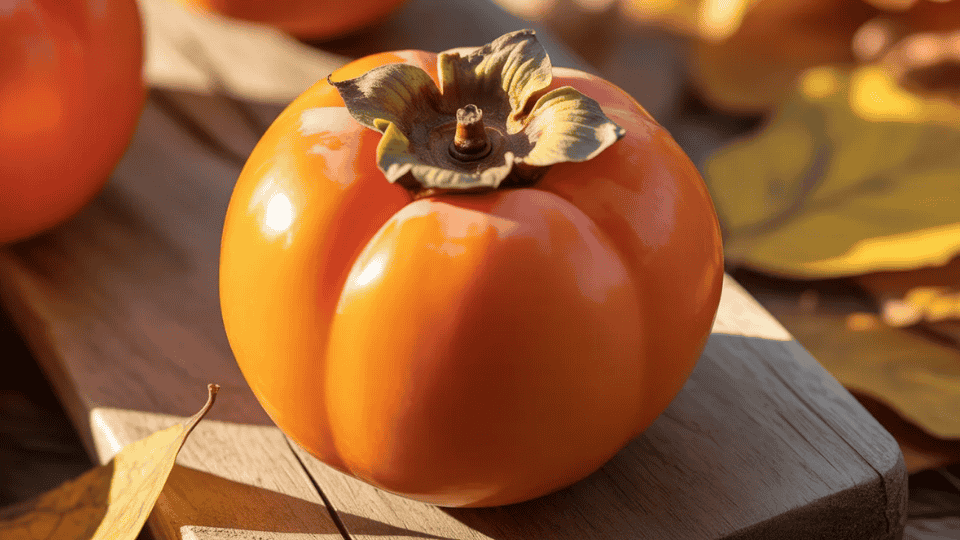
Persimmons are naturally sweet fruits often enjoyed during cooler seasons. Their soft texture and honey-like taste make them satisfying while still contributing a modest potassium amount to your diet.
If you enjoy sweet seasonal fruits with a smooth texture:
- Serving size: 1 medium persimmon (~168g)
- Potassium: ~270 mg
23. Dates
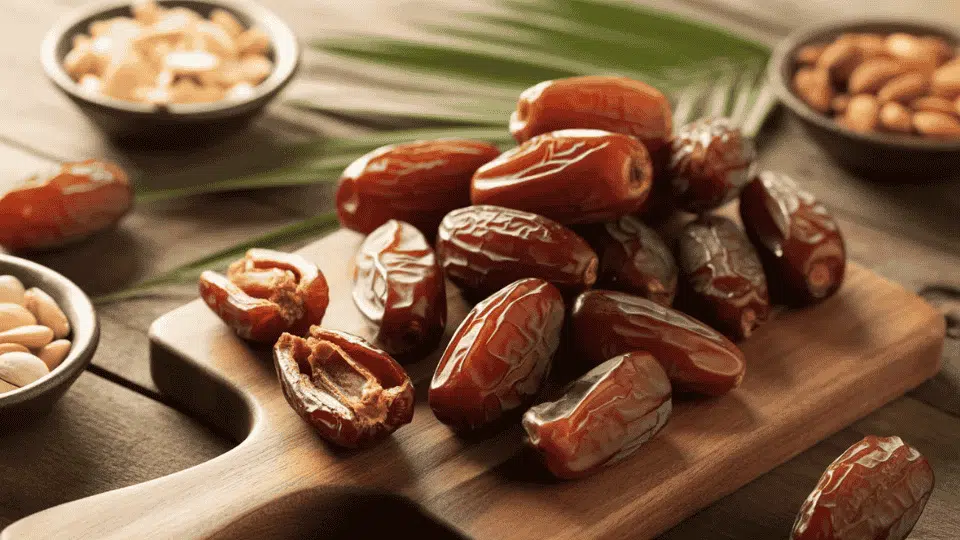
Dates are dense, naturally sweet fruits often used as quick energy snacks. Along with their rich flavor, they provide a meaningful potassium amount that can help support electrolyte balance after physical activity.
If you want a fruit that quickly replenishes energy and minerals:
- Serving size: ¼ cup (~40g)
- Potassium: ~280 mg
24. Fig
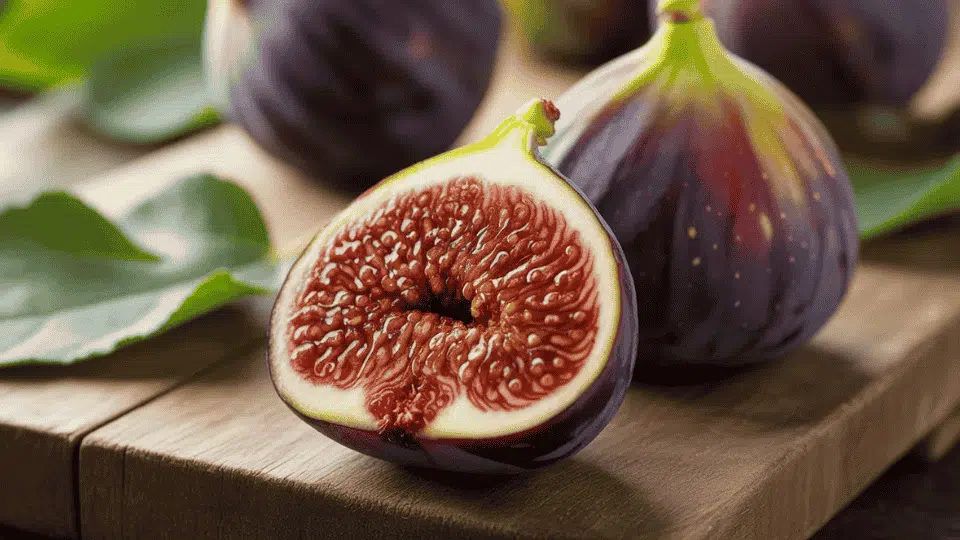
Fresh figs have a soft texture and mild sweetness that many people enjoy. They provide a gentle potassium contribution while also adding variety to fruit salads, breakfast bowls, and light desserts.
If you like fruits with a soft texture and natural sweetness:
- Serving size: 2 medium figs (~100g)
- Potassium: ~232 mg
25. Dragon Fruit
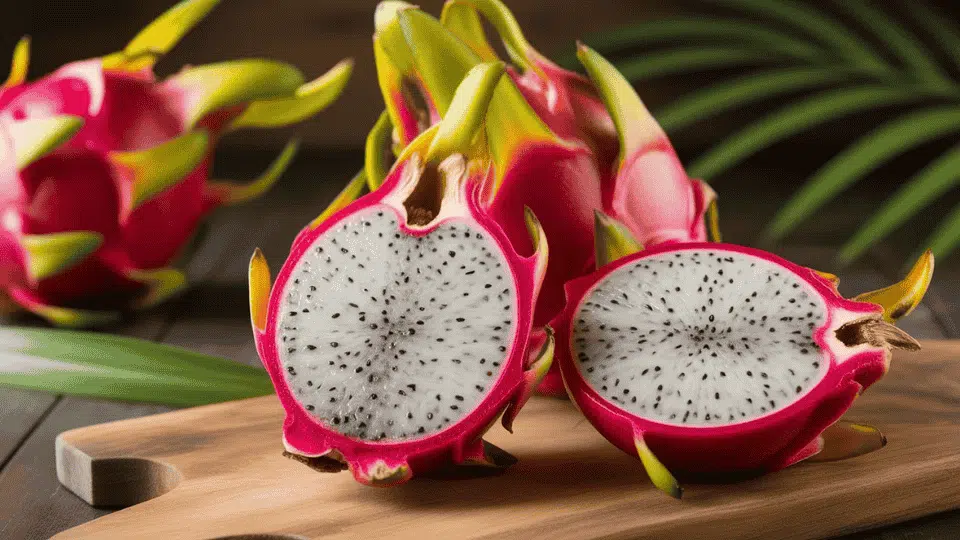
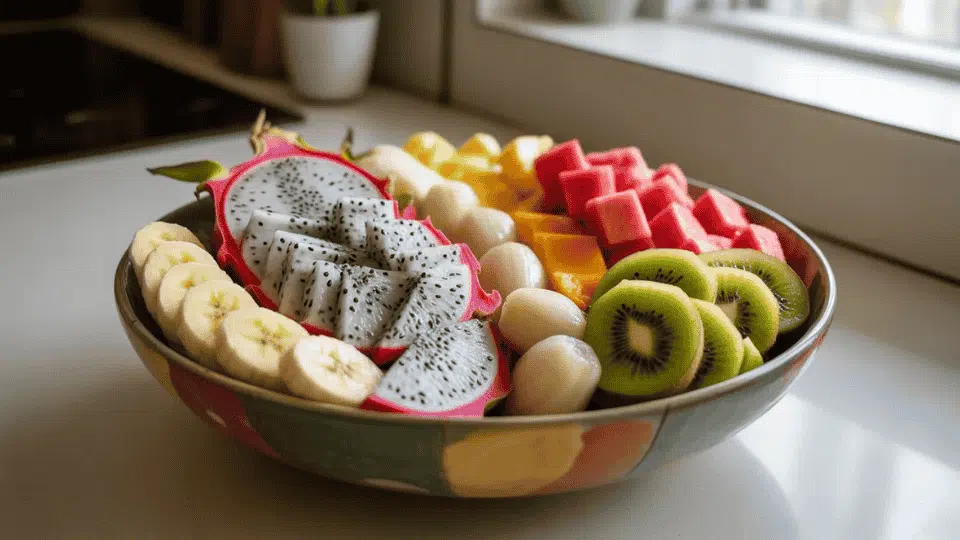
Dragon fruit has a mild flavor and a refreshing texture with tiny edible seeds. It provides a decent amount of potassium while also adding color and variety to fruit bowls and smoothies.
If you enjoy fruits that look unique yet taste light and refreshing:
- Serving size: 1 cup cubed (~227g)
- Potassium: ~436 mg
Quick Comparison: Top 10 Fruits by Potassium Per Serving
| Fruit | Serving Size | Potassium (mg) |
|---|---|---|
| Dried Apricots | half cup | ~755 mg |
| Jackfruit | 1 cup | ~739 mg |
| Avocado | half fruit | ~485 to 700 mg |
| Guava | 1 cup | ~688 mg |
| Plantain | 1 medium | ~663 mg |
| Durian | 1 cup | ~645 mg |
| Prunes | half cup | ~635 mg |
| Cantaloupe | 1 cup | ~470 mg |
| Kiwi | 2 medium | ~448 mg |
| Dragon Fruit | 1 cup | ~436 mg |
Easy Ways to Add Potassium-Rich Fruits to Your Diet
Adding more potassium-rich fruits to daily meals doesn’t have to be complicated; small, consistent swaps make a noticeable difference over time.
- Smoothie Combinations: Blend banana, avocado, or kiwi with a handful of spinach and coconut water for a potassium-packed morning drink.
- Fruit Bowls: Layer sliced cantaloupe, papaya, and banana for a naturally sweet bowl that doubles as a nutrient-dense snack or light meal.
- Breakfast Toppings: Add sliced banana or dried apricots over oatmeal or yogurt to boost potassium intake without any extra effort.
- Post-Workout Snacks: Reach for a banana, a few dates, or a small serving of dried prunes after exercise to replenish potassium lost through sweat.
These simple additions make it easy to stay consistent, and most of them take under five minutes to put together.
Who Should Be Careful About Potassium Intake
While most healthy people benefit from eating more potassium-rich fruits, certain groups need to monitor intake carefully.
People with kidney disease are the most important group to flag here. Healthy kidneys filter excess potassium out of the blood, but damaged kidneys cannot do this efficiently. When potassium builds up in the bloodstream (a condition called hyperkalemia), it can cause muscle weakness, nausea, irregular heartbeat, and in severe cases, cardiac arrest. If you have chronic kidney disease, consult a doctor or dietitian before significantly increasing potassium-rich foods.
People taking certain medications should also check with a doctor. Some blood pressure medications, diuretics, and ACE inhibitors affect potassium levels, and combining them with a high-potassium diet without guidance can lead to imbalances.
Note: Potassium is essential, but those with kidney disease or hyperkalemia risk should be cautious. Damaged kidneys can’t filter excess potassium, risking dangerous buildup. Consult a doctor before major dietary changes.
Final Thoughts
Potassium is one of those nutrients that works quietly in the background, and it deserves far more attention than it gets.
From avocados and jackfruit to passion fruit and dates, the variety of fruits high in potassium makes it genuinely easy to hit daily targets without overhauling an entire diet.
The key takeaway is simple: small, consistent food choices add up. Whether managing blood pressure, recovering from workouts, or just eating better overall, potassium-rich fruits are an easy place to start.
I hope this breakdown made things clearer and more actionable. I’d love to know, which fruit surprised you the most? Drop a comment below and let me know.