



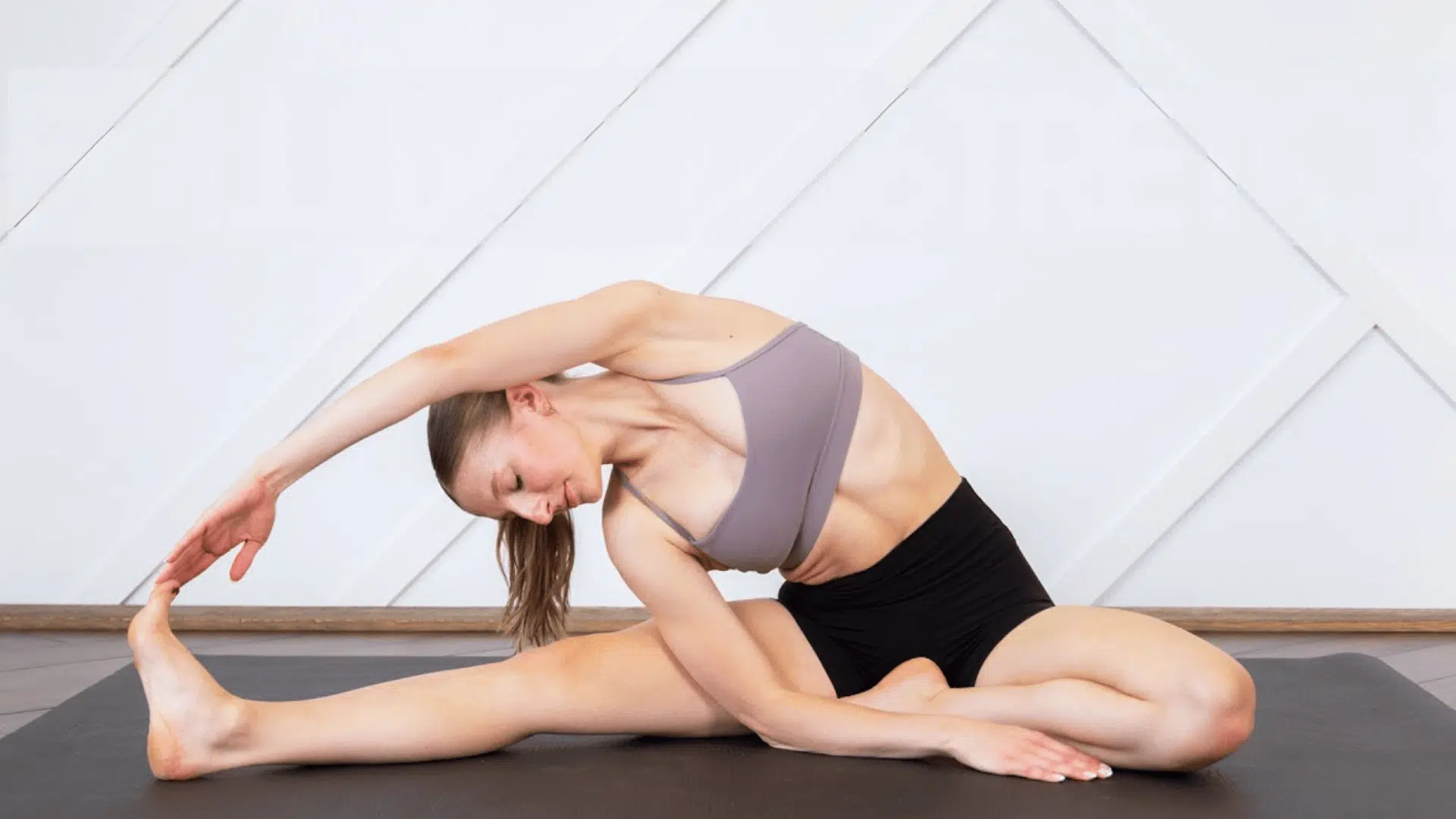






If you’re dealing with stiffness, muscle soreness, or want to feel more relaxed, a full-body stretching routine can help you achieve all of these goals.
In this blog, I’ll give a complete full-body stretching routine that targets your major muscle groups in just 10-15 minutes.
I’ll also share helpful tips for stretching tailored to your specific needs, if you’re an athlete, someone working at a desk, or simply looking to relax.
By the end, you’ll have a go-to stretching routine that helps you feel better, move more freely, and stay injury-free. If you’re ready to improve your flexibility and well-being, continue reading.
Why Stretching is Crucial for Your Health
Stretching is essential for maintaining and improving physical health. Regular practice improves flexibility, which in turn increases your range of motion and supports proper joint function. This helps prevent injuries like strains and sprains.
Full body stretches also aid in muscle recovery after exercise by improving blood circulation, reducing soreness, and boosting posture by releasing tight muscles in the hips, back, and shoulders.
By activating your body’s relaxation response, stretching helps reduce stress and calm the mind. Focused breathing, which accompanies stretching, promotes mental clarity and emotional balance, making it a simple yet powerful tool for self-care.
Incorporating stretching into your day is easy and effective. Whether it’s quick morning stretches or a relaxing evening routine, spending just a few minutes daily can make a huge difference in how you feel physically and mentally.
The Best Time to Stretch: Morning, Afternoon, or Night?
The best time to do a full-body stretch depends on your goals and daily routine.
In the morning, stretching can help wake up the body, increase circulation, and prepare muscles for the day ahead. Gentle stretches, such as neck rolls and hamstring stretches, are ideal for boosting energy and flexibility immediately after waking up.
In the afternoon, stretching helps alleviate any stiffness that may have developed from sitting or standing for extended periods. This is a great time to incorporate more dynamic stretches to refresh and re-energize your body, especially if you’re feeling fatigued.
For nighttime, stretching before bed promotes relaxation and prepares your body for a restful sleep. Gentle, slow stretches, such as child’s pose and forward folds, activate the parasympathetic nervous system, calming the mind and reducing tension.
Full-Body Stretching Routine: Step-by-Step Guide
This full-body stretching routine targets all major muscle groups, improving flexibility and promoting relaxation in just 10-15 minutes.
It offers both dynamic and static movements, providing a comprehensive range of stretches.
Step 1: Neck Rolls
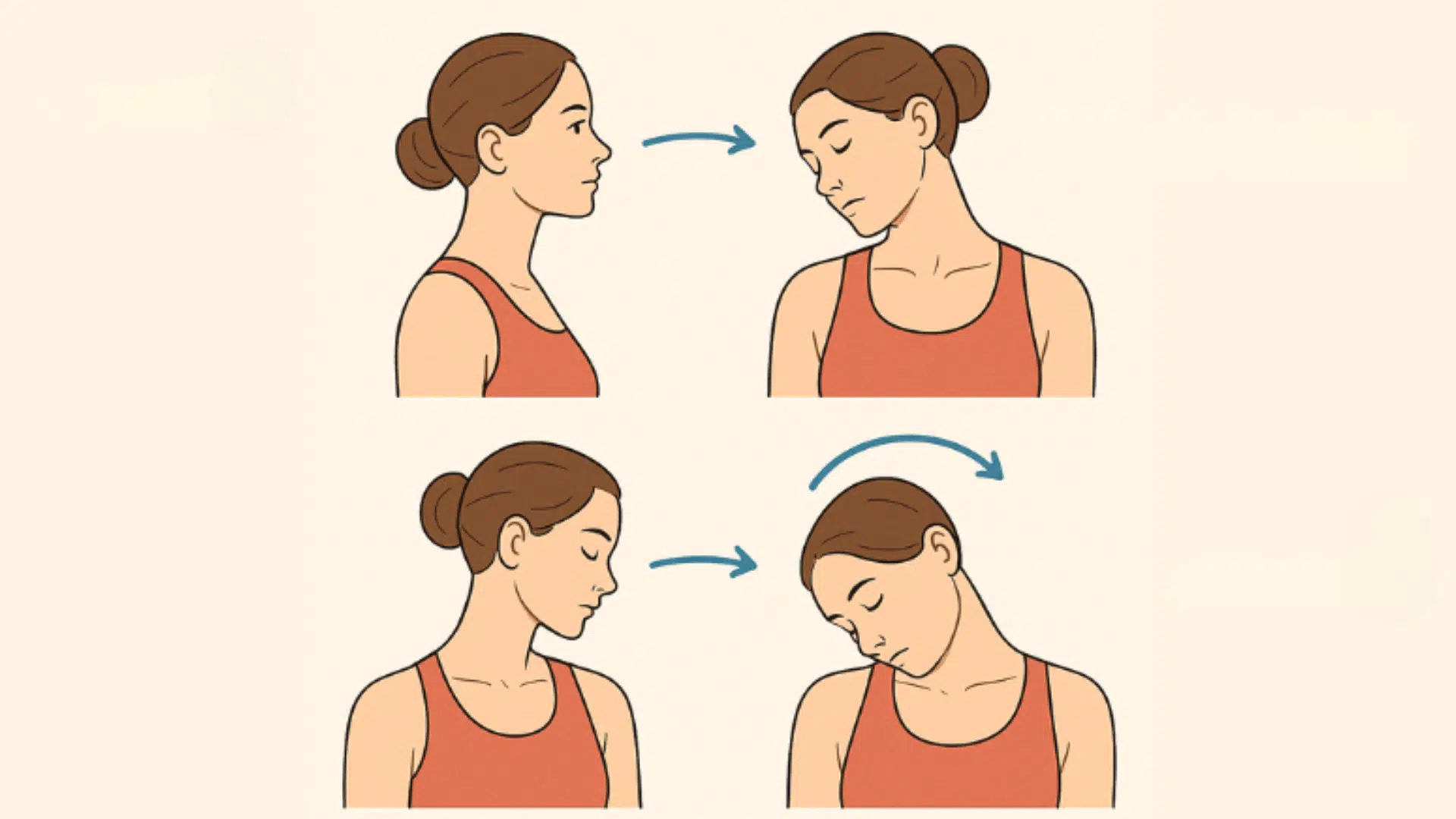
Stand with feet shoulder-width apart and arms relaxed. Gently dip your chin toward your chest and roll your head in a clockwise direction for one full rotation, then rest for 5 seconds. Repeat in the opposite direction.
This simple motion helps release neck tension and improve mobility, particularly for individuals who experience tightness due to prolonged sitting.
Step 2: Shoulder Rolls
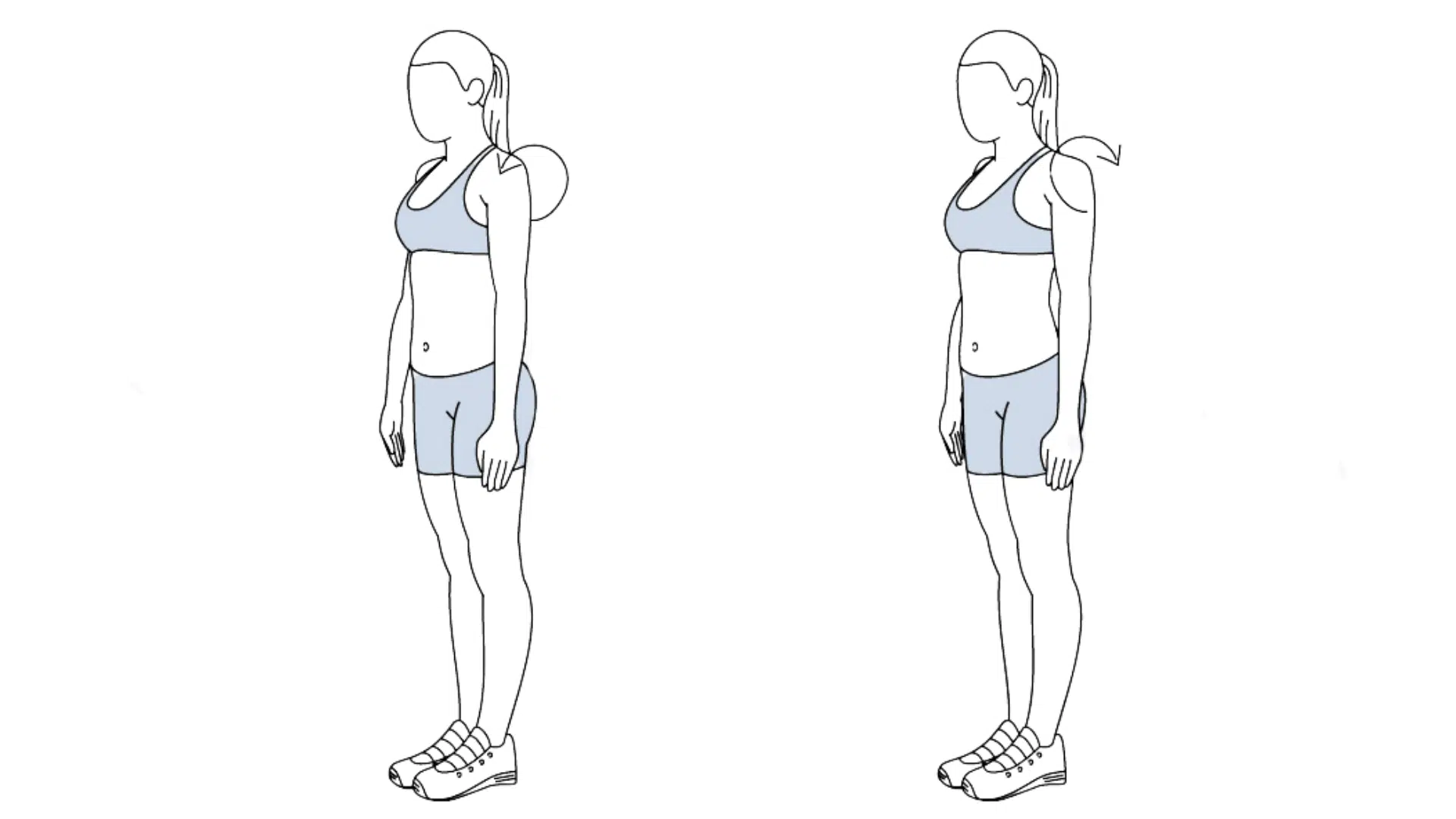
With your arms at your sides, lift your shoulders and roll them backward in large circles for 5 reps, then reverse direction for 5 forward rolls.
Repeat the sequence twice. Shoulder rolls help alleviate tightness in the upper back and neck, enhancing shoulder mobility and posture, particularly for individuals who spend a lot of time at a desk.
Step 3: Tricep Stretch
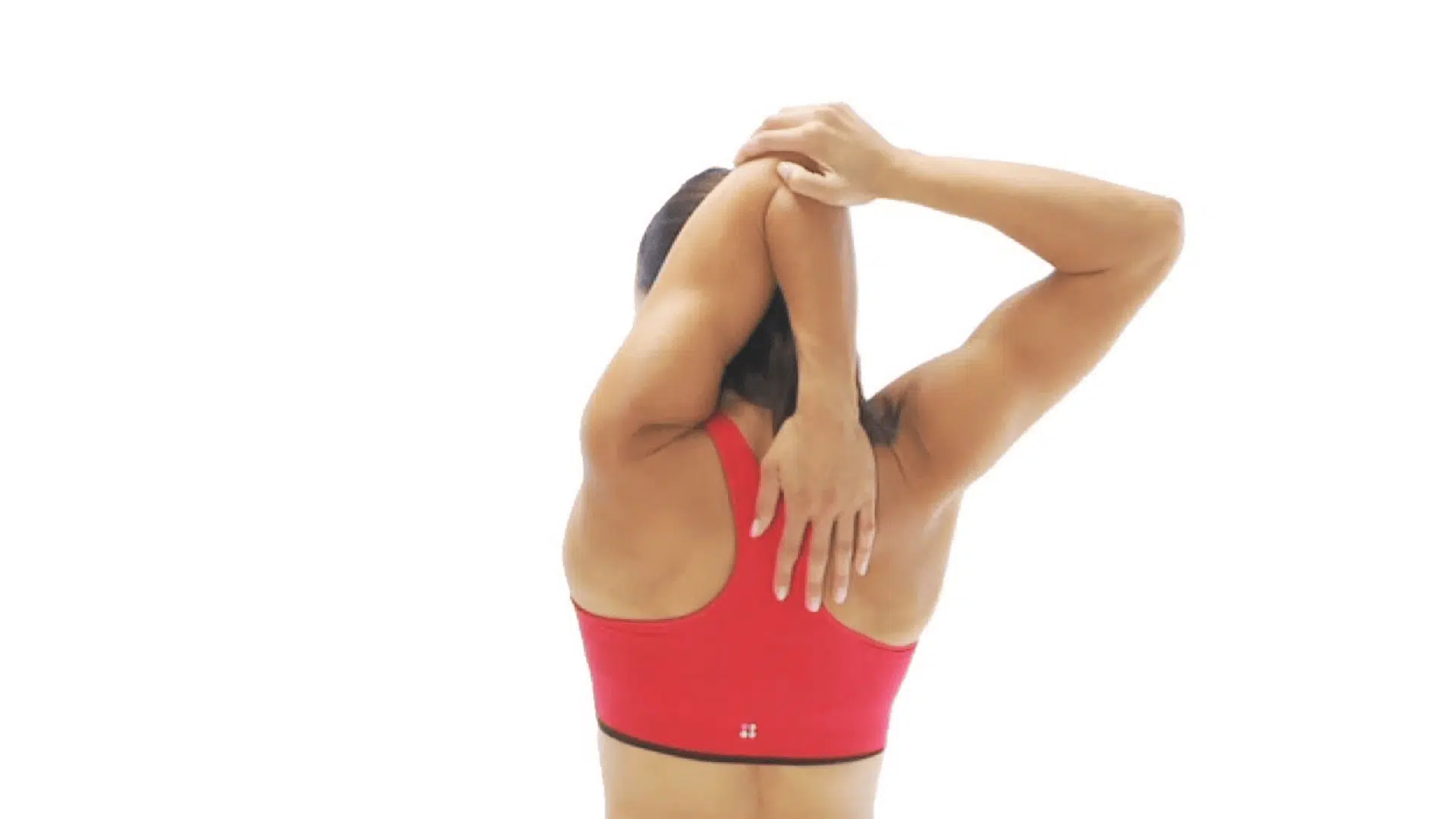
Extend your left arm overhead, bend the elbow, and let your left hand drop behind your neck. With your right hand, gently press down on the left elbow. Hold for 15 seconds, then switch to the other side.
This stretch helps to open up the shoulders and arms, especially beneficial for those who experience shoulder stiffness from typing or repetitive arm movements.
Step 4: Hamstring Stretch
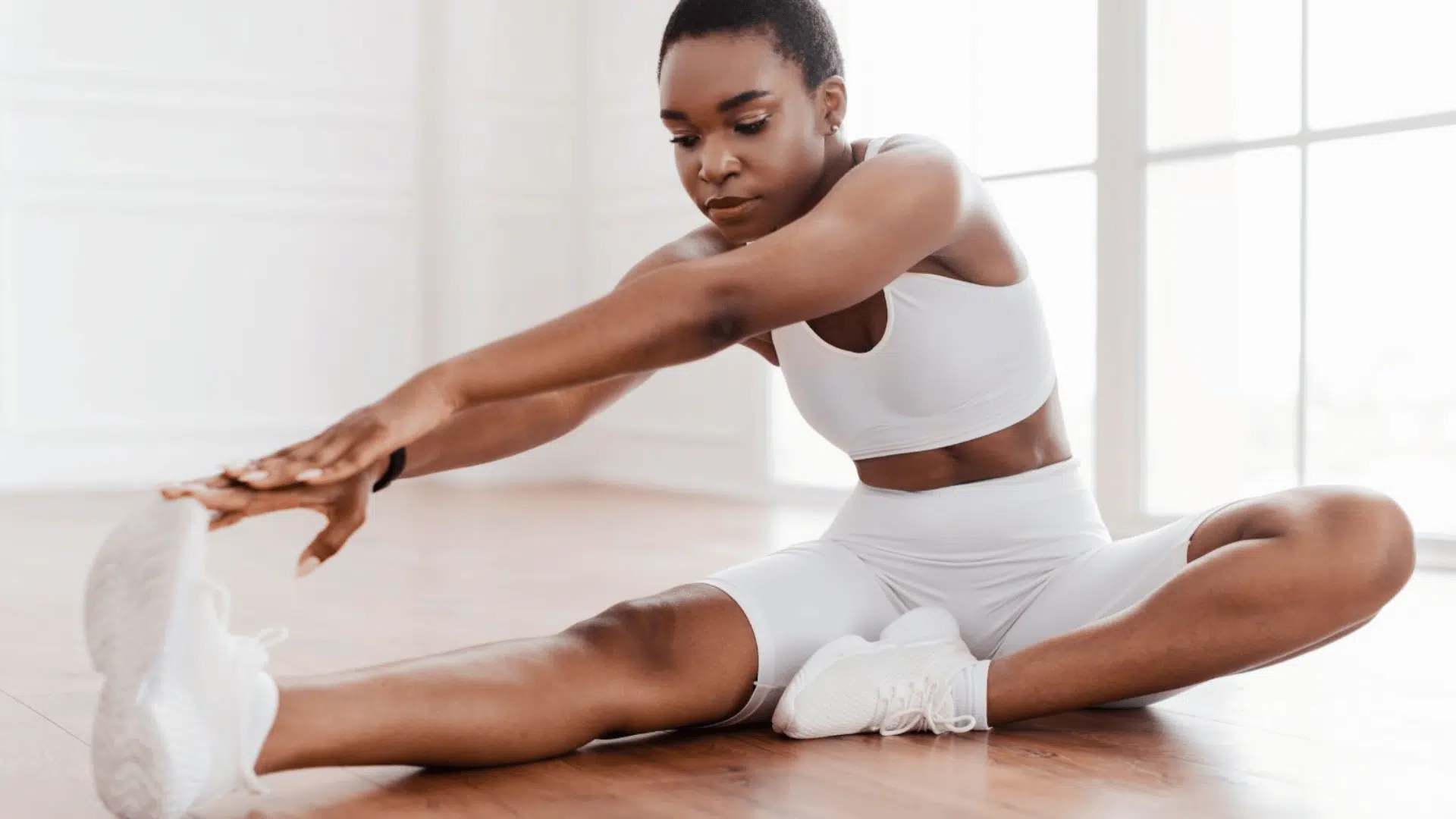
Step forward with your left foot, keeping your right foot planted. Flex your left foot with the heel on the ground and toes pointing upward.
Lean forward slightly while keeping your back straight, and hold for 20 seconds. Repeat 3 times on each leg. Stretching the hamstrings is crucial for preventing lower back pain and improving leg function.
Step 5: Hip Rotations
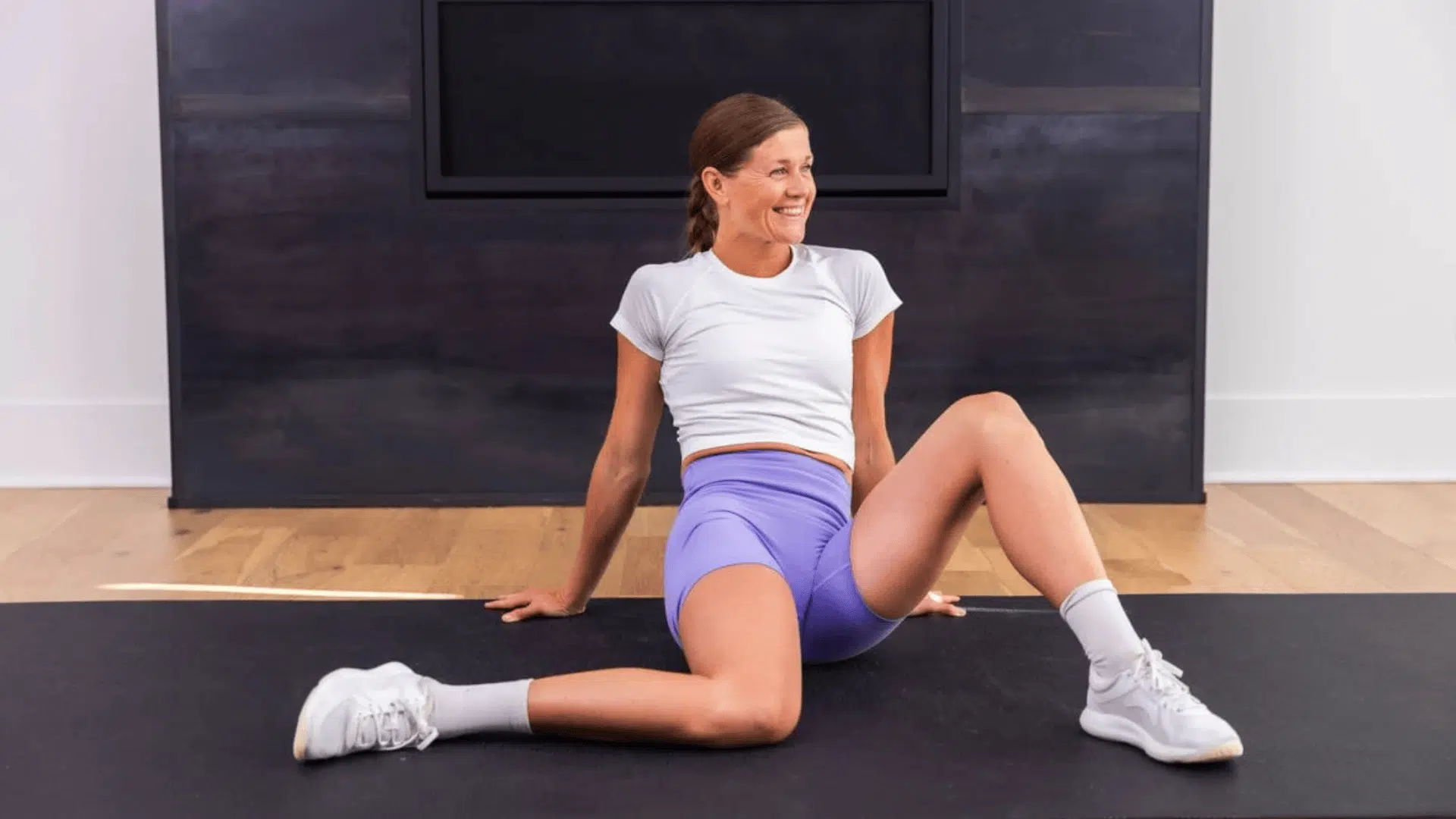
Stand with your feet shoulder-width apart and hands on your hips. Move your hips forward, then rotate them clockwise for 3 rotations.
Reverse and repeat counterclockwise. It is crucial for maintaining lower back health and overall mobility.
Step 6: Child’s Pose
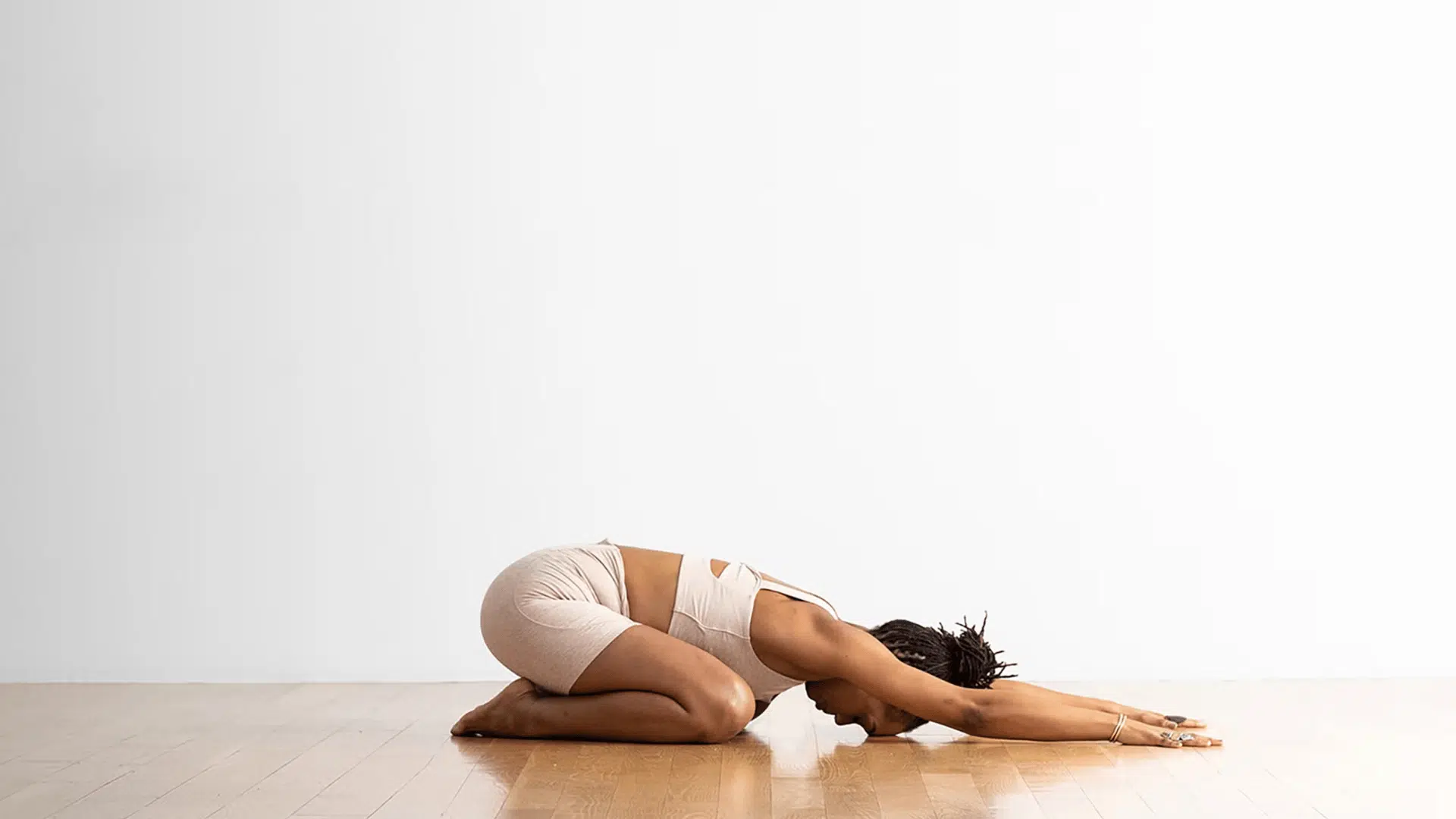
Kneel with your toes pointed back and sit on your heels. Push your buttocks back while lowering your chest to the floor, sliding your arms forward. Hold for 30 seconds, breathing deeply, and repeat this process three times.
This relaxing pose stretches your back, hips, and shoulders. End your routine feeling refreshed and energized with a full-body stretch that helps reduce tension.
Stretching for Specific Needs
| Group | Benefits | Recommended Stretches | Special Considerations |
|---|---|---|---|
| Athletes | Improves performance, reduces injury risk, aids recovery | Before workouts: Dynamic stretches (e.g., leg swings, arm circles) After workouts: Static stretches (e.g., hamstring stretch, calf stretch) Sport-specific: Hip flexor stretches for runners, shoulder stretches for swimmers | Warm up before dynamic stretches; focus on the muscle groups used in your sport |
| Desk Workers | Reduces stiffness, improves posture | Neck stretches, shoulder rolls, chest openers, hip flexor stretches | Stretch every 1–2 hours during work to offset prolonged sitting |
| Mental Well-being | Stimulates relaxation, reduces stress | Child’s Pose, spinal twists, seated forward fold | Pair stretches with deep breathing for a greater calming effect |
| Seniors | Maintains flexibility, supports balance | Chair-assisted hamstring stretch, gentle side bends, seated cat-cow | Avoid rapid or deep movements; focus on stability |
| Pregnant Women | Maintains flexibility, eases tension | Cat-cow stretch, gentle side stretches, hip openers | Avoid deep abdominal stretches and lying flat after the first trimester; consult a healthcare provider |
Common Mistakes to Avoid and How to Correct Them
Avoiding common stretching mistakes is essential to achieving flexibility without injury. Here are key errors to look out for and how to correct them:
- Bouncing: Avoid bouncing or jerking during a stretch, which can lead to injury. Instead, move slowly and hold each stretch steadily.
- Overstretching or Understretching: A proper stretch should create mild tension, not pain. Avoid pushing too far, and ensure you’re not rushing through stretches with little effect.
- Holding Stretches Too Briefly: Hold static stretches for at least 15–30 seconds for smaller muscle groups and up to 60 seconds for larger muscle groups, such as the hamstrings. For dynamic stretches, aim for 5–10 controlled reps.
- Stretching While Injured: Never stretch through pain. If you’re recovering from an injury, use gentle movements and consult a healthcare professional before resuming full routines.
Correcting these mistakes makes sure that safer, more effective stretching and better long-term results.
Conclusion
A full-body stretching routine is a simple yet powerful way to improve flexibility, prevent injuries, and boost overall well-being.
I hope this guide has helped you understand the importance of stretching and how easily it can be incorporated into your day.
If you’re a beginner or more experienced, remember that consistency is key to seeing results.
Try out the stretches I’ve shared, and don’t forget to listen to your body as you go. If you’d like to continue learning, read my other blogs on physical wellness.