



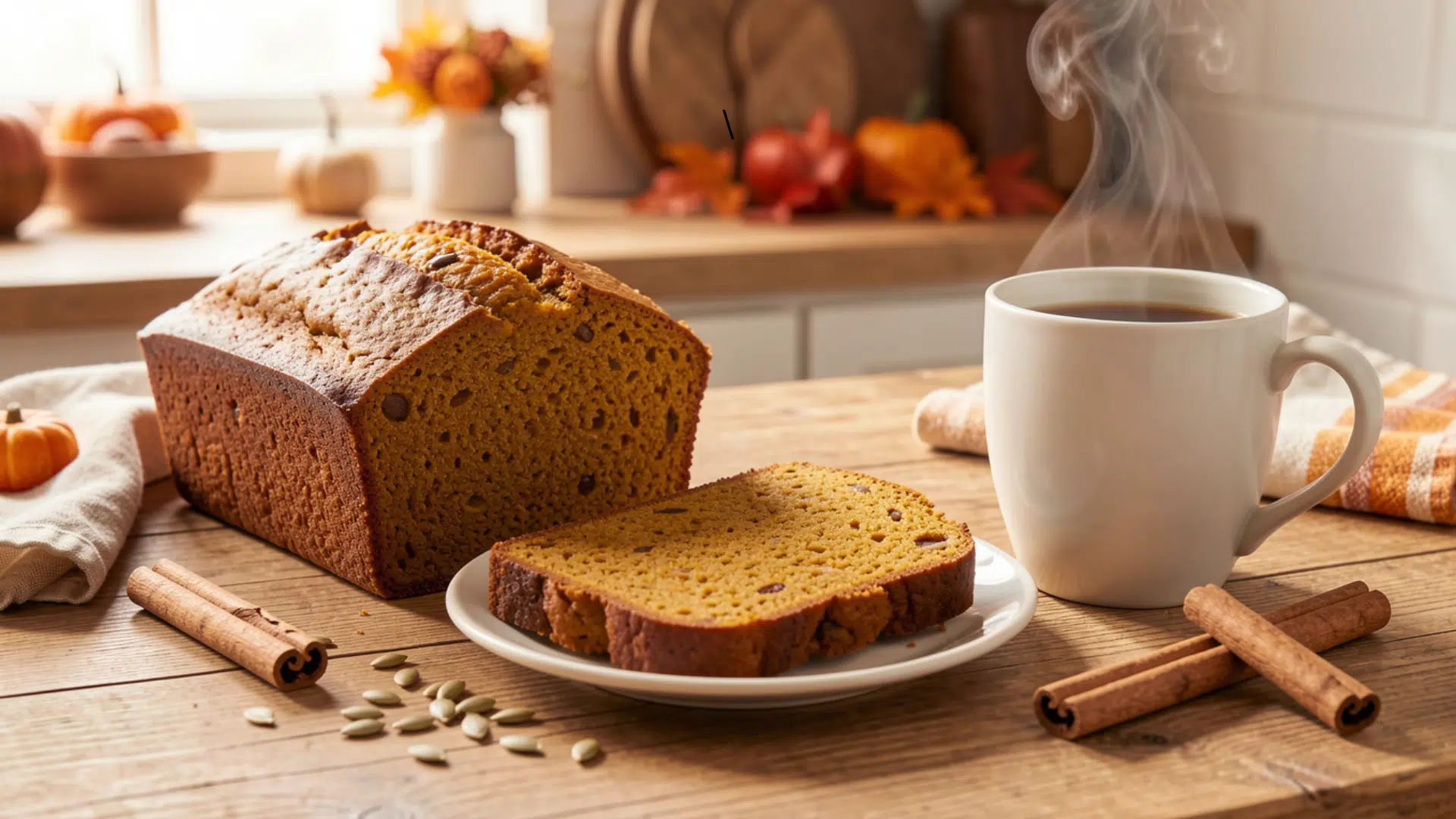







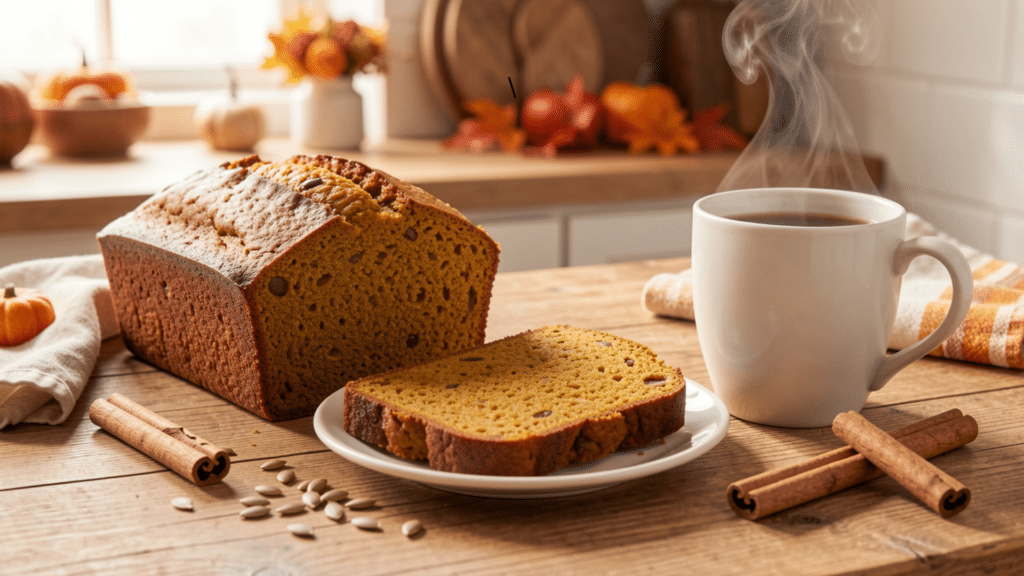

If you love the warm, comforting flavors of pumpkin bread but want a healthier version, you’re in the right place. Healthy pumpkin bread can still be moist, flavorful, and satisfying, without all the extra sugar and fats.
In this blog, you’ll learn what makes pumpkin bread healthy, how to choose the right version for your needs, and the best ingredients to use.
If you’re looking for a lower sugar option, a gluten-free version, or something dairy-free, I’ve got you covered. I’ll also show you simple tips to ensure your pumpkin bread turns out perfectly every time.
Keep reading to find the healthiest pumpkin bread recipes, plus ways to store, freeze, and enjoy it throughout the week!
Is Pumpkin Bread Healthy?
Traditional pumpkin bread is usually closer to cake than food. It often includes white flour, a lot of sugar, and heavy fats. That combination makes it taste good, but it does not offer much lasting fullness.
A healthy pumpkin bread changes those parts without ruining the texture or flavor. It uses less added sugar, better fat choices, and flours that offer fiber. Pumpkin still provides moisture and flavor, so the bread stays soft and satisfying.
You can expect a loaf that feels lighter, not overly sweet, and easier to fit into daily eating.
Healthy pumpkin bread works best as a breakfast item or snack, not a dessert replacement. It should taste comforting while still supporting steadier energy through the day.
Why Pumpkin is a Smart Base for Healthier Baking
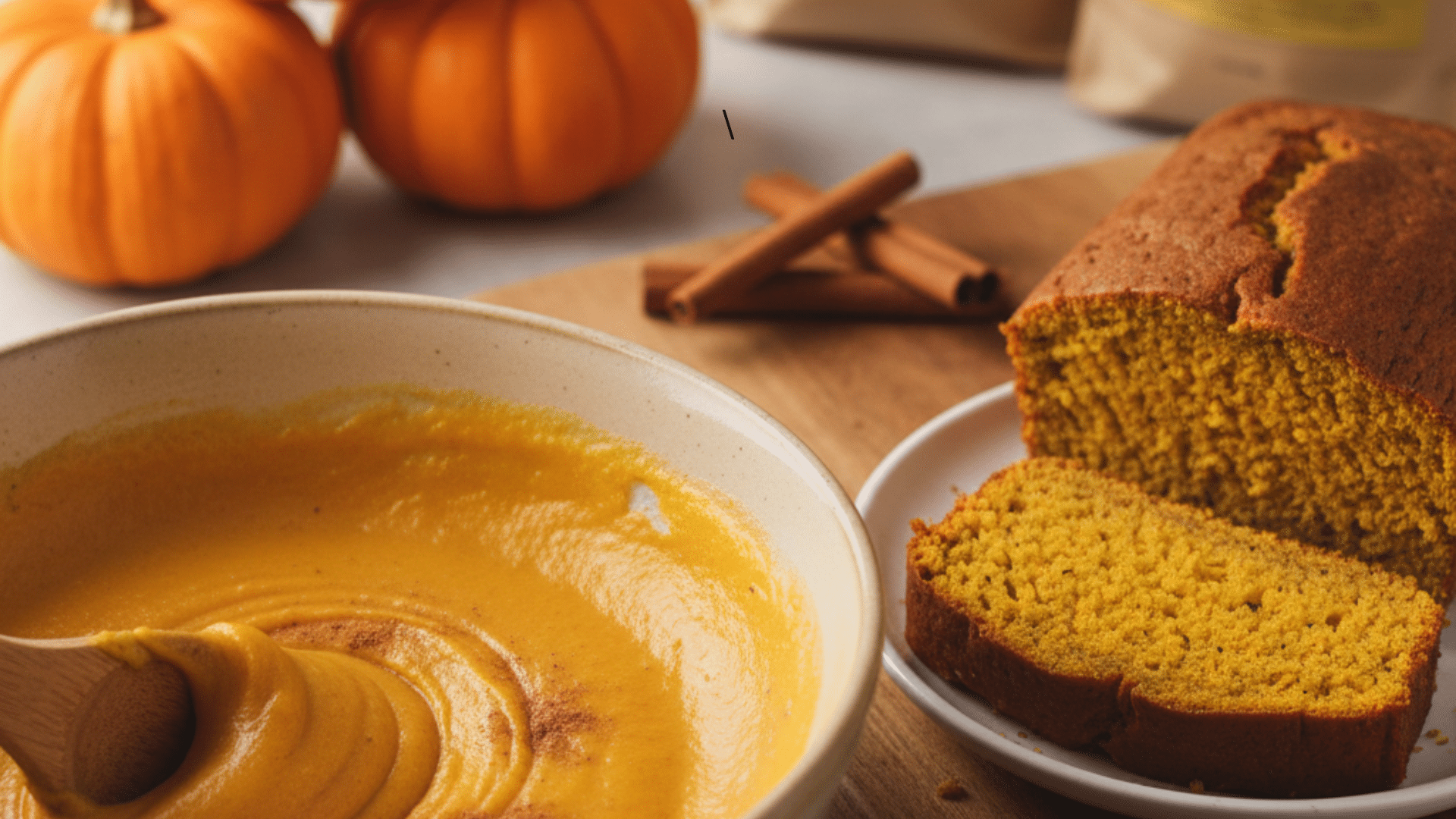
Pumpkin is an excellent base for healthier baking because it’s nutrient-rich and helps improve texture without adding extra fat.
Nutrients Found in Pumpkin
Pumpkin is a nutrient powerhouse, packed with vitamins and minerals that support health and wellness.
- Vitamin A: Essential for good vision and immune function, keeping your body strong and healthy.
- Fiber: Promotes digestive health and helps keep you full longer, making it a great addition to balanced meals.
- Antioxidants: Help protect cells from damage and support overall health, reducing the risk of chronic diseases.
How Pumpkin Improves Texture Without Extra Fat
Pumpkin adds moisture to the bread, keeping it soft without needing excess butter or oil. It also provides structure, helping the loaf rise evenly.
The natural body pumpkin offers reduces the need for extra fat, keeping the bread lighter while still giving it a satisfying, dense texture. This makes it a perfect choice for healthy baking.
Classic Healthy Pumpkin Bread Recipes
This version keeps things simple. It uses whole-grain flour and natural sweeteners while staying moist and flavorful.
Ingredients
- 1 cup pumpkin puree
- 2 eggs
- 1/3 cup olive oil or melted coconut oil
- 1/3 cup maple syrup or honey
- 1 1/2 cups whole wheat flour (or white whole wheat)
- 1 tsp baking soda
- 1 tsp cinnamon
- 1/2 tsp nutmeg
- 1/4 tsp salt
Step 1: Prepare the Oven and Pan

Preheat your oven to 350°F (175°C) so it reaches full temperature before baking. Line a loaf pan with parchment paper or lightly grease it with oil to prevent sticking.
Taking a minute to prepare the pan properly helps the bread release easily after baking. A steady oven temperature is important for even rising and texture, so avoid opening the oven door too early while it bakes.
Step 2: Mix the Wet Ingredients
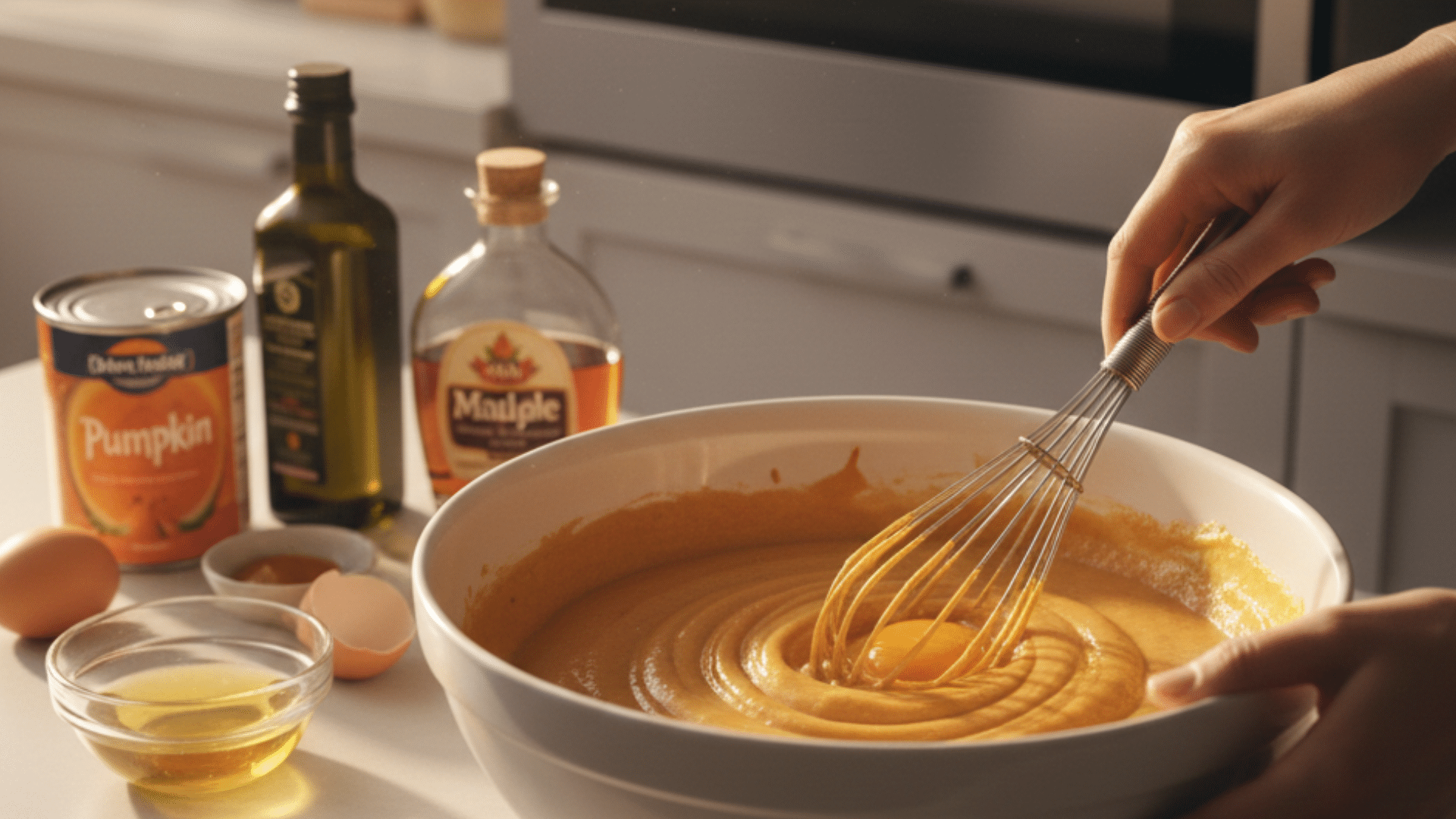
In a large bowl, combine the pumpkin puree, eggs, olive oil or melted coconut oil, and maple syrup or honey. Whisk everything together until smooth and fully blended.
Make sure the oil is evenly distributed, and the eggs are fully incorporated. A smooth, wet mixture ensures better texture and moisture in the final loaf. Take your time here so no streaks remain.
Step 3: Combine the Dry Ingredients
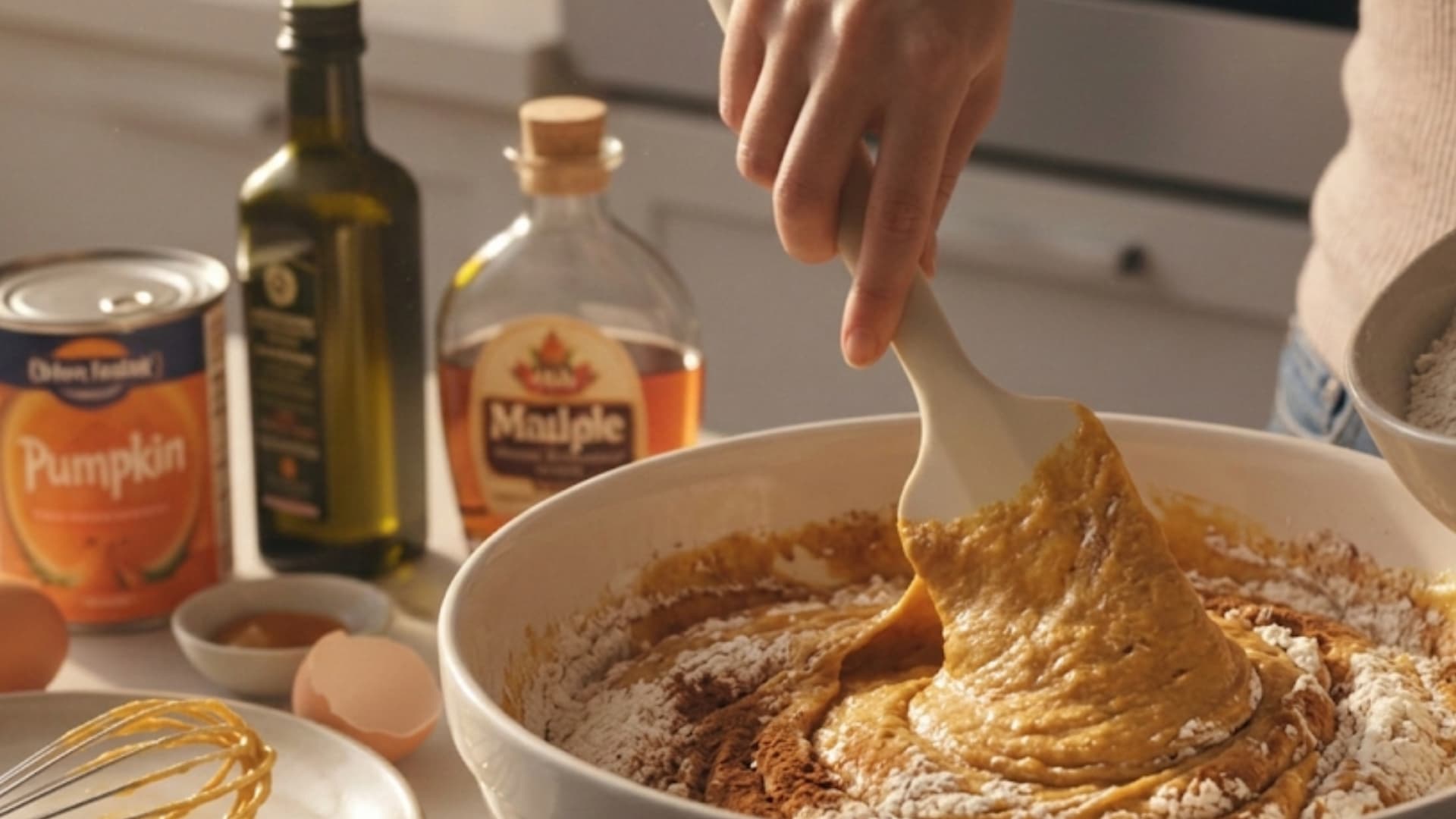
In a separate bowl, mix the whole wheat flour, baking soda, cinnamon, nutmeg, and salt. Stir thoroughly so the baking soda and spices are evenly spread throughout the flour.
Even distribution prevents uneven rising or pockets of spice. Mixing dry ingredients separately also keeps you from overworking the batter later, which helps maintain a soft texture.
Step 4: Combine and Bake
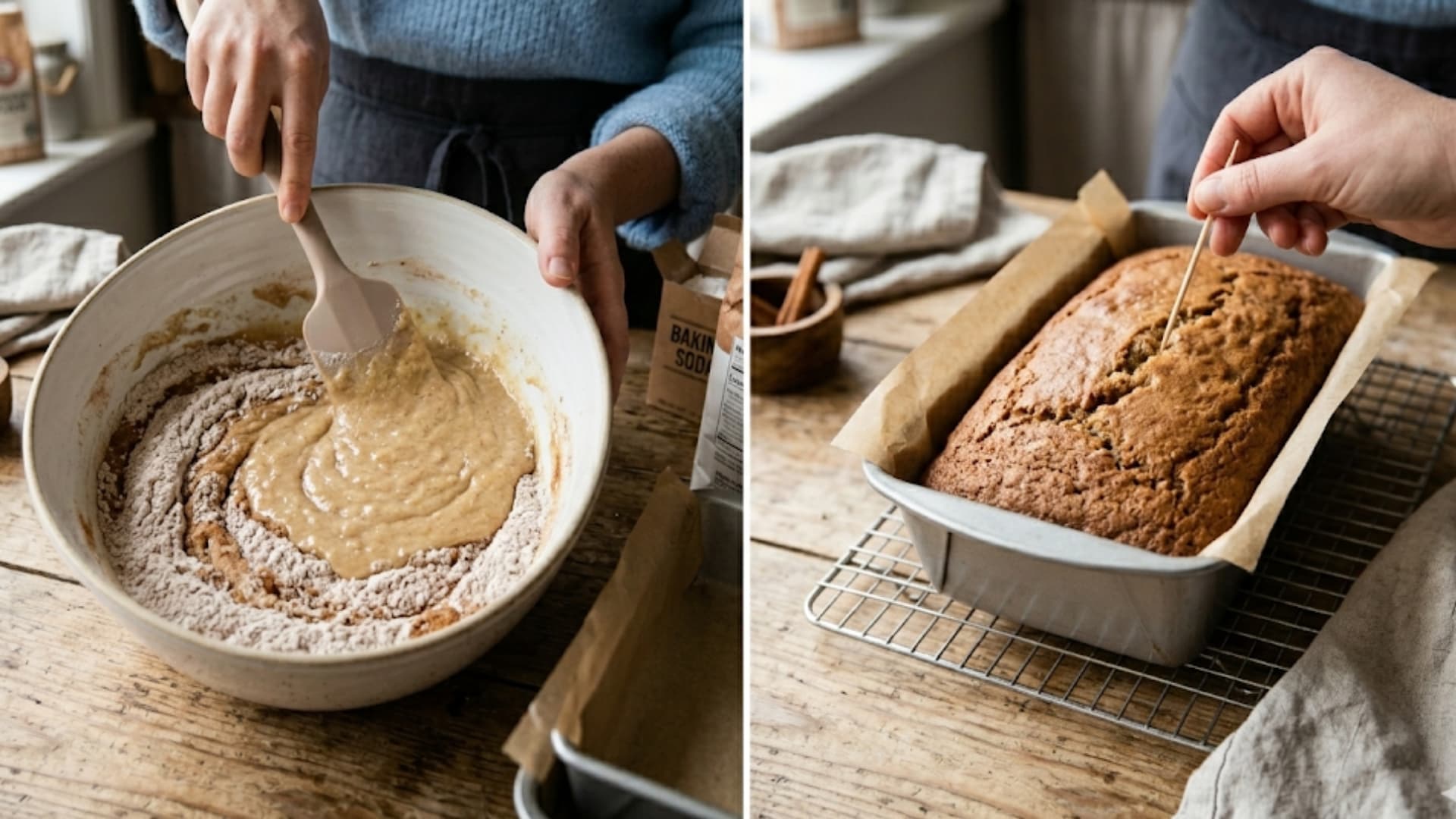
Gently fold the dry mixture into the wet ingredients. Stir only until everything is just combined. Avoid overmixing, as this can make the bread dense. Pour the batter into the prepared loaf pan and smooth the top.
Bake for 45–55 minutes, or until a toothpick inserted in the center comes out clean. Let the bread cool completely before slicing to help it set properly.
Gluten-Free Healthy Pumpkin Bread Recipe
For a gluten-free version, use flour blends like almond, oat, or a certified gluten-free all-purpose blend. These flours provide a good texture without the gluten.
Ingredients
- 1 cup pumpkin puree
- 2 eggs
- 1/3 cup maple syrup
- 1/3 cup olive oil or melted coconut oil
- 1 ½ cups certified gluten-free all-purpose flour (or 1 cup almond flour + ½ cup oat flour)
- 1 tsp baking soda
- 1 tsp cinnamon
- ¼ tsp nutmeg
- ¼ tsp salt
Step 1: Preheat and Prepare
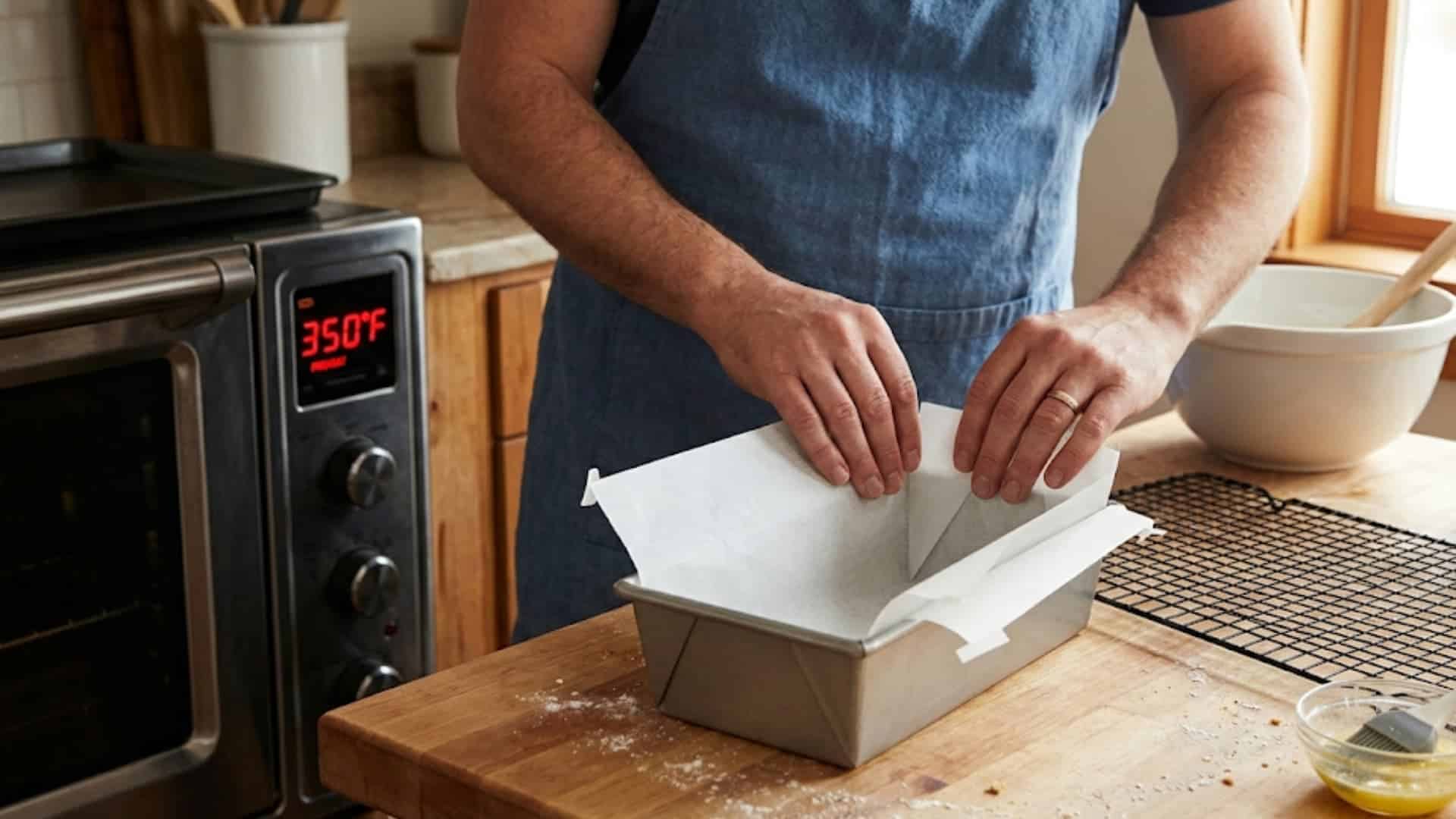
Preheat your oven to 350°F (175°C) and prepare a loaf pan by lining it with parchment paper or lightly greasing it. Gluten-free batters can be slightly softer, so proper pan preparation helps prevent sticking.
Allow the oven to fully heat before baking to ensure even cooking. A consistent temperature helps gluten-free bread rise and set properly.
Step 2: Mix the Wet Ingredients
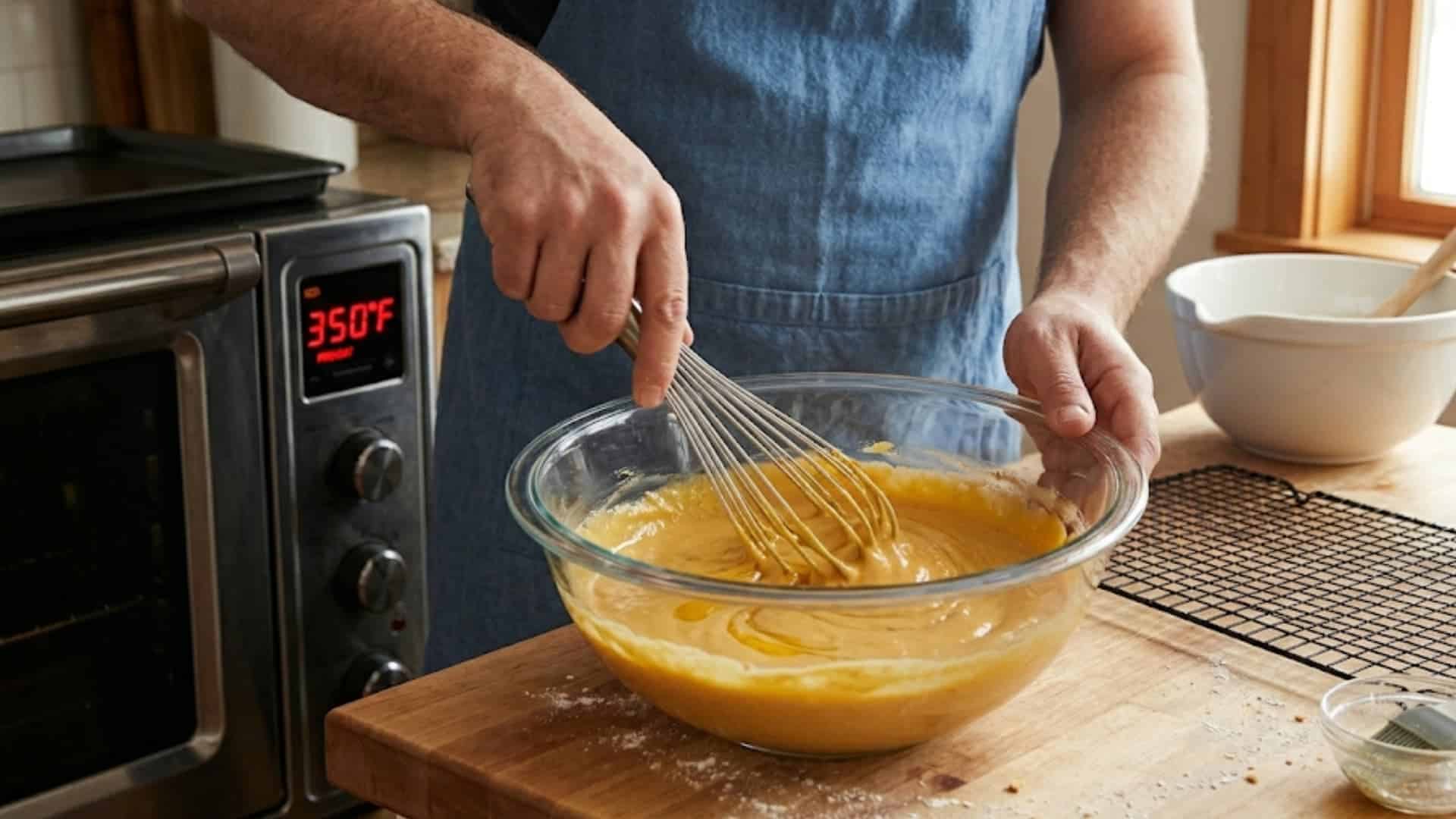
In a large bowl, whisk together the pumpkin puree, eggs, maple syrup, and olive oil or melted coconut oil. Mix until smooth and well combined. The wet mixture should look creamy and uniform.
Proper mixing helps distribute moisture evenly, which is especially important in gluten-free baking to avoid dry patches.
Step 3: Blend the Dry Ingredients Thoroughly
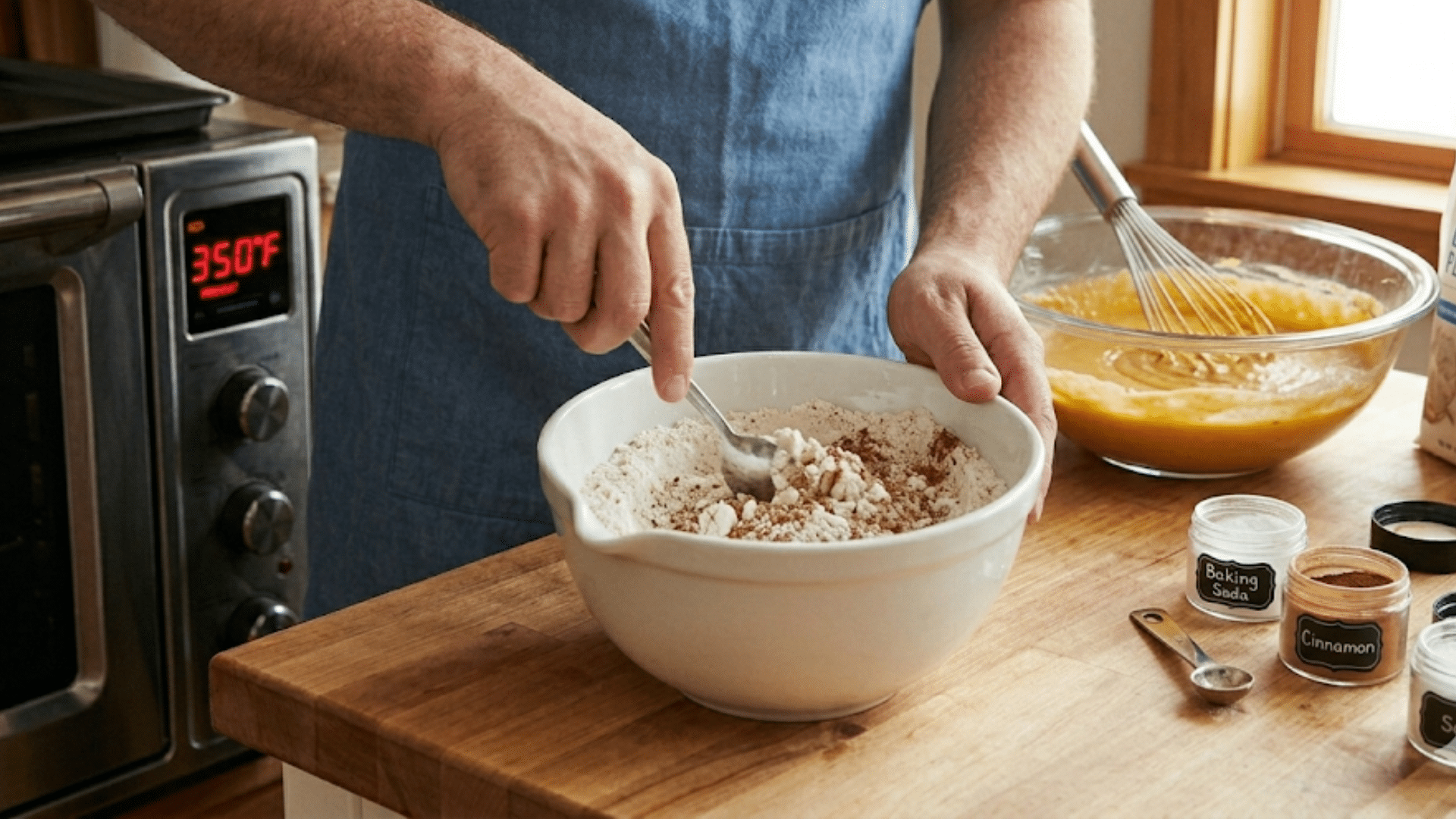
In another bowl, combine the gluten-free flour blend, baking soda, cinnamon, nutmeg, and salt. Stir carefully to break up any clumps.
Gluten-free flours can sometimes form lumps, so thorough mixing improves texture and consistency. Even distribution of baking soda ensures the loaf rises evenly.
Step 4: Combine and Bake

Gently stir the dry ingredients into the wet mixture until just combined. Do not overmix. If the batter feels too thick, add 1–2 tablespoons of almond milk to loosen it slightly.
Pour the batter into the prepared pan and smooth the top. Bake for 45–55 minutes, checking with a toothpick for doneness. Let it cool fully before slicing for the best texture.
Tip: If the batter feels thick, add 1–2 tablespoons of almond milk for better moisture.
Healthy Pumpkin Bread Variations at a Glance
If you want to adjust your healthy pumpkin bread for specific dietary needs, this simple breakdown makes it easier to choose the right version.
| Variation | Key Ingredient Swaps | Best For | Texture Notes |
|---|---|---|---|
| Classic Whole Grain | Whole wheat flour, maple syrup or honey, olive or avocado oil | Balanced everyday option | Soft, lightly dense, naturally sweet |
| Gluten-Free | Almond flour, oat flour, or gluten-free blend | Gluten intolerance or sensitivity | Slightly softer crumb, may need extra moisture |
| Dairy-Free | Coconut oil or olive oil, almond or oat milk | Avoiding dairy | Moist, slightly lighter texture |
| Vegan | Flax egg or chia egg, plant milk, maple syrup | Plant-based diets | Tender, slightly denser |
| Lower Sugar | Reduced sweetener, add applesauce or yogurt | Cutting sugar intake | Less sweet, more subtle flavor |
| High-Protein | Add Greek yogurt or protein powder | Extra fullness and muscle support | Slightly firmer texture |
This table makes it easier to pick the version that fits your needs without guessing what to change.
Common Reasons Healthy Pumpkin Bread Can Be Gummy or Dry
Understanding common baking issues can help you achieve the perfect texture every time.
- Underbaking: If the bread isn’t baked long enough, the center can remain gooey. Always check with a toothpick to ensure it’s fully cooked.
- Too much moisture: Excess liquid from pumpkin puree or added sweeteners can make the bread too wet. Adjust ingredient amounts or bake longer if needed.
- Overmixing: Overworking the batter can lead to dense, gummy bread. Stir until just combined to maintain a light texture.
- Using too much whole wheat flour: Whole wheat flour can make the bread dry. Balance it with extra moisture from yogurt or applesauce.
- Old baking soda: Using expired baking soda can prevent the bread from rising properly, resulting in a dense texture.
Is Healthy Pumpkin Bread a Good Option for Kids?
Healthy pumpkin bread can be a great choice for kids, especially when it is made with less added sugar than most bakery loaves.
It still tastes sweet and comforting, but it does not overload them with sugar. This makes it a better option for snacks or breakfast. It is also easy to prepare ahead of time.
You can slice the loaf and freeze individual pieces, then thaw them as needed. For school snacks, a slice pairs well with nut butter, yogurt, or fruit. It feels like a treat, while still offering more balance.
How to Store and Freeze Healthy Pumpkin Bread
Storing and freezing healthy pumpkin bread is easy and helps it last longer.
Counter storage: Once cooled, keep the bread in an airtight container or wrap it tightly in plastic wrap. It will stay fresh at room temperature for 3-4 days.
Fridge storage: If you want it to last longer, store the bread in the fridge for 5-7 days. Just be sure to keep it well-wrapped to prevent it from drying out.
Freezing whole loaves vs slices: For longer storage, freezing works great. If you freeze a whole loaf, wrap it tightly in foil and place it in a freezer bag. For easier access, slice the bread before freezing, allowing you to defrost individual pieces. Frozen bread lasts up to 3 months.
Conclusion
I’ve covered everything you need to know to make healthy pumpkin bread a delicious part of your routine.
From ingredient swaps to various recipe variations, healthy pumpkin bread can easily be tailored to fit your dietary preferences.
If you’re baking it for breakfast, a snack, or sharing it with the family, these recipes offer a guilt-free, nutrient-packed option. Plus, you can enjoy the benefits of whole grains, natural sweeteners, and fiber.
Now it’s your turn to try making the healthiest version that works best for you. I’d love to hear about your experience and how your pumpkin bread turned out. Feel free to share in the comments below! Happy baking!