



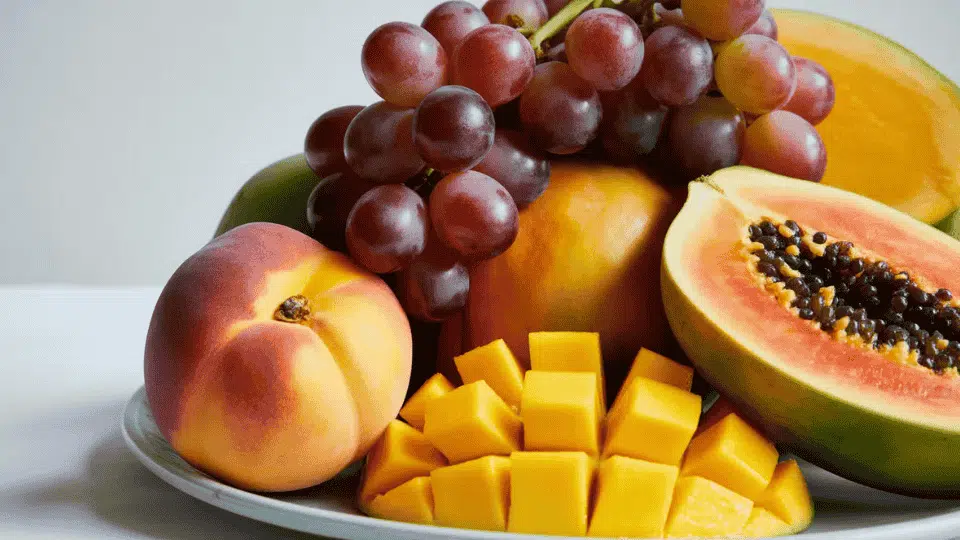








Fruit feels like it should be the safe part of any diet, natural, fresh, unprocessed. But for anyone managing histamine intolerance, even a seemingly innocent bowl can trigger symptoms that are difficult to explain without understanding the underlying mechanisms.
The problem isn’t the fruit itself. It’s the interplay between naturally occurring amines, enzyme activity, and your body’s histamine load at any given moment, and that’s where most guidance falls short.
This post covers which low-histamine fruits tend to be well tolerated and why, which to avoid on a histamine intolerance diet, simple fruit combinations that keep risk low, and a practical reintroduction approach you can personalise.
What Makes a Fruit Low Histamine?
Not every fruit behaves the same way in the body, and that’s something I find a lot of people don’t realise when they first start looking into this.
Some fruits are naturally low in histamine and aren’t known to trigger the body into releasing more of it; these tend to be the safer starting points.
Freshness also plays a bigger role than most people expect. The longer a fruit sits, the more histamine can build up, and overripe fruit carries a noticeably higher risk.
So when exploring low-histamine fruits, fresh and eaten soon after cutting is generally the better approach. Simple rules, but they do matter.
Well-Tolerated Low-Histamine Fruits
These fruits are commonly included in low-histamine eating and tend to be a reasonable starting point for most people.
1. Apples
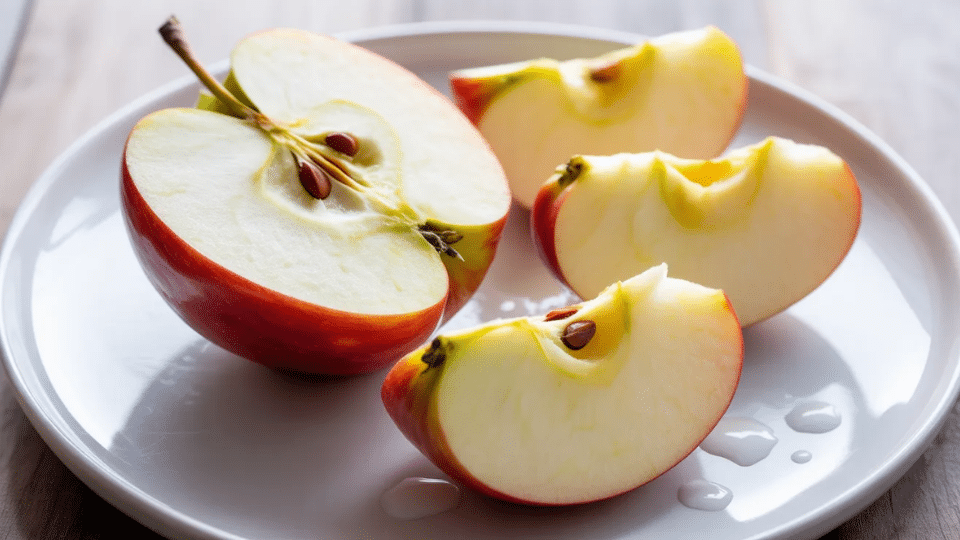
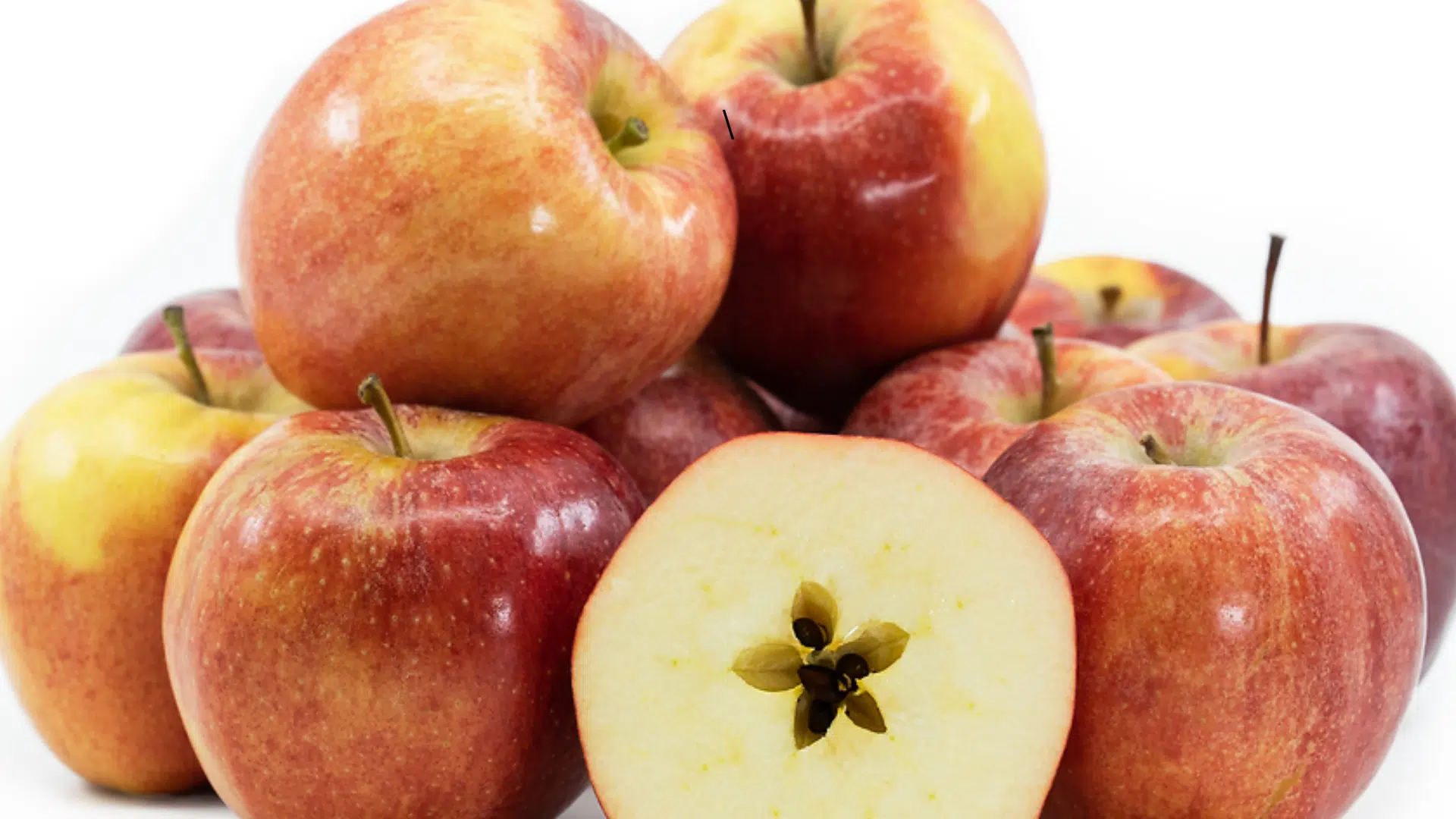
Apples are one of the most reliably tolerated fruits on a low-histamine diet. They are not known histamine liberators and tend to sit well even for those still identifying their triggers.
Fresh, firm, and unbruised apples are always the best choice. Here is what makes them nutritionally worthwhile:
| Nutrient | Amount per 100g |
|---|---|
| Calories | 52 kcal |
| Carbohydrates | 14g |
| Fiber | 2.4g |
| Vitamin C | 4.6mg |
| Potassium | 107mg |
Fun Fact: Apples belong to the rose family, making them botanical relatives of pears, cherries, and strawberries, a surprising connection for such a common everyday fruit.
2. Pears
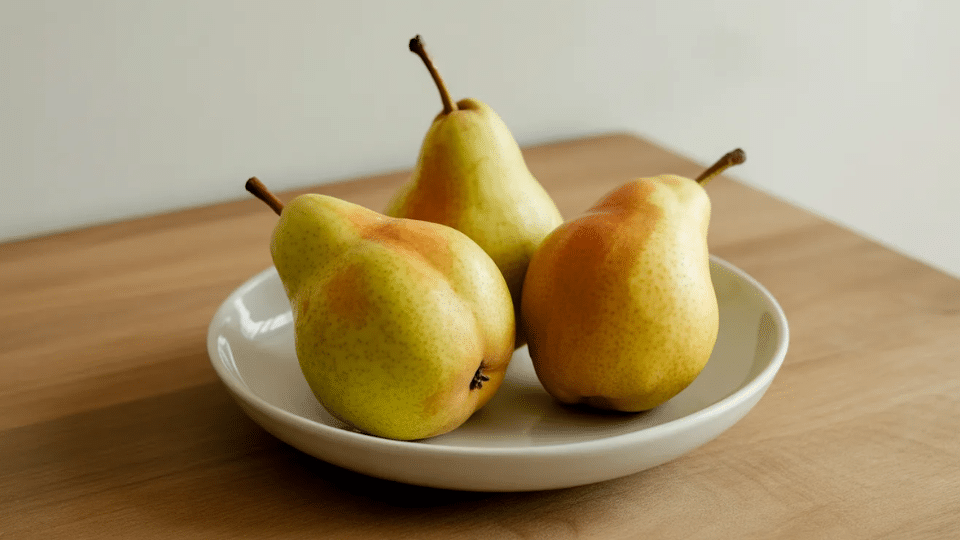
Pears are gentle, mild, and generally well tolerated, which makes them a good early option when reintroducing fruits.
They’re low in natural compounds that tend to cause issues and aren’t considered histamine liberators. Stick to firm, ripe-but-not-overripe pears for the best results.
| Nutrient | Amount per 100g |
|---|---|
| Calories | 57 kcal |
| Carbohydrates | 15g |
| Fiber | 3.1g |
| Vitamin C | 4.3mg |
| Potassium | 116mg |
Fun Fact: Pears ripen from the inside out, which is why a pear can feel firm on the outside and still be perfectly ripe at its core.
3. Blueberries
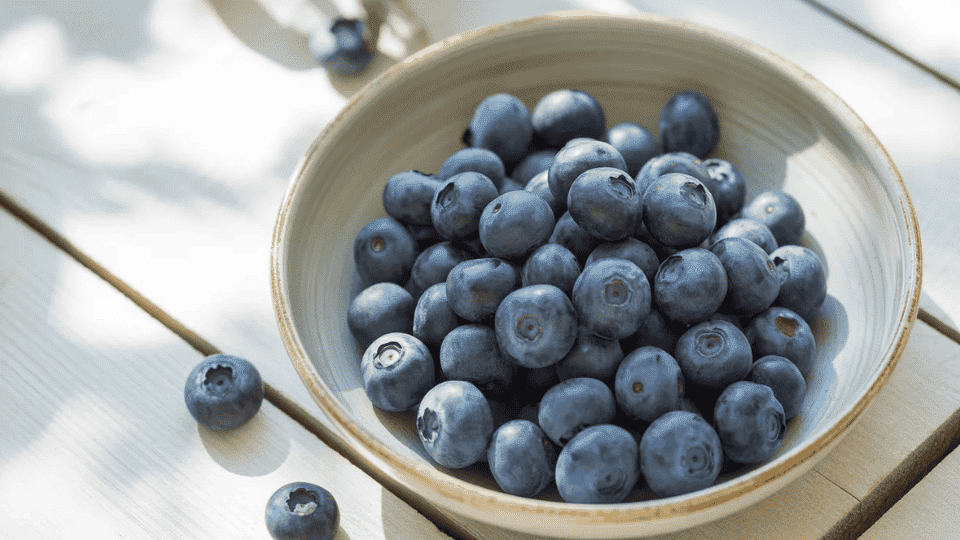
Blueberries come up often as a tolerated option, though portion size does seem to matter more with these than with some other fruits.
A small handful is generally considered reasonable. They’re not classified as strong histamine liberators, which is why they make this list.
| Nutrient | Amount per 100g |
|---|---|
| Calories | 57 kcal |
| Carbohydrates | 14g |
| Fiber | 2.4g |
| Vitamin C | 9.7mg |
| Potassium | 77mg |
Fun Fact: Blueberries are one of the very few naturally blue-colored foods. Their distinctive hue comes from pigments called anthocyanins, which also act as antioxidants.
4. Mango
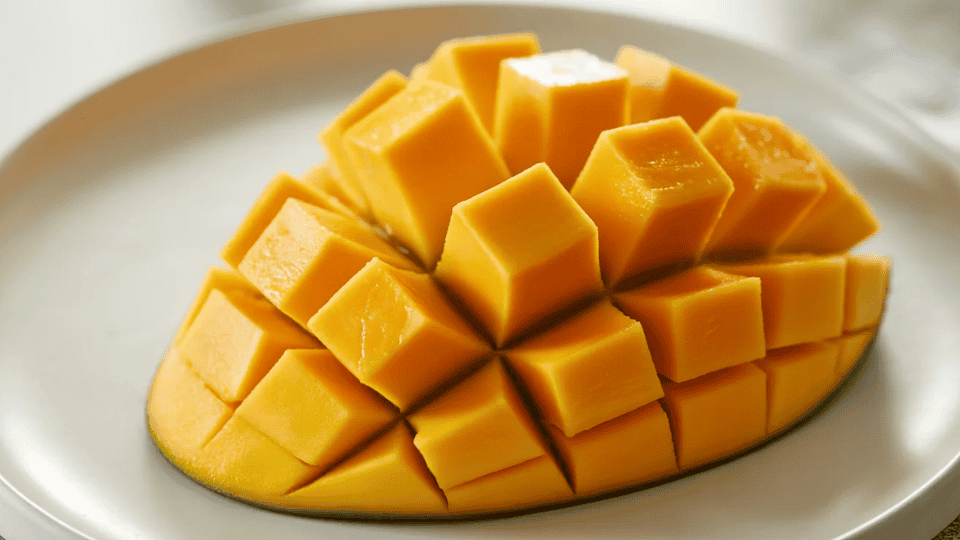
Fresh mango is often listed as a lower-risk fruit and tends to be well-tolerated in moderate portions.
It’s naturally sweet without being a known trigger, and many people find it an easy one to reintroduce early. As always, fresh and ripe, not overripe, is the key.
| Nutrient | Amount per 100g |
|---|---|
| Calories | 60 kcal |
| Carbohydrates | 15g |
| Fiber | 1.6g |
| Vitamin C | 36.4mg |
| Potassium | 168mg |
Fun Fact: Mango is the national fruit of three countries, India, Pakistan, and the Philippines, making it one of the most culturally celebrated fruits in the world.
5. Watermelon
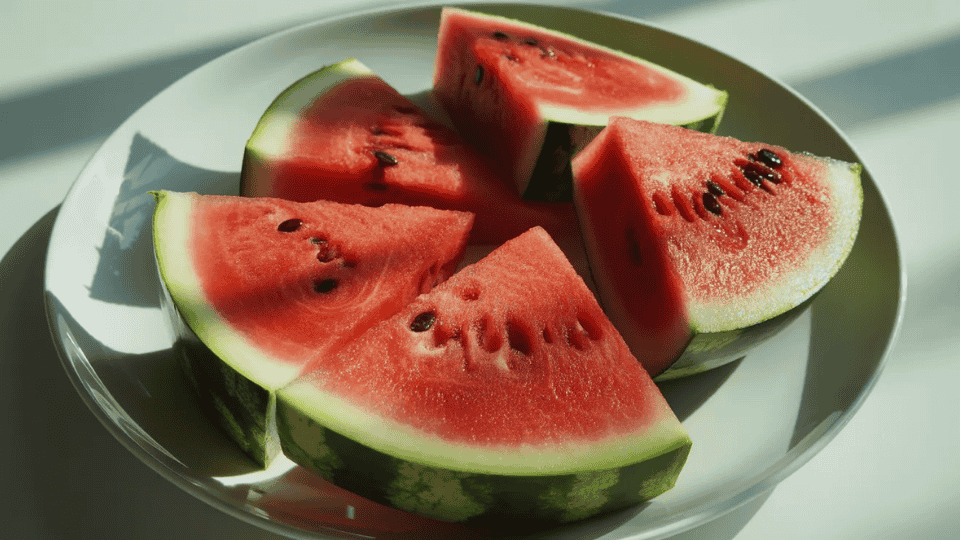
Watermelon is mostly water, which may be part of why it tends to sit well. It’s refreshing, easy to digest for most people, and not considered a histamine liberator. It works well as a light snack, especially in warmer months when something cooling is needed.
| Nutrient | Amount per 100g |
|---|---|
| Calories | 30 kcal |
| Carbohydrates | 7.6g |
| Fiber | 0.4g |
| Vitamin C | 8.1mg |
| Potassium | 112mg |
Fun Fact: Watermelon is over 90% water by weight, making it one of the most hydrating whole foods available, which also partly explains why it tends to be so easy to digest.
6. Grapes
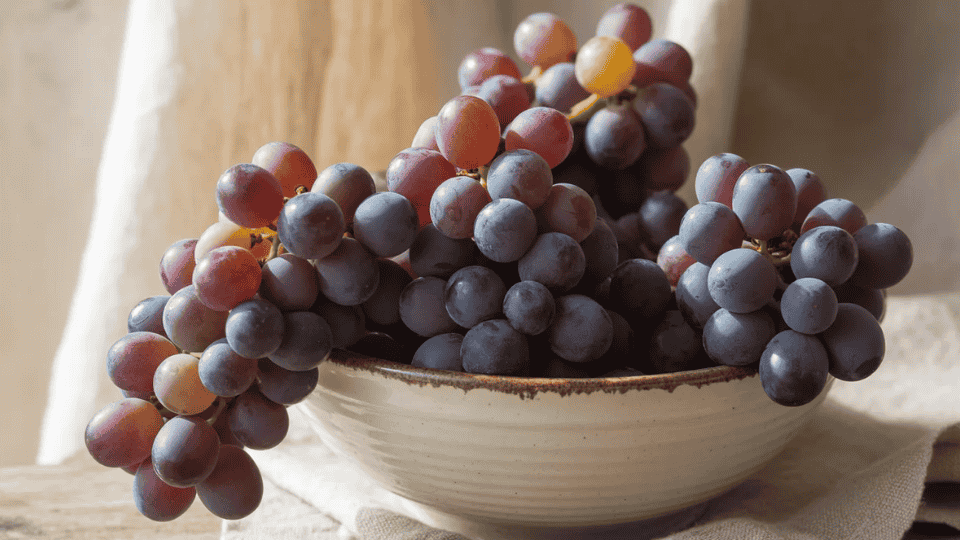
Grapes are generally considered low-histamine when eaten fresh and in reasonable amounts. They tend to be a manageable fruit for many people starting out.
The important distinction here is fresh grapes versus anything processed; dried grapes (raisins) are a very different story.
| Nutrient | Amount per 100g |
|---|---|
| Calories | 69 kcal |
| Carbohydrates | 18g |
| Fiber | 0.9g |
| Vitamin C | 3.2mg |
| Potassium | 191mg |
Fun Fact: There are over 10,000 known varieties of grapes worldwide. The ones most commonly found in supermarkets represent only a tiny fraction of that diversity.
7. Honeydew
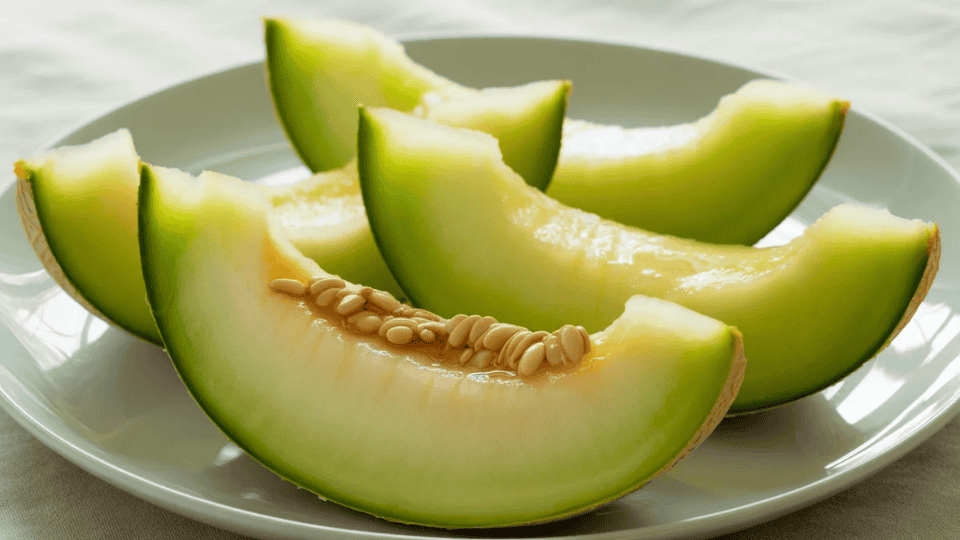
Honeydew melon is mild, hydrating, and tends to be well tolerated on a low-histamine diet. It doesn’t carry the same risk profile as citrus or tropical fruits, making it a reasonably safe choice, particularly for people still in the early stages of identifying their personal triggers.
| Nutrient | Amount per 100g |
|---|---|
| Calories | 36 kcal |
| Carbohydrates | 9.1g |
| Fiber | 0.8g |
| Vitamin C | 18mg |
| Potassium | 228mg |
Fun Fact: Honeydew gets its name from the notably sweet, almost syrupy quality of its flesh when fully ripe, a ripeness that also happens to be the ideal window for low-histamine consumption.
8. Cantaloupe
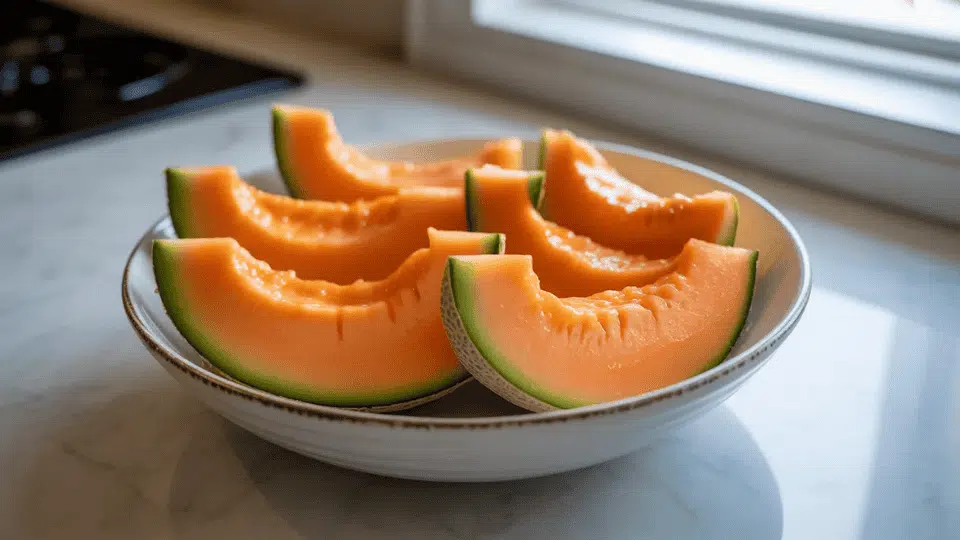
Cantaloupe sits in a similar space to honeydew, mild, generally well tolerated, and not a known histamine liberator. It’s a useful option for adding variety without introducing a lot of additional risk. Fresh and firm is the standard rule here too.
| Nutrient | Amount per 100g |
|---|---|
| Calories | 34 kcal |
| Carbohydrates | 8.2g |
| Fiber | 0.9g |
| Vitamin C | 36.7mg |
| Potassium | 267mg |
Fun Fact: Despite looking very different on the outside, cantaloupe and honeydew are both members of the same species, Cucumis melo, making them closer relatives than their appearance suggests.
9. Papaya
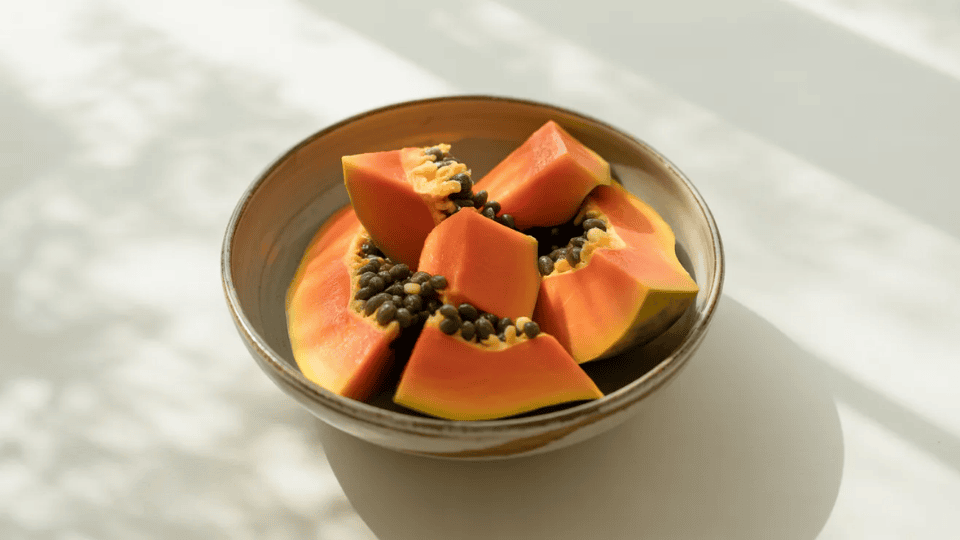
Papaya is an interesting one, it’s a tropical fruit that tends to be better tolerated than many others in that category.
Fresh papaya is generally considered a lower-risk option and comes up fairly regularly in low-histamine food lists. That said, it’s worth introducing it slowly and observing how it lands personally.
| Nutrient | Amount per 100g |
|---|---|
| Calories | 43 kcal |
| Carbohydrates | 11g |
| Fiber | 1.7g |
| Vitamin C | 60.9mg |
| Potassium | 182mg |
Fun Fact: Papaya contains papain, a natural digestive enzyme that has been used in traditional medicine for centuries, and is now commonly found as an active ingredient in commercial meat tenderisers.
10. Peaches (Firm, Fresh)
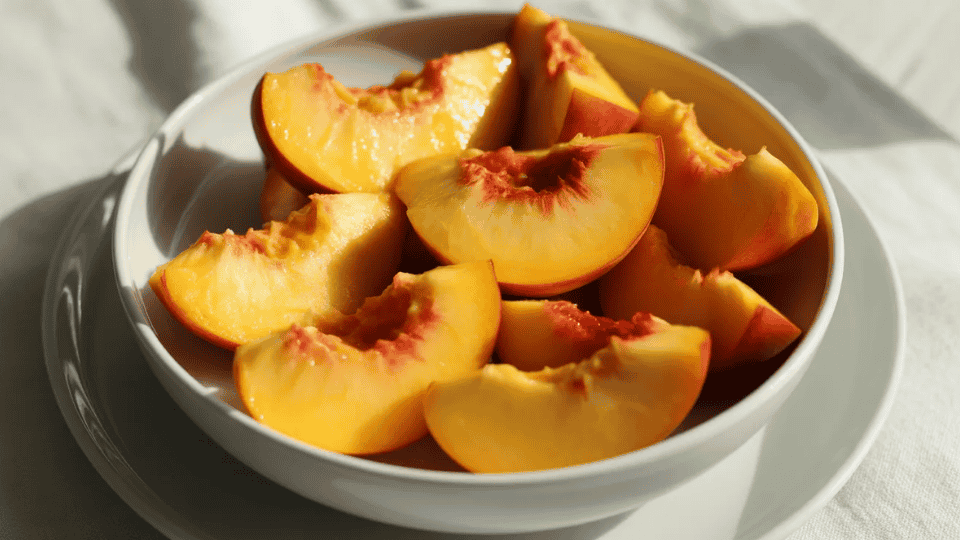
Fresh, firm peaches tend to be reasonably well tolerated and are often included in low-histamine fruit guidance.
The emphasis on “firm” matters here, a very soft or overripe peach is more likely to cause issues. When peaches are in season and eaten fresh, they’re a genuinely enjoyable option.
| Nutrient | Amount per 100g |
|---|---|
| Calories | 39 kcal |
| Carbohydrates | 9.5g |
| Fiber | 1.5g |
| Vitamin C | 6.6mg |
| Potassium | 190mg |
Fun Fact: Peaches are native to China, where they have been cultivated for over 4,000 years and have long been regarded as a symbol of longevity and good fortune.
Fruits to Avoid or Limit
Not every fruit is a straightforward choice on a low-histamine diet. Some are naturally higher in histamine or are known to prompt the body to release more of it, and some forms of fruit are more problematic than the fresh version simply because of how they’ve been processed.
| Fruit / Item | Why It’s Problematic | Safer Alternative |
|---|---|---|
| Strawberries | Triggers histamine release even in small amounts | Blueberries, mango |
| Citrus Fruits | High acidity triggers histamine production | Pears, apples |
| Pineapple | Bromelain breaks down histamine blockers | Papaya |
| Avocado | Tyramine prompts histamine release; worse when overripe | Honeydew, cantaloupe |
| Ripe Bananas | Amines rise as bananas ripen | Peaches |
| Dried Fruits | Drying concentrates amines significantly | Fresh equivalents |
| Fruit Juice | Pasteurization increases histamine release | Whole fresh fruit |
| Canned Fruit | Long storage raises amine levels | Fresh or frozen fruit |
The pattern across most of these is either that the fruit itself is a known liberator or that processing has removed the one advantage fresh fruit has, being consumed quickly after minimal handling.
Simple Low-Histamine Fruit Recipes
Four easy fruit ideas that stay fresh, simple, and low risk. These combinations use commonly tolerated fruits and minimal add-ins.
1. Pear and Blueberry Bowl
Servings: 1
- Slice one firm, ripe pear into bite-sized pieces and place in a bowl.
- Add a small handful of fresh blueberries on top.
- Optionally, drizzle with a teaspoon of coconut cream for added richness.
- Serve immediately; do not prepare in advance as cut pear oxidises quickly.
2. Mango Coconut Cup
Servings: 1
- Cube one small fresh mango and place into a cup or bowl.
- Sprinkle one tablespoon of unsweetened desiccated coconut over the top.
- Add a few fresh mint leaves if desired for extra freshness.
- Serve fresh; avoid using frozen mango with additives.
3. Apple Cinnamon Plate
Servings: 1
- Core and slice one fresh, firm apple into thin wedges.
- Arrange on a plate and dust lightly with ground cinnamon.
- Add a small handful of pumpkin seeds on the side for protein.
- Best eaten straight after slicing to prevent browning.
4. Melon Mint Bowl
Servings: 1
- Cut a generous portion of fresh honeydew into cubes or balls.
- Tear a few fresh mint leaves and scatter over the melon.
- Add a small wedge of cantaloupe alongside for variety if tolerated.
- Buy and cut fresh on the day; avoid pre-packaged melon mixes.
How to Include Fruit in a Low-Histamine Diet
Adding fruit back in doesn’t have to be complicated; small, consistent habits tend to make the biggest difference. A few things worth keeping in mind:
- Eat fruit on its own at first, not mixed into meals with higher-risk foods
- Stick to one fruit per sitting
- Rotate fruits, don’t eat the same one every day
- Avoid combining fruit with high-histamine foods in the same sitting
- Eat cut fruit within 24 hours
The goal isn’t perfection, it’s pattern recognition. Start small, stay consistent, and adjust as you go. Whether you’re just starting out or fine-tuning your histamine intolerance diet, small and steady changes always deliver the best results.
The Bottom Line
Figuring out which low-histamine fruits actually work for you takes a little patience, but it doesn’t have to feel overwhelming.
Fresh apples, pears, mangoes, blueberries, and melons are reasonable starting points. Strawberries, citrus, and anything dried or canned are worth avoiding, at least early on.
The biggest takeaway from all of this is that freshness, portion size, and rotation matter more than most people expect. Small habits, eating fruit alone, cutting it fresh, not overdoing any single type, add up over time.
If something here was useful, feel free to share it or drop a comment below. And if a particular fruit has worked well or caused problems, that kind of real experience is always worth sharing.