












In my practice, potassium rarely comes up without a patient asking which foods they should be eating more of. Most are surprised to hear that nuts are actually one of the more practical answers.
Nuts high in potassium are easy to keep on hand, require no preparation, and several varieties deliver a decent amount in a single serving. Yet they almost never make it into the conversation the way other foods do.
This blog looks at which nuts rank highest, how much a standard serving actually delivers, and whether everyday habits like roasting or salting change anything.
I’ve also included a comparison table and a quick health note to make this genuinely useful, not just another list.
Why Potassium Matters for Your Health
Potassium is one of those nutrients that does a lot of quiet work in the background.
- It keeps your heart rhythm steady, helps muscles contract properly, and plays a direct role in managing blood pressure.
- It also regulates fluid balance, which affects kidney function more than most people realize.
- Potassium supports nerve signal transmission, meaning it plays a real role in basic cognitive function and in preventing the muscle cramps that many patients notice first when their levels start to dip.
What surprises many of my patients is how consistently they fall short of the daily requirement. The FDA sets the daily value (DV) for potassium at 4,700 mg.
The National Academies’ adequate intake is somewhat lower, ranging from 2,600 mg for women to 3,400 mg for men, but whichever benchmark you use, most adults come up short without actively planning for it.
In ten years of reviewing patient food logs, I can count on one hand the number of people who were hitting that target without any guidance.
Getting enough potassium is less about one single food and more about building it into everyday eating habits in practical, sustainable ways.
Nuts High in Potassium
Not all nuts deliver the same amount of potassium. Here’s how the most common ones stack up, ranked by a standard one-ounce serving.
Potassium figures are sourced from USDA FoodData Central. As a general benchmark, nutrition guidelines classify foods with more than 200 mg of potassium per serving as “high potassium,” a threshold that several nuts on this list meet or closely approach.
1. Pistachios
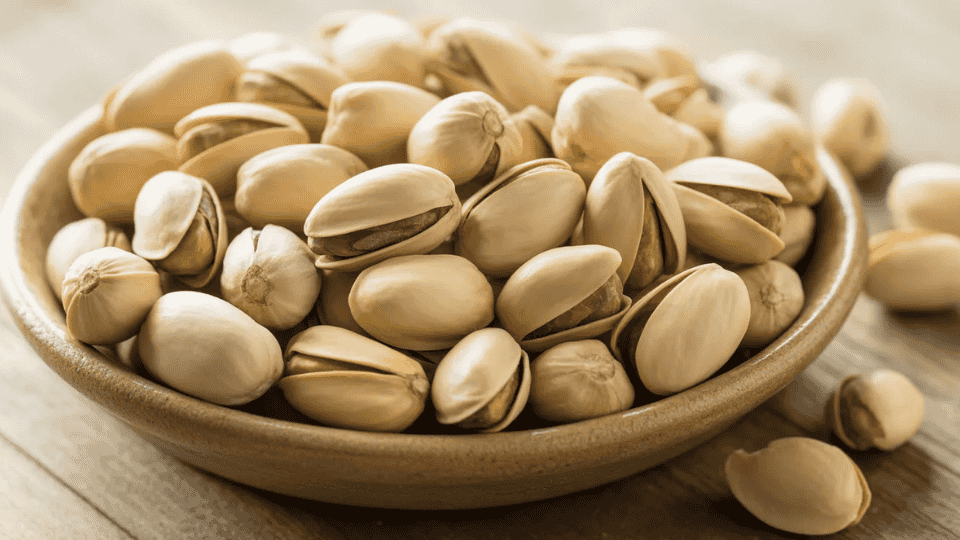
Pistachios rank among the better nuts for potassium and bring vitamin B6 and healthy fats along with them.
They make a solid everyday snack, and the shelling process naturally slows eating down, which tends to help with portion control without requiring much conscious effort on the snacker’s part.
- Potassium per oz: ~286 mg (~6% DV)
- How to consume: Straight from the shell, the shelling naturally slows snacking down
2. Almonds
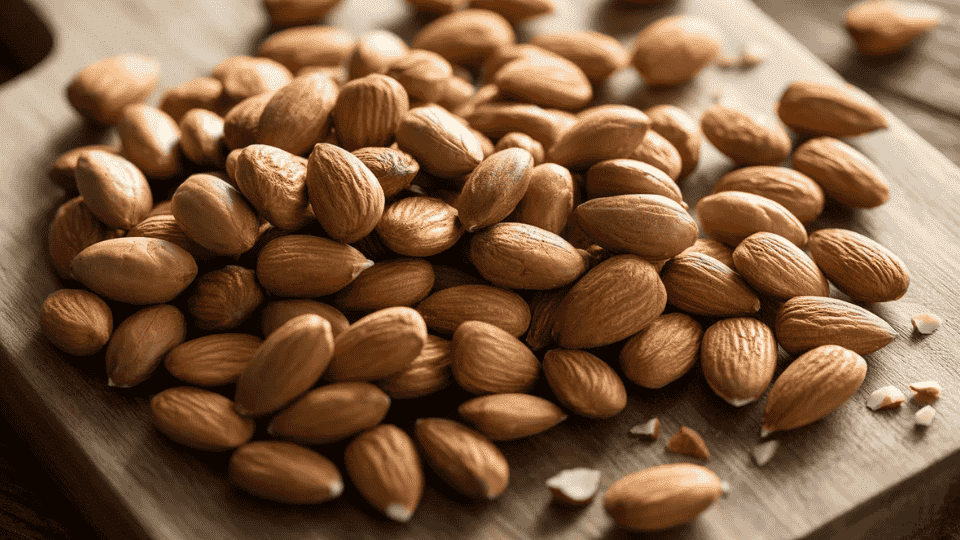
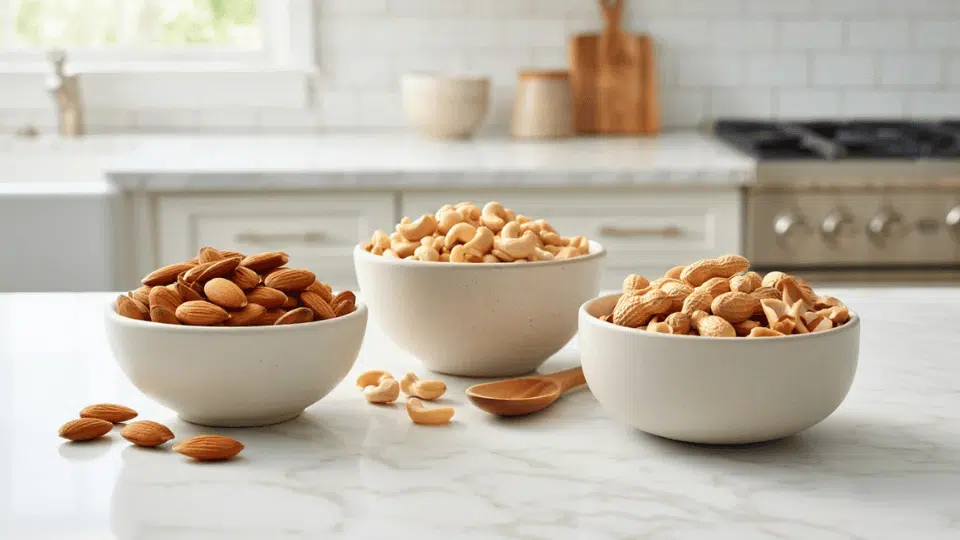
Almonds sit mid-range on this list, but the potassium in almonds comes alongside magnesium and vitamin E, making them one of the more nutritionally balanced options available.
There is more going on here than the potassium number alone suggests, which explains why they remain one of the most consistently recommended nuts for daily eating.
When patients ask about the potassium in almonds specifically, I point them to the broader profile: the combination of magnesium, vitamin E, and healthy fat means that even at ~208 mg per ounce, almonds are doing more work per serving than a single-nutrient comparison would suggest.
- Potassium per oz: ~208 mg (~4% DV)
- How to Consume: Raw, roasted, or spread as almond butter on toast. Two tablespoons of natural almond butter delivers a comparable potassium hit and is often easier to work into a busy day than portioning whole nuts
3. Cashews
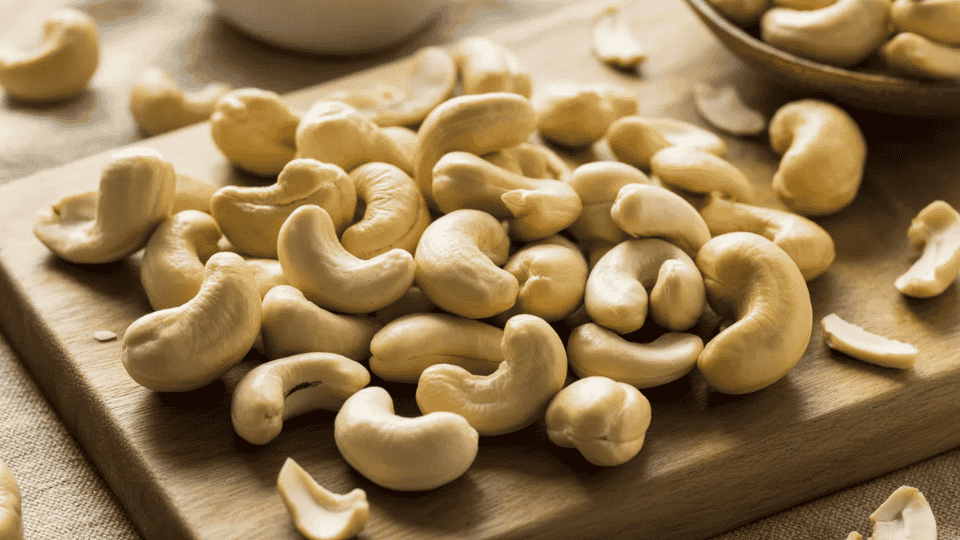
Cashews offer a decent potassium contribution, but the copper content is what often catches people off guard. Copper supports energy metabolism and connective tissue health yet rarely gets the attention it deserves in everyday nutrition.
Cashews are one of the more accessible dietary sources of it, which strengthens their case beyond potassium alone.
- Potassium per oz: ~185 mg (~4% DV)
- How to Consume: Roasted as a snack or stirred into stir-fries and curries
4. Peanuts
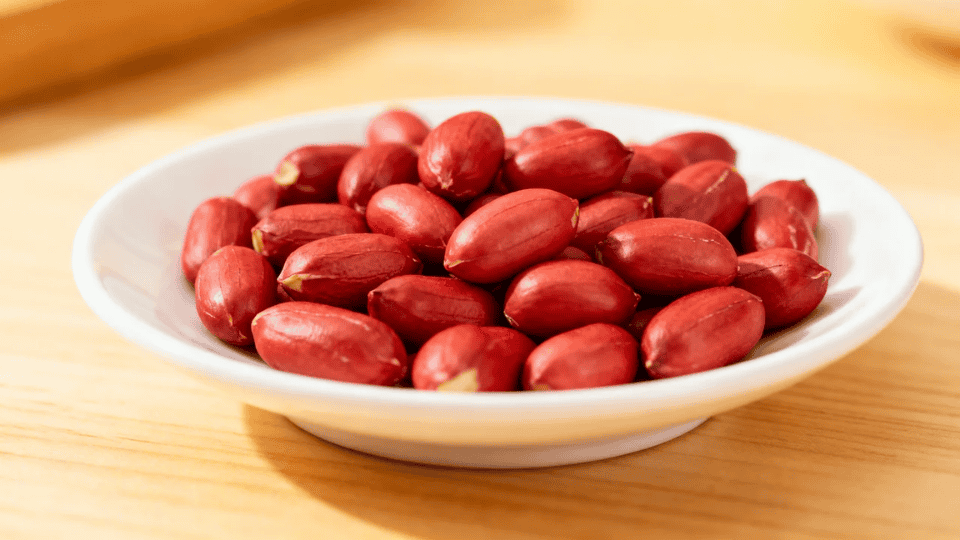
Technically a legume, though most people eat and think of them as a nut, and nutritionally they hold up well in that comparison.
Peanuts offer potassium alongside more protein per ounce than most others on this list, making them one of the more filling and practical options for everyday snacking between meals.
- Potassium per oz: ~180 mg (~4% DV)
- How to Consume: As peanut butter, roasted snacks, or tossed into noodle dishes
5. Hazelnuts
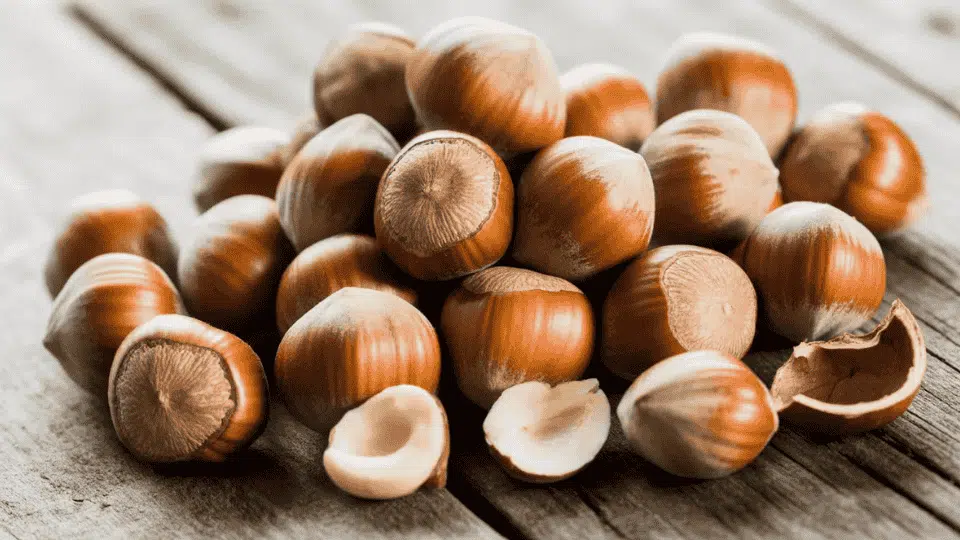
Hazelnuts tend to get left out of nutrition conversations more than they deserve. Potassium is reliable, and vitamin E, along with monounsaturated fats, provides meaningful cardiovascular support.
It is a combination that holds up well on closer inspection, even if hazelnuts rarely get the same level of attention as almonds or cashews do.
- Potassium per oz: ~214 mg (~5% DV)
- How to Consume: Chopped into baked goods or eaten roasted on their own
6. Brazil Nuts
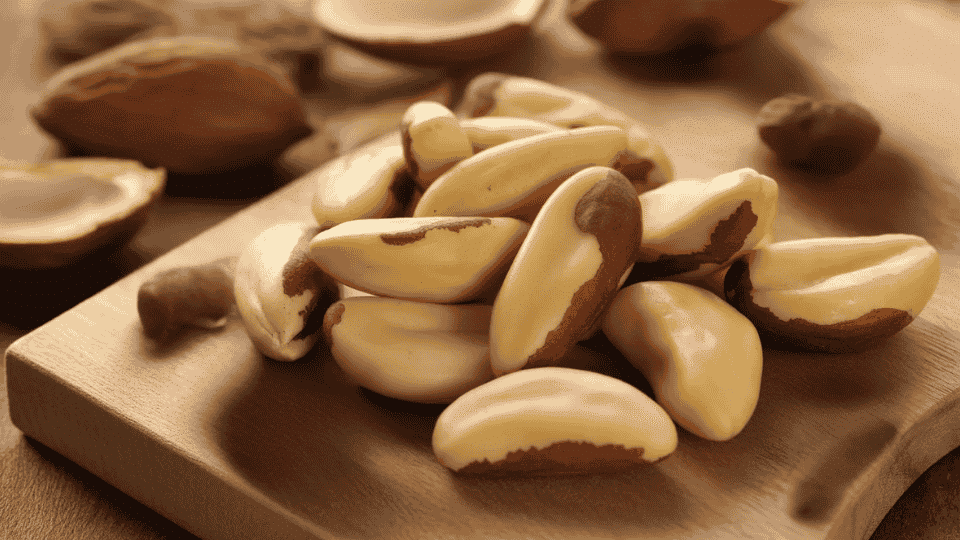
Brazil nuts stand apart because of how distinctive their overall nutritional profile is. The potassium is useful, but the selenium content is what makes them genuinely exceptional.
Very few foods deliver selenium as efficiently, and just one or two a day can comfortably meet the full daily selenium requirement for most adults.
- Potassium per oz: ~187 mg (~4% DV)
- How to Consume: Eaten whole as a snack; portions naturally stay small
7. Pine Nuts
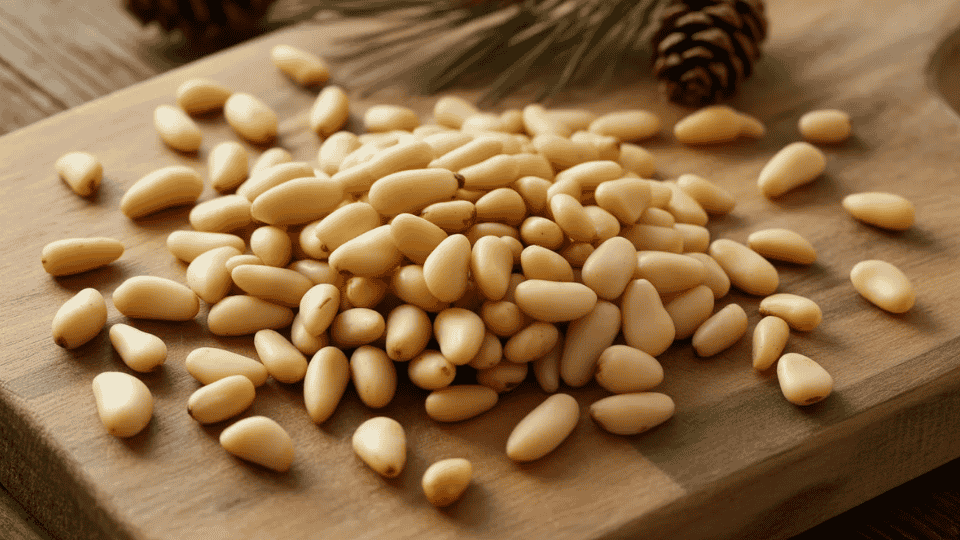
Pine nuts are small enough that people rarely think of them as a meaningful potassium source, but the numbers add up across a standard serving.
They also contain pinolenic acid, a fatty acid with early research suggesting a role in appetite regulation, though that evidence is still developing and worth treating with some caution.
- Potassium per oz: ~170 mg (~4% DV)
- How to Consume: Toasted over salads, pasta, or blended into pesto
8. Walnuts
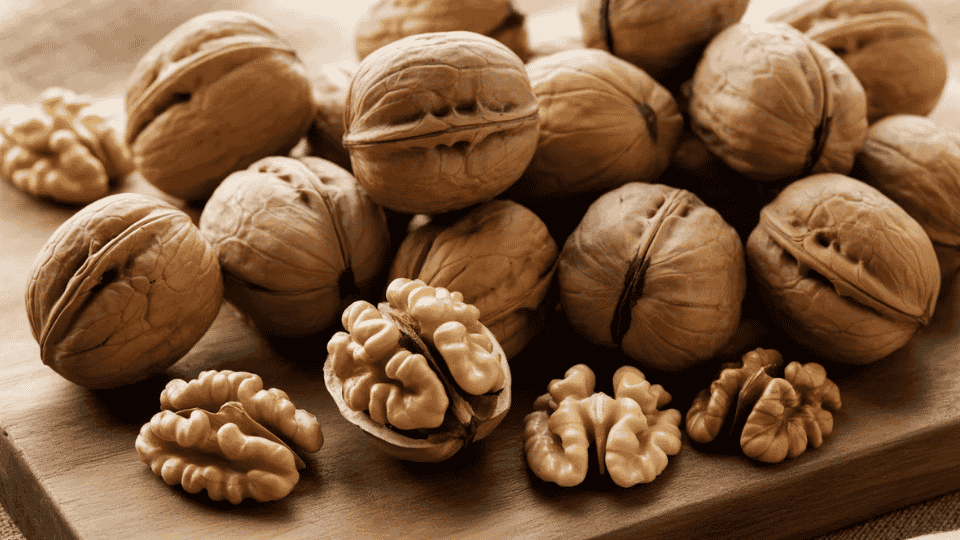
Walnuts rank lower on this list for potassium, and that is worth acknowledging honestly. What keeps them relevant is their ALA omega-3 content, making them one of the very few plant-based sources of this heart-supportive fat. For anyone not eating fatty fish regularly, walnuts fill a gap that is otherwise difficult to address.
- Potassium per oz: ~125 mg (~3% DV)
- How to Consume: Stirred into oatmeal, added to salads, or eaten plain
9. Pecans

Pecans are not a standout for potassium, but their antioxidant profile gives them a reasonable case for staying in regular rotation.
Vitamin E and ellagic acid together offer meaningful protection against oxidative stress, adding nutritional value that goes comfortably beyond what the potassium number alone would suggest for this particular nut.
- Potassium per oz: ~116 mg (~2% DV)
- How to Consume: In baked goods or roasted with light seasoning
10. Macadamia Nuts
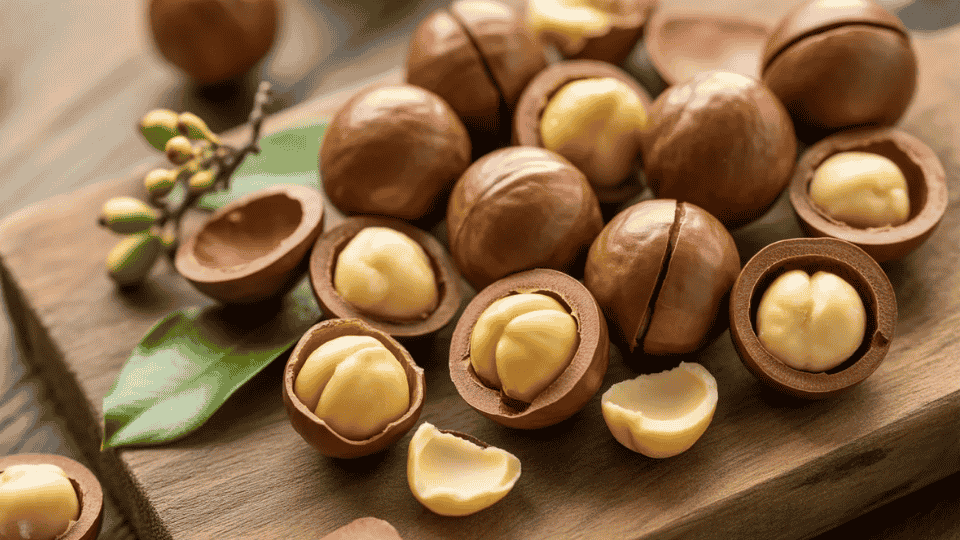
Macadamias sit last on this list for potassium, and the numbers reflect that honestly. Where they make up ground is in monounsaturated fat content, the same heart-friendly type found in olive oil.
For anyone already eating well across other areas, macadamias remain a worthwhile addition even if potassium is not their strongest quality.
- Potassium per oz: ~104 mg (~2% DV)
- How to Consume: Roasted as a snack or used in cookies and trail mixes
11. Chestnuts
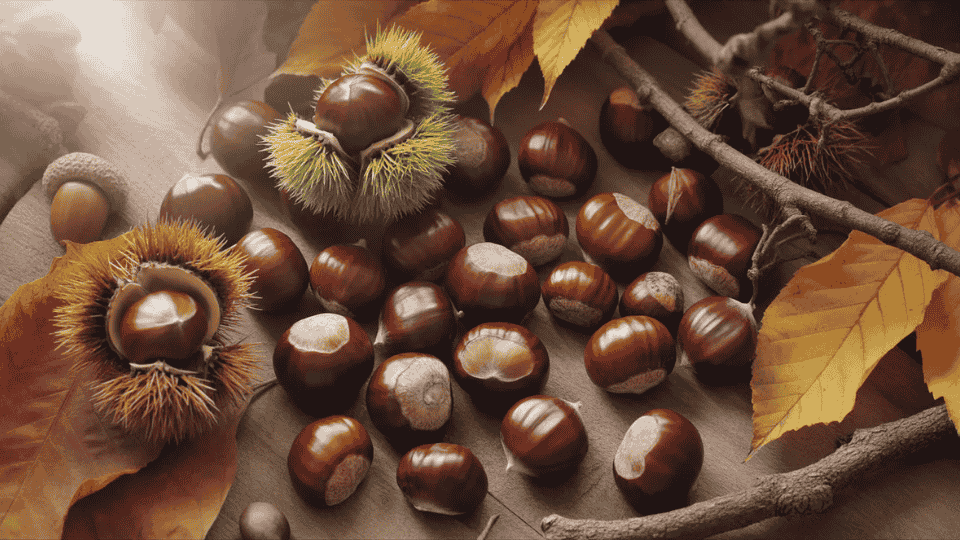
Chestnuts stand apart from everything else on this list. Lower in fat and higher in complex carbohydrates than most nuts, they behave more like a starchy food nutritionally.
The fiber content helps moderate the glycemic response, and the potassium contribution is a useful addition to what is already a fairly distinctive nutritional profile.
- Potassium per oz: ~175 mg cooked (~4% DV)
- How to Consume: Roasted whole or pureed into soups and seasonal stuffings
12. Pili Nuts
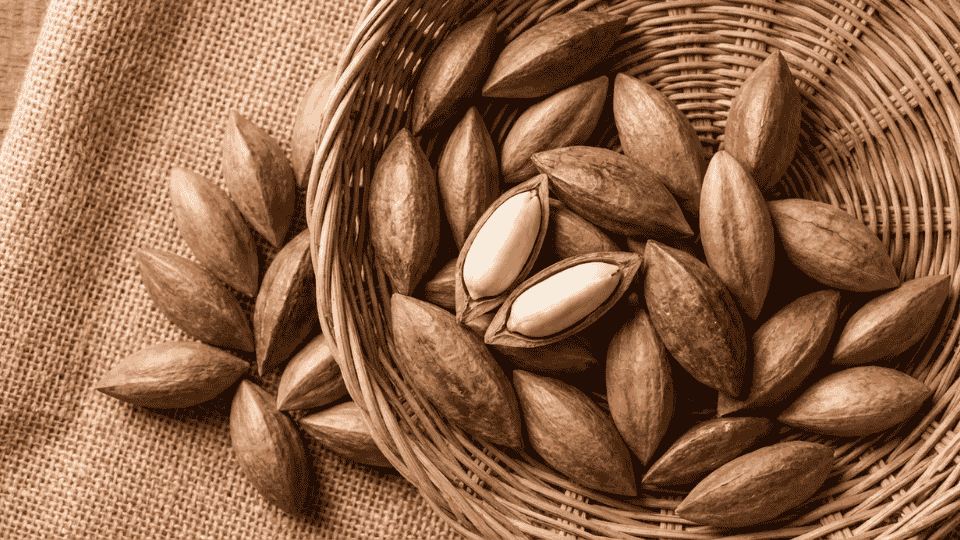
Pili nuts remain niche in most markets but have earned genuine attention in low-carb eating circles. The fat profile is largely monounsaturated, the carbohydrate content is naturally low, and the potassium adds a useful contribution.
They are worth knowing about for anyone looking to move beyond the standard options most grocery stores typically carry.
- Potassium per oz: ~160 mg (~3% DV)
- How to Consume: Raw or roasted; popular in keto-friendly diets
13. Ginkgo Nuts
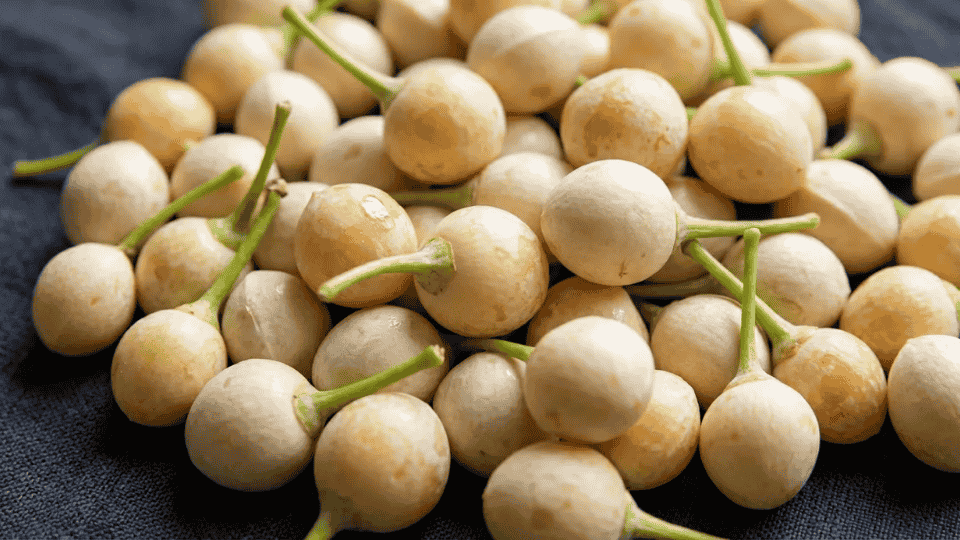
The potassium they contribute is modest but real. They also carry the added interest of being associated in traditional medicine with cognitive health, though clinical evidence for that specific claim remains limited and should not be overstated.
One important safety note: ginkgo nuts must always be cooked before eating. Raw or underripe ginkgo nuts contain a compound called 4′-O-methylpyridoxine, which can interfere with vitamin B6 metabolism and cause adverse reactions, particularly in children.
- Potassium per oz: ~145 mg (~3% DV)
- How to Consume: Cooked into congee, soups, or stir-fries, never eaten raw
14. Candlenuts
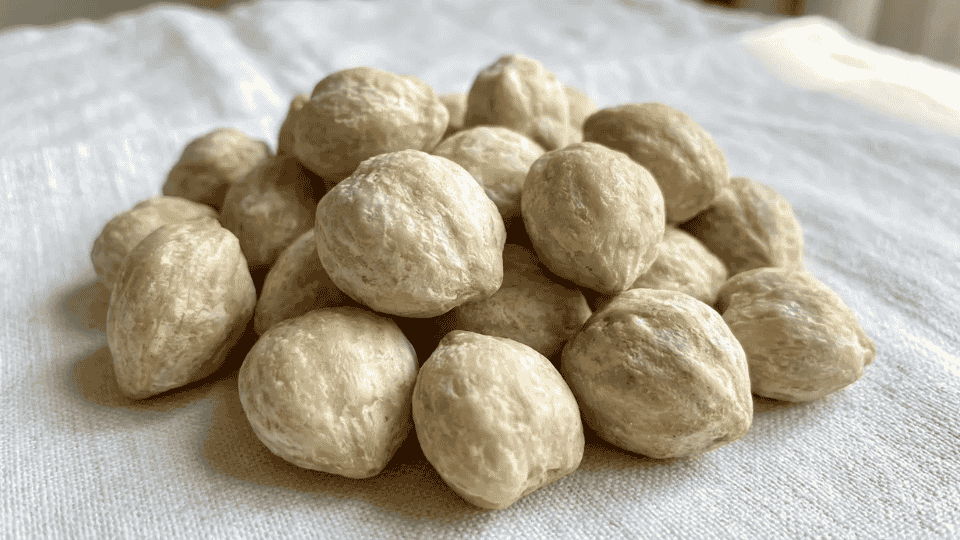
Candlenuts are rarely eaten as a standalone snack and are better understood as a cooking ingredient. They add richness and body to sauces and pastes, and their potassium contributes its dishes indirectly.
For anyone cooking Southeast Asian food regularly, they are already part of the picture without much additional thought.
- Potassium per oz: ~135 mg (~3% DV)
- How to Consume: Toasted and ground into Southeast Asian curry pastes and sauces
15. Baru Nuts
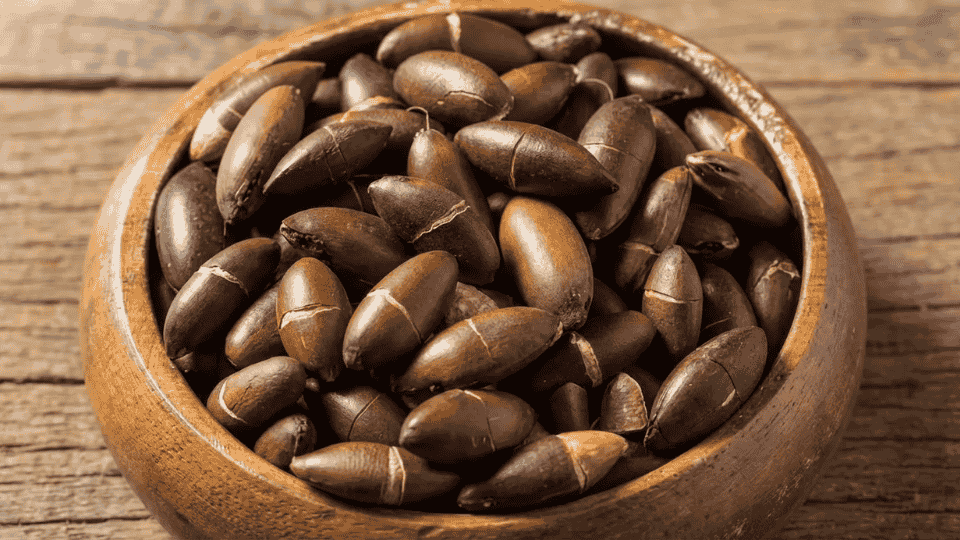
Baru nuts are still relatively unknown outside of Brazil, but the nutritional profile makes a solid case for wider attention.
Higher in fiber and protein than many common nuts, with a flavor most people find approachable on first try. They are increasingly available through specialty and online retailers for anyone looking to add variety.
- Potassium per oz: ~185 mg (~4% DV)
- How to Consume: Roasted as a snack; still relatively niche but increasingly available
16. Kola Nuts
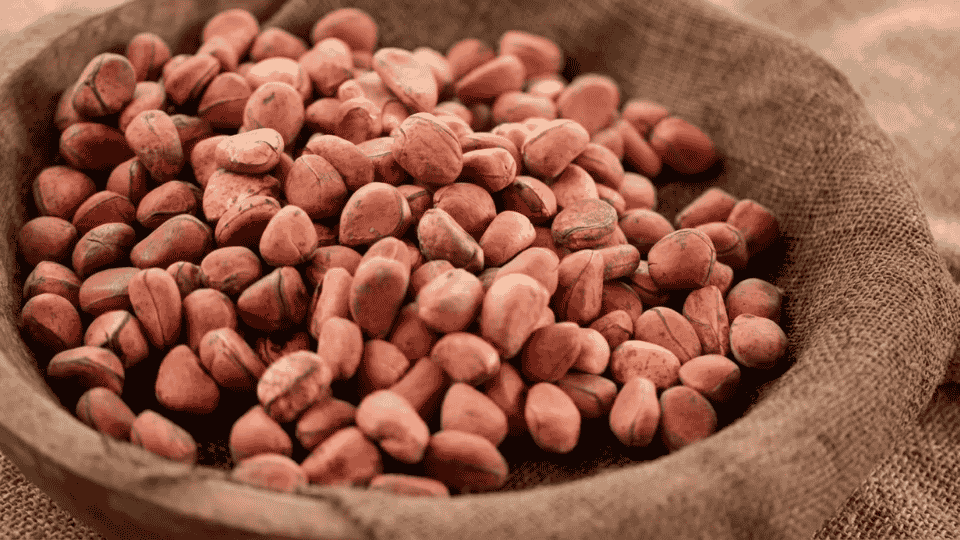
Kola nuts carry deep cultural roots in West Africa, where they served as a reliable natural energy source long before modern supplements existed. The caffeine content is real and functional, and potassium is present, though modest.
In Western contexts, they appear far more often as extracts or flavorings than as foods eaten directly.
- Potassium per oz: ~100 mg (~2% DV)
- How to Consume: Chewed raw in traditional contexts or used as a flavoring extract
17. Beech Nuts
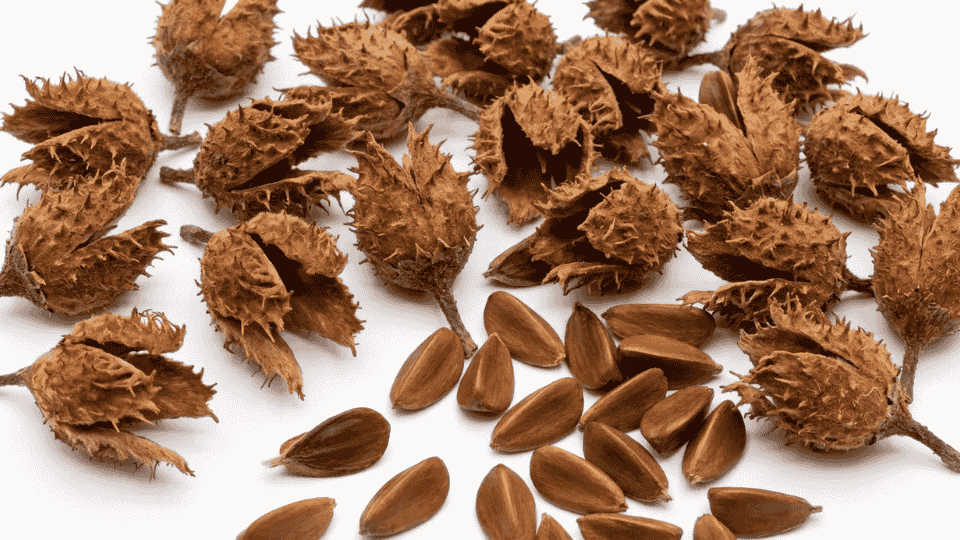
Beech nuts rarely appear on grocery lists and are far more likely to be foraged than purchased at a store.
The nutritional profile is light but genuinely useful, with healthy fats and B vitamins rounding out the potassium contribution. In regions where they are seasonally available, they make a worthwhile occasional dietary addition.
- Potassium per oz: ~155 mg (~3% DV)
- How to Consume: Roasted or pressed for oil; rarely sold commercially
A Note on Seeds
For anyone using this list to close a meaningful potassium gap, seeds are worth knowing about alongside nuts.
Hemp seeds deliver approximately 340 mg of potassium per ounce, making them the highest on this list. Sunflower seeds and pumpkin seeds both land in the 180–260 mg range per ounce, ahead of most nuts as well.
Adding a tablespoon of hemp or sunflower seeds to the same meals you already eat nuts is one of the more efficient, low-effort ways to increase daily potassium intake without changing your overall eating pattern.
What About Nut Butters?
Many people get their daily nuts through spreads rather than whole snacks, and nut butters hold up well from a potassium standpoint.
Two tablespoons of natural almond butter provide roughly 240 mg of potassium, comparable to a small handful of whole almonds. Natural peanut butter delivers around 200 mg per two tablespoons.
The key, as always with nut butters, is choosing unsalted or lightly salted varieties. Heavily salted commercial spreads can counter the blood pressure benefits for which potassium is largely valued in the first place.
Check the label: anything over 100 mg of sodium per two-tablespoon serving is worth noting if blood pressure management is part of the picture.
Other High-Potassium Foods to Pair with Nuts
Nuts work well as part of a broader approach to potassium intake rather than a standalone solution. Here is a look at some of the best high-potassium foods you can pair with nuts daily:
| Food | Potassium Content | Best Way to Pair with Nuts |
|---|---|---|
| Sweet Potatoes | 440mg per 100g | Add crushed nuts as a topping on baked sweet potatoes |
| Cooked Spinach | 558mg per cup | Toss nuts into a warm spinach salad |
| Yogurt | 240mg per serving | Mix chopped nuts into plain yogurt for a quick snack |
| Beans and Legumes | 300–500mg per cup | Combine with nuts in grain bowls or hearty salads |
| High Potassium Fruits | 200–400mg per serving | Pair sliced fruit with a small handful of nuts |
Adding potassium-rich fruits to your meals alongside nuts helps close the gap without overhauling your eating habits entirely.
Does Roasting or Salting Affect Potassium?
Processing changes nut taste and shelf life, but not all prep methods impact nutrition equally. Potassium remains largely unaffected by roasting, dry or oil-based, with raw and roasted nuts offering similar amounts per serving.
Preparation matters in sodium. Salted nuts, especially salted roasted types, have higher sodium. Those eating nuts for heart health should keep this in mind when choosing.
Potassium from plant-based foods like nuts is generally well absorbed by the body. Unlike some minerals that are partially blocked by antinutrients such as phytates, potassium from whole plant foods shows good bioavailability in research settings.
This means the milligram figures you see in nutrition databases translate reliably to what your body actually takes in, which is reassuring, and not always the case with every mineral in nuts.
One note worth adding: those managing kidney disease or related conditions should treat potassium intake as something to discuss directly with a doctor or registered dietitian rather than self-manage through general guidance.
How to Store Potassium-Rich Nuts
Potassium is a stable mineral and does not degrade with proper storage. What changes over time is the fat content.
The polyunsaturated fats in walnuts and pine nuts, in particular, oxidize relatively quickly, producing the stale, bitter taste that most people have encountered in an old bag of mixed nuts.
- In the pantry: Most nuts keep well for one to three months in a sealed airtight container, away from heat and direct light. A cool, dry environment makes a meaningful difference in how long they stay fresh.
- In the fridge or freezer: Refrigeration extends shelf life to around six months; the freezer to a year or more without significant nutritional loss. Walnuts and pine nuts benefit the most from cold storage and should ideally be refrigerated once opened.
Proper storage also matters for consistency. A package of nuts that sits open in a warm kitchen and tastes stale is one that patients tend to stop reaching for, which defeats the nutritional purpose entirely.
Keeping them in good condition removes one of the quiet barriers to actually eating them regularly.
Tips for Including Potassium-Rich Nuts in Your Diet
Getting more nuts into your daily routine is simpler than most people expect, and small changes tend to stick better than big ones.
- Adding a small handful over morning oatmeal or cereal is one of the easiest starting points, bringing potassium and healthy fats without any preparation.
- For snacking, raw or lightly roasted unsalted nuts are the better choice, as heavily salted varieties can work against the blood pressure benefits potassium is valued for.
- Nuts blend well into smoothies or homemade protein bars, and pairing them with fruit covers more nutritional ground in a single sitting.
- One to two ounces per serving is a practical portion guide, enough to be nutritionally meaningful without pushing calories beyond where they should be.
Small, consistent additions across the day tend to add up more reliably than trying to hit targets through a single large serving.
Clients who pre-portion nuts into small reusable containers at the start of the week are significantly more consistent than those who eat straight from the bag.
It takes about five minutes on a Sunday, and it removes the friction, the weighing, the guessing, the forgetting, that usually leads to skipping them entirely.
It sounds minor, but in ten years of counselling patients on daily habits, this single change has made more difference than almost any other for nuts specifically.
Final Thoughts
Potassium doesn’t have to come from one source, and that’s probably the most useful takeaway from all of this.
Nuts high in potassium won’t replace a balanced diet, but they fit into one more easily than most people expect, a small handful here, a smear of nut butter there.
The potassium in almonds may not top the charts, but the fuller nutritional picture makes them worth keeping around. The same goes for most of the nuts covered here; each one brings something slightly different to the table.
If something here shifted how you think about snacking, I’d genuinely love to know. Drop a comment below or share it with someone who might find it useful. Me-too moments in nutrition are always worth passing along.