












I’ve spent over a decade helping clients build better plates, and orange bell peppers are always one of my top recommendations for real, food-first nutrition.
Not because they’re trendy, but because the numbers are genuinely impressive and most people have no idea.
Most people overlook the layered benefits inside each bite. Orange bell peppers are a quiet powerhouse that benefits your body.
I’ll walk you through their Orange bell peppers nutrition, how they support your health, and why the color matters more than you might think.
You’ll also learn how they compare with green and red peppers, their effect on blood sugar, and how they fit into weight goals.
Understanding Orange Bell Pepper
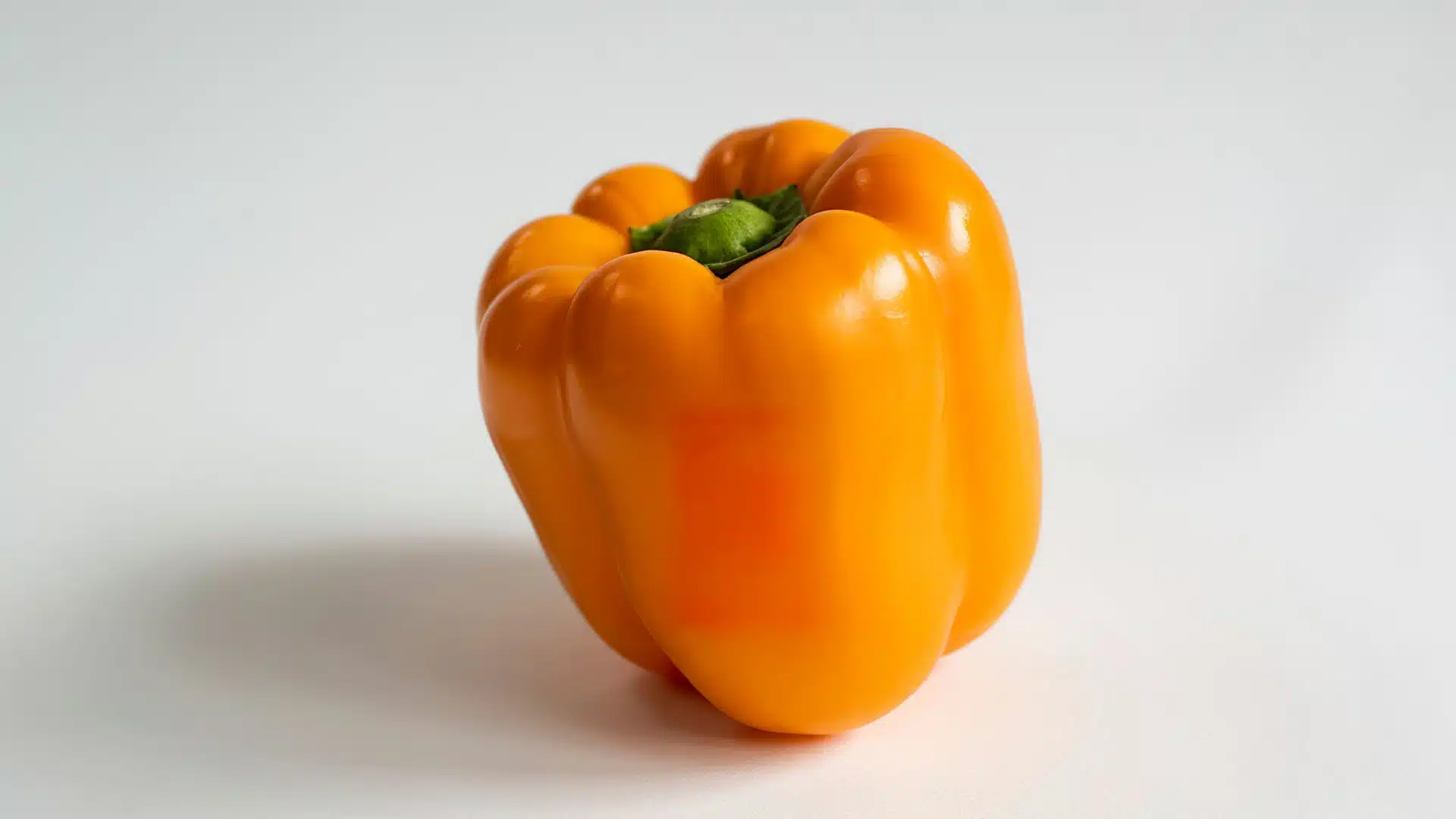
Orange bell peppers are a sweet, colorful variety known for their bright orange skin and crisp texture. They belong to the same plant family as red, yellow, and green peppers, but they stand out because of their mild sweetness and vibrant appearance.
What drives that orange color is a specific carotenoid called violaxanthin. Violaxanthin is not just a pigment. It is an antioxidant xanthophyll that quenches singlet oxygen radicals in plant tissue, and emerging research suggests it may carry similar antioxidant activity in human cells. It is largely absent in green peppers and present in greater concentrations in orange varieties than in red.
Orange peppers sit at a mid-ripeness stage, sweeter and more nutrient-dense than green, but with a different carotenoid profile than fully ripened red peppers.
Nutritionally, orange bell peppers stand out for their high vitamin C content, carotenoids like beta-carotene and lutein, and a solid hit of folate, all nutrients that support immunity, vision, and cell health. Because they are naturally low in calories and high in water content, they fit well into almost any eating pattern.
Orange Bell Pepper Nutrition Facts
Orange bell peppers are packed with nutrients that support a healthy diet. They are low in calories and high in vitamins, offering a mix of essential nutrients for everyday health.
Nutrient | Amount (1 medium pepper, 119g) | % Daily Value |
Calories | 30 | 2% |
Carbohydrates | 7g | 3% |
Fiber | 2g | 7% |
Sugar | 4g | — |
Protein | 1g | 2% |
Fat | 0g | 0% |
Water | 92% | — |
Vitamin C | ~150mg (medium pepper) | ~167% DV |
Vitamin B6 | 0.3mg | 18% DV |
Folate | ~46mcg | 12% DV |
Potassium | ~250mg | 5% DV |
Sugar and water don’t have established Daily Values, so those are marked with a dash. Vitamin C values vary by individual pepper size and ripeness. A large orange pepper can deliver over 300mg of vitamin C, nearly four times the amount in a medium orange.
Is orange bell pepper keto-friendly? Yes. With approximately 5g of net carbs per 100g and no fat, orange bell peppers fit comfortably within most ketogenic carb limits. Their fiber content further reduces the net carb count, making them one of the most nutrient-dense low-carb vegetables available.
Health Benefits of Orange Bell Peppers

Orange bell peppers deliver serious health benefits beyond their bright color and sweet taste. Packed with vitamins, antioxidants, and fiber, they support everything from immunity to heart health.
1. Immune and Skin Health
Orange bell peppers contain more vitamin C than most citrus fruits. A medium orange delivers roughly 70mg of vitamin C.
A medium orange bell pepper delivers over 150mg, more than double, for the same approximate calorie count.
A large orange pepper can deliver over 300mg according to registered dietitian sources, making it one of the single most concentrated whole-food sources of vitamin C available.
Vitamin C supports the immune system and helps fight infections effectively. It also boosts collagen production, promoting firm and elastic skin.
It also plays a key role in iron absorption. Pairing orange bell pepper slices with iron-rich foods like lentils or spinach can meaningfully increase the amount of iron your body actually absorbs.
I’ve seen this combination work well for clients dealing with low iron levels who prefer a food-first approach.
It accelerates wound healing and protects skin cells from damage. Regular consumption helps maintain a strong immune response while keeping skin healthy and youthful-looking.
2. Protecting Your Vision
According to a study published in the British Journal of Ophthalmology, orange pepper was identified as the vegetable with the highest zeaxanthin content among all vegetables tested, higher than red peppers.
Along with lutein, these compounds protect the retina from oxidative damage and filter harmful blue light, which is particularly relevant for anyone spending long hours in front of screens.
In my practice, I especially flag this for clients over 45 who are concerned about age-related macular degeneration. Adding orange peppers to the diet a few times a week is one of the simplest, most food-forward steps they can take for long-term eye health.
Orange vs. red for eye health: Red peppers contain more lycopene and overall beta-carotene. But orange peppers consistently score higher on lutein and zeaxanthin content, the two carotenoids most directly tied to macular protection. If eye health is your priority, orange is the better pick. If you want the broadest antioxidant range, alternate between both.
3. Metabolic Support
Vitamin B6 plays a crucial role in brain function and neurotransmitter production. It regulates mood and cognitive performance throughout the day. This vitamin breaks down proteins, fats, and carbohydrates into usable energy.
Orange bell peppers also provide folate (vitamin B9), which supports DNA repair, red blood cell production, and is especially important for women in their reproductive years.
Most people don’t associate bell peppers with folate, but at roughly 12% DV per medium pepper, they are a meaningful contributor.
For women in their first trimester, where folate demand is highest, orange bell peppers are a practical, whole-food addition to prenatal nutrition alongside dedicated supplementation.
It supports healthy metabolism and helps the body convert food into fuel efficiently, keeping energy levels stable.
4. Heart Health Support
Orange bell peppers contain potassium and fiber that support cardiovascular function. Potassium helps regulate blood pressure by balancing sodium levels in the body.
The quercetin in orange bell peppers adds another layer of cardiovascular protection.
This polyphenol antioxidant has been studied for its potential to reduce LDL oxidation and lower chronic inflammation, two key drivers of heart disease risk. It’s one of the reasons I recommend whole bell peppers over isolated antioxidant supplements.
The fiber content helps reduce cholesterol levels and promote healthy blood flow. These nutrients work together to lower the risk of heart disease and support overall cardiovascular wellness.
5. Anti-Inflammatory Benefits
Orange bell peppers contain beta-cryptoxanthin, a carotenoid the body converts into vitamin A.
A pooled analysis of seven prospective cohort studies involving 399,765 participants found that among all dietary carotenoids studied, only beta-cryptoxanthin intake was significantly associated with a lower risk of lung cancer, with those in the highest intake quintile showing a 24% reduction in risk compared to those in the lowest quintile.
This finding held across never, past, and current smokers. The research was published in Cancer Epidemiology, Biomarkers & Prevention. While no single food prevents cancer, this compound’s antioxidant activity is specific to orange and red varieties and largely absent in green peppers.
The antioxidants in orange bell peppers also help reduce overall inflammation. Compounds like beta-carotene and quercetin combat oxidative stress and protect cells from damage. Regular consumption supports joint health and helps the body manage inflammation naturally.
Orange vs. Green and Red Bell Peppers
All bell peppers start green, but as they ripen on the vine, they develop sweeter flavors and higher nutrient levels. Here’s how orange, green, and red varieties stack up.
Aspect | Green Bell Pepper | Orange Bell Pepper | Red Bell Pepper |
Ripeness Stage | Harvested early, unripe | Mid-ripeness stage | Fully ripe |
Vitamin C Content | ~80mg per 100g | ~100–120mg per 100g | ~127mg per 100g |
Sweetness Level | Bitter, grassy taste | Moderately sweet, fruity | Very sweet, slightly fruity |
Beta-Carotene | Low | High | Very high |
Lutein and Zeaxanthin | Moderate | Highest among bell pepper varieties | Lower than orange |
Best Uses | Stir-fries, stuffing, grilling | Raw eating, salads, roasting | Roasting, sautéing, and raw snacking |
Price Point | Most affordable | Mid-range | Most expensive |
Texture | Firm and crisp | Crisp and juicy | Soft and tender |
One thing that surprises most of my clients: orange peppers actually beat red when it comes to lutein and zeaxanthin, the carotenoids most directly tied to eye health.
Red peppers win on lycopene and overall beta-carotene, but if eye protection is your priority, orange is the better pick.
The color difference isn’t just visual. As peppers ripen from green to orange to red, they become sweeter and pack more vitamins, making each variety well-suited to different nutritional goals.
Are Orange Bell Peppers Good for Blood Sugar?
Orange bell peppers have a glycemic index of around 15 and a glycemic load of just 2 per 100g, both firmly in the low range. I’ve recommended them as a snack replacement to several clients managing type 2 diabetes, specifically because the fiber slows glucose absorption without sacrificing volume or satisfaction.
The natural sugars in these peppers are balanced with a significant amount of fiber, which helps slow the absorption of sugar into the bloodstream, preventing rapid spikes. A medium-sized pepper contains only about 4 grams of sugar, making it a low-sugar option that is unlikely to cause significant changes in blood glucose levels.
Additionally, their high water content further supports healthy blood sugar regulation. However, individuals with specific conditions such as diabetes should still consider portion sizes to help maintain balanced blood sugar levels.
Are Orange Bell Peppers Good for Weight Loss?
In my experience working with weight-loss clients, orange bell peppers are one of the most underused tools.
People reach for rice cakes or protein bars, but a medium orange pepper gives you crunch, volume, water content, and real vitamins, all for 30 calories. I’ve seen clients cut 200–300 calories a day just by swapping processed afternoon snacks for sliced peppers with hummus.
With only about 30 calories per medium pepper, they are low in calories yet high in water content, making them a satisfying snack. The high fiber content further supports weight management by promoting a sense of fullness and reducing the likelihood of overeating.
Whether eaten raw as a crunchy snack or added to cooked dishes such as salads, stir-fries, or wraps, orange bell peppers offer a flavorful, low-calorie option. Eating them raw retains their full nutrient profile, while cooking may slightly reduce some vitamins but still offers a tasty, filling addition to meals.
Best Ways to Eat Orange Bell Peppers

Raw vs. Cooked: What Each Method Does to the Nutrients
| Cooking Method | Effect on Vitamin C | Effect on Carotenoids | Best For |
|---|---|---|---|
| Raw | Fully preserved | Moderate bioavailability | Maximum vitamin C, snacking, salads |
| Quick sauté (under 10 min) | Some loss (~15–20%) | Increased bioavailability with fat | Stir-fries, omelets, side dishes |
| Roasting | Moderate loss (~25–30%) | Highest bioavailability when paired with oil | Deepest flavor, best carotenoid absorption |
| Boiling or steaming | Significant loss (water-soluble C leaches out) | Moderate | Not recommended if nutrition is the priority |
- Simple Prep Ideas: Slice for snacks, chop into salads, or dice for stir-fries and omelets. Roast or grill for added flavor.
- How to Pick the Best One: Choose vibrant, uniform orange peppers with glossy skin and a bright green stem. Avoid pale patches and brown stems.
- Storage Tips: Store whole peppers in the fridge (2–3 weeks). Once cut, keep in an airtight container and use within 3 days. Freeze for longer storage.
- Serving Size Suggestions: A medium bell pepper (119g) offers a good balance of nutrients without excess calories.
- Fat-Soluble Nutrients: Pair with healthy fats (hummus, olive oil, avocado) to enhance absorption of carotenoids like beta-carotene and lutein.
Remove the white pithy inner ribs before eating raw. Most of the bitterness in bell peppers lives there, not in the flesh. It makes a noticeable difference in taste, especially for people who say they “don’t like” bell peppers. This single tip has converted more vegetable skeptics in my practice than any recipe I’ve ever suggested.
Potential Side Effects of Orange Bell Peppers
While orange bell peppers are generally healthy and safe to consume, some individuals may experience potential side effects.
- Digestive Discomfort: Overeating bell peppers may cause bloating or gas due to their high fiber content.
- Nightshade Sensitivity: Bell peppers belong to the nightshade family, which may trigger symptoms in individuals with conditions like arthritis.
- Allergic Reactions: People with allergies to peppers or related foods may experience itching, swelling, or difficulty breathing.
- Oral Allergy Syndrome: Those with pollen allergies, particularly to mugwort, may experience cross-reactions with bell peppers.
- Pesticide Concerns: Conventionally grown bell peppers are often on high-pesticide lists, so opting for organic can be a safer choice.
- Excess Vitamin C: Eating too many bell peppers may cause stomach upset or diarrhea in sensitive individuals. Moderation is important.
- Kidney Stone Risk: Bell peppers contain oxalates, though at lower levels than in spinach or beets. People with a history of calcium-oxalate kidney stones should be mindful of very high intake.
Key Takeaway
Incorporating orange bell pepper nutrition into your meals is a simple yet powerful way to enhance your health.
These peppers are packed with essential vitamins, antioxidants, and fiber that support immune function, improve skin health, protect vision, and promote heart health.
Their high water content and low calorie count make them ideal for weight management, keeping you satisfied without adding extra calories. Whether raw, roasted, or sautéed, orange bell peppers offer a versatile and delicious addition to any meal.
I hope this blog inspires you to include them in your diet. Feel free to share your favorite ways to enjoy them in the comments!