














I don’t know about you, but when my gut feels off, everything feels off. My energy drops, my mood changes, and even simple days feel harder. That’s why gut health matters so much, and food plays a huge role in it.
Some foods help your gut stay calm and balanced, while others quietly worsen it over time. Here, I’ll explain the worst foods for gut health, explain why they cause problems, and help you spot common diet mistakes.
I’ll also share simple tips and better food choices so you can support your digestion without feeling overwhelmed or restricted.
How Certain Foods Damage Your Gut
Added sugar feeds harmful gut bacteria. This can push out the helpful bacteria and lead to gas, bloating, and irregular bowel movements.
Refined carbs like white bread, pastries, and similar foods break down fast in your body. This causes rapid blood sugar spikes, which can slow digestion and worsen gut discomfort.
Artificial additives like preservatives, colors, and flavor enhancers can irritate the gut lining. Over time, this irritation may lead to inflammation and digestive discomfort.
Excess salt can change the balance of gut bacteria. It may also pull water into the intestines, which can cause bloating or diarrhea.
Ultra-processed ingredients often combine sugar, additives, and refined oils. This mix puts stress on the gut, making digestion less smooth.
List of Worst Foods for Gut Health
Not every food bothers everyone the same way. Still, some foods are known to upset digestion more often than others.
These foods can throw off gut bacteria, cause bloating, or irritate the gut lining. Limiting them can make a big difference in how your stomach feels day to day.
1. Added Sugar Foods
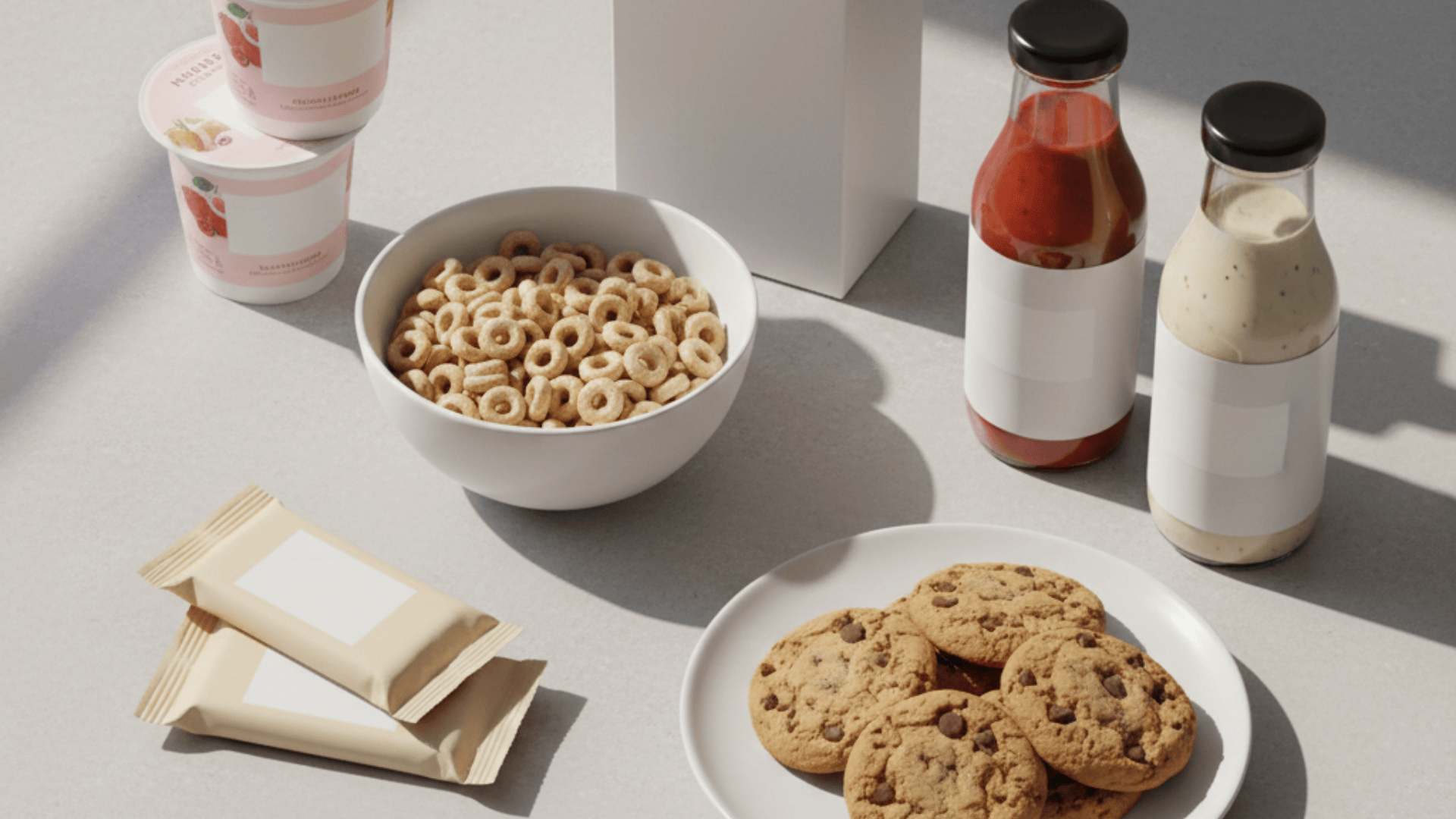
Foods high in added sugar can be tough on your gut. Too much sugar feeds harmful bacteria and yeast, which can push out the good bacteria your gut needs. This imbalance may lead to gas, bloating, and low energy.
Added sugar also weakens the gut lining over time. The tricky part is that sugar hides in many foods, like flavored yogurt, sauces, cereals, and snacks.
Even foods that seem healthy can contain more sugar than you expect, so reading labels really helps.
2. Artificial Sweeteners
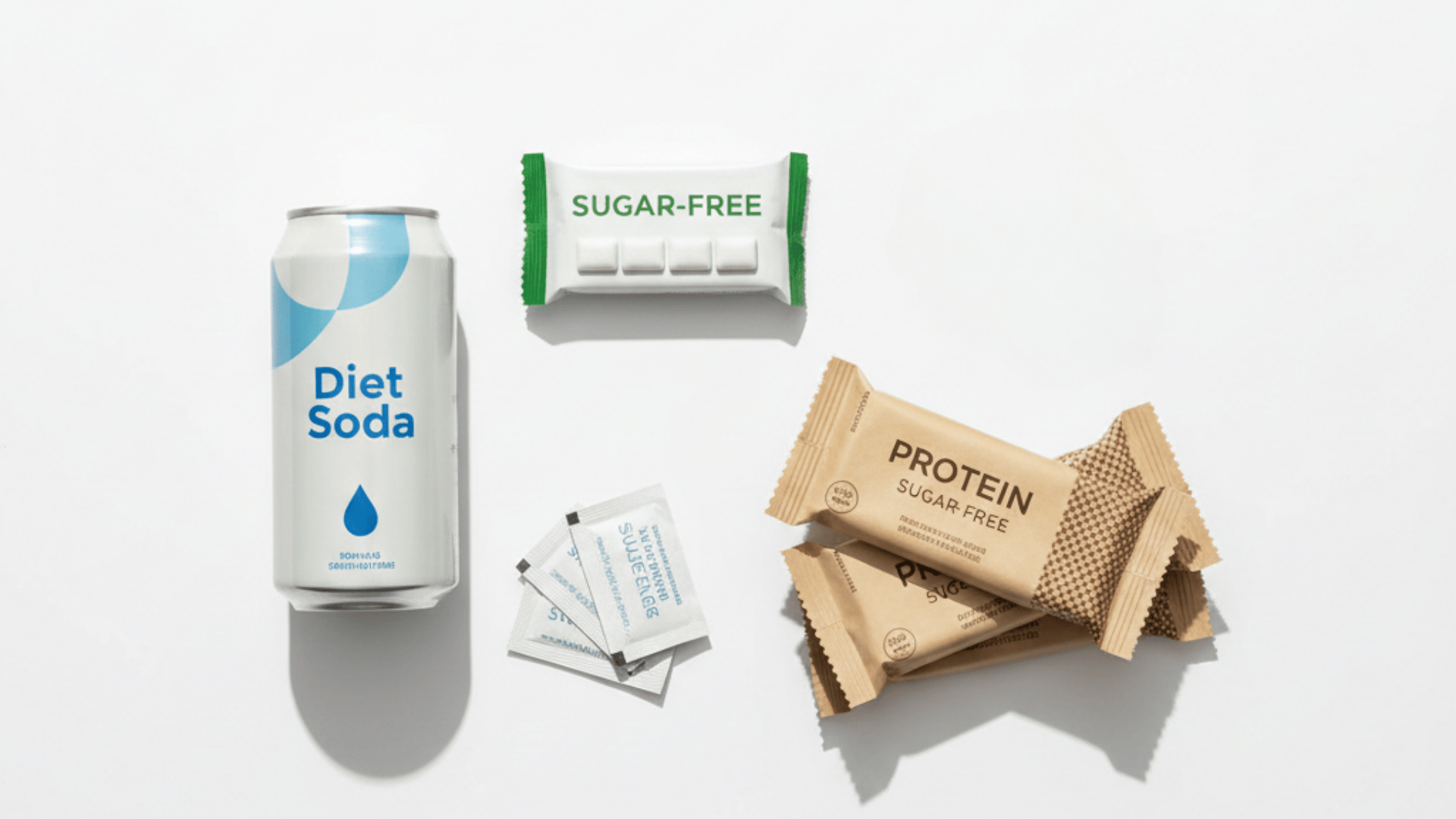
Artificial sweeteners may seem like a better choice, but they can still harm gut health. Some studies show they change the balance of gut bacteria and may increase inflammation.
This can lead to bloating, stomach pain, or changes in digestion for some people. Sweeteners such as aspartame, sucralose, and saccharin are common in diet sodas and sugar-free snacks.
While they add sweetness without calories, your gut may not handle them very well, especially if you eat them often.
3. Ultra-Processed Foods

These foods are packed with additives, preservatives, dyes, and emulsifiers that can irritate the gut lining.
They are often low in fiber and high in sugar, salt, and unhealthy fats. This combo can upset gut bacteria and raise inflammation.
Common examples include packaged snacks, frozen meals, instant noodles, and processed desserts. Eating these foods often may lead to bloating, sluggish digestion, and poor gut balance over time.
4. Fried Foods
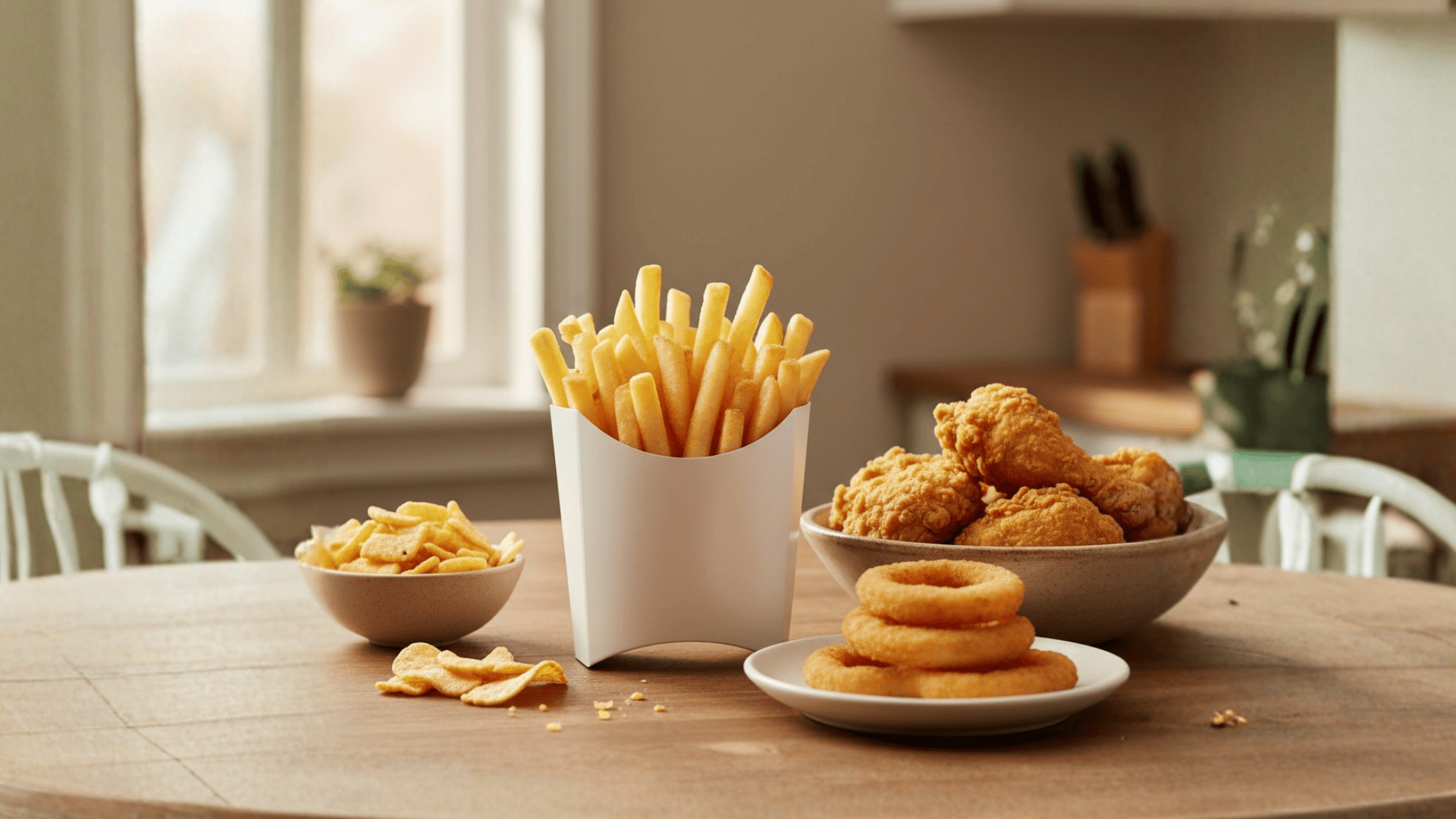
The high heat used for frying can damage cooking oils, creating unhealthy fats that irritate the gut.
Foods like fries, fried chicken, onion rings, and fried snacks often slow digestion and may cause bloating or discomfort.
Fried foods may also reduce the variety of good bacteria in your gut. While an occasional treat is fine, eating fried foods often can make digestion feel heavy and uncomfortable, especially if your gut is already sensitive.
5. Fast Food
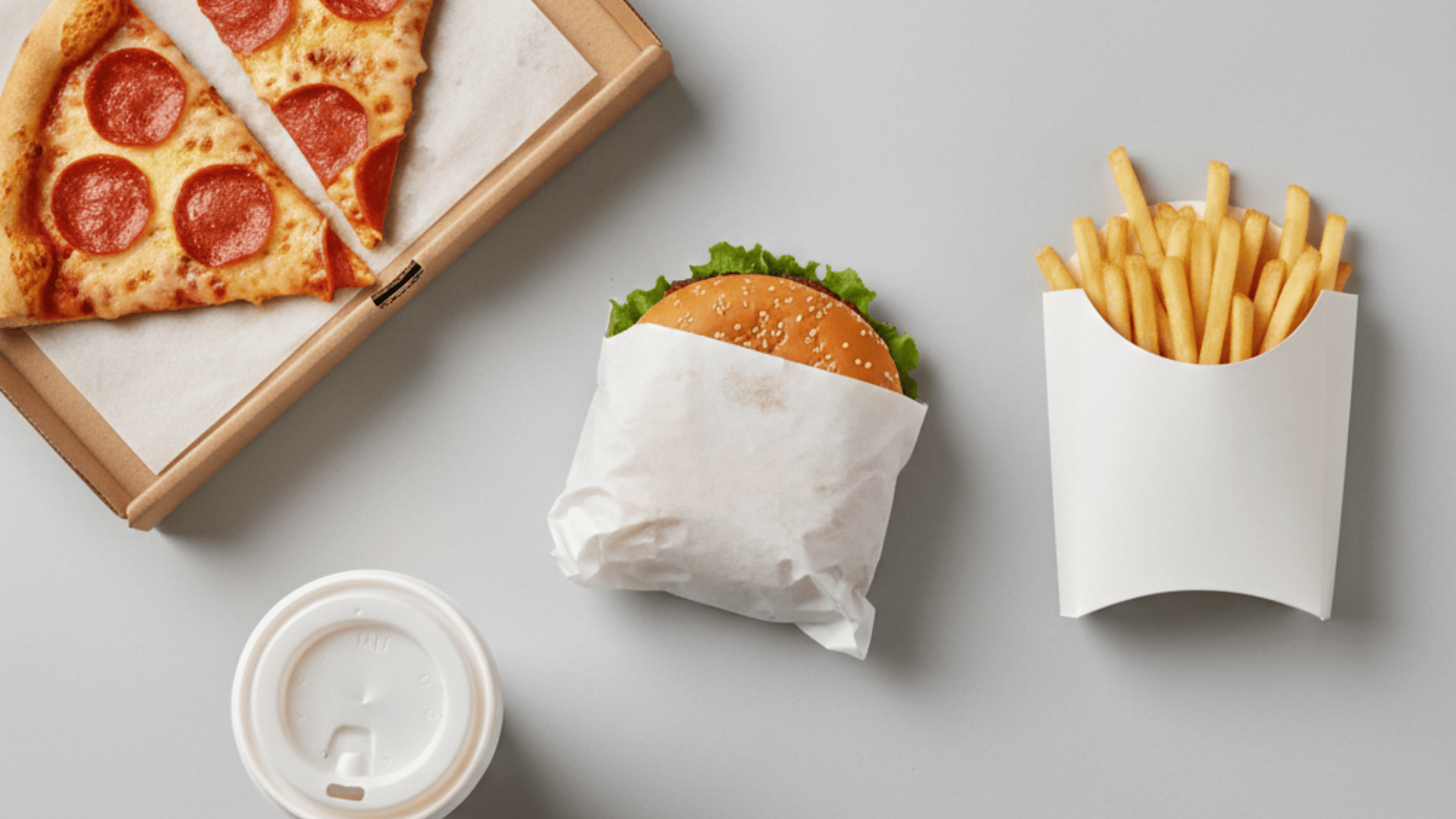
Fast food may be quick and tasty, but it’s rough on gut health. Meals like burgers, pizza, fries, and fried chicken are usually high in sodium, refined carbs, unhealthy fats, and additives.
This mix can upset gut bacteria and cause inflammation. Fast food is also low in fiber, which your gut needs to stay balanced. Eating it often may lead to bloating, stomach pain, or irregular digestion.
Choosing fast food less often and cooking more at home can really help your gut feel better.
6. Refined Grains
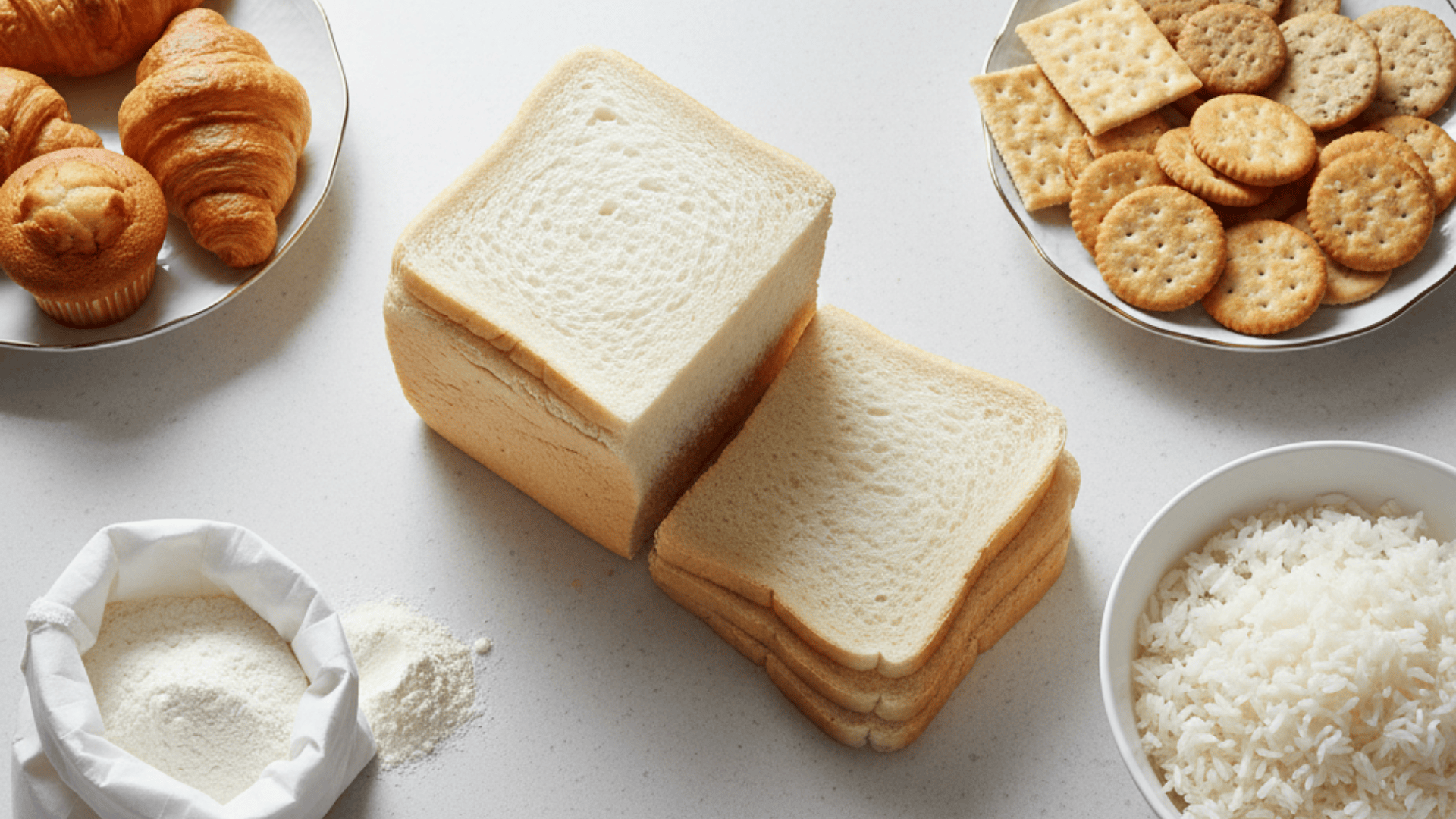
Refined grains lack the fiber your gut needs to stay healthy. During processing, the most nutritious parts of the grain are removed, leaving behind mostly carbs.
This can cause quick blood sugar spikes, which may lead to inflammation in the gut. Foods like white bread, white rice, pastries, and crackers fall into this group.
Without fiber to slow digestion, these foods don’t feed good gut bacteria, which can slowly weaken gut balance over time.
7. Processed Meats
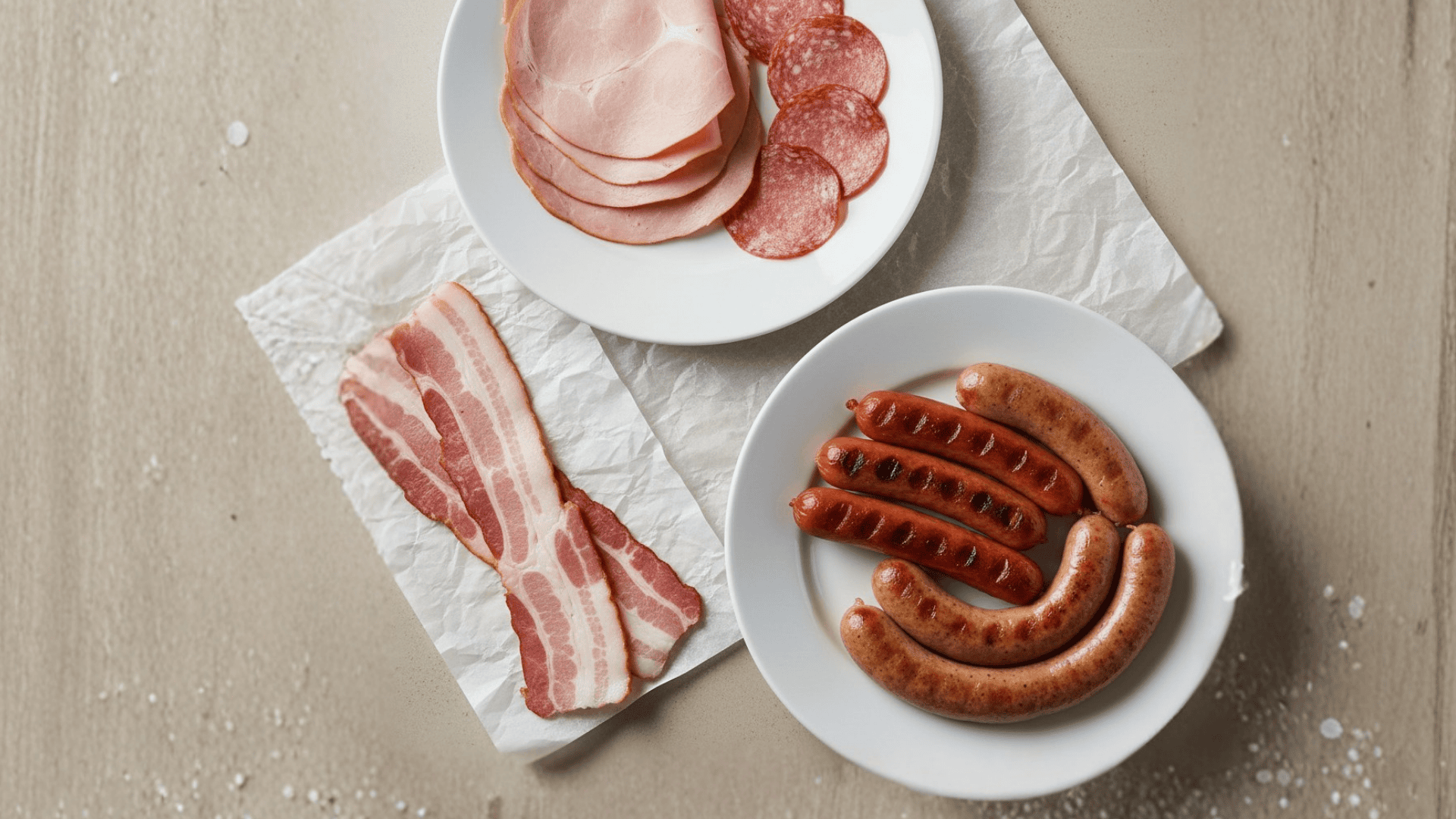
Processed meats often contain preservatives, nitrates, and excess salt that can irritate the gut lining. These ingredients may increase inflammation and disrupt gut bacteria when eaten often.
Foods like bacon, sausages, hot dogs, and deli meats fall into this category. Over time, frequent intake may raise the risk of gut-related problems and digestive discomfort.
While convenient, these meats offer little fiber and can be hard on digestion if eaten regularly. Try choosing fresh proteins more often to give your gut a break.
8. High-Glycemic Carbs
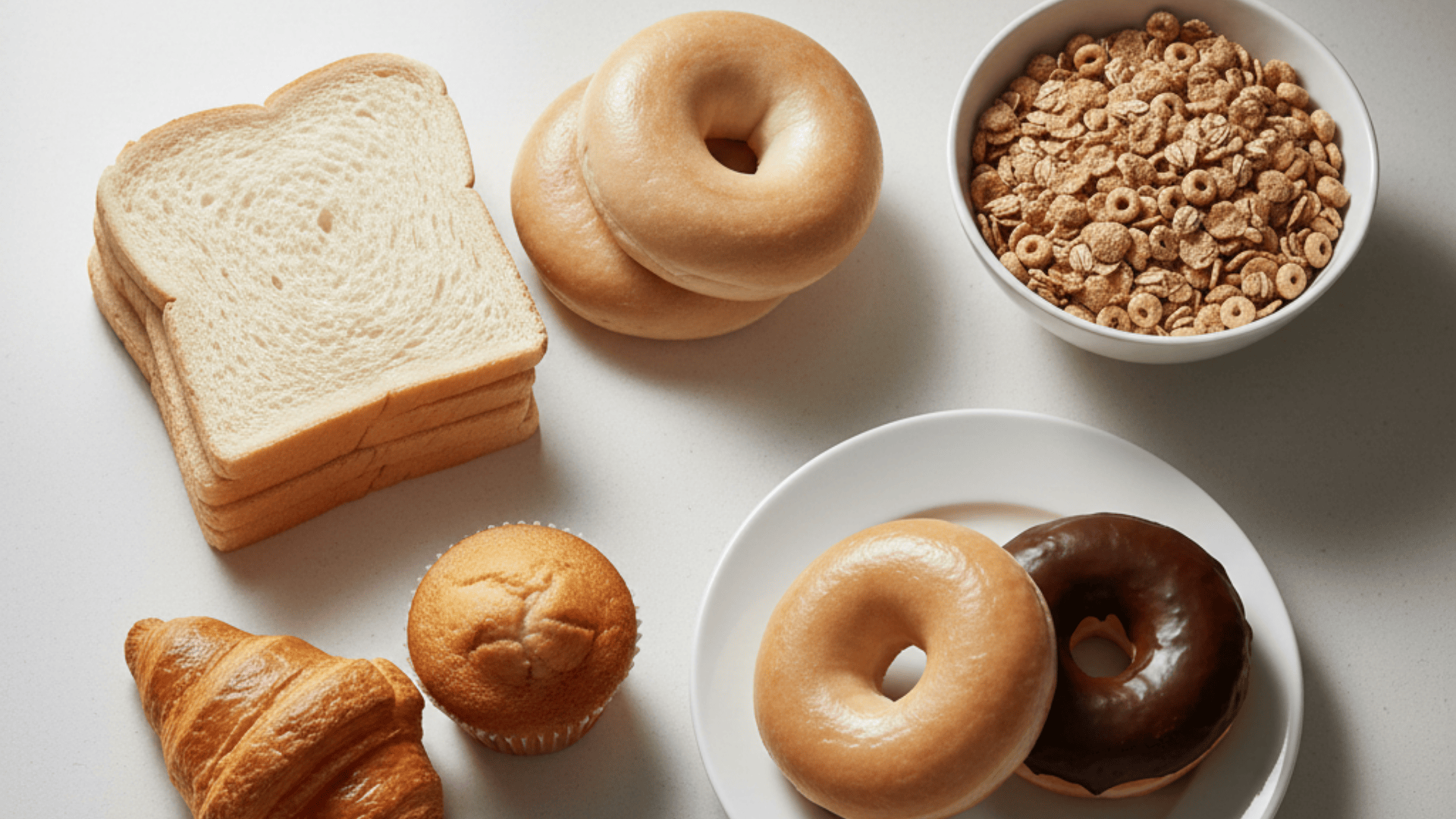
High-glycemic carbs break down fast and can spike your blood sugar quickly. This can raise inflammation, which may irritate your gut over time.
These foods are also usually low in fiber, so they don’t feed the good bacteria your gut needs. Common examples include white bread, bagels, pastries, donuts, and many boxed cereals.
Eating them often may leave you feeling bloated, tired, or hungry again soon. Choosing higher-fiber carbs more often can be easier on digestion.
9. Alcohol
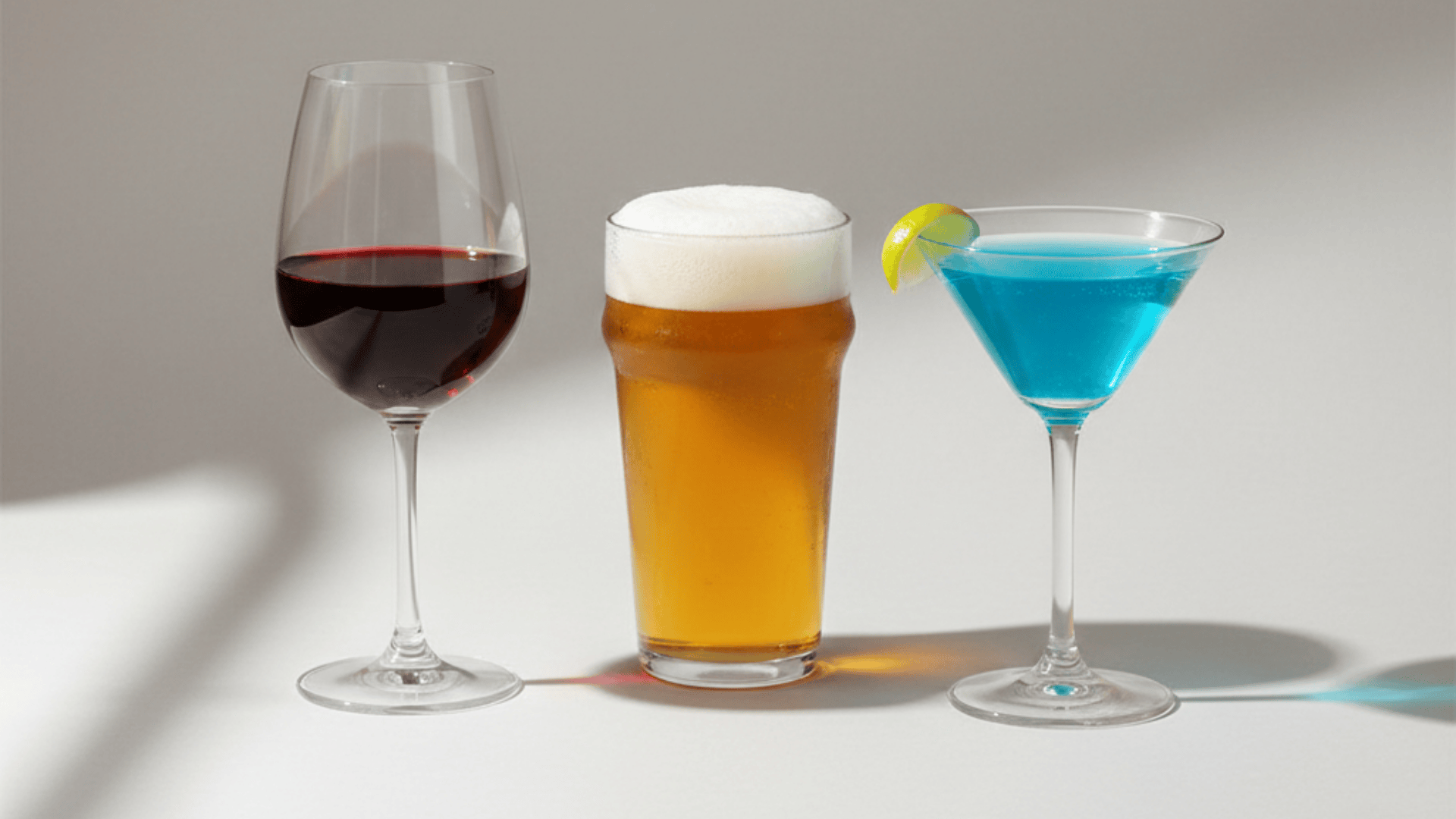
Alcohol can be rough on your gut, especially if you drink often. It can irritate the gut lining and make it more “leaky,” meaning unwanted stuff may pass through more easily.
Alcohol may also lower good gut bacteria and help harmful bacteria grow. This imbalance can lead to bloating, stomach pain, heartburn, or bathroom changes.
The more you drink, the stronger these effects can be. Cutting back, drinking water between drinks, and saving alcohol for special times can help.
10. Sugary Drinks
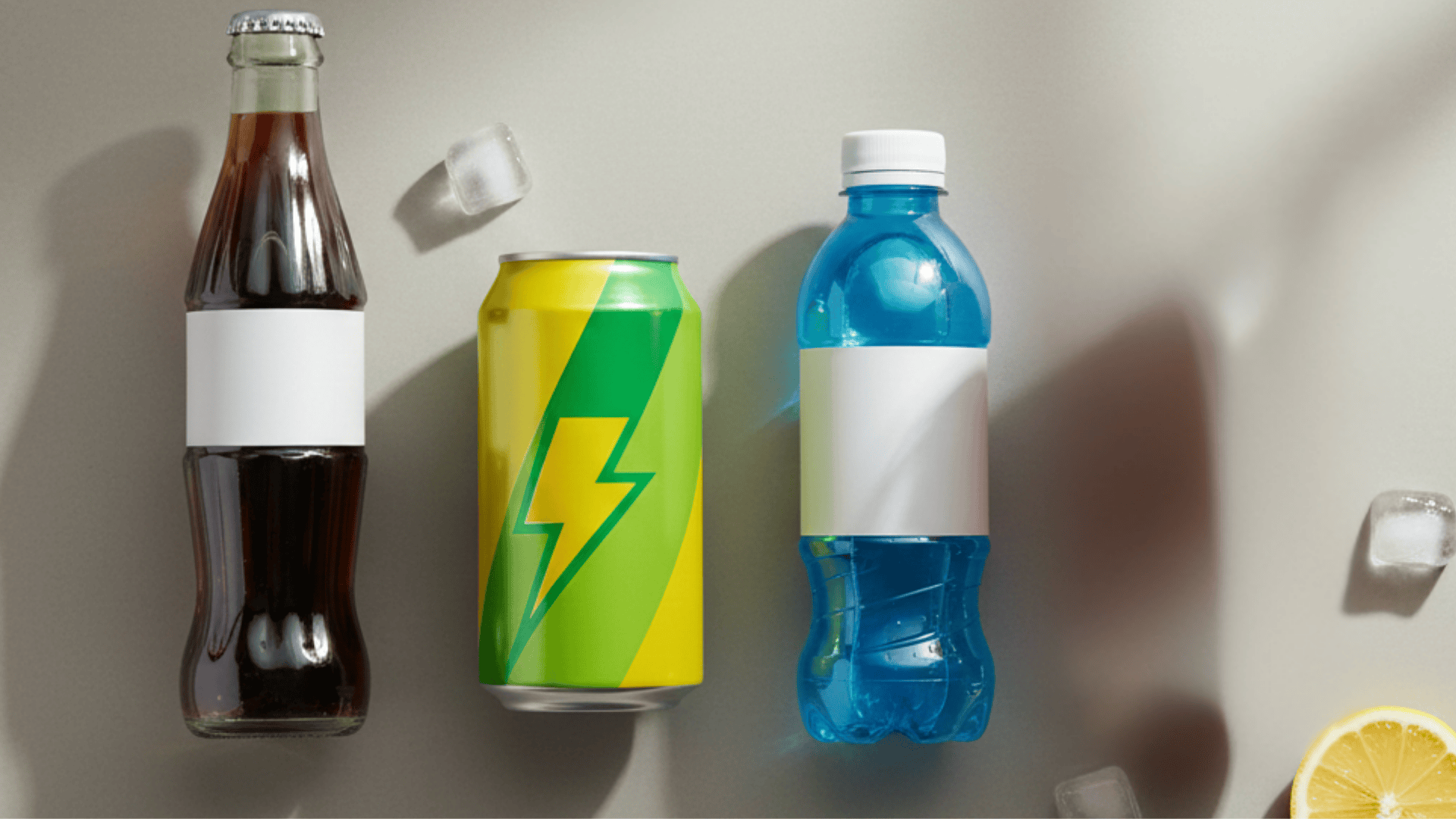
Sugary drinks flood your gut with liquid sugar, which feeds harmful bacteria fast. This can throw off gut balance and lead to inflammation.
Many of these drinks also contain artificial colors, acids, and sweeteners that irritate digestion. Sports drinks and energy drinks often contain a lot of sugar.
Because they lack fiber, they spike blood sugar quickly and don’t support gut health the way whole foods or water-based drinks do.
11. Trans Fats & Overheated Oils
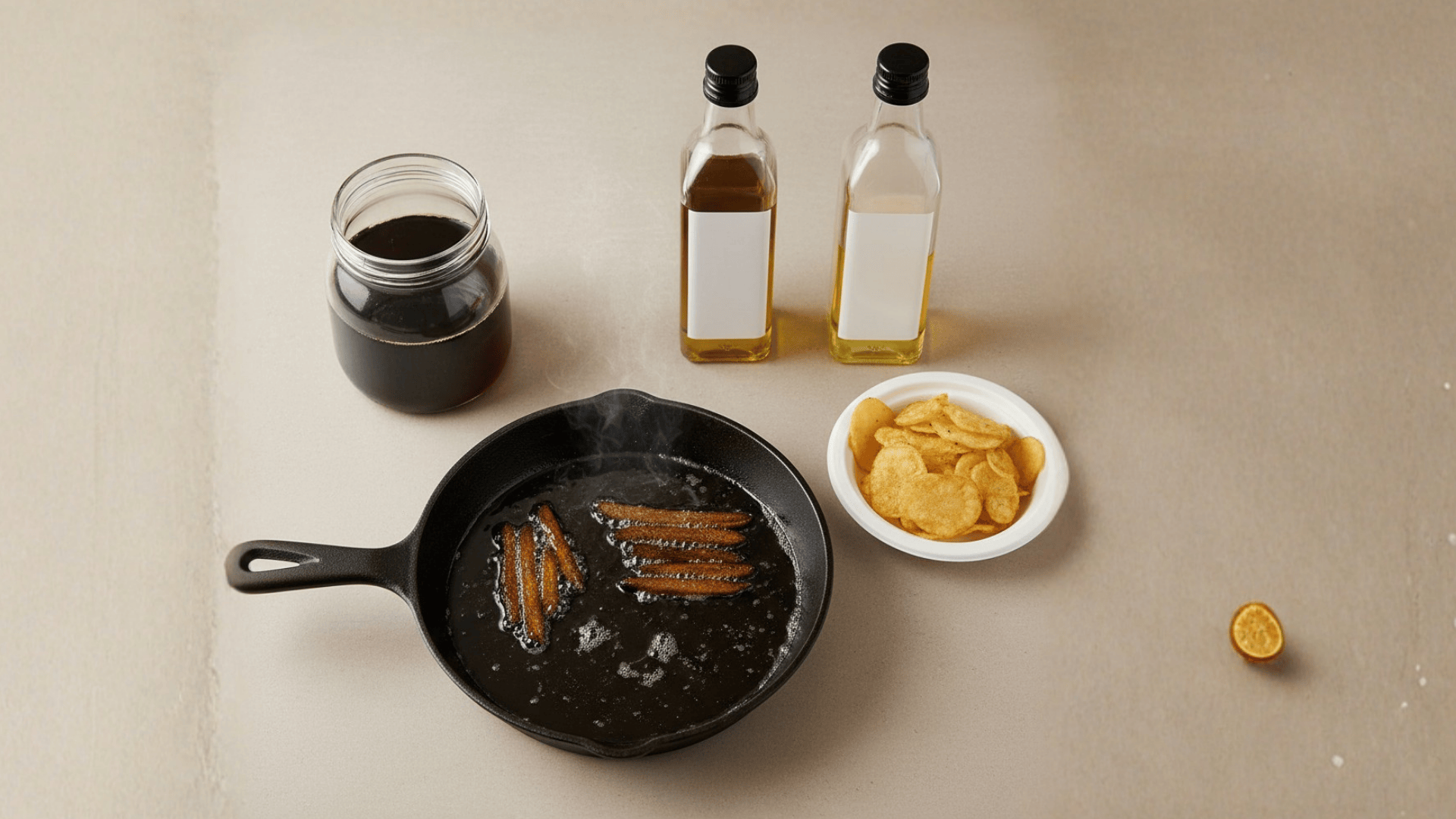
Trans fats and overheated oils can be rough on your gut. They may raise inflammation and make digestion feel slow and heavy.
Even if many packaged foods have reduced trans fats, they can still form when cooking oils are heated too high. Oils like vegetable oil, soybean oil, corn oil, and canola oil can become harmful when overheated.
Deep frying, reusing oil, and cooking past an oil’s smoke point are common causes. These damaged fats can upset gut bacteria and irritate the gut lining, leading to bloating or discomfort. Choosing olive or avocado oil can help.
12. Highly Acidic Foods and Drinks
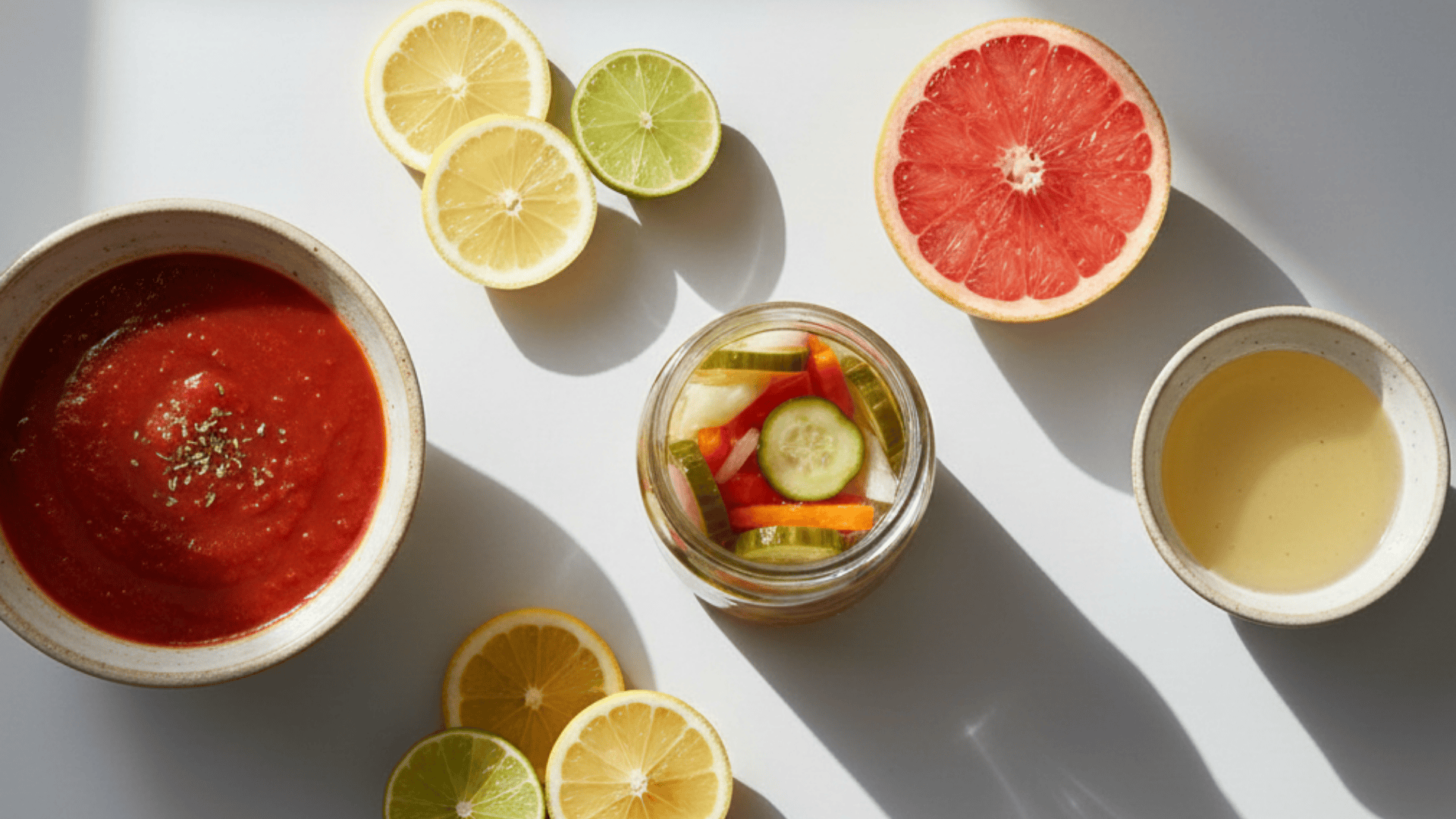
Highly acidic foods can irritate the gut lining, especially if your digestion is sensitive. Items like vinegar-heavy dressings, citrus juices, tomato-based sauces, and pickled foods may trigger discomfort for some people.
Too much acid can worsen heartburn, stomach pain, or bloating. While small amounts are usually fine, eating acidic foods often or on an empty stomach can make symptoms stronger.
Balancing them with fiber-rich foods or milder options can be easier on digestion.
13. Very Spicy Foods
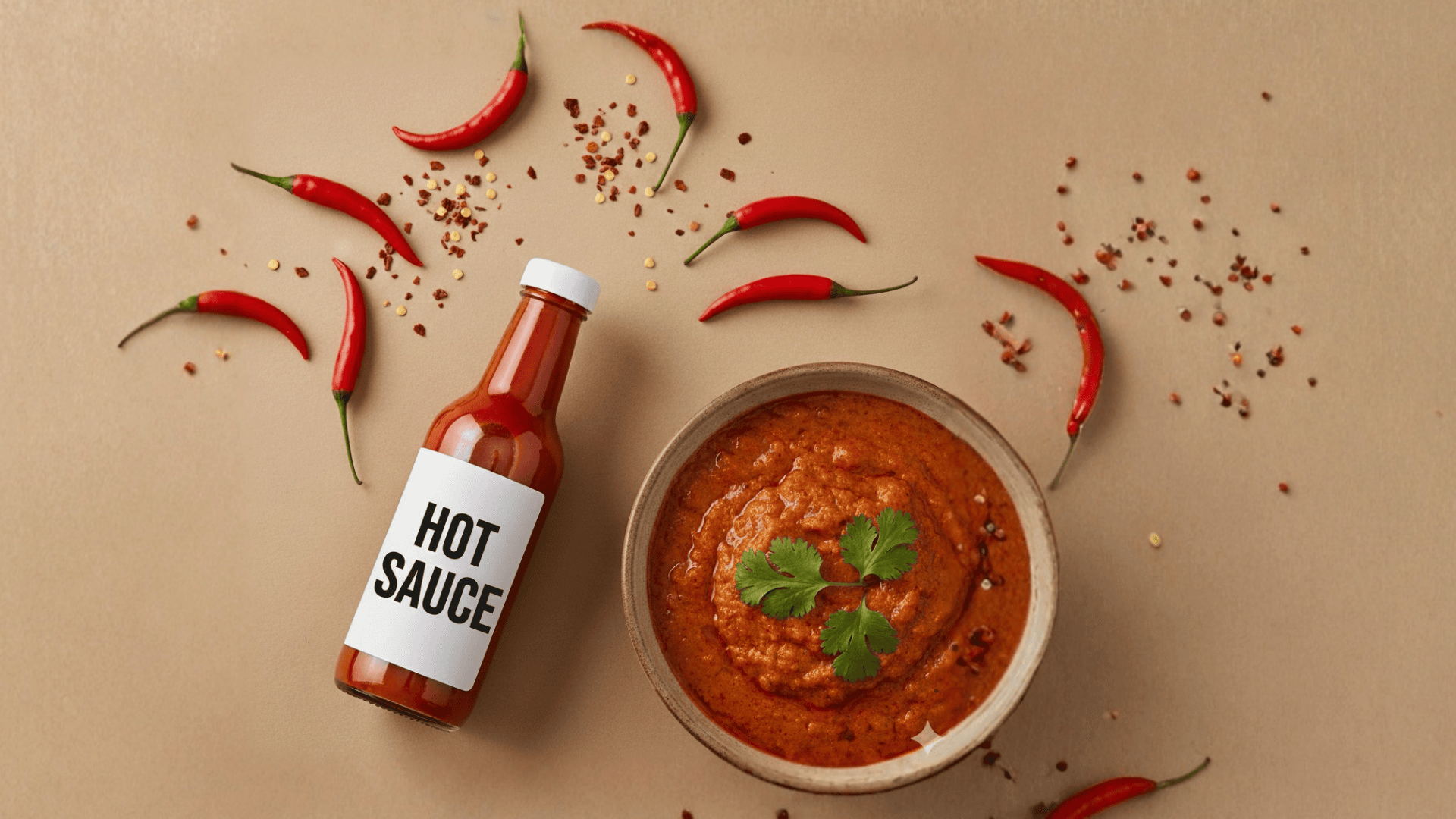
Spicy foods don’t bother everyone, but they can trigger gut discomfort in people with sensitive digestion.
Hot peppers and spicy sauces may irritate the stomach and intestines, leading to heartburn, cramps, or loose stools. If you notice your gut acting up after spicy meals, you don’t have to quit spice forever, just scale it down.
Mild spice levels, smaller portions, and pairing spice with fiber-rich foods can help.
Foods That Support a Healthy Gut
Want better digestion? Start by adding gut-friendly foods. They support good gut bacteria and can help reduce bloating. Here’s a simple table of easy options.
| Gut-friendly food group | Easy examples | Why does it help your gut | Simple way to add it |
|---|---|---|---|
| Fruits & veggies | Apples, berries, carrots, spinach | Fiber promotes good gut bacteria and aids digestion. | Add 1 fruit to breakfast or 1 veggie to lunch |
| Fermented foods | Yogurt (live cultures), kefir, kimchi, sauerkraut | May add bacteria to support gut health | Add a few spoonfuls as a side with meals |
| Whole grains | Oats, brown rice, whole wheat bread, quinoa | More fiber supports digestion and good bacteria. | Swap white bread/rice for whole-grain. |
| Healthy fats | Olive oil, avocado, nuts, seeds | Helps calm irritation and support the gut lining | Use olive oil in cooking or add nuts to snacks |
My Practical Tips to Reduce Harmful Gut Foods
You don’t have to change everything overnight to help your gut. Small steps add up fast. Here are a few simple tips that keep things realistic and easy.
- Progress over perfection: I try not to aim for “perfect eating,” because that gets stressful fast. Instead, I focus on better choices most days. Even small changes, like cutting soda or fast food a bit, can help.
- Reading ingredient labels: Labels can tell you a lot in seconds. I look for added sugar, artificial sweeteners, and long ingredient lists. When I choose foods with fewer ingredients, my gut usually feels calmer.
- Making better swaps at home: Swaps don’t have to be fancy. I switch white bread for whole grain, chips for nuts, or sugary yogurt for plain yogurt with fruit. These little moves can support better digestion over time.
- Eating out without stress: Eating out is part of life, so I keep it simple. I pick grilled or baked options when I can and add a side salad or veggies. If I want a treat, I enjoy it, then get back to my usual meals next time.
Final Thoughts
Eating out is part of life, so I keep it simple. I pick grilled or baked options when I can and add a side salad or veggies. If I want a treat, I enjoy it, then get back to my usual meals next time.
Taking care of your gut doesn’t mean eating perfectly or cutting out everything you enjoy. I’ve learned that it’s about awareness and balance. When I limit foods that harm digestion and focus more on whole, simple meals, my gut feels calmer, and my body thanks me.
Everyone’s gut is different, so what bothers you may not bother someone else, and that’s okay. Start small, notice how your body reacts, and aim for progress, not perfection.
If you want better digestion, more energy, and fewer gut issues, begin by reducing these harmful foods today. Your gut will notice the difference, trust me.