




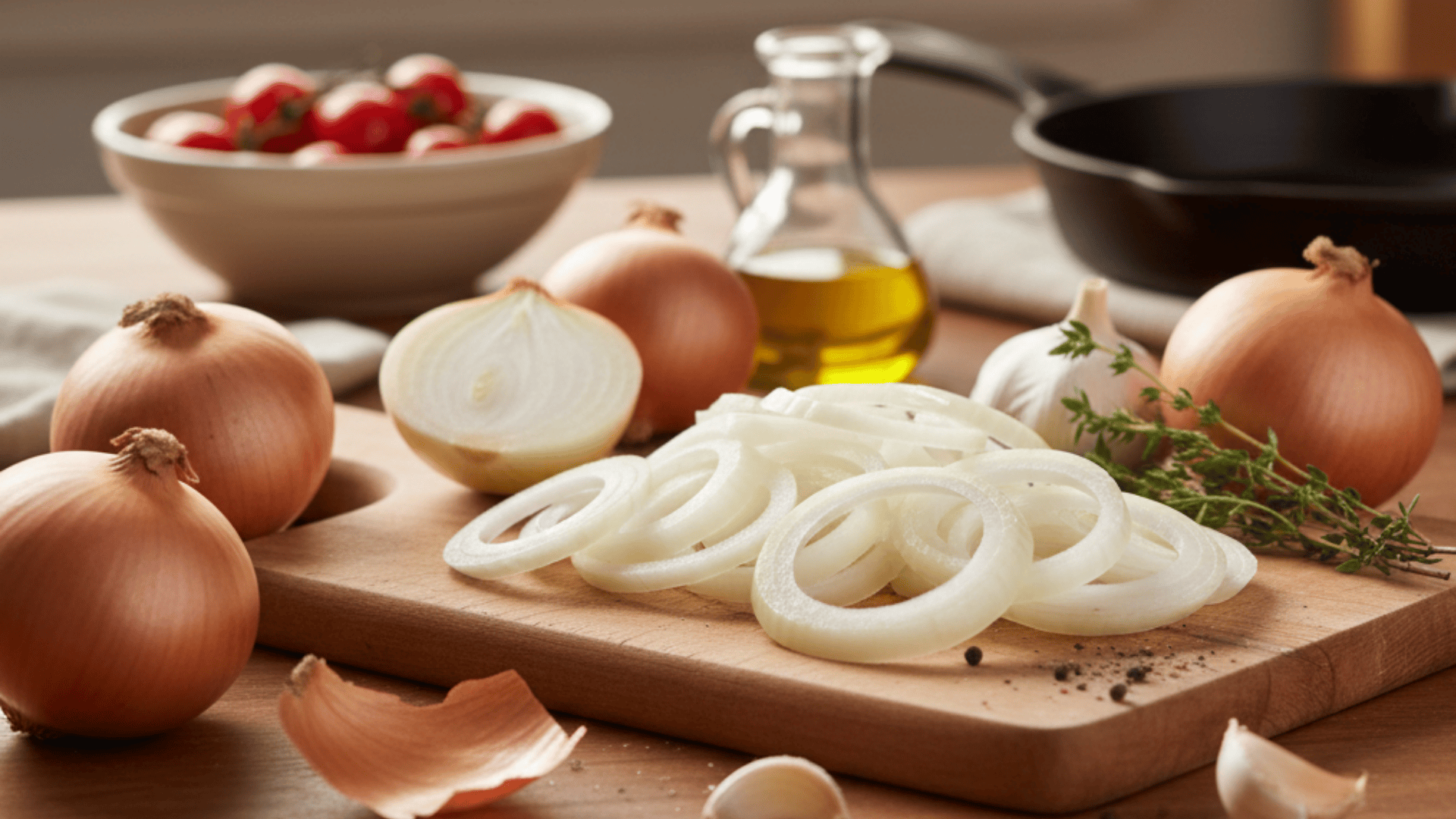









When you start paying attention to everyday foods, it’s surprising how often onions appear in the meals you cook. Many people enjoy their taste, but you might also wonder what they actually offer nutritionally.
Understanding yellow onion nutrition helps you see why this common ingredient shows up so often in balanced diets. These onions contain a mix of vitamins, minerals, natural compounds, and very few calories, which makes them easy to include in many dishes.
I’ll walk you through the calories in yellow onions, the nutrients they provide, and how they may support digestion, heart health, and overall wellness.
You’ll also learn how they compare with other onion types and simple ways you can add them to everyday meals.
Understanding Yellow Onions
Yellow onions are one of the most common vegetables used in everyday cooking. You’ll often see them in soups, sauces, stir-fries, and many home recipes because they add strong flavor and depth to meals.
When raw, yellow onions have a sharp taste, but cooking softens them and brings out a mild sweetness. This makes them useful in both simple and complex dishes.
From a nutrition perspective, yellow onions are mostly water and contain only a small number of calories. Even so, they still provide helpful nutrients such as vitamin C, vitamin B6, and small amounts of fiber.
They are also one of the richest natural sources of quercetin — a powerful flavonoid antioxidant that most people have never heard of, even though research consistently links it to heart health, reduced inflammation, and blood sugar regulation. This compound is a key reason why yellow onions are considered nutritionally valuable beyond just their flavor.
They also contain natural plant compounds that support overall health. Because they are affordable, versatile, and easy to cook, many people include yellow onions regularly as part of balanced meals.
Yellow Onion Nutrition (Per 100g)
If you’re checking the calories in yellow onion and other nutrients, this table gives you a quick, clear view. Yellow onions are mostly water and contain only a small number of calories, which makes them easy to add to daily meals.
| Nutrient | Amount (Per 100g) | What It Does |
|---|---|---|
| Calories | ~40 kcal | Low-calorie food |
| Carbohydrates | ~9 g | Main energy source |
| Fiber | ~1.7 g | Supports digestion |
| Sugar | ~4 g | Natural sugars |
| Protein | ~1 g | Small amount of protein |
| Fat | ~0.1 g | Almost fat-free |
| Water | ~89% | Helps hydration |
| Quercetin | ~22–52 mg per medium onion | Key antioxidant; supports heart health, reduces inflammation |
Nutrition data sourced from USDA FoodData Central. Quercetin values based on research from Queen’s University Belfast and Wageningen Agricultural University.
This simple table makes it easy to understand what yellow onions provide. When you add them to meals, you get flavor along with helpful nutrients.
Vitamins and Minerals in Yellow Onions
Yellow onions may look simple, but they still provide several helpful micronutrients your body uses every day. These nutrients support basic body functions such as immunity, energy use, and cell growth.
When you include onions in meals, you add small but helpful amounts of important vitamins and minerals.
- Vitamin C: Helps support the immune system and works as an antioxidant that protects your cells from everyday stress.
- Vitamin B6: Supports metabolism and helps your body turn food into energy while also supporting normal brain function.
- Potassium: Helps muscles work properly and supports healthy heart function and fluid balance in the body.
- Folate: Plays a role in cell growth and development and helps the body produce new healthy cells.
- Manganese: A trace mineral that supports bone formation, enzyme function, and helps the body process nutrients from food.
Even though yellow onions are not extremely high in these nutrients, they still contribute small amounts that support your daily diet. Adding them to meals regularly helps provide extra nutrition and flavor.
Quercetin: Yellow Onion’s Most Valuable Compound
Quercetin is a flavonoid antioxidant, and yellow onions are one of the best natural dietary sources of it. A medium yellow onion contains roughly 22–52 mg of quercetin — significantly more than most other common vegetables.
Research from Wageningen Agricultural University found that the body absorbs quercetin from onions twice as effectively as from tea, and more than three times as effectively as from apples.
What makes this compound notable:
- Heart protection: A 2015 study published in the British Journal of Nutrition found that quercetin from onion extract significantly lowered blood pressure in people with hypertension. It also helps protect LDL cholesterol from oxidation, a key step in the development of artery disease.
- Anti-inflammatory effects: Quercetin acts as a free radical scavenger and is studied for its ability to reduce chronic low-grade inflammation, which is linked to conditions including diabetes, heart disease, and some cancers.
- Blood sugar regulation: Both quercetin and the organosulfur compounds in onions have been shown to support insulin production and may help lower fasting blood sugar levels.
- Cognitive health: A 24-week randomized controlled trial found that daily intake of quercetin-rich onion improved cognitive test scores in healthy elderly participants compared to a placebo group.
Yellow onions contain up to 11 times more quercetin than white onions. However, most of the quercetin is concentrated in the outer layers just beneath the papery skin, so avoid over-peeling.
Health Benefits of Yellow Onion Nutrition

Yellow onions do more than add flavor to food. The nutrients and plant compounds they contain can support several body functions and help you maintain a balanced, healthy diet.
1. Digestive Health
Yellow onions contain small amounts of fiber that support normal digestion. Fiber helps move food through your digestive system and supports healthy gut function.
Onions also contain natural plant compounds that may support beneficial gut bacteria. When you include onions in meals regularly, they can gently support digestive balance and help keep your digestive system working smoothly.
They also contain inulin and fructooligosaccharides (FOS) — natural prebiotic fibers that pass through the small intestine undigested and feed the beneficial bacteria in the large intestine.
Research links healthy gut bacteria to reduced risk of conditions ranging from digestive disorders to diabetes and depression. Regular onion consumption can support this bacterial balance over time.
Quercetin in onions has also been shown to inhibit the growth of Helicobacter pylori, a bacterium associated with stomach ulcers and certain digestive cancers.
2. Heart Health
Yellow onions contain potassium, a mineral that helps support normal heart and muscle function. Potassium also plays a role in maintaining healthy fluid balance in the body.
Beyond potassium, the quercetin and organosulfur compounds in yellow onions are the primary drivers of their cardiovascular benefits. Quercetin supports healthy blood vessel function, helps prevent LDL oxidation, and has demonstrated blood pressure-lowering effects in clinical research. The sulfur compounds — including allicin, disulfides, and cepaene — may also reduce platelet aggregation, which supports healthy circulation.
3. Immune Support
Yellow onions provide vitamin C, which helps support the immune system and protects cells from everyday stress. They also contain plant compounds known as phytochemicals that support the body’s overall defense.
The quercetin in onions works synergistically with vitamin C — it helps regenerate and protect vitamin E, another antioxidant, extending the overall antioxidant effect in the body.
4. Low-Calorie Cooking Ingredient
Yellow onions contain relatively few calories, which makes them a useful ingredient in many meals. They add flavor, aroma, and texture without adding much energy to your plate.
Because they are naturally low in fat and calories, onions help you build satisfying dishes while still supporting a balanced eating pattern and healthy calorie intake.
5. Blood Sugar Support
Both quercetin and the organosulfur compounds in yellow onions have shown anti-diabetic properties in research. Studies in animal models found that onion consumption reduced fasting blood glucose levels and improved cholesterol and triglyceride profiles.
Quercetin has also been shown to boost insulin production in cell studies. While human clinical data is still developing, including onions in a balanced diet may support steadier blood sugar management, particularly when paired with complex carbohydrates.
6. Bone Health
Research suggests onions may support bone density. A study at the University of Bern found that daily consumption of dry onion increased bone mineral content in animals by over 17% within four weeks.
A separate study in people near or past menopause found that those who ate onions daily had greater bone density than those who rarely ate them.
The compounds responsible are believed to be the antioxidants and sulfur compounds that reduce oxidative stress in bone tissue.
Yellow Onion Nutrition vs. Other Onion Types
This table compares yellow onions with red and white onions in terms of basic nutrition and best uses.
| Onion Type | Quercetin Content | Key Antioxidant Advantage | Flavor Profile | Best Uses |
|---|---|---|---|---|
| Yellow onions | High (~22–52 mg per 100g) | Highest quercetin of common varieties; up to 11x more than white onions | Rich, slightly sweet when cooked | Soups, curries, sautéing, caramelizing, and everyday cooking |
| Red onions | Moderate quercetin; highest anthocyanins | Anthocyanins (the red pigment) offer additional antioxidant and heart-protective benefits | Sharper bite, mild sweetness raw | Salads, sandwiches, pickling, raw toppings |
| White onions | Low (~0–2 mg per 100g) | Milder antioxidant profile; lower overall quercetin than yellow or red | Crisp, clean, more pungent raw | Salsas, Mexican dishes, quick cooking, raw crunch |
If your goal is antioxidant intake, yellow onions are the best everyday choice. If you want the additional benefit of anthocyanins, red onions are a good complement. White onions are best used where a milder, less pungent flavor is needed.
Choose based on taste and how you’ll eat them. Yellow onions are the all-rounder, while red and white shine in specific dishes.
Best Ways to Eat Yellow Onions for Nutrition

Yellow onions are easy to add to many meals. With a few simple ideas, you can incorporate them into daily cooking and get more nutrition from yellow onions.
- Cooked in soups: Adding chopped yellow onions to soups helps build flavor while providing small amounts of fiber, vitamins, and plant compounds in each serving.
- Added to salads: Thin slices of yellow onion add a fresh bite and pair well with leafy greens, tomatoes, cucumbers, and simple dressings.
- Stir-fries: Yellow onions cook quickly and blend well with vegetables, rice, noodles, and proteins, adding flavor without many extra calories.
- Roasted vegetables: Roasting onions with carrots, potatoes, or peppers softens their texture and brings out their natural sweetness while preserving key nutrients in the dish.
- Sandwich toppings: Sliced yellow onions work well in sandwiches, wraps, and burgers, adding crunch, flavor, and a small boost of nutrients to simple meals.
How to Prepare Yellow Onions to Maximize Quercetin
- Chop and wait: After chopping, let onions rest for 5–10 minutes before applying heat. This gives the enzyme alliinase time to activate and form beneficial organosulfur compounds.
- Don’t over-peel: The outer layers just beneath the papery skin have the highest quercetin concentration. Remove only the dry outer paper.
- Use light heat: Sautéing for 5–10 minutes can actually increase antioxidant availability. Boiling for long periods leaches water-soluble nutrients into the cooking water.
- Pair with healthy fat: Cooking onions in olive oil improves absorption of fat-soluble compounds and enhances the overall nutritional value of the dish.
- Eat raw occasionally: Raw yellow onions deliver the most sulfur compounds. Even a few thin slices on a salad or sandwich counts.
These simple meal ideas make it easy to enjoy yellow onions regularly while adding flavor, texture, and helpful nutrients to everyday dishes.
Are Yellow Onions Good for Weight Loss?
Yellow onions can be a helpful ingredient if you’re trying to manage your weight. They are naturally low in energy, with about 40 kcal per 100 grams in yellow onion. This means you can add generous portions to meals without greatly increasing total calorie intake.
At the same time, onions bring strong flavor and aroma, which helps make meals taste satisfying even when you use fewer heavy sauces or high-fat ingredients.
Their small amount of fiber also helps add bulk to dishes. When you cook with onions in soups, stir-fries, or roasted meals, you often rely less on calorie-dense toppings and dressings.
Final Thoughts
Now you have a clearer picture of what yellow onions bring to your meals. We looked at their calorie content, basic nutrients, vitamins, and minerals, along with how they may support digestion, heart health, and everyday wellness.
I also walked you through how yellow onions compare with other onion types and simple ways you can include them in soups, salads, stir-fries, and other dishes.
When you add them to your cooking, you’re improving flavor while also including helpful nutrients in your diet. I like keeping yellow onions in my kitchen because they are easy to use and work in many recipes.
Try adding them to your next meal and see how they fit into your routine. If you have a favorite way to cook them, share it with others.