



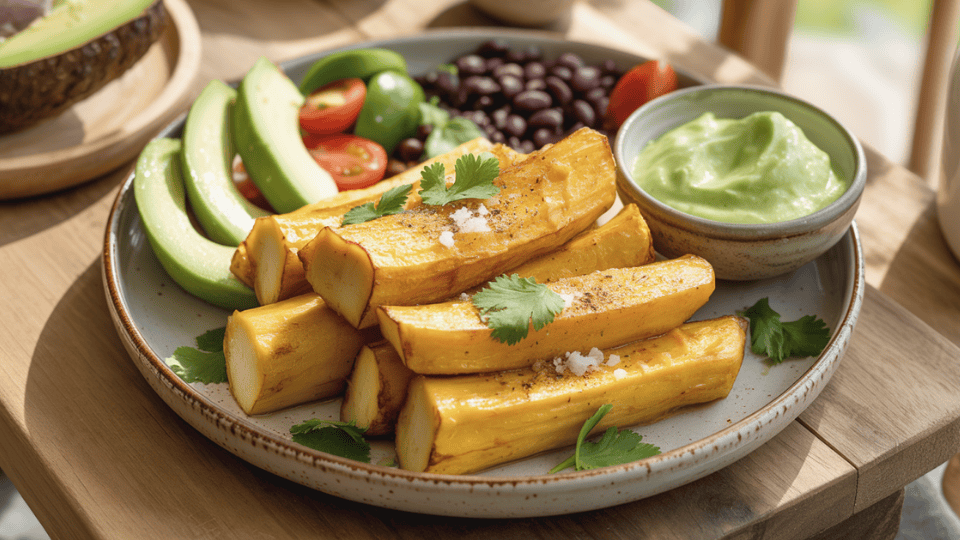









You may have heard of yuca (cassava) and wondered if it’s really as healthy as people say. I get it. You’re looking for something nutritious and versatile that fits your meals.
In this guide, I’ll walk you through yuca’s nutrition in simple terms. You’ll learn what yuca is, how it’s prepared, and its calorie content. I’ll also cover its key nutrients like fiber, potassium, and vitamin C, along with the health benefits people rave about.
I’ll share easy ways to prepare yuca, whether you prefer boiling, frying, or baking it, and offer tips for incorporating it into different diets like vegan, gluten-free, or paleo. You’ll also get insights on how to enjoy yuca without overdoing it.
Understanding Yuca
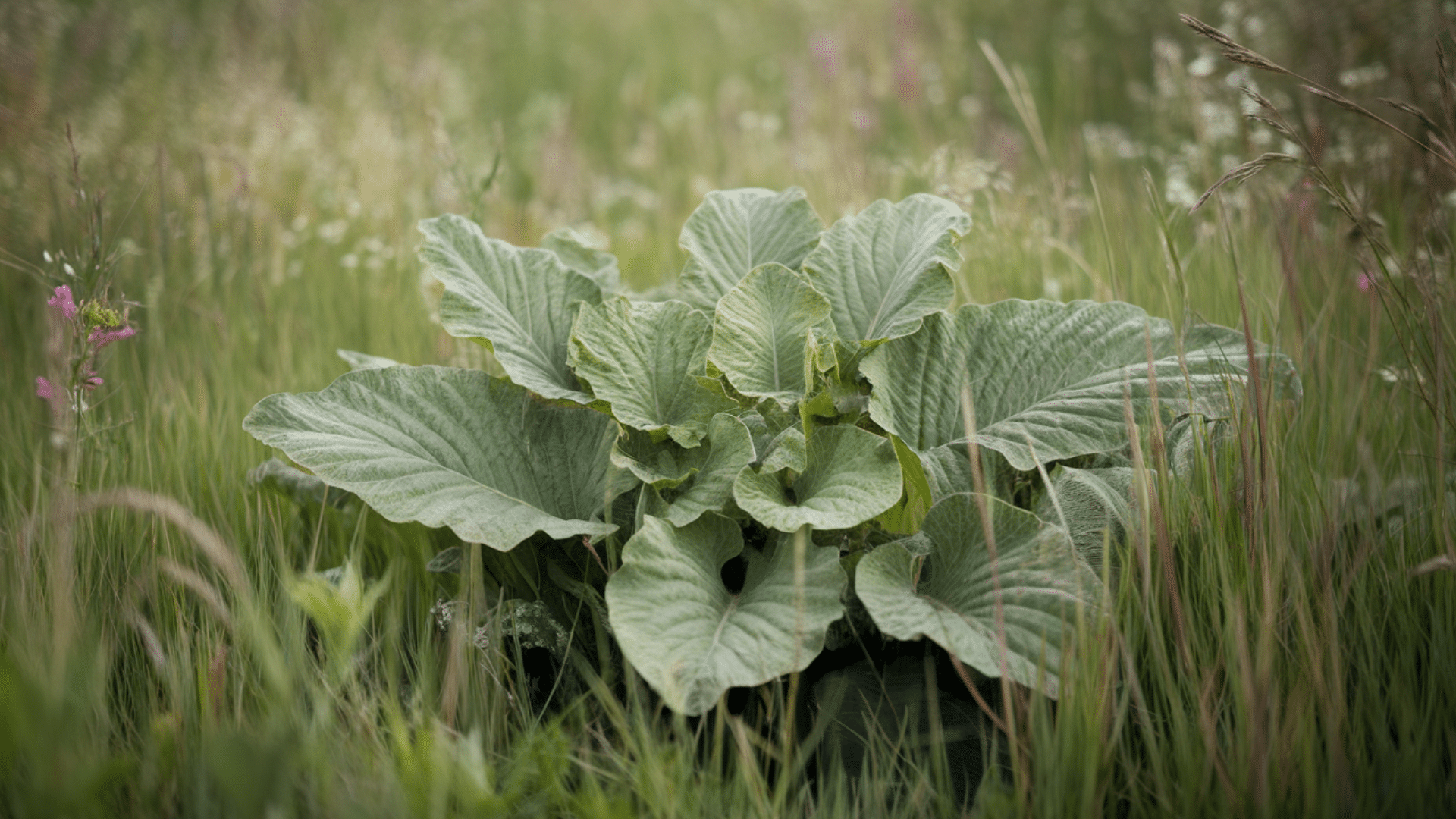
Yuca, also known as cassava, is a starchy root vegetable native to South America. It’s a popular food staple in many parts of the world, especially in Africa, Asia, and Latin America.
Yuca is naturally gluten-free and a great alternative to traditional carbs like potatoes and rice. It’s rich in carbohydrates, fiber, and essential nutrients like vitamin C, potassium, and manganese.
Whether boiled, fried, or baked, yuca offers a versatile and nutritious option for various diets. With its impressive nutritional profile, yuca is becoming an increasingly popular choice for those seeking a healthy, nutrient-packed food.
Detailed Breakdown of Yucca Nutrition
Yuca is a nutrient-rich root vegetable that offers a good balance of energy-providing carbohydrates, essential vitamins, and minerals, making it a great addition to a balanced, health-conscious diet.
| Nutrient | Amount per 100g |
|---|---|
| Calories | 160-190 kcal (depending on preparation method) |
| Carbohydrates | 38-63g |
| Protein | 1.4-2g |
| Fat | 0.3-5g |
| Fiber | 1.9-3g |
| Vitamin C | 20-25% of the Daily Value per 100g |
| Potassium | Significant amount per 100g |
| Copper | Significant amount per 100g |
| Manganese | Present in moderate amounts |
| Iron | Present in small amounts |
| Magnesium | Moderate amount |
Health Benefits of Eating Yuca

Yuca offers numerous health benefits, including promoting digestion, boosting the immune system, supporting heart health, and providing a steady source of energy. Its rich fiber and nutrient profile make it an excellent food choice.
1. Boosts Energy Levels
Yuca is high in carbohydrates, making it an excellent energy booster. Its natural sugars provide a steady source of energy throughout the day, without causing spikes and crashes.
Whether boiled, fried, or mashed, it’s a great alternative to more processed sources of energy, giving your body the fuel it needs for both mental and physical activities.
2. Promotes Digestive Health
Thanks to its high fiber content, yuca aids digestion by helping regulate bowel movements. The fiber promotes healthy gut bacteria, preventing constipation and supporting a balanced digestive system.
Including yuca in your diet can encourage regularity and overall digestive health, making it a great addition for those with digestive issues or who want to improve their gut health naturally.
3. Supports Immune Function
Yuca is rich in vitamin C, which is crucial for a healthy immune system. Regular consumption can help strengthen the body’s defenses against infections and illnesses.
Vitamin C also plays a role in collagen production, which is essential for the health of skin and tissues. By eating yuca, you can help boost your immunity and maintain overall well-being.
4. Improve Skin Health
The antioxidants in yuca, including vitamin C, support skin health by promoting collagen production. Collagen is vital for skin elasticity and healing.
Consuming yuca regularly may help prevent premature signs of aging, such as wrinkles, by maintaining skin’s firmness and smoothness. Plus, its ability to fight oxidative stress can keep your skin looking youthful and radiant.
5. Aids in Bone Health
Yuca is a good source of calcium, magnesium, and phosphorus, minerals essential for maintaining strong, healthy bones.
By including yuca in your meals, you help support bone density, reducing the risk of fractures or conditions like osteoporosis as you age. Its nutritional profile contributes to the overall health of your skeletal system, making it a valuable food for bone health.
6. Regulates Blood Pressure
Yuca contains potassium, a mineral that helps balance sodium levels in the body and supports normal blood pressure.
Consuming foods high in potassium, like yuca, can help manage blood pressure levels, reducing the risk of hypertension and its associated health complications. For those looking to maintain healthy blood pressure, adding yuca to their diet can be a beneficial choice.
Is Yuca Healthy to Eat?
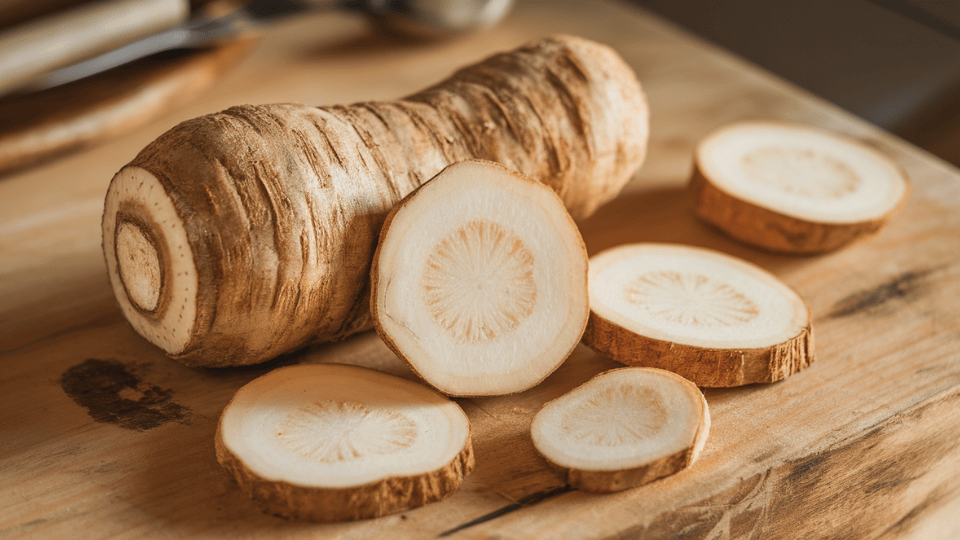
Yuca can be a healthy and nutritious addition to your diet when prepared correctly. It’s naturally gluten-free, making it a great option for those with celiac disease or gluten intolerance.
Rich in carbohydrates, it provides a steady energy source, and it’s a versatile alternative to other carb-rich foods like potatoes and rice. However, yuca has a high glycemic index, which can lead to rapid blood sugar spikes.
If you’re managing blood sugar levels, moderation is key. Additionally, raw yuca contains toxins that can be harmful if consumed, so it’s essential to cook it thoroughly to eliminate these toxins.
Proper preparation ensures yuca can be a safe, healthy, and delicious part of your diet.
How to Prepare Yuca: Step-by-Step Cooking Methods
Yuca is a versatile root vegetable, offering multiple ways to prepare it depending on your meal preferences. Here’s how to get the best out of yuca’s nutritional value through different cooking methods:
1. Boiling Yuca
Boiling yuca is a simple and healthy way to enjoy this root vegetable. It helps preserve its nutrients while keeping it light.
Step 1: Peel and cut the yuca into chunks.
Step 2: Place the chunks in a pot of water.
Step 3: Boil for 20-30 minutes or until tender.
Step 4: Drain the water and serve. This method keeps yuca light and nutrient-rich.
Boiling yuca retains its natural flavors and nutrients, making it a healthy, easy addition to your meals. Enjoy it as a side or in various dishes!
2. Frying Yuca
Fried yuca is crispy and delicious, offering a tasty treat, but it should be done in moderation to keep it healthier.
Step 1: Peel and cut the yuca into fries or chips.
Step 2: Heat olive or avocado oil in a pan over medium heat.
Step 3: Fry the yuca until golden and crispy.
Step 4: Drain on paper towels to remove excess oil and enjoy in moderation.
Frying yuca gives it a crispy, golden texture. While it’s delicious, be mindful of oil to keep it balanced in your diet.
3. Baking Yuca
Baking yuca is a healthier alternative to frying, giving you a crispy exterior and soft interior without extra oil.
Step 1: Peel and cut the yuca into chunks.
Step 2: Coat the pieces with olive oil and season to taste.
Step 3: Preheat your oven to 400°F (200°C).
Step 4: Bake for 25-30 minutes, flipping halfway through for even crispness.
Step 5: Serve warm with your favorite dipping sauce.
Baking yuca creates a crunchy texture and a lighter option compared to frying. It’s a great choice for a healthier, delicious snack or side dish.
Yuca vs. Potatoes: A Nutritional Comparison
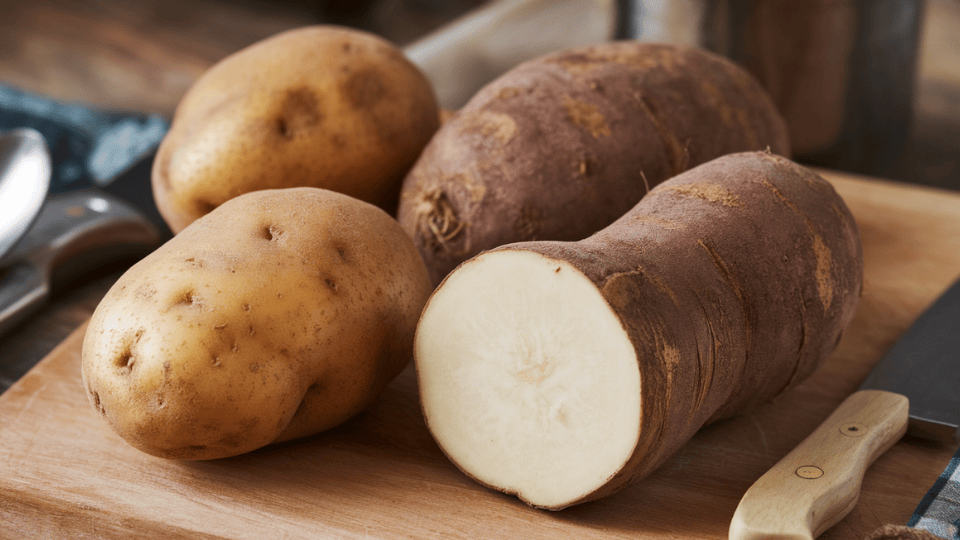
Yuca and potatoes are both starchy vegetables, but they have different nutritional profiles. Both can be part of a balanced diet, and their versatility makes them suitable for various dishes. Here’s a breakdown of how yuca and potatoes compare in terms of nutritional benefits:
| Nutrient | Yuca | Potatoes |
|---|---|---|
| Calories | Higher | Lower |
| Carbohydrates | Higher | Lower |
| Fiber | More | Less |
| Vitamin C | Higher | Lower |
| Potassium | More | Less |
| Energy Density | More | Less |
| Versatility | Fries, casseroles, stews, baked dishes | Fries, casseroles, mashed, baked dishes |
Both yuca and potatoes offer a range of nutritional benefits. Depending on your needs, you can choose the one that best fits your diet for a satisfying and nutritious meal.
Incorporating Yuca into the Modern Diet
Yuca is a versatile root vegetable that can be easily incorporated into various modern diets. Here’s how you can include it in your meals:
- Vegan Diet: Yuca can be added to stews, casseroles, or served as a side dish. Pair it with protein-rich vegetables or legumes for a balanced meal.
- Gluten-Free: Yuca is naturally gluten-free and makes a great substitute for wheat-based products. Yuca fries or mashed yuca are perfect snack or side options.
- Paleo Diet: Yuca provides complex carbohydrates, making it an ideal choice for a whole food, especially when roasted or mashed and paired with lean meats or vegetables.
- Yuca Flour: Tapioca flour, derived from yuca, is commonly used in gluten-free baking. It adds structure and texture to bread, pancakes, and other baked goods.
- Processed Yuca Products: Tapioca is also a popular ingredient in processed foods like bubble tea, puddings, and gluten-free treats, offering versatile options for various dietary needs.
Including yuca in your meals brings nutritional benefits and adds variety, making it a great option for a wide range of diets.
Final Thoughts
Now you know the basics of yuca nutrition and how it can fit into your diet.
I covered what yuca is, its key nutrients, and how it compares to potatoes. You also learned about its health benefits, like boosting energy, supporting digestion, and promoting skin health.
On top of that, you’ve got simple ways to prepare yuca, whether boiling, frying, or baking, and tips for incorporating it into various diets like vegan, gluten-free, and paleo.
If you try yuca, start with a small serving and experiment with different cooking methods. For more meal ideas and healthy food tips, be sure to check out other posts on this blog!