










If you’ve ever enjoyed a burrito bowl, homemade chili, or refried beans, then you’ve already tasted the incredible versatility of pinto beans.
These speckled, cream-colored beans have become a staple in my kitchen, and once you see what they bring to the table nutritionally, you’ll understand why I keep them on hand all the time.
Packed with protein, fiber, and essential nutrients, pinto beans offer so many health benefits, and the best part? They’re super affordable and easy to prepare.
In this post, I’ll share what makes pinto beans such a nutritious option and why they should definitely be part of your regular meal rotation.
Pinto Beans & It’s Nutritional Breakdown
Pinto beans are small, oval-shaped beans with a tan color and reddish-brown specks.
Widely popular in Mexican and Southwestern American cuisines, they are the most commonly grown beans in the U.S. Pinto beans have been a staple in Latin American dishes for centuries, offering a rich, hearty flavor.
Available in various forms, including dried, canned, and refried, they offer versatility in cooking. Dried pinto beans require soaking and cooking, while canned beans offer a quick, convenient option for meals.
Rich in fiber and protein, they are budget-friendly and simple to prepare, making them a go-to option in many households.
Pinto beans are not only delicious but also packed with essential nutrients. Let’s break down what makes these beans so nutritious and why they’re a great addition to any diet.
Macronutrients
Pinto beans are a nutrient-dense food, providing a balanced mix of macronutrients that support overall health and energy. Below is a breakdown of the key macronutrients found in pinto beans:
| Nutrient | Amount per 1 Cup (171g) | % Daily Value (DV) |
|---|---|---|
| Carbohydrates | 45g | 15% |
| Fiber | 15g | 60% (Women), 40% (Men) |
| Protein | 15g | 30% |
| Fat | 1g | 2% |
Incorporating pinto beans into your diet is a great way to boost your intake of essential macronutrients. Their low-fat content also makes them a perfect addition to a variety of healthy eating plans.
Micronutrients
In addition to being rich in macronutrients, pinto beans are packed with essential micronutrients. Below is a breakdown of the key micronutrients found in pinto beans:
| Nutrient | Amount per 1 Cup (171g) | % Daily Value (DV) |
|---|---|---|
| Iron | 3.6mg | 20% |
| Magnesium | 76mg | 20% |
| Folate | 294mcg | 74% |
| Thiamine | 0.2mg | 16% |
| Potassium | 746mg | 21% |
| Phosphorus | 280mg | 28% |
These vitamins and minerals play crucial roles in supporting overall health, from maintaining strong bones to promoting heart health and energy production.
Health Benefits of Pinto Beans
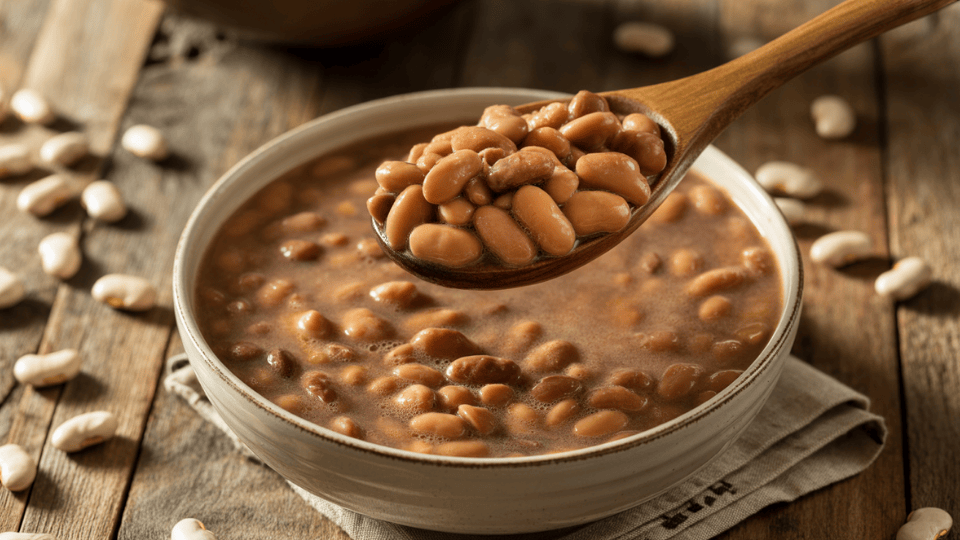
Pinto beans aren’t just delicious, they’re packed with a variety of nutrients that contribute to overall health. Here’s a breakdown of the key health benefits they offer:
1. Promote Digestive Health
Pinto beans are an excellent source of dietary fiber, with 15g of fiber per cup. This fiber is key in promoting healthy digestion by supporting regular bowel movements.
It helps keep the digestive system running smoothly and prevents constipation, making pinto beans a great addition to any gut-friendly diet.
2. Anti-inflammatory Properties
Pinto beans contain antioxidants such as flavonoids and phenolic compounds, which have been shown to have anti-inflammatory effects.
Chronic inflammation is linked to various health conditions, including heart disease and arthritis. By consuming pinto beans regularly, you can help reduce inflammation and improve overall health.
3. Improve Heart Health
Pinto beans are rich in potassium, magnesium, and fiber, all of which play vital roles in promoting heart health. Potassium helps regulate blood pressure, while magnesium supports healthy muscle function, including the heart muscle.
The fiber content in pinto beans also helps lower LDL cholesterol, reducing the risk of heart disease and stroke.
4. Weight Management
Pinto beans are a great option for weight management due to their high fiber and protein content. These nutrients work together to help you feel fuller for longer, reducing the likelihood of overeating.
This can support weight loss and help you maintain a healthy weight by curbing hunger and preventing unhealthy snacking.
5. Blood Sugar Control
The combination of fiber and protein in pinto beans helps regulate blood sugar levels. The fiber slows the digestion of carbohydrates, preventing blood sugar spikes after meals.
This makes pinto beans a beneficial food choice for individuals managing diabetes or those looking to maintain stable blood sugar levels.
Potential Drawbacks of Pinto Beans
While pinto beans are a healthy and nutritious food choice, there are a few potential drawbacks to be aware of:
- Gas and Bloating: Pinto beans can cause bloating and gas due to their high fiber and oligosaccharide content.
- Antinutrients: Pinto beans contain antinutrients like lectins and phytates, which may interfere with nutrient absorption. However, soaking and boiling beans can significantly reduce these effects.
- No Vitamin B12: Pinto beans are naturally lacking in vitamin B12, an essential nutrient for nerve health and red blood cell production. Vegans should consider supplementing with B12 or pairing pinto beans with other B12-rich foods.
By using proper cooking techniques and adjusting your diet as needed, you can minimize discomfort while enjoying the nutritional benefits.
Pinto Beans vs. Other Beans: Nutrient Comparison
When choosing between different types of beans, the nutritional differences are small but worth noting. Here’s how pinto beans compare to other popular varieties:
| Aspect | Pinto Beans | Black Beans | Kidney Beans |
|---|---|---|---|
| Protein | 15g per cup | Slightly higher than pinto beans | Higher than pinto beans |
| Fiber | 15g per cup | Slightly higher than pinto beans | Slightly lower than pinto beans |
| Folate | Higher (good for pregnant women) | Lower | Lower |
| Carbohydrates | 45g per cup | Slightly lower than pinto beans | Slightly lower than pinto beans |
| Affordability | More affordable | Slightly more expensive | Similar to pinto beans |
| Versatility | More versatile in various dishes | Often used in specific dishes like soups | Versatile but less common in some cuisines |
Each bean offers strong nutritional value, so the best choice often depends on your dietary goals and recipe needs.
Meal Ideas Using Pinto Beans
When working with dried pinto beans, it’s important to soak them overnight. This helps reduce the cooking time and improves their digestibility.
Pinto beans are a versatile ingredient that can be used in various dishes as:
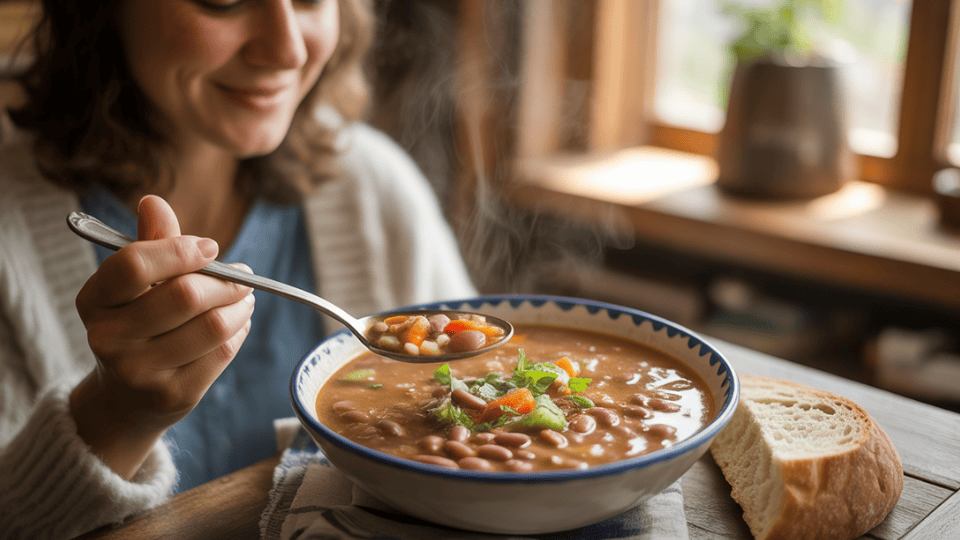
- Soups & Stews: Pinto beans add hearty texture and rich flavor to vegetable soups and chili, making them satisfying and filling.
- Mexican Dishes: Pinto beans are a key ingredient in dishes such as burritos, tacos, and fajitas, providing a creamy base and rich flavor.
- Salads: Pinto beans are a great addition to salads, boosting plant-based protein and enhancing texture and nutrition in both green and grain-based salads.
- Veggie Burgers: Mash pinto beans with breadcrumbs, vegetables, and spices to create a moist, plant-based burger that holds everything together.
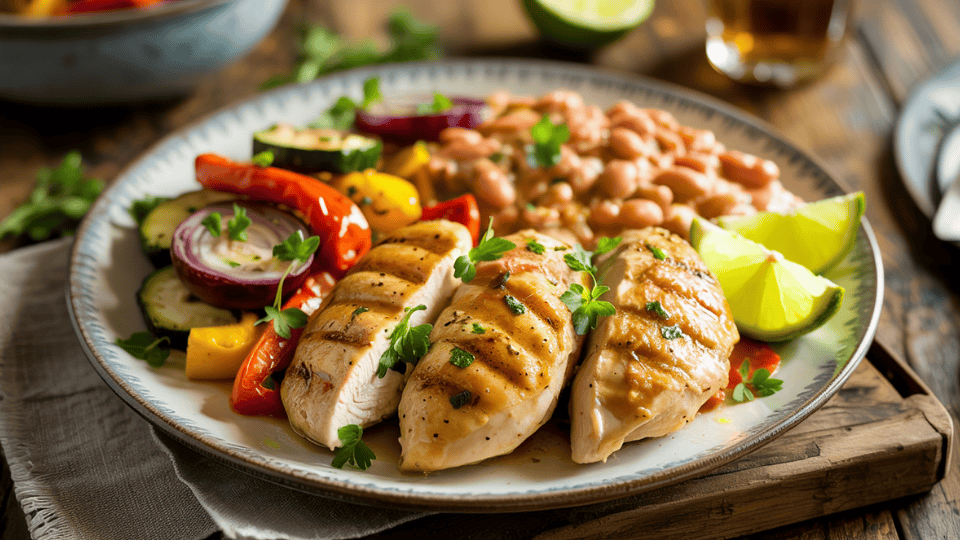
- Side Dish: Pinto beans make a great side dish, pairing perfectly with grilled meats, fish, or vegetables, thanks to their creamy texture and satisfying flavor.
- Casseroles: Pinto beans add texture and nutrition to baked dishes, such as bean-and-cheese casseroles or one-pot meals with rice, vegetables, and seasonings.
With proper preparation and creativity, pinto beans can be used in a variety of dishes, from soups to salads, offering versatility, nutrition, and flavor. They’re perfect for both everyday meals and special occasions.
Final Thoughts
So, Pinto beans are a nutritious and affordable ingredient, offering protein, fiber, antioxidants, and essential vitamins and minerals.
They provide numerous health benefits, including supporting heart health, digestion, blood sugar regulation, and weight management.
Easy to prepare and incredibly versatile, even if I add it to soups, salads, tacos, or serve it as a side dish, it is a great addition to any meal.
I encourage you to start experimenting with pinto beans in your recipes and see for yourself just how easy they are to incorporate into your daily meals.
Let me know your favorite pinto bean dish in the comments below, and don’t forget to share this post with friends who are looking to add more plant-based protein to their diets!