















If you’ve ever wondered about the carbs in tomatoes, you’re not alone. No matter if you’re counting net carbs for keto, managing blood sugar, or simply trying to eat smarter, tomatoes raise a fair question.
They taste sweet, they’re technically a fruit, and yet they appear in nearly every low-carb meal plan. People also ask: Do tomatoes have protein? Yes, they do, and we’ll cover that too.
Here, I’ll walk you through exactly how many carbs in tomatoes there are, how different varieties compare, and whether tomatoes are low-carb.
In my work with whole plant foods, I get asked about tomato carbs and tomato sugar content regularly
Why Carb Count in Tomatoes Matters
If you track carbs daily, even small foods like tomatoes can affect your totals. Knowing the numbers helps you stay consistent and avoid surprises.
People count carbs for different reasons. Some focus on weight loss. Others follow a keto diet or manage their blood sugar levels. In all these cases, tracking even small carb sources adds up over time.
Vegetables naturally contain carbohydrates because they store energy in the form of natural sugars and fiber. Even healthy foods are not carb-free.
Portion size plays a major role. One slice of tomato is very different from a full cup. The good news is that tomatoes are low in carbs compared to bread, rice, or fruit.
One thing I explain to clients who are new to carb tracking is the difference between total carbs and net carbs. Net carbs are calculated by subtracting dietary fiber from total carbs, since fiber is not digested the same way.
For tomatoes, this distinction matters because their fiber content is significant enough to bring the usable carb count down noticeably from the total carb figure.
Do Tomatoes Have Sugar?
Yes, tomatoes do have sugar, but the amount is small and entirely natural. A medium tomato contains roughly 2.6 grams of natural sugars, primarily glucose and fructose. These are not the same as added sugars found in processed foods.
More importantly, tomatoes have a glycemic index (GI) of approximately 15-30, placing them firmly in the low-GI category. Their glycemic load, which accounts for the actual serving size, is just 1 per medium tomato.
That means even though tomatoes do have sugar, they cause a minimal rise in blood glucose when eaten in normal portions.
So if you are wondering “are tomatoes low carb?”, yes, both the sugar content and overall carb count confirm that they are a safe, low-impact choice for most eating plans.
How Many Carbs in Tomatoes by Variety
Different varieties have slightly different carb amounts. Smaller tomatoes often taste sweeter, but that does not mean they are dramatically higher in carbs.
The table below gives you a quick snapshot before we go deeper into each variety.
| Tomato Variety | Serving Size | Total Carbs | Net Carbs (approx.) | Natural Sugar |
|---|---|---|---|---|
| Medium raw tomato | 1 medium (~123g) | 5.8g | ~2.7g | ~2.6g |
| Cherry tomatoes | 1 cup | ~6g | ~4g | ~4g |
| Grape tomatoes | 1 cup | ~5–6g | ~4g | ~3.5g |
| Roma tomato | 1 medium | ~4–5g | ~3–4g | ~3g |
| Heirloom tomato | 1 medium | ~6–7g | ~5g | ~4g |
1. Cherry Tomatoes

Cherry tomatoes contain about 6 grams of total carbs per cup, with roughly 4 grams of net carbs.
They taste sweeter because their sugars are more concentrated in smaller bites. However, their carb content is still lower than that of most fruits. Their small size makes it easy to eat more without noticing, which can increase total intake.
In my practice, cherry tomatoes are the variety I most often need to flag for keto clients, not because they are high in carbs, but because a handful turns into two without much thought.
I usually suggest measuring a cup serving once so you have a clear visual reference going forward.
2. Grape Tomatoes
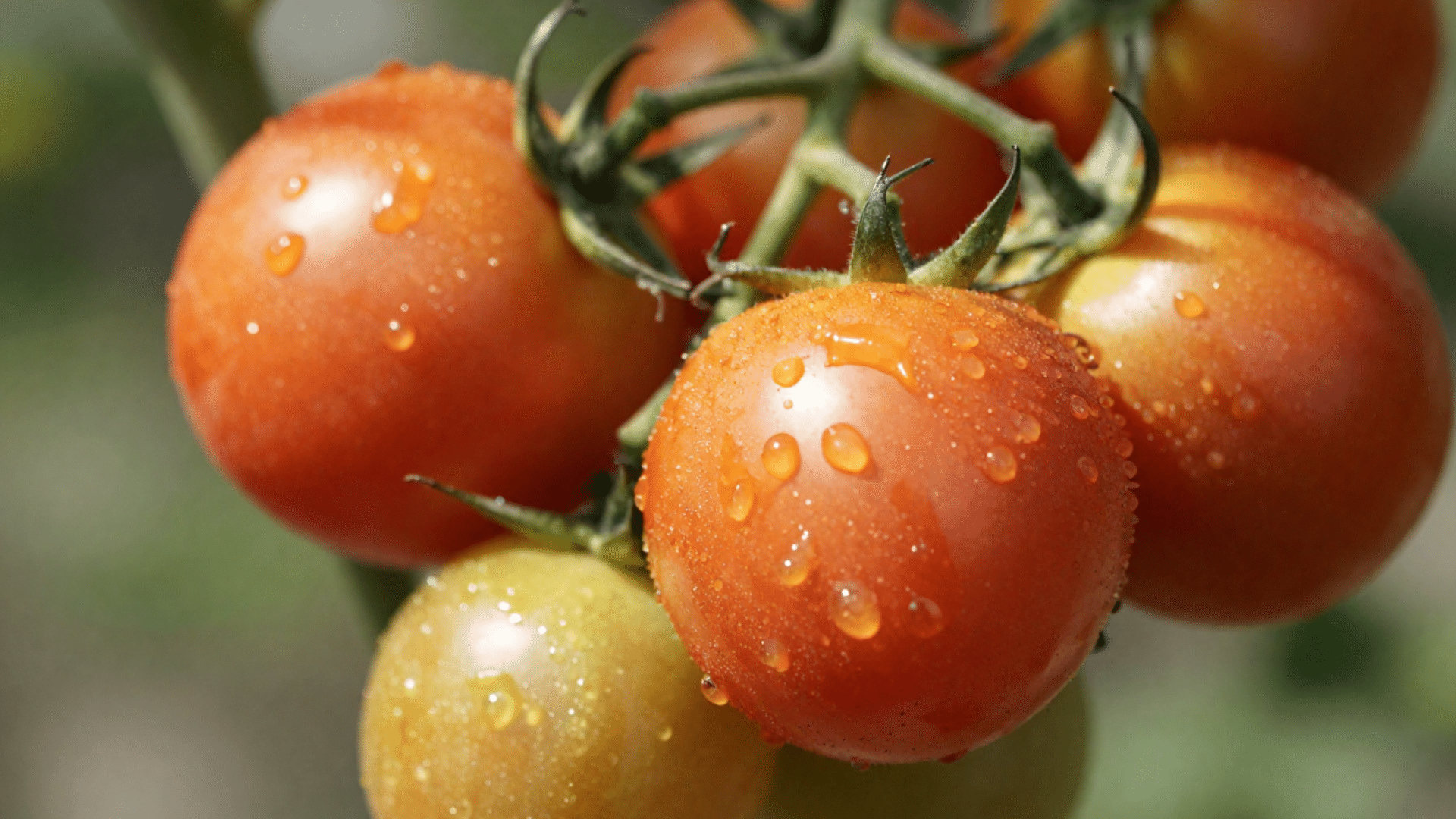
Grape tomatoes contain about 5–6 grams of total carbs per cup, with around 4 grams of net carbs.
They are slightly firmer and a bit less sweet than cherry tomatoes. The carb difference is minimal. Portion control matters more than variety when tracking carbs carefully.
3. Roma Tomatoes
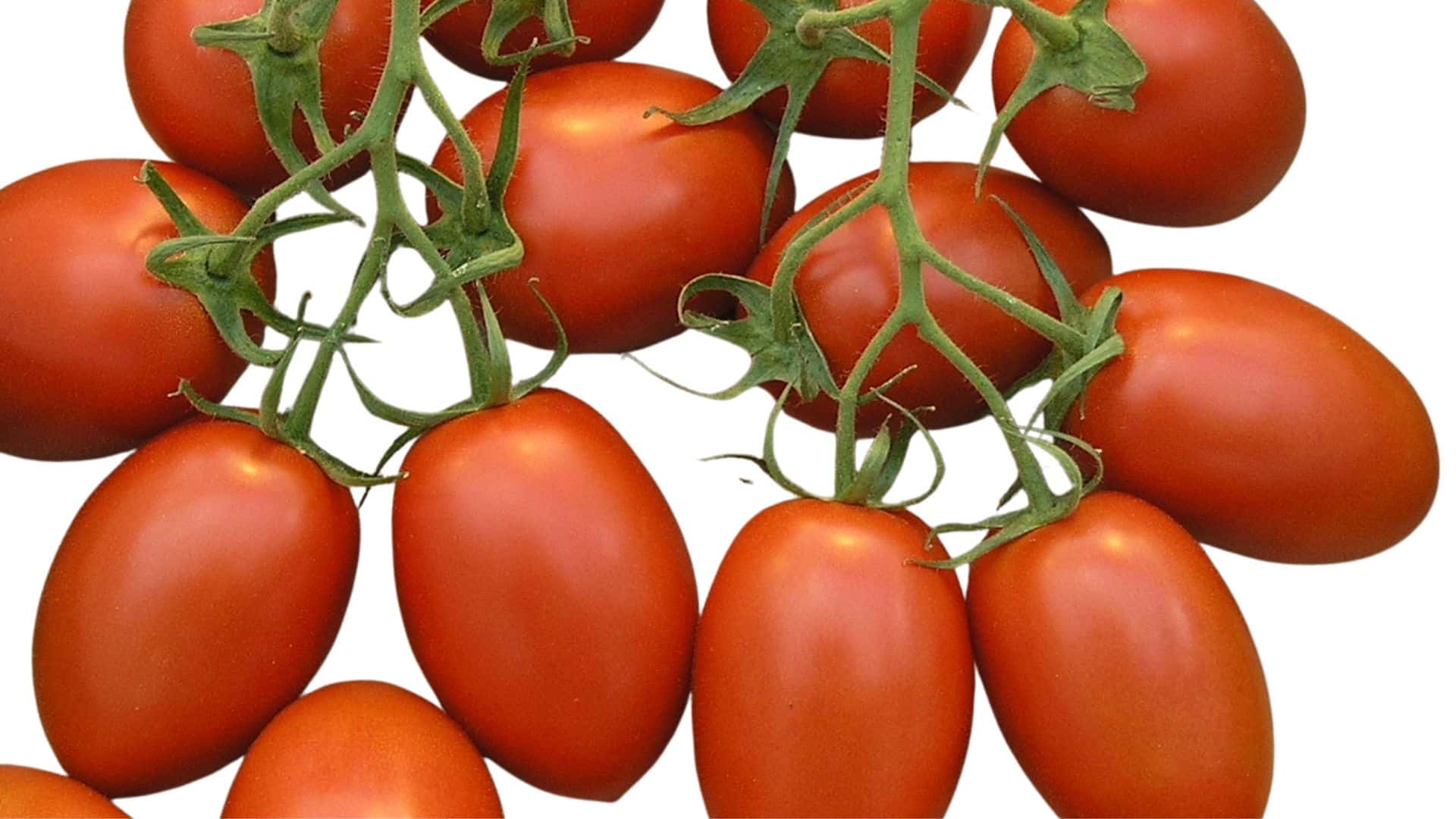
Roma tomatoes contain about 4–5 grams of total carbs per medium tomato, with about 3–4 grams of net carbs.
They are less juicy and slightly less sweet. Because they contain less water, they are often used in sauces. Their carb content stays moderate in fresh form.
4. Heirloom Tomatoes
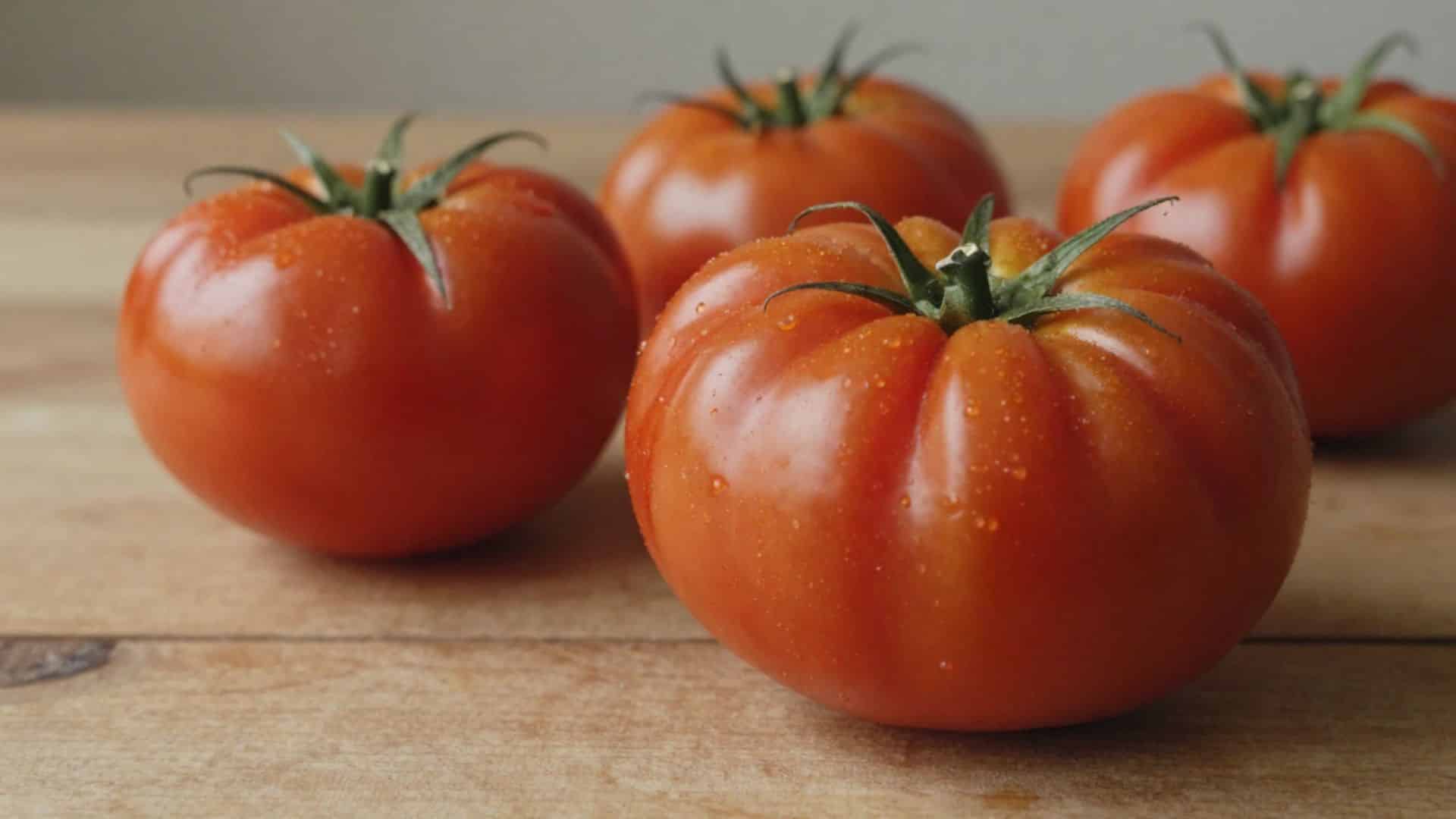
Heirloom tomatoes contain around 6–7 grams of total carbs per medium tomato, with about 5 grams of net carbs.
Their rich flavor may taste sweeter, but the carb content is similar to that of standard large tomatoes. Taste does not always mean more sugar.
There is another angle here that most blogs miss: cooking tomatoes does not just change the carb math, it also dramatically improves the availability of lycopene, the antioxidant tomatoes are best known for.
A study published in the European Journal of Clinical Nutrition found that cooking tomatoes with olive oil increased plasma lycopene absorption by up to 82%.
The tradeoff is that vitamin C, which is heat-sensitive, decreases by around 10–29% depending on cooking time. So from a low-carb standpoint, raw tomatoes are optimal for keeping net carbs minimal, but cooked tomatoes with a drizzle of olive oil maximize lycopene absorption. Both forms have a legitimate place depending on your goal.
Health Benefits of Including Tomatoes in Your Diet
One thing I consistently point out to clients is that the value of a food is never just its macros. Tomatoes are a textbook example. Here is what they bring beyond their low-carb count:
- Heart Health: Potassium and lycopene support healthy blood pressure and help protect blood vessels from oxidative stress over time. Research published in Advances in Nutrition found evidence that regular tomato and lycopene consumption supports improvements in LDL oxidation status and blood pressure, particularly in individuals with prehypertension.
- Weight Management: Low in calories and high in water content, tomatoes add volume to meals without increasing overall calorie intake.
- Skin and Eye Health: Vitamins A and C support skin repair, protect vision, and contribute to overall cellular health with regular consumption.
- Antioxidant Protection: Lycopene and other antioxidants in tomatoes help protect cells from damage linked to inflammation and chronic disease. A comprehensive review of 72 epidemiological studies, published in CMAJ, found that in 57 of those studies, higher tomato intake or circulating lycopene levels were inversely associated with the risk of several types of cancer, with 35 results reaching statistical significance.
- Blood Sugar Management: With a glycemic index of 15–30 and a glycemic load of just 1 per medium tomato, tomatoes have a negligible impact on blood glucose. This makes them a particularly sensible choice for people with diabetes or insulin resistance who are also managing carb intake.
Tomatoes are a simple and practical way to add real nutritional value to everyday meals. Small and consistent additions to your diet can make a noticeable difference in how you feel over time.
The Nutritional Value of Tomatoes Beyond Carbs
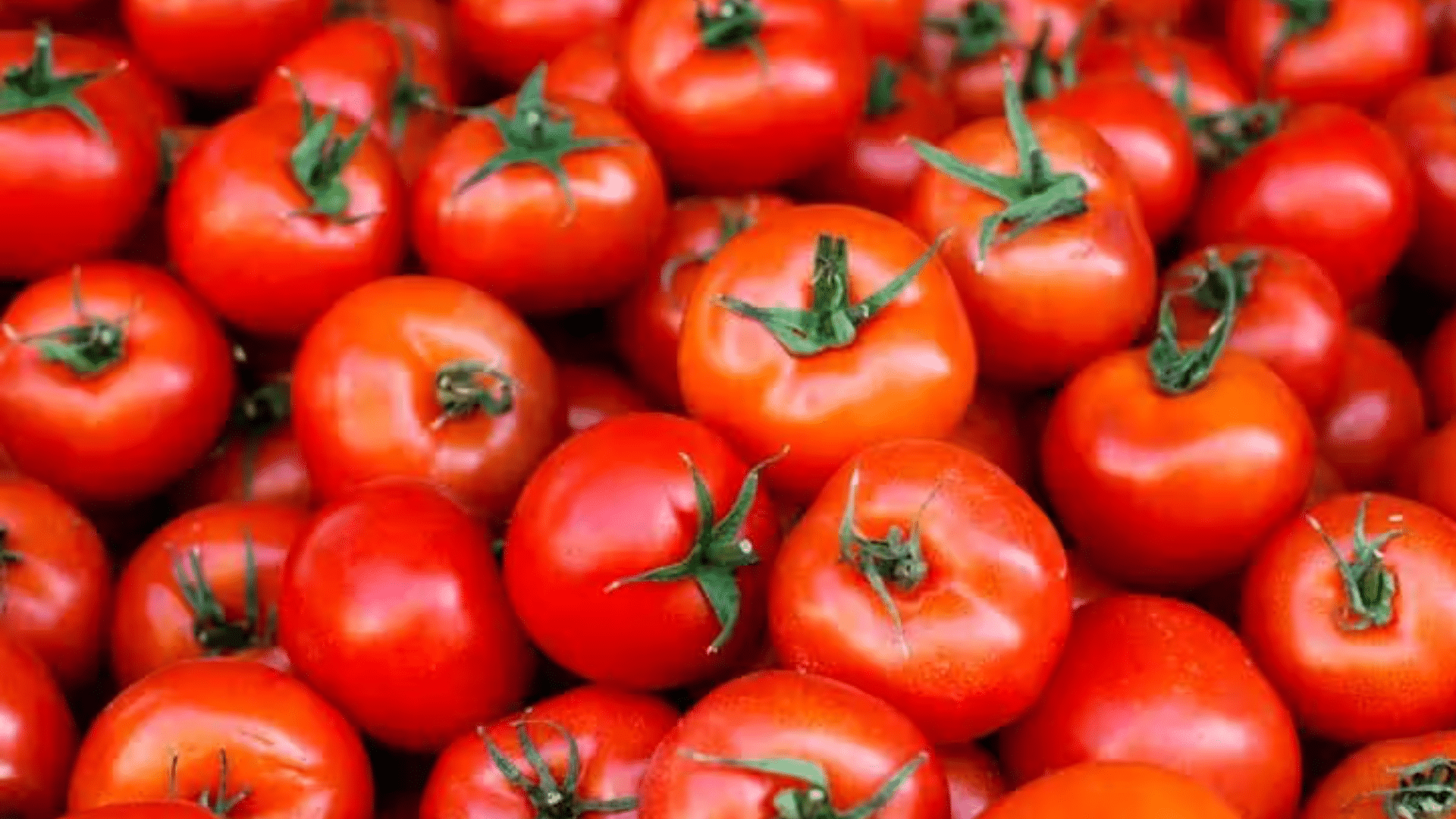
One thing I notice regularly when clients share their food logs is that they scan the carb column and move on. But a medium tomato is genuinely worth a second look. Here is a fuller picture of what you are actually eating:
Do Tomatoes Have Protein?
Yes, tomatoes do contain protein, though in small amounts. A medium-sized tomato provides roughly 1 gram of protein, while a full cup of chopped tomatoes offers closer to 1.5 grams.
Cherry tomatoes give you about 1 gram per cup. These numbers are modest, but they still add up when tomatoes are eaten regularly as part of a balanced diet.
Pairing them with eggs, legumes, cheese, or lean meats is a simple way to build a more protein-complete meal without overthinking your nutrition.
Key Vitamins and Minerals in Tomatoes
Tomatoes pack more nutritional value than most people give them credit for. Here is a look at the key vitamins and minerals found in a typical tomato:
- Vitamin C: Supports immunity and skin health.
- Vitamin A: Important for vision and immune function.
- Potassium: Helps maintain fluid balance and supports heart health.
- Lycopene: A powerful antioxidant linked to heart health and cancer prevention.
- Folate: Supports tissue growth and cell function.
- Phosphorus: Essential for strong bones and teeth.
- Calcium: Contributes to maintaining healthy bones.
These nutrients make tomatoes a smart addition to almost any diet. Getting a range of vitamins and minerals from a single whole food is always a practical and easy nutrition win.
Are Tomatoes Low-Carb? What the Numbers Actually Mean
The answer is yes, tomatoes are low-carb by any reasonable definition. A medium tomato sits at roughly 2.7 gramsof net carbs. For context, a small banana contains around 23 grams of carbs. Even a cup of chopped tomatoes only delivers about 4–5 grams of net carbs.
On a standard keto diet, where daily net carbs are typically capped at 20–50 grams, a medium tomato uses up only a small fraction of that allowance. The bigger risk is not the tomato itself, but the products made from tomatoes.
A half-cup of store-bought marinara sauce can contain 12–15 grams of net carbs, even though it should have only 4–6, due to added sugars. Always read the label.
A few practical rules I give my clients for keeping tomato carbs in check:
- Stick to fresh or whole tomatoes as your baseline.
- For sauces, look for “no sugar added” labels or make your own.
- Avoid sun-dried tomatoes in large quantities, they are calorie- and carb-dense despite the small portion size.
- When using canned tomatoes, choose those with no added ingredients beyond tomatoes and salt.
Raw vs Cooked Tomatoes: Does the Carb Count Change?
Cooking changes water content, which affects carb concentration per serving size.
| Tomato Form | Serving Size | Total Carbs (Approx.) |
|---|---|---|
| Raw tomato | 1 medium | 5 grams |
| Cooked tomato | 1/2 cup | 6–8 grams |
| Tomato sauce | 1/2 cup | 7–10 grams |
| Ketchup | 1 tablespoon | 4–5 grams |
| Sun-dried tomatoes | 1 cup | 15–20 grams |
Raw tomatoes contain more water, so carbs stay lower per volume. Their unique sensory properties at altitude partly explain tomato juice flight preference among frequent flyers. When cooked, water reduces, and natural sugars become more concentrated.
Tomato sauce may contain added ingredients that increase carb totals. Ketchup often includes added sugar, so labels matter. Sun-dried tomatoes are the most concentrated form, meaning small portions carry more carbohydrates.
In clinical practice, people following a ketogenic diet for blood sugar management tend to do well with fresh whole tomatoes but run into trouble with tomato-based condiments and sauces that quietly add 8–12 grams of carbs per serving.
If that is a concern, checking the ingredients list on any jarred or canned tomato product is worth the ten seconds it takes. The same goesfor onion and its carbs, a common add-in to sauces that can quietly push totals higher.
Tomatoes in Different Diet Plans
Tomatoes are flexible enough to fit into many different eating styles without much adjustment. Here is how they work across some of the most common diet plans:
- Low-Carb and Keto: Low net carbs make tomatoes a suitable option, but sticking to smaller servings and tracking net carbs helps you stay within your daily limits comfortably.
- Vegan and Vegetarian: Tomatoes add valuable nutrients to plant-based meals and pair well with legumes, grains, or nuts to create a more balanced, complete dish.
- Diabetic-Friendly: Their low glycemic index helps manage blood sugar impact, especially when portions are kept moderate and paired with protein or healthy fats to slow sugar absorption. Those managing kidney disease dietary restrictions should approach tomato portions with extra care.
In my experience, it is never really about the food itself, but about how you use it in your routine. Get the portions and pairings right, and tomatoes can work well for almost any eating plan you follow. Pairing them with carrots as a fiber source is one easy way to round out your plate without overthinking it.
How to Pick the Right Tomato Product: A Label-Reading Guide
This is an area that top-ranking articles cover, while your original blog leaves mostly untouched. When buying any tomato product, here is what to look for on the nutrition label:
| What to Check | What it Means for Carb Trackers |
|---|---|
| Total carbs vs. fiber | Subtract fiber to get net carbs, the number that matters most on low-carb diets |
| Added sugars line | Any amount above 0g signals added sweeteners, especially common in pasta sauces and ketchup |
| Ingredient order | If sugar, corn syrup, or fructose appear in the first five ingredients, look for an alternative |
| Serving size | Sauce labels often show 1/4 cup, double the serving, and you double the carbs |
| “No sugar added” claim | A reliable signal for low-carb friendly products, but still verify the total carb count |
Final Thoughts
Now, you’ve learned that tomatoes are a low-carb, nutrient-packed fruit that fits perfectly into your low-carb or keto diet.
You now understand the exact tomato carbs across different varieties, and how different varieties contribute to your health. From their heart-healthy lycopene to immune-boosting vitamin C, tomatoes offer much more than just low carbs.
You also know whether tomatoes have sugar. Yes, but naturally, in small amounts, with a negligible impact on blood glucose. The bigger concern is always processed tomato products, not the fruit itself.
My take is straightforward: tomatoes are one of those rare foods where the nutritional return far exceeds what the carb count alone would suggest. Eat them fresh, pair them with a healthy fat to maximize lycopene absorption, and read labels when buying anything processed.
If you found this useful, share it with someone who is just starting to track carbs, and feel free to leave a question in the comments below.