















I have seen people spend three days researching intermittent fasting, pick a method, and then completely fall apart at lunchtime on day one. Not because the fast was too hard, but because they had no idea what to actually eat.
That is where an intermittent fasting meal plan changes everything. It takes the guesswork out of the eating window, so you are not standing in front of the fridge at noon, making panic decisions.
Below, I will cover the four main fasting methods, the best foods to keep you full and focused, a complete 7-day plan, and the mistakes worth avoiding entirely. Let’s get into it.
A Simple Look at Intermittent Fasting
Intermittent fasting is not a diet in the traditional sense. It does not ask you to cut carbs or track every calorie. Instead, it structures your day around defined eating and fasting windows that work with your body’s natural rhythms.
The concept was widely popularized by Dr. Michael Mosley, who introduced the 5:2 method in 2012, and by researcher Mark Mattson, who spent decades studying its effects on metabolism and the brain.
The goal is simple: let insulin levels drop, make stored fat available for energy, and give your metabolism time to reset. Get the timing right, and the results follow.
Which Intermittent Fasting Diet Plan Should You Follow?

There are four main approaches worth knowing. The one that works best depends on your schedule, lifestyle, and how much structure you need.
1. 16/8 Method
The 16/8 method is the most beginner-friendly option available. You fast for 16 hours and eat within an 8-hour window; most people go from 12 pm to 8 pm.
Skipping breakfast keeps it simple, and nearly half of the fat happens while you sleep. It fits most schedules without requiring major changes to your current eating habits.
2. 5:2 Method
The 5:2 method lets you eat normally five days a week . On two non-consecutive days, you bring intake down to low-calorie fast meals in the 500–600 calorie range.
Small, protein-rich, fiber-heavy meals carry you through those days without feeling like a full fast. This works well for people who want structure only a couple of days each week.
3. Eat-Stop-Eat
Eat-Stop-Eat involves a full 24-hour fast done once or twice a week. You might finish dinner on Monday and not eat again until dinner on Tuesday.
It sounds intense, but it fits naturally around normal meals. This method is better suited for people already comfortable with shorter fasting windows.
4. Warrior Diet (20:4)
The Warrior Diet follows a 20-hour fasting window, followed by a 4-hour eating period in the evening. Small amounts of raw vegetables or fruit are allowed during the day.
It is the most demanding method on this list and works best for experienced fasters who prefer one large meal at night.
The Best Foods to Eat During Your Eating Window
What you eat inside your window matters as much as the fast itself. The right foods keep you full, steady your energy, and make the next fasting stretch easier.
| Category | Best Options | Why It Helps |
| Lean Proteins | Eggs, chicken, turkey, fish, legumes, Greek yogurt | Slows digestion, holds hunger off, aim for 25–35g per meal |
| Healthy Fats | Avocado, olive oil, nuts, seeds, salmon | Burns slowly, provides steady energy without spiking blood sugar |
| Fiber-Rich Carbs | Vegetables, berries, quinoa, oats, brown rice, legumes | Steadies blood sugar, slows digestion, reduces cravings between meals |
| Drinks to Have | Water, black coffee, unsweetened herbal tea | Keeps fasting window intact and hydration steady throughout the day |
| Foods to Avoid | Processed snacks, refined sugar, white bread, fast food | Spikes blood sugar fast, drives hunger back up within the hour |
| Drinks to Avoid | Juice, soda, alcohol, sweetened coffee drinks, energy drinks | Calories and sugar trigger an insulin response; fast is broken immediately |
Build meals around a protein source first, then add fat and fiber around it. That combination does more to control hunger than any single food on its own.
Food to Avoid: Processed snacks, sugary drinks, and refined carbs are the biggest threats to a successful fast. They spike blood sugar, trigger insulin responses, and cause energy crashes. Cutting them out stabilizes hunger, supports your fasting window, and makes the entire plan easier to maintain long-term.
7-Day Meal Plan (12 pm to 8 pm Window)
This plan follows the 16/8 method. All meals fall within a 12 PM to 8 PM eating window, three meals per day, spaced to keep energy steady throughout.
1. Monday
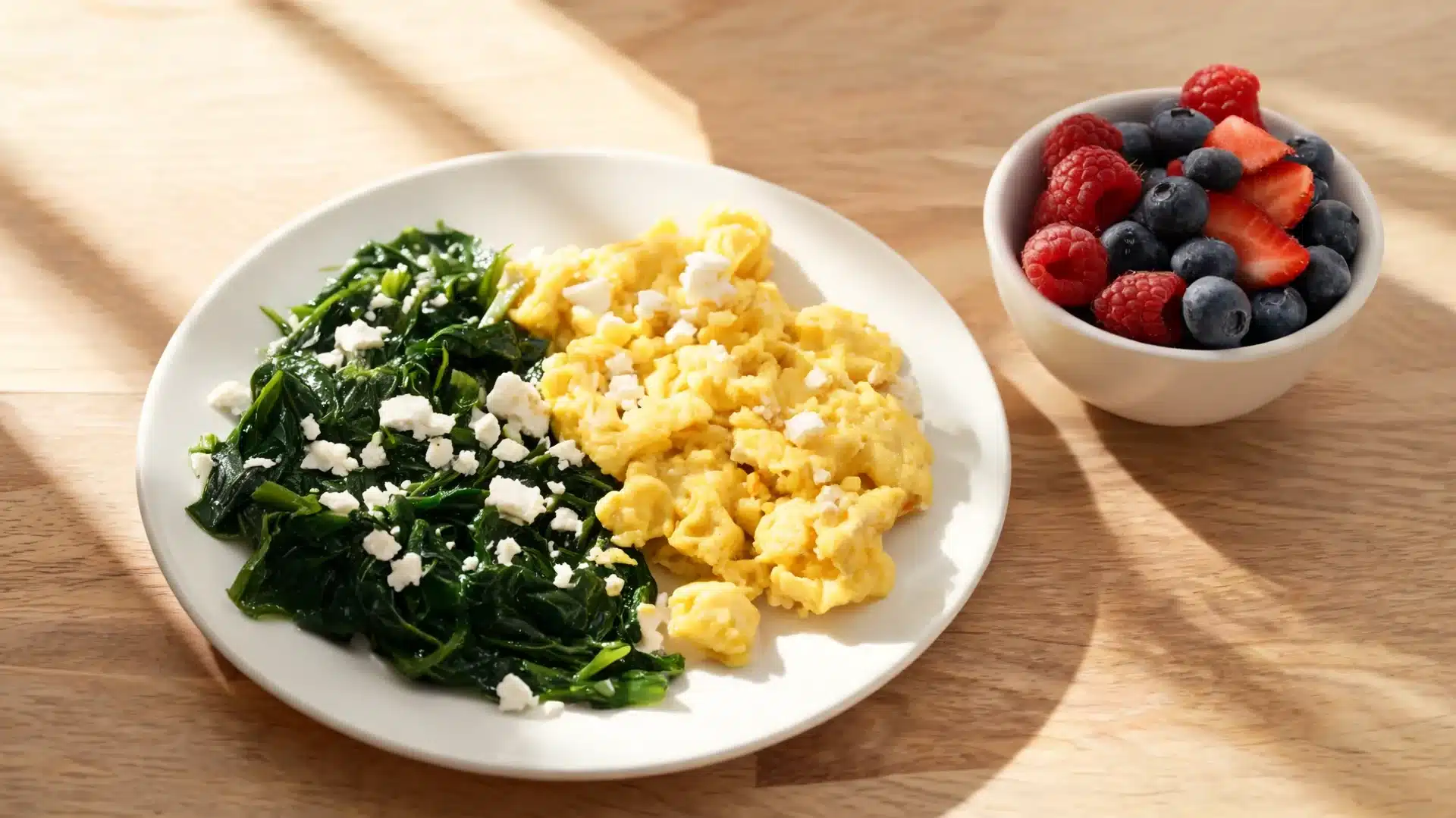
A solid start to the week. Monday’s meals lean on protein and healthy fats to set a steady baseline for the days ahead.
- 12:00 PM: Scrambled eggs with spinach, feta, and mixed berries
- 3:30 PM: Almonds and a boiled egg
- 7:30 PM: Grilled salmon, roasted zucchini, and quinoa
Protein is the thread running through all three meals here. The evening meal is light enough to digest comfortably before the window closes at 8 PM.
2. Tuesday
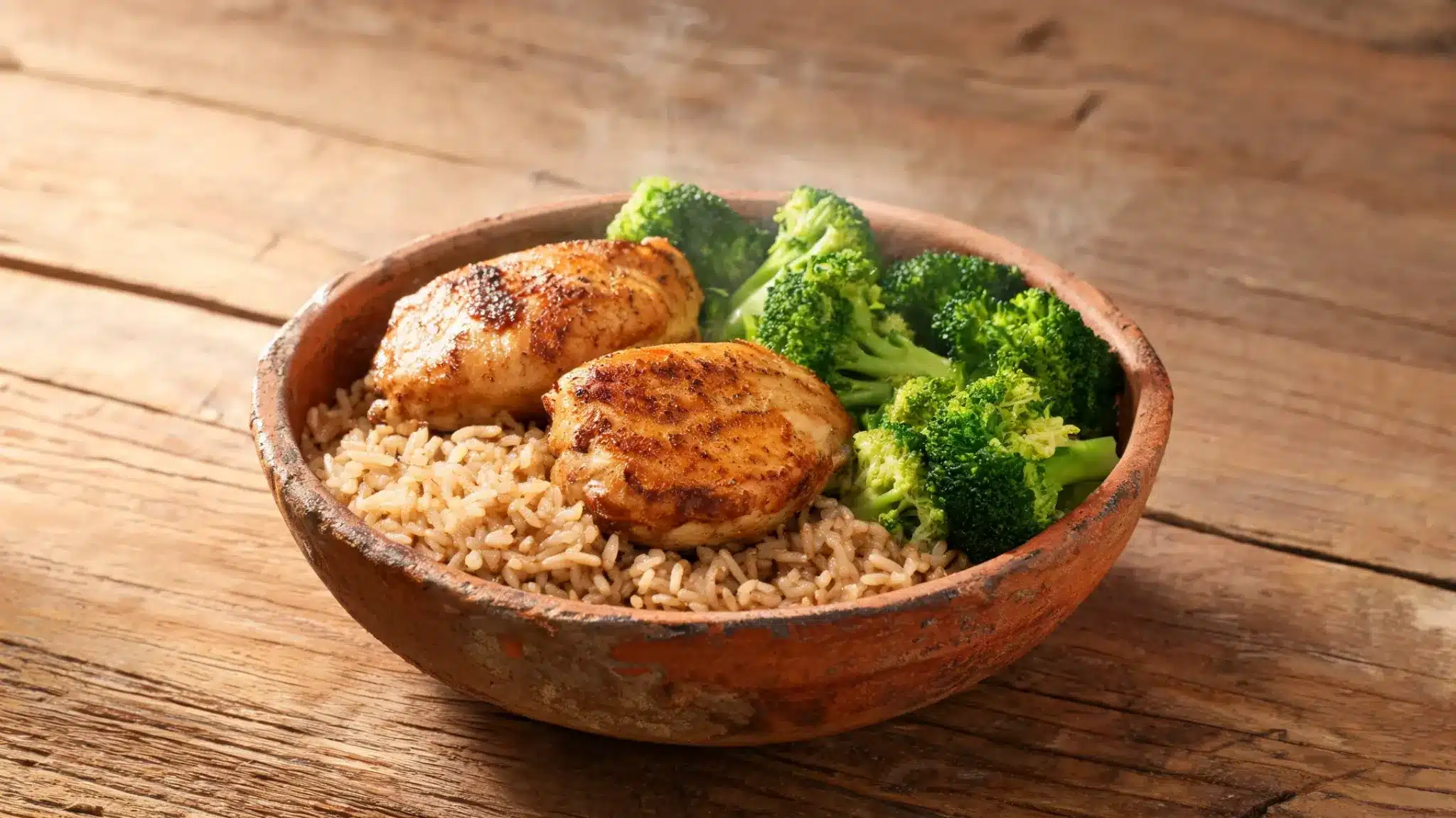
Tuesday shifts toward fermented dairy and complex carbs. It’s a good recovery day if Monday’s meals left you feeling heavier than expected.
- 12:00 PM: Greek yogurt with chia seeds, walnuts, and banana
- 3:30 PM: Sliced cucumber with hummus
- 7:30 PM: Baked chicken thighs, steamed broccoli, and high-potassium whole grain brown rice
The midday snack is intentionally light. Hummus and cucumber hold well without spiking energy before the larger evening meal.
3. Wednesday
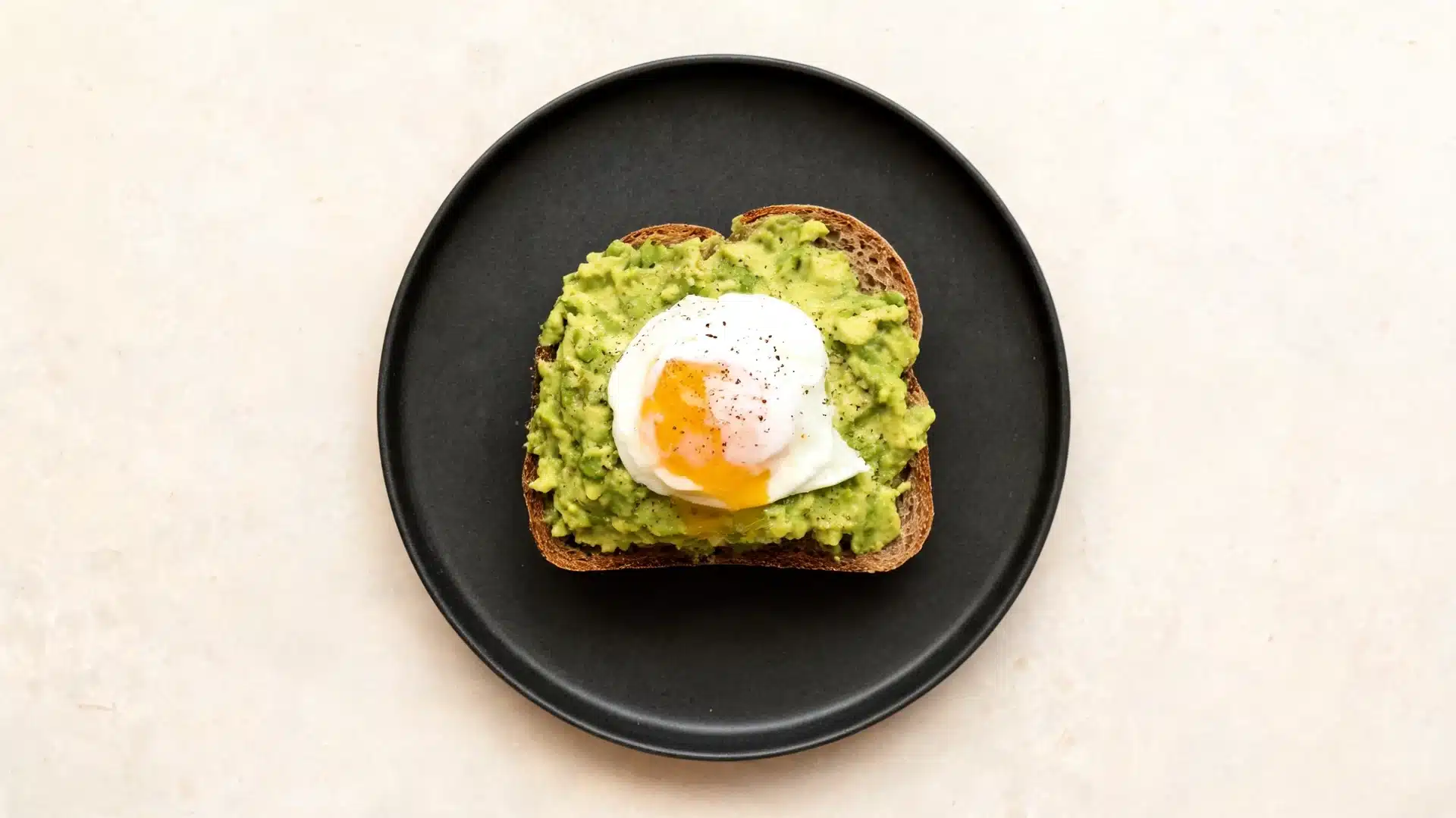
Wednesday’s meals are built around slow-digesting carbs and plant protein. A good day to lean on if you’re feeling fatigued mid-week.
- 12:00 PM: Avocado toast on whole-grain bread with a poached egg
- 3:30 PM: Apple with almond butter
- 7:30 PM: Lentil soup with mixed greens salad
Lentil soup works well as a batch-cook option. Make a large portion on Sunday night, and the Wednesday evening meal is already handled with no extra effort.
4. Thursday
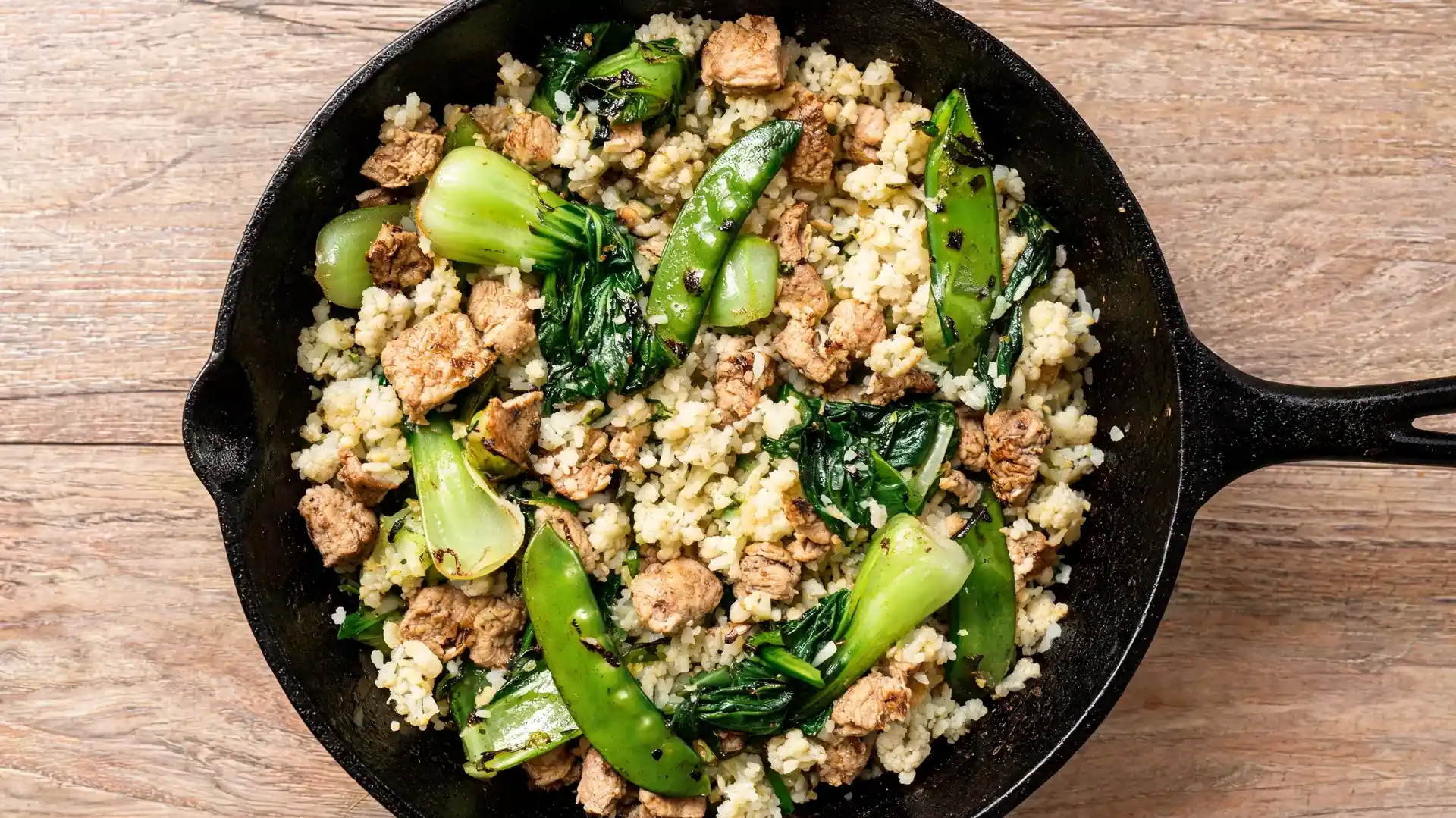
Thursday introduces more vegetables across all three meals. The variety here helps break any monotony that tends to creep in by mid-week.
- 12:00 PM: Veggie omelet with tomatoes, onions, and bell peppers
- 3:30 PM: Mixed nuts and dark chocolate
- 7:30 PM: Turkey stir-fry with bok choy, snap peas, and low-carb potato swap cauliflower rice
The afternoon snack is deliberately more satisfying than earlier in the week. Mixed nuts and dark chocolate bridge the gap to a later evening meal without leaving you flat.
5. Friday
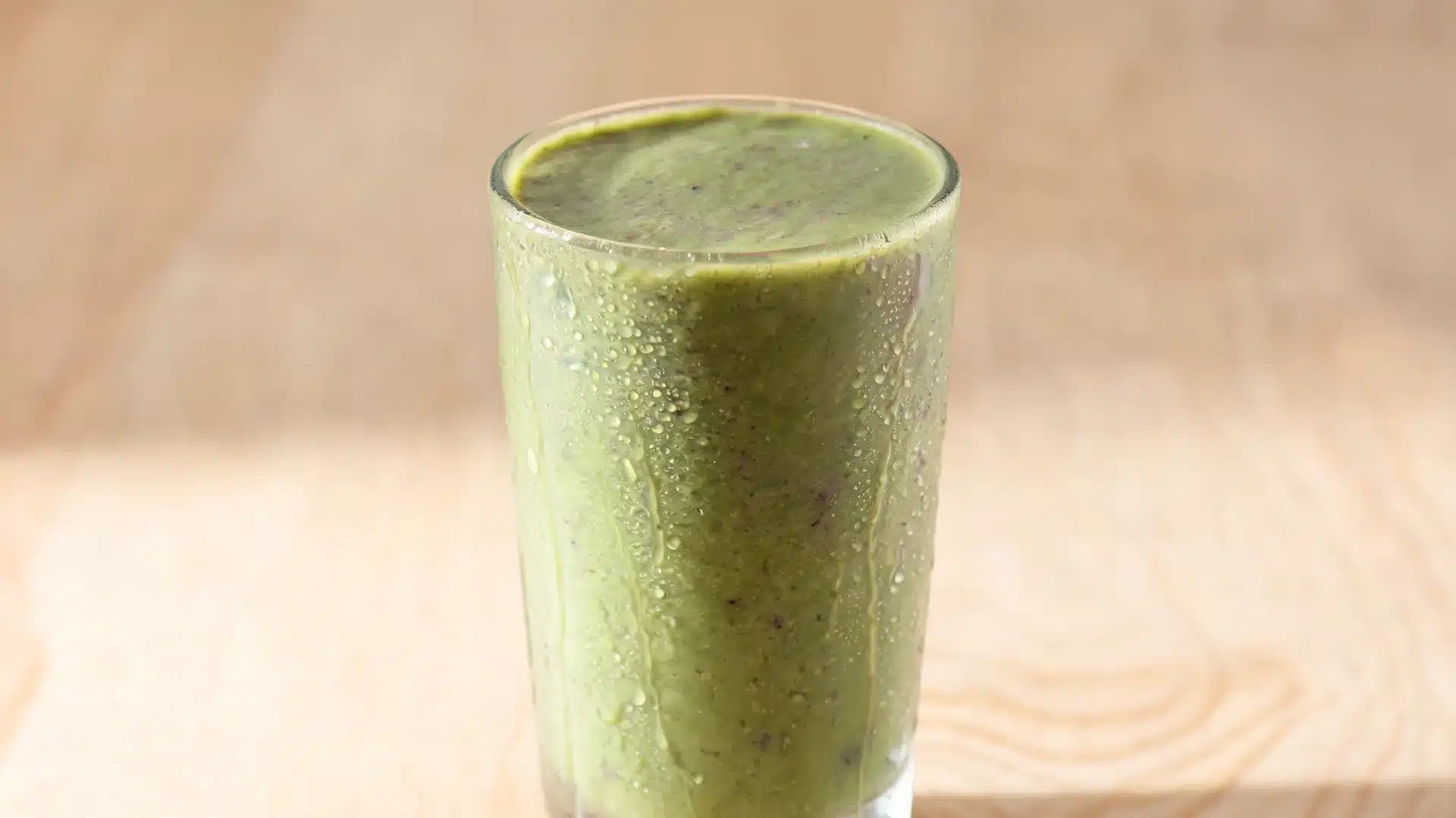
Friday keeps things quick and practical. All three meals are low-effort, which matters when the end of the week pulls attention elsewhere.
- 12:00 PM: Protein smoothie with spinach, frozen berries, and almond milk
- 3:30 PM: Celery sticks with peanut butter
- 7:30 PM: Baked cod with roasted sweet potato and asparagus
Baked cod takes under 20 minutes. Pair it with a pre-roasted sweet potato from earlier in the day, and the evening meal comes together with minimal active cooking time.
6. Saturday
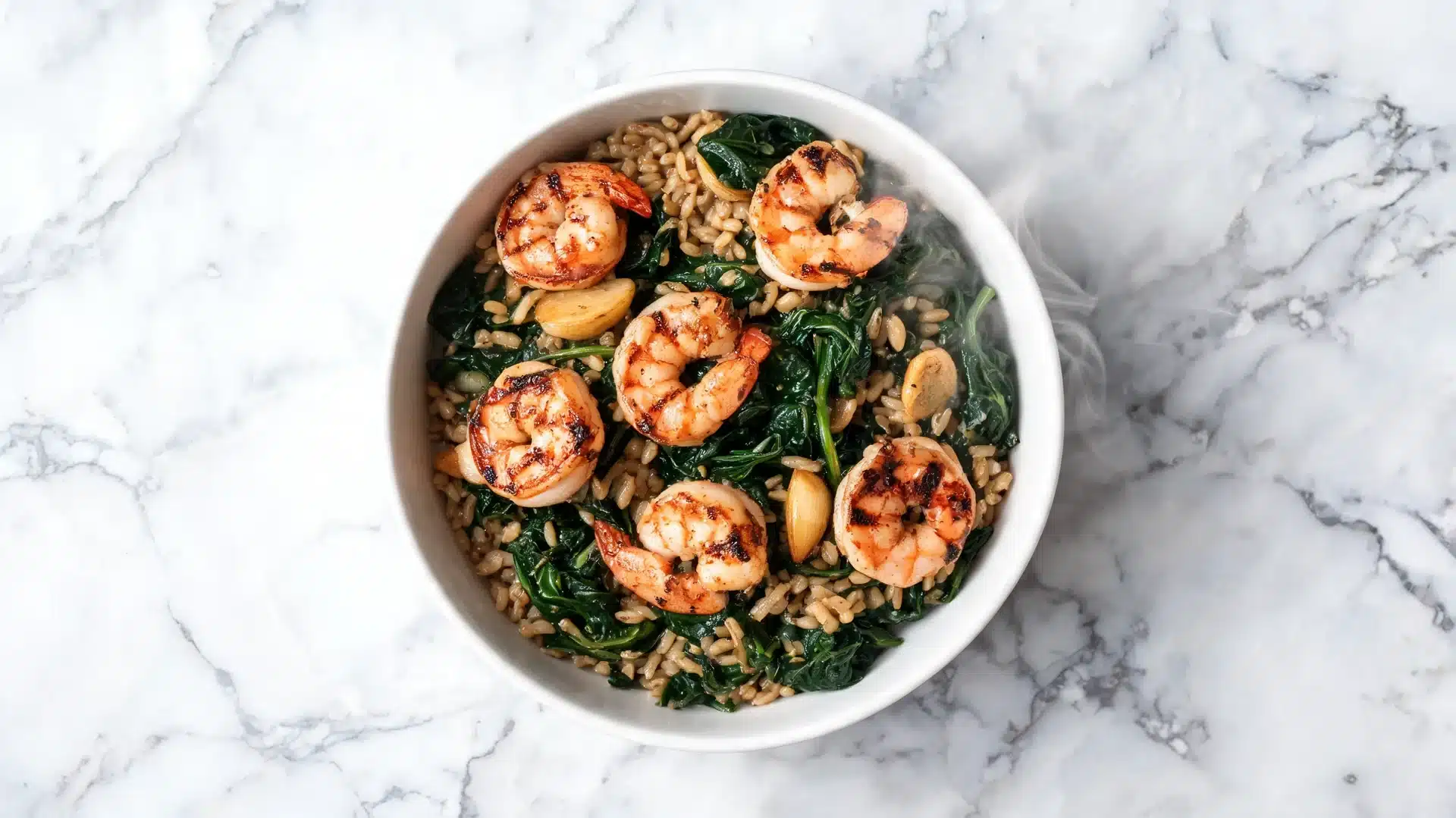
Saturday allows for a slightly more relaxed pace. Meals are still structured, but the ingredients here lend themselves to a slower, more enjoyable preparation.
- 12:00 PM: Oatmeal with flaxseeds, blueberries, and a boiled egg
- 3:30 PM: Greek yogurt with honey
- 7:30 PM: Grilled shrimp with garlic, sautéed spinach, and farro
Farro takes longer to cook than rice, but holds well refrigerated. Cook a batch earlier in the day, and the evening meal is mostly assembled by the time 7:30 PM arrives.
7. Sunday
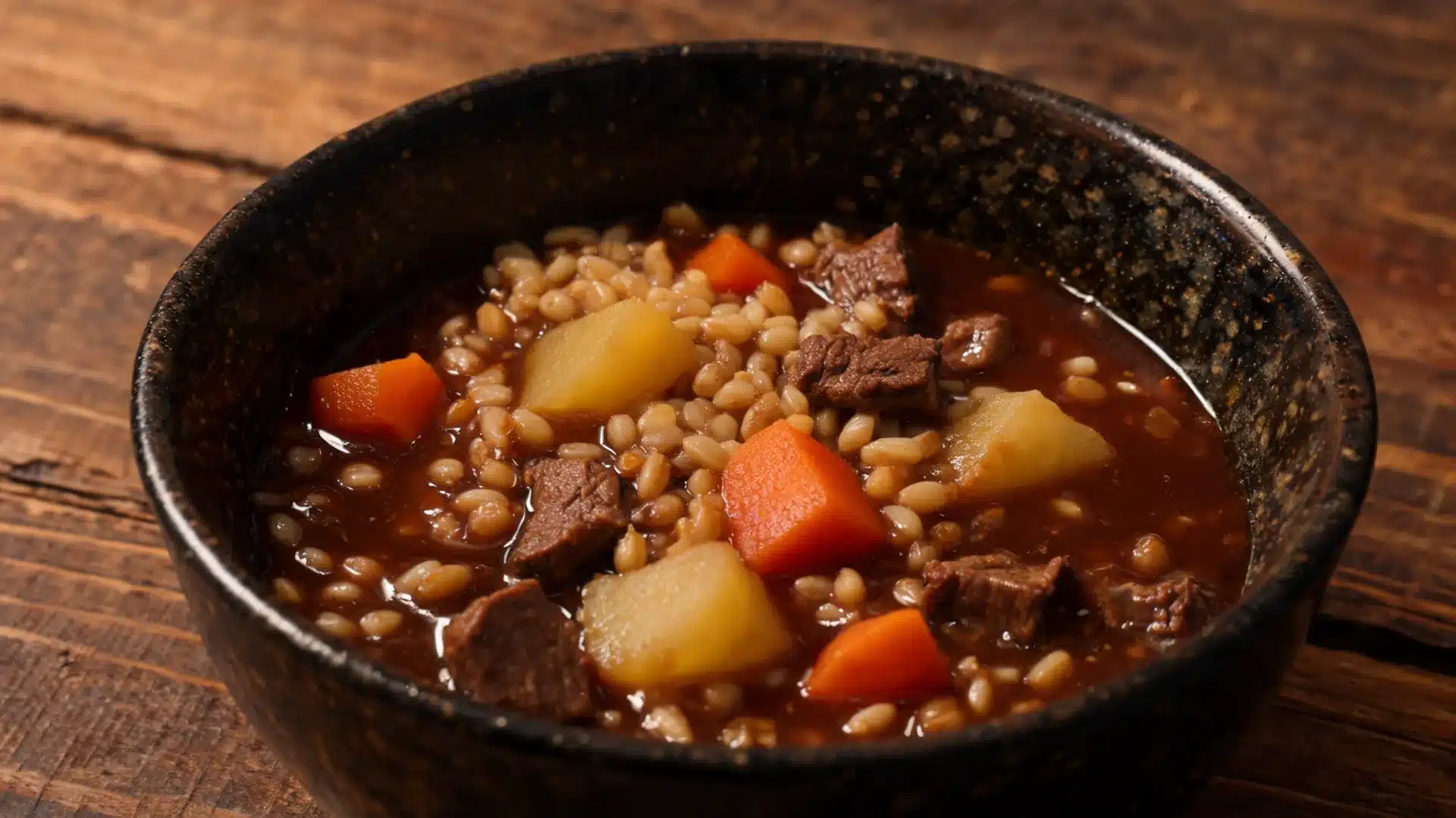
Sunday closes the week with heartier meals. The stew in the evening also doubles as a prep opportunity, make extra and Monday’s meals become easier to manage.
- 12:00 PM: Chicken wrap with lettuce, avocado, and salsa
- 3:30 PM: Sunflower seeds and a pear
- 7:30 PM: Beef and vegetable stew with barley
Use this plan as a rotating base. Swap a protein or vegetable side between days, two or three small changes per week, and keep meals from feeling repetitive without disrupting the nutritional structure.
How to Start Without Burning Out
Jumping straight into a 16-hour fast is where most people go wrong. The hunger hits hard by day three, motivation drops, and the whole thing gets abandoned before the body has had a chance to adjust. A much better approach is to build up gradually.
Start at 12 hours, eat at 8 AM, close the window at 8 PM, and hold that for a week until it feels routine. Then move to 14 hours by pushing the opening meal to 10 AM or closing an hour earlier.
After another week, shifting to the full 16-hour window feels far less dramatic than starting there cold. Give your body two to four weeks to fully adapt. Mild hunger during the fasting period is normal.
Dizziness, persistent weakness, or feeling consistently unwell are signals to pull back and check with a doctor before continuing.
Who Should Not Fast
Intermittent fasting works well for many people, but it is not right for everyone. Check with your doctor before starting if any of the following apply to you. The following are some conditions under which you should not fast:
| Condition | What It Affects | What to Do |
| Pregnancy or Breastfeeding | Calorie and nutrient intake for both you and your baby | Hold off entirely and speak with your doctor before making any changes |
| History of Disordered Eating | Structured restriction can bring back old patterns quickly | Work with a doctor or dietitian before adjusting your eating schedule |
| Type 1 Diabetes or Insulin Use | Blood sugar levels that may conflict with your medication | Get medical supervision before starting any fasting window |
| Food-Dependent Medications | How your prescription absorbs and works in your body | Check with your doctor to avoid side effects or reduced effectiveness |
These are not minor points to skim past. If any of the above apply to you, speak with your doctor first. Getting clearance takes one conversation and keeps the process safe from the start.
How to Break Your Fast the Right Way
Most people treat the end of a fast like a finish line. They go straight for a big meal and wonder why they feel sluggish an hour later.
After 14 to 16 hours without food, your stomach needs a gentle re-entry, not a feast. Start with something light and protein-rich. Give it 20 to 30 minutes before you go back for more. You will usually find you need less than you thought.
Good options to start with: eggs and veg, Greek yogurt with fruit, a simple protein smoothie, or oats with nuts. Easy on the gut, steady on energy.
Mistakes That Slow Results
Most people start strong but stumble on the same avoidable problems. These five mistakes come up more than expected and are worth knowing before you begin. Try to avoid the following mistakes:
- Eating too much during the window: The eating window is not a free pass. Portion sizes and food quality still matter just as much as the fast itself.
- Skipping protein: Low protein means more hunger, more cravings, and harder fasting windows. Every meal needs a solid protein source to keep you on track.
- Ignoring hydration: Hunger and thirst feel almost identical. Drinking water consistently throughout the fasting window reduces discomfort that feels worse than it actually is.
- Choosing low-quality foods: A window filled with processed food produces worse results than no fasting at all. What you eat in that window drives everything.
- Stopping too early: The first two weeks are the hardest part. Pushing through the adjustment period is what separates people who see results from those who quit.
None of these mistakes is hard to fix once you know what to look for. Catching even two or three of them early keeps your progress moving in the right direction from week one.
Frequently Asked Questions
Can you do intermittent fasting while on Zepbound?
Possibly, but only with your doctor’s guidance. Zepbound affects appetite and metabolism, and combining it with fasting without supervision can lead to nutrient deficiencies or unwanted side effects.
What is the 3-3-3 rule for weight loss?
It refers to eating three balanced meals, stopping three hours before bed, and drinking three liters of water daily. It is a simplified framework, not a medical protocol.
Is intermittent fasting safe if you have high cortisol?
Fasting can raise cortisol temporarily in some people. If you already have elevated cortisol, extended fasting windows may worsen symptoms. A shorter 12-hour window is likely a better starting point.
How many calories should you eat on a fasting plan?
Most adults do well with 1,400 to 2,000 calories during the eating window, spread across 2 to 3 meals. Your exact target depends on body weight, activity level, and goals.
What happens if you accidentally eat during the fasting window?
One small slip does not erase progress. Note the time, close the window from that point, and keep going. Consistency over weeks matters far more than a one-off moment.
Final Thoughts
Here is the truth nobody tells you: the fast is actually the easy part. Sleeping through half of it helps. What trips most people up is the eating window, and that is exactly what a solid intermittent fasting meal plan fixes.
You now have the methods, the food lists, a full week of meals, and a clear view of what goes wrong and why. Pick the approach that fits your schedule, not the one that sounds most impressive.
Eat well at your window, drink your water, and give yourself at least two weeks before deciding whether it is working. One consistent week beats a perfect plan that lasts three days. If you are still unsure about this plan, then drop a comment below, and I’ll clarify your concerns.