



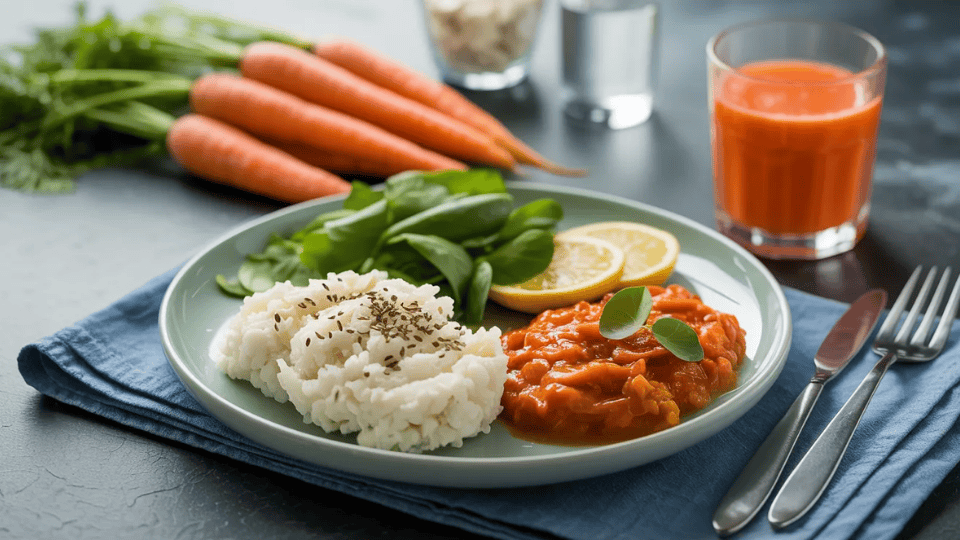









Your heart, your muscles, your blood pressure, and potassium keep it all running. In my experience, most adults are quietly not getting enough of it every day.
The recommended daily intake is higher than you’d expect. The average person gets closer to half that. That gap shows up as fatigue, cramps, and blood pressure that just won’t cooperate.
Knowing which high potassium foods actually deliver, fruits, vegetables, legumes, drinks, nuts, dairy, and meat, and how much they give you per serving, changes how you shop and eat.
Daily requirement, low potassium symptoms, food sources by category, and who needs to watch their intake. All of it, here.
Potassium Does a Lot More Than You Think
Most people know potassium has something to do with bananas. That’s about where it stops. But this mineral runs your heart rhythm, muscle contractions, and nerve signals, all day, every day. It also works directly against sodium, flushing excess salt out through urine, which is why it matters so much for blood pressure control.
The recommended daily intake for adults is 4,700 mg. Most people get around half that. Pregnant women need closer to 5,100 mg. Children need between 2,000 and 3,800 mg depending on age. Diuretics, heavy sweating, and processed food-heavy diets all drain it faster than usual.
Low potassium doesn’t always feel obvious. Fatigue, cramps, and sluggishness are common signs, and most people never connect them back to this mineral.
The fix is simpler than it sounds. It starts with knowing which foods actually deliver it.
Signs Your Potassium Might Be Too Low
Low potassium, clinically called hypokalemia, rarely announces itself loudly. Most people chalk the signs up to stress or poor sleep and move on.
- Muscle cramps: Legs cramping at night or muscles feeling unusually tight after exercise are among the earliest and most common signals to watch for.
- Fatigue: Not regular tiredness, a heavy, sluggish feeling that doesn’t improve much even after a full night of rest.
- Constipation: Potassium helps gut muscles contract and move things along. When levels drop, digestion slows down noticeably.
- Heart palpitations: In more serious cases, low potassium disrupts the heart rhythm. This one warrants a doctor visit rather than a dietary fix alone.
- Brain fog: Difficulty concentrating or thinking clearly can also occur, though this symptom overlaps with many other symptoms.
The muscle-related signs, cramping, weakness, and early fatigue during a workout, tend to be the clearest indicator that potassium deserves a closer look.
High Potassium Foods: Broken Down by Category
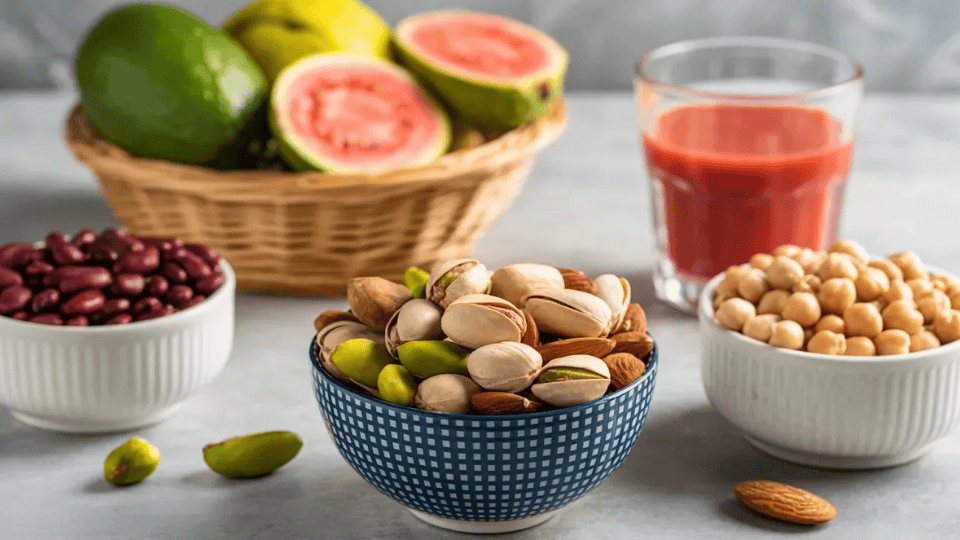
Here’s a look at the best sources across different food groups. I’ve included rough potassium values per typical serving so you can see how each food stacks up.
1. Fruits High in Potassium
One of the easiest ways to increase your potassium intake is through fruits. Avocado and dried apricots lead; it’s not always the banana that wins.
| Fruit | Serving | Potassium (mg) |
|---|---|---|
| Avocado | 1 medium | ~700 |
| Dried apricots | ¼ cup | ~756 |
| Plantain (cooked) | ½ cup | ~465 |
| Guava | 1 medium | ~417 |
| Banana | 1 medium | ~422 |
| Kiwi | 2 medium | ~468 |
2. Vegetables High in Potassium
Vegetables move the needle fastest. Beet greens, Swiss chard, and spinach sit at the very top: cheap, widely available, and easy to cook.
| Vegetable | Serving | Potassium (mg) |
|---|---|---|
| Beet greens (cooked) | 1 cup | ~1,309 |
| Swiss chard (cooked) | 1 cup | ~961 |
| Spinach (cooked) | 1 cup | ~839 |
| Sweet potato (baked) | 1 medium | ~542 |
| Edamame | ½ cup | ~485 |
| Broccoli (cooked) | 1 cup | ~457 |
3. Nuts and Seeds High in Potassium
Another easy and surprising source of potassium is nuts, and snacking on them daily adds to the benefits. Pistachios lead, followed closely by pumpkin seeds and sunflower seeds.
| Nut / Seed | Serving | Potassium (mg) |
|---|---|---|
| Pistachios | 1 oz | ~285 |
| Pumpkin seeds | 1 oz | ~226 |
| Sunflower seeds | 1 oz | ~241 |
| Almonds | 1 oz | ~208 |
| Peanuts | 1 oz | ~200 |
| Cashews | 1 oz | ~187 |
4. Legumes and Beans
This is the most underrated category. White beans and adzuki beans beat most fruits and vegetables on potassium per serving, by a significant margin.
| Legume | Serving | Potassium (mg) |
|---|---|---|
| Adzuki beans | 1 cup | ~1,224 |
| White beans (cooked) | 1 cup | ~1,004 |
| Lentils (cooked) | 1 cup | ~731 |
| Kidney beans (cooked) | 1 cup | ~713 |
| Split peas (cooked) | 1 cup | ~710 |
| Chickpeas (cooked) | 1 cup | ~477 |
5. Dairy and Eggs
Most people think of calcium with dairy, but it also delivers potassium. Plain yogurt is the strongest option here, ahead of milk and cottage cheese.
| Food | Serving | Potassium (mg) |
|---|---|---|
| Plain low-fat yogurt | 1 cup | ~573 |
| Low-fat milk | 1 cup | ~407 |
| Whole milk | 1 cup | ~382 |
| Cottage cheese | ½ cup | ~217 |
| Egg | 1 large | ~69 |
6. Meat and Fish
Muscle tissue naturally stores potassium, so animal proteins provide a decent amount. Fish tend to sit higher; halibut, tuna, and salmon all stand out.
| Protein | Serving | Potassium (mg) |
|---|---|---|
| Halibut (cooked) | 3 oz | ~490 |
| Tuna (cooked) | 3 oz | ~484 |
| Atlantic salmon (cooked) | 3 oz | ~414 |
| Pork tenderloin | 3 oz | ~382 |
| Chicken breast (cooked) | 3 oz | ~332 |
| Lean beef (cooked) | 3 oz | ~315 |
7. Drinks High in Potassium
Drinks are an easy way to supplement what food doesn’t cover. Prune juice and carrot juice lead, coconut water is the most convenient grab-and-go option.
| Drink | Serving | Potassium (mg) |
|---|---|---|
| Prune juice | 1 cup | ~707 |
| Carrot juice | 1 cup | ~689 |
| Tomato juice | 1 cup | ~556 |
| Orange juice | 1 cup | ~496 |
| Coconut water | 1 cup | ~400–600 |
| Tart cherry juice | 1 cup | ~330 |
Not Everyone Should Eat More Potassium
For most people, more potassium is a straightforward win. For those with kidney disease or related conditions, it needs more careful management.
- Kidney disease changes everything: Healthy kidneys filter excess potassium easily. When the function declines, potassium builds up in the blood, a condition called hyperkalemia that can dangerously affect heart rhythm.
- Potassium-restricted diets are real: If you have chronic kidney disease, many foods in this guide may need to be limited or prepared differently, boiling vegetables instead of steaming, for example, draws potassium out into the water.
- Creatinine levels are connected: Managing potassium and managing creatinine often go hand in hand. Creatinine-friendly foods overlap significantly with kidney-supportive eating and are worth understanding together.
When in doubt, get tested. A simple blood test tells you exactly where your potassium levels sit, far more reliable than guessing from symptoms alone.
Simple Ways to Eat More Potassium Every Day
You do not need to overhaul your diet. Small, consistent swaps made across your existing meals add up faster than you would expect.
- Swap white potato for sweet potato, using the same cooking method, for a more meaningful potassium boost without changing your routine.
- Replace white rice with lentils two or three times a week, and you will significantly shift your intake with that one habit alone.
- Add spinach to whatever you are already making. It wilts into pasta, eggs, soups, and stir-fries without changing the taste.
- Swap your usual snack for a handful of pistachios or mixed nuts to get potassium and healthy fats without any extra effort.
- Start breakfast with plain yogurt and a banana, one of the most potassium-dense quick meals you can put together with minimal preparation.
Small decisions made consistently beat any dramatic diet overhaul. That is really all this comes down to.
Potassium From Food vs. Supplements
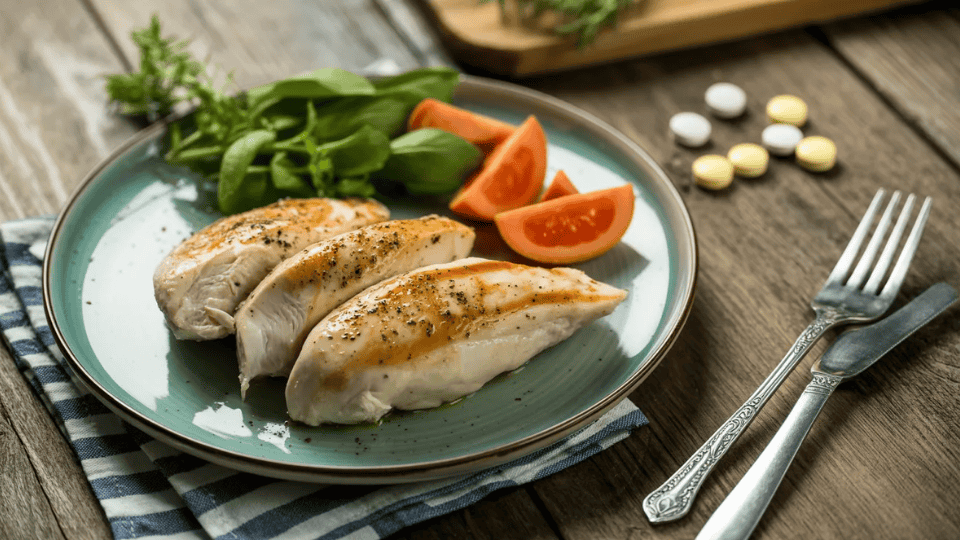
Supplements exist, but they’re not the straightforward fix they seem to be. Here’s how the two actually compare.
| Factors | Food Sources | Supplements |
|---|---|---|
| Potassium per serving | 200–1,200+ mg | Capped at 99 mg per tablet |
| Absorption | Buffered naturally by fiber and water | Absorbed quickly, harder to regulate |
| Risk of overconsumption | Very low for healthy individuals | Higher, excess potassium affects the heart rhythm |
| Additional nutrients | Yes, fiber, vitamins, antioxidants | No |
| Cost | Low | Higher over time |
| Best for | Most people’s daily intake | Diagnosed deficiency under medical supervision |
High-dose supplementation is regulated because it can cause heart problems without oversight. Follow your doctor’s advice if low potassium is confirmed. Otherwise, food is safer, cheaper, and more enjoyable.
A Final Note
After ten years of working with people on their diets, I’ve noticed that the nutrients nobody talks about are often the ones making the biggest quiet difference. Potassium is exactly that.
It doesn’t have a marketing budget. Nobody’s selling a potassium cleanse. But in my opinion, eating more high-potassium foods, through real food, across a variety of categories, is one of the most practical things you can do for your heart, your energy, and your blood pressure.
You don’t need to track every milligram. Just start adding more variety: more leafy greens, more legumes, more whole fruit, the occasional handful of nuts. That’s it. The numbers take care of themselves.